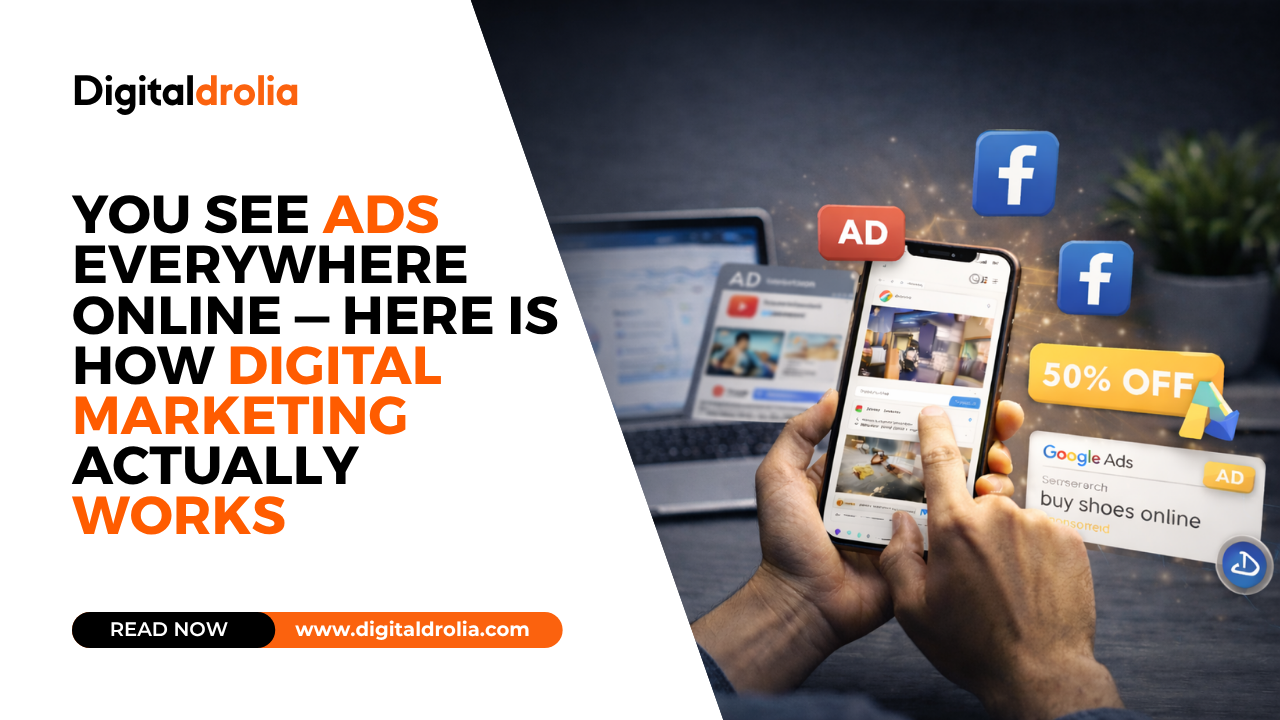
You See Ads Everywhere Online — Here is How Digital Marketing Actually Works | Digital Drolia

You open Instagram to check a friend’s story. Within seconds, there’s an ad for the exact sneakers you were browsing last night. You close the app, open YouTube to watch a music video, and before it plays — another ad. This time for a software tool you Googled three days ago. You switch to Gmail, and right there in your inbox, a promotional email from a brand you bought from once, six months ago.
Sound familiar?
Most people experience this every single day. But very few actually stop to ask — how does this happen? Who is behind all of this? Is someone watching me? And more importantly, how do businesses actually pull this off?
The answer is digital marketing — one of the most powerful, data-driven, and misunderstood industries in the modern world.
In this blog, we’re going to break it all down. Not in a boring, textbook way. But in a way that actually makes sense — like a conversation between two people who are genuinely curious about how the internet works.
First, Let’s Talk About What Digital Marketing Actually Is
Most people think digital marketing just means running ads on Facebook or posting on Instagram. And while that’s part of it, digital marketing is a much bigger ecosystem.
At its core, digital marketing is the process of promoting products, services, or brands through digital channels — the internet, search engines, social media platforms, email, apps, and more.
But here’s what makes it truly different from traditional marketing (like TV ads or billboards): digital marketing is measurable, targeted, and interactive.
When a brand puts up a billboard on a highway, they have no idea who saw it. They can estimate based on traffic data, but they can’t tell you if it was a 25-year-old woman from Delhi or a 50-year-old man from Mumbai. They can’t tell you if that person went home and bought the product.
Digital marketing can tell you exactly that. And that changes everything.
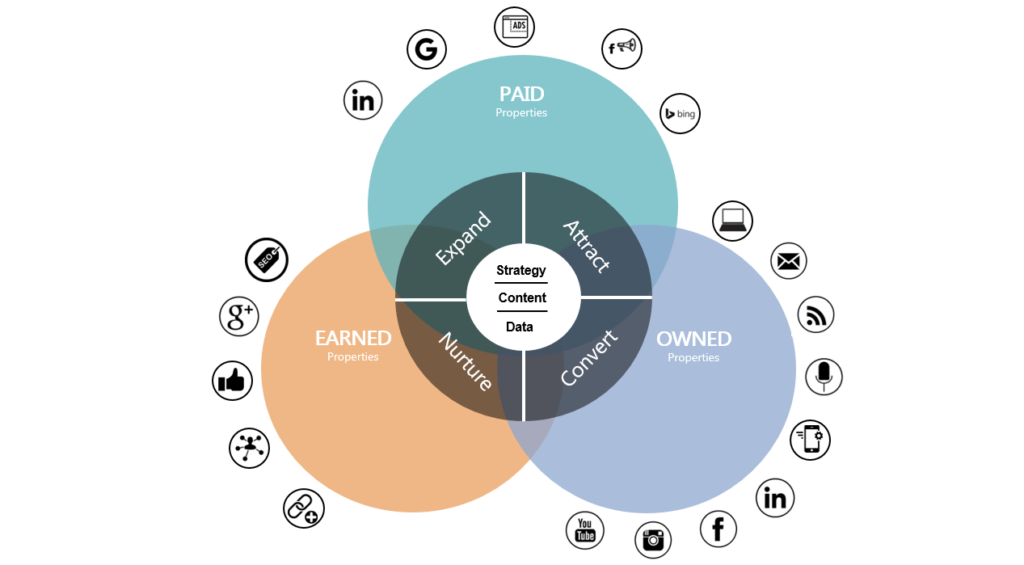
The Building Blocks of Digital Marketing
Let’s walk through the key pillars of digital marketing — the tools and strategies that brands use to reach you online.
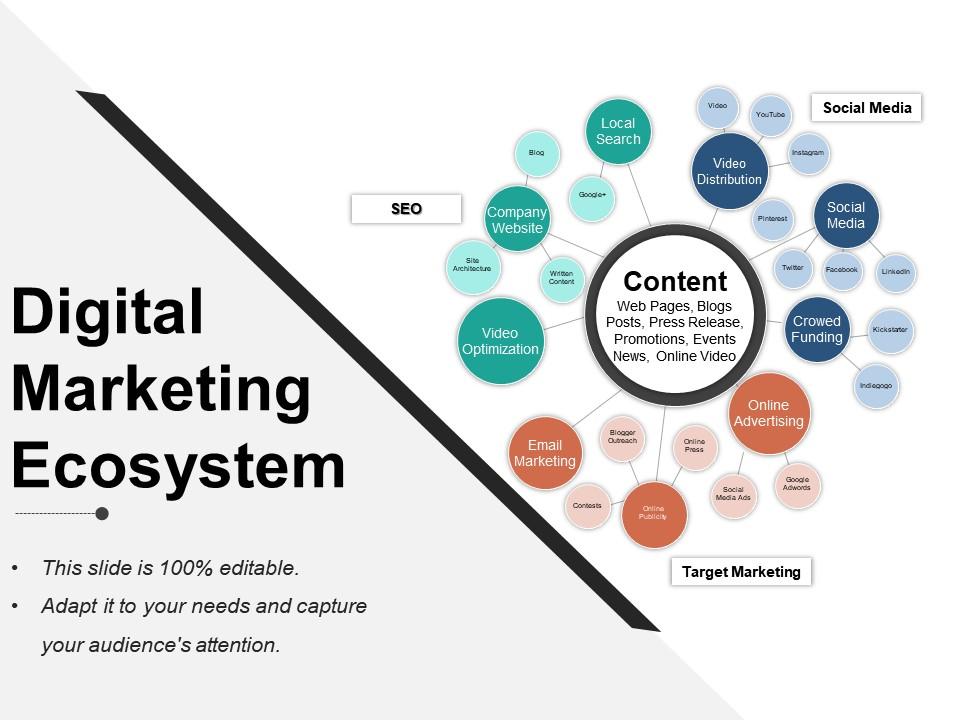
1. Search Engine Optimization (SEO) — The Long Game
Every time you type something into Google, you’re triggering an incredibly complex process. Google’s algorithm scans billions of web pages in milliseconds and decides which ones to show you — and in what order.
SEO is the art and science of getting your website to appear at the top of those results without paying for it.
When a business invests in SEO, they’re doing things like:
- Writing high-quality blog posts and articles that answer questions people are searching for
- Optimizing the technical structure of their website so Google can crawl it easily
- Building backlinks — getting other reputable websites to link to theirs
- Using the right keywords in the right places
Why does this matter? Because about 93% of all online experiences begin with a search engine. If your business isn’t showing up when someone searches for what you offer, you’re basically invisible.
The beautiful (and frustrating) thing about SEO is that it takes time. You won’t see results overnight. But when it works, the traffic it drives is consistent, sustainable, and essentially free. It’s the long game — and the brands that play it well build massive advantages over time.
Think about it: when you search “best budget smartphones in India,” the websites that show up at the top didn’t get there by accident. Someone spent months — sometimes years — creating valuable content, earning trust, and optimizing every page to earn that spot.
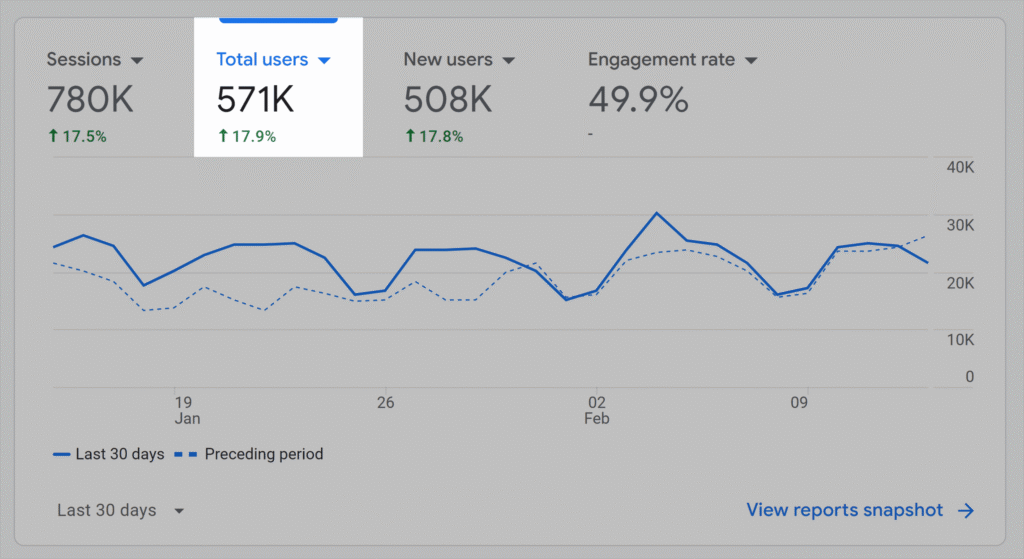
2. Pay-Per-Click Advertising (PPC) — The Fast Lane
If SEO is the slow train that eventually takes you where you want to go, PPC is the flight.
PPC advertising means you pay every time someone clicks on your ad. The most common form is Google Ads — those results you see at the very top of Google with a small “Sponsored” label.
Here’s how it works in simple terms:
Businesses bid on specific keywords. If someone searches that keyword, Google runs an instant auction and decides whose ad to show — based on the bid amount AND the quality of the ad. The winner gets their ad shown at the top. And they only pay when someone actually clicks.
This is why PPC is so powerful for businesses that need results quickly. Launching a new product? Run a Google Ads campaign and start getting traffic today. Don’t want to wait six months for SEO to kick in? PPC is your answer.
But here’s the catch — the moment you stop spending, the traffic stops. That’s why smart digital marketers use PPC and SEO together. PPC for quick wins, SEO for long-term growth.
PPC isn’t just on Google either. Facebook Ads, Instagram Ads, YouTube Ads, LinkedIn Ads — all of these are forms of pay-per-click or pay-per-impression advertising. And they work on an incredibly sophisticated targeting system, which we’ll get into in a moment.
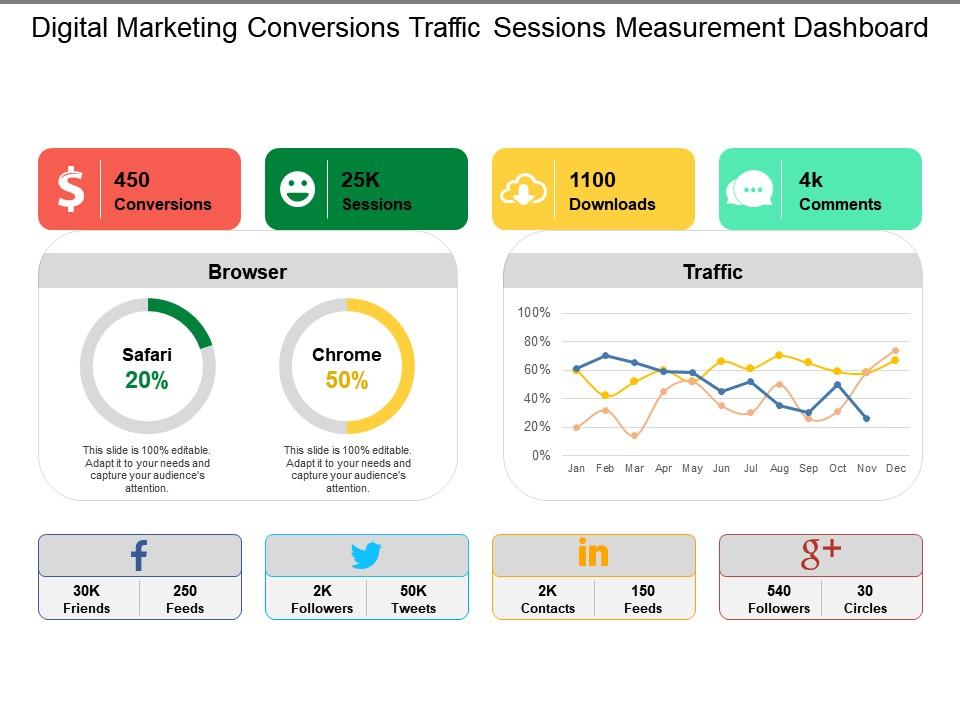
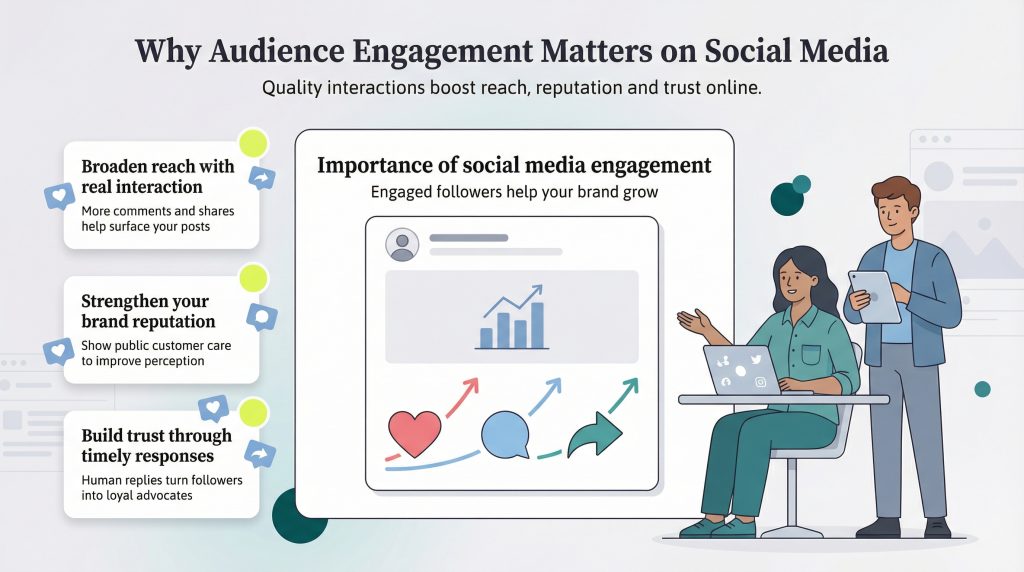
3. Social Media Marketing — Where Culture Meets Commerce
Social media changed marketing forever. Before platforms like Facebook, Twitter, Instagram, and now LinkedIn and TikTok — brands could only talk at their audiences. Now, they can talk with them.
Social media marketing includes both organic (free) and paid strategies.
On the organic side, brands create content — posts, reels, stories, threads — that entertains, educates, or inspires their audience. The goal is to build a community, stay top of mind, and create genuine connections with people.
On the paid side, social media platforms offer some of the most precise targeting tools ever created. Facebook and Instagram, for example, let advertisers target users based on:
- Age, gender, location
- Interests (fitness, travel, cooking, finance — you name it)
- Behaviors (people who recently moved, people who shop online frequently)
- Life events (just got engaged, expecting a baby, recently graduated)
- Custom audiences (your existing customers, people who visited your website)
- Lookalike audiences (people who resemble your best customers)
This is why an ad for engagement rings seems to follow people who just changed their relationship status to “Engaged.” It’s not magic. It’s data.
And this is also why social media marketing feels so personal — because it is. These platforms know an enormous amount about their users, and they sell access to that data (in the form of ad targeting) to brands.
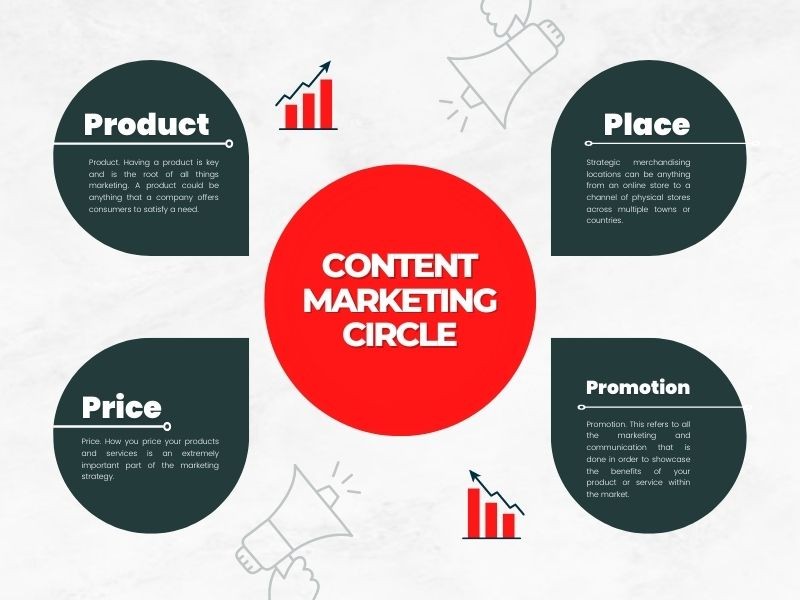
4. Content Marketing — Giving Value Before Asking for Anything
Here’s a question: why would a company spend time and money writing blog posts, making YouTube videos, or creating free guides — without directly selling anything?
The answer is content marketing, and it’s one of the smartest strategies in the digital world.
The idea is simple: provide genuine value to your audience, build trust, establish authority — and the sales will follow.
Think about it from your own experience. If you’ve been following a creator or brand for months, reading their content, watching their videos, finding them genuinely helpful — you’re far more likely to trust them and buy from them when the time comes.
HubSpot, one of the world’s biggest marketing software companies, built much of its empire through content marketing. They created a free blog, free tools, and free courses that helped millions of marketers do their jobs better. And in doing so, they became the first name people thought of when it was time to buy marketing software.
Content marketing is a long-term play. But the ROI is extraordinary — because you’re not just buying attention, you’re earning it.
5. Email Marketing — The Channel That Never Died
Every few years, someone declares that “email is dead.” And every time, they’re wrong.
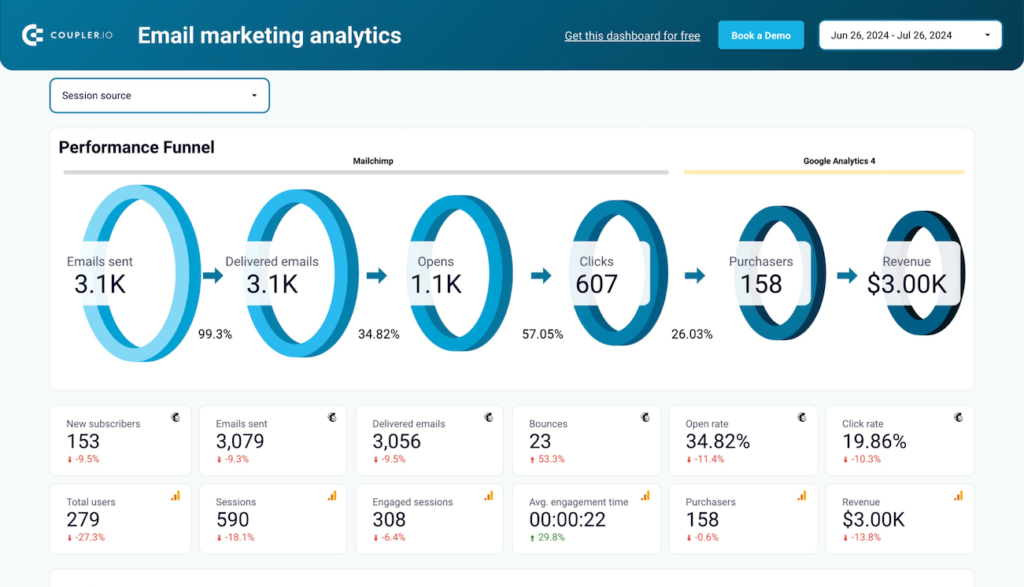
Email marketing remains one of the highest-ROI channels in all of digital marketing. Studies consistently show that for every ₹1 (or $1) spent on email marketing, the average return is ₹36–42.
Why does email work so well?
Because when someone gives you their email address, they’re giving you permission to enter their personal space. That’s a level of trust no social media algorithm can replicate. You’re not hoping they see your post in a crowded feed — you’re landing directly in their inbox.
Modern email marketing is highly sophisticated. Brands use tools like Mailchimp, Klaviyo, or HubSpot to:
- Send automated welcome sequences to new subscribers
- Trigger emails based on behavior (someone abandoned a cart — send a reminder)
- Segment their list and send different messages to different groups
- A/B test subject lines, designs, and calls-to-action
- Track open rates, click rates, and conversions
That promotional email you got from a brand you bought from six months ago? That wasn’t sent manually. It was part of a carefully designed automation sequence — triggered by the fact that you hadn’t purchased in 180 days. Smart, right?
6. Influencer Marketing — Trust at Scale
This one’s relatively new, but it’s become a multi-billion dollar industry almost overnight.
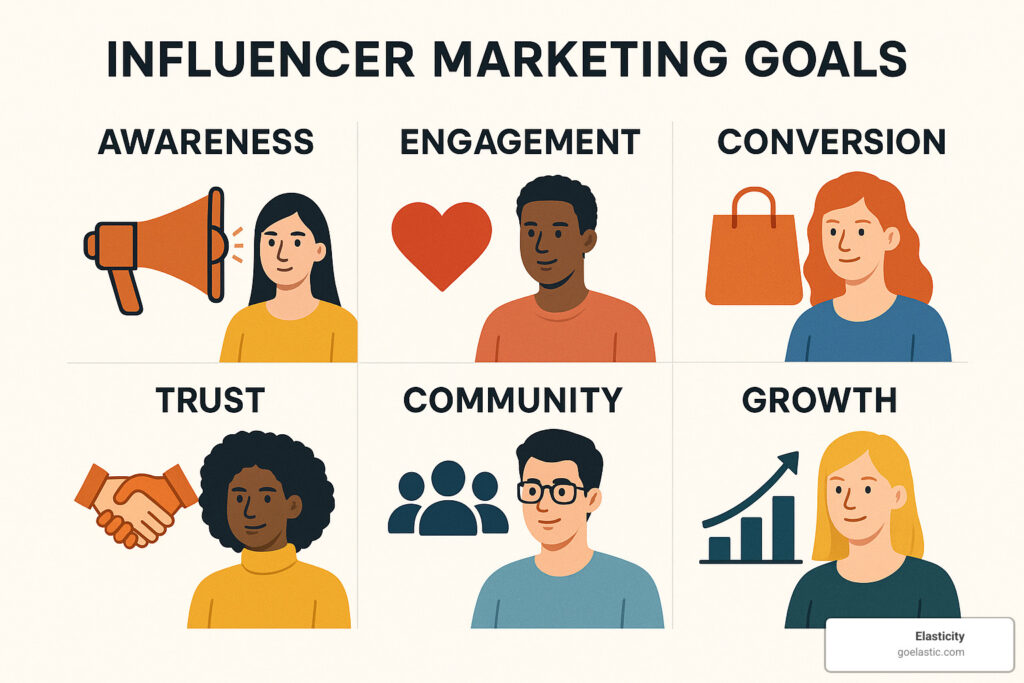
Influencer marketing is when brands partner with people who have built large, engaged followings on social media — and pay them to promote their products or services.
The reason it works comes down to one word: trust.
People trust other people more than they trust brands. If your favorite fitness creator tells you a protein powder genuinely helped their performance, you’re far more likely to believe them than if the brand told you directly.
Influencer marketing spans a wide spectrum:
- Mega influencers (millions of followers) — great for awareness, expensive
- Macro influencers (100k–1M followers) — broad reach, moderate cost
- Micro influencers (10k–100k followers) — highly engaged niche audiences, affordable
- Nano influencers (under 10k) — hyper-local, extremely high trust, very affordable
Interestingly, many brands are moving away from mega influencers toward micro and nano influencers. Why? Because a creator with 8,000 highly engaged followers in a specific niche often drives better conversions than a celebrity with 2 million passive ones.
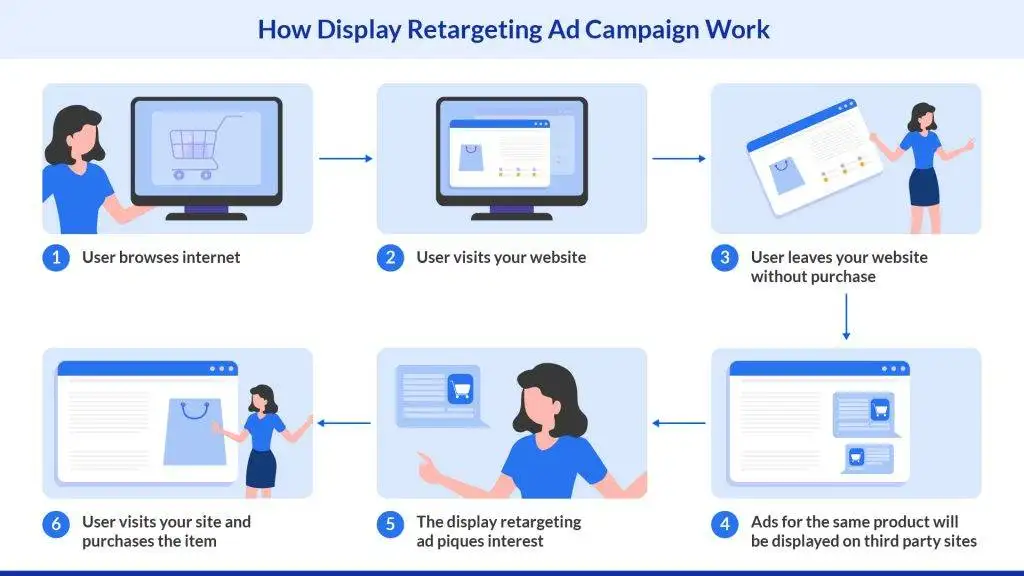
7. Retargeting — Why Ads Follow You Around the Internet
This one deserves its own section because it confuses — and frankly, unsettles — so many people.
You browse a pair of headphones on Amazon. You don’t buy. You close the tab. Then for the next two weeks, ads for those exact headphones follow you across every website you visit. How?
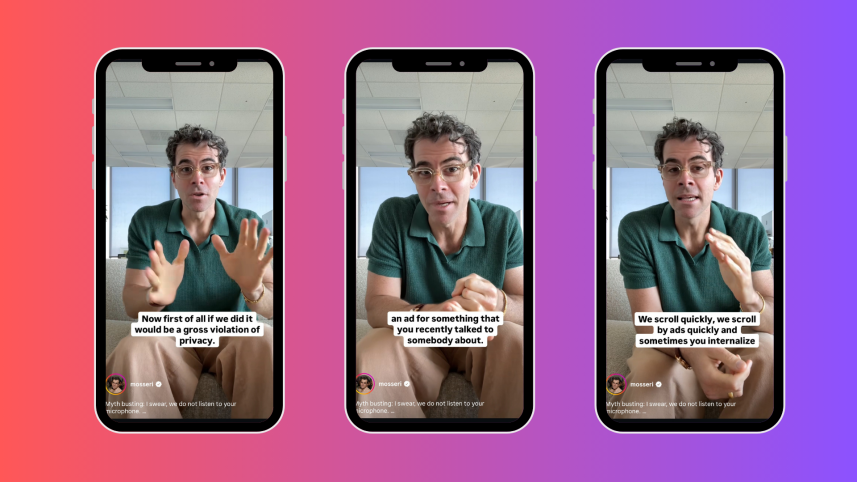
This is called retargeting (or remarketing), and it’s powered by something called the Facebook Pixel (or Google Tag, or similar tracking codes).
When you visit a website, a tiny piece of code (called a cookie or pixel) gets placed in your browser. This code quietly tracks where you go online. When you visit a website that serves Facebook or Google ads, the platform recognizes your browser, sees that you visited a specific product page, and shows you an ad for that product.
Retargeting is incredibly effective because it targets people who already showed interest. You weren’t just browsing randomly — you looked at headphones. That’s a signal. Smart marketers act on that signal.
This is also why clearing your browser cookies tends to make ads feel less personalized for a while — you’ve essentially reset that tracking.
How It All Fits Together — The Customer Journey
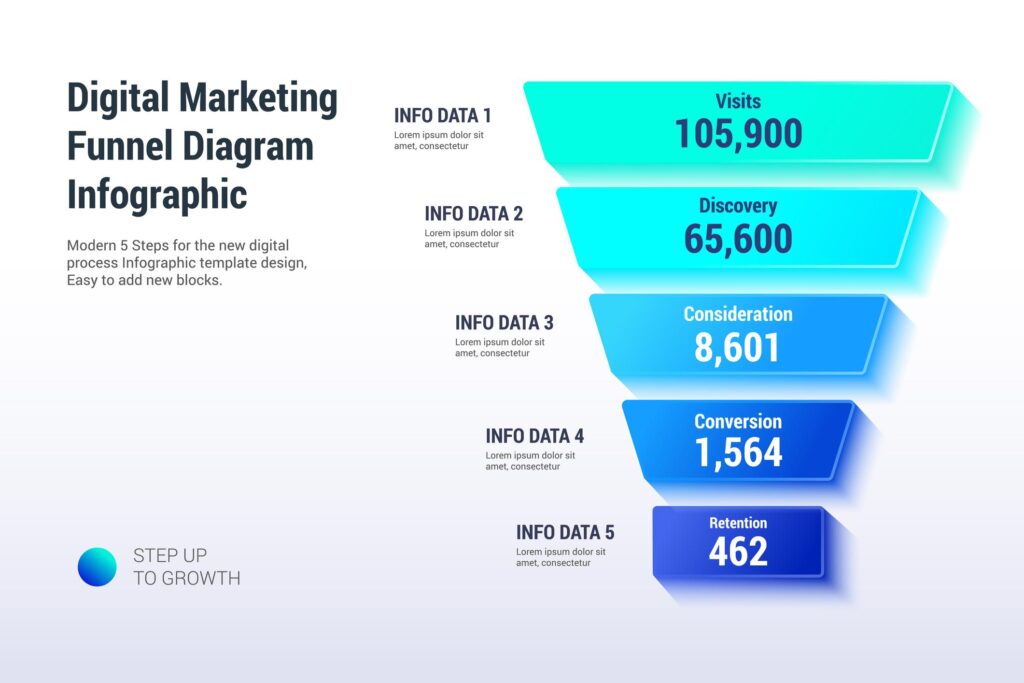
Here’s the thing: none of these channels work in isolation. The real magic of digital marketing happens when they work together, guiding a person from complete stranger to loyal customer.
Marketers call this the customer journey, and it typically looks something like this:
Awareness → Someone sees a brand for the first time, maybe through a social media ad, a YouTube video, or a Google search result.
Interest → They’re curious. They visit the website, read a blog post, watch a product demo.
Consideration → They’re thinking about buying. They compare options, read reviews, maybe abandon a cart.
Decision → They buy. Or they get a retargeting ad or a discount email that nudges them to finally pull the trigger.
Loyalty → Post-purchase emails, loyalty programs, and great content keep them coming back.
Every single touchpoint in this journey can be powered by digital marketing. And the brands that understand this journey — and map their marketing to it — are the ones that win.
The Role of Data — The Engine Behind Everything
If digital marketing has a superpower, it’s data.
Everything in digital marketing is measurable. Every click. Every impression. Every email open. Every second of a video watched. Every rupee spent and every rupee earned.
This means digital marketers can constantly test, learn, and improve. They run A/B tests — showing half their audience one version of an ad and the other half a different version, to see which performs better. They track conversion rates and cost per acquisition. They build dashboards that show them exactly where their money is working and where it’s being wasted.
This data-driven mindset is what separates digital marketing from almost every other form of marketing in history. It removes guesswork and replaces it with evidence.
Of course, data also raises important questions about privacy — which is why regulations like GDPR (in Europe) and India’s Digital Personal Data Protection Act exist. The industry is evolving, and the balance between personalization and privacy is one of the most important conversations in tech right now.
Why This Matters for You
Whether you’re a business owner, a student, a creative professional, or just a curious person trying to understand the world around you — understanding digital marketing is genuinely valuable.
If you run a business, digital marketing is no longer optional. Your customers are online. Your competitors are online. The question isn’t whether to show up — it’s how to show up effectively.
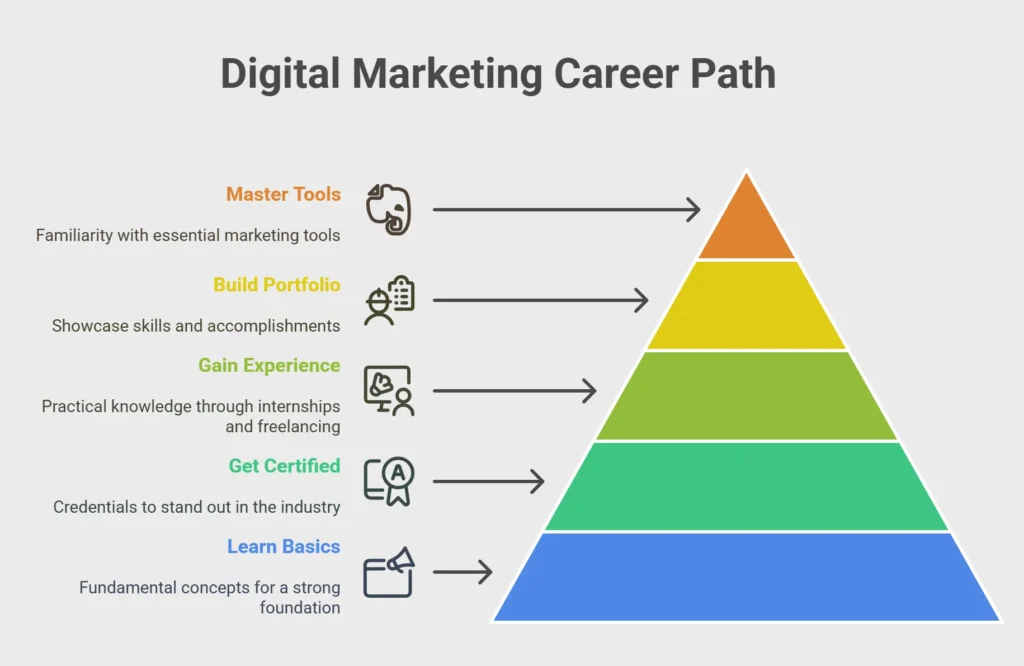
If you’re building a career, digital marketing skills are among the most in-demand in the world right now. SEO, paid ads, content strategy, social media management, email marketing — companies of every size are desperately looking for people who understand these things.
And if you’re just a curious human being trying to make sense of why the internet feels the way it does — now you know. The ads that follow you, the content that seems perfectly tailored to your interests, the emails that arrive at just the right moment — it’s all intentional. It’s all strategic. And it’s all powered by a sophisticated, fascinating system called digital marketing.
Final Thoughts
Digital marketing isn’t a mystery anymore — or at least, it doesn’t have to be. At its heart, it’s about connecting the right message with the right person at the right time. The tools have gotten extraordinarily sophisticated, but the underlying goal is timeless: help people find what they’re looking for, and make it easy for them to say yes.
The next time an ad follows you around the internet, you won’t just feel vaguely watched. You’ll understand exactly what’s happening — and maybe even appreciate the strategy behind it.
And if you’re a brand, a marketer, or someone just getting started in this world: the opportunity has never been bigger. The internet is the most powerful distribution channel ever created, and digital marketing is how you use it.
Welcome to the game. Now you know how it’s played.
Written by Digital Drolia | Helping you navigate the digital world, one insight at a time.