
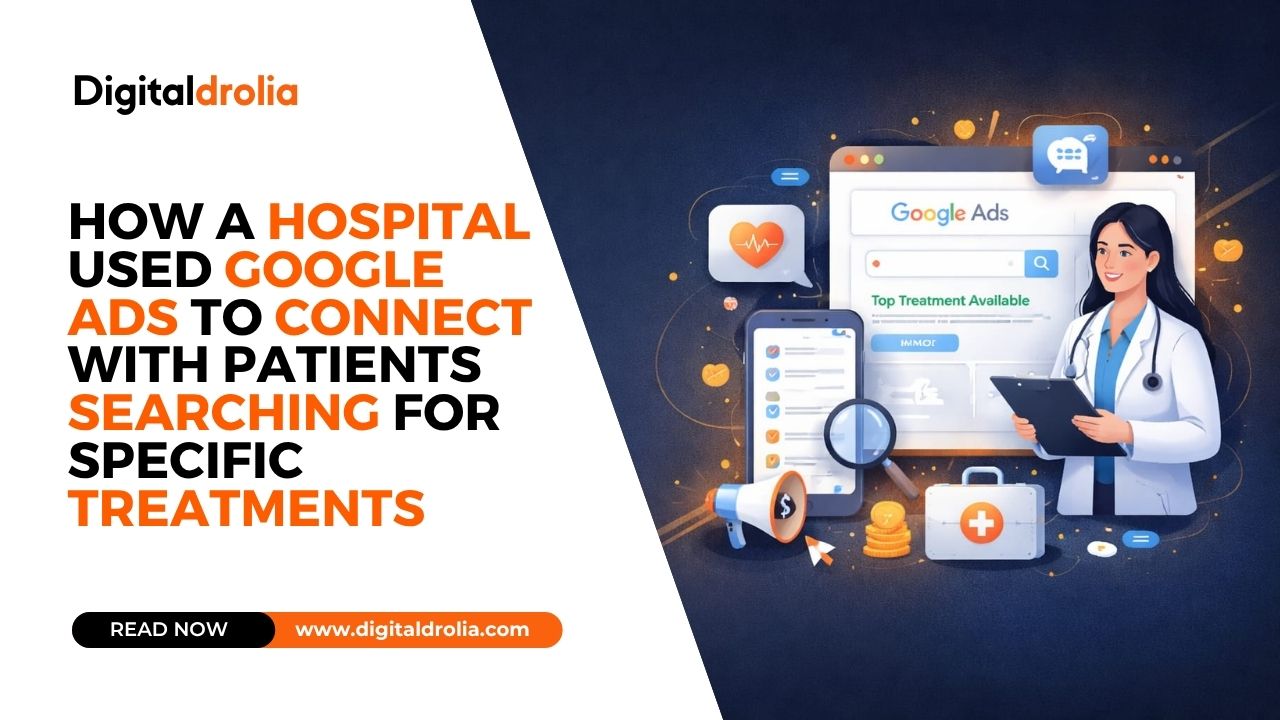
How a Hospital Used Google Ads to Connect With Patients Searching for Specific Treatments


Let me tell you about a Tuesday morning in Kochi that changed the way one hospital thought about reaching patients.
It was 7:43 AM. A woman named Anitha was sitting at her kitchen table, her morning tea going cold beside her. She had been awake since 5 AM — not because of insomnia, but because her husband Rajan had been experiencing chest pain for the third time in two weeks, and this time she was done waiting.
She had been telling herself it was probably nothing. Stress from work. Too much salt in his diet. She had been telling herself this the way people tell themselves things they are not sure they believe.
But at 5 AM, watching him wince and press his hand to his chest, she stopped telling herself it was nothing.
She picked up her phone and typed into Google: “heart specialist doctor Kochi.”
In that moment, Anitha was not browsing. She was not doing research for a future appointment. She was a frightened wife looking for someone who could help her husband — and she needed to feel, within seconds of reading a search result, that she had found the right place.
Three search results down, she saw a Google Ad.
It did not say “Best Hospital in Kochi.” It did not list awards or accreditations or bed counts. The headline said: “Chest Pain or Heart Concerns? See a Cardiologist Today.”
The description below it said: “Same-week appointments available. NABH accredited cardiac care. Speak to our patient coordinator — we will guide you through the next steps.”
Anitha clicked. She read the page. She called the number at the top. She had an appointment scheduled before she finished her tea.
That hospital’s Google Ad — three seconds of reading, one click, one phone call — connected a frightened patient with a healthcare provider at the exact moment she needed one. No newspaper ad could have done that. No hoarding on the highway could have done that. No social media post could have predicted that Tuesday morning and been waiting for her there.
This is the story of how healthcare advertising is changing — and why the hospitals and clinics that understand Google Ads are connecting with patients who need them most, at the moment they need them most, in a way that no other medium has ever made possible.
The Unique Nature of Healthcare Search — Why It Is Different From Every Other Category

Before we go into the specific strategies and executions that work for hospitals and clinics, we need to acknowledge something important: healthcare search is different from every other category of search. And those differences shape everything about how healthcare providers should approach Google Ads.
When someone searches for a restaurant or a clothing brand, the stakes are low. A bad choice means a disappointing meal or a returned purchase. Frustrating, but recoverable.
When someone searches for a doctor, a hospital, a specialist, or a treatment — the stakes are fundamentally different. They are not looking for a service provider in the commercial sense. They are looking for someone to trust with their health. Or their child’s health. Or their parent’s health. The decision carries enormous emotional weight, deep uncertainty, and sometimes genuine fear.
This changes the psychology of the search completely.
The person searching for a cardiologist is not comparison shopping in a detached, rational way. They are frightened. They are uncertain. They may have been living with a symptom they have been putting off addressing. They may have just received a diagnosis they are still processing. They may be searching on behalf of someone they love, carrying the weight of that responsibility.
The emotional context of healthcare search is almost always one of vulnerability — and advertising that does not honour that vulnerability will always underperform against advertising that does.
This is the first and most important principle of healthcare Google Ads: you are not selling a service. You are offering reassurance, expertise, and a clear path forward to someone who needs all three.
Second important difference: the nature of search intent in healthcare is highly specific in a way that most other categories are not. Someone searching “chest pain specialist Kochi” is telling you an enormous amount of information with those four words. They are in or near Kochi. They are experiencing or are concerned about chest pain. They are looking for a specialist — not a general practitioner, but someone with specific expertise. They have moved from the “I should probably get this checked” stage to the “I need to find someone right now” stage.
That specificity is not just a demographic signal. It is an invitation — an opening for a healthcare provider to step forward and say: we are here, we understand what you are looking for, and here is how we can help.
The hospitals and clinics that learn to respond to these specific invitations — with equally specific, empathetic, relevant advertising — are the ones that connect with patients most effectively.
The Hospital That Got It Right — Setting Up for Success
The hospital in our story — a multi-specialty hospital in Kochi with strong cardiac, orthopaedic, and oncology departments — had been relying primarily on doctor referrals and word of mouth for patient acquisition. Both channels were working, but slowly and unpredictably.
The hospital’s administration had tried newspaper advertising and radio spots. Both generated some brand awareness but neither was measurable and neither could be targeted to patients actively searching for specific treatments.
When a digital marketing consultant named Priya was brought in to evaluate their options, her first question was not about budget or creative direction. It was about patient journeys.
She spent a full day interviewing the hospital’s patient coordinators — the people who fielded incoming calls and helped patients navigate their first contact with the hospital. She wanted to know: what are patients searching for when they find us? What questions do they ask first? What are they afraid of? What makes them decide to come to us instead of a competitor? What makes them hesitate?
These conversations were more valuable than any keyword research tool. They revealed the actual language patients used to describe their conditions and their needs — language that was often different from the clinical terminology the hospital’s own materials used. They revealed the fears that needed to be addressed in advertising to convert an anxious searcher into a patient who booked an appointment. And they revealed the specific information patients wanted before they felt comfortable making contact.
Armed with this understanding, Priya built a Google Ads strategy that was not organised around the hospital’s departments and services. It was organised around patient problems and patient search behaviour.
This distinction — structuring the campaign around patient intent rather than hospital structure — was the foundation of everything that followed.
The Campaign Architecture — Organised by Patient Need, Not Hospital Department
Most hospitals that try Google Ads make the same structural mistake. They organise their campaigns to mirror their own internal structure.
They create a campaign for Cardiology. A campaign for Orthopaedics. A campaign for Oncology. A campaign for Gynaecology. And within each campaign, they create ads that talk about the department — its doctors, its equipment, its accreditations.
This is inside-out thinking. It is organising advertising around how the hospital sees itself rather than around how patients search.
Patients do not search for “cardiology department.” They search for “heart doctor near me” or “irregular heartbeat specialist” or “what doctor to see for chest pain.”
Patients do not search for “orthopaedics department.” They search for “knee pain treatment Kochi” or “back pain specialist” or “ACL tear surgery recovery time.”
The gap between how hospitals describe themselves and how patients describe their needs is often enormous. And advertising that speaks the hospital’s language rather than the patient’s language will consistently underperform.
Priya organised the campaigns differently. She created campaigns not around departments but around symptom clusters and condition searches — groupings of keywords that reflected real patient search patterns.
Campaign Group One: Cardiac Symptoms Keywords included searches around chest pain, irregular heartbeat, shortness of breath, palpitations, and related symptoms. These were searches from people experiencing something concerning and looking for help. The ads for this group were empathetic, immediate, and reassuring — focused on the availability of same-day or same-week appointments and the hospital’s capability to assess and address cardiac concerns.
Campaign Group Two: Cardiac Conditions and Procedures Keywords included searches around specific conditions — heart failure, coronary artery disease, angioplasty, bypass surgery, echocardiogram, stress test. These were more informed searches from patients who already had a diagnosis or had been referred and were looking for a specialist to perform a specific procedure. The ads for this group were more clinical and credential-focused — speaking to the hospital’s expertise, its cardiac surgery outcomes, its technology, and its experience with specific procedures.
Campaign Group Three: Orthopaedic Pain and Symptoms Keywords around knee pain, back pain, joint pain, shoulder pain, hip pain, and related symptoms. These searches came from people in discomfort who wanted relief — the ads focused on pain resolution, specialist assessment, and the range of treatment options from physiotherapy through to surgery.
Campaign Group Four: Orthopaedic Conditions and Procedures Keywords around knee replacement, hip replacement, ACL surgery, disc herniation, spinal stenosis, sports injuries. More specific, more informed searches requiring more specific, credential-driven ad copy.
Campaign Group Five: Oncology This group required the most careful handling, as we will discuss shortly. Keywords around cancer symptoms, specific cancer types, second opinion oncology, cancer treatment options, chemotherapy, radiation therapy.
Campaign Group Six: General Specialist Searches Keywords around “best doctor in Kochi,” “specialist hospital Kochi,” “multi-specialty hospital near me.” Broader searches from patients who know they need specialist care but have not yet determined the specific type.
This architecture allowed each campaign group to have its own specific ad copy, its own specific landing page, and its own budget allocation based on the volume and conversion value of different patient types.
The Landing Pages — Where Patients Decided to Call or Leave
Getting the campaign architecture right was only half the work. The other half was ensuring that when a patient clicked on an ad, the page they landed on continued the empathetic, specific conversation the ad had started.
This is where most healthcare advertising fails — not in the ads themselves, but in the disconnect between the ad’s promise and the landing page’s delivery.
A patient searches “chest pain specialist Kochi.” They see an ad that says “Chest Pain or Heart Concerns? See a Cardiologist Today.” They click. And they land on the hospital’s general homepage — with a banner image of the building, a menu with twelve department options, a news section about the hospital’s latest award, and a small “Book Appointment” button buried at the bottom of the page.
That patient is gone within ten seconds. The ad told them they would find a cardiologist. The page did not immediately confirm that promise. In their anxious, uncertain state, they do not have the patience or the mental bandwidth to navigate a complex homepage looking for the cardiac department. They hit the back button and try the next result.
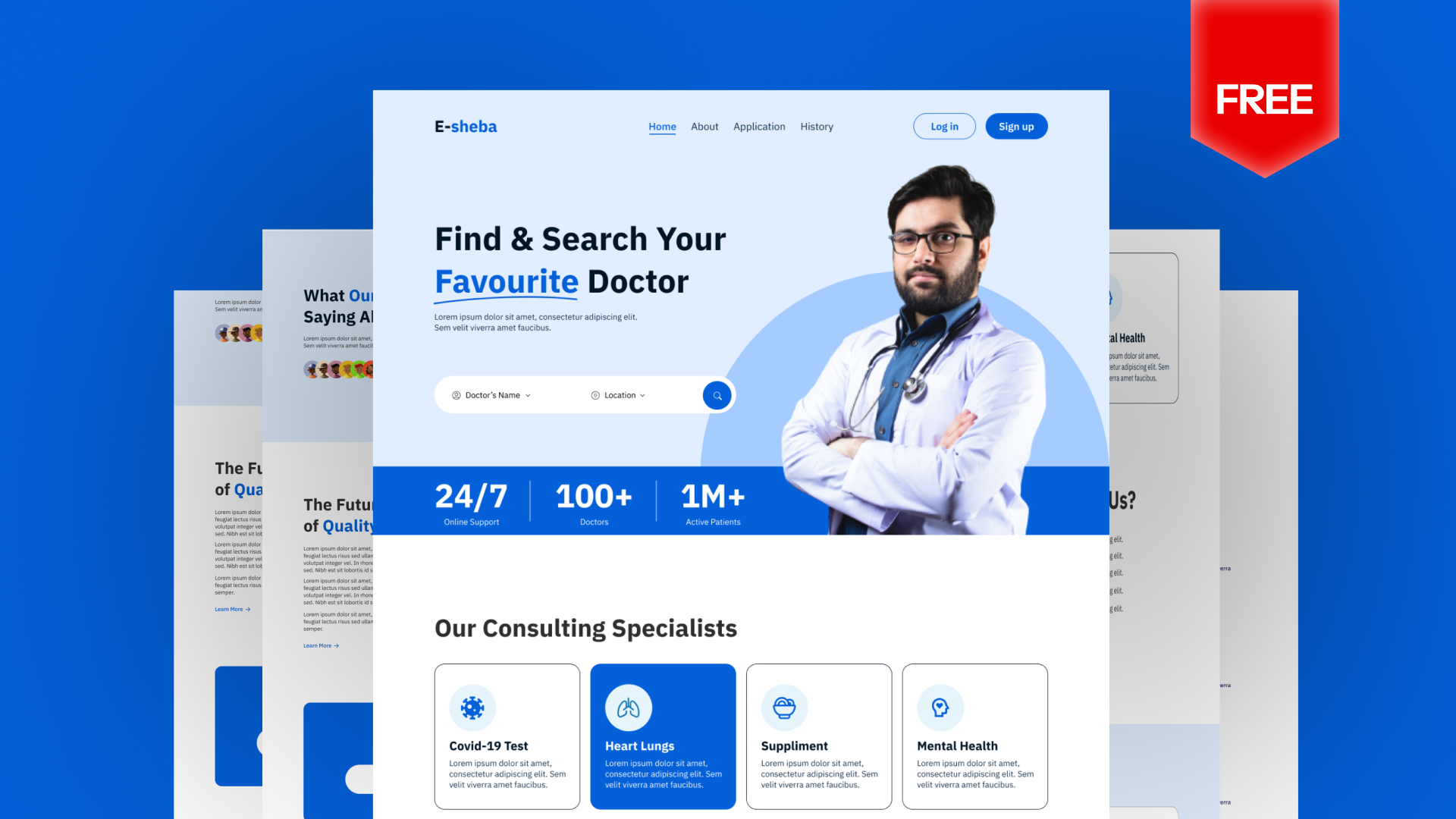
Priya built dedicated landing pages for each campaign group. Each page was designed with one goal: convert an anxious searcher into a patient who books an appointment or calls the hospital.
The cardiac symptom landing page started with a headline that immediately confirmed the ad’s promise: “Experiencing Chest Pain or Heart Concerns? Our Cardiologists Are Here to Help.”
Below that, in the first visible section before any scrolling: a simple call to action. A phone number in large, easy-to-read digits. A button that said “Book a Consultation.” And a brief, reassuring line: “Appointments available this week. Our team will guide you through every step.”
The page then provided just enough information to build trust without overwhelming: a brief description of the cardiac department’s capabilities, the names and brief profiles of two or three senior cardiologists with photographs, a statement about the hospital’s NABH accreditation and cardiac surgery outcomes, and two or three patient testimonials that spoke to the experience of being cared for — not just the clinical outcome.
No jargon. No lengthy descriptions of equipment. No navigation menu leading to seventeen other parts of the hospital’s website. Just a clear, empathetic, specific page designed for one type of patient with one type of need.
The difference in conversion rates between traffic going to the general homepage and traffic going to these dedicated landing pages was significant. Same ads, same keywords, same budget — dramatically more appointment bookings when the landing page matched the specific patient need.
The Ad Copy Philosophy — Empathy Before Credentials
Let us look specifically at the ad copy Priya developed, because the philosophy behind it was as important as the technical execution.
The principle was simple: lead with empathy, follow with credibility, end with a clear next step.
Most hospital ads lead with credentials. “Kochi’s Leading Multi-Specialty Hospital. NABH Accredited. 500 Beds. 200 Doctors.” These credentials are real and they matter — but they are not what a frightened patient needs to hear first.
What a frightened patient needs to hear first is that you understand their situation. That their concern is valid. That you are equipped to help. And that getting help is easier than they might fear.
Here are examples of the actual ad copy structure Priya used across different campaign groups.
For chest pain and cardiac symptom searches:
Headline 1: Chest Pain or Palpitations? See Us Headline 2: Cardiologist Appointments This Week Headline 3: Kochi’s Trusted Cardiac Care Centre Description 1: Do not ignore heart symptoms. Our cardiologists provide same-week assessments. NABH accredited care with advanced diagnostic facilities. Description 2: Speak to our patient coordinator today. We help you understand your symptoms and plan your next step. Call now or book online.
For knee replacement and orthopaedic procedure searches:
Headline 1: Knee Replacement Surgery Kochi Headline 2: Walk Without Pain — Expert Orthopaedics Headline 3: 500+ Successful Joint Replacements Description 1: Struggling with knee or joint pain? Our orthopaedic surgeons specialize in minimally invasive joint replacement with faster recovery times. Description 2: Transparent pricing. No hidden costs. Free second opinion for surgical cases. Book your consultation and get a clear treatment plan today.
For cancer-related searches — the most carefully constructed group:
Headline 1: Cancer Treatment Options — Kochi Headline 2: Expert Oncology Team | Compassionate Care Headline 3: Second Opinions Welcome — We Listen Description 1: Facing a cancer diagnosis is overwhelming. Our oncology team provides comprehensive treatment options, clear communication, and support at every stage. Description 2: No question is too small. Appointments within 48 hours for oncology consultations. Your care and comfort are our priority. Call us today.
Notice what is happening in each of these. The first headline immediately names the condition or concern — confirming relevance before anything else. The subsequent headlines add specific credibility signals — experience volumes, accreditations, specific outcomes. The descriptions blend empathy with specificity — acknowledging the emotional reality of the patient’s situation before moving into practical information.
The calls to action are specific and accessible — “Call now or book online,” “Book your consultation,” “Call us today.” They do not create pressure. They create clarity about what happens next.
The Oncology Campaign — When Sensitivity Is Everything
Of all the campaign groups, the oncology campaigns required the most careful thought and the most delicate execution.
A person searching for cancer-related information on Google is in one of several situations — each requiring a slightly different response.
They might be experiencing unexplained symptoms and worried they could indicate cancer. They are frightened and searching cautiously.
They might have just received a diagnosis and are in the early, overwhelming stage of processing it and looking for treatment options. They are scared, confused, and in need of guidance.
They might be mid-treatment and looking for a second opinion or a specific treatment option — perhaps a newer therapy they read about or an approach a friend suggested.
They might be a family member or caregiver searching on behalf of someone they love. They carry all the weight of that responsibility.
Each of these situations requires a different emotional register — but all of them require profound sensitivity, clarity, and the absolute avoidance of anything that feels exploitative or pressuring.
Priya’s oncology ads were deliberately understated compared to the other campaign groups. They did not create urgency in the conventional marketing sense — no “limited time offer” language, no aggressive calls to action. Instead they offered stability, expertise, and compassion.
The language was careful. “Facing a cancer diagnosis is overwhelming” — naming the emotional reality directly, without dramatising it. “Our oncology team provides comprehensive treatment options, clear communication, and support at every stage” — specificity without hype. “No question is too small” — an open invitation to a patient who may be afraid they are asking basic things they should already know.
One of the most effective additions to the oncology landing page was not clinical content. It was a brief, honest statement about what a first consultation would look like: “In your first consultation, your oncologist will review your existing reports, explain what they mean in language you can understand, discuss all available treatment options, and answer every question you have. You will leave with a clear understanding of your situation and a plan for moving forward.”
This statement — telling the patient exactly what to expect before they even booked — reduced the uncertainty and fear around the first appointment. And reducing that fear was the single biggest barrier between a patient searching and a patient calling.
The Call Extensions — Making Contact Frictionless
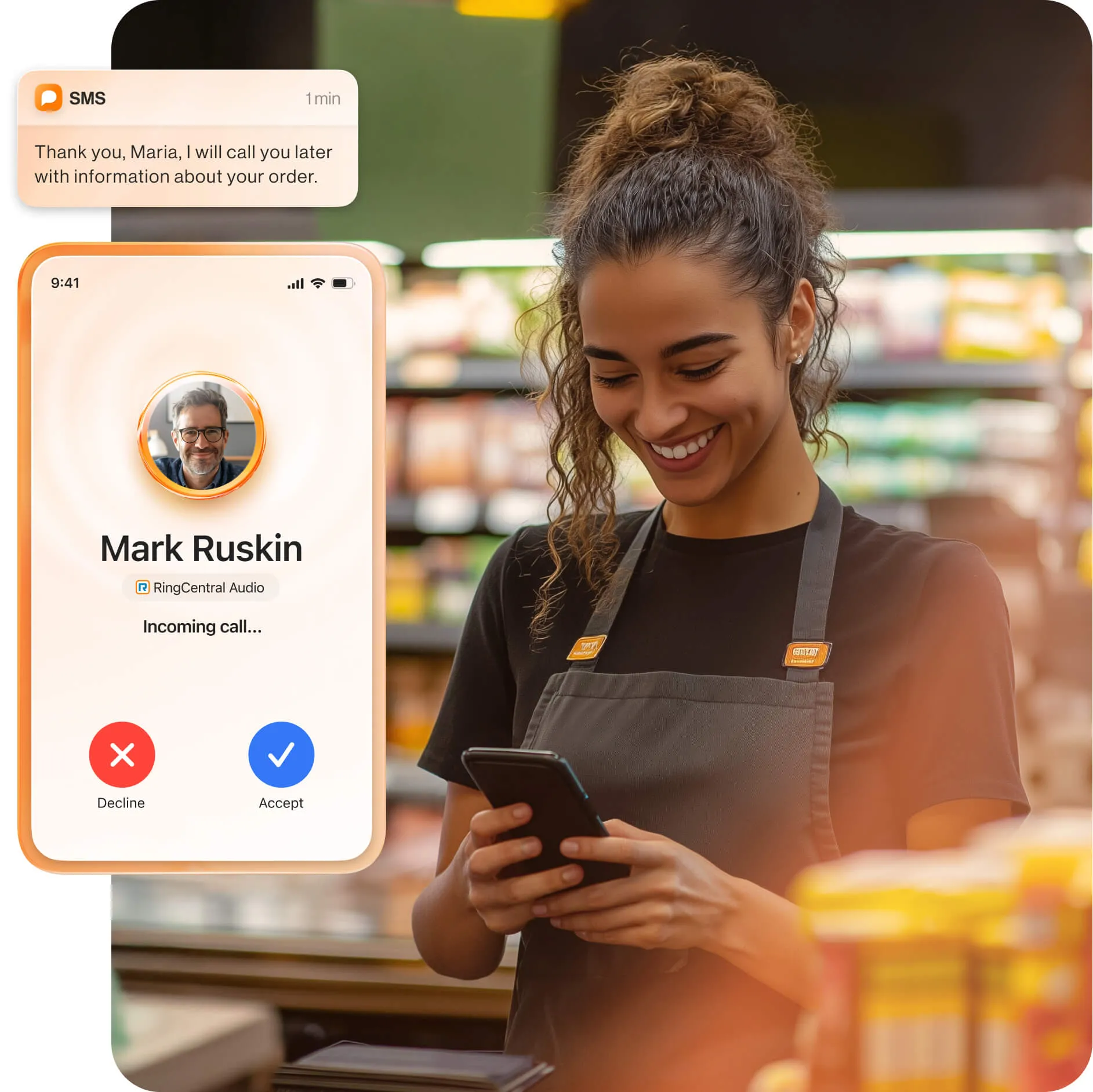
One of the most impactful technical decisions Priya made was ensuring that every ad in every campaign had call extensions active — displaying the hospital’s phone number directly in the search result, allowing a mobile user to call with a single tap without visiting any website at all.
For healthcare, this was particularly important. Many patients — especially older ones, or those in emotional distress, or those searching in a moment of acute concern — do not want to navigate websites. They want to speak to a person. The presence of a phone number directly in the search result, with a one-tap call option, dramatically reduced the friction between intention and action.
The hospital’s patient coordinator team was briefed specifically for calls coming through Google Ads. They were told that callers had typically searched for a specific condition or treatment and had clicked on an ad. They were anxious. They needed a warm, patient, informative first conversation — not a transactional booking process.
The coordinators were trained to ask questions, listen carefully, explain clearly, and guide the patient toward the most appropriate specialist without making them feel rushed or pressured. The first call was not a sales call. It was the first step in a patient relationship — and it was treated accordingly.
This alignment between the advertising experience and the first human contact experience is something most hospitals overlook. They invest in good ad copy and then have a first phone interaction that feels cold, administrative, or confusing. The continuity between what the ad promised and what the call delivered was a significant factor in the hospital’s conversion rate from enquiry to appointment.
The Negative Keywords — Protecting Budget and Protecting Patients
In healthcare advertising, negative keywords serve two functions simultaneously: they protect the advertising budget from irrelevant clicks, and they protect patients from being served healthcare ads in contexts where those ads could cause harm or confusion.
Priya spent significant time building the negative keyword lists for the hospital’s campaigns.
On the budget protection side, the lists excluded searches clearly indicating the person was looking for information rather than treatment — medical textbook searches, academic research queries, symptom checkers, medical news. They excluded searches for home remedies and DIY treatments, which attract people committed to a non-clinical solution. They excluded searches for specific medications by name, which typically indicate a person managing a condition independently.
On the patient protection side — which is specific to healthcare and not a concern most other advertisers need to consider — the negative keyword lists excluded queries that indicated severe psychological distress or crisis. Google has specific policies around advertising in these contexts, and ethical healthcare advertising should go further than the minimum requirements.
The principle was: the hospital’s ads should reach people who are looking for assessment, treatment, or specialist consultation. They should not appear in search contexts where the person needs a different kind of help — crisis support, emergency services, or immediate mental health intervention.
This ethical layer of negative keyword management is not just the right thing to do. It ensures that every person who clicks on the hospital’s ad is a genuinely relevant potential patient — which improves conversion rates and maintains the quality of the patient relationship from the very first interaction.
Measuring What Actually Mattered — Patient Appointments, Not Just Clicks
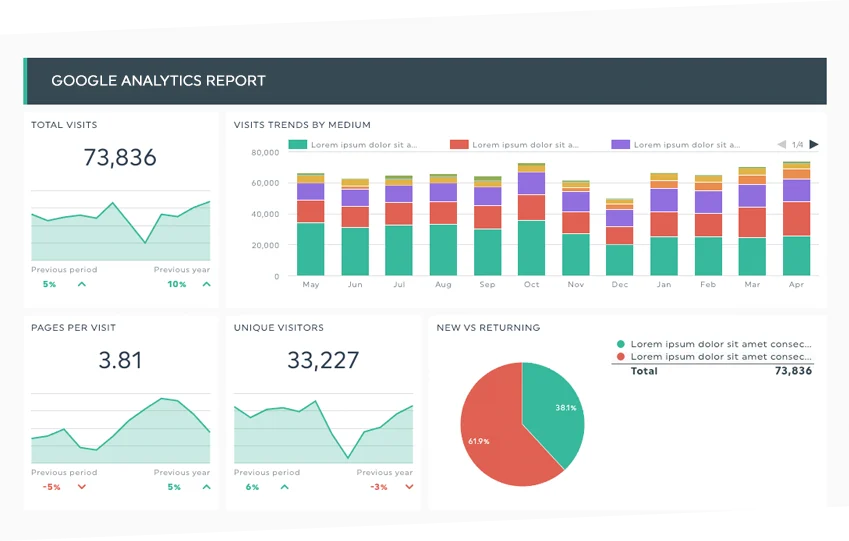
Most digital advertising is measured primarily by clicks and impressions. In e-commerce, the measurement extends to online purchases. But for a hospital — where the desired outcome is an in-person appointment with a specialist — the measurement framework needed to be different.
Priya configured the hospital’s Google Ads account to track three specific conversion actions.
Phone calls from ads — using Google’s call tracking, every call made by clicking the phone number in the search result was logged, with data on which campaign, which keyword, and which ad triggered it.
Phone calls from the landing page — a separate tracking number on each landing page allowed calls made after visiting the page to be attributed to the specific campaign that drove that visit.
Appointment form submissions — each landing page had a simple appointment request form. Submissions were tracked and attributed to the campaign source.
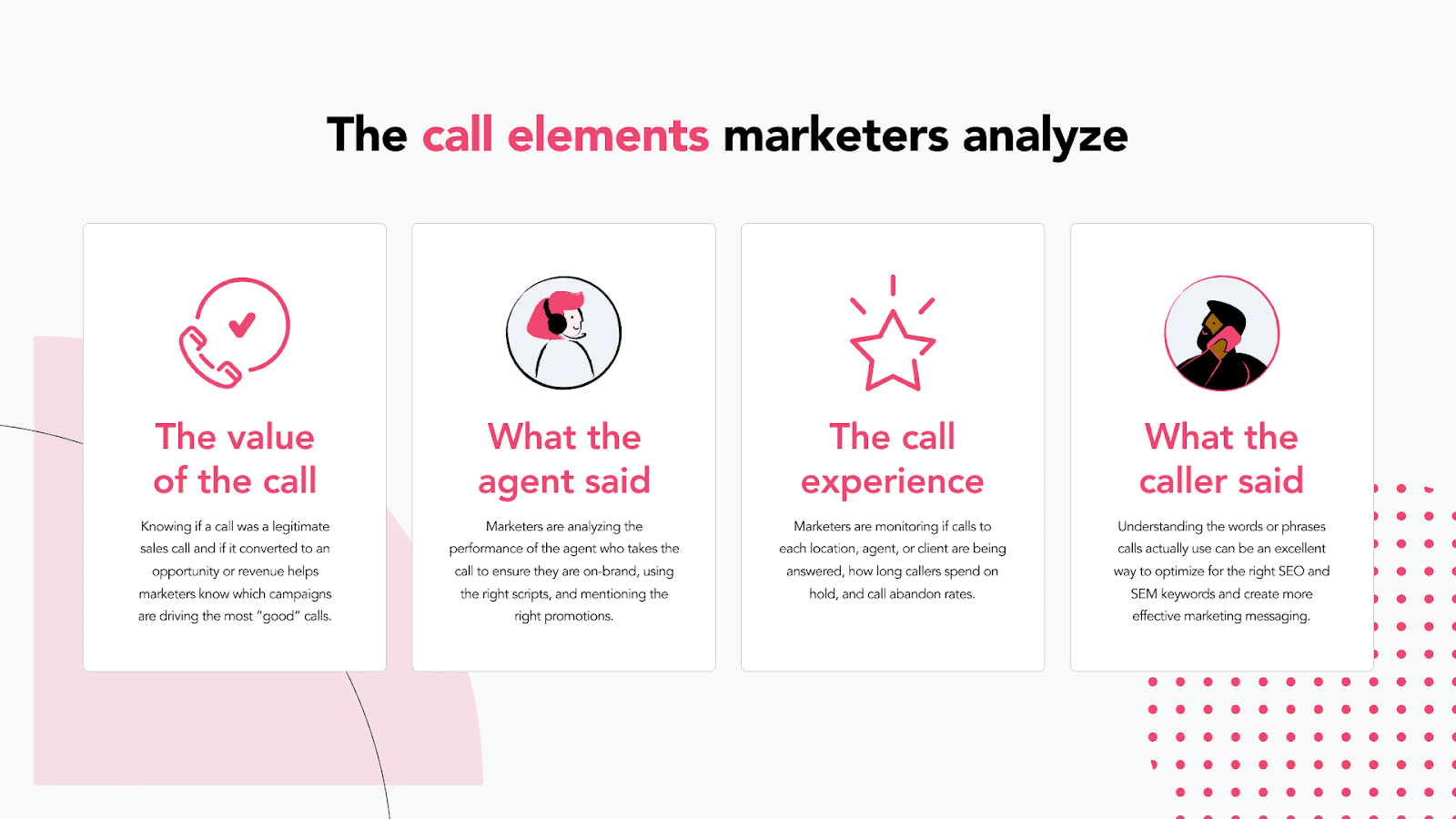
These three conversion actions gave Priya a clear picture of which campaigns, which keywords, and which ad variations were generating actual patient contacts — not just clicks.
This data was reviewed weekly and acted on. Campaigns that were generating clicks but not conversions were investigated — was the landing page not relevant? Was the keyword intent different from what the ad was promising? Was the call-to-action not clear enough? Campaigns that were generating high conversion rates relative to their cost were given increased budget.
Over three months, the campaigns were refined continuously based on this conversion data. Cost per patient contact — the total spend divided by the number of appointment calls and form submissions — improved month over month as the underperforming elements were identified and corrected.
The Ethical Framework — Why Healthcare Google Ads Must Be Done Differently
I want to spend a moment on something that most digital marketing posts skip over but that is absolutely central to healthcare advertising done well.
Healthcare is a uniquely sensitive category. The patients being reached are often vulnerable. The decisions they are making are among the most important of their lives. And the potential for harm from advertising that is misleading, exploitative, or irresponsible is genuinely serious.
Google has specific policies for healthcare advertisers that go beyond its general advertising policies. Certain types of healthcare claims require certification. Certain categories of healthcare advertising are restricted or prohibited in certain regions. Personalised advertising based on health conditions is prohibited.
But beyond Google’s policies — which set a floor, not a ceiling — there are ethical standards that healthcare providers should hold themselves to in their advertising.
Do not create false urgency. Healthcare decisions are serious. Manufactured urgency — “book today, offer ends Friday” — is inappropriate and potentially harmful when applied to medical treatment decisions.
Do not make medical claims you cannot substantiate. “Best cardiac outcomes in Kerala” is a claim that requires specific data to support. Vague superlative claims erode trust and may be misleading.
Do not target patients based on diagnoses. Google prohibits this and it is ethically wrong. Reaching people based on what they actively search for is appropriate. Using health data to target advertising at specific individuals based on their medical history is not.
Do not exploit fear. Acknowledging a patient’s fear and offering reassurance is appropriate and helpful. Amplifying or exaggerating fear to drive appointments is manipulative and harmful.
The hospital in our story took these principles seriously. Their ads were empathetic but not exploitative. They made specific, verifiable claims — NABH accreditation, same-week appointments, specific volumes of procedures — rather than vague superlatives. They treated patients as intelligent, autonomous human beings making important decisions, not as anxious targets to be converted.
This ethical approach was not just the right thing to do. It was good advertising. Patients can sense the difference between advertising that is trying to help them and advertising that is trying to extract money from them. The former builds trust. The latter builds resistance.
The Results — What Three Months of Strategic Google Ads Delivered
By the end of the third month, the hospital had enough data to evaluate the impact of the Google Ads strategy with confidence.
Monthly patient enquiries attributable to Google Ads — between calls and form submissions — had grown from near zero in month one to a consistent and significant volume by month three. The cardiac and orthopaedic campaign groups were the highest performers in terms of enquiry volume. The oncology campaigns had lower volume but the consultations they generated were among the highest in terms of clinical and patient relationship value.
The cost per patient enquiry — the total monthly ad spend divided by the number of attributable patient contacts — was substantially lower than the hospital’s estimated cost of acquiring a patient through traditional referral programs and offline advertising.
More importantly — and this is the metric that matters most in healthcare — the hospital’s patient coordinators reported that callers coming through the Google Ads campaigns were well-prepared for the conversation. They had already read the landing page. They already had a general sense of what to expect. They were asking informed questions about specific treatments and specialists. The quality of the first conversation was notably higher than cold-referral calls, and the conversion rate from initial enquiry to booked appointment was strong.
Anitha, the woman from the beginning of this story, was one of those callers. Her husband Rajan was diagnosed with a partially blocked coronary artery that required an angioplasty — a procedure that, caught when it was, prevented what could have been a major cardiac event.
She found the hospital through a Google Ad at 7:43 AM on a Tuesday. By 11 AM, she had an appointment scheduled. Three weeks later, her husband was recovering well.
That connection — the moment between a frightened wife’s search and a hospital’s caring response — happened because someone understood that the most powerful thing a healthcare provider can do in a Google Ad is not promote their hospital.
It is to be present, specific, and trustworthy at the exact moment a patient needs them.
What Other Healthcare Providers Can Take From This Story
Whether you run a small clinic, a specialty practice, a diagnostic centre, a dental office, or a large multi-specialty hospital — the principles in this story apply to your situation.
Organise your campaigns around patient problems, not your own service structure. Think about how patients describe their concerns in everyday language, not clinical terminology.
Write ad copy that leads with empathy and follows with specific credibility. Name the patient’s concern first. Then provide the reassurance and the credential.
Build landing pages that continue the specific conversation the ad started. A patient who searched for a knee specialist should land on a page about knee care — not your general homepage.
Track conversions that matter — phone calls and appointment bookings — not just clicks. Optimise toward patient contacts, not toward impressions or click-through rates.
Handle sensitive categories with appropriate care. Oncology, mental health, addiction treatment, and other sensitive healthcare areas require a gentler, more careful approach than general medical advertising.
And always remember who is reading your ad. It is not a demographic category. It is a specific human being in a specific situation — worried about a symptom, processing a diagnosis, searching for hope. Advertising that honours that humanity will always outperform advertising that reduces them to a target audience.
Closing Thought — The Search Is a Cry for Help. Answer It Well.
When Anitha picked up her phone at 5 AM and eventually typed “heart specialist doctor Kochi” into Google — that search was not a commercial transaction initiated by a consumer. It was a cry for help from a frightened wife who needed to know that somewhere in her city, there were people with the expertise to help her husband.
Google Ads, done well, allows healthcare providers to answer that cry — to be present at the exact moment of need with the exact reassurance and guidance the patient requires.
Done poorly, healthcare Google Ads are just another commercial interruption in an already overwhelming experience.
The hospital in this story chose to do it well. They chose empathy over promotion, specificity over vagueness, patient language over clinical language. They chose to see the person behind the search query rather than just the conversion opportunity.
That choice — made consistently, across every ad, every landing page, every phone call — is what transformed their Google Ads from a marketing experiment into a genuine patient connection engine.
Every healthcare provider reading this has the same choice available to them.
Make it wisely. Because the person on the other end of that search is counting on you.
Written by Digital Drolia — helping healthcare providers and local businesses connect with the people who need them most through intelligent, ethical digital marketing. Found this valuable? Share it with a healthcare provider who wants to reach more patients without compromising on care or integrity.