

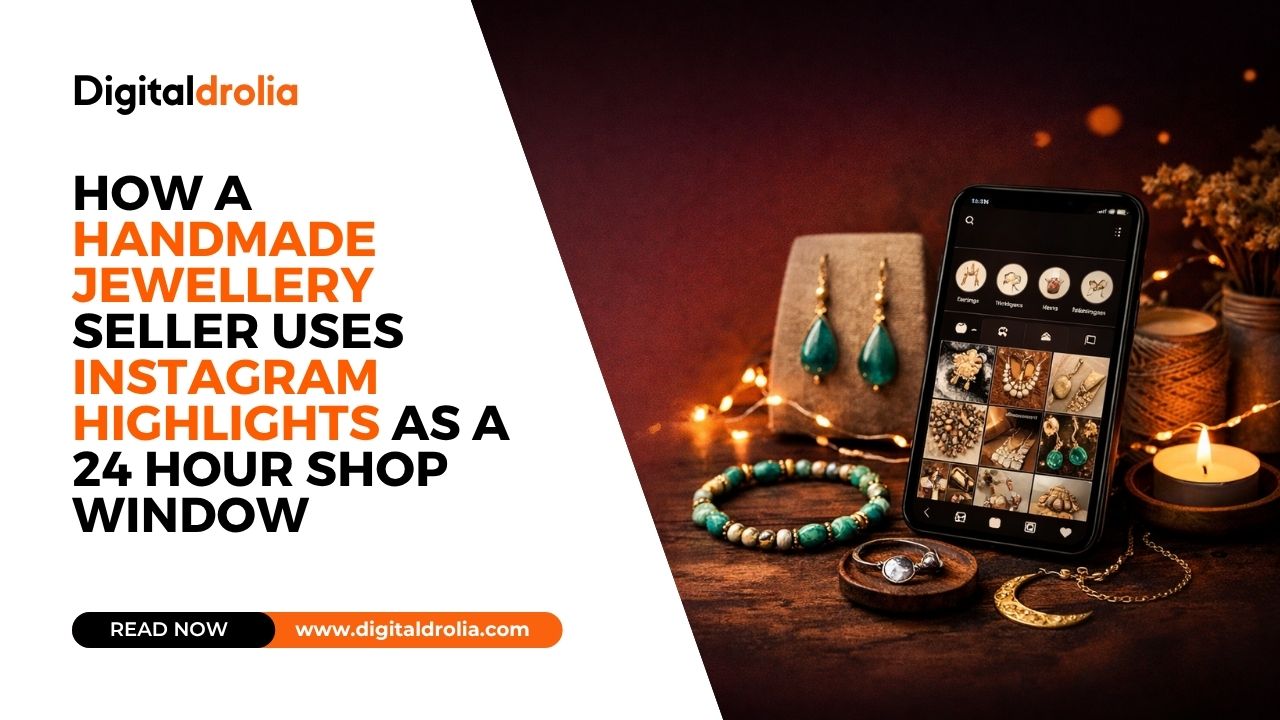
How a Handmade Jewellery Seller Uses Instagram Highlights as a 24 Hour Shop Window

Let me tell you about a problem that Ananya Iyer had solved without knowing she had solved it.
Ananya makes jewellery. Not the kind you find in large chain showrooms or on aggregator websites with hundreds of pages of listings — the kind that gets made one piece at a time, by a single person, in a small studio in Mysore. She works in oxidised silver, handcrafted brass, and semiprecious stones. Each piece takes anywhere from two hours to two days to complete. She makes perhaps eight to twelve pieces in a good week.
Her Instagram account had grown steadily over eighteen months to around thirty-four thousand followers, built through a consistent practice of posting process videos, finished piece photographs, and occasional behind-the-scenes glimpses of her studio and her work. Her audience was engaged and loyal. They asked questions in comments, they tagged friends, they sent DMs asking about pieces they had seen in her feed weeks earlier.
But the DMs were the problem.
Not because they were unwelcome — they were wonderful, and they represented genuine customer interest. The problem was what they were asking.
“Do you still have the green malachite earrings from the post in September?” “I saw a ring with a blue stone in your Reel — what was the stone, what does it cost, and are you taking orders?” “Can you tell me about your process? How long do you take to complete a piece? Do you do custom orders?” “What is your shipping policy? Do you ship to Pune?”
Every single one of these questions was reasonable and deserved a thoughtful answer. And every single answer was information that existed — or should have existed — somewhere on her Instagram profile. But it did not, because she had never organised it in a way that a first-time profile visitor could find it.
The result was that Ananya was spending between one and two hours every day answering the same small set of questions repeatedly. She was the FAQ section for her own business, answering questions manually instead of building the infrastructure that would answer them automatically.
Then she spent one afternoon building her Instagram Highlights.
Within a week, the repeated DMs dropped by over sixty percent. Customers were navigating to Highlights to get the information they needed before they even needed to ask. First-time visitors to her profile were spending significantly more time engaging with her content. And the quality of the DMs she was still receiving had fundamentally changed — instead of basic information requests, she was getting genuine, considered messages from people who had already done their research and were ready to buy.
The Highlights she built had turned her Instagram profile into a twenty-four-hour shop window — one that answered questions, built trust, demonstrated value, and converted visitors into customers without requiring any additional effort from Ananya once the initial work was done.
This is the complete story of what she built and how she built it.
What Instagram Highlights Actually Are — Beyond the Basic Definition
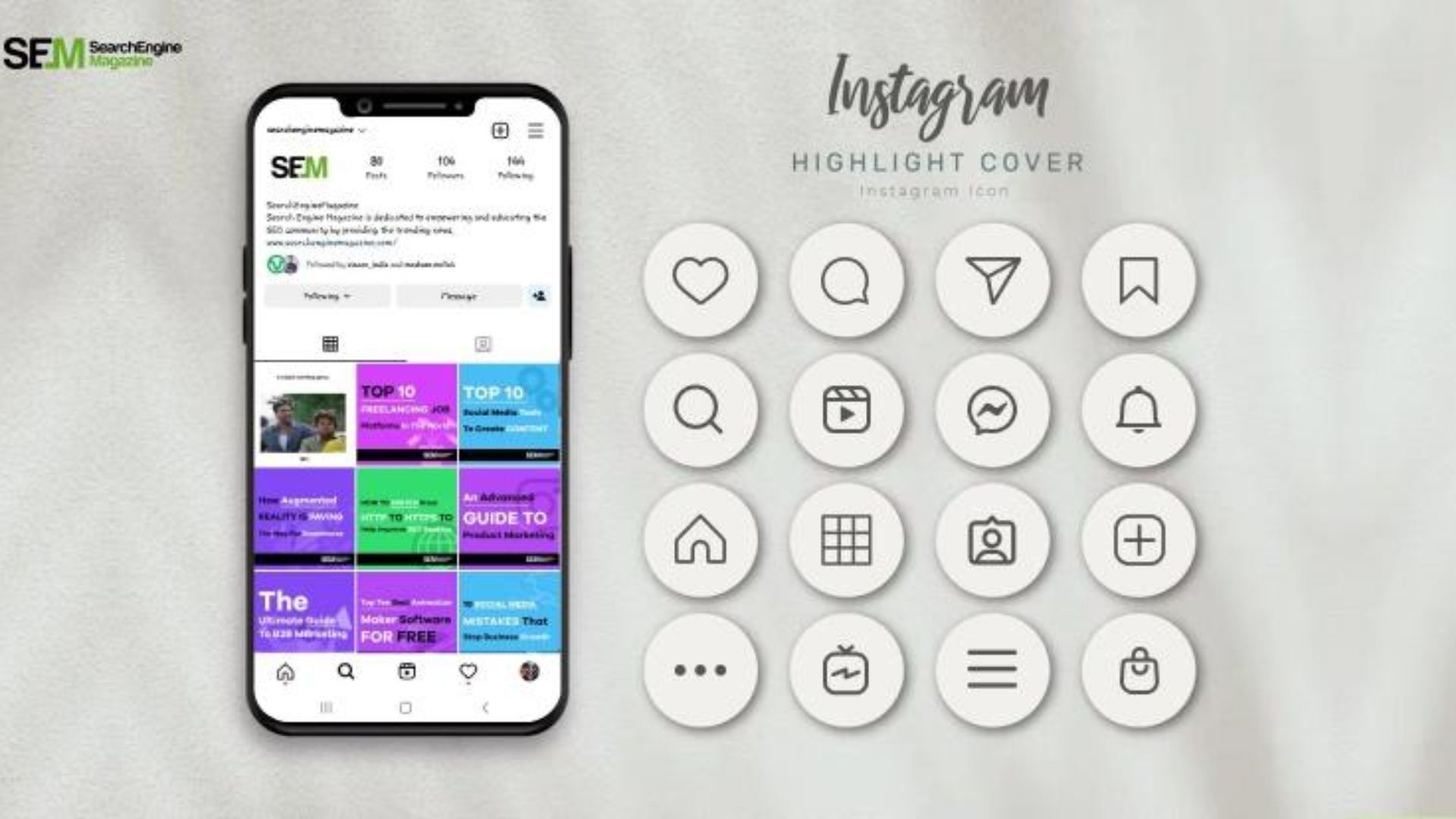
Most people who use Instagram are familiar with Highlights as a feature. They are the circular icons that appear below the bio on an Instagram profile, each one containing a collection of archived Stories grouped under a specific title.
The basic mechanics are well understood: when you post a Story, it disappears after twenty-four hours. If you save a Story to a Highlight before it disappears, it lives permanently on your profile as part of that Highlight’s collection, visible to anyone who visits your profile regardless of when they arrive.
But the significance of Highlights is routinely underestimated because most creators use them as an afterthought — a passive archive of their favourite Stories rather than an active, purposefully designed information architecture.
The distinction between Highlights as archive and Highlights as shop window is everything.
An archive is organised by the creator’s memory of what was worth keeping. A shop window is organised by the visitor’s need for information. The archive serves the creator’s sentiment. The shop window serves the customer’s journey.
Ananya’s original Highlights — before she rebuilt them — were the archive version. She had three or four circles with vague names — “favourites,” “behind the scenes,” “2022” — containing a random assortment of Stories she had liked at the time of posting. A first-time visitor clicking on them would find a confusing mix of content without any clear informational purpose.
Her rebuilt Highlights were the shop window version. Each Highlight had a specific function in the customer’s decision-making journey. Each one answered a specific question that a potential customer would have at a specific stage of their consideration process. Together, they formed a coherent, navigable resource that converted profile visitors into informed, confident buyers.
The Customer Journey — The Framework That Organises Everything
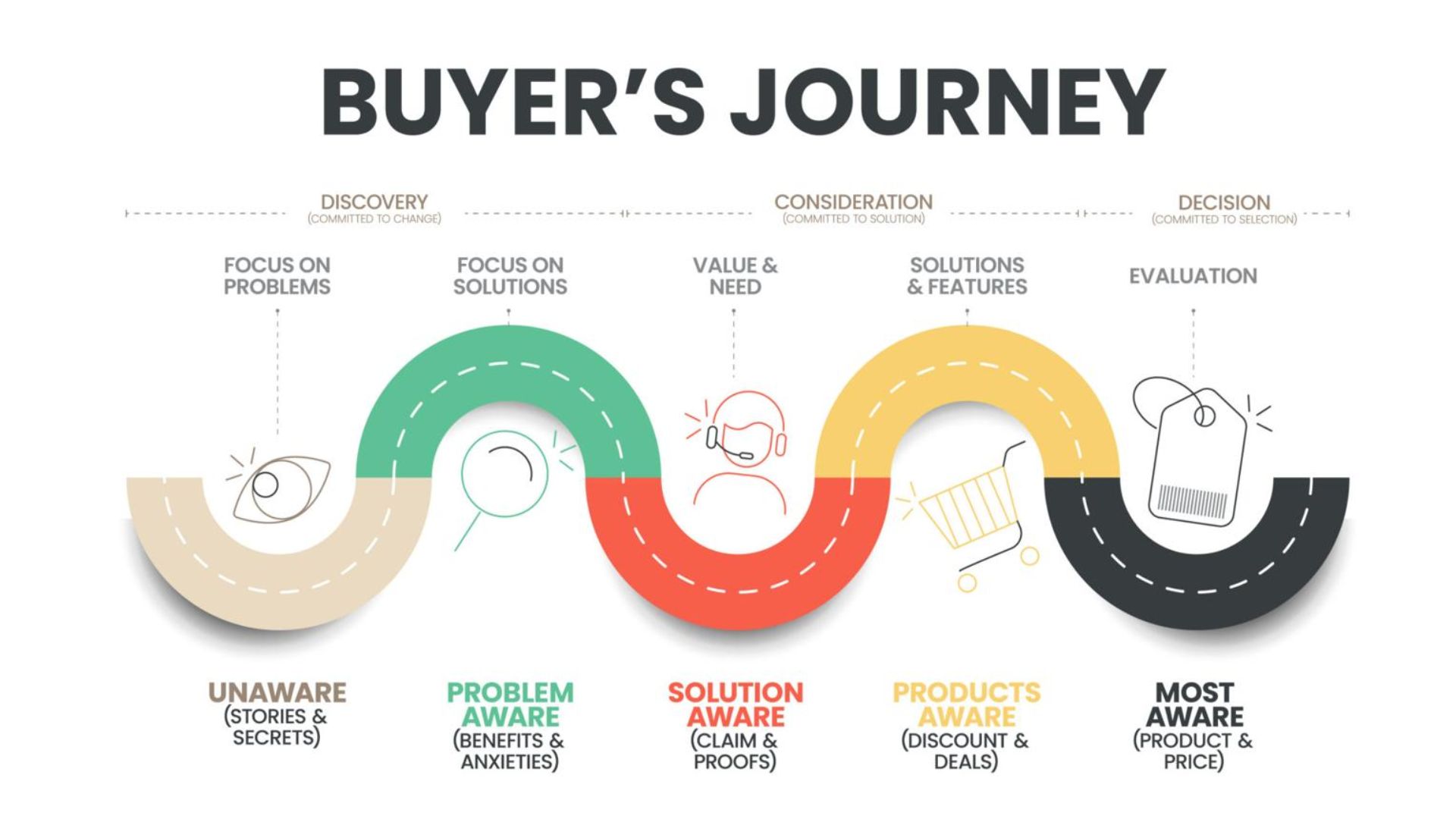
Before going into the specific Highlights Ananya built, it is worth understanding the framework she used to design them — because the framework is more valuable than any specific implementation, and it can be applied by any business in any category.
The framework starts with a question: what does a potential customer need to know, feel, and believe at each stage of their journey from stranger to buyer?
Ananya mapped this journey by thinking carefully about the stages a person goes through when they discover her work.
Stage One: Discovery
The first-time visitor has just arrived on her profile — perhaps through a Reel that appeared in their Explore feed, perhaps through a tag from a friend, perhaps through a search for oxidised silver jewellery. At this stage, they know nothing about her or her work. Their primary question is: is this the kind of thing I am interested in?
The Highlight content that serves this stage needs to immediately and compellingly answer: yes, this is worth your attention, and here is why.
Stage Two: Credibility Evaluation
The visitor has decided the work is interesting. Now they are asking a different set of questions: is this a real, trustworthy business? Are the pieces actually as good in person as they look in the photographs? Are there other customers who have bought from this person and been satisfied?
The Highlight content that serves this stage needs to build trust through evidence — testimonials, unboxing videos, customer photographs, clear information about the business and the person behind it.
Stage Three: Information Gathering
The visitor is seriously considering a purchase. Now they have practical questions: how much do things cost? How do I order? How long does shipping take? Do you do custom orders? What is the return policy?
The Highlight content that serves this stage needs to provide clear, comprehensive answers to every practical question — eliminating the uncertainty that prevents a willing buyer from completing a purchase.
Stage Four: Emotional Connection
Alongside the practical information, the visitor is making an emotional assessment: do I connect with this brand and this person? Do I feel good about supporting this specific maker? Does this feel like a business whose values I share?
The Highlight content that serves this stage needs to tell the story behind the work — the maker’s journey, the inspiration, the values, the process — in a way that creates genuine emotional resonance rather than generic “passion and dedication” clichés.
Stage Five: Conversion
The visitor is ready to buy. They need a clear, simple path to completing the purchase. The Highlight content that serves this stage needs to make the next step obvious and easy — whether that is a DM, a link to a website, or a process for custom orders.
This five-stage framework produced the specific Highlights Ananya designed. Each Highlight corresponds to one or more stages in the customer journey — collectively, they walk a visitor from stranger to buyer without requiring Ananya to be present for any part of the conversation.
The Seven Highlights Ananya Built — And What Each One Does
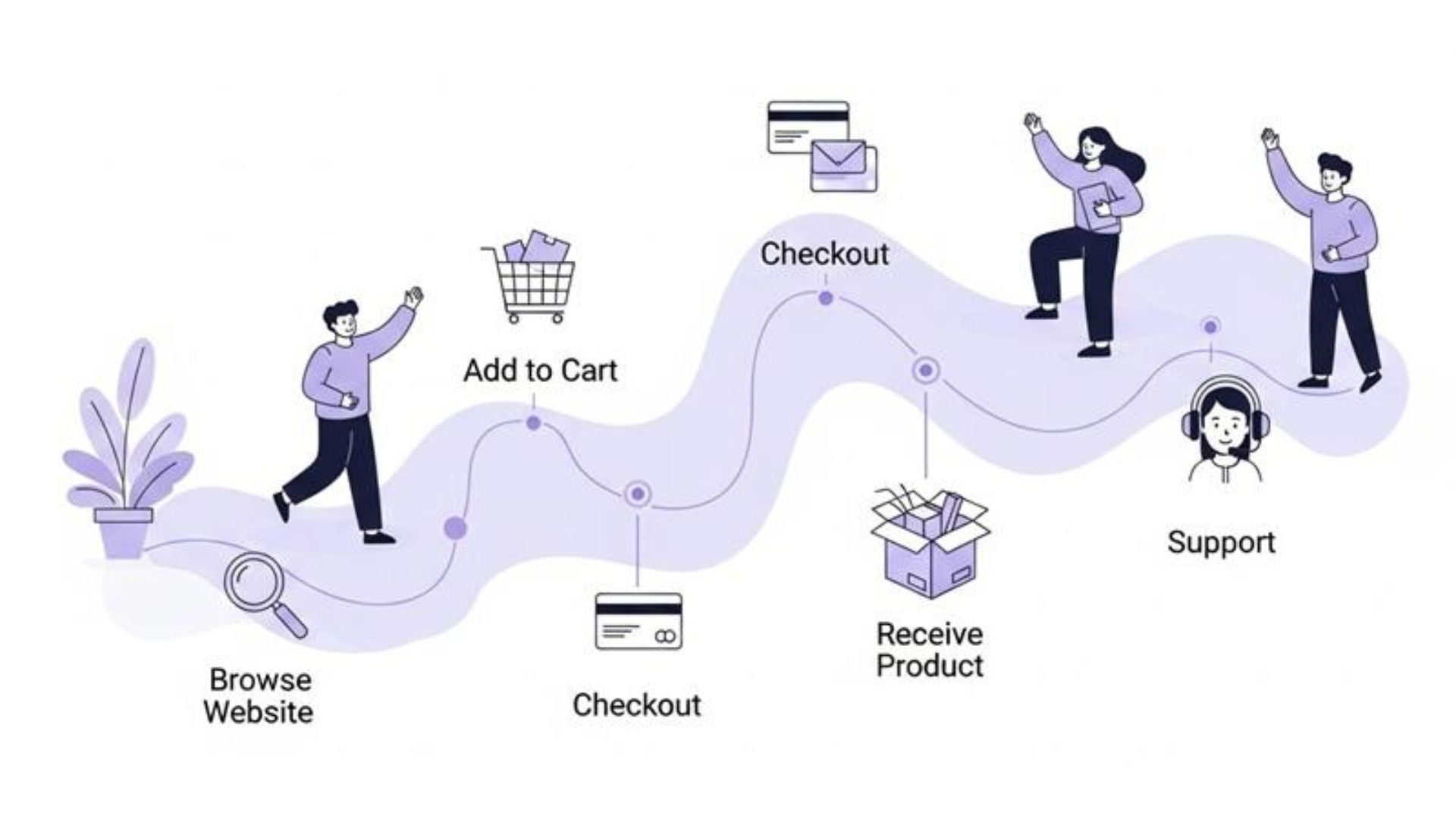
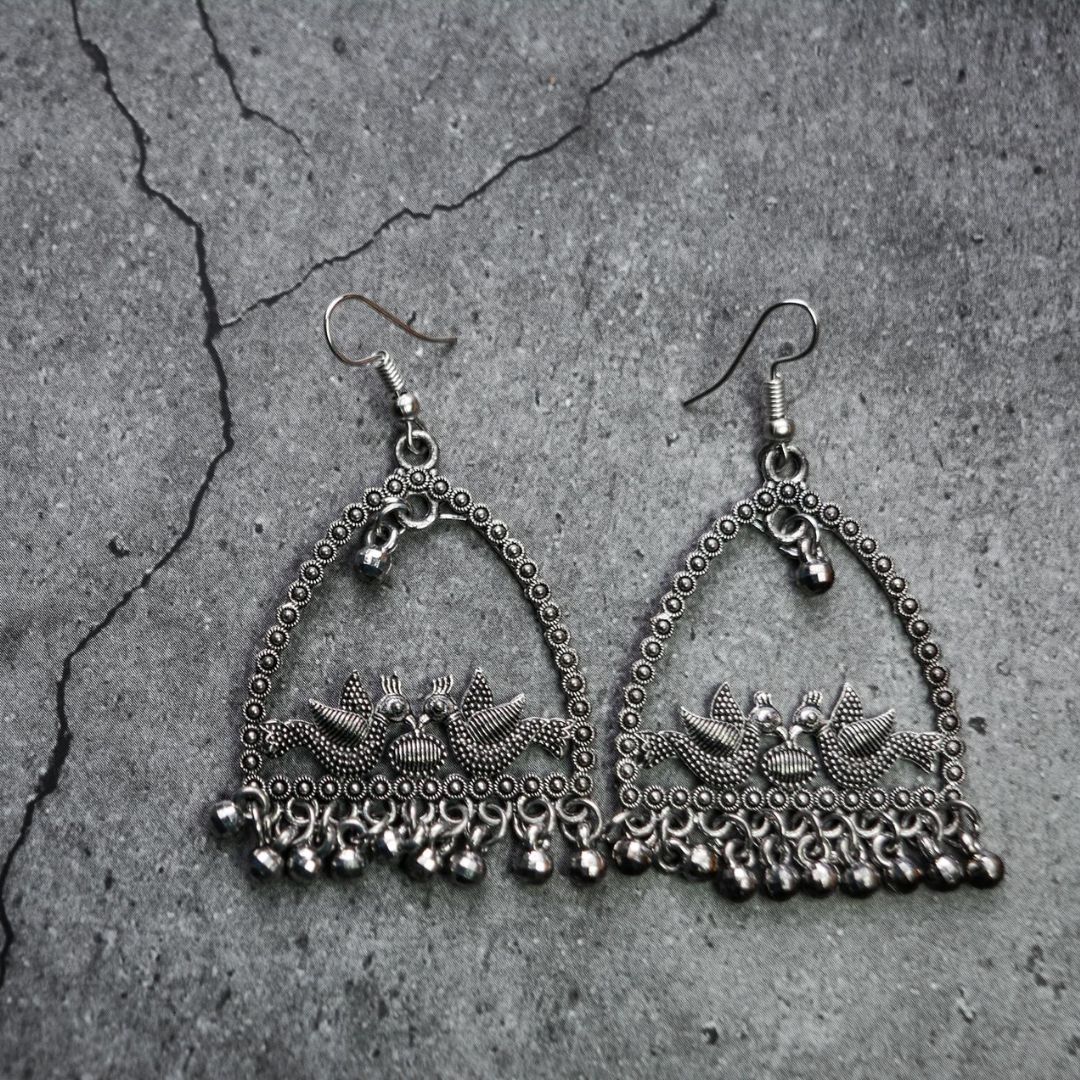
Here is the complete architecture of the Highlight system Ananya created, with the specific function of each element.
Highlight One: “My Work” — The Discovery Showcase
Purpose: To immediately communicate the quality, style, and aesthetic range of the work for a first-time visitor who needs to quickly assess whether this is relevant to them.
Content: A curated selection of the best product photography Stories — not every piece she has ever made, but twelve to fifteen carefully chosen pieces that represent the breadth and quality of her work. Close-up detail shots that show the texture of the metal, the depth of the stones, the precision of the craftsmanship. A range of styles — statement pieces and delicate everyday pieces, earrings and rings and pendants — so visitors can quickly identify whether her aesthetic matches theirs.
Design principle: This Highlight should function like the front window of a shop — showing the absolute best of what is available, with enough variety to signal the range of what she makes, in a way that makes a first impression strong enough to keep the visitor exploring.
Highlight Two: “Customer Love” — The Trust Builder
Purpose: To provide social proof from people who have already purchased and been satisfied — the single most important trust-building content available to any small business.
Content: Photographs that customers have sent showing themselves wearing the pieces. Screen grabs of WhatsApp and DM conversations where customers have shared their happiness with their purchase. Unboxing Stories showing the packaging and the product as it arrives — demonstrating that the in-person product matches the Instagram photography. Any press mentions, features, or recognition the brand has received.
Design principle: Trust is built through evidence, not assertion. The claim “my customers love my work” is worthless. Evidence of that love — photographs, messages, reactions — is invaluable. This Highlight should be continuously updated as new customer content becomes available.
Highlight Three: “How I Make It” — The Process Story
Purpose: To differentiate the brand from mass-produced alternatives and to create the emotional connection that comes from understanding the skill and care invested in each piece.
Content: Behind-the-scenes Stories showing different stages of the making process — the raw materials being selected, the metal being shaped and hammered, the stones being set, the finishing and polishing stages. A brief creator introduction Story in which Ananya introduces herself, her background, and why she makes what she makes. Stories showing the studio space — the tools, the workbench, the organised drawers of materials.
Design principle: People who buy handmade work are buying a relationship with the maker and with the making process, not just an object. This Highlight makes that relationship tangible and specific. When a customer knows that the ring they are wearing was hammered into shape by specific hands in a specific studio in Mysore, the piece means something different to them than a mass-produced equivalent. That meaning is what justifies the premium price point and what creates the loyalty that results in repeat purchases and referrals.
Highlight Four: “Order With Me” — The Process Guide
Purpose: To eliminate every practical obstacle between a visitor who wants to buy and the completed purchase — providing clear, comprehensive information about how ordering works.
Content: A step-by-step guide to the ordering process, beginning with how to contact Ananya (DM or email) and walking through the process through to confirmation, making, shipping, and delivery. Information about lead times for both in-stock and custom pieces. Payment method information. Packaging information. Clear statement of what happens after payment — when work begins, when they can expect updates, when it ships.
Design principle: Ambiguity is the enemy of conversion. A visitor who wants to buy but is unclear about any part of the process is much less likely to complete the purchase than one who has a clear mental model of exactly what will happen. This Highlight should be comprehensive enough that a buyer could complete an order without any additional information.
Highlight Five: “Custom Orders” — The Bespoke Service Guide
Purpose: To explain the custom order process specifically — a significant revenue stream for Ananya that requires its own dedicated information because the process is different from buying ready-made pieces.
Content: Examples of previous custom orders with brief descriptions of what the customer requested and how Ananya interpreted and realised the request. A clear explanation of the custom order process — how the conversation begins, how the design is developed and approved, what the timeline looks like, what the payment structure is. Specific examples of the kinds of customisation available — choice of metal, stone selection, size adjustments, inscription options.
Design principle: Custom order customers typically have higher anxiety and more questions than standard purchase customers, because they are committing to a process rather than a specific known product. This Highlight should make the process feel transparent, manageable, and exciting rather than uncertain and risky.
Highlight Six: “Shipping and Care” — The Practical Information Centre
Purpose: To answer the most common practical questions about delivery and product care in a format that is always accessible without requiring Ananya’s direct involvement.
Content: Shipping information — carriers used, typical delivery times, packaging descriptions, tracking process. International shipping information if applicable. Care instructions for different materials — how to store silver to prevent tarnishing, how to clean oxidised pieces without damaging the finish, how to care for pieces with natural stone settings. Policy information on returns and exchanges, stated clearly and without ambiguity.
Design principle: Customers who have practical concerns about shipping and care are often very close to purchasing — these questions arise when someone is seriously considering buying. Providing clear, detailed answers here removes the last obstacles before the decision is made.
Highlight Seven: “Studio Updates” — The Living Story
Purpose: To demonstrate that the account is active and that new work is constantly being created — preventing the impression that the profile is a static archive rather than a living business.
Content: Regular Stories about current work in progress — pieces being made that will be available soon, materials just received, creative experiments underway. Announcements of upcoming collection launches or special pieces. Honest behind-the-scenes content about the reality of running a small handmade business — the challenges and rewards of the work.
Design principle: This is the Highlight that changes most frequently and creates the sense of an ongoing narrative rather than a finished showcase. Customers who follow the development of a piece over several Stories before it becomes available develop a specific attachment to it — and the waitlist culture that results from this kind of anticipation-building is one of the most powerful conversion mechanisms available to any handmade product business.
The Design Principles That Make Highlights Effective

Building effective Highlights is not only about the content inside them — the design of the Highlights themselves matters significantly for how many visitors actually engage with them.
Highlight Covers
The circular cover image for each Highlight is the first thing a profile visitor sees, and it determines whether they click into the Highlight to explore its content. Generic, poorly designed covers — a random screenshot from a Story, an inconsistent mix of photographs — communicate disorganisation and make the Highlights look like an afterthought.
Thoughtfully designed covers — whether that means a consistent visual style using the brand’s colour palette, clean iconography that immediately communicates the Highlight’s content, or a carefully chosen photograph that is representative and appealing — communicate professionalism and make the Highlight system look like an intentionally designed resource worth exploring.
Ananya uses simple, elegant covers — a consistent warm cream background with a small line-drawn icon for each Highlight, matching the minimalist aesthetic of her brand. The visual consistency of the covers tells a first-time visitor immediately that this is a professionally managed business with attention to detail. That impression precedes and frames all of the content inside the Highlights.
Highlight Names
Highlight names appear beneath the cover circles on the profile. They should be clear, immediately descriptive, and specific enough to communicate the content’s purpose without the visitor needing to click to find out what they will find.
“Favourites” tells a visitor nothing about what they will find. “My Work” tells them they will see product photography. “Customer Love” tells them they will see testimonials and customer photographs. “Order With Me” tells them they will learn how to buy.
The name is the promise. The content must deliver on it.
The Order of Highlights
Instagram displays Highlights in the order they were most recently updated — the most recently updated Highlight appears first. This means that the order of Highlights on a profile changes as different Highlights are updated.
For businesses that want to control the order — ensuring that the most important Highlights appear first — the practical approach is to update Highlights in reverse order of importance, so the most important Highlight is updated last and therefore appears first.
Some creators work around this by updating their most important Highlight (typically the showcase or trust-building Highlight) more frequently — ensuring it is consistently first in the sequence because it is consistently the most recently updated.
Keeping Highlights Current
Highlights that have not been updated for months or years develop a dated quality — old photographs, outdated pricing, archived testimonials that no longer reflect current work. This datedness undermines the trust-building function that Highlights are meant to serve.
Building the habit of reviewing and updating Highlights regularly — at minimum once per month — maintains their freshness and ensures that the information they contain is accurate and representative of the current business.
The Specific Transformation — What Changed After the Rebuild
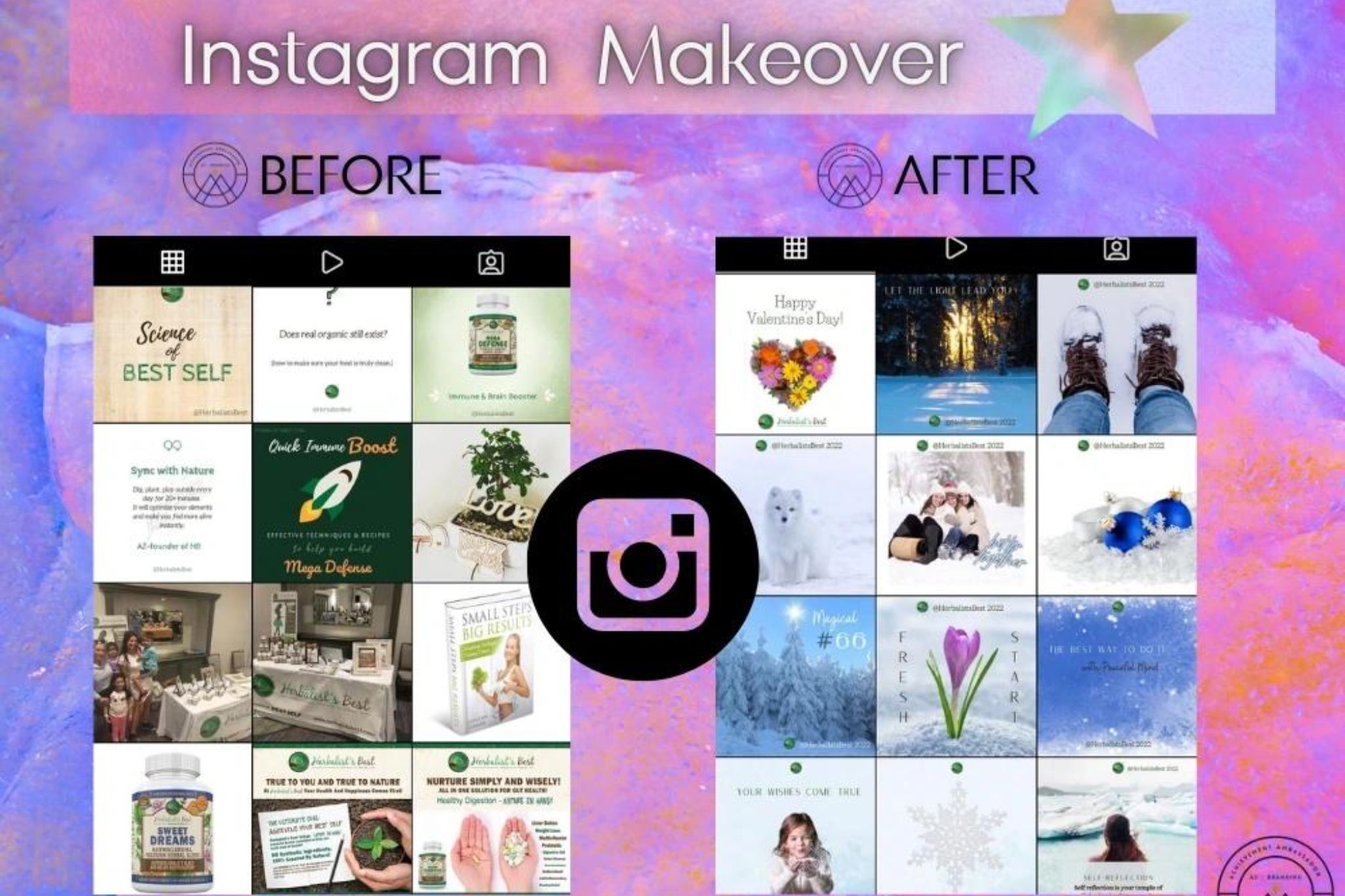
The practical impact of Ananya’s Highlight rebuild was measurable and significant within the first two weeks.
The volume of repetitive DMs dropped substantially. The questions that had been consuming an hour or more of her day every day — about ordering, shipping, materials, custom work — were now being answered by the Highlights before the visitor had any need to ask. When she did receive DMs, they were different questions: more specific, more considered, often already oriented toward a specific piece or a specific custom order concept. The people writing these DMs had done their research. They were ready to have a real conversation rather than a preliminary information-gathering one.
The time she was saving from not answering repetitive questions was being reinvested in making more pieces — which increased the frequency of new work being available and therefore increased the content she could post about new work, which increased the engagement on her account.
Profile engagement metrics also shifted. New visitors were spending more time on her profile — clicking through multiple Highlights, watching multiple Stories within each Highlight. This increased dwell time is both a direct indicator of visitor interest and a signal to the algorithm that the profile is providing genuine value.
Perhaps most significantly, the conversion rate — the percentage of profile visitors who eventually made a purchase — improved. Visitors who arrived at her profile and found a clear, comprehensive, well-designed information architecture came away with the information and confidence to buy. Visitors who arrived and found a confusing, incomplete profile often left to find answers elsewhere and did not return.
The Highlights did not change the jewellery. They did not change the prices. They did not change the maker or the making. They changed what a first-time visitor could discover, understand, and believe about the business in the first five minutes of their visit.
That change was enough.
The Universal Principle — Applying This to Any Small Business
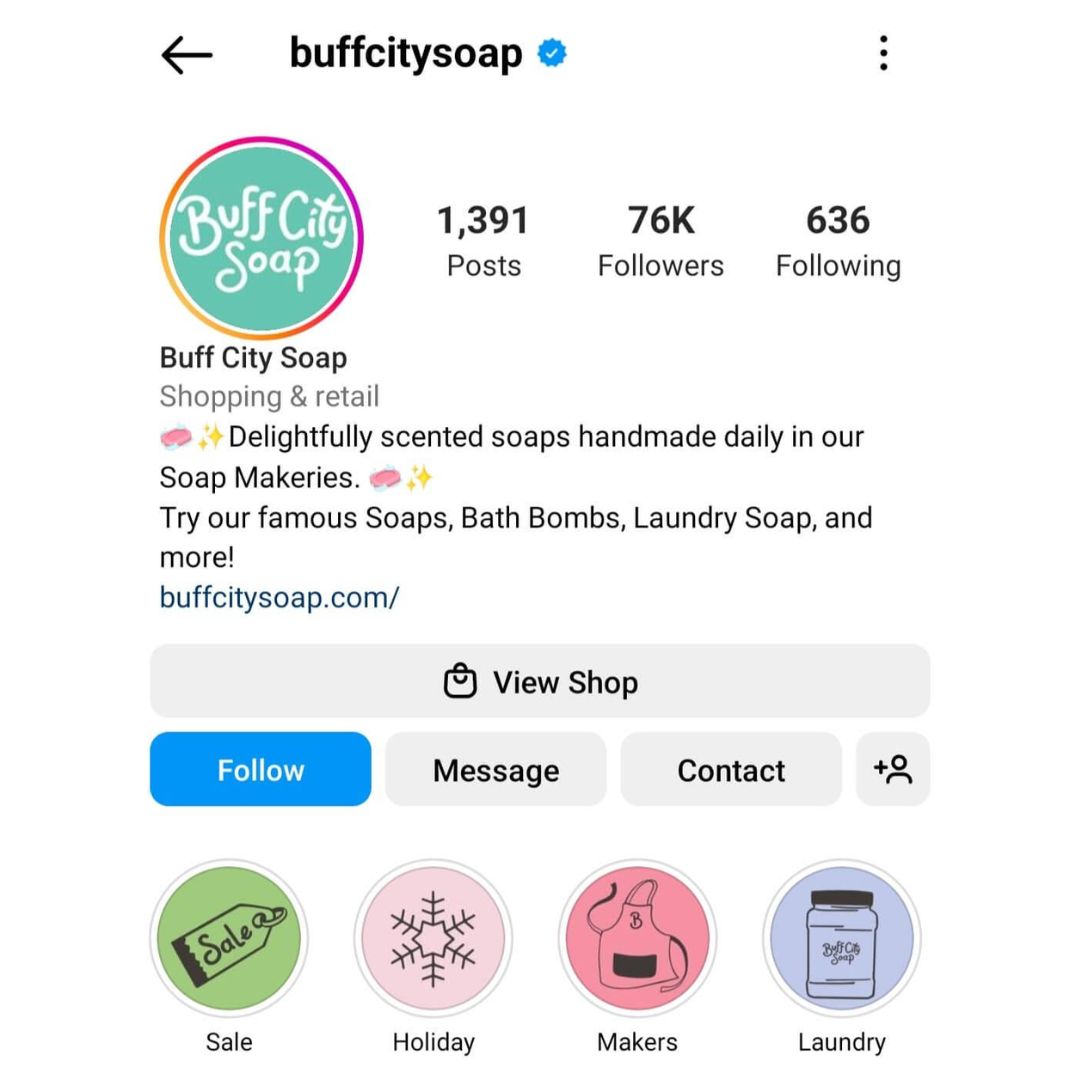

Everything Ananya built is specific to her jewellery business, but the underlying principle applies to any small business or creator using Instagram — regardless of what they sell or what service they provide.
The principle is this: your Instagram profile is visited by potential customers who have questions. Most of those questions are the same questions. Every one of those questions is an opportunity — answered well, it moves the visitor toward purchase; left unanswered, it introduces doubt that may prevent the purchase entirely.
Highlights are the mechanism through which you answer those questions once, thoroughly, in a way that works twenty-four hours a day without your involvement.
A yoga studio could use Highlights to show class types and schedules, instructor backgrounds, student testimonials, a beginner’s guide to starting yoga, pricing and membership options, and a map and directions to the studio. A first-time profile visitor who explores these Highlights leaves knowing everything they need to decide whether to book a class.
A home chef taking catering orders could use Highlights to show previous catering events and menus, client testimonials, a sample menu, pricing guidance, the booking process, and food allergy and dietary accommodation information. A corporate client who discovers the account through Instagram and explores the Highlights can make a booking decision without a single phone call.
A personal finance creator could use Highlights to show their credentials and background, their most popular educational content organised by topic, client testimonials, information about their paid programmes, and a clear guide to how to work with them.
In each case, the Highlights are doing what a well-staffed shop counter would do — anticipating the questions, providing the answers, building trust, removing obstacles, and guiding the visitor toward the action that serves both parties.
Building Your Own Shop Window — A Practical Starting Point

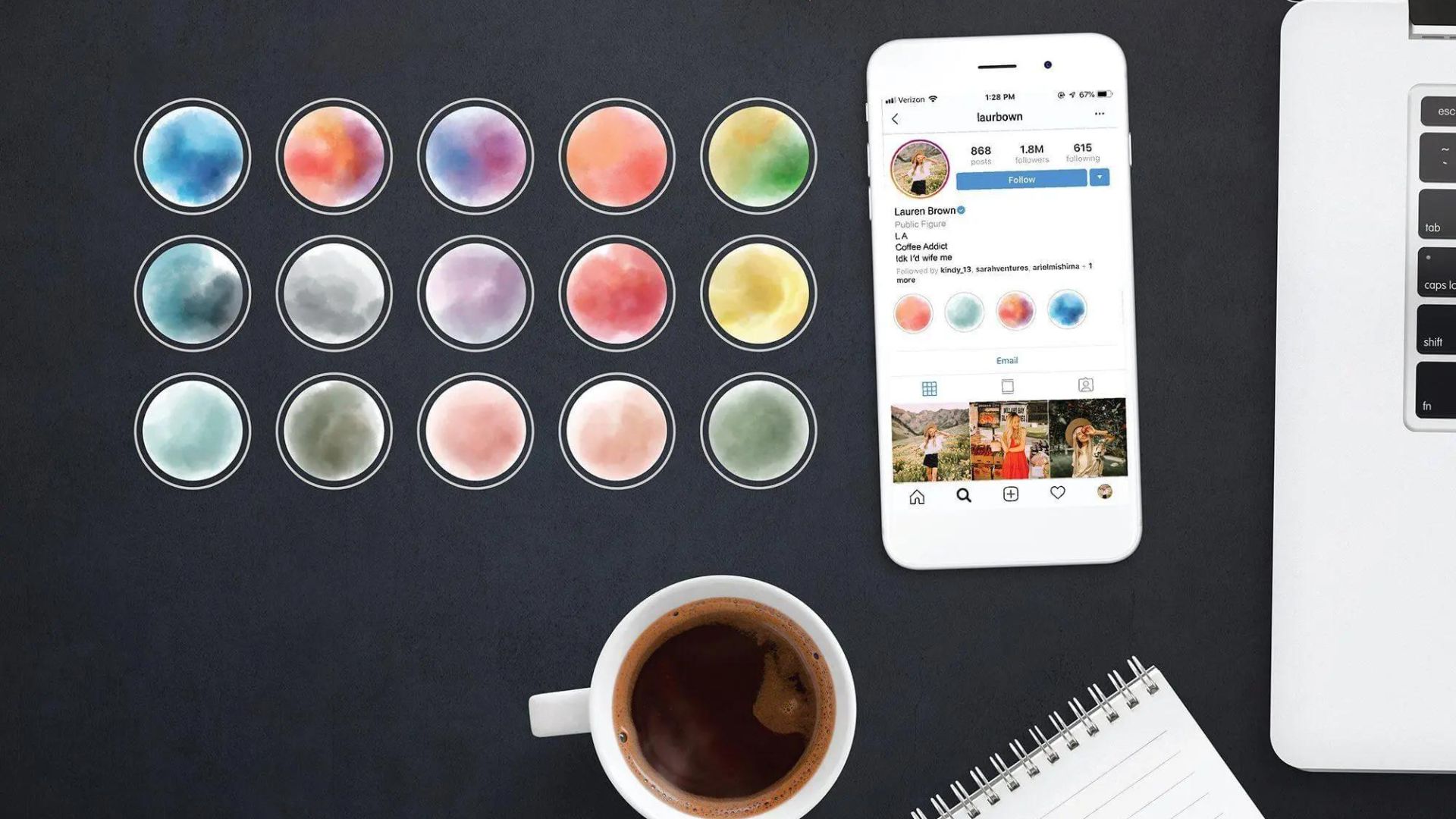
For any creator or business ready to build their own Highlight system, here is a practical starting framework.
Step One: List every question you have been asked more than twice
Go through your DMs, your email enquiries, your comment section questions from the past three months. Write down every question that appears more than twice. These are the questions your audience needs answered and is currently not finding answers to on your profile. Each of them is a candidate for Highlight content.
Step Two: Group those questions by stage in the customer journey
Which questions are early-stage discovery questions? Which are trust and credibility questions? Which are practical information questions? Which are about the emotional story of the business? Group them into clusters — each cluster represents a potential Highlight.
Step Three: Design the Highlight names and covers before creating the content
Start with the architecture rather than the content. Name each Highlight with clear, specific, immediately understandable language. Design or commission covers that are visually consistent with your brand aesthetic. A clear architecture with strong visual design will encourage visitors to engage with the content once it is added.
Step Four: Create the Stories content for each Highlight
For each Highlight, create a series of Stories that comprehensively answers the questions in that cluster. Use a mix of formats — photographs, text slides, short video clips, screen recordings for process content — to keep the content within each Highlight varied and engaging.
Prioritise clarity and completeness over production perfection. A clear, useful text slide answering a common question serves the visitor better than a beautifully designed slide that answers a question nobody has.
Step Five: Set a monthly review reminder
Highlights need maintenance. Prices change. Policies evolve. New testimonials arrive. Processes improve. A standing reminder to review and update each Highlight monthly takes thirty minutes and keeps the shop window current, accurate, and representative of the business as it actually is today.
The Economics of the Twenty-Four Hour Shop Window


There is an economic dimension to the Instagram Highlights shop window that is worth naming explicitly — because it quantifies what the investment of one afternoon’s work actually produces.
Ananya estimated that she was spending between sixty and ninety minutes per day answering repetitive DMs before she rebuilt her Highlights. In a five-day working week, that is between five and seven and a half hours per week. In a month, between twenty and thirty hours.
A maker who works twenty to thirty hours on making instead of answering repetitive questions can produce significantly more pieces per month. More pieces mean more product to sell, more content to post, more revenue potential, and more evidence of an active, productive business.
The time savings from a well-built Highlight system are not a convenience — they are a reinvestment opportunity. The hours freed from repetitive information provision are hours available for creation, for new product development, for genuine customer relationship building, for all the things that actually grow the business rather than maintain its current state.
Beyond time, the Highlights system improves conversion rate — the percentage of profile visitors who become customers. Even a modest improvement in conversion rate, compounded across thousands of profile visitors per month, represents meaningful additional revenue without additional marketing spend or audience growth.
The investment of one afternoon to build a thoughtful, comprehensive Highlight system typically pays back in time and revenue within weeks and continues paying back indefinitely as long as the Highlights remain current.
What Ananya’s Shop Window Looks Like Today

Two years after rebuilding her Highlights, Ananya’s Instagram profile looks and functions like a professional retail experience — despite being run by a single person from a studio in Mysore.
A first-time visitor who arrives on her profile from a Reel they saw in Explore can, without any interaction with Ananya, spend fifteen to twenty minutes exploring the best of her work, understanding the making process, reading testimonials from satisfied customers, learning exactly how to order and what to expect, understanding her custom order service and seeing previous examples, and getting answers to every practical question about shipping, materials, and care.
After those fifteen to twenty minutes, if they want to buy, they know exactly what to do. They send a DM that is not an information request — it is an introduction. They already know who they are writing to. They already trust the work. They already understand the process.
The conversation that follows is a creative collaboration — a discussion about the specific piece they want, the choices available to them, the story they want the jewellery to tell. It is the kind of conversation that builds the long-term customer relationship that generates repeat purchases and referrals.
Ananya did not get to have these conversations when she was spending her time answering shipping questions.
The Highlights gave her time back. The time gave her better conversations. The better conversations built better relationships. The better relationships built a better business.
One afternoon. Seven Highlights. A shop window that never closes.
Closing Thought — The Profile That Works While You Sleep
There is a version of your Instagram profile that is passive — a collection of posts and Stories that sits on the platform and waits for visitors to navigate it, providing whatever they find and losing whatever they cannot find.
And there is a version that is active — a purposefully designed information architecture that anticipates what every visitor needs to know, provides it clearly and completely, builds trust incrementally as they explore, and guides them toward the action that benefits them and you.
The difference between these two versions is not resources or technical sophistication. It is intention — the decision to treat your Instagram profile not as a gallery where you deposit content but as a shop window you design for the customer who is standing in front of it.
Ananya’s jewellery did not become better when she rebuilt her Highlights. It was already as good as it had always been. What changed was that the people standing outside her shop window could finally see inside clearly enough to decide they wanted to come in.
Your work is already worth buying. Build the window that lets people see it.
Written by Digital Drolia — helping creators and small businesses understand that the most powerful Instagram infrastructure is often already built into the platform, waiting to be used with intention. Found this valuable? Share it with a small business owner who is spending hours answering the same questions in DMs when their Instagram profile could be answering them instead.