



How Instagram DMs Have Replaced Cold Calls for an Entire Generation of Sales Professionals


Let me tell you about a sales conversation that happened without either party ever speaking out loud.
Rahul Sharma is twenty-six years old. He sells corporate training programmes — workshops on leadership, communication, and team effectiveness for companies of between fifty and five hundred employees. It is a service with a long sales cycle, a high average deal value, and a buyer who is typically a senior HR professional or a C-suite executive. A decade ago, someone in Rahul’s position would have built a career on cold calls, networking events, and carefully worded LinkedIn InMails.
Rahul has never made a cold call. He does not think he ever will.
Six weeks ago, the head of HR at a mid-sized logistics company in Pune — a woman named Meghna Joshi — found Rahul’s Instagram account through a Reel he had posted about a specific challenge in managing newly promoted team leaders. The Reel was specific, actionable, and clearly demonstrated that Rahul understood this particular challenge from the inside — not as theory but as practice.
Meghna saved the Reel. She came back to his profile. She watched four more Reels. She read several of his carousel posts. She followed the account.
Over the next three weeks, she occasionally saw his content in her feed. She saved two more posts. She watched a Stories Q&A he hosted about managing conflict in hybrid teams.
Then she sent him a DM.
The DM was direct: “I have been following your content for a few weeks and I think your approach to team leadership training is interesting. We are planning a leadership development programme for our mid-level managers in Q3. Would you be open to a conversation about what that might look like for us?”
Rahul responded within the hour. They had a call the following week. Three weeks later, he had signed a contract worth four and a half lakhs for a six-month engagement.
At no point did Rahul cold-call her. At no point did she receive an unsolicited pitch. She found him, evaluated him, decided she trusted him, and initiated contact. By the time they spoke on the phone, she was already significantly persuaded. The call was not a sales call — it was an intake conversation between a buyer who had decided she wanted to work with this person and a provider who needed to understand the specific situation he was being hired to address.
This is what Instagram DMs have made possible for sales. Not just a new communication channel — a fundamentally different sales dynamic where the buyer arrives warm, the trust is already built, and the conversation starts from a position of genuine mutual interest rather than interrupted attention.
What Has Changed — The Shift From Interruption to Permission

To understand why Instagram DMs have replaced cold calls for an entire generation of sales professionals, you need to understand the fundamental dynamic they have replaced.
The cold call was built on interruption. You identified someone who might be a potential customer, found their phone number, called at a time of your own choosing, and asked for their attention without having earned it. The prospect was doing something else — working, thinking, meeting — and you interrupted that activity with a request for time to pitch something they had not asked to hear about.
The cold call required overcoming an immediate refusal response — the natural human reaction to being interrupted by a stranger with a commercial agenda. Sales training for cold calling spent significant effort on techniques for getting past this initial refusal response, for maintaining the call in the face of resistance, for converting the inherent awkwardness of the situation into enough goodwill to secure a next step.
It could work. For many decades it worked. But it was always a low-probability, high-friction approach — and it has become progressively less effective as caller ID, voicemail, and a cultural shift away from answering calls from unknown numbers has reduced the probability of even reaching the prospect, let alone engaging them.
Instagram DMs operate on a completely different dynamic. The prospect arrives in the DM having already found the content, having already engaged with it over time, having already made a preliminary judgment that this person’s expertise is relevant and trustworthy. When they send the DM, they are initiating contact — which means they have already crossed the initial resistance barrier before the conversation begins.
This is not just a tactical difference. It is a structural difference in the sales relationship. The prospect who initiates contact has self-selected as interested. The prospect who receives a cold call has been selected by the seller regardless of interest. The quality of the conversation that follows from these two different starting points is categorically different.
The Instagram Trust Pipeline — What Happens Before the DM


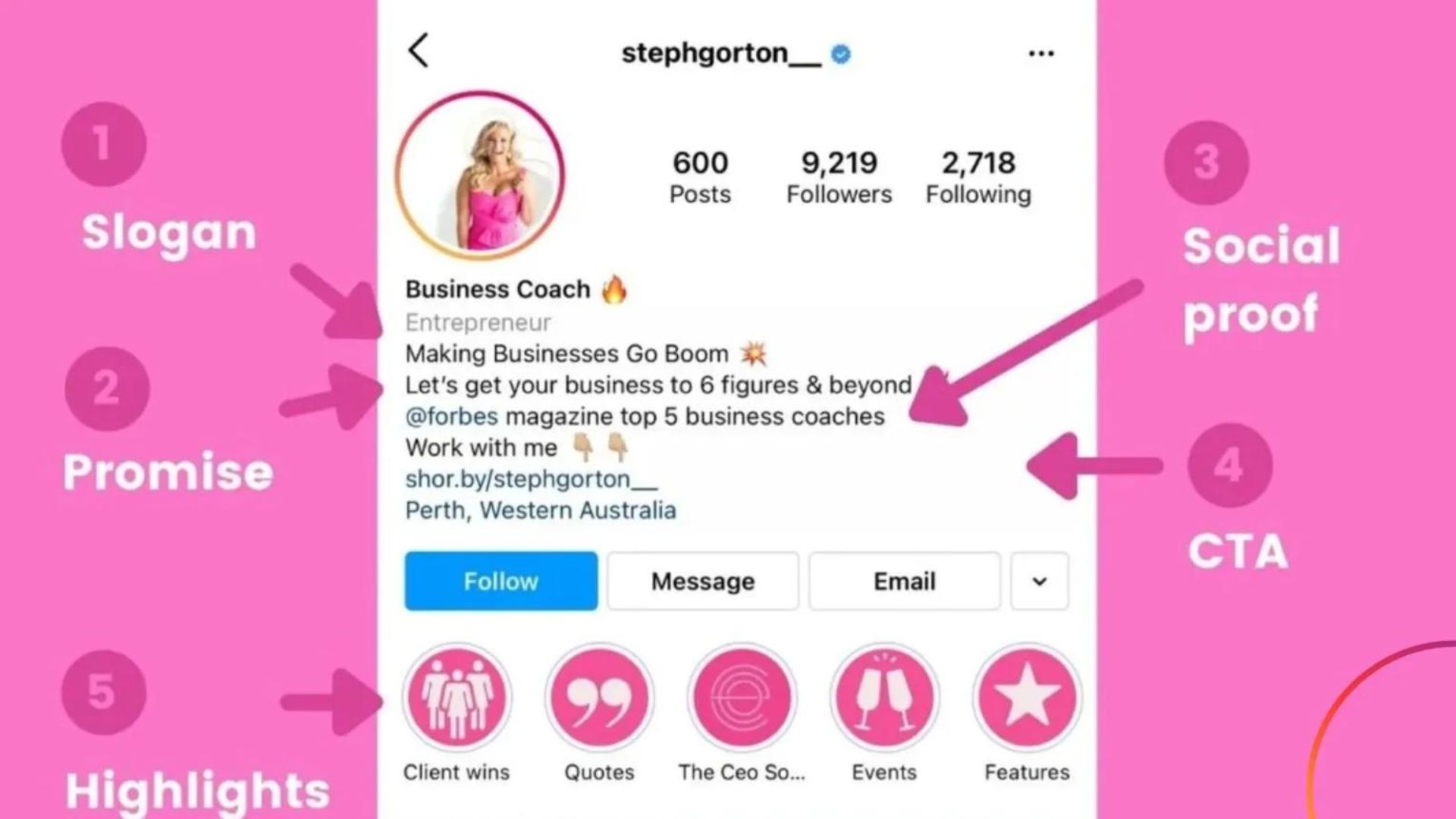

The DM that Meghna sent to Rahul was the visible tip of a process that had been happening for three weeks. Understanding that process — what the prospect goes through before they reach out — is the key to designing an Instagram presence that generates inbound DMs from the right people.
Stage One: Discovery
Meghna found Rahul’s Reel through the Explore page or through Instagram’s Reels distribution — she was shown content relevant to her professional interests and his specific content matched something she was actively thinking about. This is not random. Rahul’s content had been generating strong save and share signals — as we discussed in our post about saves and shares — which told the algorithm that his content was worth distributing to professionals with relevant interest profiles.
The discovery was passive from Rahul’s perspective. He had not targeted Meghna specifically. He had created content that genuinely served the kind of professional she is, and the algorithm had found her.
Stage Two: Initial Evaluation
After saving the Reel, Meghna visited Rahul’s profile. She looked at the content grid, the bio, perhaps the Highlights. She was making a rapid assessment: is this a credible person with genuine expertise, or is this someone performing expertise without substance?
She clicked through to a few more Reels and carousel posts. She was looking for consistency — whether the quality and specificity of the first Reel was characteristic of the account or an anomaly. She found consistency.
This evaluation stage is where most potential prospects either convert to followers or leave. The profile that clearly communicates credibility, specificity, and consistent value converts more evaluators to followers. The profile that is generic, inconsistent, or unclear about its specific expertise loses most evaluators before they follow.
Stage Three: Extended Relationship Building
Meghna followed the account and encountered Rahul’s content over three weeks in her regular feed. This stage — the extended relationship building through consistent content consumption — is what transformed her from an interested follower into a qualified buyer.
Each piece of content she engaged with deepened her understanding of his approach. Each save she made was a small investment in the relationship. By the time she sent the DM, she had spent significant time with his thinking. She did not feel like she was reaching out to a stranger — she felt like she was reaching out to someone she had been learning from.
This extended relationship building is the stage that cold calling completely skips. The cold caller goes from stranger to sales pitch in thirty seconds. The Instagram DM arrives after weeks of gradually deepening familiarity. The warm DM is not a cold call dressed in a different format. It is the natural conclusion of a relationship that has been building for weeks.
Stage Four: The Initiated Contact
The DM itself. The moment where the prospect self-selects as genuinely interested by reaching out first. This self-selection is enormously valuable — it filters out the merely curious from the genuinely interested, and it begins the sales conversation from a position of established trust.
The seller’s response to this DM determines whether the relationship continues to develop or stalls. A response that matches the quality and specificity of what the prospect has been consuming maintains the trust. A response that suddenly becomes generic, salesy, or template-driven breaks the trust that the content had been building.
Why This Works Particularly Well for Certain Types of Sales

Instagram DMs are not equally effective for every type of sales. Understanding where they work best — and why — helps sales professionals and business owners decide how to integrate this approach into their broader sales strategy.
High-consideration, expertise-driven sales
Instagram DMs work best when the purchase decision requires a significant evaluation of the seller’s expertise before the buyer will commit. Corporate training, coaching, consulting, design, legal advice, financial planning, specialist healthcare — these are categories where the buyer needs to trust the seller’s judgment and capability before entering a commercial relationship.
In these categories, the content-to-DM pathway is particularly powerful because the content itself is the primary vehicle for demonstrating the expertise that drives the purchase decision. Rahul’s Reels were not just marketing — they were demonstrations of the thinking that Meghna would be paying for. Watching them was not just evaluating whether she liked him — it was sampling the product she was considering buying.
When the content is the product, consuming the content is essentially a product trial. And products that people have trialed and found valuable are products that close at high rates.
Relationship-based sales where trust is the primary variable
Some sales are primarily won through trust rather than through product differentiation. When the buyer is choosing between several reasonably equivalent options, the relationship with the seller is often the decisive factor.
Instagram DMs are exceptionally powerful in this context because they build relationship before the commercial conversation begins. The buyer who has been following a seller’s content for three months and sends a DM is not entering a commercial evaluation — they are reaching out to someone with whom they have a pre-existing (if asymmetric) relationship. That relationship history makes the commercial conversation feel fundamentally different from a cold introduction.
B2B sales where decision-makers consume content professionally
Senior HR professionals, marketing executives, startup founders, operations directors, creative directors — these are professional roles whose occupants often consume professional Instagram content as part of how they stay current in their fields.
When the content a seller creates is specifically relevant to the problems and challenges of these specific professional roles, the content functions as precision targeting without paid advertising. The content reaches exactly the people who have the budget and authority to buy — because those people are seeking out content that helps them do their jobs better, and the right content lands on their feeds through the algorithm’s professional interest targeting.
Service businesses where the seller’s personal brand is the differentiator
For many service businesses — photography studios, interior design practices, coaching businesses, consulting firms, marketing agencies — the personal brand of the founder or primary practitioner is the primary competitive differentiator. The client is not just buying a service — they are buying a relationship with a specific person whose specific perspective and capability they trust.
Instagram is uniquely suited to building this kind of personal brand at scale. The Reels, the Stories, the captions — they collectively construct a comprehensive picture of the person behind the business: their thinking, their values, their aesthetic sensibility, their communication style, their depth of knowledge. By the time a prospect sends a DM, they have already assessed all of these dimensions and decided they want to work with this specific person. The commercial conversation is the finalisation of a decision that has already been substantially made.
The Content That Generates DMs — What Specifically to Create

Understanding that content generates DMs is one thing. Understanding what specific type of content generates DMs from the right people — qualified prospects who are ready to initiate a commercial conversation — is more valuable.
Problem-specific content that demonstrates insider understanding
The Reel that reached Meghna worked because it addressed a specific problem — managing newly promoted team leaders — with the kind of nuanced, specific understanding that only comes from genuine experience. She recognised the accuracy of the description because she was living it. She saved the Reel because it seemed to understand her situation better than anything she had read elsewhere.
Content that demonstrates insider understanding — that shows, through the specificity and accuracy of what it describes, that the creator genuinely knows this world from the inside — is the content that generates DMs from people who are living the problems being described.
The practical test for this type of content: if your ideal prospect read or watched this, would they think “this person really gets it” or would they think “this is accurate but I have seen this framing many times before”? The content that generates DMs is the content that produces the former response — genuine recognition of exceptional insight rather than reasonable acknowledgement of standard knowledge.
Content that demonstrates the outcome of working with you
Case study content — specific, concrete accounts of problems solved for real clients — is among the most powerful DM-generating content types because it shows prospects exactly what working with you looks like and what they can expect to receive.
Effective case study content is not a testimonial. It is a story: what the situation was before, what the specific intervention involved, what changed as a result. The prospect reading this content is not just learning about a past client’s experience — they are imagining themselves in the same story, wondering whether the same intervention could produce the same result for them.
When the answer to that question is yes — when the case study is specific enough to be recognisable and the outcome is compelling enough to be desirable — the DM follows naturally.
Content that articulates the problem before offering the solution
Content that begins by describing a problem in language so accurate and specific that the prospect immediately recognises themselves in the description is the content that generates the most powerful emotional response — and the most motivated DMs.
When someone reads a caption or watches a Reel that says exactly what they have been thinking, in words they could not previously find, they experience a specific and powerful kind of relief — the relief of feeling understood. That relief motivates connection. The DM that says “I have been struggling with exactly what you described in your last post” is one of the most common openings, and it begins the commercial conversation from a place of already-established rapport.
Educational content that creates trust through generosity
Content that freely shares genuinely useful knowledge — not teaser content designed to make the viewer feel they need to pay for the real information, but genuinely complete and useful educational content — builds the specific kind of trust that motivates commercial inquiry.
The prospect who receives genuine value from free content has reason to believe that the paid version will deliver proportionately greater value. Generosity in the free content is, paradoxically, the most effective commercial strategy — because it builds the trust that makes the commercial conversation welcome rather than resisted.
The Art of the DM Response — What Happens After the Message Arrives

The DM is the beginning of the commercial conversation, not the end of the content relationship. How the seller responds to that initial DM determines whether the trust built through content is maintained or immediately undermined.
The most common mistake sellers make when they receive an inbound DM from a qualified prospect is immediately switching into sales mode — treating the DM as if it were an inbound lead that needs to be moved through a sales funnel as efficiently as possible.
This is the wrong approach. The prospect did not send the DM to be processed through a funnel. They sent it because they trusted the person behind the content enough to initiate a genuine conversation. Responding with a template reply, a Calendly link, or an immediate pitch treats that trust as a lead to be converted rather than a relationship to be honoured.
The response that maintains the relationship
The response that works begins by acknowledging the specific situation the prospect has described — demonstrating that the response is to this specific person and this specific situation rather than to a generic enquiry category.
Then it asks one genuinely curious question — not a qualifying question designed to assess deal size or timeline, but a question that demonstrates genuine interest in understanding the prospect’s specific situation. “You mentioned you’re planning this for Q3 — is there a specific reason for that timing, or is it flexible?” is a question driven by genuine curiosity about the context. A prospect can feel the difference between being genuinely asked and being qualified.
The response should not include a pitch. Not even a brief one. Not even a mention of the services offered or the price range. The first DM response is about the prospect, not about the seller.
This approach feels counterintuitive to many salespeople because it delays the commercial part of the conversation. But it is exactly right for a dynamic that begins with inbound contact. The prospect already knows what the seller does — they have been consuming the content for weeks. They did not send the DM to learn what services are offered. They sent it because they are considering whether this is the right person to help with a specific situation.
The response that says, in effect, “tell me more about your specific situation and I will listen genuinely” continues the relationship. The response that immediately pivots to commercial content interrupts it.
Transitioning to a call naturally
The transition from DM conversation to a phone or video call should feel like a natural next step in an ongoing conversation rather than a formal qualification call.
“It would be easier to really understand your situation properly if we had a chance to talk — would you be open to a twenty-minute call next week?” is a natural transition. “I’d like to schedule a discovery call to explore how we might be able to work together” is a sales script that breaks the register of a genuine conversation.
The language of the transition should match the warmth and specificity of the DM conversation that preceded it. A conversation that has felt genuine and human should not suddenly become formal and procedural at the transition to a call.
The Sales Professional Who Built an Entire Pipeline on Instagram

Beyond Rahul’s individual sale, it is worth describing what a sales professional’s Instagram-generated pipeline can look like at full development — because the scope of what is possible is larger than most people imagine.
Rahul has been consistently posting content about leadership, team dynamics, and corporate training for twenty-two months. In that time, he has built an audience of thirty-eight thousand followers, the substantial majority of whom are HR professionals, L&D specialists, or business founders — exactly the people who buy corporate training programmes.
His monthly DM volume has grown steadily alongside his following. He currently receives approximately twenty to thirty qualified inbound DMs per month from people who have discovered his content, followed it over time, and initiated contact to discuss a potential engagement.
Not all of these convert to calls. Not all calls convert to proposals. Not all proposals convert to contracts. But the quality of the conversations — the degree of pre-established trust and the specificity of the enquiry — means that his close rate from inbound DMs is dramatically higher than any cold outreach approach could achieve.
In his twenty-second month, his Instagram-generated pipeline alone exceeds his total annual revenue target from his first year of selling through traditional approaches.
He did not hire a sales team. He did not build a lead generation system. He did not make a single cold call. He created content that demonstrated genuine expertise to the people who need that expertise, consistently, for twenty-two months — and the DMs arrived from people who had already decided they wanted to talk.
The Ethical Dimension — Why This Approach Is Better for Everyone

There is an ethical dimension to this shift from cold calling to DM-based relationship selling that is worth naming explicitly — because it reflects something genuinely positive about how commercial relationships can work.
The cold call was, at its foundation, a one-sided imposition. The seller decided the prospect was worth calling. The prospect had no say in the timing, the context, or the initiation. The commercial relationship began with an asymmetry of power — the seller had chosen to interrupt; the prospect had not chosen to be interrupted.
The Instagram DM dynamic inverts this asymmetry. The prospect chooses whether to follow the content. They choose how much of it to consume. They choose when — and whether — to reach out. The seller cannot force discovery, cannot engineer the follow, cannot manufacture the DM. The prospect’s engagement with the content and the eventual DM is entirely voluntary.
This voluntary engagement produces better commercial relationships. The prospect who arrives through self-directed discovery and self-initiated contact has a fundamentally different relationship with the seller than the prospect who was interrupted and managed into a meeting. They arrived with genuine curiosity rather than managed resistance. They initiated because they wanted to, not because they were persuaded against their better judgment.
The commercial relationships that begin this way tend to be more collaborative, more trusting, and more mutually satisfying. The client who chose you is a better client than the client who was sold to.
This is not just a sales effectiveness argument. It is an argument about the kind of commercial relationships that are genuinely sustainable and genuinely good for both parties.
Building the System — What Sales Professionals Need to Start

For any sales professional or business owner who wants to build the kind of inbound DM pipeline we have described, here is the practical starting framework.
Define your specific ideal prospect with precision
The content that generates qualified DMs is content that speaks specifically to a specific type of person with a specific kind of challenge. Before creating any content, define with precision who you are trying to reach — not “HR professionals” but “HR directors in companies between one hundred and five hundred employees who are grappling with post-pandemic culture and retention challenges in hybrid work environments.”
The more precisely you define this person, the more specifically you can speak to their situation, and the more powerfully your content will resonate when it reaches them.
Create the trust pipeline, not just the content
Think about the journey your ideal prospect needs to take from stranger to DM sender — the discovery, the evaluation, the extended relationship building. Each piece of content should serve one of these stages: discovery-stage content that stops the scroll and earns a profile visit; evaluation-stage content that demonstrates depth and credibility; relationship-building content that maintains connection and deepens trust over weeks.
A content calendar that consciously varies between these stages produces a profile that works across the entire trust pipeline rather than only at one stage of it.
Respond to every DM as if the relationship matters — because it does
The habit of responding specifically, genuinely, and warmly to every DM — including DMs that do not immediately appear commercial — builds a reputation for responsiveness that compounds over time. Followers who send a question and receive a thoughtful response become advocates. Advocates share your content with their networks. Their networks become future prospects.
The DM that does not immediately lead to a sale is not a wasted conversation. It is a relationship investment.
Be patient with the pipeline development
The first qualified inbound DM typically arrives somewhere between three and six months into consistent content creation for most sales professionals. The pipeline fills slowly at first and then accelerates as the account’s authority and following grow.
The patience required is real. The temptation to supplement the organic Instagram approach with cold outreach during the slow early phase is understandable. But the creators and sales professionals who invest in building the organic pipeline rather than diluting their energy with cold approaches develop the more valuable long-term asset — an audience that trusts them and self-selects as interested, consistently, at growing scale.
The Generation That Grew Up in This Environment

The title of this post includes the phrase “an entire generation of sales professionals” — and this is worth addressing directly, because the demographic dimension of this shift is real and significant.
The sales professionals and business owners who have most fully embraced Instagram DMs as their primary outreach mechanism are predominantly those who came of professional age in a world where social media was already the primary medium for professional content consumption.
For a twenty-six-year-old sales professional like Rahul, creating content and receiving inbound DMs is not a novel approach that has replaced a previously established cold calling practice. It is simply how he has always thought about business development. He has no nostalgia for cold calling because he never relied on it.
For older sales professionals who built careers on cold calling, relationship networks, and in-person business development, the shift to Instagram-based outreach requires a genuine reorientation — not just of tactics but of how commercial relationships are initiated and developed.
The reorientation is worth making. The Instagram DM pipeline does not require being young or technology-native. It requires understanding the mechanism — the trust pipeline, the content-to-DM pathway, the response practice — and applying it with the same discipline and genuine expertise that built successful careers in more traditional sales approaches.
The expertise that makes a great salesperson is not obsolete. The ability to understand a prospect’s situation deeply, to listen genuinely, to match a solution to a real need, to build a relationship that earns trust and repeat business — these are the same skills that make Instagram-generated sales conversations successful.
The channel is new. The relationship skills are timeless.
Closing Thought — The Sales Call That Begins Before You Make It
There is a version of the sales conversation that most sales professionals have never had — the one where the prospect arrives already convinced that you are worth talking to, already familiar with your thinking, already willing to trust your judgment because they have been evaluating it for weeks.
This is the conversation that Instagram DMs can enable. Not every time — not every DM is from a Meghna who has spent three weeks with your content and is ready to sign a contract. But often enough, and with a quality of trust and specificity that cold calling could never replicate, that the economics of this approach are compelling for anyone who invests in building the content presence that generates it.
Rahul’s sales call with Meghna was not won on the call. It was won in the three weeks before the call, in the Reels and carousels and Stories that she consumed and found genuinely useful. By the time she reached out, the persuasion was already done. The call was just the formal beginning of a working relationship that her own judgment had already decided she wanted.
The most powerful sales call of your career might begin weeks before you make it.
Start creating the content that earns it.
Written by Digital Drolia — helping sales professionals and business owners understand that the most effective modern sales pipeline is built before the commercial conversation begins. Found this valuable? Share it with a sales professional who is still making cold calls and wondering why the conversion rate keeps declining.