

Why Going Live on Social Media Builds More Trust Than Any Polished Ad

Let me tell you about a Tuesday evening that changed a skincare brand’s relationship with its customers permanently.
Ritika Sharma had been running a natural skincare brand for two years. She made face serums, botanical cleansers, and herbal face masks in small batches from her home studio in Pune. Her Instagram account had around twelve thousand followers — built slowly through consistent posting, genuine engagement, and the kind of content that demonstrated she actually understood skin health rather than just selling products.
Her sales were good but not exceptional. She had a loyal core of repeat customers who trusted her products completely. Attracting new customers at scale felt harder than it should have given the quality of what she was making.
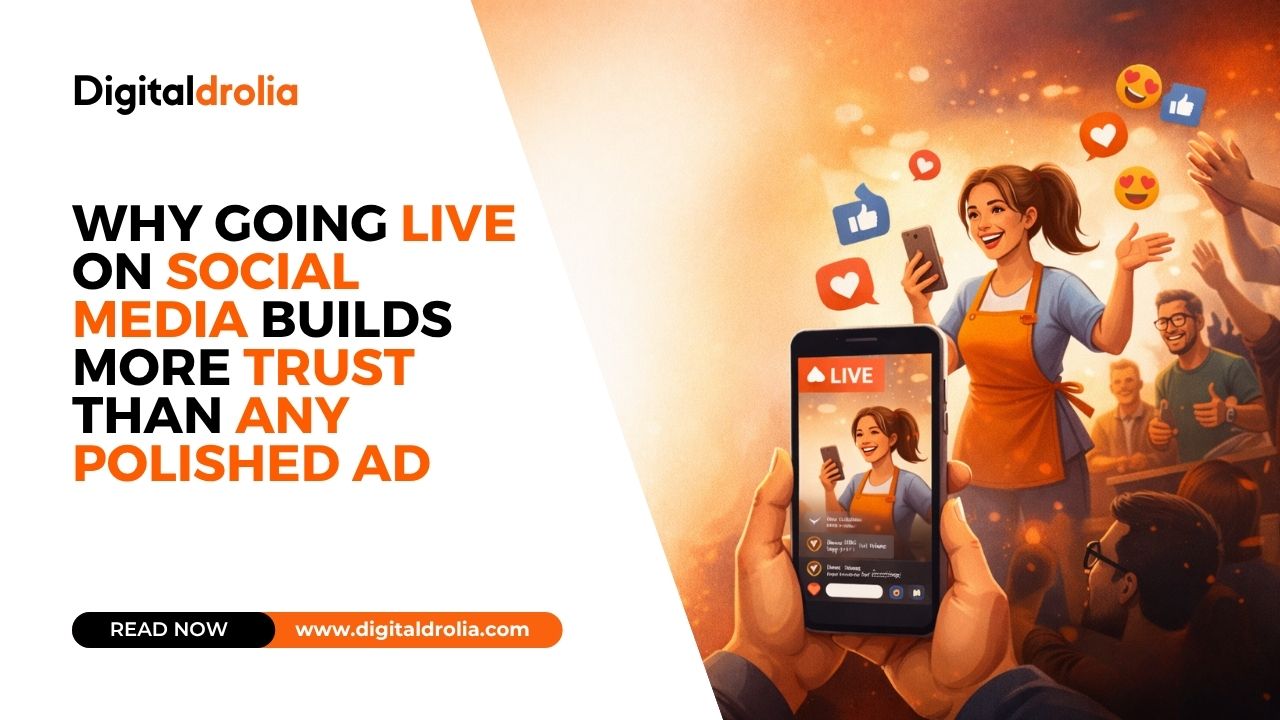
One Tuesday evening, she did something she had been putting off for months. She went live on Instagram.
She had no script. No teleprompter. No carefully rehearsed talking points. She sat in her studio, her formulation bench visible behind her, a half-finished batch of face serum on the table in front of her, and she started talking. She explained what she was making, why she had chosen these specific ingredients, what each one did for the skin barrier, and why the sequence of adding them mattered.

People started joining. Questions started coming. Someone asked about using the serum around the eyes. Someone else asked whether the hyaluronic acid she was using was plant-derived. A person who had been following her for eight months but never bought anything asked about shelf life and preservatives.
Ritika answered every question as honestly as she knew how. When she did not know something precisely, she said so. When a question touched on a limitation of the product, she addressed it directly rather than deflecting.
The live ran for forty-seven minutes. At peak, two hundred and thirty people were watching simultaneously.
In the twenty-four hours following the live, she received more orders than in the previous two weeks combined. Fourteen of those orders came from people who had been following her for months and never purchased. Eight came from people who had never followed her — they had been brought to the live by existing followers who shared it with the specific recommendation: “She actually answers your questions honestly.”
The polished product photographs and carefully crafted captions had built awareness. The live had built trust.
This is not a story about a lucky Tuesday. It is a story about why the live format — unscripted, unedited, real-time, and inherently imperfect — builds a specific kind of trust that polished content production cannot create and paid advertising cannot purchase.
The Fundamental Trust Problem With Polished Content
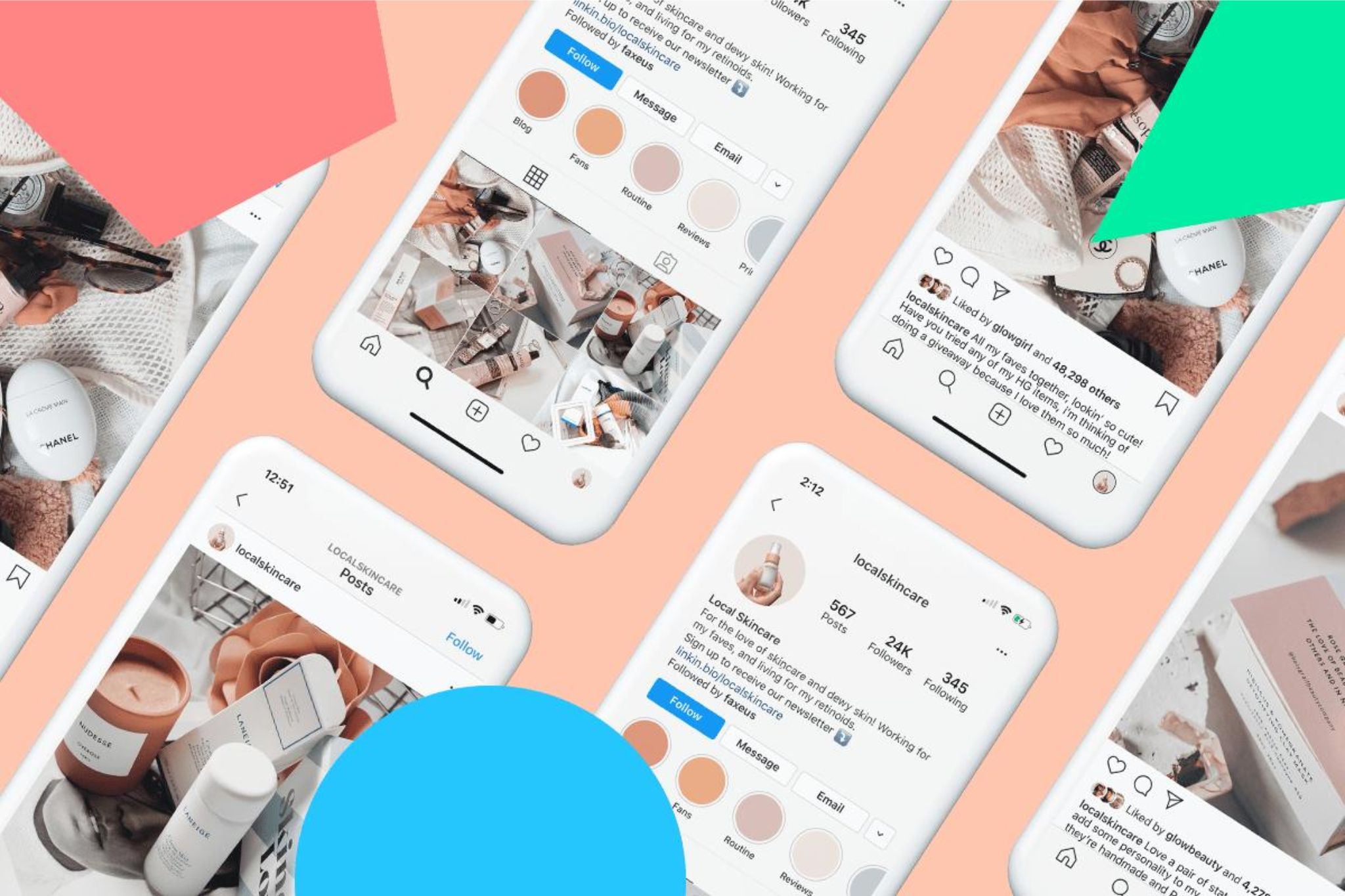

Before examining what makes live video so specifically powerful for trust-building, it is worth understanding the specific trust limitation that all polished content faces — regardless of how good it is.
Polished content is curated content. Every photograph has been selected from many photographs taken. Every caption has been written, revised, and approved. Every video has been edited, colour graded, and sound-designed. Every advertisement has been reviewed by legal and brand teams and calibrated to communicate exactly what the business wants to communicate.
This curation is not deceptive — most polished content is genuinely honest in what it claims. But the curation itself creates a credibility discount in the audience’s mind, similar to the credibility discount we explored in our post about stranger reviews.
The audience looking at a polished Instagram feed knows, at some level, that what they are seeing is the best version of a business — not the real version. The photographs show the product at its most photogenic. The captions address benefits without dwelling on limitations. The brand voice is consistent and controlled because it has been designed to be consistent and controlled.
This awareness of curation activates the same credibility discount that advertising activates. The audience cannot fully trust polished content to reveal the complete truth about a product, a service, or a business — because they know the curation process has filtered for the most favourable presentation.
This does not mean polished content is ineffective. It builds awareness. It builds brand recognition. It communicates values and aesthetics. These are real and important functions.
But it has a ceiling on the trust it can build — because trust, fundamentally, requires the sense that you are encountering the real rather than the curated. And polished content, by its nature, is curated.

What Makes Live Video Structurally Different From Every Other Content Format
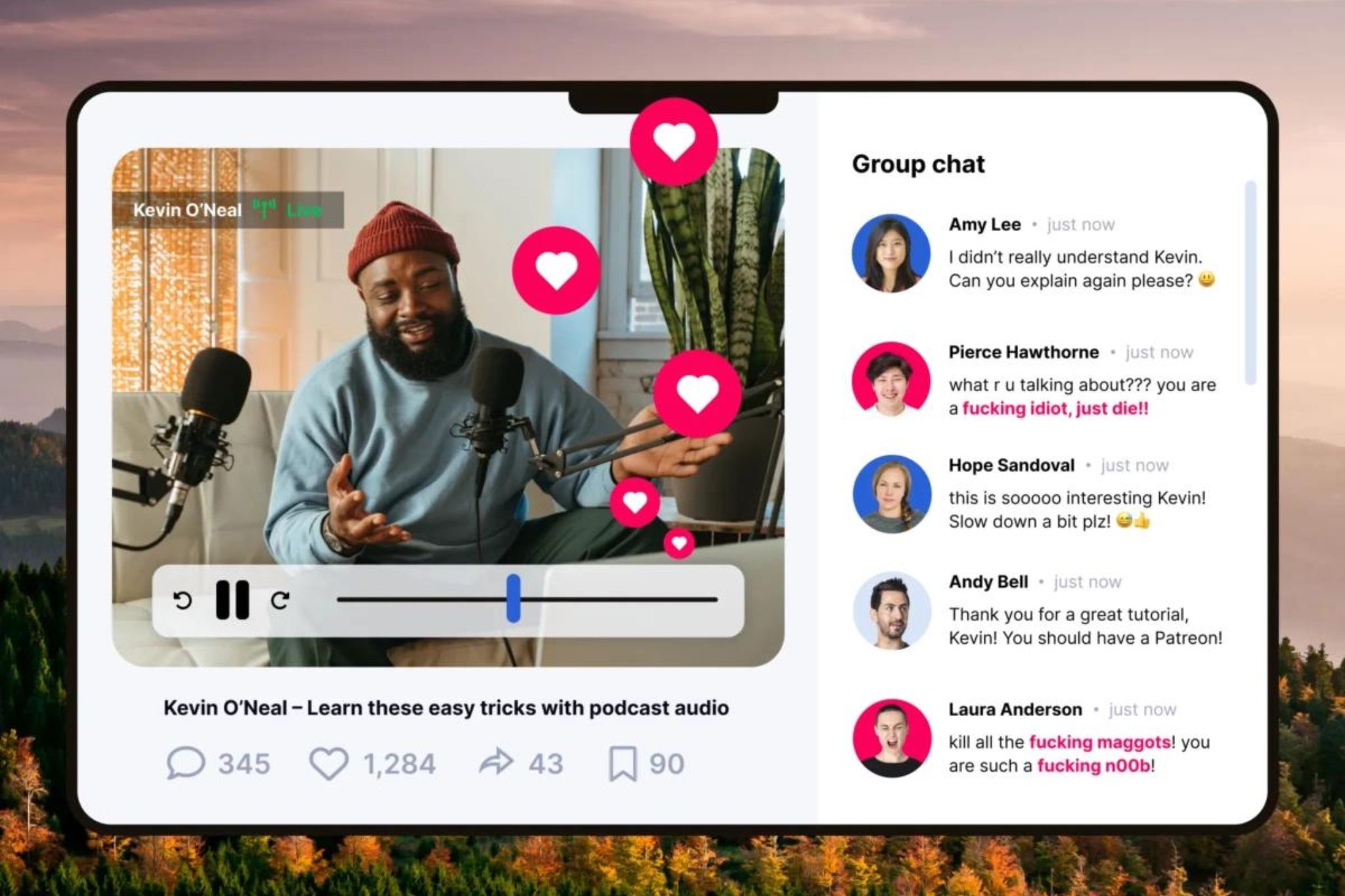
Live video is structurally incapable of the curation that limits other content formats. This structural constraint is not a limitation — it is the source of its power.
When someone is live on social media, several things are simultaneously true that are true of no other content format.
It cannot be edited. Whatever happens during the live is what the audience sees. A stumbled sentence stays stumbled. A moment of genuine uncertainty stays uncertain. An honest acknowledgment of something the brand does not know stays in. This impossibility of post-production editing means the audience is encountering the unfiltered version of the person or business.
It is happening now. The real-time nature of live video creates a shared temporal experience between creator and audience that recorded content cannot replicate. The audience is not watching something that was made in the past and polished before they saw it. They are present with the creator in a moment that is happening simultaneously for both parties.
It is interactive. Questions from the audience appear in real time and are answered in real time. This interactivity means the audience is not just receiving information — they are participating in its generation. Their specific concerns, their specific questions, their specific uncertainties are addressed directly, in the moment, without the filter of the creator’s advance preparation.
It is witnessable. The audience watching a live can see what the creator knows and does not know, how they handle unexpected questions, whether they are honest about product limitations, whether their expertise holds up under direct questioning. This witnessing is the most powerful trust-building mechanism available — because it allows the audience to reach their own conclusions about credibility based on direct observation rather than curated presentation.
These four characteristics combine to make live video a fundamentally different trust medium than any other content format. It is not just unpolished video. It is video that the audience watches with a specific trust orientation — the orientation of evaluating a real person’s real knowledge and real honesty, rather than assessing the quality of a business’s marketing communication.
The Psychology of the Live Format — Why Imperfection Builds Credibility
The paradox at the heart of live video’s trust power is that its imperfections — the stumbled words, the moments of uncertainty, the honest admissions of limitation — are not obstacles to trust but contributors to it.
This runs against the intuition of most marketing professionals, who have been trained to eliminate imperfection from commercial communication. The instinct is to project confidence, competence, and control at all times. Uncertainty is a weakness to be managed. Limitations are to be minimised or omitted.
The psychology of trust contradicts this instinct.
Trust in another person — or in a business operating as a human representative — is not built by observing consistent perfection. It is built by observing authentic humanity, including the authentic humanity of not knowing everything, of making occasional mistakes, and of being honest about the gap between what is known and what is not.
The person who claims to know everything about a subject activates skepticism rather than trust. The person who demonstrates deep knowledge while being honest about the limits of that knowledge activates genuine confidence — the confidence that comes from evaluating a competent, honest person rather than a polished performance.
In the live format, the moments of genuine uncertainty — “That’s a great question and I want to be honest, I don’t know the exact mechanism but here’s what I do know” — are trust-building moments rather than trust-damaging ones. They demonstrate honesty under conditions where dishonesty would be invisible. The audience who watches this moment thinks: this person could have bluffed. They did not. That tells me something about them.
The stumbled sentence, the visible search for the right word, the genuine laughter at something that goes slightly wrong — these humanising moments create the parasocial connection that recorded content struggles to generate. They say: this is a real person, in real time, genuinely trying to help you — not a performance of helpfulness designed for commercial effect.
The Question Answering Dynamic — Why It Is the Core of Live Trust-Building
The most powerful element of a social media live, from a trust-building perspective, is not what the creator says in their prepared or semi-prepared delivery. It is how they respond to questions from the audience.
Questions are a trust test. They reveal what the creator actually knows versus what they have prepared to say. They surface the audience’s real concerns — the doubts and hesitations that polished marketing content has failed to address. They create the opportunity for the creator to demonstrate genuine expertise under conditions that the creator has not fully controlled.
A creator who answers questions well — specifically, honestly, with appropriate nuance, and without deflecting or dismissing — demonstrates something through the live format that cannot be demonstrated through any other medium: genuine expertise that holds up under real-time scrutiny.
This is qualitatively different from the expertise implied by a well-written caption or a beautifully produced video. Those formats demonstrate the creator’s ability to communicate prepared knowledge effectively. Live question answering demonstrates genuine expertise — the kind that is present in the person and not just in their prepared materials.
The specific behaviours during question answering that build trust most powerfully:
Answering the specific question asked, not a more convenient adjacent question. The audience notices when a creator deflects a specific question toward a more comfortable answer. The creator who addresses the question directly — including when it reveals a limitation — demonstrates the honesty that is the foundation of genuine trust.
Acknowledging uncertainty when it is genuine. As noted above, honest acknowledgment of the limits of one’s knowledge is a trust builder, not a trust destroyer. The creator who says “I’m not sure about that specific aspect and I don’t want to give you wrong information — I’ll research it and follow up” demonstrates more trustworthy expertise than the creator who provides a confident answer about something they are not actually certain of.
Engaging with critical or challenging questions without defensiveness. When an audience member asks a question that contains an implicit criticism — “I heard that ingredient X isn’t actually effective, is that true?” — the creator’s response reveals their relationship with honest inquiry. Defensiveness signals insecurity. Genuine engagement with the challenge — “That’s a fair question, let me tell you what the research actually says” — signals confidence and honesty.

Following up on complex questions with appropriate depth. Some questions deserve more than a brief answer. The creator who recognises when a question deserves genuine depth — who slows down to give a complex question the treatment it deserves rather than rushing through to the next question — demonstrates that they value genuine help over maintaining the efficiency of their live.
The Audience Presence Effect — Why Being Watched Matters
There is a specific psychological dimension to the live format that is not often discussed but that contributes significantly to why lives feel more trustworthy than recorded content.
The audience knows they are watching in real time. The creator knows they are being watched in real time. This mutual awareness creates a social context that is fundamentally different from the context of recorded content.
When a creator records a video that will be edited before publication, their psychological state is one of performance with a safety net. Mistakes can be removed. Poorly expressed thoughts can be rerecorded. The uncertainty of an honest moment can be replaced with a more confident rerecording.
When a creator goes live, they know that everything they say and do is being witnessed simultaneously by the audience. There is no safety net. This changes the creator’s psychological orientation — not toward performance for an imagined future audience, but toward genuine real-time engagement with a present audience.
This genuine present engagement is sensed by the audience even if they cannot articulate why the live feels different from a recorded video. The creator on a live is not performing for a future observer — they are actually talking to the people who are actually there. The presence is mutual and simultaneous.
This mutuality creates a social context that is closer to a face-to-face conversation than any other digital format. And face-to-face conversation is the context in which human beings have evolved to assess trust most accurately — through real-time observation of behaviour under social observation.
The audience watching a live is doing something that watching a recorded video does not allow: they are evaluating a person in a social context that approximates the conditions under which trust assessments are most reliable.
Why Polished Ads Cannot Replicate This — The Fundamental Limitation
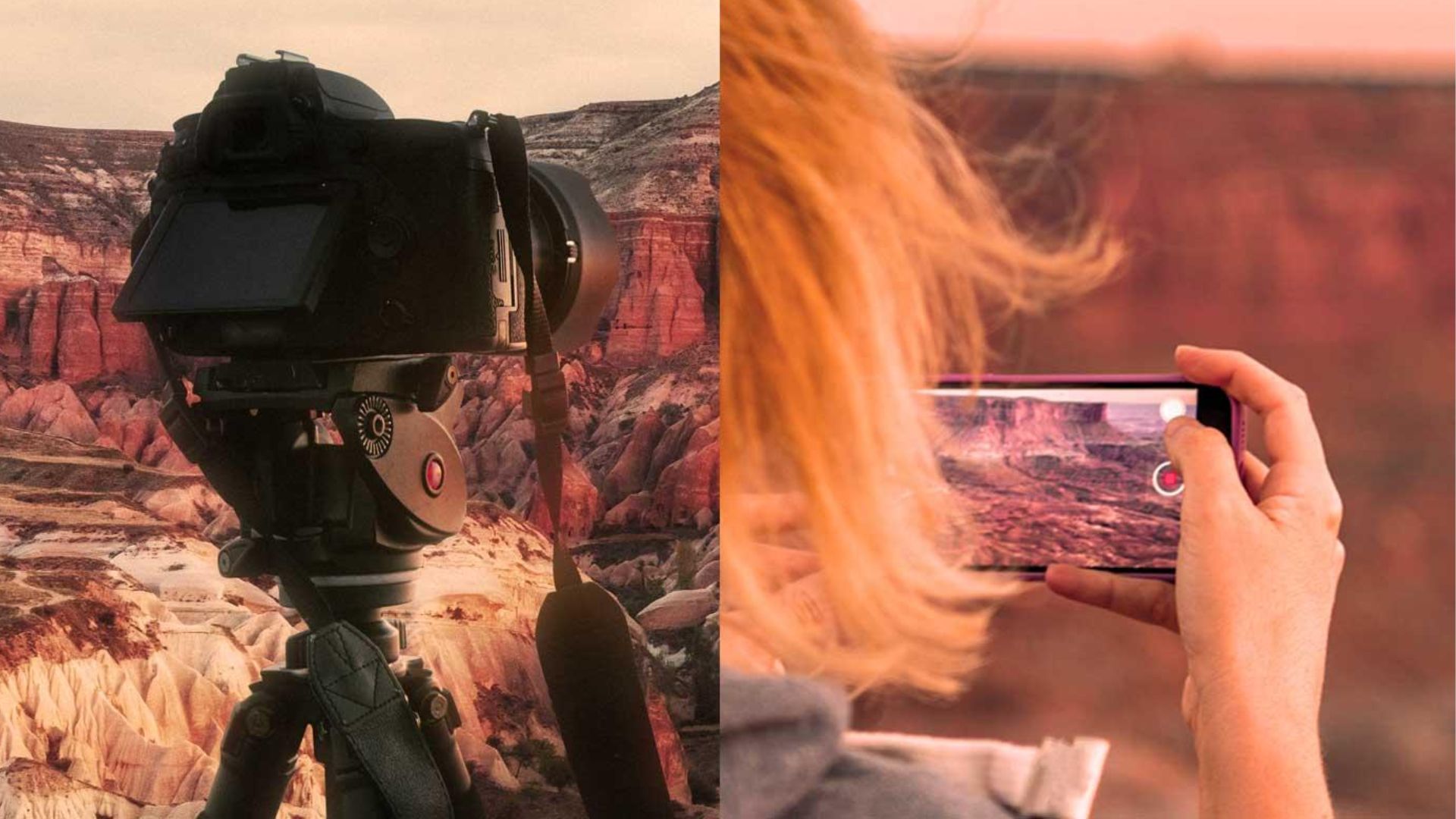

A large corporation with unlimited budget and unlimited time cannot produce advertising that replicates what a sincere forty-seven-minute live achieves. This is not a limitation of resources or creativity. It is a structural impossibility.
Any advertisement is, by definition, a curated communication — planned, produced, and approved before the audience encounters it. The audience knows this. And this knowledge activates the credibility discount that limits how much trust advertising can build.
A corporation can produce an advertisement where an actor authentically performs uncertainty. They can show a scripted conversation where product limitations are honestly acknowledged. They can hire the most genuine-seeming spokesperson available and script the most honest-sounding claims their legal team will approve.
But the audience will know — not necessarily consciously, but in the pattern-recognition way that human social intelligence operates — that what they are watching is a performance designed to create a specific impression rather than a genuine encounter with a real person.
The corporation can approximate authenticity. It cannot produce it.
The small business founder sitting in her studio at 8 PM with a half-finished batch of serum on the table, answering questions she did not know were coming, acknowledging limitations she did not plan to acknowledge — this is authenticity. Not approximately. Genuinely.
And genuine authenticity builds genuine trust. Not just more efficiently than advertising. Categorically differently.
Different Platforms, Different Live Dynamics — What Works Where
Live video functions on multiple platforms, each with specific characteristics that shape how the trust-building dynamic operates.
Instagram Live
Instagram Live is best suited to intimate, community-oriented interactions. The format allows comments to flow visibly during the broadcast, creating a conversational texture that makes the audience feel genuinely present. The audience size for most small business Instagram Lives is in the dozens to hundreds — a scale that enables genuine individual acknowledgment of commenters and genuine personal responsiveness.
Instagram also allows two creators to co-host a live simultaneously — appearing in a split screen — which creates a conversation format that some audiences find more engaging than a single host format. Brand partnerships conducted through joint lives allow each brand’s audience to be simultaneously present and introduced to the other brand in a natural, conversational context.
YouTube Live
YouTube Live suits longer, more educational, more interview-format content. The YouTube audience tends to be more oriented toward in-depth content than the Instagram audience — they have often arrived with the explicit intention of watching something substantial. YouTube Live works particularly well for creators whose content involves complex explanation, technical demonstration, or extended Q&A on specialist topics.
YouTube’s chat during a live can move very fast at scale, which can make genuine individual responsiveness difficult for larger channels. Moderation and pinned questions become important at this scale to maintain the genuine responsiveness that creates trust.
LinkedIn Live
LinkedIn Live is the most underused and most undervalued live format for B2B businesses and professional service providers. The LinkedIn audience is in a professional mindset — they are there to learn, to build their professional knowledge, and to evaluate potential professional relationships.
A professional service provider who goes live on LinkedIn — discussing the genuine complexity of their field, answering real questions from professionals in their audience, demonstrating genuine expertise under real-time scrutiny — is doing the most powerful business development activity available on the platform. The trust built through genuine expertise demonstration in the LinkedIn Live format translates directly into professional credibility and inbound client enquiries.
Instagram and Facebook Live Shopping
Both platforms have live shopping features that allow products to be tagged and purchasable during a live. This format has been particularly successful in Southeast Asia and is growing rapidly in India — it combines the trust-building of the live format with the conversion efficiency of in-session purchasing.
The live shopping format works best when the presenter is genuinely knowledgeable about the products being shown — when the live functions as a genuine product education session that also enables purchase rather than a shopping channel that is using the live format as a delivery mechanism for a conventional sales pitch.
How to Structure a Live That Builds Trust Effectively

Understanding why lives build trust is valuable. Knowing how to structure a live that builds trust effectively is more valuable.
Begin with genuine context-setting, not a preamble
The first few minutes of a live determine whether the audience stays. Beginning with extensive “Hi everyone, thanks for joining, let me know in the comments where you are from, so many people just joined, thanks for coming” consumes time that the audience is using to decide whether the live is worth their investment of the next thirty minutes.
Begin with genuine context: what is happening here, what will be covered, why it matters today. Give the audience a reason to stay within the first ninety seconds.
Let questions drive the second half
A live that is primarily the creator speaking and occasionally pausing to acknowledge comments is a monologue with chat noise. The live that builds the most trust is one where the audience’s questions genuinely shape the direction of the content.
A useful structure: spend the first fifteen to twenty minutes establishing the topic with genuine depth and expertise, creating enough context that the audience has an informed basis for asking questions. Then open fully to audience questions and let those questions drive the second half. The interactivity of the question-driven second half is where the most powerful trust-building happens.
Demonstrate expertise through specificity, not assertion
The creator who says “I know a lot about skincare ingredients” is asserting expertise. The creator who names specific ingredients, explains their mechanism of action, distinguishes between different forms of hyaluronic acid and their relative effectiveness, and acknowledges the existing research on specific claims is demonstrating expertise.
Assertion activates the credibility discount. Demonstration of specific, detailed knowledge builds genuine credibility. Every live should aim for maximum specificity — the more specifically the creator demonstrates their knowledge, the more credibly the expertise is established.
Handle difficult questions with visible honesty
When a difficult question arrives — one that challenges a product claim, surfaces a competitor comparison, or asks about a limitation — the temptation is to deflect. Resisting this temptation and addressing the question directly is one of the highest-trust moments in any live.
The audience watching a creator address a challenging question honestly — even when honesty requires acknowledging something that makes the product look less ideal — is watching evidence that this creator prioritises truth over sales. That evidence is more persuasive than any amount of positive product claims.
End with a specific, useful conclusion
A live that simply trails off — “Okay I think that’s about it, thanks everyone for joining” — leaves the audience without a clear takeaway. A live that ends with a specific, useful summary of the key points discussed — or a specific next action for the audience to take — respects the time they have invested and sends them away with something concrete from the experience.
The Practical Barriers and How to Overcome Them
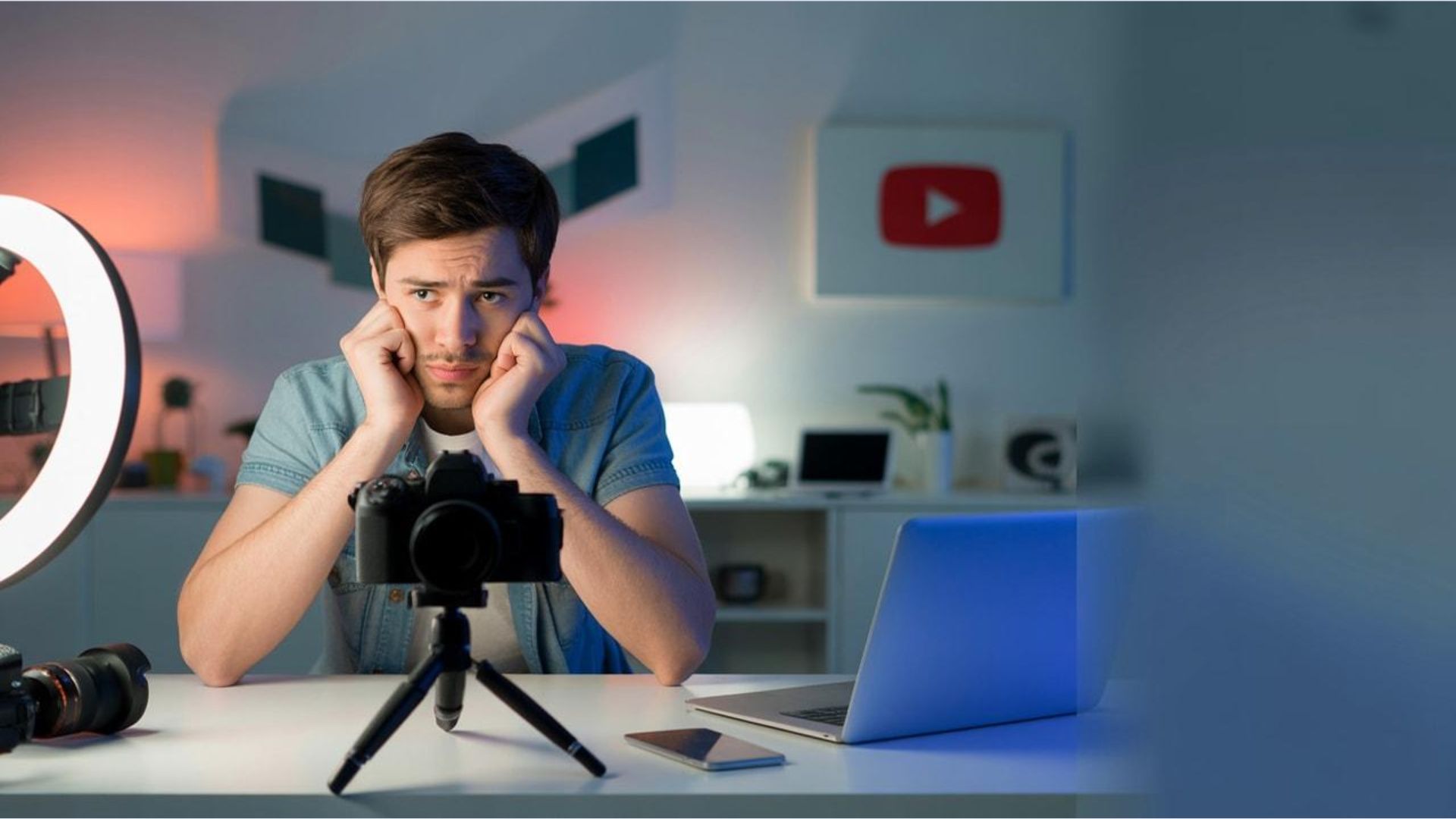
The most common reason business owners avoid going live is anxiety — specifically the anxiety of being seen without the protection of editing.
This anxiety is genuine and understandable. The live format exposes the creator to the full vulnerability of real-time public performance. There is nowhere to hide from uncertainty, from imperfect expression, from questions they do not fully know how to answer.
But this exposure — this vulnerability — is exactly what creates the trust. The audience is not looking for a perfect performance. They are looking for a genuine human being who knows their subject, cares about their customers, and can be trusted to be honest about both.
The business owner who waits until they feel ready to be perfect before going live will wait indefinitely. The business owner who goes live while imperfect and gradually becomes more comfortable through repetition will build, over time, the live presence that is among the most powerful trust-building activities available on any platform.
The first live is always the hardest. It is also always better than it feels from the inside. Most creators who have gone live multiple times describe their first live as feeling terrible while watching the replay shows something much more genuine and engaging than they experienced at the time.
The practical recommendation: do a first live with low stakes. Announce it the day before so a small audience is prepared. Keep it short — twenty to twenty-five minutes. Choose a topic you know deeply enough to speak about genuinely without preparation. Focus on being helpful rather than being impressive.

Then do another one. And another.
The anxiety diminishes with repetition. The genuine expertise and genuine care for the audience — which were always present — become more accessible as the format becomes more familiar.
The Compound Effect — How Regular Lives Build Authority Over Time
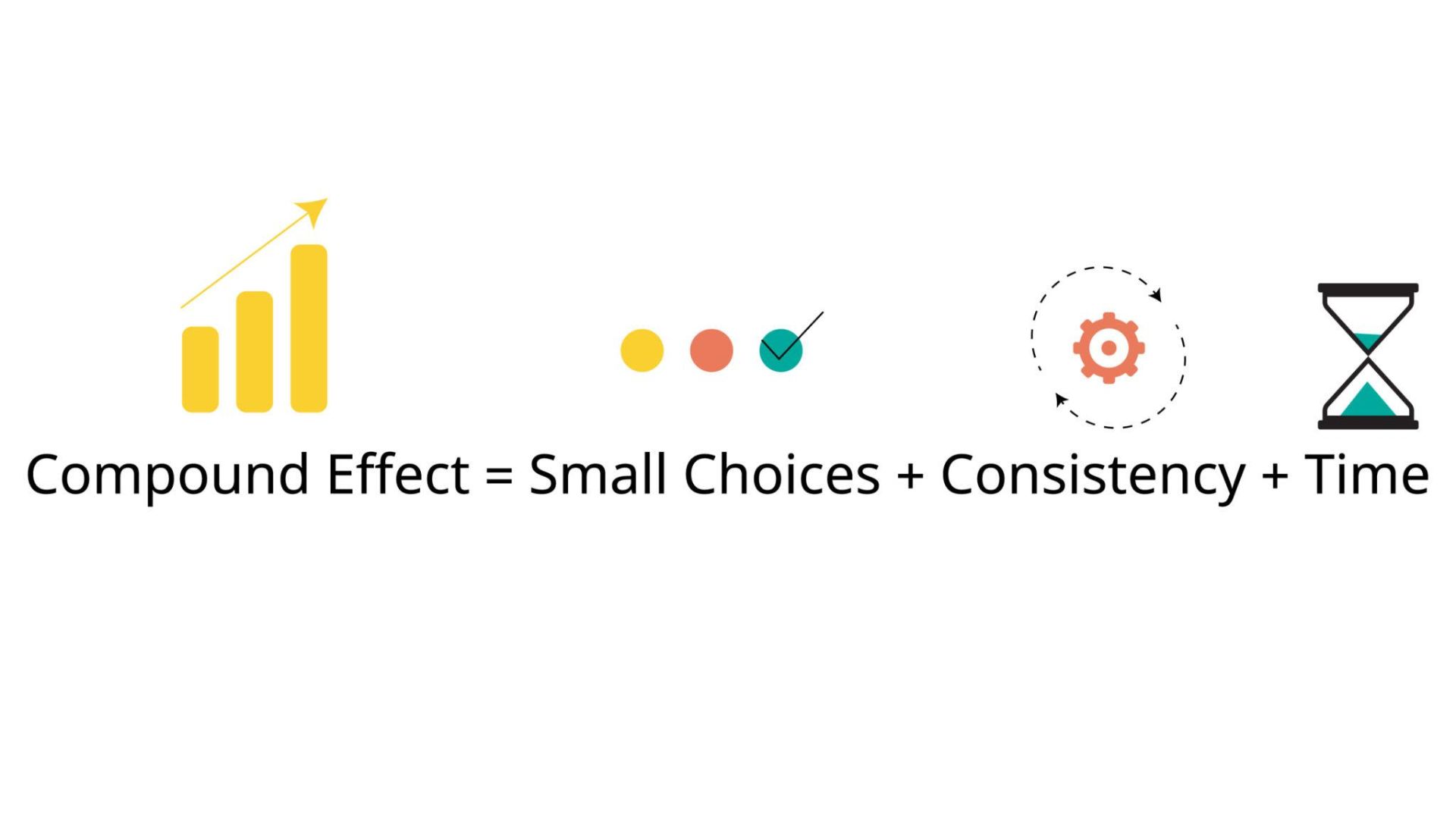
A single live builds some trust. Regular lives, conducted consistently over months, build something more significant: the kind of deep audience familiarity and established expertise that represents genuine professional authority.
The audience that has watched a creator go live twelve times over six months has a relationship with that creator that no follower of a polished content-only account can match. They have seen the creator under real conditions, answering real questions, demonstrating real expertise across multiple situations and over time. They have a multi-dimensional impression of the person — not just the brand aesthetic or the curated content persona, but the actual human being who shows up in unscripted situations.
This multi-dimensional impression is the foundation of the deepest kind of audience trust — the kind that makes followers into advocates, customers into repeat customers, and professional relationships into genuine long-term partnerships.
Ritika’s Tuesday live was not the last one she did. She now goes live every other Tuesday. The audience that has been present across twelve of these lives does not think of her as an Instagram account they follow. They think of her as the person they trust for genuine guidance on natural skincare.
That is not something a polished ad can create. It is not something even brilliant photography and well-crafted captions can create alone.
It is something that happens when a real person shows up consistently, in an unscripted format, and demonstrates over time that their knowledge is genuine, their honesty is real, and their care for the audience is something that exists whether or not the camera is making them look their best.
Closing Thought — The Trust That Cannot Be Purchased

The advertising industry has developed over a century of increasingly sophisticated techniques for manufacturing the impression of trustworthiness. Better production values. More carefully researched messaging. More precisely targeted delivery. More authentic-seeming spokespeople.
All of it has made advertising better at its job while simultaneously training the audience to be better at recognising and discounting it.
The live format sidesteps this arms race entirely. It does not try to manufacture trustworthiness. It creates conditions in which genuine trustworthiness — or the lack of it — becomes visible.
The audience watching Ritika’s live was not responding to a manufactured impression of her expertise and honesty. They were observing genuine expertise and genuine honesty under conditions that made both visible.
The orders that followed were not the result of effective marketing. They were the result of an audience that had now seen, with their own eyes, in real time, that this was a person who knew her subject and could be trusted to tell the truth about it.
That trust is not manufactured. It is earned.
And no amount of advertising budget can purchase what forty-seven genuine minutes in front of a camera can earn.
Go live.
Not when you are ready to be perfect.
Now, while you are real.
Written by Digital Drolia — helping business owners understand that the most powerful trust-building tool available to them requires no budget, no production team, and no script — only the willingness to show up genuinely in front of the people who are waiting to trust them. Found this valuable? Share it with a business owner who keeps postponing their first live because they do not feel ready yet.