

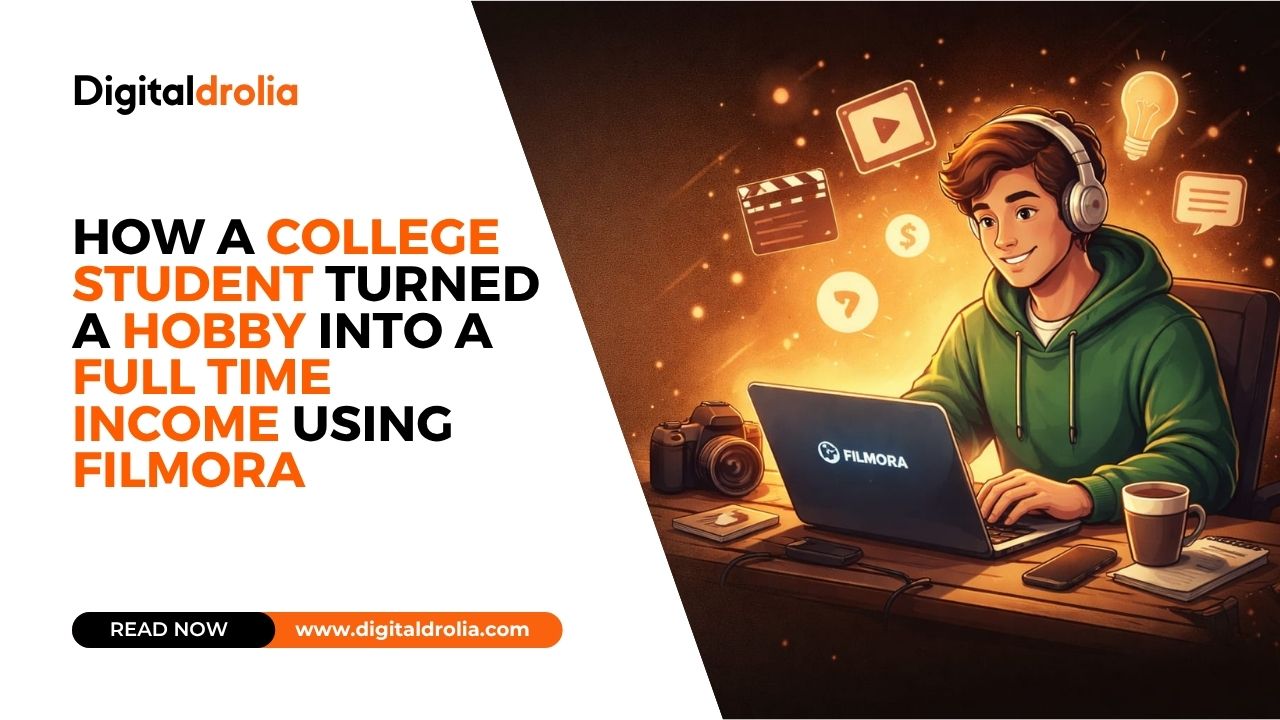
How a College Student Turned a Hobby Into a Full Time Income Using Filmora

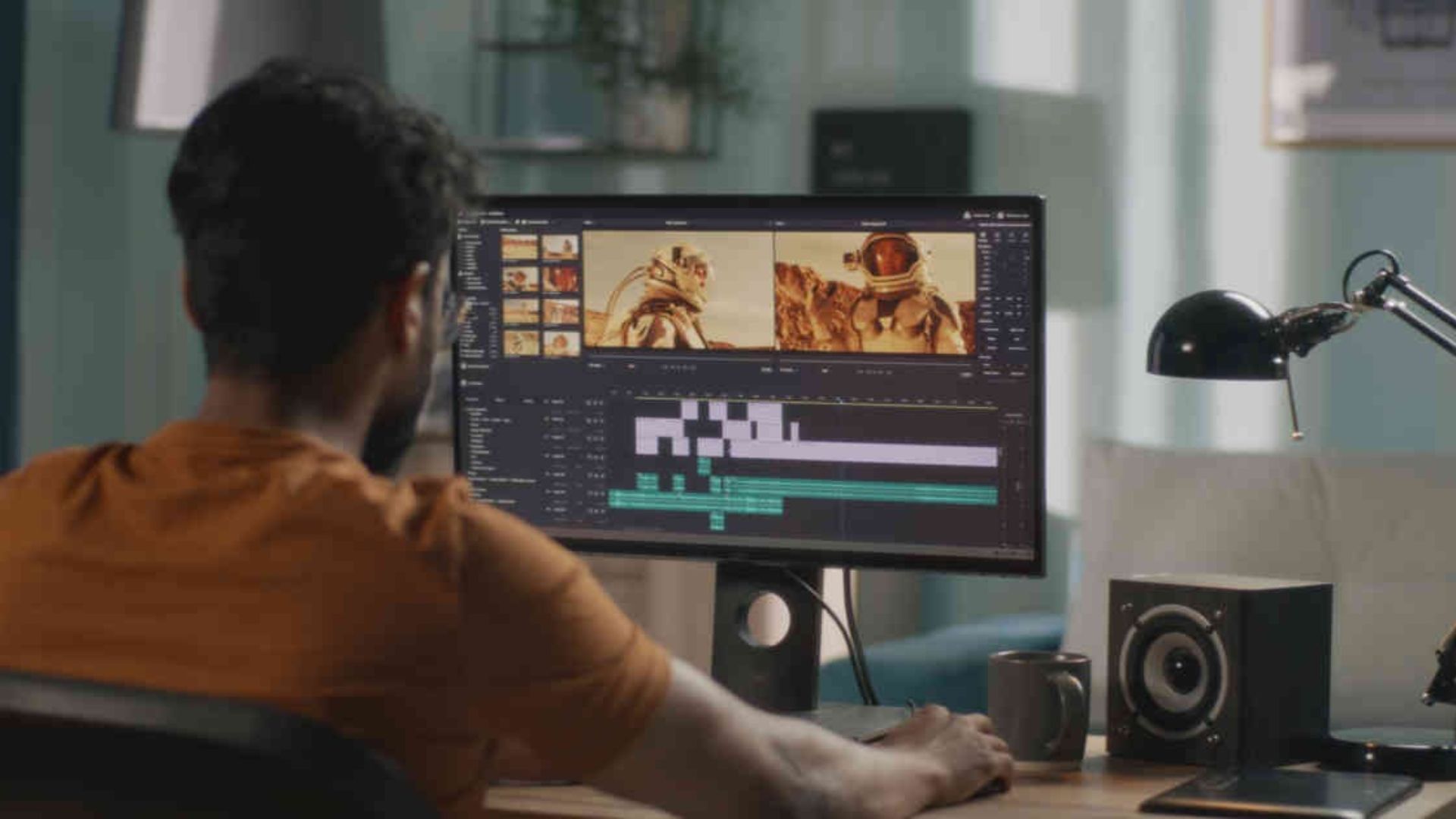
Let me tell you about a Wednesday afternoon in Pune that changed the direction of someone’s life — not dramatically, not all at once, but in the quiet, accumulating way that real life changes usually happen.
Aryan Kapoor was sitting in the common room of his college hostel, second year of his engineering degree, laptop open, ostensibly working on an assignment that was due the following morning. Instead, he was watching YouTube videos.
Not randomly. He was watching a travel vlogger he had been following for about six months — a young man from Hyderabad who filmed his solo trips across India on a budget, edited them into ten-minute videos that felt genuinely cinematic, and was somehow making a living from it. Aryan had watched this person’s video about a trip to Spiti Valley three times already. Not because he wanted to go to Spiti Valley particularly — though he did — but because there was something about the way the video was made that he found almost hypnotic.
The music choices. The way the cuts landed. The slow-motion shot of prayer flags against a grey sky. The moment where the ambient sound of wind was allowed to run for just long enough before the narration came back in.
He had been noticing these things for months without having a name for what he was noticing. And on that Wednesday afternoon, something shifted. He stopped watching the video and started thinking about it differently.
He had been filming things on his phone for years. His family’s Diwali celebration. A cricket match with his friends that went to the last over. A day trip his group had taken to Lavasa in the monsoon where the mist sat so heavily on the hills that you could barely see the road. He had hundreds of clips sitting in his phone’s camera roll that nobody had ever seen except him.
He opened the App Store and typed in “video editing app.” Among the results was Filmora — an editing software he had vaguely heard mentioned in a YouTube comment somewhere.
He downloaded it.
That was two and a half years ago.
Today, Aryan does not work as an engineer. He earns more than the average entry-level engineering salary in Pune from his YouTube channel, from brand partnerships, and from a small but growing video editing service he provides to businesses and travel operators. He works from his laptop. He travels when he wants to. He edits every day — not because he has to, but because it is the part of his work that he loves most.
This is his story. And more than his story, it is a blueprint — imperfect, honest, and replicable — for how a generation of young people in India are discovering that creative skills, the right tools, and consistent effort can build something real.
The Beginning — What Filmora Gave a Beginner That Other Software Did Not
The first thing Aryan will tell you about the early period is that he tried other editing software first.
He had heard that serious editors used Premiere Pro. He downloaded the trial version and spent two days trying to understand it. The interface was intimidating — dozens of panels, hundreds of settings, workflows that assumed prior knowledge he did not have. He watched three tutorial videos and felt more confused after each one. He exported a test clip after five hours of struggle and the colours were wrong and the audio was out of sync and he did not know why.
He tried DaVinci Resolve — free and powerful, everyone in online forums said. The colour grading capabilities were extraordinary, people said. What they did not mention to a complete beginner was that the learning curve was steep enough to feel like a cliff face.
He did not give up on the idea of editing. He gave up on the idea that those tools were the right starting point for someone who just wanted to make something — who wanted to take the clips on his phone and turn them into something that felt as good as the videos he watched on YouTube.
Filmora was different.
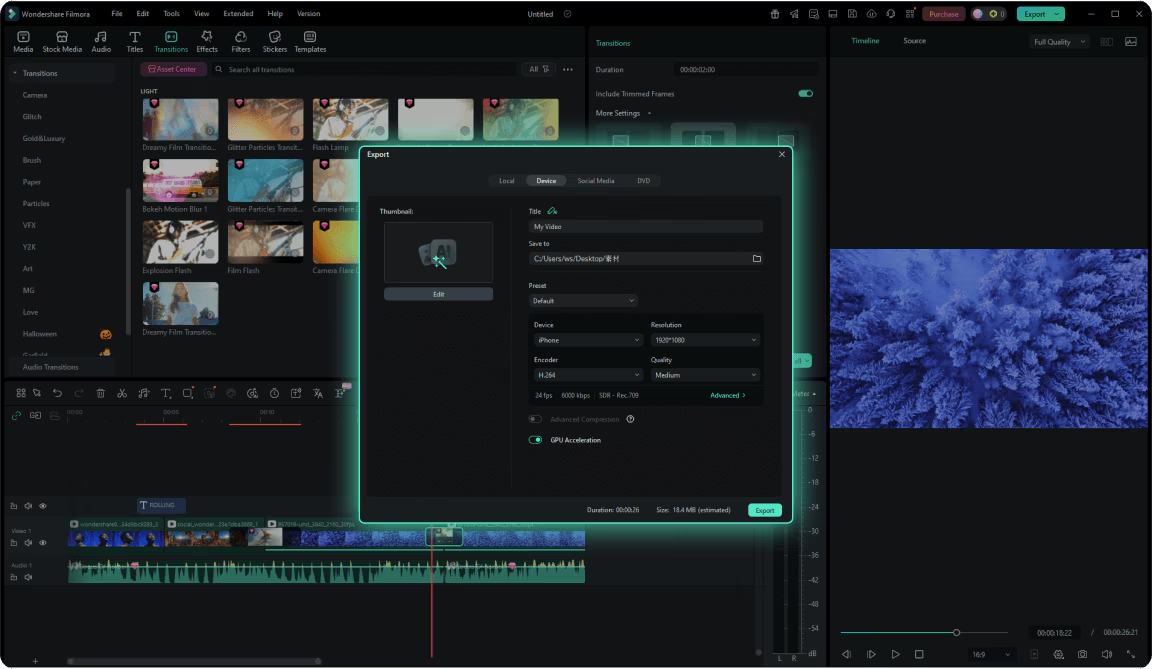
Within forty minutes of opening it for the first time, Aryan had imported his Lavasa monsoon clips, trimmed them, added a piece of music from Filmora’s built-in audio library, and exported something that looked and sounded like a real video. It was not sophisticated. It was not what it would eventually become. But it was finished — and it was genuinely watchable.
This experience — the ability to produce something complete and watchable within the first hour — was not a small thing psychologically. It proved to Aryan that editing was learnable. It converted the abstract aspiration of “I want to make videos like those YouTube creators” into the concrete experience of “I just made a video.” That proof of concept was the foundation everything else was built on.
Understanding Filmora — Why It Works for Beginners and Grows With You
Before we follow Aryan’s journey further, it is worth understanding what Filmora actually is and why it became the tool of choice for so many self-taught creators.
Filmora — developed by Wondershare — is a video editing software available on both Windows and Mac, with mobile versions for Android and iOS. It is positioned in the market as a consumer and prosumer editing tool — more capable and feature-rich than basic free editors, but significantly more accessible than professional tools like Adobe Premiere Pro or Final Cut Pro.
What distinguishes Filmora for beginners is its interface philosophy. Everything is designed to be immediately discoverable. The timeline — the foundational workspace of any video editor — is clean and intuitive. Importing footage is drag-and-drop. Trimming clips involves dragging the edges. Applying a transition requires dragging it from a panel to the timeline. These actions mirror how a beginner would intuitively expect the software to work — and that alignment between expectation and reality dramatically reduces the frustration that kills most beginners’ early enthusiasm.
But Filmora’s accessibility is not purchased at the cost of capability — and this is the crucial point that distinguishes it from genuinely basic tools. The features that professional-quality content requires are all present.
The colour grading tools allow nuanced adjustments to exposure, contrast, saturation, highlights, and shadows — both through manual controls and through the LUT (Look Up Table) system that lets you apply cinematic colour grades with a single click. The audio editing workspace allows multi-track audio, noise removal, equalisation, and audio ducking — the automatic lowering of background music when narration is present. The keyframe animation system allows motion graphics and animated elements. The green screen removal and background replacement capabilities enable effects that would have required expensive studio equipment a decade ago.
Filmora also maintains an extensive built-in asset library — music tracks, sound effects, transitions, filters, text templates, and stickers — all royalty-free and available for use in videos that will be monetised on platforms like YouTube. For a creator who does not yet have a budget for licensed music or premium motion graphics templates, this library is genuinely valuable.
The AI-powered features — automatic scene detection, smart audio sync, AI background removal, and the AI text-based editing that allows you to edit video by editing a transcript — have become increasingly sophisticated with each version and represent a genuine competitive advantage for creators working alone without a production team.
For Aryan specifically, the combination of intuitive accessibility at the beginning and deepening capability as his skills grew meant that Filmora was not just a starting point he would eventually graduate away from. It was the tool he stayed with — learning new features as he became ready for them, never hitting a ceiling that forced him to switch.
The First Three Months — Building the Habit Before Building the Audience
Aryan uploaded his first video in the third week of his Filmora experiment. It was the Lavasa monsoon video — eight minutes, ambient music underneath, his own narration recorded on the built-in microphone of his laptop. The narration was nervous and slightly rushed. The colour grading was nonexistent — he had not yet discovered that feature. The transitions were the default cross-dissolves that every beginner uses.
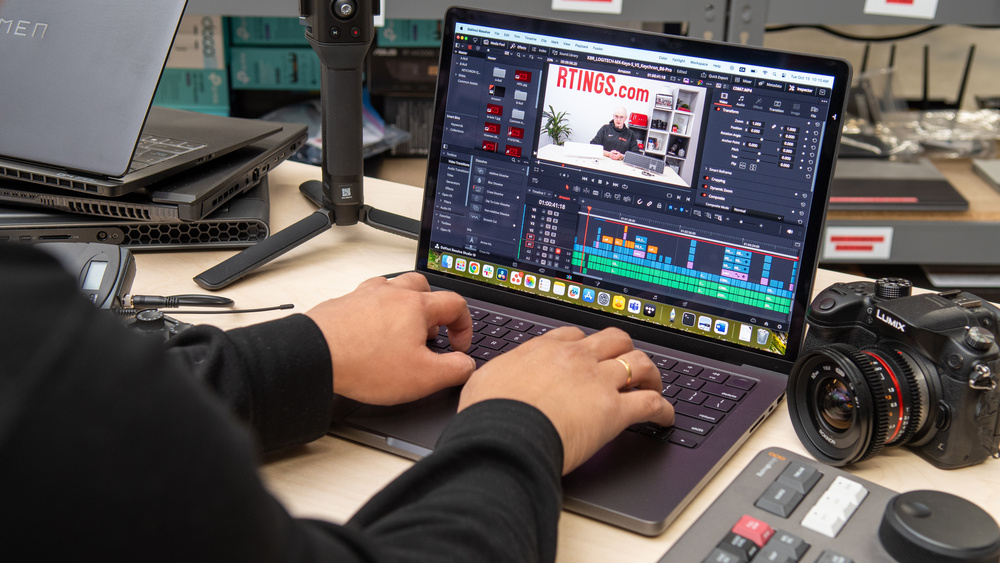
He got eleven views in the first week. Nine of them were from people he had personally messaged the link to.
He uploaded a second video two weeks later. Then a third. Then a fourth.
None of them performed well in the conventional sense — the view counts were low, the watch time was modest, the subscriber growth was essentially flat for the first two months. But something else was happening that the numbers did not reflect.
Aryan was learning at a rate that surprised even him.
By the fourth video, he had discovered colour grading and was experimenting with it. By the sixth video, he had started paying attention to audio — learning how to remove background noise, how to balance music levels so they supported without drowning his narration, how to use sound effects to give visual cuts more impact. By the eighth video, he had started thinking about structure differently — beginning with the most visually compelling shot rather than the chronologically first shot, building toward moments he knew were strong.
He was watching his own videos critically. He would finish an edit, export it, watch it back on his phone, and make a list of what did not work. Then he would open Filmora, address each item on the list, and re-export. Sometimes he went through this cycle three or four times before being satisfied enough to upload.
This combination — consistent output, critical self-assessment, and specific technical improvement — is the actual mechanism of skill development. Not talent. Not a natural gift for visual storytelling, though that may have existed. The deliberate, iterative practice of making something, evaluating it honestly, identifying specific weaknesses, and addressing those weaknesses in the next attempt.
By month three, the improvement was visible in the videos themselves — visible enough that the small audience he had built noticed and commented on it. And the habit of editing every week had become so embedded in his routine that missing a week felt strange rather than normal.
The Turning Point — When the Audience Found Him
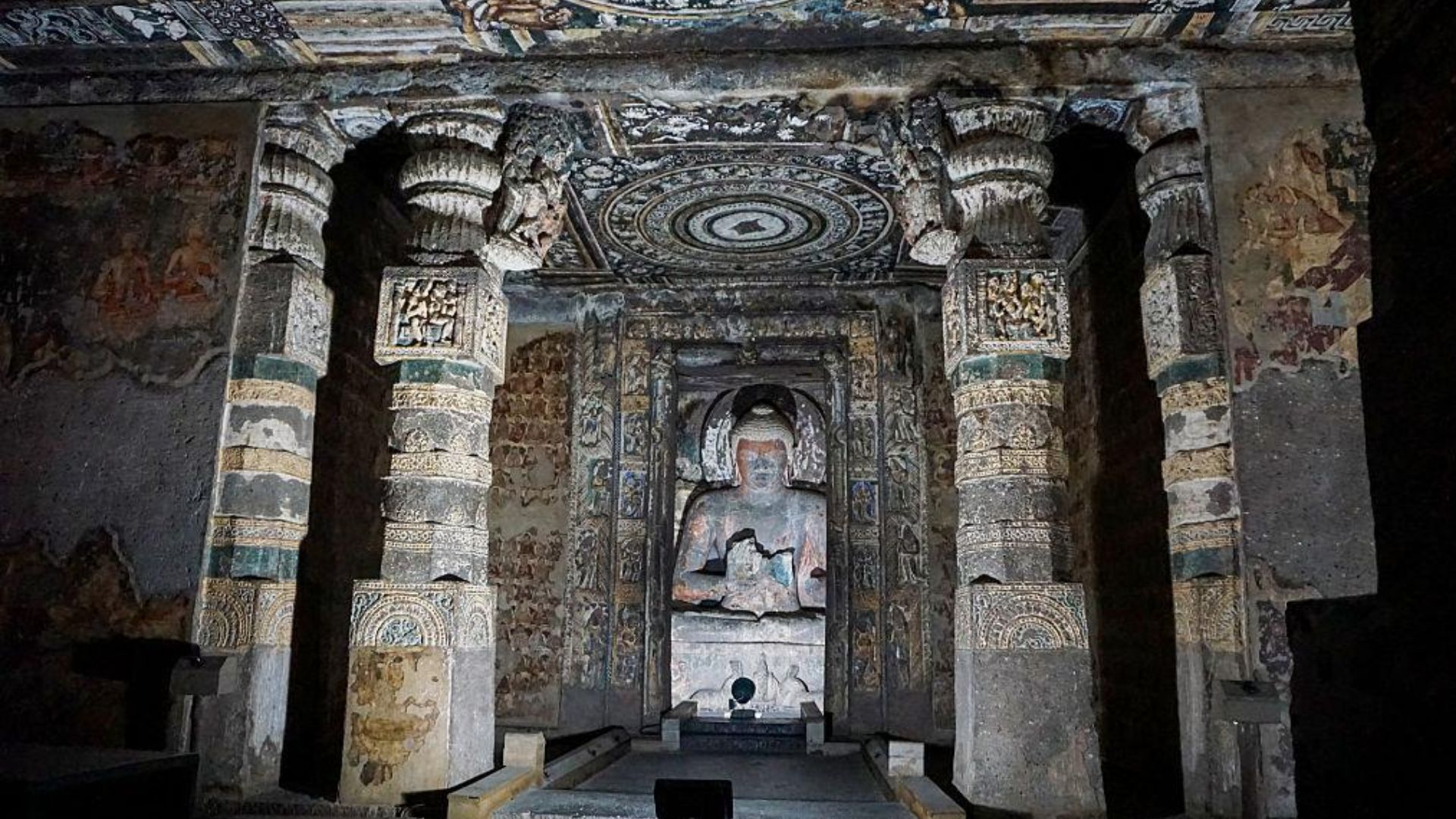
The video that changed Aryan’s channel trajectory was uploaded in his fifth month — a video about a solo weekend trip to Aurangabad to see the Ajanta and Ellora caves.

He had spent more time on this video than any previous one. Not just in the editing — though the editing was the best he had produced — but in the filming. He had gone with a specific editorial vision in mind: he wanted to capture the experience of encountering ancient art for the first time, the scale of it, the way standing in front of a carved figure that was fifteen hundred years old made the noise of modern life go quiet for a moment.
He spent two days at the caves and came back with over four hours of footage. He spent six days editing it down to fourteen minutes. He used Filmora’s colour grading to give the footage a warm, slightly desaturated look that felt ancient and contemplative. He used Filmora’s keyframe animation to create slow push-in effects on static shots of the cave paintings — creating movement where there was none, drawing the eye across the detail. He spent a full day on the audio — finding music that was atmospheric without being sentimental, layering in ambient cave sounds that he had recorded specifically because he knew he would want them in the edit.
He uploaded it on a Sunday evening and went to sleep.
He woke up on Monday morning to find it had been picked up by the YouTube algorithm — appearing in the recommendations of people who had watched similar cultural travel content. By Monday evening it had three thousand views. By Wednesday it had twelve thousand. By the end of the week it had crossed forty thousand, and his channel had gained over two thousand subscribers.
The video was recommended by several travel and culture pages on Instagram and Twitter. Someone wrote a tweet about it that got shared several hundred times. A travel magazine website embedded it in an article about heritage tourism in Maharashtra.
He had not done anything to promote it. The video had found its audience — because it was genuinely good, and because the platforms that distribute good content had recognised it as such and amplified it.
This is the pattern that most successful YouTube creators will recognise: months of consistent, improving work that accumulates slowly, followed by a single piece of content that breaks through and pulls the accumulated work into visibility. The breakthrough video was not disconnected from the previous work. It was built on it — technically, creatively, and in terms of the editorial judgment that made it what it was.
Year One — Building Multiple Revenue Streams
As Aryan’s channel grew through his first year — from a few hundred subscribers at month six to around eighteen thousand by month twelve — something else was growing alongside it that he had not initially anticipated.
His editing skills, developed entirely through self-teaching on Filmora, were becoming independently valuable.
The realisation came from an unexpected direction. A travel operator based in Pune — a small company that organised adventure trips to places like Ladakh, Coorg, and the Andaman Islands — found Aryan’s channel and sent him a message. They had been filming their trips on GoPros and smartphones but had no one who could edit the footage into anything worth sharing. They had seen Aryan’s Ellora video and wanted to know if he did freelance editing work.
He did not. But he said yes.
The first project — a five-minute highlight video of a Ladakh motorcycle trip — took him much longer than he had expected, partly because the client’s footage was shot with no editorial plan and required extensive creative decision-making about what to use and what to discard, and partly because the client had specific requests that required features of Filmora he had not yet used. He spent two additional days learning those features. The final video was good — genuinely good — and the client paid him for it.
More importantly, the client referred him to another small travel company. Who referred him to a photography studio that wanted their behind-the-scenes footage edited into a brand film. Who led to a coaching centre that wanted a testimonial video produced from interviews they had filmed.
Within six months of taking that first freelance project, Aryan was earning a consistent monthly income from editing work — separate from and in addition to whatever his growing YouTube channel was generating through Google AdSense.
This dual revenue structure — channel monetisation plus freelance service income, both built on the same core editing skill — is one of the more sustainable business models available to a solo creative. The channel builds the portfolio and the public profile. The freelance work provides cash flow that does not depend on algorithm performance. Each reinforces the other.
The Tools Within the Tool — How Aryan Uses Filmora Specifically
By his second year of editing, Aryan had developed a specific, personalised workflow within Filmora that he could execute efficiently and that produced consistent results. Understanding this workflow is instructive for anyone at an earlier stage of the same journey.
The rough cut first
Every project — whether his own YouTube video or a client project — begins with a rough cut that makes no aesthetic decisions. Import all footage, watch it all, mark the usable moments, assemble them in rough order. The rough cut might be twice the intended final length. Its only job is to establish what the video contains before any decisions are made about how to present it.
Audio before visuals
Aryan learned early — and this counterintuitive lesson surprised him — that the music choice should come before most visual editing decisions. Music establishes the emotional register, the pacing, and the energy of a video in a way that nothing else can. Editing to music — making cuts on beats, allowing slow passages of footage to breathe during the quiet passages of a track — produces a flow that feels organic in a way that adding music after the visual edit rarely achieves.
Filmora’s built-in music library and its integration with third-party royalty-free platforms like Epidemic Sound — which Aryan eventually subscribed to as his income grew — made this audio-first approach practical.
Colour grading as storytelling
Aryan uses colour grading not cosmetically but narratively. His outdoor adventure content uses a cool, high-contrast grade that feels expansive and energetic. His cultural and heritage content uses a warmer, more desaturated grade that feels contemplative and timeless. His client work adapts to each brand’s existing visual identity.
Filmora’s colour grading tools — the Luma curve, the colour wheel, the pre-built LUTs that can be adjusted to taste — give him enough control to achieve these differentiated looks without the complexity of a dedicated colour grading application.
The audio clean-up pass
Every video gets a dedicated audio pass in Filmora before export. Background noise removal on all narration and interview tracks. Audio ducking set up so music automatically lowers when speech is present. A final check of all audio levels to ensure nothing clips and nothing is too quiet to hear clearly on phone speakers — the primary consumption device for most of his audience.
The export settings that matter
Aryan exports everything at 1080p for YouTube delivery — 4K for content filmed in 4K and destined for platforms that support it. He uses Filmora’s export presets for YouTube, which optimises the codec and bitrate settings for that platform’s compression system. He exports a second version at lower resolution for client review — enough quality to evaluate the edit without the file size that makes large files impractical to share over email or WhatsApp.
These technical details are unglamorous but they matter. Correct export settings mean that the quality of work produced in Filmora survives the upload and compression process and reaches the viewer at the quality it was created at.
The Income Reality — What the Numbers Actually Look Like
Aryan is open about his income in a way that many creators are not — because he remembers clearly how useful specific numbers would have been to him when he was starting and everything seemed vague and aspirational.
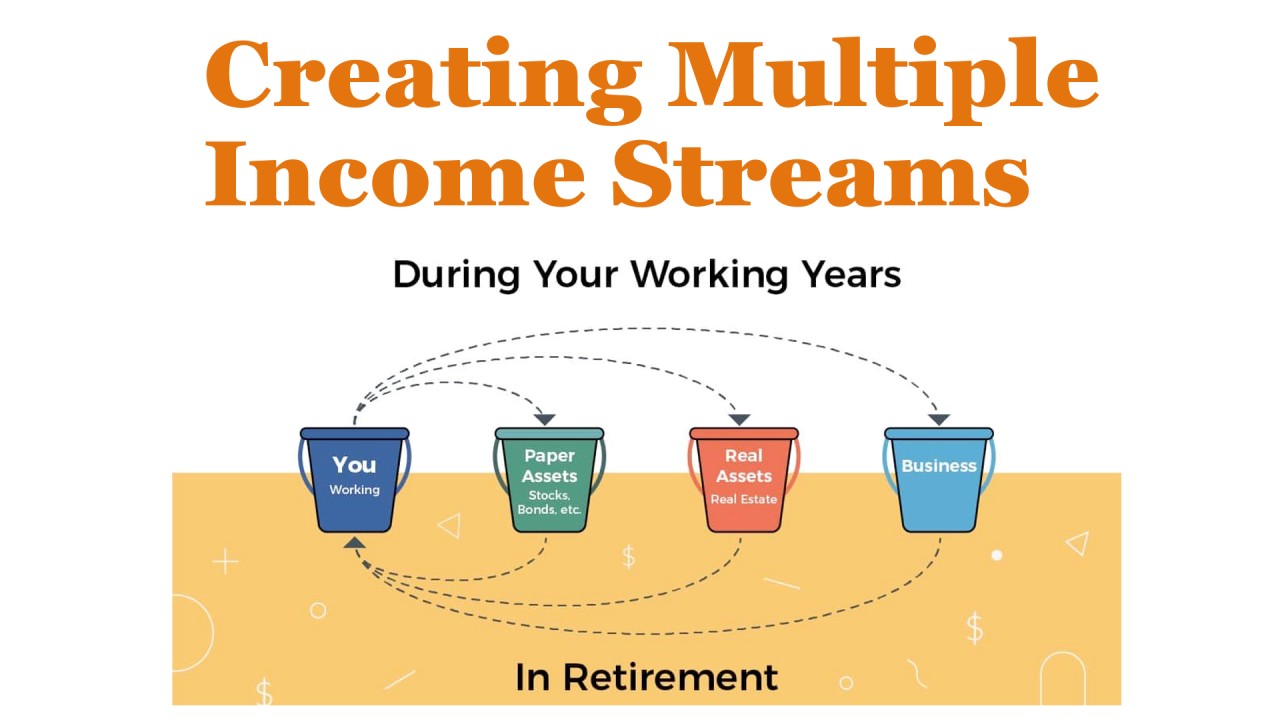
By the end of his second year, his income from his creative work breaks down roughly as follows.
YouTube AdSense revenue from his channel — which by that point had grown to approximately ninety thousand subscribers — represents a portion of his income. It is the least predictable component, varying significantly month to month based on video performance, advertiser rates, and seasonal factors. It is rarely the largest income stream in any given month despite representing the most public-facing aspect of his work.
Brand partnerships — companies approaching him to feature their products in his travel videos or to create dedicated content for their social media — represent a growing and often the largest component of his monthly income. These partnerships typically involve one to three videos per month at negotiated rates. As his subscriber count and engagement metrics have grown, so have the rates these partnerships command.
Freelance editing — now a steady stream of projects from a client base that has grown primarily through referrals — provides consistent, predictable income that smooths the variability of the other streams. He is selective about which projects he takes, focusing on work that is genuinely interesting or that builds his portfolio in useful directions, and turning down work that would consume time without contributing to either.
A Filmora-edited course — a structured tutorial series he created for beginners wanting to learn video editing, sold through a simple course platform — generates passive income from sales that continue with no additional work beyond the initial creation.
Combined, these streams allow Aryan to earn what he describes as “more than I expected to be making at this stage, and less than I will be making in two years if the trajectory continues.” He lives comfortably in Pune, saves money every month, and travels regularly — funding his trips partly through brand partnerships with travel operators who provide accommodation and access in exchange for content.
He is twenty-three years old.
What Filmora Specifically Made Possible — The Honest Assessment
When Aryan talks about Filmora’s role in his journey, he is neither a promotional spokesperson nor an uncritical enthusiast. He has an honest and nuanced perspective that is worth hearing.
What Filmora genuinely provided that made his journey possible:
The accessible entry point that converted aspiration into action. Without a tool that allowed him to produce something watchable within the first hour, the gap between what he wanted to make and what he could make would have been too discouraging to sustain the learning period.
The consistent updates that kept pace with his skill development. Because Filmora is actively developed and regularly updated, the features Aryan needed at year two were available to him — he did not have to switch tools when his requirements became more sophisticated.
The built-in asset library that eliminated licensing complexity during the early period when budget was nonexistent. Being able to use Filmora’s music library for monetised YouTube content without copyright strikes was practically essential when he was starting.
The affordability relative to professional alternatives. The annual subscription cost of Filmora is a fraction of Adobe’s Creative Cloud pricing — meaningful for a college student who had no income from his creative work for the first several months.
What Filmora cannot replace:
The taste and judgment that determine what makes a good video. Filmora is the instrument. The musician has to develop separately.
The filming skills that determine the quality of raw material the editing has to work with. An editor can do a great deal with footage — but footage that was filmed thoughtfully, with exposure, framing, and movement considered at the point of capture, is always easier and more rewarding to edit than footage that was filmed carelessly.
The consistency and output discipline that is required to build an audience. No software creates this. It is a personal practice that has to be developed separately from any tool.
The business skills required to turn creative output into income. Pricing, pitching, negotiating, managing client relationships, understanding platforms and monetisation — these are learnable, but they are not learned in Filmora.
This honest accounting of what the tool provides and what the creator must provide themselves is, in Aryan’s view, the most useful framing for anyone considering a similar path.
What He Would Tell Someone Starting Today
When Aryan is asked — as he increasingly is, in comments, in DMs, at creator meetups he now occasionally attends — what he would tell someone who is where he was two and a half years ago, he gives advice that is more honest than most of the “here is how I made it” content suggests.
Start making things before you feel ready. The feeling of readiness is a trap — it waits for a competence that only comes from doing the work, not from preparing to do the work. Download the software, import some clips you have already filmed, and make something. It will be imperfect. It should be imperfect. The imperfection is the evidence that you are at the beginning of a learning curve that leads somewhere real.
Do not optimise for virality. Optimise for improvement. The question after every video is not “why did this not go viral?” The question is “what specific thing about this video is weaker than I want it to be, and how do I address that in the next one?” Viral moments come from consistent quality. Consistent quality comes from consistent improvement. Consistent improvement comes from consistent honest self-assessment.
Invest in your filming before your equipment. Most people starting out think that better results come from better cameras. Sometimes they do. More often they come from thinking more carefully about what you are filming before you press record — the light, the framing, the moment you are waiting for, the sound you want to capture. A ₹15,000 phone used thoughtfully produces better footage than a ₹1,50,000 camera used carelessly.
Diversify your income streams from the beginning. Do not build a creative practice entirely dependent on a single platform’s algorithm. YouTube can and does change its recommendation system, its monetisation policies, and its audience behaviour. The creators who survive these changes are the ones who have freelance income, or a course, or a newsletter, or a service business alongside their channel — so that no single change can eliminate their livelihood.
Think about editing as a transferable skill, not just a creative hobby. The ability to take raw material — footage, images, ideas — and shape it into something clear, engaging, and purposeful is valuable in almost every industry that communicates visually. That means almost every industry. The market for good editors — in content creation, in corporate communications, in marketing, in journalism, in education — is large and growing. The skill Aryan developed to make travel videos is the same skill he deploys in client projects for businesses that have nothing to do with travel.
The Bigger Picture — What Aryan’s Story Represents
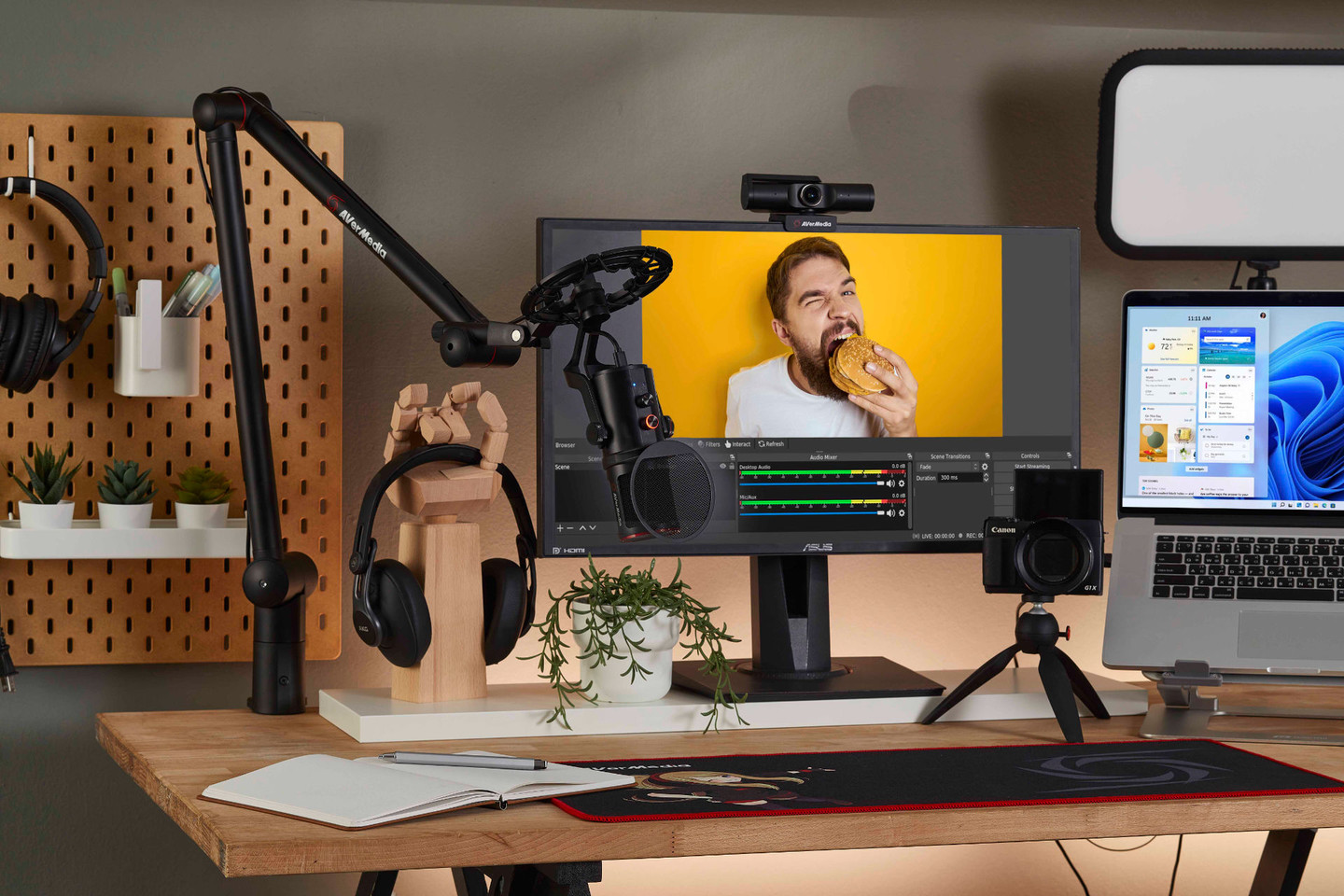
Aryan Kapoor’s story is individual and specific. He is a particular person with particular interests, particular skills, and particular circumstances that shaped how his journey unfolded. His story cannot be copied exactly because no two people’s circumstances are identical.
But the structure of his story — the pattern of it — is replicable in its essentials. And that pattern is visible across thousands of young creators in India who are, right now, at various stages of a similar journey.
They start with something they genuinely love. They find a tool that makes the gap between aspiration and creation small enough to cross. They make things consistently and learn from each iteration. They build skills that have multiple applications and generate income from more than one of them. They use the proof of their public work to attract clients and opportunities that they did not have to chase.
What Filmora and platforms like YouTube have made possible — in combination with the democratisation of filming quality that smartphones represent — is a pathway from creative interest to creative livelihood that did not exist for previous generations.
The pathway is real. It is not easy and it is not fast. It requires the kind of sustained, disciplined effort that most people begin and most people do not continue long enough to see return.
But for the ones who continue — for the Aryans sitting in hostel common rooms watching videos and feeling the first stirring of something that might be more than just admiration — the pathway is genuinely there.
A hobby that becomes a practice. A practice that becomes a skill. A skill that becomes an income. And an income built on something you would do anyway, because you genuinely love it.
That is not a fantasy. It is a description of what is happening right now, in cities and towns across India, by young people with laptops and phones and something to say about the world they are moving through.
The Wednesday afternoon in that Pune hostel was not the beginning of a lucky break. It was the beginning of work. Consistent, patient, improving, joyful work.
Filmora was the door. Aryan walked through it.
That part — the walking through — is always up to the person.
Written by Digital Drolia — celebrating the creators, the tools, and the habits that turn creative passion into sustainable livelihood. Found this story valuable? Share it with a young person who has something to say and just needs to know that the path from here to there is real and walkable.