


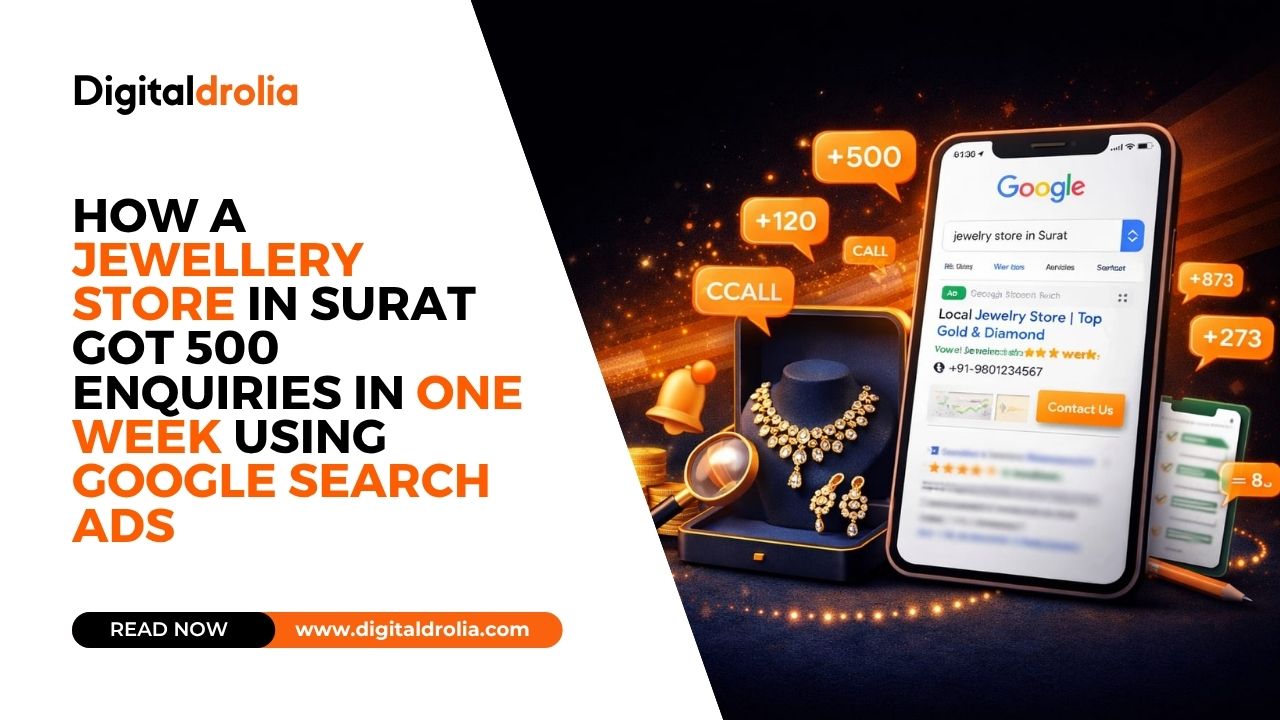
How a Jewellery Store in Surat Got 500 Enquiries in One Week Using Google Search Ads


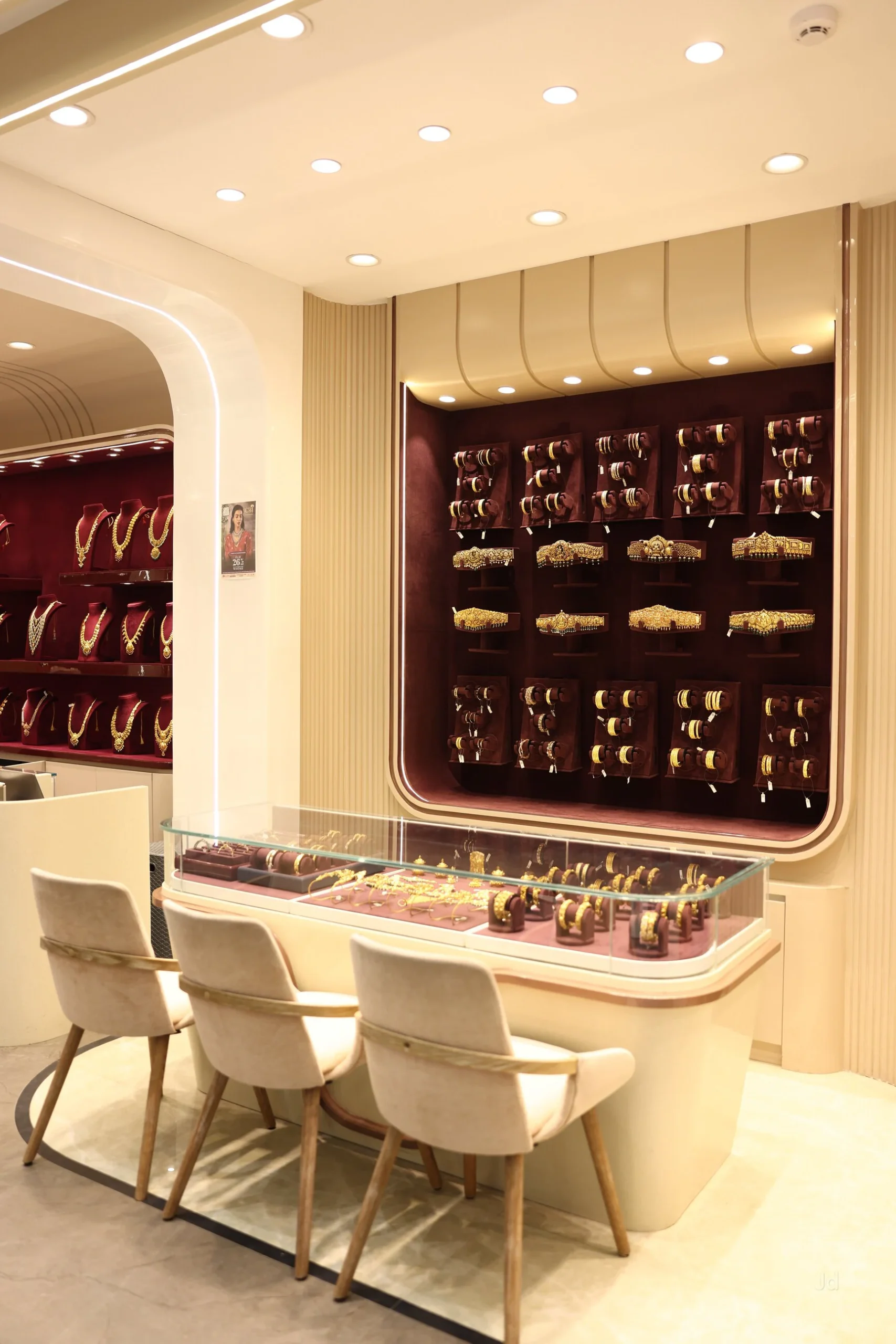
Let me tell you about a week in October that changed the way Mihir Desai thought about advertising forever.
Mihir is the third-generation owner of a jewellery store in Surat. His grandfather started the business in a small shop in the textile market. His father expanded it into a proper showroom with a full range of gold, diamond, and silver jewellery. Mihir inherited a business with a solid reputation, a loyal base of existing customers, and a nagging problem that had been growing for several years.
The old ways of getting new customers were not working the way they used to.
The newspaper ads that had once reliably brought people through the door were reaching a shrinking audience — younger buyers, the ones with real purchasing power, had largely stopped reading print. The hoardings on the main road were expensive and impossible to measure. Word of mouth brought in some business, but not enough to grow. And during the non-festive months, footfall would drop to levels that made Mihir genuinely anxious about the future.
He had tried social media. A cousin had helped him set up an Instagram page with photos of their jewellery. It looked good. It got some likes. It did not generate meaningful enquiries.
Then, eight weeks before Diwali — the single most important selling season for any jewellery store in India — Mihir sat down with a digital marketing professional named Kiran who had been referred to him by a fellow jeweller in the city.
Kiran looked at Mihir’s situation and said something that has stayed with him since:
“You are advertising to people who might be interested in jewellery. I am going to show you how to advertise only to people who are actively searching for jewellery right now.”
That distinction — might be interested versus actively searching right now — is the entire story of Google Search Ads. And understanding it deeply will change how you think about advertising your business.
Over the course of one week, running up to Diwali, Mihir’s store received 500 enquiries through Google Search Ads. Not impressions. Not clicks. Actual enquiries — people who called the store, filled out the enquiry form on the website, or sent a WhatsApp message asking about specific products or wanting to book an appointment.
This is the story of exactly how that happened.
First — What Are Google Search Ads and How Are They Different From Everything Else?
Before we get into the specifics of what Mihir and Kiran did, we need to make sure the foundation is clear. Because Google Search Ads are fundamentally different from every other form of advertising — and that difference is what makes them so powerful.
Every other form of advertising — newspaper, television, hoarding, radio, social media, even display ads on websites — is interruption advertising. You place your message in a space where people are doing something else, and you hope they notice it, find it relevant, and act on it.
The person watching a cricket match on television is not thinking about jewellery. But a jewellery ad appears during the commercial break. Maybe one percent of the audience happens to be considering a jewellery purchase. The other ninety-nine percent are irrelevant — but you are paying to reach all of them.
Google Search Ads work entirely differently.
They appear only when someone actively types a specific search query into Google. There is no interruption. There is no hoping for relevance. The relevance is built into the moment itself — because the person has already declared their intent by choosing what to search for.
When someone in Surat types “diamond engagement ring Surat” or “gold jewellery for Diwali” or “best jewellery shop near me” — they are not passively consuming entertainment. They are actively looking for something. They have a need. They have intent. They may even have their wallet open.
Google Search Ads allow you to place your business directly in front of that person at exactly that moment. Not in front of the whole city. Not in front of everyone who might someday be interested. Specifically, precisely, only in front of the person who is searching for what you sell right now.
This is why Kiran’s statement was so important. The shift from advertising to people who might be interested to advertising to people who are actively searching is not a small improvement in efficiency. It is a categorical change in the quality of the audience you are reaching.
The Setup — What Kiran Did Before Spending a Single Rupee

The single biggest mistake businesses make with Google Search Ads is rushing to spend money before the foundation is right. Kiran spent the first two days doing setup work — work that produced no results immediately but determined the quality of everything that followed.
Step One: Understanding the Business and the Goal
Kiran spent several hours with Mihir before touching the Google Ads account. He asked questions that most people would not think to ask before setting up an ad campaign.
Who is your ideal customer for this Diwali campaign? Not everyone — specifically. Young couples buying their first jewellery set as a married couple? Families buying gold as an investment? Men buying gifts for wives and mothers? Each of these audiences searches differently, values different things, and responds to different messages.
What is the one action you most want a potential customer to take when they find your ad? Call the store? Visit the website? Fill out an enquiry form? Come into the showroom directly? Having a clear answer to this question — the primary conversion goal — shapes everything from the ad copy to the landing page to how the campaign is measured.
What is your most popular product category during Diwali? What products do people most commonly ask about at this time of year? Where do you have good stock and the ability to service demand? Kiran wanted to make sure the ads were driving enquiries for products Mihir could actually fulfill — not creating demand for items that would lead to disappointment.
What is your budget and what does a successful enquiry mean in revenue terms? If a typical customer who comes in for a Diwali purchase spends between fifty thousand and two lakh rupees, then even at a thirty percent conversion rate, a single converted enquiry might be worth fifteen thousand to sixty thousand rupees in gross revenue. Understanding this number determined what Kiran was willing to spend per click and per enquiry.
This conversation took two hours. Most businesses skip it entirely and go straight to setting up campaigns. Those businesses waste money. The ones that do this groundwork first get results.
Step Two: Keyword Research — Finding the Exact Words People Use
Keyword research is the process of identifying the specific search terms that your potential customers are typing into Google. It sounds simple. It is actually one of the most important and nuanced parts of the entire process.
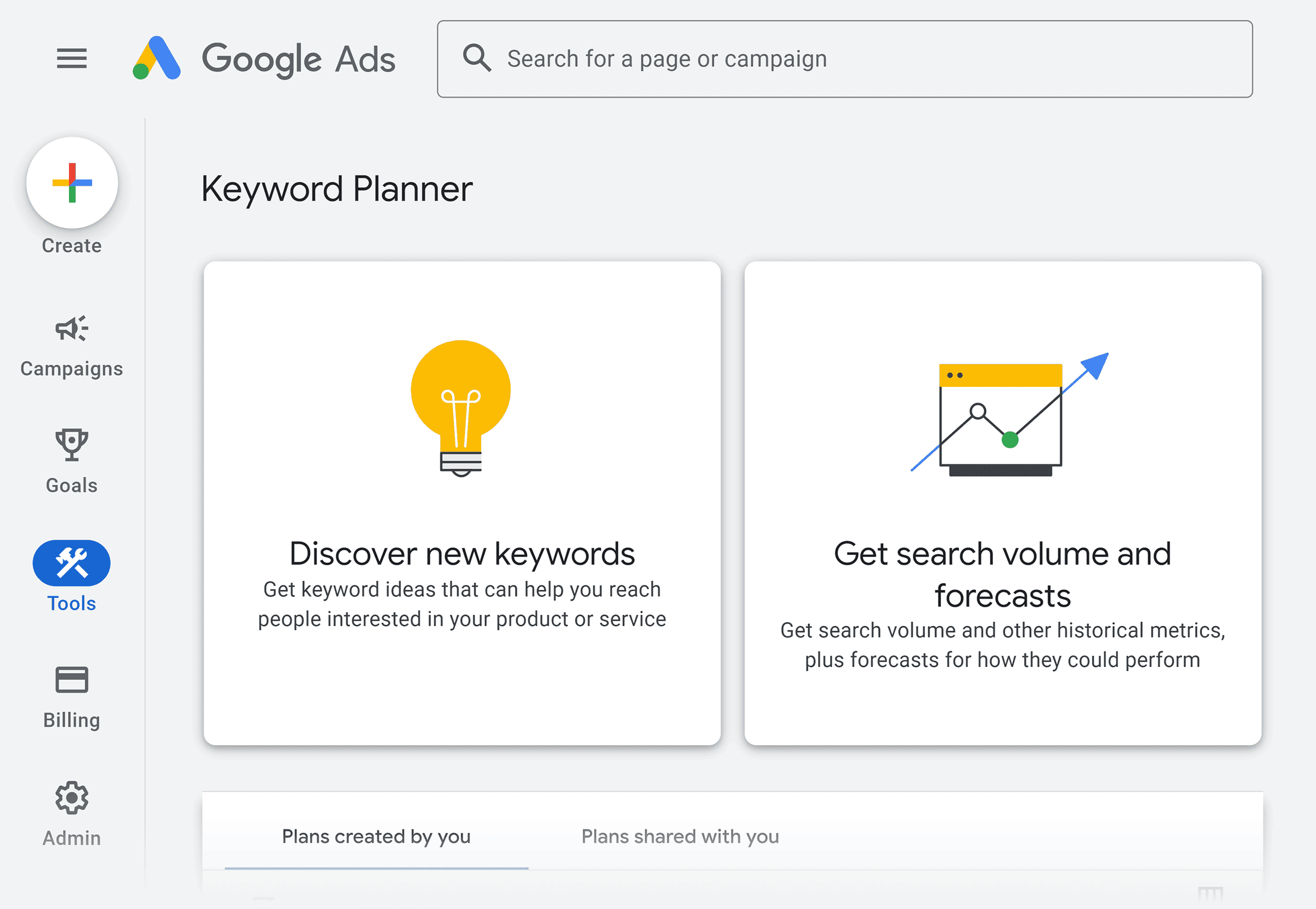
Kiran used Google’s Keyword Planner tool — free, available to anyone with a Google Ads account — to research search volumes and competition levels for hundreds of potential keywords related to Mihir’s business.
Here is what he was looking for: keywords with clear purchase intent, reasonable search volume, and manageable competition.
Some keywords have high volume but weak intent. “Jewellery designs” gets many searches but the person searching might just be browsing for inspiration — they may have no intention of buying anything. These keywords are expensive to bid on and convert poorly.
Some keywords have crystal clear intent. “Buy gold chain Surat,” “diamond ring shop near me,” “jewellery store open today Surat” — these are searches by people who are clearly in buying mode. They know what they want, they are looking for where to get it, and they are close to a transaction. These keywords may have lower search volume individually, but they convert at dramatically higher rates.
Kiran divided the keywords into categories:
High-intent local keywords — searches that indicated both purchase intent and local relevance: “jewellery store Surat,” “gold jewellery Surat,” “diamond jewellery shop Surat,” “best jewellery shop near me.”
Product-specific keywords — searches for specific categories of jewellery: “gold bangles,” “diamond earrings,” “silver anklets,” “bridal jewellery set,” “engagement rings.”
Occasion-specific keywords — searches driven by the festive season: “Diwali jewellery offers,” “Dhanteras gold buying,” “festive jewellery collection.”
Gift-intent keywords — searches by people buying for others: “gold gift for wife,” “jewellery gift for mother,” “what to buy for Diwali gift.”
This categorisation was important because each category warranted different ad copy and different landing pages — which we will get to shortly.
Step Three: Negative Keywords — Telling Google Who NOT to Show Your Ads To
This is the step that most beginners miss entirely, and it is one of the most important money-saving mechanisms in all of Google Ads.
Negative keywords are terms you specifically tell Google you do not want your ad to appear for. They prevent your ad from being shown to people whose search intent is clearly misaligned with what you offer.
For Mihir’s jewellery store, Kiran added hundreds of negative keywords including: “artificial jewellery,” “imitation jewellery,” “plastic jewellery,” “jewellery making course,” “jewellery design course,” “jewellery repair DIY,” “free jewellery,” “jewellery images download,” “jewellery history,” “temporary jewellery.”
Each of these represents a search that might tangentially relate to jewellery but clearly does not represent a potential customer for Mihir’s store. Without negative keywords, Google might show Mihir’s ad to people searching for these terms — charging him for those clicks while delivering zero relevant potential customers.
Negative keywords are where a significant portion of wasted ad spend is prevented. Kiran estimated that his negative keyword list alone would save fifteen to twenty percent of the total budget from being spent on irrelevant clicks.
Step Four: Building the Landing Page
This is the step that most businesses are not prepared for — and it is where many Google Ads campaigns fail despite good keyword research and good ad copy.
A landing page is the specific page on your website that a person arrives on after clicking your ad. The fundamental rule of landing pages is: the page must match the promise of the ad.
If your ad says “Diwali Gold Jewellery Offers — Visit Us Today,” and the person clicks on it and arrives at your generic homepage with no mention of Diwali offers — they are confused. The journey from ad to page felt inconsistent. Their confidence drops. Most of them leave within seconds.
If your ad says “Diwali Gold Jewellery Offers — Visit Us Today,” and the person clicks and arrives at a page that prominently features Diwali offers, shows the relevant products, communicates the store’s credibility, and makes it extremely easy to call or enquire — the journey is consistent. Their confidence is maintained. A meaningful percentage of them act.
For Mihir’s campaign, Kiran helped build three landing pages — one for each major campaign category. The Diwali offers page. The bridal jewellery page. The general store page for broad local searches. Each page had a clear headline matching the ad, featured relevant products, showed the store’s credentials, and had a prominently placed phone number, a WhatsApp chat button, and a simple enquiry form that asked only for name, phone number, and what they were looking for.
This preparation — keyword research, negative keywords, landing pages — took the first two days. Not a single rupee had been spent on advertising yet. But this foundation was what made the spending that followed genuinely productive rather than wasteful.
The Campaign Structure — How Kiran Organised the Ads
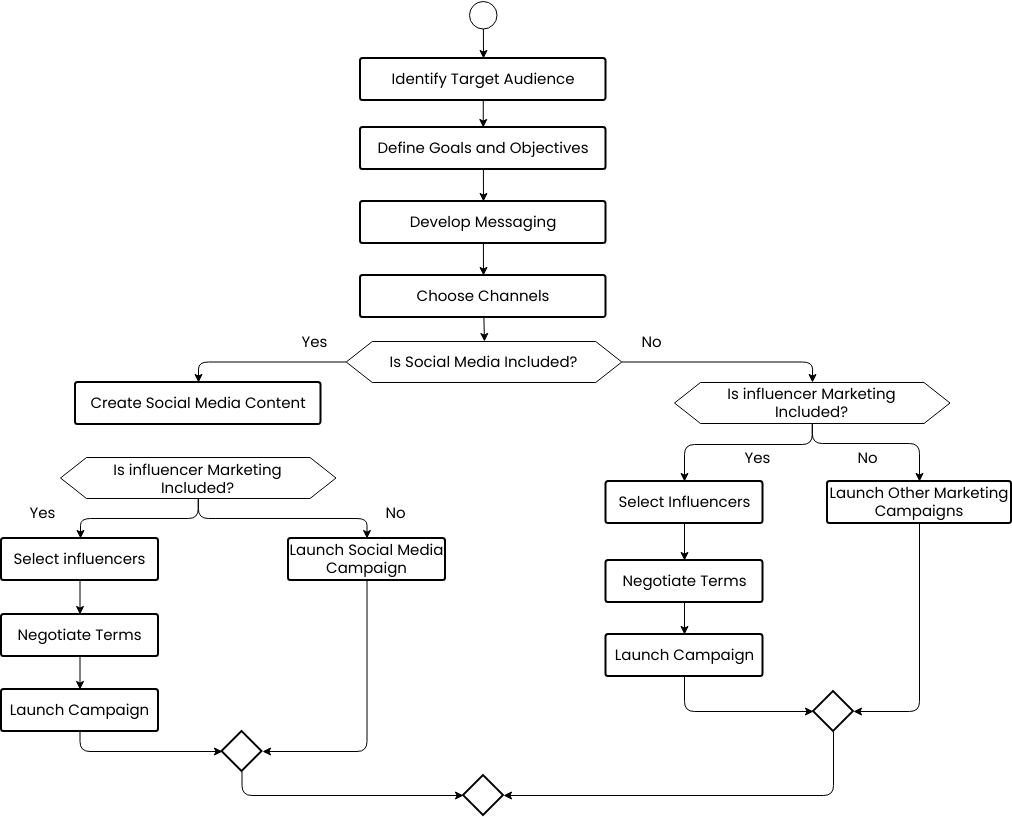
With the foundation built, Kiran set up the actual campaign structure in Google Ads. This is an area where the details matter enormously and where disorganized campaigns consistently underperform organised ones.
He created three separate campaigns, each corresponding to a different category of intent:
Campaign One: Local High-Intent
This campaign targeted keywords like “jewellery store Surat,” “gold jewellery shop Surat,” “best jewellery store near me,” and similar local searches. These were people looking for a physical store to visit or contact. The ads for this campaign emphasised the store’s location, its years of reputation, its range, and a call to action to visit or call.
Campaign Two: Diwali and Dhanteras Festive
This campaign targeted festive-specific keywords — people specifically looking for Diwali jewellery, Dhanteras gold buying opportunities, and festive offers. These searches had a clear seasonal urgency. The ads for this campaign led with the festive angle, mentioned any special offers the store was running, and created a sense of timeliness — “Diwali offers available for limited time.”
Campaign Three: Product-Specific
This campaign targeted people searching for specific types of jewellery — diamond rings, gold bangles, bridal sets, and so on. These people had already narrowed down what they wanted. The ads for this campaign spoke directly to the product category and directed people to the relevant landing page showing those products.
Separating campaigns this way — rather than putting all keywords into one campaign — allowed Kiran to write specific ad copy for each category, set different bids based on different expected conversion values, and monitor performance separately. When one campaign underperformed, he could adjust it without disrupting the others.
The Ad Copy — What the Ads Actually Said
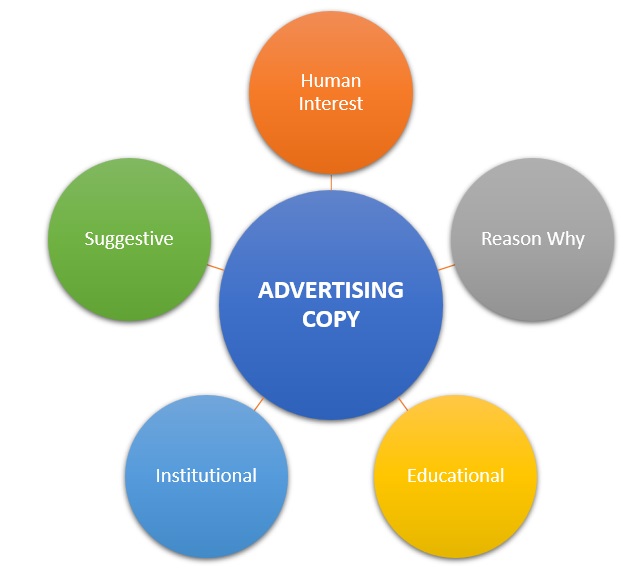
Ad copy is where many campaigns lose the battle they were winning on keyword research. The best keyword strategy in the world is useless if the ad itself does not make someone want to click.
For Google Search Ads, you have a limited amount of space. A headline of up to thirty characters, repeated across up to fifteen headline variations. Two description lines of up to ninety characters each. Several additional extension types. Within those constraints, every word needs to do real work.
Here is what Kiran focused on for Mihir’s ads.
Relevance First
The headline of the ad needs to immediately confirm to the searcher that they have found what they were looking for. If someone searches “diamond ring shop Surat” and the ad headline says “Diamond Ring Shop in Surat | Visit Our Showroom” — they feel instantly confirmed. They were looking for a diamond ring shop in Surat. The headline tells them they have found one.
If the headline says something generic like “Fine Jewellery — Best Prices” — they have to work to make the connection. Many of them will not bother and will move to the next result.
Differentiation Second
After confirming relevance, the ad needs to give a reason to choose this store over others. Kiran worked with Mihir to identify the genuine differentiators of his store:
Three generations of trust in Surat — since 1962. BIS hallmarked jewellery guaranteed. Zero making charges on selected items during Diwali. Free home delivery on orders above a certain value. Certified diamond jewellery with authenticity guarantee.
These differentiators were specific, verifiable, and meaningful to the target customer. They appeared in the description lines of the ads.
Clear Call to Action Third
Every ad ended with a clear, specific instruction: “Call Now for Appointments,” “Visit Our Showroom Today,” “WhatsApp Us for Catalogue.” Not vague encouragement — specific direction.
Ad Extensions — The Features Most Advertisers Underuse
Google Ads offers several extension types that add information to your ad without costing extra per click. Kiran set up all of the relevant ones:
Call extensions — displaying the store’s phone number directly in the ad, allowing mobile users to call with a single tap without even visiting the website.
Location extensions — showing the store’s address and a map link, helping local searchers immediately confirm the store’s proximity to them.
Sitelink extensions — showing additional links below the main ad, directing people to specific pages: “Bridal Collection,” “Diwali Offers,” “Diamond Jewellery,” “Contact Us.”
Callout extensions — short snippets of additional information: “BIS Hallmarked Jewellery,” “60+ Years of Trust,” “Free Home Delivery Available.”
Each extension adds more information and more ways to interact with the ad — without adding to the cost per click. Fully extended ads also occupy more screen space in search results, making them more visually prominent than ads without extensions.
The Budget and Bidding Strategy
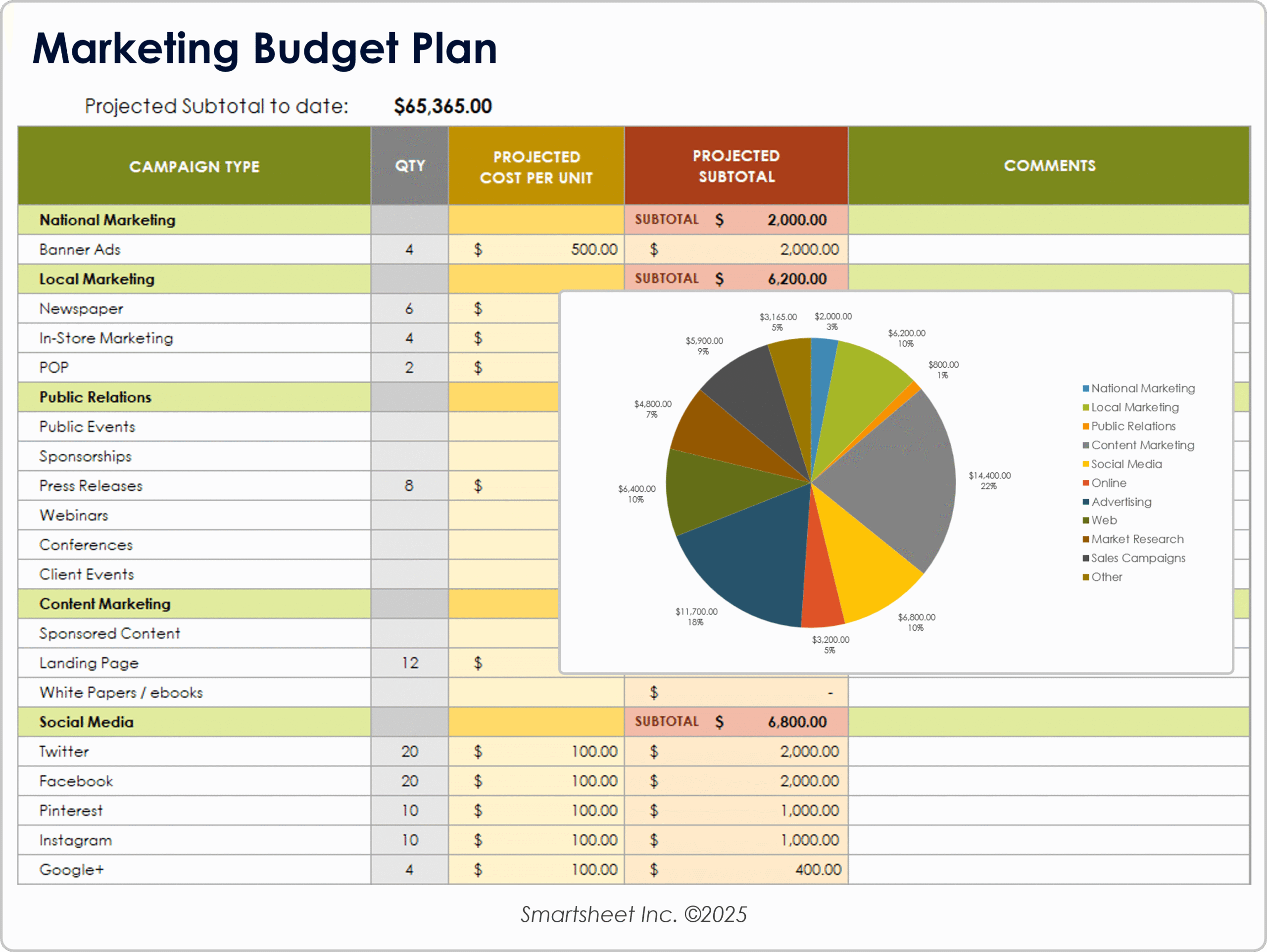
Mihir was nervous about budget. He had heard stories of businesses spending significant amounts on Google Ads and seeing no return. He wanted to know: how much should I spend, and how do I make sure I do not waste it?
Kiran’s approach was methodical and conservative.
Start With a Test Budget
For the first three days, Kiran set a modest daily budget — enough to generate meaningful data without risking a large investment on an unproven campaign. The goal of these first three days was not to maximise enquiries. It was to gather data — which keywords were triggering the ads, which ads were getting clicks, which landing pages were converting.
Monitor Daily and Adjust Aggressively
During those first three days, Kiran checked the campaign data every morning and made adjustments. Keywords that were generating clicks but no enquiries were paused or added to negative keyword lists. Ad variations that were getting lower click-through rates were rewritten. Bids were adjusted based on which campaigns were delivering the best cost per enquiry.
This daily monitoring is what separates well-managed Google Ads campaigns from wasted ones. An unmonitored campaign running on autopilot will steadily drain budget on irrelevant clicks and underperforming keywords. A daily-monitored campaign improves continuously.
Scale What Works
By Day Four, the data was clear. The local high-intent campaign was converting at the highest rate — people searching specifically for a jewellery store in Surat were the most likely to enquire. The festive campaign was generating high volume. The product-specific campaign had lower volume but high average order value intent.
Kiran increased the daily budget on the campaigns that were performing and maintained the original budget on the ones that needed more optimisation. Total budget was reallocated toward what was working rather than spread uniformly across all campaigns regardless of performance.
The Cost Per Enquiry Calculation
By the end of the week, the campaign had generated 500 enquiries. The total ad spend for the week was a number that, when divided by 500, gave a cost per enquiry that was significantly lower than the cost of any other customer acquisition method Mihir had tried.
When he calculated the revenue generated by the customers who came in as a result of those enquiries — even applying a conservative conversion rate from enquiry to sale — the return on ad spend was extraordinary. Not because Google Ads are cheap in absolute terms, but because the quality of the audience they reach — people actively searching for what you sell — converts at a rate that makes the economics work compellingly.
Why Jewellery and Google Search Ads Are a Particularly Powerful Combination
Jewellery is a category where several factors converge to make Google Search Ads especially effective.
High Average Transaction Value
When a single customer transaction can be worth fifty thousand to several lakh rupees, the economics of paid search become very favourable very quickly. A cost per enquiry that might seem high in absolute terms represents exceptional value when a single conversion pays for dozens of clicks.
Strong Seasonal Intent Signals
Jewellery purchases in India are heavily concentrated around specific occasions — Diwali, Dhanteras, weddings, engagements, anniversaries, and festivals. These occasions create predictable spikes in search volume for jewellery-related terms. A well-managed Google Ads campaign can be ramped up precisely during these windows and scaled back during slower periods — matching spend to opportunity with precision that no other advertising medium allows.
Local Purchase Behavior
Despite the growth of online jewellery retail, most customers in Surat — and across India — still prefer to visit a physical store to buy jewellery. They want to see it, feel it, compare it, and build trust through a personal transaction. This means that local search queries — “jewellery store near me,” “gold shop Surat” — represent people who are ready to visit a physical location. Google Search Ads targeting these local queries are driving the most valuable kind of traffic: people with real intent who live or are located near the store.
The Trust Premium
Jewellery purchases involve significant trust. Customers want to know that what they are buying is genuine, fairly priced, and from a reputable source. Google Search Ads, combined with a well-maintained Google Business Profile showing strong reviews and ratings, provide a powerful trust signal. Appearing prominently in search results — both through ads and organic local listings — reinforces the impression of an established, credible business.
The Mistakes to Avoid — What Kiran Saw Other Jewellers Doing Wrong

During his work in Surat, Kiran had worked with several jewellery stores before Mihir. He had seen the same mistakes made repeatedly. Understanding them is as valuable as understanding what to do right.
Bidding on Brand Keywords Without Brand Awareness
Several jewellers were spending significant budget bidding on generic luxury brand keywords or competitor store names. These keywords are expensive and rarely convert for a business the searcher was not already looking for. Unless you have the budget to compete at the top of a very crowded and expensive auction, these keywords drain budget without delivering proportionate results.
Sending All Traffic to the Homepage
The most common landing page mistake. Every ad in every campaign pointing to the same homepage regardless of what the searcher was looking for. A person who searched for bridal jewellery sets and lands on a generic homepage has to do work to find what they were looking for. Most of them do not do that work. They bounce. The click was wasted.
No Call Tracking
Several jewellers had no way to connect phone calls back to specific ads or keywords. They knew they were getting calls but had no idea which part of their campaign was generating them. Without this data, optimisation is blind. Call tracking — assigning unique numbers to different campaigns or using Google’s built-in call tracking — is essential for understanding what is working.
Pausing Campaigns on Weekends
One jeweller had set his campaign to pause on weekends to “save money.” Jewellery browsing and purchasing intent peaks on weekends — when people have time to research and visit stores. Pausing ads on the highest-intent days of the week to save money was costing far more in missed enquiries than it was saving in ad spend.
No Negative Keywords
Almost universally, jewellers who had set up their own campaigns without professional help had spent significant portions of their budget on irrelevant searches — artificial jewellery, jewellery courses, jewellery images for download. Without negative keywords, Google’s broad matching finds tenuous connections between search terms and keywords that cost money while delivering nothing.
Beyond Diwali — Building a Year-Round Google Ads Strategy
The week of 500 enquiries was extraordinary because of the Diwali season. But what Mihir and Kiran built together was not a one-time campaign. It was a framework for year-round customer acquisition that could be calibrated to the rhythms of the jewellery business.
Wedding season — typically from November through February and again from April through June in many parts of India — is the second major peak for jewellery purchases. Bridal jewellery, engagement rings, and gift sets drive search volume that rivals the Diwali period.
Anniversary and Valentine’s Day campaigns targeting gift-intent keywords capture a segment that is high in intent and willing to spend on premium items.
Year-round local campaigns with modest daily budgets maintain a baseline of enquiry flow during quieter months — building the store’s review profile, keeping the team productive, and ensuring that when peak season arrives, the campaign is already optimised rather than starting cold.
Seasonal campaigns can be ramped up weeks before major occasions — because search intent builds in advance. People start searching for Diwali jewellery in September. Wedding season jewellery searches begin in October. Starting campaigns early captures the consideration phase, not just the urgent last-minute purchase phase.
What This Means for Your Business — The Transferable Lesson
Mihir runs a jewellery store. But the principles that generated 500 enquiries in one week are not specific to jewellery. They are specific to the nature of Google Search Ads — and they transfer to any business category where customers search Google before making a purchase or enquiry decision.
A real estate developer targeting people searching for “2BHK flat in Surat.” A dental clinic targeting people searching for “dentist near me open today.” A coaching centre targeting people searching for “JEE coaching Surat.” A car dealer targeting people searching for “used cars Surat under ten lakh.” A caterer targeting people searching for “wedding catering Surat.”
In every case, the same principles apply. Understand the specific search terms your ideal customer uses. Separate campaigns by intent category. Write ad copy that confirms relevance and differentiates your offer. Build landing pages that match the promise of the ad. Add negative keywords to prevent irrelevant spend. Monitor daily and adjust based on data. Scale what works.
The technology is accessible. The platform is available to any business with a Google account. The minimum viable budget to test and learn is lower than most people expect.
What is not accessible by default is the knowledge of how to use it effectively — which is why most businesses that try Google Ads on their own waste their budget and conclude that it does not work, while businesses that invest in understanding the platform properly consistently find it to be their highest-return marketing channel.
The Closing Thought — Intent Is the Most Valuable Thing in Marketing
Mihir’s 500 enquiries were not the result of a clever creative campaign. There were no stunning visuals, no viral videos, no celebrity endorsements, no emotional storytelling.
There was just a system — carefully built, precisely targeted, continuously optimised — that placed Mihir’s store in front of people who were already looking for exactly what he sold, in the city where he operated, during the season when they most wanted to buy.
That is the entire secret of Google Search Ads. Find the people who are already looking. Show them that you are there. Make it easy for them to reach you.
In a world full of advertising noise — where brands are fighting for attention from audiences who did not ask for it — the ability to reach people who are already raising their hand and saying “I am looking for this right now” is genuinely priceless.
Mihir understood this after one week and five hundred enquiries.
The question is whether you will understand it before your competitors do.
Written by Digital Drolia — practical digital marketing strategy for businesses that are serious about growth. Found this valuable? Share it with a business owner who is still spending their advertising budget on people who are not looking for them.