


How a New Restaurant Went From Zero to Fully Booked in 30 Days Using Google My Business

Let me tell you about a restaurant that almost nobody knew existed — and then, thirty days later, had a waiting list on weekends.
Arjun Mehta had spent fourteen months preparing to open his restaurant. He had found the perfect location in a busy residential neighbourhood in Nagpur. He had negotiated the lease, handled the licensing, supervised the interior work, designed the menu, hired and trained his kitchen team, and sourced ingredients from suppliers he had personally vetted.
He had done everything right. Everything a first-time restaurant owner is supposed to do.
But on the morning of his opening day, as he stood in his gleaming new restaurant looking at twelve empty tables and a kitchen full of prepared food, he realised something with a jolt of cold anxiety.
He had spent fourteen months preparing the restaurant. He had spent almost no time preparing the world to know it existed.
There was no signage campaign. No newspaper feature. No influencer visit pre-arranged. No grand opening event. Just a restaurant, a team, a menu, and silence.
His brother-in-law, Sameer, who worked in digital marketing, happened to stop by that first afternoon and immediately understood the situation. He sat down with Arjun for two hours, opened a laptop, and said: “Okay. We are going to fix this. And we are going to do it without spending a single rupee on advertising.”
What followed over the next thirty days was not magic. It was not a viral moment or a lucky celebrity visit. It was a systematic, deliberate, and unglamorous process of building visibility on Google — one action at a time.
By the end of those thirty days, Arjun’s restaurant was fully booked on Friday and Saturday evenings. Sunday lunch had a waiting list. Weekday covers were steady and growing.
This is the exact story of what they did, why it worked, and how any new restaurant — or any new local business — can replicate it.
Day One to Three — Building the Foundation Before Anything Else
Sameer’s first instruction was direct: before you worry about getting customers, make sure Google can find you and trust you.
A new business listing on Google starts with almost no authority. Google does not know if you are a legitimate, active business or a ghost listing created by someone who filled out a form and disappeared. The first job is to signal clearly and consistently that you are real, you are open, and you are here to stay.
Here is exactly what they built in those first three days.
Claiming and Verifying the Profile
Arjun had actually created a Google Business Profile during the setup phase of the restaurant — but he had never completed verification. The profile was sitting in an unverified state, which meant Google was not showing it in search results with any reliability.
Sameer walked him through the verification process. For Arjun’s restaurant, Google offered phone verification — a recorded call with a verification code. Within twenty minutes, the profile was verified and officially active.
If you are opening a new business and you do nothing else from this entire post — verify your Google Business Profile on day one. An unverified profile is nearly invisible. A verified profile is Google’s signal that this listing is real and can be trusted.
Selecting the Exact Right Categories
Arjun had selected “Restaurant” as his category during the initial setup. Sameer changed the primary category to “North Indian Restaurant” — which is what the restaurant primarily served. They added secondary categories including “Restaurant,” “Family Restaurant,” “Casual Dining Restaurant,” and “Takeaway Restaurant.”
As we explored in depth in a previous post — category precision is everything on Google. “North Indian Restaurant” puts you in front of people searching specifically for that cuisine. “Restaurant” alone puts you in competition with every eatery in the city.
Filling Every Single Field Completely
They went through the entire profile systematically. Business name — exact legal name, no keyword stuffing. Address — precise, including floor number and landmark. Phone number — the number Arjun personally monitored. Website — even though it was a simple single-page site at this point, having one mattered. Hours — accurate opening and closing times for each day of the week. Special hours — they noted that the restaurant would be closed on the first Monday of each month for deep cleaning.
Business description — Sameer wrote this carefully. Not marketing fluff. Specific, useful information that a potential diner would want to know: the type of cuisine, the ambience, whether it was suitable for families, whether it had air conditioning, whether it had a private dining option for small groups. Real information. Customer-centric language.
Services section — they listed everything the restaurant offered: dine-in, takeaway, home delivery through Swiggy and Zomato, corporate catering on request.
Attributes — Google allows businesses to add attributes that describe specific features. They selected: air-conditioned seating, family-friendly, vegetarian options available, accepts UPI payments, free parking nearby, wheelchair accessible entrance.
Each attribute is a potential match for a customer’s specific search filter. A family specifically searching for a family-friendly North Indian restaurant with parking will find Arjun’s restaurant if those attributes are set. Without them, the same search may not surface his listing at all.
This foundation work took most of Day One. It was not exciting. It was not creative. But it was the equivalent of building a solid floor before putting any furniture in a room. Everything that came after depended on it.
Day Four to Seven — The Photo Strategy That Made People Hungry Before They Arrived
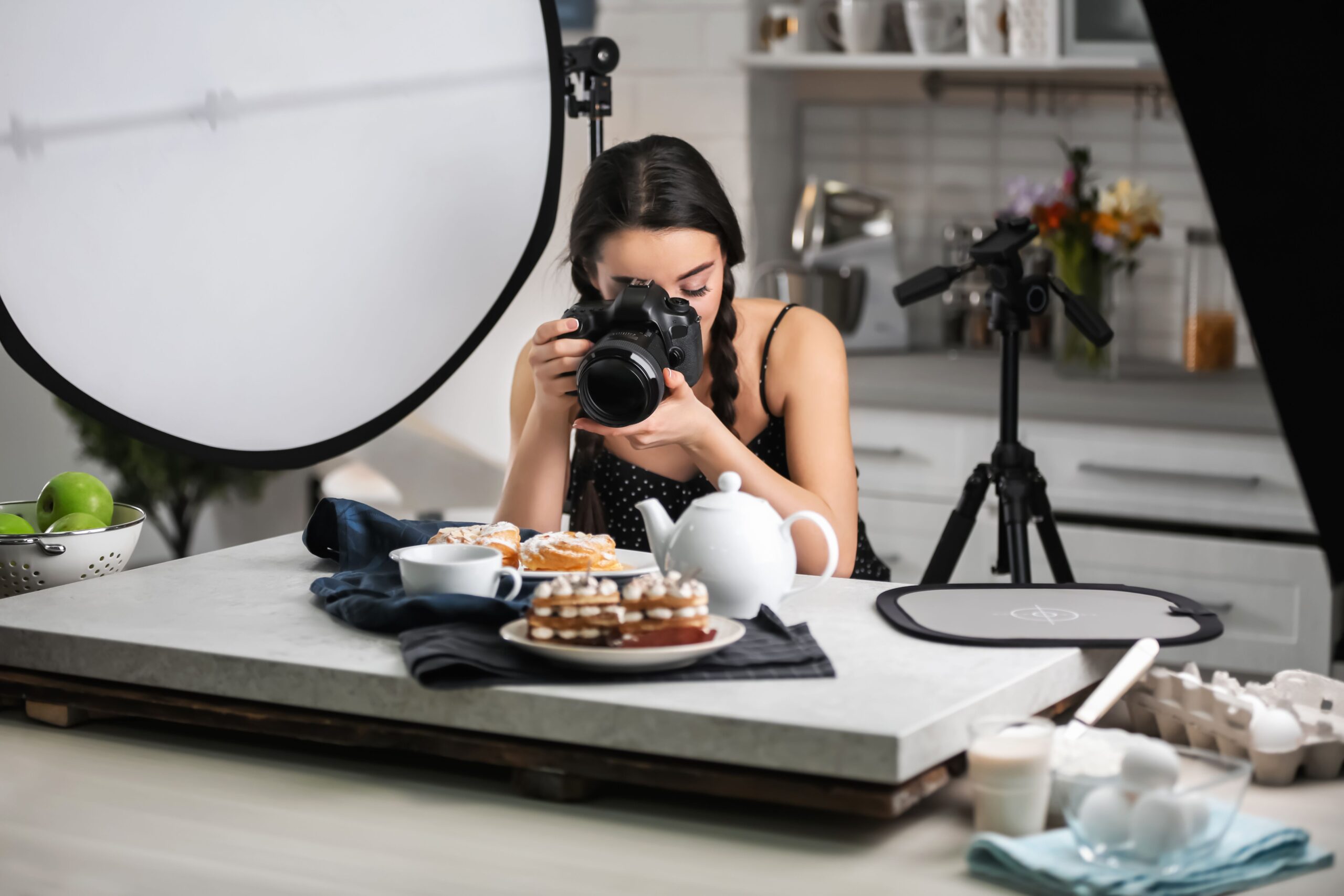
On Day Four, Sameer arrived at the restaurant at 10 AM with a clear brief: we are spending today doing nothing but photography.
Most new restaurants make one of two photo mistakes. Either they take a few quick snapshots on their phone without much thought and upload them all at once. Or they spend enormous amounts of money on a professional photography session that produces beautiful but somewhat sterile images that do not capture the warmth and energy of the actual dining experience.
Sameer took a different approach. He thought about what photos a potential diner actually wants to see before choosing a restaurant — and worked through that list systematically.
The Exterior Shot — Finding the Place
The first photo a potential diner wants to see is: what does this place look like from the outside? Can I find it? Will I recognise it when I am standing on the street looking for it?
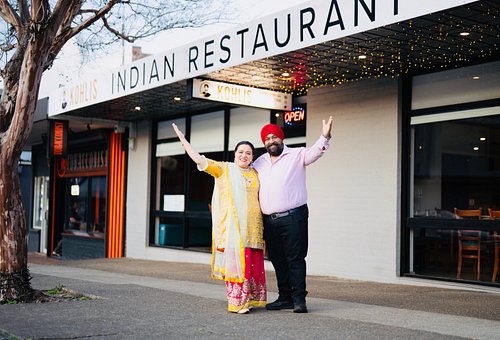
They photographed the restaurant frontage at three different times: morning light, afternoon, and evening with the signage lit up. The evening shot — warm light spilling out, the sign glowing, a glimpse of activity inside — was particularly good and became the lead photo on the profile.
The Interior — Setting the Expectation
What does it feel like inside? Is it intimate or spacious? Casual or formal? Bright or moody?
They photographed the dining area from multiple angles — showing the full room, showing individual table settings, showing the corner booth that was particularly cosy, showing the wall art that gave the space character. The goal was to make a potential diner feel like they were already inside before they had decided to visit.
The Food — The Reason for Everything
This is where Sameer insisted on taking the most time. Food photography is the single most conversion-powerful category of photos for a restaurant. People eat with their eyes first. A beautifully photographed dish creates a specific, visceral desire — and that desire is what turns a maybe into a booking.
They photographed eighteen dishes from the menu. Each one was plated carefully, shot in natural light near the window, and photographed from the angle that made the dish look most appealing. The dal makhani in its copper pot. The tandoori platter with the char still visible. The gulab jamun in its ceramic bowl with a streak of rose syrup across the rim.
These were not artificially styled. They were the dishes exactly as they would be served to a customer. But they were photographed thoughtfully — good light, clean background, the right angle.
The Kitchen — The Trust Signal
Many restaurants do not photograph their kitchen. Sameer insisted on it. A clean, well-organised kitchen photographed at the start of the prep shift communicates something that no description can: this is a place where food is prepared with care and cleanliness. It is one of the most powerful trust signals a restaurant can put on its Google listing.
The Team — The Human Element
Two photos of the team. The kitchen team in their uniforms, smiling in a group shot. Arjun himself, standing at the entrance, welcoming. Faces. Real people. The humans behind the food.
By the end of Day Four, they had 47 photos ready to upload. Sameer uploaded 20 of them that day — spread across the categories — and scheduled the rest to be uploaded gradually over the following weeks, three or four at a time. This was deliberate. A single batch of 47 photos looks like a one-time setup effort. A steady stream of new photos over weeks looks like an active, living, currently-operating business — which is exactly the signal Google rewards.
Day Eight to Fourteen — Engineering the First Reviews
This is the part of the strategy that Arjun was most nervous about. He did not yet have customers. How do you get reviews before people have visited?
Sameer’s answer was simple: you start with the people who already know your food.
During the week before opening, Arjun had hosted a soft launch — a private dinner for family, close friends, neighbors, and a few of his suppliers who had become personally friendly during the setup process. About thirty people had eaten at the restaurant over those two evenings. Every single one of them had complimented the food.
None of them had left a Google review.
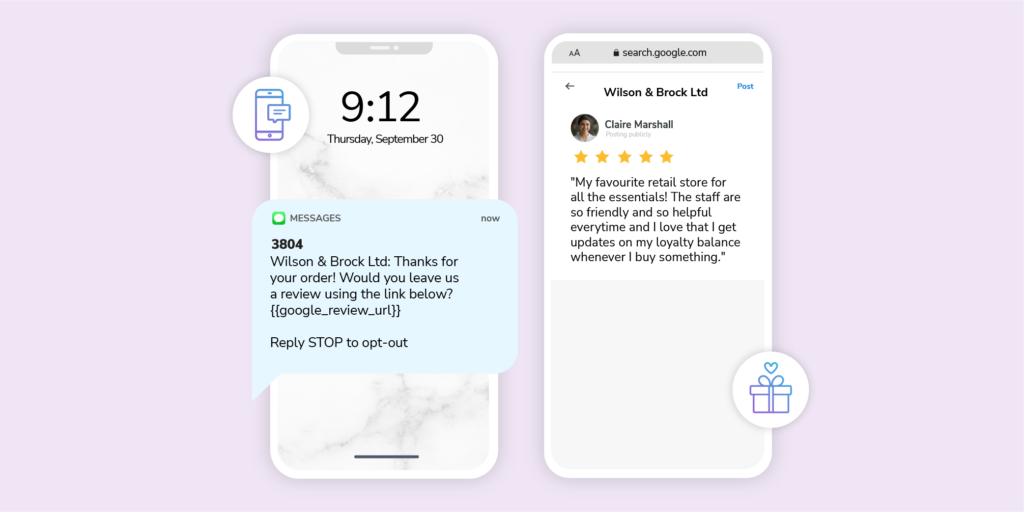
Sameer drafted a simple WhatsApp message that Arjun sent to each of them personally — not a group message, but individual messages to each of the thirty people:
“Hey [name], thank you so much for coming to the soft launch. It meant a lot to have you there. If you enjoyed the evening, I would be really grateful if you could leave us a quick Google review — it helps more than you know when we are just starting out. Here is the link: [direct review link]. Even just a sentence or two about what you thought would be wonderful.”
The message was honest, personal, and specific. It gave them the direct link so there was zero friction. And it asked not for a five-star review — just for an honest response.
Within four days, twenty-two of the thirty people had left reviews. Nineteen of them were five stars. Three were four stars. Average rating: 4.9.
The reviews themselves were specific and warm — because the people writing them had genuinely enjoyed the evening. They talked about particular dishes, the warmth of the service, the ambience, the value. These were not generic “great food!” reviews. They were detailed, credible, personal accounts.
When a potential diner visited the listing and read these reviews — twenty-two of them, all recent, all detailed — the restaurant felt established. It felt like a place people had already discovered and loved. The psychological effect of seeing twenty-two positive reviews from real people is powerful even when the restaurant has technically only been open for a few days.
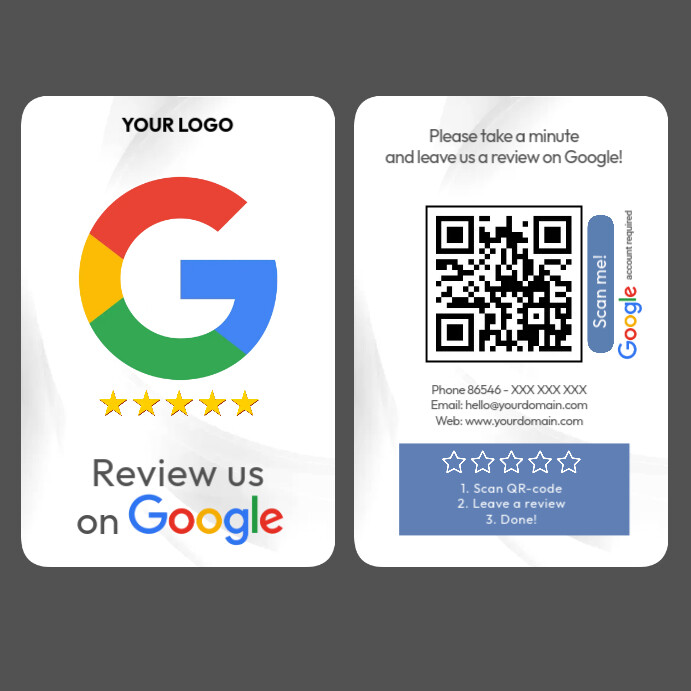
From Day Eight onward, as actual paying customers started coming in, Arjun and his team built the review request into the end of every dining experience. When the bill arrived, it came with a small card that said: “If you enjoyed your meal today, we would love to hear from you. Your review on Google helps other food lovers find us.” The card had a QR code that linked directly to the review page.
Simple. Non-pushy. Effective.
By the end of Day Fourteen, the restaurant had 41 reviews and a 4.8-star average.
Day Fifteen to Twenty — Google Posts and the Content That Kept the Profile Fresh
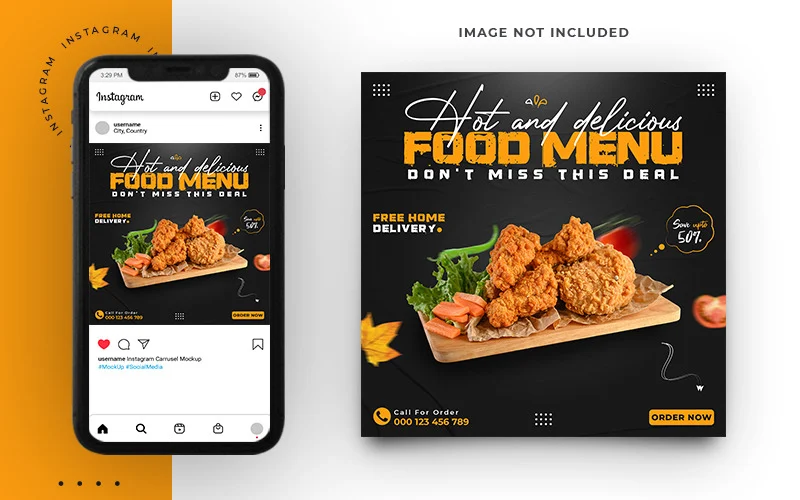
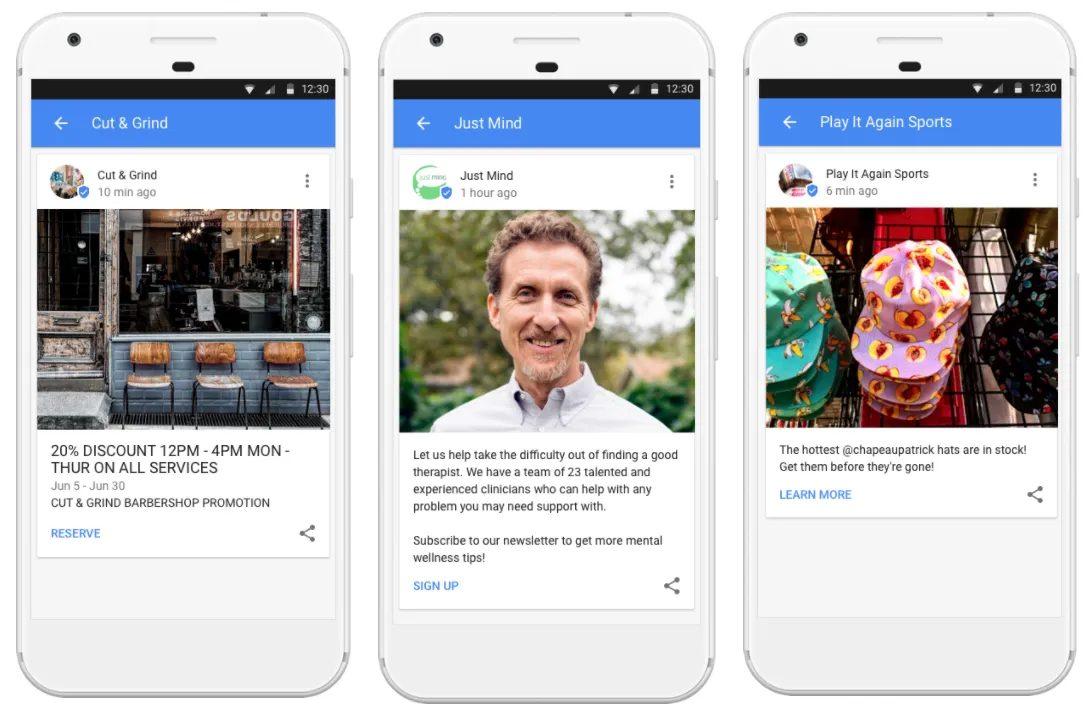
At the midpoint of the thirty days, Sameer shifted focus to Google Posts — the feature that allows businesses to publish updates, offers, and announcements directly on their Google listing.
Most restaurants do not use Google Posts. Most business owners do not even know they exist. But they serve two important functions: they give Google a freshness signal that the profile is actively managed, and they give visiting customers a reason to engage beyond the basic listing information.
Here is the posting schedule Sameer built for the first two weeks of using the feature.
Post One — The Story
A brief, genuine account of why Arjun had opened the restaurant. Not marketing copy. A real story — that he had grown up watching his grandmother cook North Indian food in a small kitchen in Lucknow, that every dish on the menu was inspired by something she had made, that opening this restaurant was a way of bringing those flavours to Nagpur. The post included a photo of Arjun in the kitchen.
This post had nothing to do with a special offer or a promotional message. It was purely about connection — giving potential customers a reason to care about this restaurant beyond just the food.
Post Two — The Weekend Special
An announcement of a special weekend thali that was not on the regular menu — available only Friday to Sunday. A photo of the thali, a brief description of what it included, and a call to action: “Reserve your table to guarantee availability.”
This post had a direct commercial purpose — driving bookings for the weekend. But it also created a sense of exclusivity and urgency. A special dish available only on certain days gives people a specific reason to come now rather than eventually.
Post Three — Behind the Scenes
A short video shot on Arjun’s phone of the head chef preparing the dal makhani — showing the entire process from whole spices going into the pot to the finished dish. Raw, unedited, thirty seconds long. The caption: “This is why the dal makhani takes six hours.”
This post performed exceptionally well. People who were considering the restaurant watched a thirty-second video and came away with a vivid sense of the care and craft that went into the food. It built desire and trust simultaneously.
Post Four — Community
A photo of the restaurant on a busy Thursday evening, tables full, a family celebrating a birthday in the corner booth. Caption: “Thursday evenings at [Restaurant Name]. Thank you to everyone who has visited us in our first two weeks. You have made this dream feel very real.”
Not promotional. Just warm. The kind of post that makes people feel good about a business and want to be part of its story.
Sameer posted twice a week consistently. Each post took less than fifteen minutes to create and publish. But collectively, they kept the profile active, fresh, and interesting — and they gave Google continuous signals that this was a business worth showing to searchers.
Day Twenty-One to Twenty-Five — The Q&A Section and Answering Questions Before They Were Asked
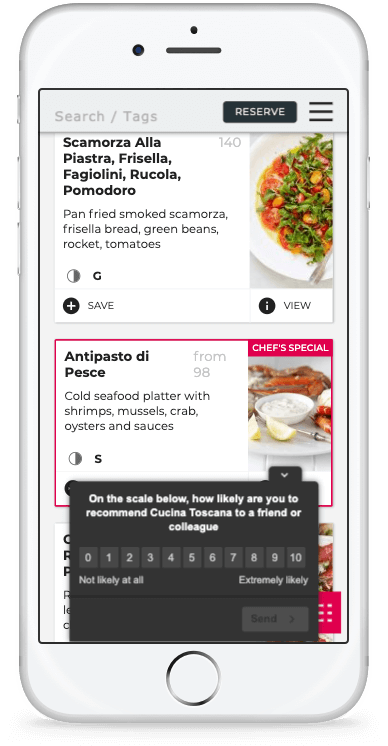
By Week Three, Arjun was receiving enough customer traffic that questions had started appearing in the Questions and Answers section of his Google listing.
“Do you have a rooftop seating area?”
“Can we book for a birthday dinner with a cake arrangement?”
“Is the parking free or paid?”
“Do you cater for office lunches?”
Sameer answered each of these immediately and thoroughly. But he did not stop there. He went through Arjun’s phone and looked at every WhatsApp enquiry the restaurant had received since opening. Every question a customer had asked before visiting. Every hesitation someone had expressed.
From that analysis, he identified twelve questions that had come up repeatedly — questions that clearly represented common considerations for potential diners. He posted all twelve himself and answered them in detail.
Among the most useful:
Q: What is the minimum advance time to book a table for a group of ten or more? A: For groups of ten or more, we recommend booking at least 48 hours in advance to ensure we can arrange seating and prepare accordingly. For weekends, we suggest booking three to four days in advance as we fill up quickly. Please call us directly or message us on Google for group bookings.
Q: Do you have a kids menu or special portions for children? A: Yes. We have a small kids menu with milder versions of popular dishes, and we are happy to adjust spice levels in any dish for younger diners. We also have high chairs available. We love having families — please just let us know when you book so we can seat you comfortably.
Q: Is the food prepared fresh daily or pre-prepared? A: Every dish is prepared fresh daily. We do not use pre-cooked or frozen ingredients. Our kitchen team starts prep at 9 AM for an 11:30 AM opening, and evening prep begins at 3 PM. Some dishes — like our dal makhani — simmer for six hours before service.
This last answer was particularly powerful. A customer reading it gets a vivid sense of the restaurant’s commitment to quality — without Arjun having to say a word directly to them.
The Q&A section, filled with thoughtful, specific, honest answers, was doing sales work around the clock.
Day Twenty-Six to Thirty — Optimising Based on What the Data Was Showing
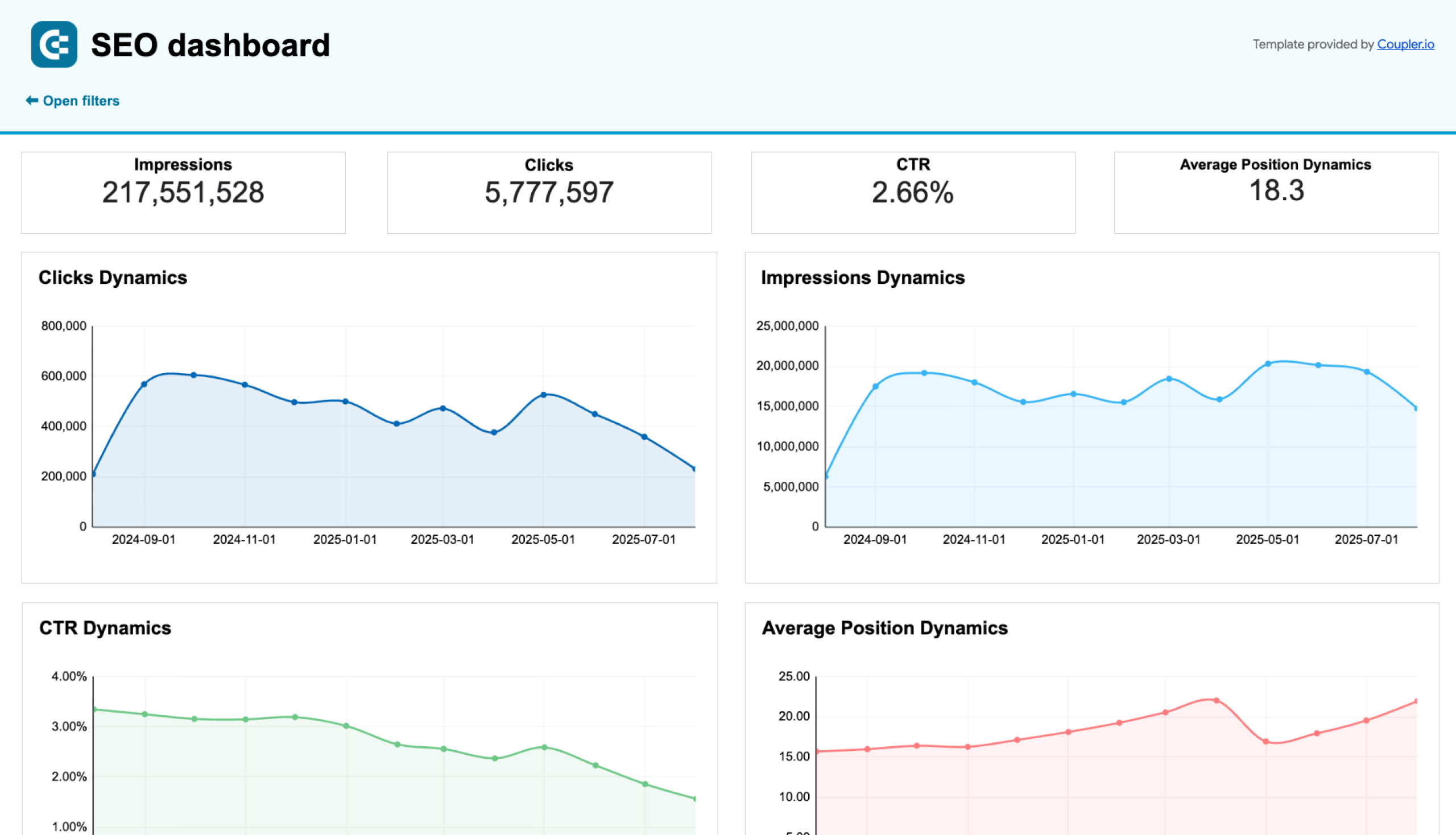
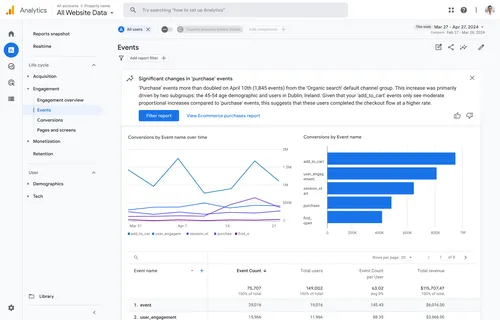
By the final week of the thirty-day period, Arjun’s Google Business Profile Insights were showing clear patterns.
The photos generating the most views were the food photos — specifically the tandoori platter, the dal makhani, and the gulab jamun. Sameer uploaded three more food photos in the styles that were performing best.
The search terms driving the most profile visits were “North Indian restaurant near me,” “family restaurant Nagpur,” and — interestingly — “birthday dinner Nagpur.” That last one was unexpected. Sameer created a dedicated Google Post about birthday dining at the restaurant — mentioning the cake arrangement service, the private corner booth, and how to book — specifically targeting that search intent.
The insights also showed a spike in profile visits on Thursday evenings and Sunday mornings. Thursday evenings made sense — people planning weekend dining. Sunday mornings surprised them until they realised people were searching for Sunday lunch options while having their morning tea.
They started posting every Thursday morning with a weekend-specific update. Availability, any special dishes, a reminder to book. These posts were reaching people at exactly the moment they were thinking about weekend plans.
This kind of data-driven refinement — looking at what the platform is telling you and adjusting accordingly — is what separates businesses that plateau after an initial burst of activity from businesses that continue to grow steadily month after month.
What the Thirtieth Day Actually Looked Like
On the evening of Day Thirty, Arjun sat in his restaurant — which had a full house — and looked at his Google Business Profile.
67 reviews. 4.8-star average.
Photo views: over 4,200 in the past thirty days.
Profile searches: 1,847 people had found his listing through Google Search or Maps in thirty days.
Direction requests: 312 people had clicked for directions to his restaurant.
Phone calls from the listing: 89.
He had gone from a verified profile with zero reviews and zero visibility on Day One to a listing that was generating nearly two thousand impressions per month — for free, without a single rupee spent on advertising.
The restaurant was fully booked on Friday and Saturday evenings. Sunday lunch had started filling up by Wednesday of each week. Weekday traffic was steady and predictable enough that Arjun could plan staffing and purchasing with confidence.
None of this happened because of a viral moment. None of it required a large budget or a marketing team. It happened because of thirty days of consistent, systematic, unglamorous work on a free platform that most of his competitors were using carelessly or not at all.
The Thirty-Day Blueprint — What You Can Replicate
Let me distill everything Arjun and Sameer did into a clear, replicable framework for any new restaurant — or any new local business — starting from zero.
Days One to Three: Foundation
Verify your Google Business Profile immediately. Select the most precise primary category available for your business type. Fill every single field completely and accurately — name, address, phone, hours, website, description, services, attributes. Do not leave a single field blank. This is your foundation. Everything else sits on top of it.
Days Four to Seven: Visual Presence
Photograph your business comprehensively. Exterior at different times of day. Interior from multiple angles. Every key product or dish you offer. Your team. Behind-the-scenes moments that show care and craft. Upload twenty photos immediately and drip the remainder at three to four per week over the following weeks. Never stop adding photos — this is an ongoing practice, not a one-time task.
Days Eight to Fourteen: First Reviews
Identify everyone who already knows your business — soft launch guests, family, friends, suppliers with whom you have a personal relationship — and personally reach out to each of them with a direct review link. Make it easy. Make it personal. Make it non-pressured. Build a system for requesting reviews from real customers from Day One of actual operations — a follow-up message, a card with the bill, a QR code at the counter.
Days Fifteen to Twenty: Content and Activity
Start posting on Google Posts twice a week. Mix promotional posts — special offers, new items, events — with human posts — your story, behind-the-scenes moments, customer appreciation. Each post should be genuine, specific, and visually supported where possible. This keeps your profile fresh and gives Google continuous activity signals.
Days Twenty-One to Twenty-Five: Q&A
Answer every existing question in your Q&A section thoroughly. Then proactively populate the section with your fifteen most common customer questions — the ones that come up repeatedly in calls, messages, and in-person conversations. Write answers that inform, reassure, and subtly differentiate your business.
Days Twenty-Six to Thirty: Data and Refinement
Look at your Google Business Profile Insights. Which photos are generating the most views? Which search terms are driving the most visits? When are people looking at your profile most actively? Use this information to refine your approach — post more of what is working, create content targeted at your highest-value search terms, time your posts to coincide with when your audience is most active.
Then continue. Because Day Thirty is not the finish line. It is the point at which the foundation is solid and the growth becomes self-reinforcing.
The Deeper Lesson — Visibility Is Not Luck
The story of Arjun’s restaurant is not a story about luck. He did not go viral. He did not get a famous food blogger to visit. He did not have an enormous following that he converted into customers.
He had a good restaurant, a systematic approach to Google visibility, and thirty days of consistent execution.
The lesson — the one that applies to every restaurant, every coaching centre, every clinic, every salon, every local business of any kind — is that visibility on Google is not something that happens to you. It is something you build.
It is built through the precision of your category selection. Through the freshness and quality of your photos. Through the volume and authenticity of your reviews. Through the activity and consistency of your posts. Through the thoroughness of your Q&A responses. Through the small, unglamorous, repeated actions that accumulate over days and weeks into a Google presence that is genuinely powerful.
The businesses that understand this — that treat their Google My Business profile not as a listing to fill out but as a platform to actively manage — are the ones that grow without advertising budgets, without viral moments, without any of the expensive, unpredictable interventions that most businesses assume are necessary for success.
Arjun spent fourteen months preparing his restaurant. He spent thirty days building his visibility on Google.
Those thirty days changed everything.
Yours can too.
Written by Digital Drolia — practical, no-budget digital growth strategies for local businesses that are serious about being found. Found this useful? Share it with a restaurant owner or local business owner who is about to open — or who has been open for a while and is wondering why the phone is not ringing.