

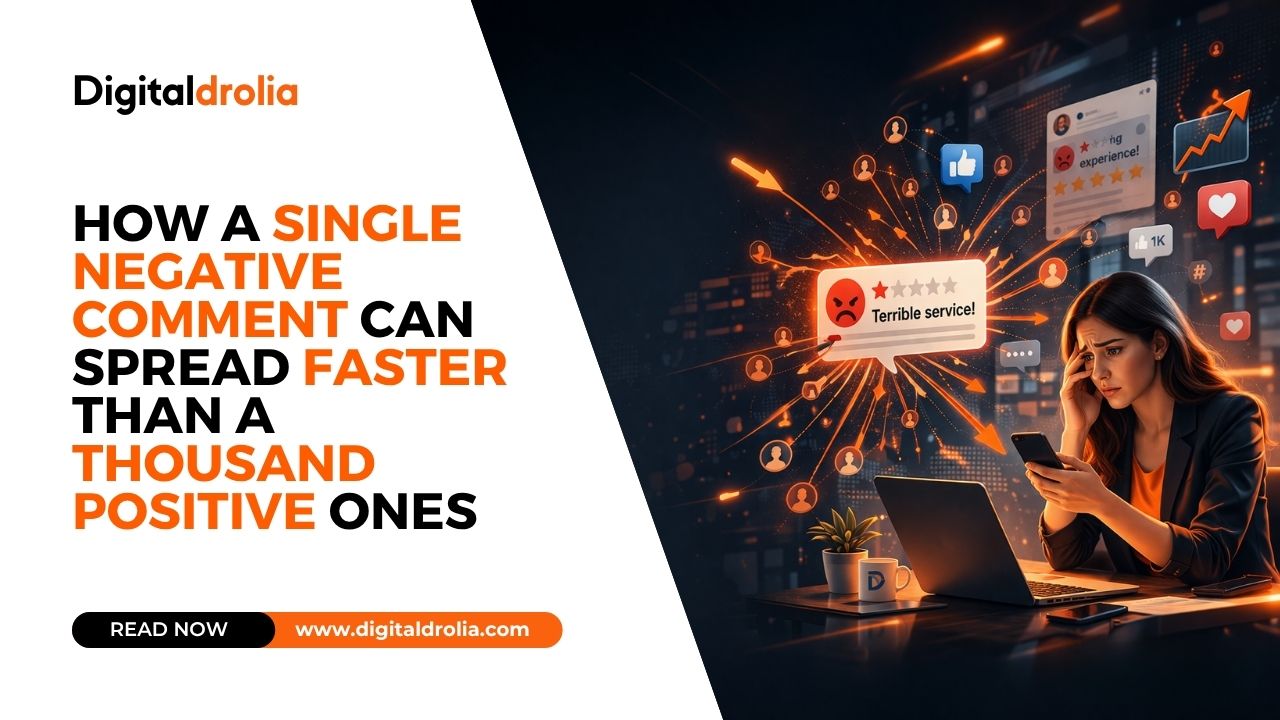
How a Single Negative Comment Can Spread Faster Than a Thousand Positive Ones

Let me tell you about a Sunday afternoon that cost a restaurant three months of hard-won reputation in forty-eight hours.
Aryan’s Kitchen was a small North Indian restaurant in Hyderabad that had been open for eleven months. The food was genuinely good — the owner, Aryan Kapoor, had spent six years learning his craft before opening, and the dal makhani alone had become something people drove across the city for. The restaurant had two hundred and thirty-seven Google reviews at an average of 4.6 stars. The Instagram account had nine thousand followers built through consistent, beautiful food photography and genuine community engagement.
On a Sunday afternoon in October, a family of four had a disappointing experience. The service was slow — the restaurant was understaffed that day because two servers had called in sick. The food took forty minutes to arrive. When it did, one dish was lukewarm because it had sat in the pickup window while the understaffed team managed the rush. The family was frustrated. Understandably so.
The mother of the family posted about it. Not on Google, where her review would have been one of over two hundred and visible primarily to people actively researching the restaurant. She posted on Instagram Stories. She tagged the restaurant. Her story showed the lukewarm dish with a caption that read: “Over an hour wait, cold food, completely indifferent staff. Save yourself the trouble. @aryanskitchen.”
She had eleven thousand Instagram followers. Several of them reshared to their stories. One of those people had forty-two thousand followers and shared it with the comment: “Anyone been here? Is this normal?”
By Monday morning, the original post had been seen by an estimated sixty to eighty thousand people across all the reshares. The restaurant’s Instagram had received forty-seven new messages — many asking whether the experience was representative, some saying they had cancelled a reservation, several sharing that they had a similar experience.
Aryan, who had been at the restaurant until 1 AM managing the difficult Sunday service, woke up to discover that his eleven months of carefully built reputation had been significantly damaged overnight by one unhappy family who had a legitimate grievance but whose post had found a distribution amplifier he had not anticipated.
This story is not about whether the family was right or wrong to post. They had a bad experience and expressed it. This story is about why negative content travels faster and further than positive content — and what every business owner needs to understand about managing this reality.
The Neuroscience of Negativity Bias — Why Bad Travels Faster Than Good
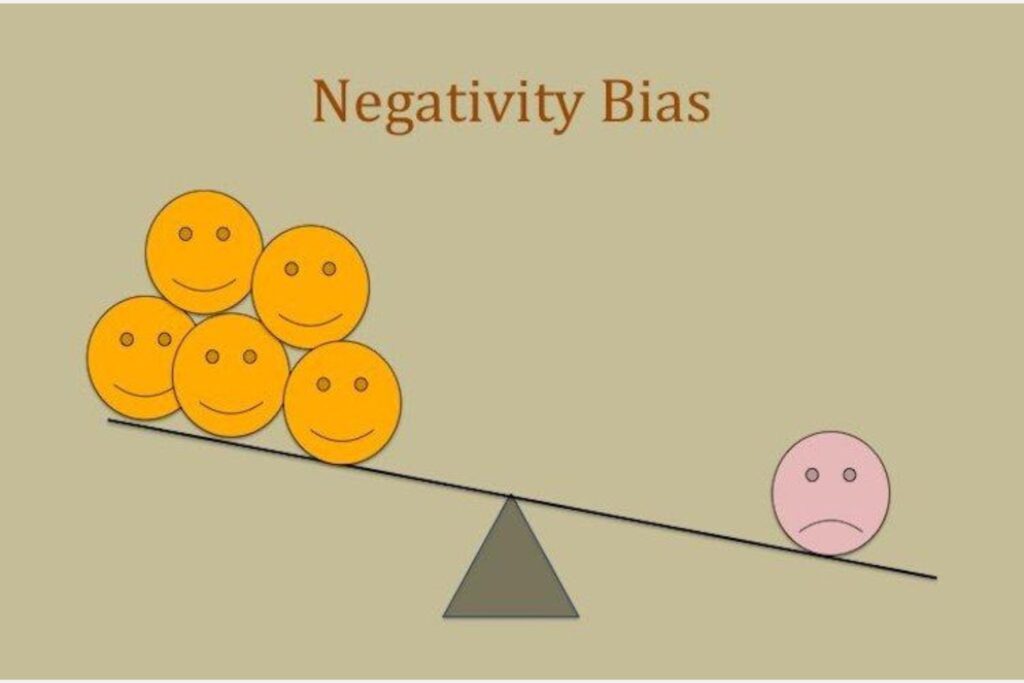
The asymmetric spread of negative information is not a social media invention. It is the expression in digital networks of a cognitive tendency that has shaped human psychology for hundreds of thousands of years.
The tendency is called negativity bias — the well-documented psychological phenomenon whereby negative experiences, negative information, and negative stimuli have disproportionately greater impact on human cognition, emotion, and behaviour than equivalent positive experiences, information, and stimuli.
The evolutionary logic behind negativity bias is straightforward. In a world where threats to survival were real and constant, the cost of missing a negative signal — failing to notice the predator, ignoring the warning from a tribesmember about a dangerous area — was death. The cost of overresponding to a false negative signal — treating a harmless shadow as a threat — was wasted energy and some embarrassment.
The asymmetry of these costs meant that natural selection consistently favoured organisms that weighted negative information more heavily than positive information. The bias is not a flaw in human cognition. It is an adaptation that served survival in the environment in which it evolved.
In the modern environment of social media, this adaptation produces specific and significant effects that every business owner needs to understand.
Negative information is processed more deeply than positive information. Brain imaging studies consistently show greater neural activation in response to negative stimuli than positive stimuli of equivalent objective intensity. The brain allocates more processing resources to negative information — analysing it more carefully, encoding it more durably in memory, generating stronger emotional responses.
Negative information is shared more readily than positive information. Multiple studies of social media sharing behaviour have found that content generating negative emotional responses — outrage, disgust, anxiety, indignation — spreads more widely and rapidly than content generating positive emotional responses. The specific emotions that drive sharing are emotional arousal combined with social motivation — the desire to warn others, to express righteous indignation, to be the person who shared something important — and negative content activates these combinations more reliably than positive content.
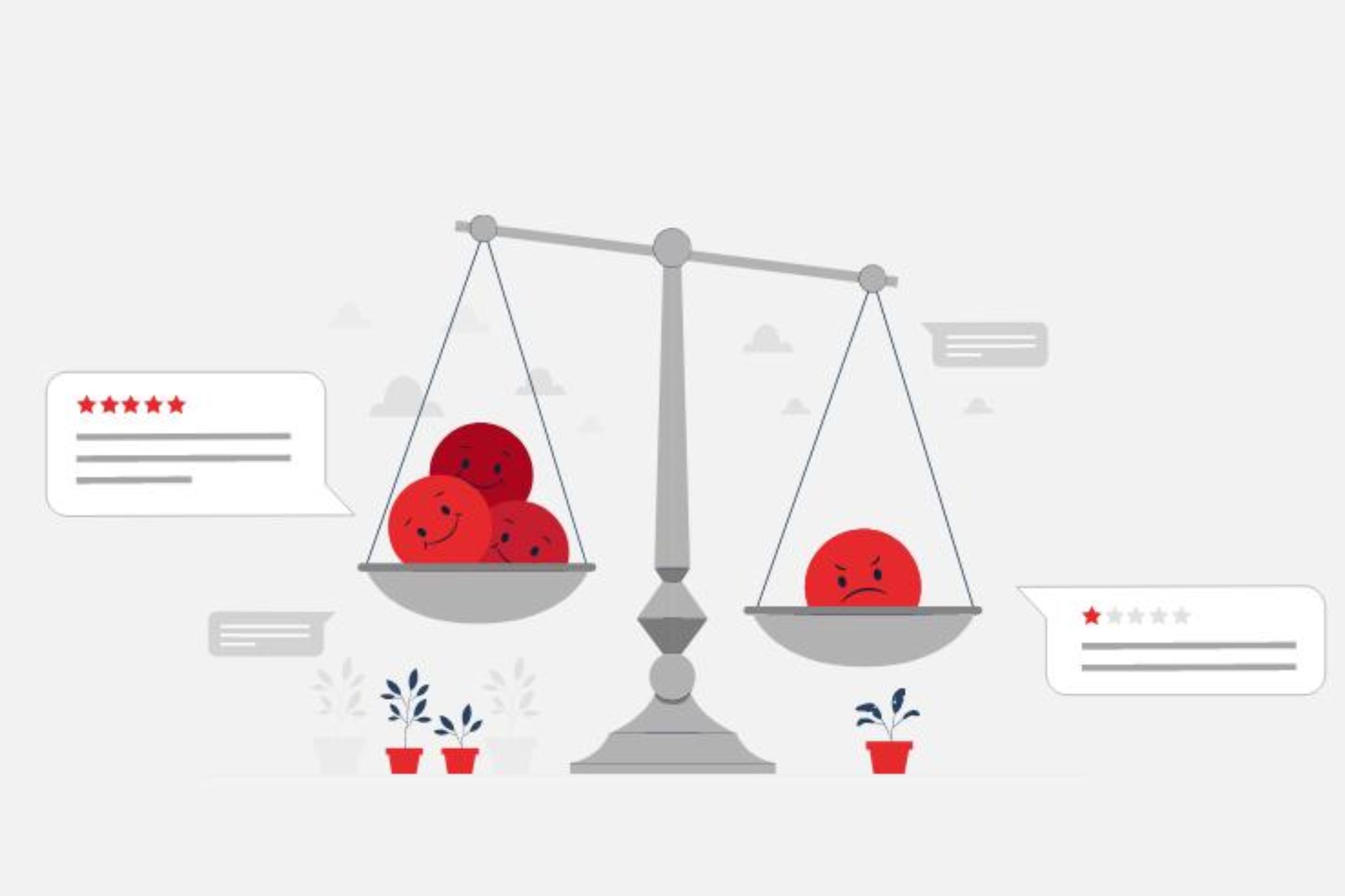
Negative information is weighted more heavily in evaluation. Consumer research consistently shows that negative reviews have greater impact on purchasing decisions than positive reviews of equivalent weight. A single one-star review counteracts the impact of multiple five-star reviews. The asymmetry is significant — estimates vary but suggest negative reviews are somewhere between two and five times more influential per review than positive ones.
This asymmetry is not something that can be changed through better marketing. It is wired into the human cognitive architecture. What can be changed is how businesses recognise, respond to, and manage the amplified impact of negative content when it appears.
Why Social Media Amplifies the Asymmetry

The negativity bias has always existed. Social media has not created it. But social media has created the technical infrastructure that allows the asymmetry to express itself at speeds and scales that were previously impossible.
Before social media, the negative customer experience spread through word of mouth. The unhappy family at Aryan’s Kitchen would have told perhaps ten or twenty people about their experience directly. Some of those people would have told others. Within a few weeks, perhaps a few dozen people in their social circle would have heard about it.
The natural constraint on word-of-mouth spread was the limited number of direct social connections any individual has and the friction of person-to-person information transfer. Negative word of mouth was damaging but bounded.
Social media removed these constraints in two specific ways.
The broadcast capability of ordinary individuals
Before social media, only institutions — newspapers, television channels, radio stations — had the technical capability to broadcast information to large audiences. The unhappy restaurant customer had the ability to tell their friends but not the ability to tell sixty thousand people.
Social media has given every individual with a following the broadcast capability that previously required institutional infrastructure. A person with eleven thousand Instagram followers has more direct broadcast reach than a regional newspaper had in many markets a generation ago. The broadcast asymmetry between institutions and individuals has been substantially eliminated.
This means that a single unhappy customer with a meaningful social following now has the technical capability to generate negative word of mouth at a scale that was previously the exclusive domain of investigative journalism or coordinated consumer campaigns.
The network effect of resharing
The specific mechanism that allowed the restaurant review to reach sixty to eighty thousand people was not the original poster’s eleven thousand followers — it was the resharing chain. When someone with forty-two thousand followers reshared the content, the reach multiplied. When that person’s followers reshared to their stories, the reach multiplied again.
This network multiplication effect has no equivalent in pre-social media word of mouth. A person cannot tell their friends about a bad restaurant experience and then have those friends instantaneously broadcast to their own networks in ways that the original person can see and respond to.
The network multiplication effect means that a piece of negative content that finds even a small number of resharing nodes can rapidly achieve reach that bears no relationship to the original poster’s direct audience. Sixty thousand people saw the restaurant review. The original poster had eleven thousand followers. The amplification factor was roughly six — achieved through a single resharing node with larger reach.
If the content had found a second resharing node with larger reach, or had been picked up by a meme account or a consumer advocacy page, the amplification could have been exponentially larger.
The Speed Differential — Why Negative Spreads Faster Than Positive

Beyond the greater eventual reach of negative content, the speed at which it spreads is specifically faster than equivalent positive content.
The emotional arousal theory of sharing explains why. Content that generates strong emotional arousal — anger, indignation, disgust, anxiety — is shared more quickly than content that generates mild positive emotions. The impulse to share emotionally arousing content is more urgent — it feels important, immediate, and socially valuable in a way that sharing a positive experience does not.
When someone sees a compelling story about a restaurant serving cold food and indifferent service, the emotional response includes several elements that drive rapid sharing: sympathy for the customer who had the bad experience, mild outrage on their behalf, the desire to warn friends who might visit the restaurant, and the social satisfaction of being the person who shared a useful warning.
These sharing motivations are more urgent than the motivations that drive sharing of positive content. The person who had a wonderful experience at the restaurant might post about it — eventually, when they have time, when they have a good photograph, when they remember to. The person who wants to warn their followers about a bad experience posts immediately — because the warning loses value if it is delayed.
This urgency differential means that negative content moves through social networks faster than positive content even when the number of people motivated to share is similar.
The Specific Mechanisms That Amplify Specific Types of Negative Content
Not all negative content spreads equally. Understanding the specific characteristics that make negative content more likely to achieve viral amplification helps businesses identify and prioritise the risks.
Content with a clear visual element
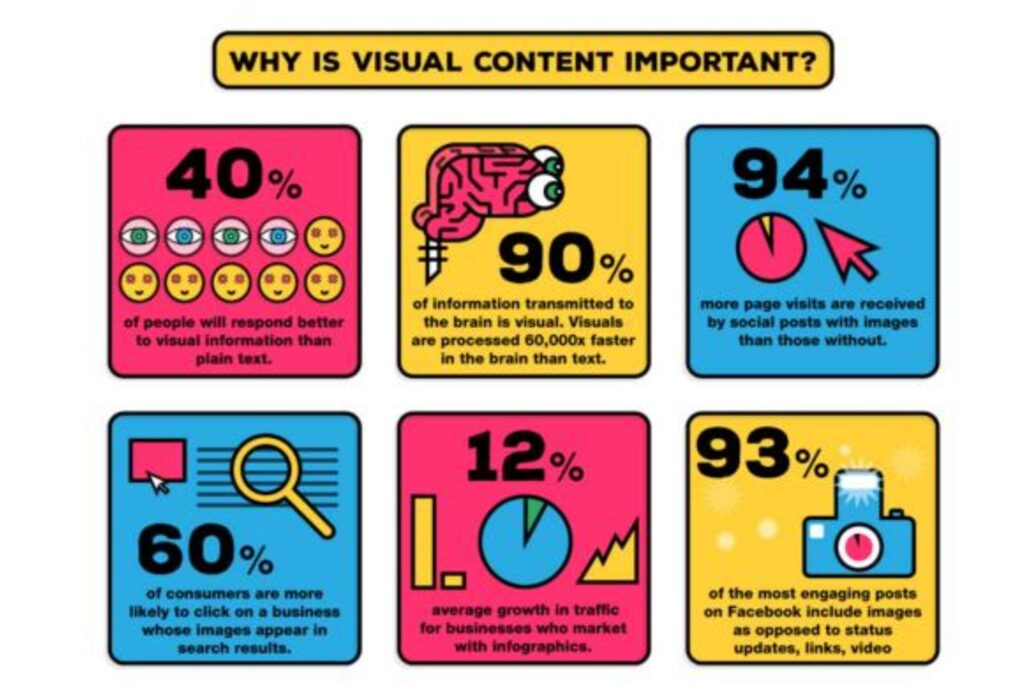
Photographs and videos spread faster than text. The photograph of the lukewarm dish was more shareable than a text description of the same experience would have been — because it was immediate, visually verifiable, and emotionally impactful in the rapid-processing way that visual content is.
Food businesses are particularly vulnerable to visual negative content because the gap between the ideal and the disappointing is visually obvious. The difference between a beautifully plated dish in the promotional photography and a disappointing dish in the customer’s reality is immediately visible and immediately compelling.
Content that triggers a sense of injustice
Content that frames a customer experience as an injustice — where the customer was treated unfairly, where their reasonable expectations were violated, where they spent money and received something unacceptably inferior to what was promised — triggers the moral outrage response that is among the most reliably viral emotional states on social media.
The outrage response drives sharing because sharing is a form of social action — it is a way of saying “this is not acceptable and I want others to know.” The more clearly a piece of negative content frames the experience as an injustice rather than just a disappointment, the more likely it is to trigger the outrage-driven sharing dynamic.
Content that names a well-known or well-regarded business
A negative experience at an anonymous business is primarily interesting to people who know the business. A negative experience at a well-regarded or aspirational business is interesting to a much larger audience — because it disrupts the established positive impression of something many people have considered or used.
Businesses that have successfully built a positive reputation face a specific amplification risk: the negative content that contradicts their established positive image is more newsworthily interesting than negative content about a business with a neutral reputation.
Content from a credible source
Content from a poster who is perceived as credible — who has an established presence, who posts regularly, who is a member of communities relevant to the business’s category — is more likely to be trusted and reshared than content from a clearly angry or clearly unreliable source.
The Response Window — Why the First Two Hours Are Critical
When negative content about a business begins to spread on social media, the business has a response window — a period during which a genuine, effective response can significantly limit the damage. This window is narrow and narrowing.
In the first two hours after negative content about a business begins spreading, several things are happening simultaneously.
The original post is being seen by the poster’s direct audience. Some of them are resharing. A few reshares are reaching second-tier audiences. The content is available but has not yet achieved significant velocity.
This is the optimal window for intervention. A genuine, specific, publicly visible response during this window has several effects. It demonstrates to the people who have seen the post that the business is attentive and cares about customer experience. It sometimes prompts the original poster to update their post or add context — “they reached out and are making it right” — which substantially changes the narrative of the content. It may convince some potential reshares not to share, because the story now has a second chapter that complicates the simple “bad experience” narrative.
After the first two hours, if the content has found a resharing amplifier with significant reach, the window effectively closes. The content has reached an audience that the business’s response cannot easily access — people who saw the reshare from an account they follow but who do not follow the business. The business can respond on its own channels but the response is unlikely to reach the people who saw the negative content.
This is why monitoring tools — Google Alerts, mention monitoring for Instagram and Twitter, regular manual checks of tagged mentions — are not optional for businesses with any significant social media presence. The monitoring that enables a response within the first two hours is the difference between manageable damage and reputational crisis.
Aryan did not have monitoring set up. He was working until 1 AM and did not see the post until Monday morning — by which time the forty-eight hours of resharing had already occurred and the damage was substantially done.
What an Effective Response Looks Like — The Elements That Matter

When a business discovers negative content spreading about it, the quality of the response matters enormously. A poor response can be worse than no response — confirming the negative impression, generating additional controversy, or adding fuel to the spreading narrative.
An effective response has several specific characteristics.
Speed
As established, the earlier the response the more impact it has on limiting spread. This is the most important variable and the one most within the business’s control if they have appropriate monitoring in place.
Visibility
The response should be made in the same space where the negative content appeared. Responding in DM rather than publicly allows the conversation to continue privately — which is appropriate for some aspects of resolution — but does not address the public narrative that the negative content has created. A public response on the business’s own account, referencing the specific issue, is necessary to affect the public perception being shaped by the negative content.
Specificity
A response that addresses the specific complaint rather than offering a generic customer service platitude demonstrates genuine attention and genuine care. “We are sorry you had a disappointing experience and take all feedback seriously” is a platitude. “We are genuinely sorry about the Sunday service — we were understaffed due to illness, which is our operational problem to solve, not yours to experience. We would like to speak with you directly to make this right” is specific, honest, and human.
Accountability without defensiveness
The response that defends the business — “we were understaffed due to circumstances beyond our control and we are disappointed you chose to post publicly before giving us the chance to address your concerns” — may be technically accurate but is counterproductive. The defensive response confirms the impression that the business prioritises its own interests over the customer’s experience.
The response that takes accountability — “we let you down on Sunday and we are sorry. This is not the standard we hold ourselves to and we are addressing what happened operationally so it does not happen again” — does something more powerful than defending the business. It provides evidence of the character that the negative content was questioning.
A specific next step
A response that ends with “we hope you will give us another chance” is passive. A response that ends with “please DM us your contact details and we would like to invite you back as our guests so we can show you the experience you should have had on Sunday” is active and specific. It gives the unhappy customer a clear path to a resolution that also gives the business the opportunity to recover the relationship.
The Pre-Crisis Infrastructure — Building Before You Need It

The most effective reputation management happens not in response to crises but in the building of the reputation infrastructure that limits crisis damage before any crisis occurs.
This infrastructure has several components.
A high volume of genuine positive reviews
A business with two hundred genuine positive reviews is structurally more resistant to the damage of negative content than a business with twenty. The sheer volume of positive testimony establishes a baseline of credibility that a single negative post must overcome. The person who sees the negative Instagram post about Aryan’s Kitchen and then looks at the Google listing with two hundred and thirty-seven reviews at 4.6 stars has more information context for evaluating the significance of the single post.
Building a genuine positive review base — through the mechanisms we discussed in our post about why customer reviews are trusted more than advertising — is not just a marketing activity. It is reputation risk management.
An established social media presence with genuine community trust
A business that has invested in building genuine relationships with its social media audience has a community of advocates who will, without any prompting, provide context and counterpoint when negative content appears. Aryan’s genuinely loyal customers — the ones who drove across the city for the dal makhani — posted in his comments and on their own stories defending the restaurant and explaining the Sunday staffing issue. This organic defence from genuine advocates is the most credible counter-narrative available and it requires nothing in the moment — it emerges from the relationship investment that was made over months.
A professional and responsive review history
A business that has consistently responded professionally and specifically to all reviews — positive and negative — has established a public track record of attentiveness and accountability. When a crisis arrives, this track record is visible to the people evaluating the crisis. A business with fifty professional review responses visible on its Google profile is evaluated differently than a business with no review response history.
A clearly visible set of values and quality standards
Businesses that have clearly communicated what they stand for — what their standards are, what they care about, how they think about their work — have a narrative context into which a crisis can be placed. Aryan’s Kitchen had posted multiple times about the care that went into sourcing, preparation, and service. This body of communication provided context for the single bad Sunday — “this is out of character for what this business consistently demonstrates it values.”
The Recovery — What Happens After the Crisis

A reputational crisis from viral negative content is not necessarily permanent. The recovery depends heavily on what happens in the days and weeks following the initial spread.
Genuine operational improvement is the foundation. If the issue that generated the negative content was a real problem — inadequate staffing, inadequate quality control, inadequate service standards — and the business addresses that problem genuinely, the recovery has a real foundation. If the business simply manages the public narrative without addressing the underlying issue, the next similar incident will occur and will spread with the added damage of appearing to be a pattern rather than an anomaly.
Visible accountability is the second component. When the business posts about what changed as a result of the feedback — not defensively, but genuinely and specifically — it provides a public narrative of learning and improvement that changes the story from “restaurant has bad service” to “restaurant had a bad day, took it seriously, and is better for it.”
The recovery of the original poster’s impression is particularly valuable if it can be achieved publicly. When an unhappy customer who posted negatively returns and posts about a genuinely good subsequent experience, or when they update their original post to acknowledge that the business made things right, the reputational impact of the original post is substantially modified.
Aryan reached out to the family directly, invited them back as his guests, provided an exceptional experience, and they subsequently posted about the recovery — not as a sycophantic reversal of their original post but as a genuine account of the restaurant making things right. This recovery post was seen by many of the same people who had seen the original and significantly changed the narrative.
The Long View — Why Crisis Management Is Character Revelation

There is a perspective on reputational crises from viral negative content that most businesses do not hold but that the most resilient businesses eventually develop.
A crisis does not just test a business. It reveals it.
The business that responds to a reputational crisis with defensiveness, deflection, or attempts to suppress legitimate criticism reveals something about its relationship with accountability and honesty. The business that responds with genuine acknowledgment, specific accountability, and visible improvement reveals something different.
The audience watching how a business handles a public challenge — not just the specific customers involved, but the broader audience who witnessed the negative content and the response — is forming a view of the business’s character that no polished marketing communication could as directly shape.
The forty-seven messages Aryan received on Monday morning were not just expressions of concern or cancellations. They were an audience watching to see what he would do. The quality of his response — specific, accountable, human, and followed by genuine operational improvement — was visible to many of the same people who had seen the negative post.
Several of those people messaged to say they were now more interested in visiting than before the incident. Because the response had revealed something about the business’s character that the polished Instagram feed, however beautiful, had not been able to fully demonstrate.
A thousand positive posts tell the audience that the business is good. A genuine response to a crisis tells them something more fundamental: that the business is honest and that it cares.
Closing Thought — The Asymmetry You Cannot Eliminate, Only Manage

The single negative comment that spreads faster than a thousand positive ones is not going to stop existing. The negativity bias is wired into human cognition. The broadcast capability of individuals with social followings is embedded in the infrastructure of every platform. The network multiplication effect of resharing is the foundational mechanism of how social content spreads.
These realities cannot be changed. What can be changed is the business’s preparation, its monitoring, its response speed, its response quality, and the depth of the genuine trust and community it has built before any crisis occurs.
The restaurant with two hundred genuine positive reviews is more resilient than the one with twenty. The business with an engaged community of genuine advocates is more resilient than the one with a larger but passive following. The business that has responded professionally to every review is more resilient than the one that has ignored them. The business that monitors mentions in real time is more resilient than the one that discovers crises on Monday morning.
None of this prevents negative content from appearing. Nothing can. Every business that serves enough customers will eventually have an unhappy one. In the social media era, some of those unhappy customers will have followings large enough to amplify that unhappiness to audiences the business cannot control.
What preparation, community building, and genuine quality can do is limit the damage when that moment arrives — and sometimes, in the way that crises handled honestly and specifically can, turn the moment of damage into evidence of the character that makes a business worth trusting.
The asymmetry between negative and positive is real. So is the asymmetry between businesses that are prepared for it and those that are not.
Be prepared.
Written by Digital Drolia — helping businesses understand the dynamics of reputation in a social media world and build the genuine trust and community that makes that reputation resilient. Found this valuable? Share it with a business owner who has never thought about reputation crisis management because nothing has gone wrong yet — it is the best time to prepare.