


How Brands Use Instagram Collaborations to Reach Each Other’s Audiences for Free


Let me tell you about a Tuesday afternoon conversation between two small business owners in Bangalore that neither of them planned to have.
Meera Krishnan runs a small-batch natural skincare brand. She makes everything herself — face oils, clay masks, lip balms — using ingredients she sources from small farmers across India. Her Instagram account has around eighteen thousand followers, built slowly over two years through consistent posting about skincare education, ingredient transparency, and the process behind her products. Her audience is engaged and loyal. They trust her recommendations. They buy her products not just because the products are good but because they believe in the values behind the brand.
Priya Nair runs a wellness journal and stationery brand. She designs planners, gratitude journals, and affirmation card sets, all with a focus on mental health and intentional living. Her Instagram account has around twenty-two thousand followers — a similar kind of audience to Meera’s. Engaged, thoughtful, values-driven, predominantly women in the twenty-five to forty age range who care about living deliberately and taking care of themselves.
The two of them happened to be at the same small business networking event. They got talking. Within twenty minutes they had both noticed the obvious: their audiences were essentially the same people. A woman who buys natural handmade skincare is very likely to also use a wellness journal. A woman who uses a gratitude journal to begin her morning is very likely to care about what she is putting on her skin.
Their customers were the same people. But neither of them had ever appeared in each other’s Instagram feeds.
They decided to change that.
Three weeks later, they ran their first Instagram collaboration. Meera posted a photo of her morning skincare ritual with Priya’s gratitude journal visible in the background. Priya posted a morning routine Reel that featured Meera’s face oil as part of her intentional self-care practice. They used Instagram’s Collab feature to tag each other as co-authors, so the posts appeared in both of their feeds simultaneously. They each created a Stories series that week showing their audiences behind the scenes of the other person’s brand.
In the week of the collaboration, Meera gained one thousand two hundred new followers. Priya gained nine hundred and seventy. Both accounts saw a spike in website traffic and sales. Several of Meera’s followers became Priya’s customers and several of Priya’s followers became Meera’s.
Neither of them spent a single rupee on advertising to make this happen.
This is the story of Instagram collaborations — one of the most underused and most powerful organic growth tools available to any business or creator on the platform.
What Instagram Collaborations Actually Are — The Complete Picture
Before going deeper into strategy and execution, it helps to be precise about what we mean by Instagram collaborations — because the term covers several distinct mechanisms, each with different implications for reach, effort, and results.
The Instagram Collab Feature
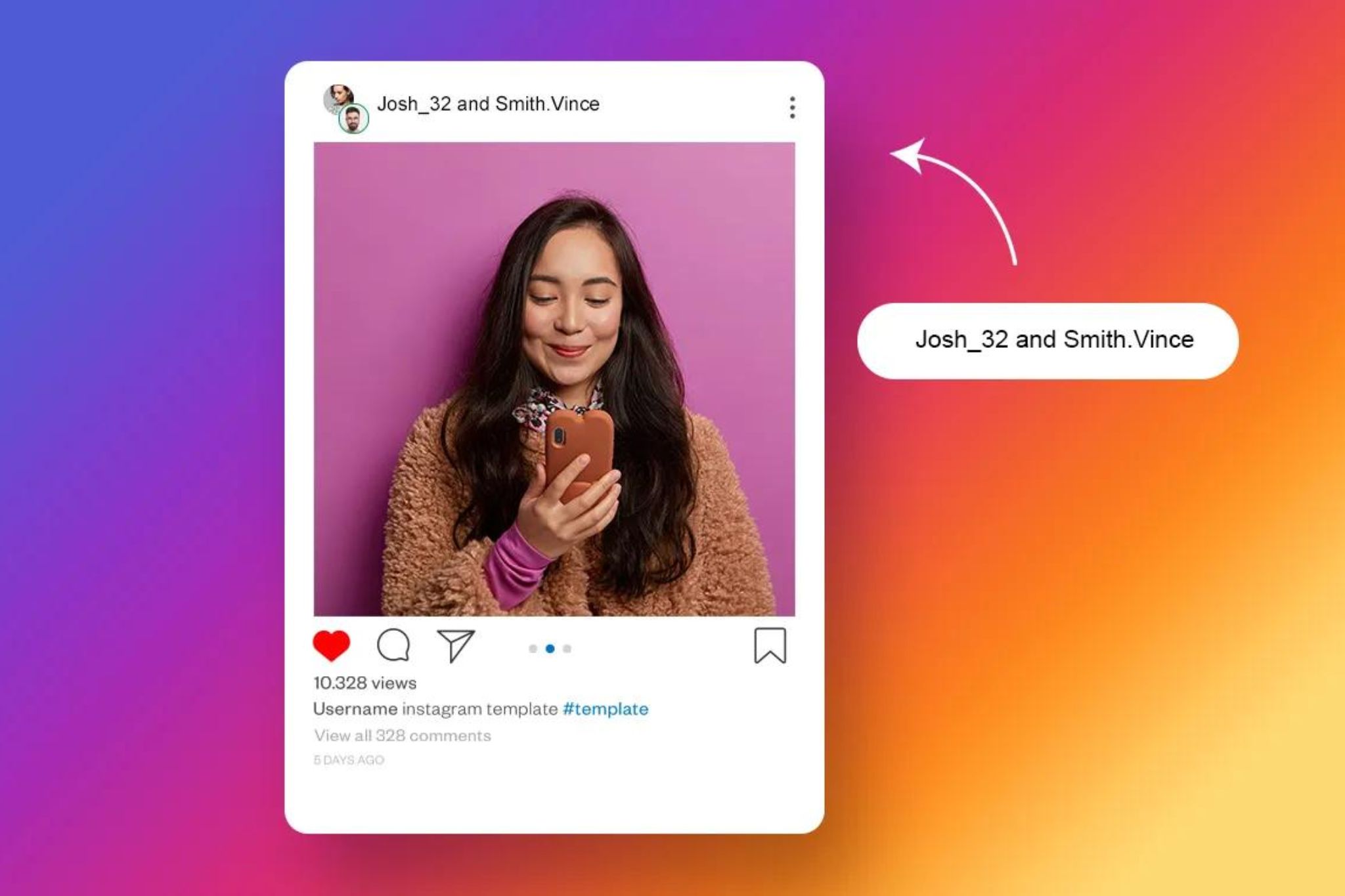
Instagram’s native Collab feature — introduced in 2021 — allows two accounts to co-author a single post or Reel. When a creator or brand sends a Collab invite to another account and that account accepts, the post appears in both accounts’ feeds simultaneously and shows both usernames as co-authors. Importantly, the post accumulates all likes, views, and comments in one place — the engagement from both audiences is combined on a single piece of content.
This is the most technically integrated form of collaboration Instagram offers. The post does not just cross-reference two accounts — it lives in both accounts’ grids and is distributed to both accounts’ follower bases by the algorithm. The combined engagement signals from two audiences is algorithmically more powerful than the engagement from either audience alone.
The Collab feature works for both static posts and Reels — which means it applies to the two most important content formats currently on the platform.
Content Cross-Posting and Mentions
A simpler form of collaboration — predating the Collab feature and still widely used — is cross-posting and mutual mentioning. One brand creates a piece of content that features or prominently references the other brand, tags them in the caption or image, and each brand’s followers see the reference as a recommendation.
This form of collaboration is more flexible — it does not require both accounts to share a single piece of content — and it allows each brand to maintain their individual voice and aesthetic in their own posts. The reach benefit is less integrated than the Collab feature (the content lives in one account rather than both) but the creative flexibility is greater.
Instagram Stories Takeovers
A Stories takeover is when one account temporarily takes over another account’s Stories for a defined period — typically a day or half a day — creating content directly for the partner brand’s audience while clearly identified as a guest voice.
Takeovers allow the guest brand to speak directly to an audience they have not previously had access to, in a personal and immediate format that feels more like a genuine introduction than a standard advertisement. The host account’s audience encounters a new perspective while the guest brand gains exposure to a relevant new audience.
Joint Lives
Instagram Live allows two accounts to go live together — each appearing in the broadcast simultaneously. Joint Lives are particularly effective for conversation-driven formats — Q&A sessions, topic discussions, interviews — where two perspectives enhance the content rather than either one being sufficient alone.
Joint Lives also notify both accounts’ followers when the Live begins, effectively doubling the number of people who receive an alert about the broadcast.
Long-Term Partnership Series
Beyond individual collaborations, some brands develop ongoing partnership series — recurring content formats that regularly involve each other, building familiarity with each other’s audiences over time. This sustained approach creates a compounding discovery effect rather than the one-time spike that a single collaboration produces.
Why Collaborations Work — The Psychology Behind the Effectiveness

Understanding why Instagram collaborations work so well requires understanding the specific psychological mechanism they activate — because it is not simply about exposure to a new audience. It is about the quality of that exposure.
When a brand or creator that you already trust introduces you to another brand, the trust transfer is immediate and powerful. You do not encounter the new brand as a stranger. You encounter them as someone your trusted source has personally endorsed.
This is the social proof mechanism in its most direct form. Not the passive social proof of a high follower count or many positive reviews — but the active social proof of a specific person or brand whose judgment you respect saying: “This is someone worth knowing.”
Compare this to paid advertising, which is the alternative mechanism for reaching a new audience. An advertisement introduces a brand to viewers who have no prior relationship with it and no endorsement from anyone they trust. The viewer’s default posture toward advertising is skepticism — they know the brand has paid to appear in their feed and that the brand has a commercial motivation to present itself favorably. Trust must be built from scratch, which is slow and expensive.
A collaboration introduces a brand to an audience through a trusted intermediary. The viewer’s default posture toward a recommendation from a trusted source is openness — they believe the referrer has curated the recommendation based on genuine belief in its relevance and quality. Trust is partially pre-built, which makes the first impression dramatically more efficient.
This trust transfer is why collaboration-driven new followers convert to customers at significantly higher rates than followers acquired through paid advertising. They arrived through a channel that implied quality and relevance. Their prior skepticism was reduced by the endorsement. Their first purchase has a higher probability of happening sooner.
Identifying the Right Collaboration Partner — The Most Important Decision

The quality of the collaboration partner determines the quality of the result more than any other variable. Finding the right partner requires answering three specific questions.
Question One: Are our audiences genuinely the same people?
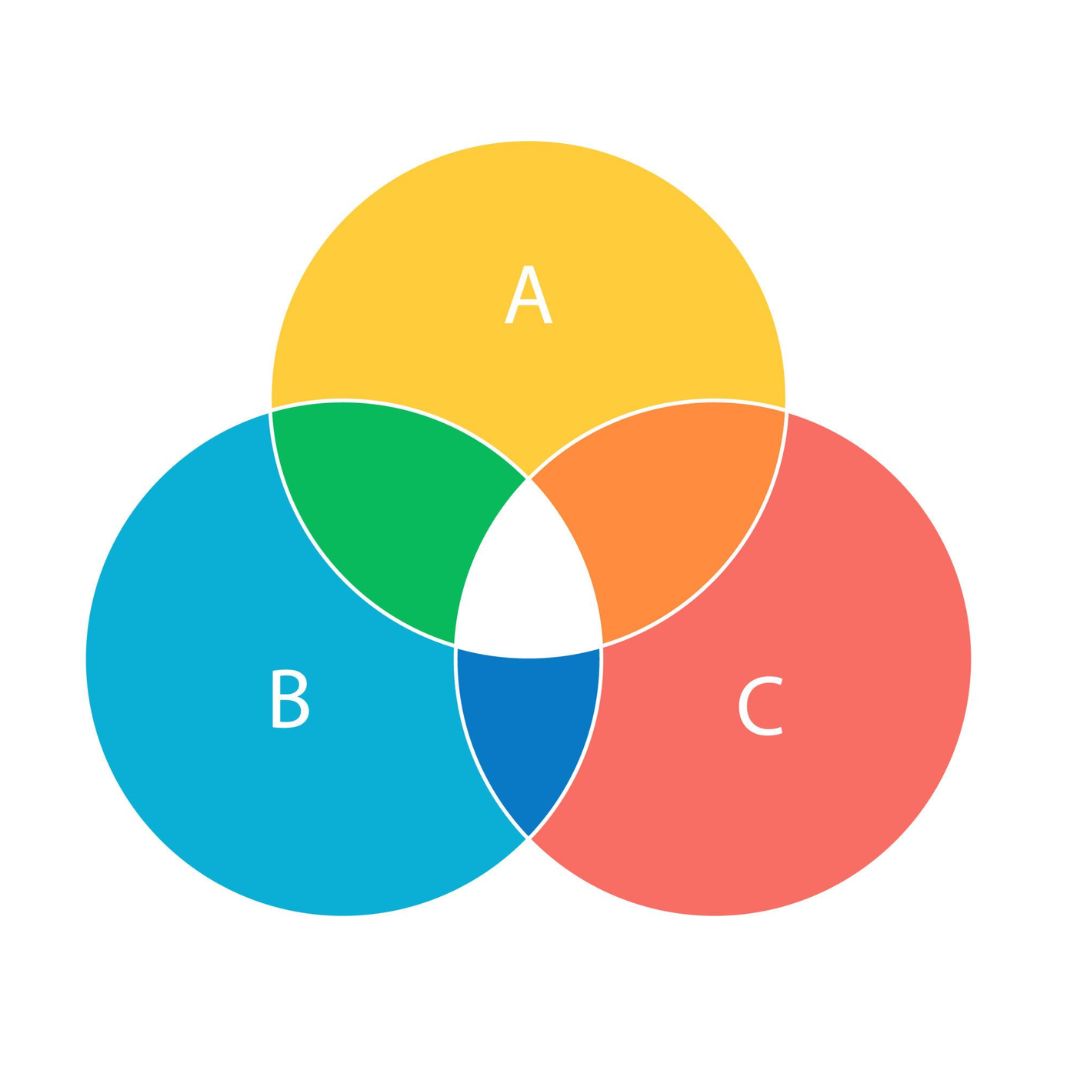
The foundation of an effective collaboration is audience overlap — the degree to which one brand’s followers are also potential customers of the other brand.
This overlap is not about demographic similarity alone, though demographics are a starting point. It is about psychographic alignment — shared values, shared interests, shared lifestyle orientations that make both brands relevant to the same person’s life.
Meera and Priya’s audience overlap was not primarily demographic (though their audiences were demographically similar). It was psychographic — both brands served women who valued intentional self-care, quality over quantity, small businesses with clear values, and the idea of investing in daily rituals that support wellbeing. The same person’s values drove them to buy from both brands.
Psychographic alignment is harder to assess than demographic similarity but more predictive of collaboration effectiveness. The practical test: would a satisfied customer of Brand A naturally be a potential customer of Brand B, and vice versa? If yes, the audiences genuinely overlap. If no — if the overlap is primarily demographic but the interests and values are different — the collaboration may generate follower counts that do not convert to meaningful engagement.
Question Two: Are our brand values and aesthetics compatible?
A collaboration is an implicit endorsement. When Meera features Priya’s journal in her skincare content, she is telling her audience: I have evaluated this brand and found it worthy of my recommendation.
This endorsement will feel authentic and credible only if Priya’s brand is genuinely aligned with Meera’s values and aesthetic. If there is a visible mismatch — if Priya’s branding is garish and synthetic while Meera’s is minimalist and natural — the collaboration creates a dissonance that Meera’s audience will feel even if they cannot articulate why.
Brand value alignment also has a practical dimension: if the collaboration partner does or represents something that the other brand’s audience would find objectionable, the collaboration harms both brands rather than helping them.
The practical test: if a loyal customer of Brand A saw the collaboration with Brand B, would they feel that the partnership made sense? Would it reinforce their trust in Brand A, or would it create a moment of confusion or concern?
Question Three: Are our audience sizes approximately compatible?
Collaborations work best when the audience sizes of both partners are in the same rough range — not necessarily identical, but not dramatically mismatched.
When a brand with two hundred thousand followers collaborates with a brand with five thousand followers, the benefit is highly asymmetric. The smaller brand gains enormous exposure. The larger brand gains very little, because the smaller brand’s audience is not large enough to meaningfully expand the larger brand’s reach.
This asymmetry is not inherently problematic — the smaller brand should seek collaborations with larger brands whenever genuinely aligned — but it means the larger brand typically needs a different kind of motivation to participate. This might be product gifting, payment, or a non-audience value that the smaller brand can offer (original content creation, first access to new products, genuine friendship and mutual respect between founders).
The Types of Collaboration Content That Perform Best


Not all collaboration formats are equally effective. The types that consistently produce the strongest results share certain characteristics — and understanding these characteristics allows brands to design collaboration content deliberately rather than defaulting to the most obvious approaches.
The Shared Ritual or Routine
This is among the most naturally compelling collaboration formats because it shows both products in a context of genuine use rather than a promotional showcase.
Meera’s morning skincare routine featuring Priya’s journal was effective not because it explicitly promoted either product but because it demonstrated how both products could be part of the same intentional morning practice. The viewer who aspires to that kind of morning recognises both products as things they want in their life.
The shared ritual format works because it connects the product to an experience rather than just describing the product. It shows the viewer what their life could look like with this product in it — one of the most powerful purchase motivators available.
The Behind-the-Scenes Introduction
Showing the actual human being behind the partner brand — their workspace, their process, their story — creates familiarity and trust far more efficiently than any product showcase.
A Stories takeover where the guest brand’s founder explains who they are, what they make and why, and what they are currently working on generates genuine personal connection with the host account’s audience. The viewer is not encountering a brand. They are encountering a person. And encountering a person is the beginning of the kind of relationship that eventually produces a customer.
The Educational Co-Creation
Two brands that share an area of expertise can create genuinely useful educational content together that neither could create as effectively alone.
A natural skincare brand and a nutritionist brand, for example, could co-create content about the relationship between diet and skin health — each contributing their distinct expertise to produce a piece of content that is more comprehensive and credible than either could create independently. The viewer benefits from the collaboration more than from either brand’s content alone.
Educational co-creations tend to generate high save rates — one of the strongest algorithmic signals — because the content is genuinely useful to keep. They also position both brands as knowledgeable authorities in their respective domains, building credibility alongside audience reach.
The Giveaway
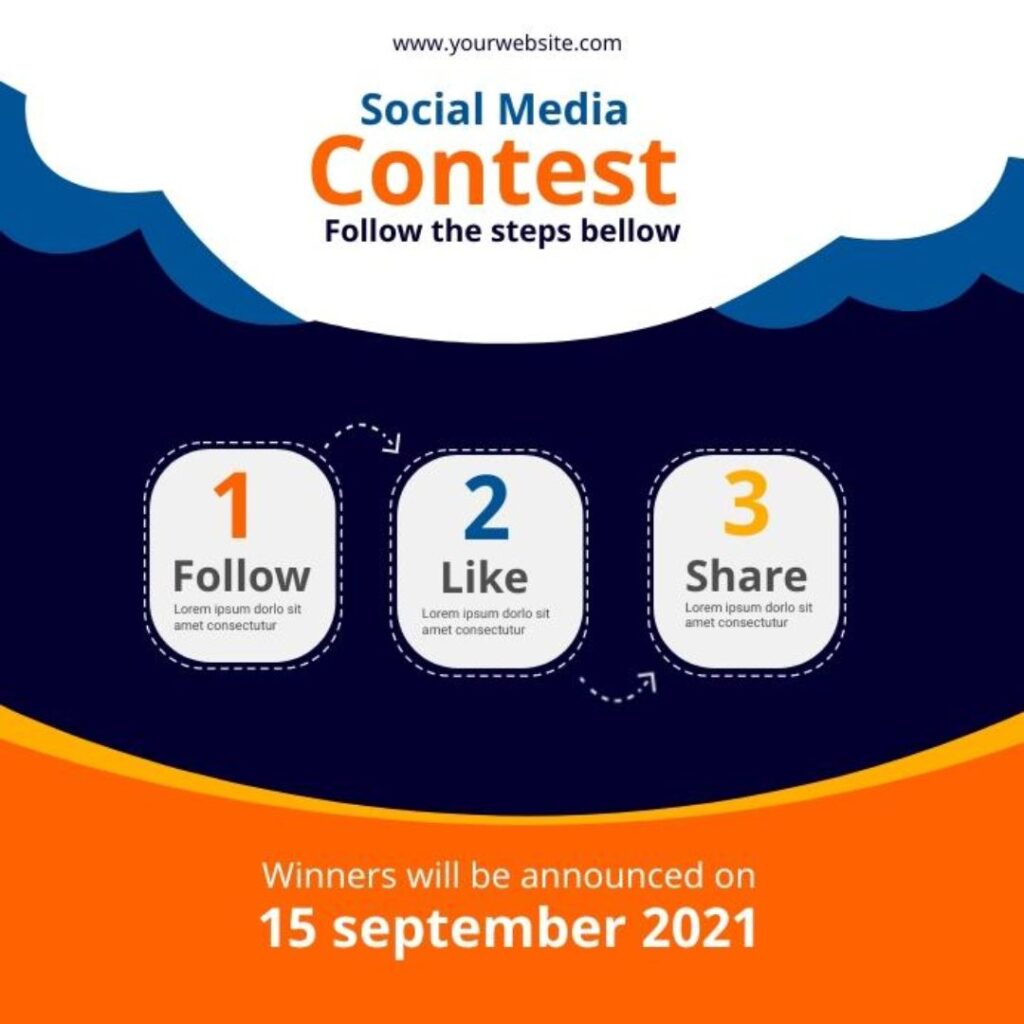
Joint giveaways — where both brands contribute prizes and jointly promote the contest — are a classic collaboration format that reliably generates follower spikes. The mechanics are simple: both brands offer prizes, both brands promote the giveaway to their respective audiences, entry requires following both accounts.
Giveaways are effective for rapid follower growth but less effective for the quality of relationship that collaborations ideally produce. Followers acquired through giveaways are partially motivated by the prize rather than by genuine interest in the brand — which means they engage less and unfollow more than followers acquired through content-based collaborations.
The practical recommendation: use giveaways selectively and as part of a broader collaboration relationship rather than as the primary or only collaboration mechanism. The deeper, more content-driven forms of collaboration produce better long-term results even if their immediate follower spike is smaller.
How to Approach a Potential Collaboration Partner — The Outreach That Works
Many brands identify ideal collaboration partners but never reach out — either because they feel uncertain about how to make the approach or because they fear rejection. Understanding what effective outreach looks like removes both of these barriers.
The most effective collaboration outreach is genuine, specific, and reciprocal in its value framing.
Genuine: Before reaching out, spend time actually engaging with the potential partner’s content. Read their captions. Watch their Reels. Comment meaningfully on their posts. Become a real presence in their community before making any approach. An outreach message from someone who has been a genuine follower and commenter lands entirely differently from a cold DM from an unknown account.
Specific: The outreach message should demonstrate that you have thought specifically about why this particular collaboration makes sense — why the audience overlap is real, what specific content concept you have in mind, what value you believe both sides will gain. Generic outreach (“Hi! I’d love to collaborate sometime!”) signals low investment in the idea and generates low response rates.
Reciprocal: The framing of the outreach should make clear what value the proposed collaboration offers to the recipient, not just what the sender hopes to gain. “I think your audience would love to learn about our approach to ingredient sourcing, and I think my audience would genuinely benefit from your perspective on mindful journaling — here is a specific content idea I have been thinking about” is an offer. “I’d love to get in front of your audience” is a request. Offers convert. Requests do not.
A practical outreach message structure for a DM or email:
Open with a specific and genuine compliment about their recent content — something that demonstrates you have actually paid attention. Then identify the audience overlap clearly and honestly. Then propose a specific collaboration concept with enough detail that the recipient can immediately visualise what it would look like. Then suggest a low-commitment first step — perhaps a brief call to discuss the idea — rather than asking them to commit to anything significant in the first message.
Keep the message short. A detailed, essay-length first outreach can feel overwhelming. The goal of the first message is to open a conversation, not to close a deal.
The Mechanics of Running a Collaboration — What to Agree Before You Begin

Once a collaboration partner has been identified and both brands have agreed in principle to work together, a brief planning conversation before any content is created saves significant time and prevents misunderstandings.
What to agree on:
The content concept and format — what will be created, in what format, and by whom.
The timeline — when content will be created, when it will be reviewed by both parties, and when it will be published. Agreement on publishing dates ensures both brands coordinate their promotion rather than accidentally releasing content at the same time as each other’s posts, splitting audience attention.
The caption strategy — whether each brand will write their own captions or draft them jointly, and whether there are any messaging points each brand would like to be included or avoided.
The Collab feature — whether the collaboration will use Instagram’s native Collab feature (requiring one account to send an invite that the other accepts) or whether each brand will create separate posts with mutual tags.
The Stories amplification plan — what both brands will post in Stories to announce and amplify the collaboration content, ensuring maximum reach from both audiences.
What success looks like — whether both brands have any specific metrics they are hoping the collaboration will produce, so both parties have aligned expectations rather than one experiencing the collaboration as successful and the other as disappointing.
This planning conversation does not need to be formal or lengthy. Many effective collaborations are planned in a twenty-minute video call between two founders who connect naturally. The goal is alignment on the basics so that execution goes smoothly.
The Collab Post Mechanics — Using Instagram’s Native Feature Effectively

Instagram’s native Collab feature deserves specific attention because it is the most algorithmically powerful form of collaboration available and many brands are not using it correctly.
When a Collab post is created, one account creates the post and selects the other account as a collaborator. The collaborating account receives an invitation that they must accept before the post goes live. Once accepted, the post appears in both accounts’ feeds simultaneously, with both usernames shown on the post.
Several practical points about this feature that are worth knowing.
The post is published from the account that created it, which means that account has control over the content and caption. The collaborating account’s acceptance is the final gate before publication. If either account removes themselves from the collaboration after publication, the post disappears from their feed but remains in the original account’s feed.
The combined engagement — likes, views, comments — is shown on a single post rather than split across two. This means the engagement numbers on a Collab post are typically higher than either brand’s individual posts, which sends stronger algorithmic signals. A post that accumulates three thousand likes because it appeared in two accounts’ feeds generates a more powerful distribution signal than two posts that each accumulate fifteen hundred likes.
The Collab feature works best when the content genuinely reflects both brands — not when one brand creates content primarily about themselves and simply tags the other. The viewer who sees a Collab post should immediately understand that this is a genuine joint creation, not a product mention or a paid promotion dressed up as collaboration.
The caption of a Collab post typically benefits from being written collaboratively — reflecting both brands’ voices and clearly communicating why these two specific accounts are creating together. A caption that explains the collaboration rather than pretending it is organic-looking content builds more trust than one that obscures the collaborative nature.
Measuring the Impact — What to Track After a Collaboration
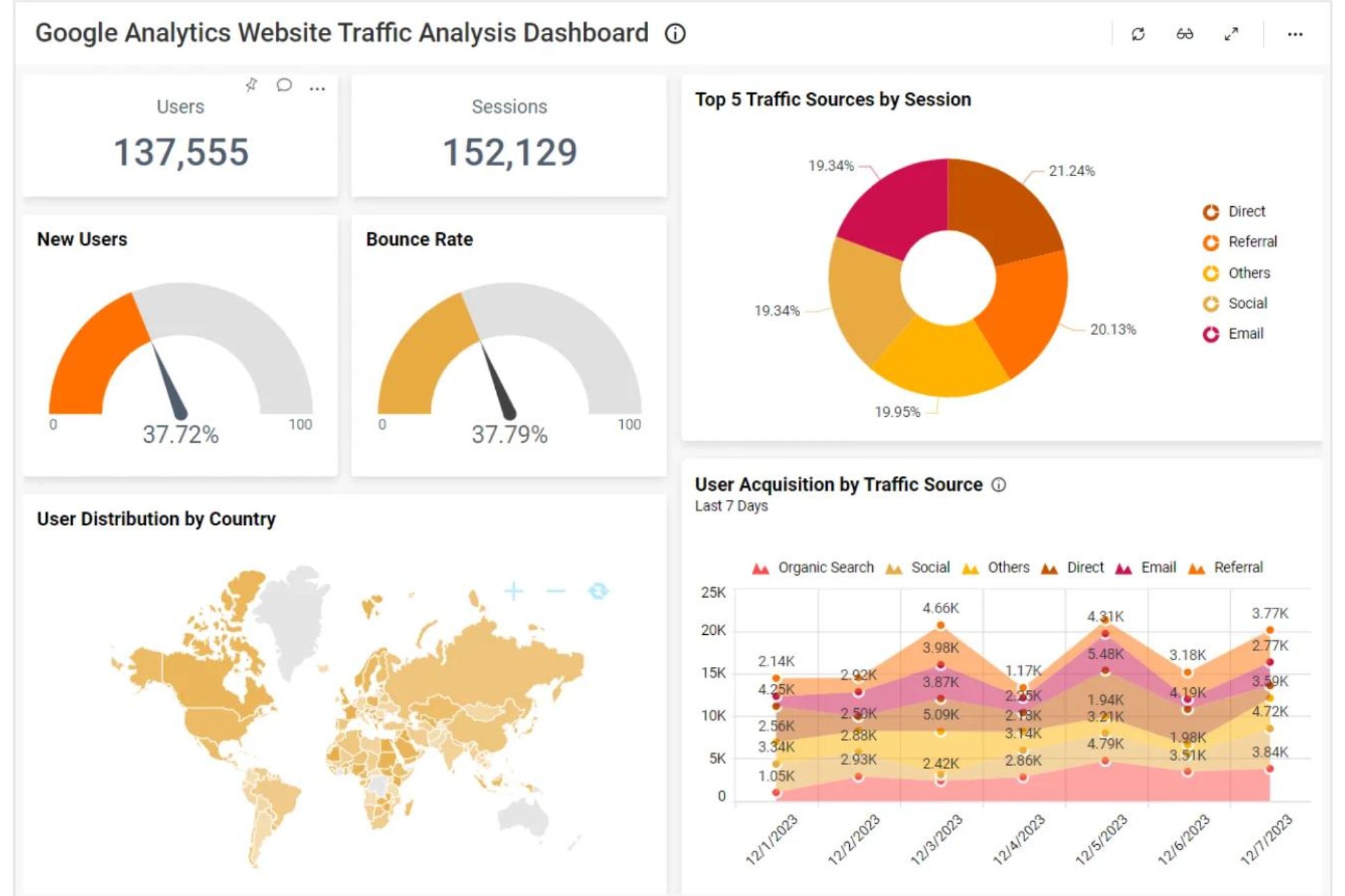
Understanding whether a collaboration has been effective requires looking at specific metrics before, during, and after the collaboration period.
Follower growth: The most visible metric. Track follower count daily in the week before, during, and after the collaboration to see the net effect. Note that some of the followers gained will unfollow in the days after the collaboration — this is normal, particularly for giveaway-driven collaborations. The followers who remain after a week are a better indicator of genuine audience expansion than the peak number immediately after.
Profile visits from collaboration content: Instagram Insights shows how many people visited your profile from a specific post. A collaboration post that drives a large number of profile visits indicates strong audience interest from the partner’s followers — they saw the collaboration and came to learn more about you.
Reach from non-followers: Instagram Insights shows the percentage of a post’s reach that came from non-followers. For collaboration content, this percentage should be significantly higher than for regular content — this is the audience expansion that makes collaborations valuable. A Collab post reaching fifty percent non-followers is delivering genuine discovery reach.
DMs and enquiries: Direct tracking of whether DMs and customer enquiries spike during the collaboration period indicates whether the new exposure is generating genuine commercial interest rather than just passive attention.
Website traffic: For brands with websites connected to their Instagram through link-in-bio tools, tracking referral traffic from Instagram during the collaboration period shows whether the discovery is translating into commercial consideration.
Quality of new followers: Monitor the engagement behaviour of followers gained during the collaboration in the weeks following. High-quality new followers — those who consistently engage with subsequent content — validate the audience alignment of the collaboration. Low-quality new followers — those who do not engage with anything after the initial follow — indicate that the audience overlap was weaker than anticipated.
Building a Long-Term Collaboration Strategy — Beyond the One-Off

The most sophisticated brands do not think of collaboration as an occasional tactic — they build it as an ongoing strategic practice.
This means identifying a portfolio of compatible brands — perhaps five to ten — with whom regular, varied collaboration becomes a consistent element of the content strategy. Each brand in the portfolio serves the audience in a different but complementary way, and each collaboration rotates through different formats to maintain freshness and interest.
A natural skincare brand’s collaboration portfolio might include: a wellness journal brand (lifestyle and ritual alignment), a sustainable fashion brand (shared values around ethical consumption), a nutritionist creator (educational expertise complementarity), an aromatherapy brand (sensory and product category proximity), and a yoga studio (wellness lifestyle community).
Each of these relationships produces collaboration content of different types — lifestyle pairings with the journal brand, educational content with the nutritionist, community events with the yoga studio. The variety maintains the interest of the existing audience while consistently expanding reach into new but aligned audiences.
Over time, this portfolio of ongoing collaborative relationships becomes one of the most valuable assets in the brand’s Instagram strategy — more valuable than any single viral post, more durable than any single advertising campaign, and more trusted by the audience than any paid promotion could be.
The brands that build these collaborative portfolios deliberately are building something that compounds. Each collaboration introduces their brand to new audiences through trusted intermediaries. Some of those new audiences become followers. Some become customers. Some become advocates who introduce the brand to their own networks. The community grows through genuine human connection — which is both the most efficient and the most authentic form of growth available.
The Misconceptions That Stop Brands From Collaborating

Despite the clear value of Instagram collaborations, many brands consistently avoid them. The reasons are usually rooted in misconceptions worth addressing directly.
Misconception One: “We are giving away our audience to a competitor”
This fear treats the Instagram audience as a zero-sum resource — as if followers who learn about another brand will stop being interested in yours.
In reality, the follower who discovers Priya’s journal through Meera’s content does not stop buying skincare. They add the journal to their life alongside the skincare. The collaboration grew both brands because both brands serve genuinely compatible but different needs.
The only scenario where collaboration introduces a genuine competitive threat is when the two brands are offering essentially identical products to the same customers. In this scenario, collaboration is the wrong strategy. But most brands that are reluctant to collaborate because of competition concerns are not actually competing with their potential partners — they are simply protective of their audience in a way that is commercially limiting rather than strategically sound.
Misconception Two: “Our content quality won’t be good enough”
Many small brands shy away from collaboration because they fear that appearing alongside a more polished or professional brand will highlight their own production limitations.
The reality is that audience alignment matters far more than production parity. A brand with beautiful photography and a brand with authentic but lower-production-quality content can collaborate effectively if their audiences genuinely overlap — because the audience responds to the values and quality of thinking being demonstrated, not primarily to the production quality of the visual.
The concern about production quality is worth taking seriously as motivation to improve the craft. But it should not be treated as a prerequisite for collaboration that must be satisfied before any outreach happens.
Misconception Three: “The other brand won’t be interested”
This is the most common barrier — the assumption that potential collaboration partners are too established, too busy, or too uninterested to engage.
In practice, small and medium brands on Instagram are consistently open to genuine collaboration outreach from aligned brands — because they understand the mutual value and because being approached with a specific, thoughtful collaboration concept by someone who genuinely knows and appreciates their work is flattering and motivating.
The outreach that does not generate responses is generic, low-effort, or transparent in its one-sided motivation. Outreach that is genuine, specific, and clearly mutually beneficial generates responses at much higher rates than most brands expect.
What Meera and Priya Did Next — The Longer Story

The collaboration that Meera and Priya ran three weeks after their networking event was not a one-off experiment. It was the beginning of a sustained collaborative relationship that has continued to evolve.
They have since created a joint digital guide — a simple downloadable morning ritual resource that draws on both their expertise — that has driven email list sign-ups for both brands. They participate in each other’s launch announcements. When Meera introduces a new product, Priya mentions it to her audience as something her followers might love. When Priya releases a new journal edition, Meera’s Stories celebrate it.
Neither of them is spending money on this ongoing relationship. They are spending attention, genuine care for each other’s success, and the creative time to produce content that serves their shared audience well.
The cumulative effect over eighteen months has been more significant than either of them expected from a conversation that started by accident at a networking event. Their audiences have grown substantially and cross-pollinated. Their combined community — the people who follow both of them — is, informally, a community of intentional, values-driven women in India who care about quality and authenticity. That community supports both brands continuously.
This is what a collaboration strategy looks like when it is built not as a marketing tactic but as a genuine business relationship between two people who respect each other’s work.
Closing Thought — The Audience That Trusts You Is the Bridge to Every Audience That Should
There is something important about the economics of trust that the Instagram collaboration model makes visible.
Trust is not just a feeling. It is a commercial asset. The audience that genuinely trusts a brand will follow that brand’s recommendations, support the businesses it endorses, and bring their own networks into the community they have found.
When a trusted brand introduces another brand to its audience, it is extending its trust asset — lending the credibility it has built to create the first impression for a brand that has not yet had the opportunity to earn it.
This is extraordinarily valuable. It is the kind of introduction that no advertising budget can replicate — because the thing being transferred is not just attention but belief. The visitor who arrives at Meera’s brand through Priya’s introduction does not need to be convinced that Meera is trustworthy. Priya’s trust has already done that.
The audience you have built is not just a number in your analytics. It is a community of people who trust your judgment, value your curation, and will follow you to the brands you lead them toward — provided you lead them carefully and genuinely.
That trust is the bridge. Use it to connect your audience to the brands that deserve to know them.
And trust the bridge that your partners’ audiences will become for you.
That is what collaborations do. Not just reach more people.
Connect more trust.