



How Editing the Same Raw Footage Two Different Ways Can Create Two Completely Different Stories

Let me show you something that will permanently change how you think about video — about what it is, what it does, and what power the person behind the edit actually holds.
Imagine a single morning of footage. One hour of raw material filmed at a small government school in a rural district of Rajasthan. The footage includes the following:
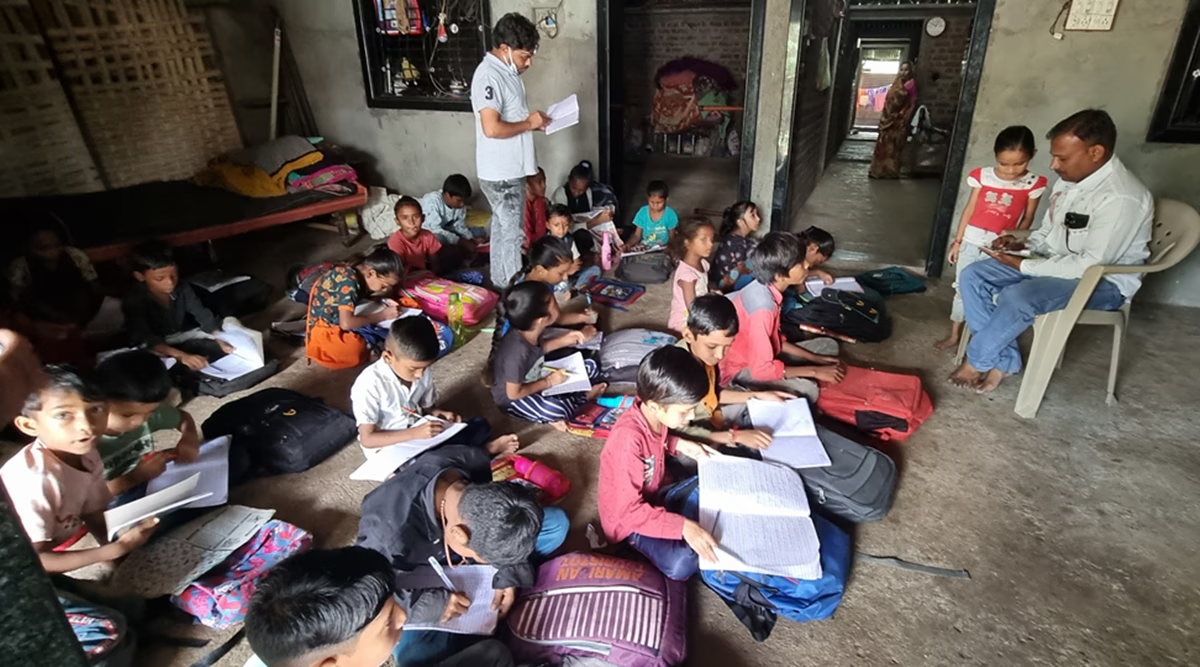
A classroom of thirty children sitting in rows. Some are paying attention. Some are looking out the window. Three are visibly distracted — whispering to each other, fidgeting, looking everywhere but at the teacher.
The teacher — a woman in her forties — explaining a mathematics problem on a blackboard. Her explanation is clear and methodical. Her voice is calm.
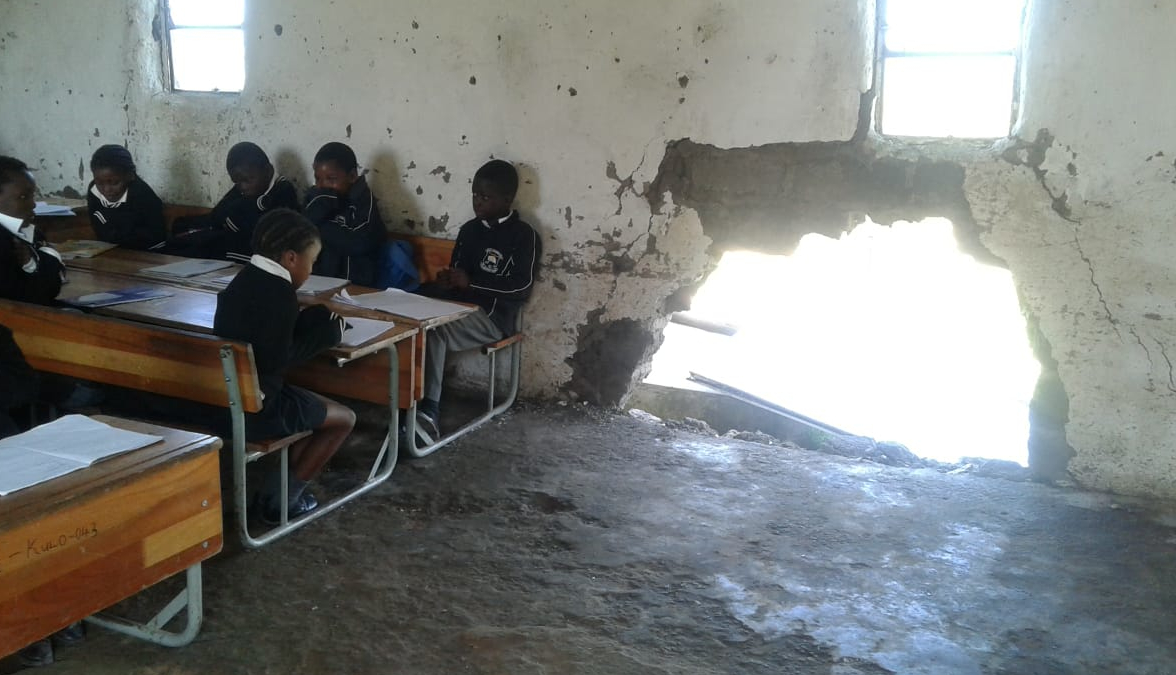
A crumbling section of wall in the corner of the classroom. Paint peeling from the ceiling.
A recess period. Children playing in a dusty courtyard. Laughter. Shouting. A group of girls playing a clapping game with intense focus and coordination. A boy who trips and falls and immediately gets up laughing.
A single child — a girl of about nine — sitting at her desk during the lesson with complete, unbroken concentration. Her handwriting in the exercise book is careful and precise.
The school’s exterior. An old building. But a newly painted gate, bright blue, with the school’s name in clean white letters.
The teacher after class, sitting alone at her desk, marking books. She looks tired. She pauses for a moment, looks out the window at the now-empty courtyard, and a small, private smile crosses her face.
That is the raw material. One school. One morning. One camera operator’s work.
Now watch what two different editors do with it.
Version One: The Crisis Narrative
Editor One receives a brief from a nonprofit organisation that is campaigning for urgent government investment in rural education. They need a video that communicates the difficulty of the conditions in which teachers and students are working and the urgent need for change.
The editor begins with the crumbling wall. A close-up — the camera lingers on the peeling paint, the exposed brick, the crack running from floor to ceiling. Under this footage, they place a low, slightly dissonant music bed — not alarming, but quietly uneasy.
A cut to the classroom. But not the girl with perfect concentration — the three distracted children at the back. The edit holds on them longer than a casual glance. In the context established by the decaying wall and the uneasy music, their distraction reads as a consequence of the environment. How can children learn in a place like this?
The teacher’s explanation at the blackboard is shown, but briefly — a quick establishing shot. The edit does not linger on the clarity of her explanation. It lingers instead on the children who are not watching.
The exterior of the school: the camera frames the old building, cutting away before it reaches the newly painted gate. The image is of age and neglect.
The teacher alone at her desk, marking books, looks tired — and the edit holds here. The private smile is cut. The version the viewer sees ends on the exhaustion, not the moment of quiet satisfaction.
Recess: the children playing in the dusty courtyard. The edit focuses on the dust, the bareness of the space. The girls’ intricate clapping game — the one that demonstrated remarkable coordination and joy — is not used.
The video ends with a title card: “Thousands of teachers and children in rural India deserve better. Help us change that.”
The viewer feels sadness, concern, and a sense of urgency. They believe — correctly — that conditions in rural schools are often inadequate. They have seen evidence. They feel motivated to act.
Version Two: The Hope Narrative
Editor Two receives a brief from a different organisation — one that is celebrating the dedication of rural teachers and the resilience of students in underserved communities. They need a video that honours the people working in these schools and gives donors confidence that investment in these teachers and students is worthwhile.
The editor begins with the children in the courtyard — specifically the girls’ clapping game. The coordination is extraordinary for their age. The music is warm and gently rhythmic, matching their play. The laughter of the boy who falls and gets up immediately — it is in the video, and it communicates resilience, not tragedy.


A cut to the classroom — but specifically to the girl with complete, unbroken concentration. Her careful handwriting. The teacher’s clear, patient explanation at the blackboard — held long enough for the viewer to recognise genuine skill and dedication.
The exterior of the school: the camera frames specifically the newly painted blue gate, bright and clean. This is a community that takes pride in its school.
The teacher at her desk — yes, there is tiredness, but the edit stays long enough to catch the private smile. The viewer sees what the teacher sees: those children, that courtyard, that morning. The smile tells everything.
The crumbling wall is not used. Not because the editor is hiding it — but because this story is about the people, not the building. The building’s imperfections are not the story being told here.
The video ends with a title card: “Because of teachers like her, children like these will change the world.”
The viewer feels moved, hopeful, and inspired. They believe — also correctly — that dedicated teachers and remarkable children exist in these schools. They feel motivated to support them.
Two Truths, One Morning
Here is the question that this exercise raises, and it is one of the most important questions in all of visual communication.
Both videos are made from the same footage. Both videos are honest — neither invents footage that did not exist, neither shows anything that did not happen. Every shot in Version One really happened. Every shot in Version Two really happened.
And yet the two videos tell stories that are not just different but almost opposite in their emotional truth, their implications about the school, and the response they produce in the viewer.
Version One is true. The wall is crumbling. Some children were distracted. The teacher was tired.
Version Two is also true. The children were remarkable. The teacher was dedicated. There was a smile.
The raw footage contained both stories simultaneously. The edit chose one.
This is the power of the editor. And it is a power so significant — so capable of shaping belief, generating emotion, and directing action — that every person who edits video bears a genuine responsibility in how they exercise it.
The Mechanics of Storytelling Through Selection
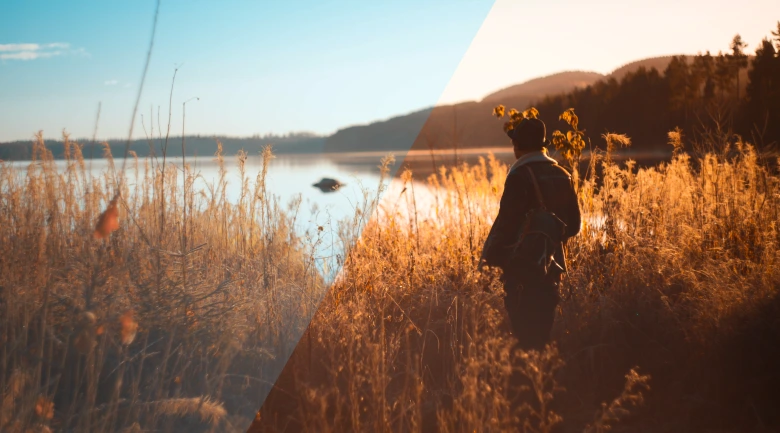
The first and most fundamental editing decision — the one that shapes everything else — is selection. Of all the footage that exists, what do you include?
This seems like a simple question. It is not. Every selection is simultaneously a de-selection. Every shot you include is a shot whose absence shapes the story as much as its presence does. The crumbling wall included is a statement about the school. The crumbling wall excluded is an equally powerful statement about what kind of story this is.
In the school footage, the raw material contained:
Footage that supported a narrative of inadequacy and hardship Footage that supported a narrative of resilience and dedication Footage that supported both narratives simultaneously Footage that was neutral and could support either depending on context
An editor who wants to tell the crisis story selects from the first category, uses the third category with context that pushes it toward the first interpretation, and ignores the second and neutral categories.
An editor who wants to tell the hope story does the reverse.
An editor making a documentary that is genuinely trying to understand the complexity of rural education — to hold both the difficulty and the beauty simultaneously — uses material from all four categories and makes the editing choices that allow the viewer to encounter that complexity without being directed toward a predetermined emotional conclusion.
This last kind of editing is the hardest. It is also the most honest. And it requires a different relationship between the editor and the story — one where the editor’s job is not to direct the viewer’s response but to create the conditions in which the viewer can arrive at their own response.
But for our purposes right now, the two-version exercise reveals the mechanism most clearly. Selection is not curation of truth. It is construction of story. And the story you construct from a given body of footage is determined almost entirely by what you choose to include and what you choose to exclude.
Sequence and Order — The Second Dimension of Editorial Power
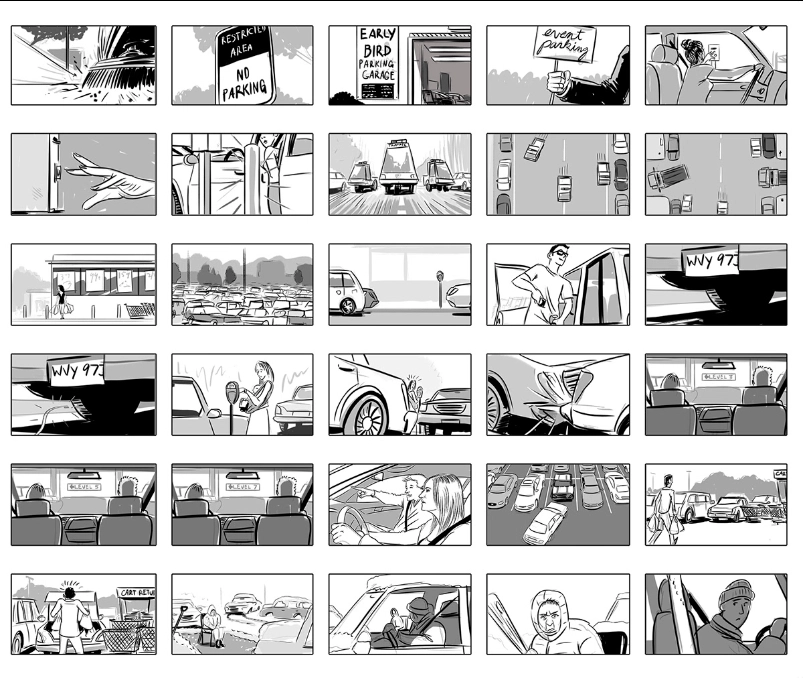
Selection determines what the viewer sees. Sequence determines what meaning those images produce.
The same shot can mean entirely different things depending on what comes before and after it. This is the cinematic principle called the Kuleshov Effect — named for Soviet filmmaker Lev Kuleshov, who demonstrated in the 1910s that an actor’s neutral expression was perceived as conveying completely different emotions depending on what image preceded it.
Kuleshov intercut the same expressionless shot of an actor’s face with three different images: a bowl of soup, a child in a coffin, and a woman on a couch. Audiences perceived the actor as expressing hunger, grief, and desire respectively — despite the face being identical in all three cases.
The meaning was not in the shot. The meaning was in the juxtaposition.
This principle applies to every editorial decision in every video ever made. The shot of the tired teacher after class means something specific in the sequence of Version One — tired from the impossible conditions of an underfunded school, her exhaustion is a symptom of systemic failure. In the sequence of Version Two, the same shot means something entirely different — tired from a day of genuine investment in real children, her weariness is the evidence of meaningful work. The shot is identical. The context is different. The meaning is different.
Sequence creates meaning that no individual shot contains independently. And the editor who understands this understands that editing is not the assembly of individual images but the creation of relationships between images — and that those relationships are where the actual story lives.
The Four Tools of Editorial Storytelling
To understand how editing creates different stories from the same footage, it helps to identify the specific tools through which editorial meaning is constructed. There are four primary ones.
Tool One: Selection and omission
We have covered this. What you include and exclude shapes the universe of possible meanings the footage can convey. This is the most fundamental editorial power.
The practical implication for any creator editing their own footage: always ask what omitting a shot is saying. Omission is not neutral. The absence of the crumbling wall from Version Two is as much a statement as its presence in Version One. Both editors are making active choices. The choice to not show something is as powerful as the choice to show it.
Tool Two: Order and juxtaposition
As the Kuleshov Effect demonstrates, the meaning of a shot is determined partly by what surrounds it. The editorial decision about what comes before and after each shot is a meaning-making decision.
A shot of a politician laughing placed after footage of a factory closing creates one meaning. The same shot of the politician laughing placed after footage of a successful community initiative creates a different meaning. The politician’s laugh is identical. The context creates entirely different interpretations.
This tool is used explicitly in both versions of the school video. In Version One, the distracted children follow the shot of the crumbling wall — the physical context (decay) precedes the behavioural observation (distraction), creating a causal implication. In Version Two, the focused girl follows the teacher’s clear explanation — competent teaching precedes engaged learning, creating a different causal implication.
Neither causal relationship is explicitly stated. Both are created purely by sequence.
Tool Three: Duration and emphasis
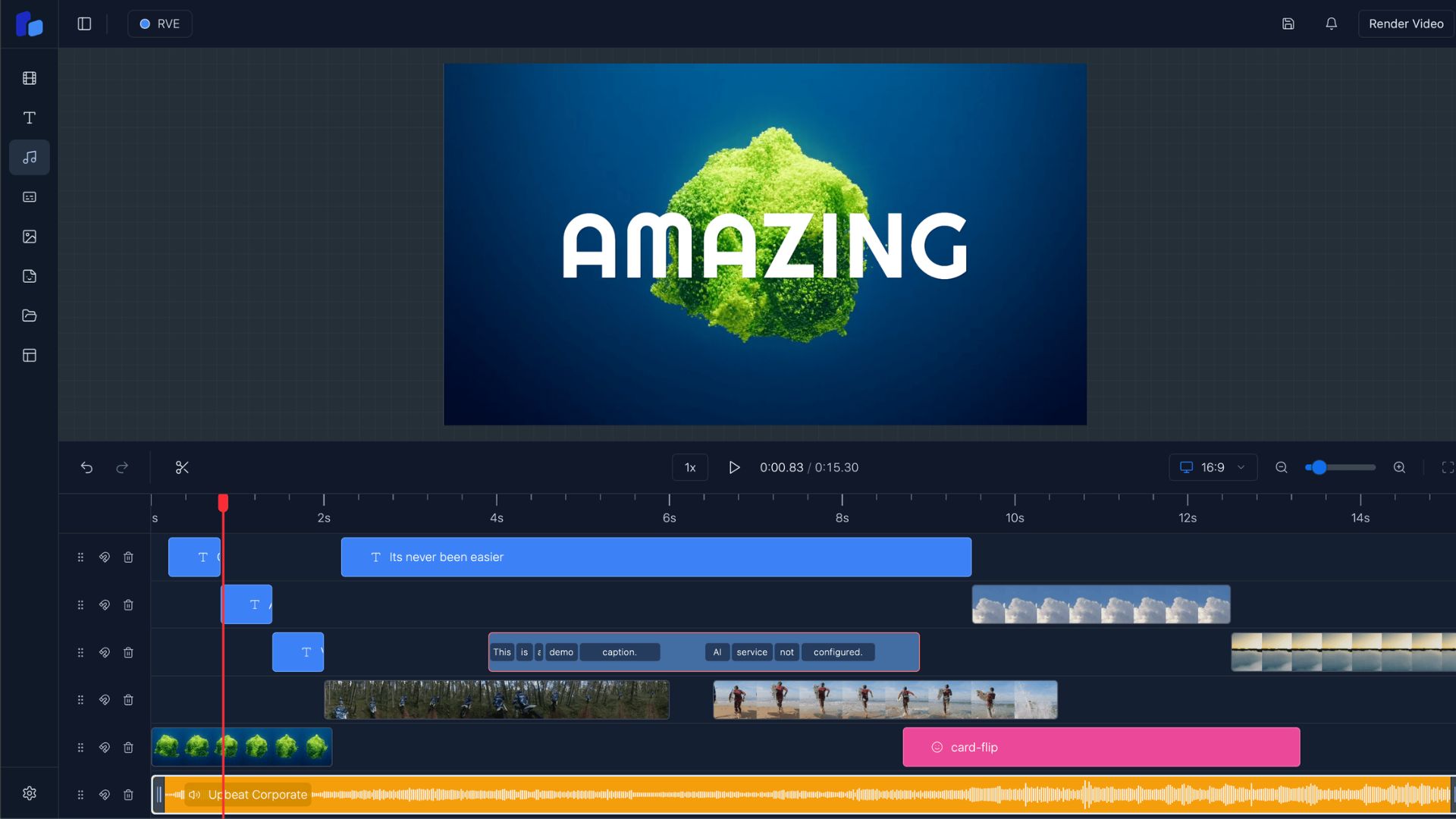
How long the editor holds a shot is a statement about the shot’s importance. A shot held for one second is a glance. A shot held for five seconds is a study. The same image becomes increasingly weighted as the hold increases.
In Version One, the tired teacher is held long — five, six, seven seconds of the exhaustion before the cut. The duration creates weight and significance. In Version Two, the same shot is held until the smile — which means the duration is shaped by what the editor wants to be the last thing the viewer experiences in that moment, not by the fatigue.
Duration can also create irony, comedy, or discomfort — holding a shot past the point where the viewer expects the cut, creating an awareness of time passing that can feel ominous, humorous, or emotionally intense depending on context.
Tool Four: Sound and music
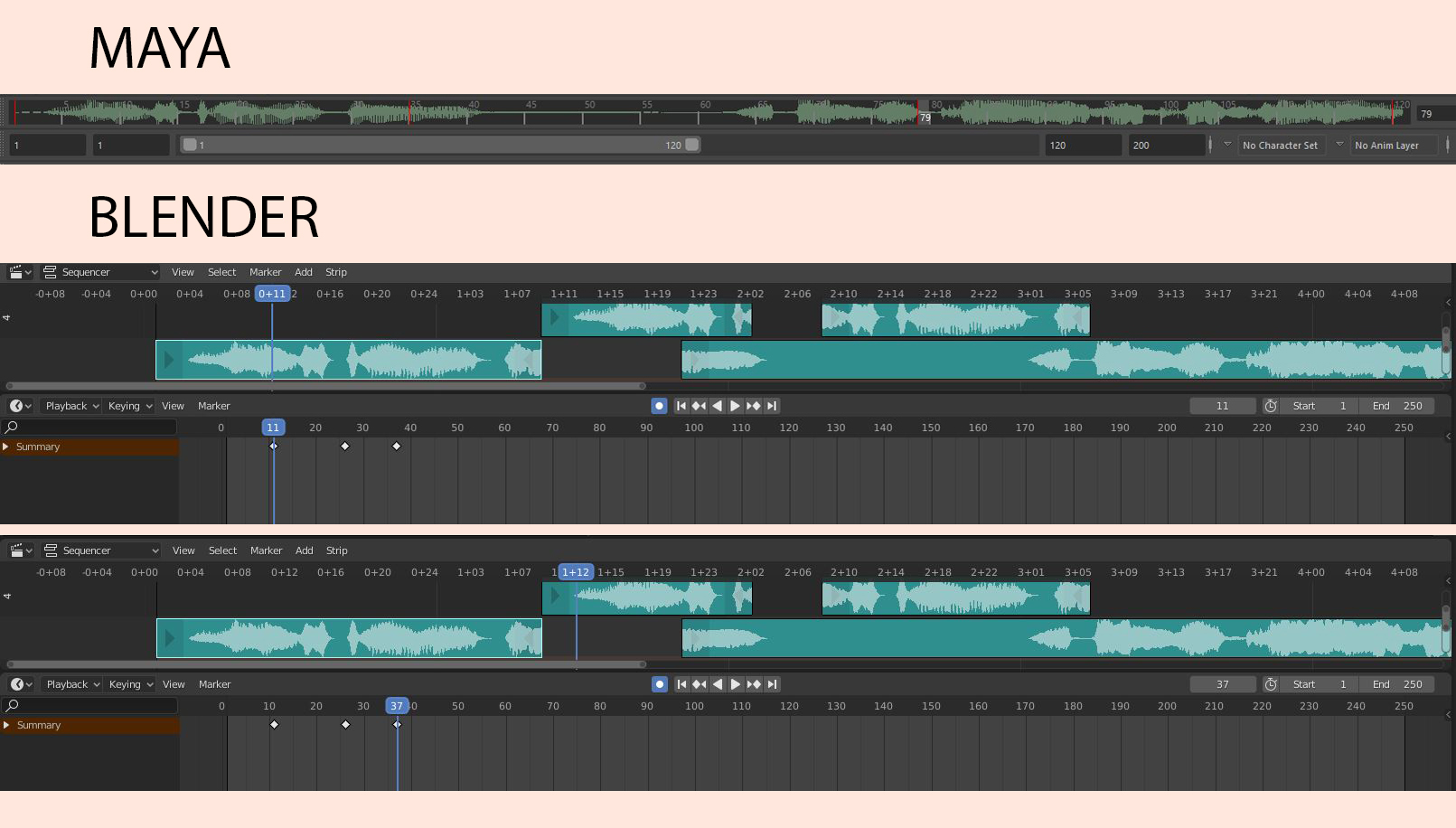
As we have explored in previous posts, the music placed under footage is an emotional instruction that shapes the meaning of the visuals before any analytical processing has occurred. The same footage with uneasy music feels troubled. The same footage with warm, rhythmic music feels hopeful.
This is the most direct and most powerful tool for emotional direction available to an editor — and the two versions of the school video use it explicitly. The low, slightly dissonant music bed of Version One creates interpretive unease before the viewer has consciously processed any of the visuals. The warm, rhythmic music of Version Two creates safety and appreciation as the default emotional frame.
What This Means for Documentary and Non-Fiction Video
The implications of this editorial power are most significant — and most ethically charged — in non-fiction video. The school example is deliberately non-fiction: a real school, real footage, real people.
In fiction, the creator has constructed every element of the world being shown. The writer wrote the dialogue. The director staged the action. The cinematographer lit the scene. The editor’s choices are choices within a world that was created for the purpose of telling a story.
In non-fiction, the footage represents reality — real events, real people, real places. The viewer’s default assumption is that what they are seeing is true, not constructed. The conventions of documentary and journalistic video communicate a contract with the viewer: this is the world as it is.
This contract makes the editor’s power in non-fiction contexts much more significant — and much more ethically loaded — than in fiction contexts.
The editor who constructs Version One is not lying. Every shot is real. But they are making a series of choices that direct the viewer toward a specific emotional conclusion — a conclusion that reflects the needs of the commissioning organisation rather than the full complexity of what was filmed.
The editor who constructs Version Two is not lying either. But they are directing toward an equally partial conclusion in the opposite direction.
The honest question for any creator working with non-fiction footage is: what is my responsibility to the complexity of what I filmed? When does selection and shaping cross from editorial judgment into misleading construction?
There is no universal answer to this question. But asking it — being conscious of the choices being made and their implications — is the minimum standard of editorial integrity.
Experienced documentary filmmakers develop a strong awareness of this tension between the needs of the story they are telling and their responsibility to the reality they are representing. The best documentary editing holds both — it tells a story without pretending that the story is the whole truth.
What This Means for Brand and Commercial Video
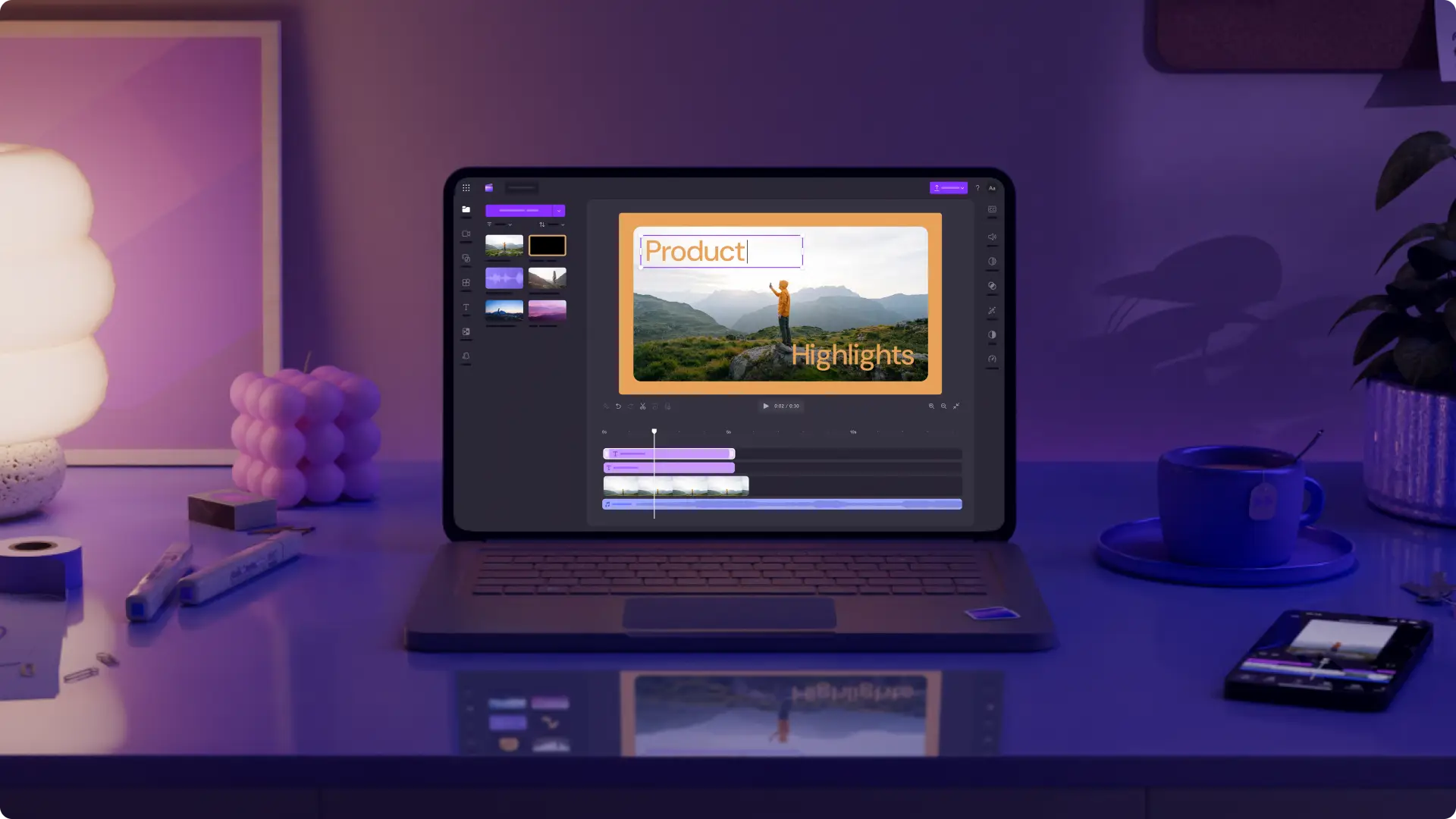
The school example involves a social cause, which makes the ethical dimensions feel particularly sharp. But the same principles — the same power of selection, sequence, duration, and sound to construct meaning from raw footage — apply in every commercial and brand video context.
A product demonstration video is made from footage of a product being used. The editor has the same set of choices: which moments to include, which to exclude, in what order, held for how long, under what sound.
A brand video showing company culture is made from footage of real employees in a real workplace. The editor’s choices determine whether the viewer sees an energised, genuine organisation or a staged performance of happiness — even when the footage contains moments of both.
A testimonial video features real customers saying real things about a product. The editor’s selection of which testimonials to include, which moments within each testimonial to use, and how to sequence them creates a cumulative impression that may be more uniformly positive than the full range of customer experience would support.
None of these applications are inherently dishonest. They are normal editorial practice in commercial contexts where the purpose is to present a product, service, or organisation in its best light. But the creator who understands the mechanism — who understands that they are constructing an impression through selection and sequence, not simply documenting reality — brings a different quality of intention to these choices than one who believes they are simply “showing what happened.”
The best brand video editing is honest selection rather than dishonest fabrication — showing real things that are genuinely true about the product or organisation, while being aware that any selection is inevitably partial. The worst brand video editing uses the tools of selection and sequence to create impressions that the full reality would not support.
The Creative Application — Telling the Story Your Footage Contains
Everything we have discussed has important implications not just for understanding the ethics of editing but for the practical creative challenge of editing your own footage.
When you return from filming a day of content — whether it is a travel video, a product shoot, a vlog, a tutorial, or any other type — you are holding raw material that contains multiple potential stories. The story you tell is not determined by the footage. It is determined by your editorial choices.
This is both liberating and demanding.
Liberating because it means the story is not fixed by what happened. Even if the day did not go the way you planned, even if the light was wrong at the time you needed it, even if an important moment was not captured as well as you hoped — the story you can tell from what you have is not foreclosed by these imperfections. Selection, sequence, and sound can construct a story that is true to the experience and emotionally compelling regardless of the limitations of individual shots.
Demanding because it means the editing requires real thought about story — about what you are trying to make the viewer feel, what you want them to understand, what sequence of images and sounds will produce that feeling and understanding. You cannot just assemble the footage in chronological order and call it editing. That is not editing. That is a timeline.
A practical approach: before opening the editing software after a shoot, spend fifteen minutes with only a notepad. Ask yourself three questions.
What is the single most important thing I want the viewer to feel after watching this video?
What are the two or three moments in the footage that most directly produce that feeling?
What sequence of footage will build toward those moments most effectively?
These three questions do not give you the complete edit. But they give you a direction — a story with an emotional destination — and every subsequent editing decision can be evaluated against whether it moves toward that destination or away from it.
This story-first approach to editing produces videos that feel intentional and coherent rather than assembled and comprehensive. The viewer experiences the video as a journey with a destination rather than a collection of footage from a day.
The Same Footage, The Same Editor, Different Days
There is a fascinating and practically important dimension of this principle that applies not across two different editors but across a single editor working on the same footage at different times.
The story you tell from a given body of footage is partly a function of your emotional state when you are editing it.
This sounds like a subjective and unreliable variable — and it is. But it is also real and worth being aware of.
When you are optimistic and energised, you notice the hopeful moments in the footage first. Your selections trend toward the shots that express life and possibility. The story you build from those selections is brighter than the footage’s full range of content might warrant.
When you are tired or discouraged, you notice the difficulties first. Your selections trend toward the shots that express struggle and limitation. The story you build is more sombre.
Experienced editors know this about themselves and compensate for it — specifically by ensuring that their initial viewing of footage, before any editing decisions are made, is done in a sufficiently neutral state that they are genuinely encountering the full range of what is there rather than confirming the emotional frame they arrived with.
The practical implication: never make the final selection decisions on footage you filmed and captured in the same session. The emotional investment in what you were doing when you filmed creates a bias toward either glorifying or diminishing what you captured. Return to the footage after a night’s sleep, when the day’s emotional weather has passed and you can see the footage more clearly.
The Practical Exercise — Do It Yourself

The most powerful way to internalise everything in this post is to do the exercise yourself. Not with hypothetical footage but with footage you have actually filmed.
Find thirty to forty-five minutes of raw footage from a single event or day — a family gathering, a street you walked through, a day at work, a local festival, a meal you cooked. It does not need to be professionally filmed. The exercise works with phone footage.
Watch all of it once without taking notes. Just watch and let it land.
Then ask yourself: if I wanted to make this footage feel happy and celebratory, which shots would I use and in what order? Make a note of the timestamps.
Then ask: if I wanted to make the same footage feel melancholic or bittersweet, which shots would I use? Make a note.
Then ask: if I wanted to make it feel tense or uncertain, which shots would I use?
What you will discover is that the same footage contains all three stories — and possibly many more. The shots you choose for each story are genuinely different. The order in which you place them is genuinely different. And the music you would choose for each would reinforce the difference further.
Now edit two of these versions — or even just assemble them on the timeline without sound. Watch both. Show them to someone else without explanation and ask what they feel watching each.
The experience of doing this exercise — not reading about it but actually doing it — is one of the most significant moments in any video creator’s development. It reveals, with complete clarity and in terms of your own footage, that the story is not in the footage. The story is in the edit.
And the edit is entirely in your hands.
The Responsibility That Comes With the Power
We began this post by demonstrating a power. It is appropriate to end by naming the responsibility that comes with it.
Every person who edits video is making choices that shape what other people believe, feel, and do. This is true whether the video is a school fundraising appeal, a product commercial, a personal travel vlog, or a news package. The choices — what to include, what to exclude, in what order, held for how long, under what music — are never neutral. They always construct a particular version of reality from the raw material of footage.
The creator who understands this is in a different relationship with their work than one who does not. They know that their edit is not the truth — it is a truth, selected and shaped from many possible truths the footage contained.
This understanding does not mean paralysis or constant moral anxiety. It means editorial awareness — a habit of asking, at each significant choice, what is this selection doing? What am I omitting and what does the omission mean? Is the story I am constructing fair to the reality I filmed? Is it fair to the people in it? Is it honest in the impression it creates, even if every individual shot is technically accurate?
The school is real. The crumbling wall is real. The teacher’s smile is real. The children’s remarkable play is real. The exhaustion is real.
The story that honours that reality most fully is the one that holds all of it — the difficulty and the beauty, the failure and the dedication, the decay and the blue gate — without collapsing it into a single, directed emotional conclusion.
That story is harder to tell. It is also the most true.
The editor who can tell it — who has the craft to hold complexity without resolving it into simplicity — is the editor who has moved beyond technique into genuine art.
That is where this craft leads, if you follow it far enough.
Closing Thought — The Edit Is the Story
There is a sentence often attributed, in various forms, to different filmmakers and editors across the history of cinema. The exact words vary but the idea is consistent:
The film is made three times. Once when it is written. Once when it is filmed. Once when it is edited.
The version made in the edit is the version the audience sees. It is the only version that matters.
The footage from that morning in Rajasthan existed before any editor touched it. It contained a crumbling wall and a blue gate. A tired teacher and a private smile. Distracted children and a girl of fierce concentration. Laughter and dust.
It did not contain a story. Stories are not filmed. They are made.
The making is the edit. The edit is everything.
Use that power with awareness of what it is.
Written by Digital Drolia — exploring the deeper craft of video storytelling and the editorial decisions that determine what audiences believe, feel, and remember. Found this valuable? Share it with a video creator who is editing footage without yet understanding that every cut is a story decision.