

How Social Media Has Given Every Small Business the Same Stage as Big Corporations

Let me take you back to 1998.
A small bakery opens in a mid-sized Indian city. The owner — let us call her Padma — makes extraordinary bread. Her sourdough has a crust that shatters and a crumb that pulls apart in ways that bread from the industrial bakery down the road simply cannot replicate. She uses flour from a specific mill three hundred kilometres away. She ferments her dough for thirty-six hours. Every loaf is genuinely exceptional.
Padma’s problem is not the bread. The bread is better than anything the large corporate bakery chain that opened nearby produces. The bread is better, full stop.
Her problem is this: the corporate bakery chain has a marketing budget of thirty lakhs per year. They have hoardings on three main roads. They have a full-page advertisement in the Sunday newspaper every week. They have a radio spot that runs during the morning commute. Their brand is visible to every person in the city every single day.
Padma has a sign above her door and word of mouth.
The customers who find her — through a friend’s recommendation, through walking past on the right street, through pure chance — become passionately loyal. They travel across the city for her bread. They bring their out-of-town visitors. They tell everyone they know.
But the people they tell have to physically encounter the bakery to experience what makes it special. And the reach of word of mouth, however enthusiastic, is limited by geography and social network size in ways that money can overcome but genuine quality cannot.
In 1998, the corporate bakery chain wins the visibility battle not because their bread is better but because their budget is bigger. Padma’s superiority is real but invisible to most of the people who would prefer her bread if they ever discovered it existed.
Now imagine Padma’s daughter running that same bakery in 2026.
The bread is still extraordinary. The thirty-six-hour ferment still happens. The specific flour still comes from that mill.
But every Tuesday and Friday, Padma’s daughter posts a Reel. A close-up of a fresh loaf being torn open, the crumb pulling apart in slow motion, the steam rising. A caption that explains the specific flour, the specific fermentation time, the specific reason the crust sounds the way it sounds when you break it. A story about how her mother learned this technique, what it means to the family, why they will never change it.
And through the Explore page, through saved and shared posts, through the algorithm’s recognition that people who care about artisan food and slow craft are responding to this content — the bread finds its audience. Not the three streets around the bakery. The entire city. The diaspora members who grew up in this city and miss this kind of bread and order it online. The journalists who cover food. The restaurant owners who are looking for a bread supplier who takes the craft seriously.
The bread has not changed. The stage has changed.
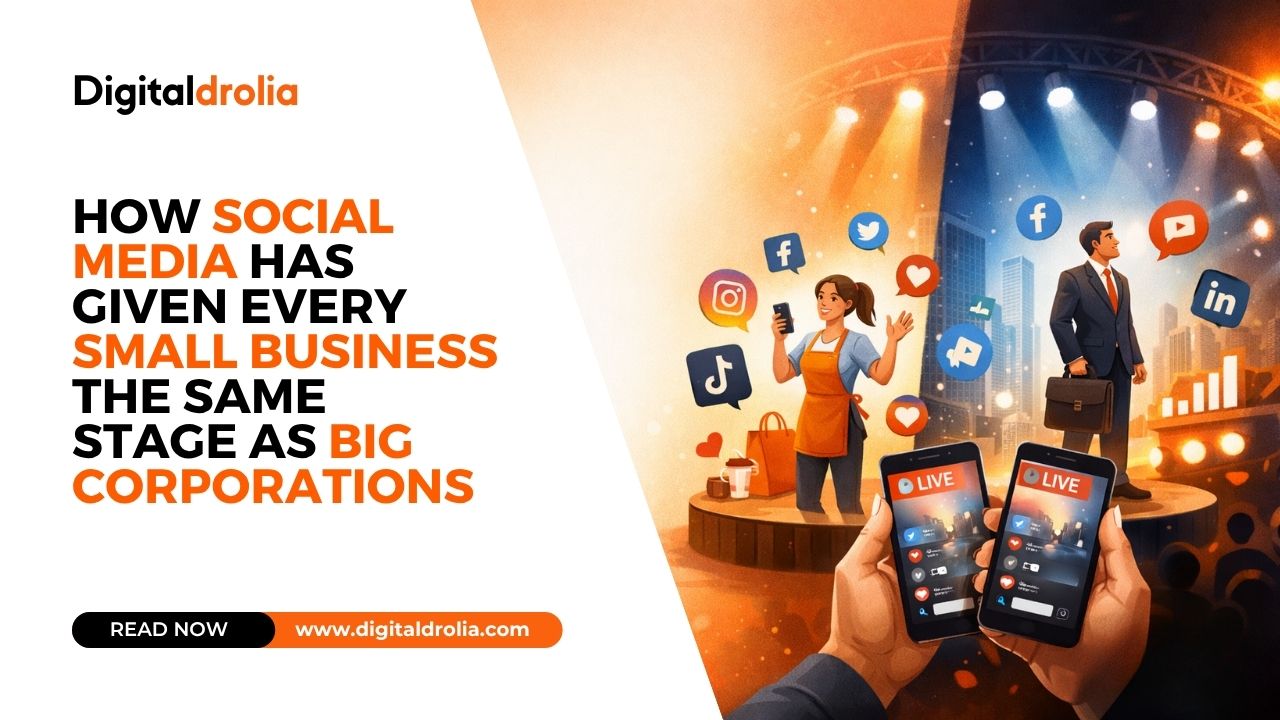
This is what social media has given every small business in India and across the world — and it is genuinely one of the most significant shifts in the commercial landscape in a generation.
What “The Same Stage” Actually Means
When we say that social media has given small businesses the same stage as large corporations, it is worth being precise about what this means — because the claim is true in important ways and limited in others.
It does not mean that a small business with one thousand Instagram followers has the same reach as a corporation with one million. Raw numerical reach still correlates with resource investment. Large brands with substantial teams and advertising budgets can generate more impressions than most small businesses.
What it means is something more specific and more consequential than reach parity: it means access parity. The stage — the platform, the infrastructure, the discovery mechanisms, the tools — is equally accessible regardless of the size of the business or the scale of the marketing budget.
Before social media, the infrastructure of commercial visibility was fundamentally unequal in its access requirements. A television commercial required production costs and airtime costs that were simply prohibitive for most small businesses. A full-page newspaper advertisement had minimum spend requirements that many small businesses could not meet. A national hoarding campaign was a corporate-scale investment.
These channels were not technically unavailable to small businesses — but the minimum viable investment was calibrated to the economics of large enterprises, not to the realities of a family bakery or an independent craftsperson or a local service professional.
Social media has no meaningful minimum investment. Creating an Instagram account, posting content, engaging with an audience — these activities cost time and creativity but not money. The platform is genuinely and equally accessible to a one-person pottery studio and to a multinational consumer goods brand.
This access parity has produced something remarkable: a genuinely meritocratic element in commercial visibility. Not perfectly meritocratic — distribution still correlates with investment at scale, and paid advertising still buys reach. But genuinely more meritocratic than anything that preceded it, because for the first time in commercial history, content quality can compete with budget as a driver of visibility.
The Equalising Mechanisms — How the Algorithm Levels the Playing Field
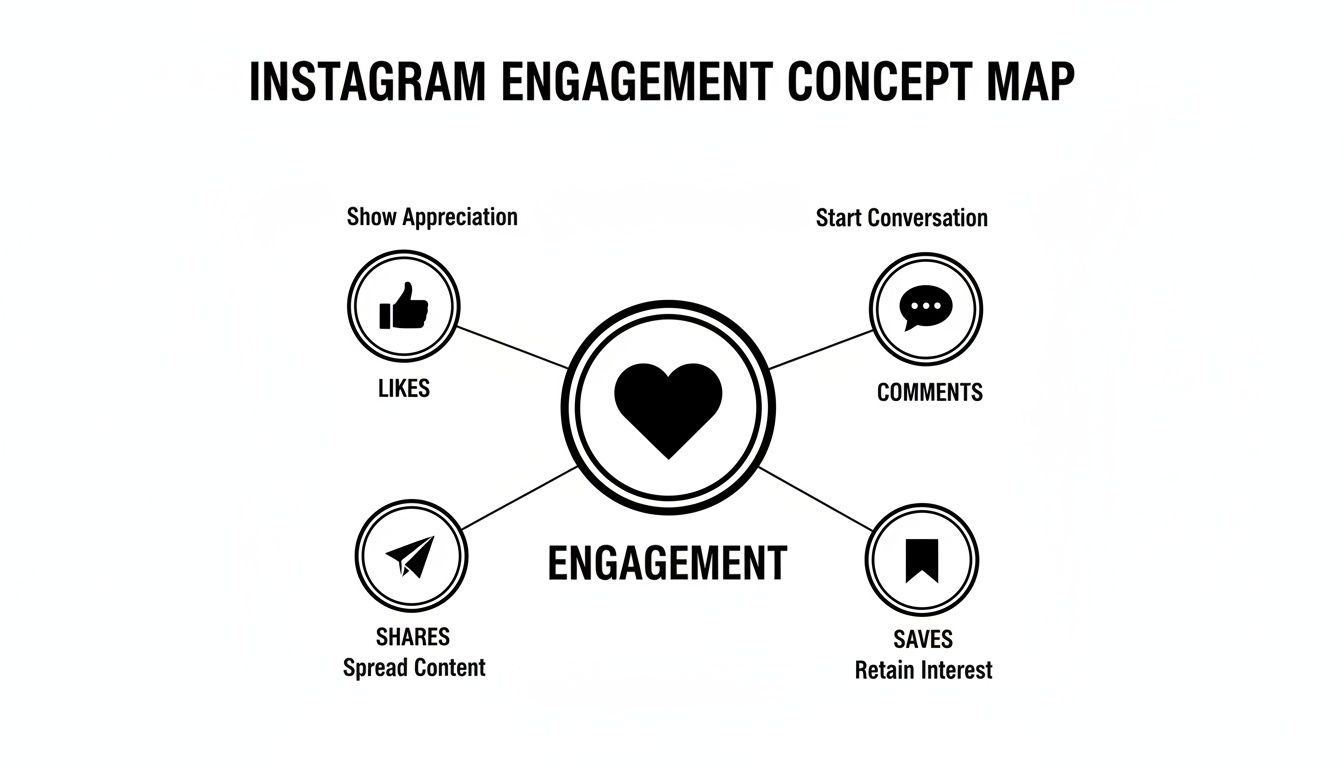
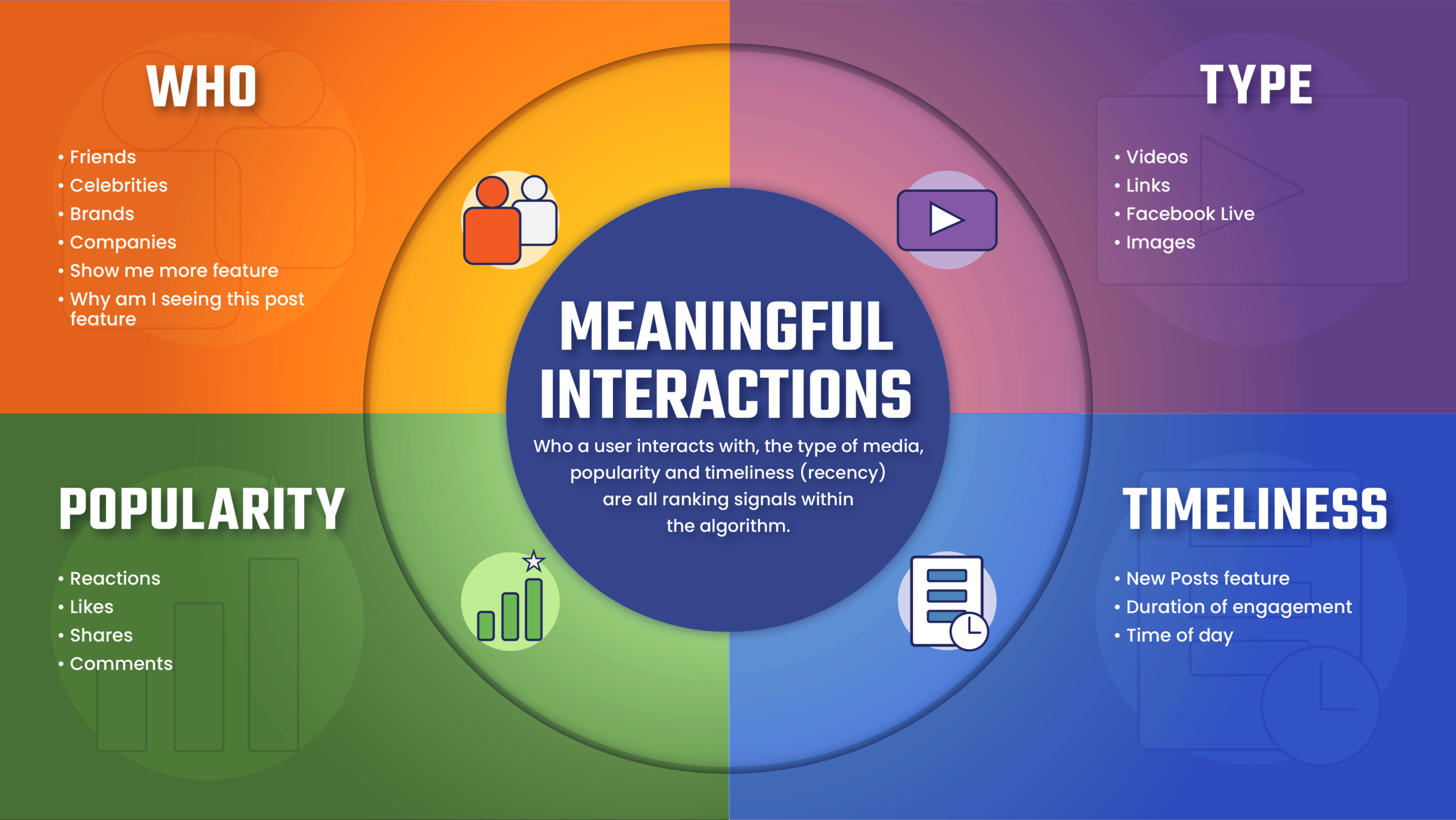
Understanding why social media platforms have created this access parity requires understanding the specific mechanisms through which algorithms distribute content — because it is not simply that the platform is free to use, but that the platform’s distribution logic favours quality signals over resource signals.
Organic discovery through engagement signals
Instagram’s Reels algorithm, YouTube’s recommendation system, LinkedIn’s content distribution — all of these platforms distribute content based primarily on engagement signals. Content that generates saves, shares, comments, and completion rates receives distribution. Content that fails to generate these signals does not.
These engagement signals are quality indicators, not budget indicators. A Reel that generates saves because it is genuinely useful receives the same algorithmic boost as a Reel from a company with ten times the budget that generates fewer saves because it is less genuinely useful. The algorithm does not ask how much the creator spent. It asks how much the audience valued the content.
This is the fundamental equaliser. A small business with exceptional expertise and genuine community understanding can produce content that generates stronger engagement signals than a large corporation producing expensive but generic content. And the algorithm rewards the stronger signals, regardless of their source.
Search-based discovery
YouTube and Google are search engines. When someone searches for “how to care for handmade silk sarees” or “best sourdough bread in Bangalore” or “small batch pottery artist near me,” the results they receive are determined primarily by relevance and quality signals — not by the advertising budget of the businesses listed.
A small business that has created genuinely useful content about its specific area of expertise has equal opportunity to appear in these search results alongside larger competitors. In many cases, the small business has an advantage — because its content is likely to be more specific, more genuine, and more deeply knowledgeable about its niche than the content produced by a larger brand managing broader content across a wider range of topics.
The long-tail of specific interest
Social media platforms serve diverse and specific interests at a scale that broadcast media never could. The television channel that reached a mass audience had to appeal to the broadest possible range of interests — which meant that niche content was systematically underserved.
Instagram, YouTube, and other social platforms can serve highly specific interest communities at scale. The community of people who care deeply about traditional Indian textile arts, who are interested in the specific techniques of a particular regional craft tradition, who want to understand the provenance and process behind handmade objects — this community is small as a percentage of the total population but large in absolute numbers. And they are aggregated on social media in ways that make them accessible to the small businesses that serve their specific interests.
The small pottery studio that makes work in the tradition of a specific regional art form can reach every person in India who cares deeply about that specific tradition — through the algorithm’s ability to connect specific content with specific interest audiences across geography.
The Stories That Illustrate the Shift — Real Examples Across India
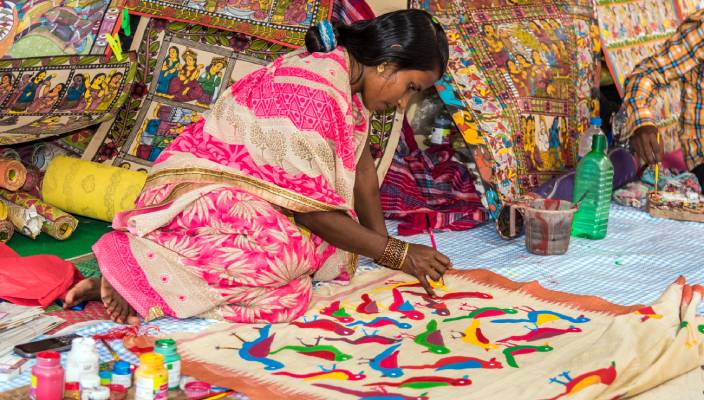
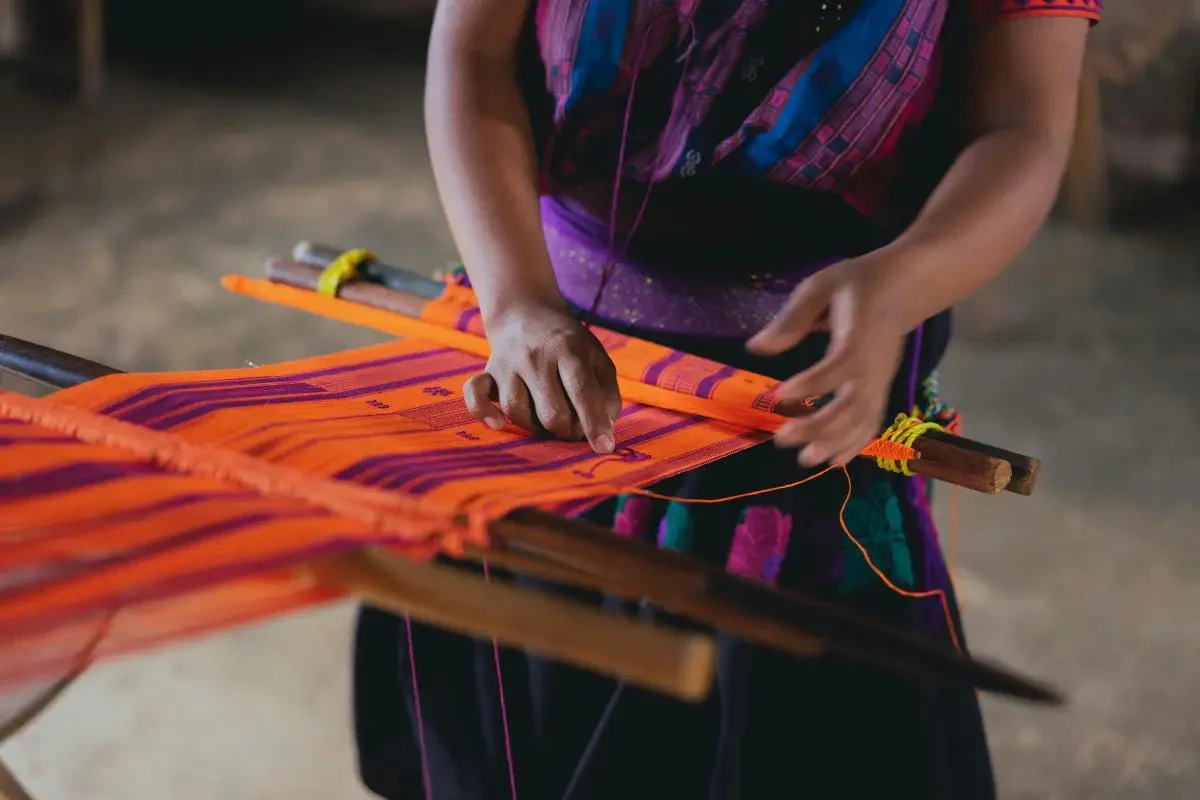
The equalisation that social media has created is most visible in specific stories — businesses and individuals who have built genuinely significant audiences and commercial presences from starting points that would have made that achievement impossible in the previous media environment.
The Chanderi weaver who found the diaspora
A weaver in Chanderi, Madhya Pradesh — making the specific silk-cotton fabric that has been produced in that region for centuries — had for generations sold primarily to local merchants who managed the distribution to Indian cities. The weaver received a small fraction of the final retail price. The merchant took the majority.
With an Instagram account showing the weaving process — the specific handlooms, the specific thread preparation, the specific patterns that identify authentic Chanderi — the weaver found an audience directly. The diaspora members in the UK, the US, and Singapore who grew up wearing Chanderi sarees for festivals and weddings, who could not find authentic pieces abroad and who were willing to pay the appropriate price for genuine handmade textile — these customers found the weaver directly through Instagram.
No merchant intermediary. No distribution infrastructure. The stage the weaver now occupies — visible to authentic Chanderi enthusiasts worldwide — required nothing but a phone, an Instagram account, and the extraordinary product that was already being made.
The Kerala ayurvedic practitioner who teaches what she knows
A practitioner of traditional Kerala ayurvedic medicine — with deep knowledge of plants, preparations, and practices that have been passed down through her family for generations — had a practice limited to the patients who could physically visit her in a small town in Kerala.
A YouTube channel where she teaches traditional home remedies, explains the principles of ayurvedic food preparation, and contextualises traditional practices within modern health concerns has built an audience of hundreds of thousands. Her knowledge — which would previously have reached perhaps a few hundred patients over a lifetime of practice — now reaches people across India and in the diaspora who are seeking exactly the grounded, traditional perspective she provides.
The large pharmaceutical and wellness brands cannot replicate this — because what her audience values is the specific, genuine, deeply traditional knowledge that comes from a practitioner who learned at her grandmother’s knee. No marketing budget can manufacture that specificity.
The South Indian classical musician who reached his global tribe
A Carnatic vocalist in Chennai — performing in the tradition with genuine mastery but limited profile beyond the dedicated classical music community — built a YouTube channel documenting concerts, explaining the theory behind ragas, and making accessible what had previously been accessible only to initiated audiences.
The global Tamil diaspora and the broader audience of people interested in Indian classical music — spread across dozens of countries, previously served only by limited recordings and occasional touring concerts — found this channel. The musician built a genuine international audience for performances that previously reached only the physical concert hall.
The major record labels and music corporations have not invested in this niche because the numbers seem small by their standards. But the numbers are not small to the musician whose concerts now draw audiences in Singapore, London, and Toronto alongside Chennai.
What Small Businesses Can Do That Large Corporations Cannot


The equalisation of access is real. But there is a dimension of the current social media landscape that goes beyond access parity — a dimension where small businesses have specific structural advantages over large corporations that no budget increase can overcome.
Genuine authenticity
The most powerful content on social media is content that feels genuinely human — that comes from a real person with a real perspective, real knowledge, real investment in the subject matter. This quality is difficult to manufacture at scale.
Large corporations manage their social media through teams, approval processes, brand guidelines, and legal review. Every piece of content passes through multiple checkpoints designed to protect the brand from risk. The result is content that is careful and often generic — polished enough to be inoffensive and bland enough to fail to connect.
The small business owner posting from personal experience — showing the actual process, speaking in their actual voice, admitting actual challenges alongside actual successes — has a quality of genuine humanity that corporate content rarely achieves and that audience trust algorithms consistently reward.
Niche depth
The social media platforms most reward content that serves specific interests with genuine depth. A post about sourdough bread from someone who has been making it for thirty years, who knows the specific flour varieties and their specific properties, who understands the fermentation science and the seasonal variations — this is worth more to the specific audience seeking that knowledge than any amount of generic bread-adjacent content from a large brand.
Small businesses often have this depth of niche expertise precisely because they are small — because the founder is still the practitioner, still the craftsperson, still the expert. As organisations scale, this founder-level depth is diffused through teams and becomes harder to surface in the content.
Community intimacy
Small businesses can build genuinely intimate communities with their audiences in ways that scale breaks. When a pottery studio with two thousand followers responds to every comment and knows the names and situations of their regular commenters — that intimacy creates a community quality that a brand with two million followers managed by a team cannot replicate.
The intimacy of a small business’s social media presence is often experienced by the audience as something qualitatively different from a large brand’s presence — more like a relationship than a media channel. This relationship quality produces the kind of audience loyalty that converts followers into genuine advocates rather than passive subscribers.
Speed and adaptability
When a single founder makes all social media decisions, the response to a cultural moment, a customer comment, or a breaking opportunity in their niche can happen within minutes. A large corporation responding to the same opportunity must navigate approvals and risk assessments that consume hours or days.
This speed advantage is particularly significant on platforms where trend cycles move quickly. The small business that can respond to a trending conversation authentically and immediately — because the person who understands the business and understands the conversation is the same person — participates in cultural moments that larger organisations consistently miss because they cannot move fast enough.
The Capital That Has Been Democratised — What This Shift Is Really About
The commercial advantages that large corporations previously held over small businesses were, at their root, primarily advantages of capital — specifically, the capital required to purchase visibility and reach in media markets that set their prices at corporate scale.
The quality of Padma’s bread was never in question. The craft of the Chanderi weaver was never in question. The knowledge of the Kerala ayurvedic practitioner was never in question.
What was in question was whether the capital required to make these offerings visible to the people who would value them was accessible to the people who held the offerings.
For most of commercial history, it was not. The visibility infrastructure was priced for corporations, not for craftspeople, small producers, or individual experts.
Social media has not eliminated capital as a factor in commercial visibility — advertising budgets still buy reach, and large brands still have advantages at scale. But it has changed the minimum viable investment for visibility from a figure that excludes most small businesses to a figure that is essentially zero in cash terms.
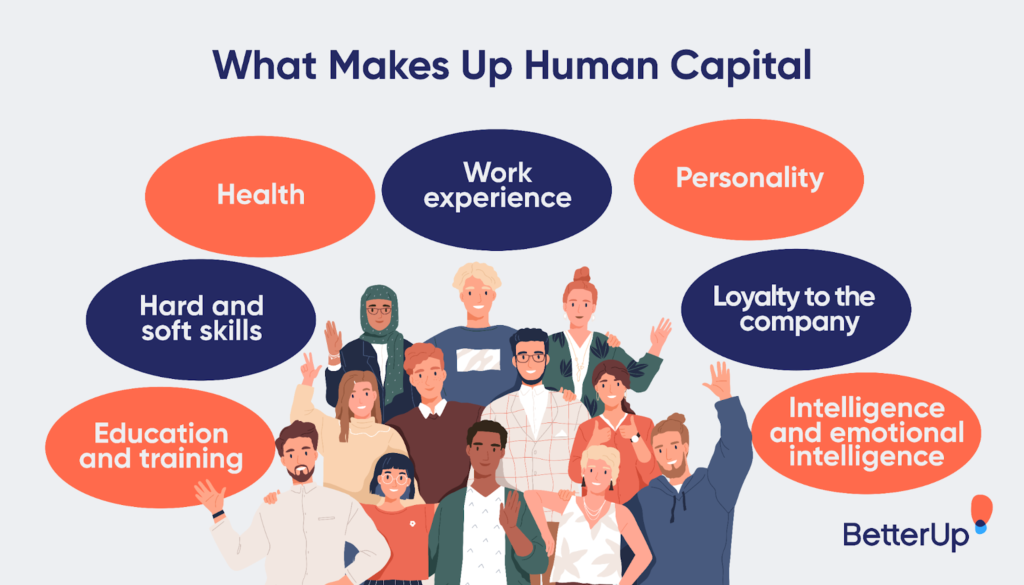
The capital that matters in the social media era is different from the capital that mattered in the broadcast era. Instead of financial capital — budget for airtime and print space — what matters is human capital: expertise, genuine community knowledge, creative capacity, consistency of effort.
Human capital of this kind is more equitably distributed than financial capital. The small business founder who has spent fifteen years mastering a craft has human capital that no corporate budget can purchase. The deep community knowledge of the local business owner — who knows their neighbourhood, their customer base, their cultural context with a specificity that a corporation managing national scale simply cannot replicate — is human capital that creates genuine content advantage.
The shift from financial capital to human capital as the primary determinant of social media success is a shift that structurally advantages the small business, the individual expert, and the genuine craftsperson over the large corporation deploying budget without equivalent depth of authentic knowledge.
The Practical Implications — What Every Small Business Should Understand
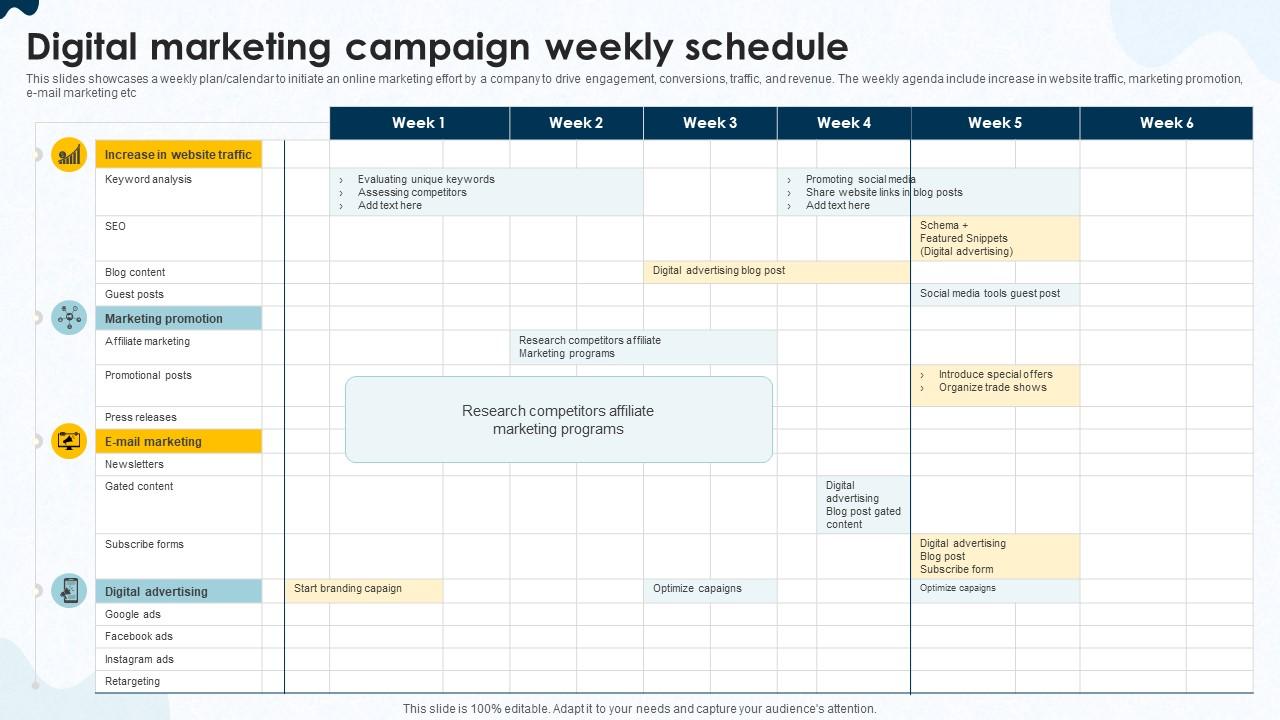

Understanding that social media has given every small business access to the same stage as large corporations is not just intellectually interesting. It has specific and actionable implications for how small businesses should think about their marketing and their presence.
The stage is available — the question is what you do with it
Access to the stage is not the same as performing on it well. The equalisation of access creates opportunity but does not guarantee results. The small business that understands it has access to the same stage must still develop the craft of performing on it — which means creating content that genuinely serves an audience, maintaining consistent presence over time, and building the authentic community that compounds into commercial outcomes.
Your genuine expertise is your primary competitive advantage
In the social media era, the most valuable marketing asset a small business has is the depth of genuine expertise that the founder and team hold. This expertise — demonstrated publicly through educational content, honest process documentation, specific knowledge sharing — is the content that the algorithm rewards and that audiences genuinely value.
Investing in demonstrating genuine expertise is marketing investment with compound returns. Every piece of useful content created from genuine knowledge adds to the body of evidence that the business is worth trusting — evidence that accumulates and becomes increasingly difficult for competitors without equivalent expertise to match.
The community you build is the moat that protects you
The audience relationships that genuine, consistent social media presence builds over time — the engaged community, the loyal advocates, the customers who recommend because they genuinely believe — represent a competitive moat that budget alone cannot build.
A large corporation can outspend a small business on paid advertising indefinitely. It cannot replicate the genuine community that forms around an authentic, expert, consistently present small business with values the community shares and a voice the community trusts.
Start now, even if imperfectly
The compounding logic of social media presence means that beginning — imperfectly, at small scale, without full knowledge of what to do — is always more valuable than waiting until everything is perfectly prepared.
The audience relationship that will matter in three years is being built now. The algorithmic authority that will matter in two years is accumulating now. The content library that will compound into ongoing discovery is being created now.
Every month of not starting is a month of compounding foregone. The small business that begins today, even with a few dozen followers and uncertain content, is ahead of the equivalent business that begins in six months — because it is six months further along the compounding curve.
The Structural Shift — What Has Changed About How Economies Work

Pull back far enough and the access to the same stage that social media has created is not just a marketing opportunity — it is a structural shift in how value creation and commercial success relate to each other.
In the broadcast media era, value creation and commercial visibility were separable. A genuinely exceptional product could exist in commercial obscurity while an adequately competent product with superior marketing achieved dominant market share. The market was not fully efficient in the economics sense — information about quality did not flow freely to the people who would value it because the information infrastructure was controlled by capital.
Social media is a substantial improvement in the information infrastructure — though not a perfect one. The excellent product that is also genuinely communicated through authentic social media presence now has genuine pathways to the customers who would most value it. The mechanism is not perfect — algorithm changes, paid promotion, and scale still create asymmetries — but the pathways exist in ways they did not before.
This improvement in information efficiency is genuinely good for consumers who can now discover niche excellence that broadcast media never surfaced. It is genuinely good for small businesses whose quality can now compete with corporate marketing budgets in the discovery process. And it is, in aggregate, good for economies that benefit when value creation and commercial success are more closely aligned.
The Chanderi weaver who now receives fair value for genuinely exceptional textile instead of wholesale margins from a merchant is economically better off — and so is the diaspora customer who can now access the authentic product they were seeking instead of accepting a mass-produced substitute.
The stage that social media has given every small business is not just a marketing tool. It is a mechanism for a more efficient and more equitable commercial ecosystem — one where the extraordinary craft of the Mysore pottery studio, the deep knowledge of the Kerala ayurvedic practitioner, and the extraordinary bread of Padma’s daughter can reach the people who would genuinely choose them, and receive the value they genuinely deserve.
What the Stage Requires — The Honest Account
It would be incomplete to describe the opportunity without also describing honestly what it requires.
The stage is available. But performing on it — building a genuine presence, creating content that resonates, maintaining the consistency that compounds — requires real investment of a specific kind: time, creative energy, genuine expertise, and the patience to build something slowly rather than expecting immediate returns.
Many small business owners who begin social media presence with genuine enthusiasm discover that the consistent effort required — particularly in the early months when growth is slow and the compounding has not yet become visible — is more demanding than they anticipated.
The discipline of regular content creation alongside running a business is genuinely difficult. The creative challenge of finding the angle, the story, the specific knowledge that is worth sharing this week — and then finding it again next week, and the week after — requires a specific kind of sustained creative attention.
The patience to build an audience of five hundred genuine followers before expecting commercial outcomes, and then a thousand, and then five thousand — without abandoning the strategy because the numbers feel small — requires a specific kind of trust in the compounding process.
None of this is insurmountable. The evidence that it is possible — across every category, every geography, every stage of business development — is overwhelming. But the access to the stage does not guarantee that the performance will happen. That requires the work.
The stage is there. The audience is there. The algorithm is ready to connect them to the genuine expertise you hold.
The performance is yours to give.
Closing Thought — The Stage That Was Always Deserved
Padma’s bread was always extraordinary. The Chanderi weaver’s textiles were always exceptional. The Kerala ayurvedic practitioner’s knowledge was always profound.
These people always deserved the audience that would appreciate and reward what they created. What they lacked was the infrastructure to connect their genuine excellence with the people who would most value it — infrastructure that required capital they did not have, in a system calibrated for the scale of enterprises much larger than theirs.
Social media has not made them better at what they do. It has made what they do visible to the people who were always going to choose it — if they could only find it.
That is what the same stage means. Not the same budget. Not the same team. Not the same resources.
The same opportunity to be found by the people whose lives you can genuinely improve — if you show up, consistently, authentically, with the specific expertise and genuine community knowledge that no corporate budget can manufacture.
The stage is the same.
What you bring to it is entirely your own.