


How Sound Effects in a Video Create an Experience That Pure Visuals Never Can

Let me do something unusual for a blog post and ask you to run a small experiment in your imagination right now.
Picture a scene. A chef is working in a professional kitchen. The camera is close — tight on the hands. A sharp knife comes down on a wooden chopping board, slicing through a crisp head of cabbage. Then a cast iron pan is placed on a gas flame. Oil goes in. Finely chopped onions follow. A wooden spoon moves through them slowly.
Now play that scene in your mind twice. Once with the natural sound of the kitchen — the sharp percussive crack of the knife on the board, the soft hiss as the oil heats, the quiet sizzle that builds as the onions hit the pan, the low roar of the gas flame underneath. The sounds are ambient and real, nothing artificially enhanced.
Now play the exact same scene in complete silence.
Feel the difference?
The silent version is technically a record of events. Knife moves. Onions go in pan. Things happen. Information is conveyed. You understand what is occurring.
The sound version is an experience. You are in that kitchen. You can almost smell the onions cooking. The crack of the knife is satisfying in the specific way that sharp, precise sounds are satisfying. The building sizzle creates a physical anticipation that has nothing to do with thought and everything to do with sensation. Your mouth may have actually responded to those sounds — because the sounds of food being prepared are so deeply wired into the human experience of eating that hearing them activates the same neural pathways that actual food activates.
You were not watching a kitchen. You were in a kitchen.
This difference — between watching something and being inside it — is what sound effects create. And it is a difference so fundamental, so neurologically deep, so experientially profound that no amount of visual craft alone can replicate it.
This post is about understanding why — and about how every video creator, regardless of their budget or their equipment, can harness the power of sound effects to transform what their audience experiences when they watch.
The Neuroscience of Sound — Why Hearing Creates Presence
The visual system is extraordinary. The human eye can detect a single photon in complete darkness. The brain processes visual information at speeds that language cannot approximate. Vision is the dominant sense for most people in most situations — the one we rely on most, the one that most directly shapes our understanding of the physical world.
And yet, in the specific context of creating the experience of being somewhere rather than watching somewhere, sound is more powerful.
The reason is architectural — the way auditory and visual information are processed in the brain.
Visual information travels a complex path from the eyes to the visual cortex at the back of the brain, where it is processed, interpreted, and consciously perceived. This path involves significant analytical processing — the brain is working to make sense of what the eyes are seeing.
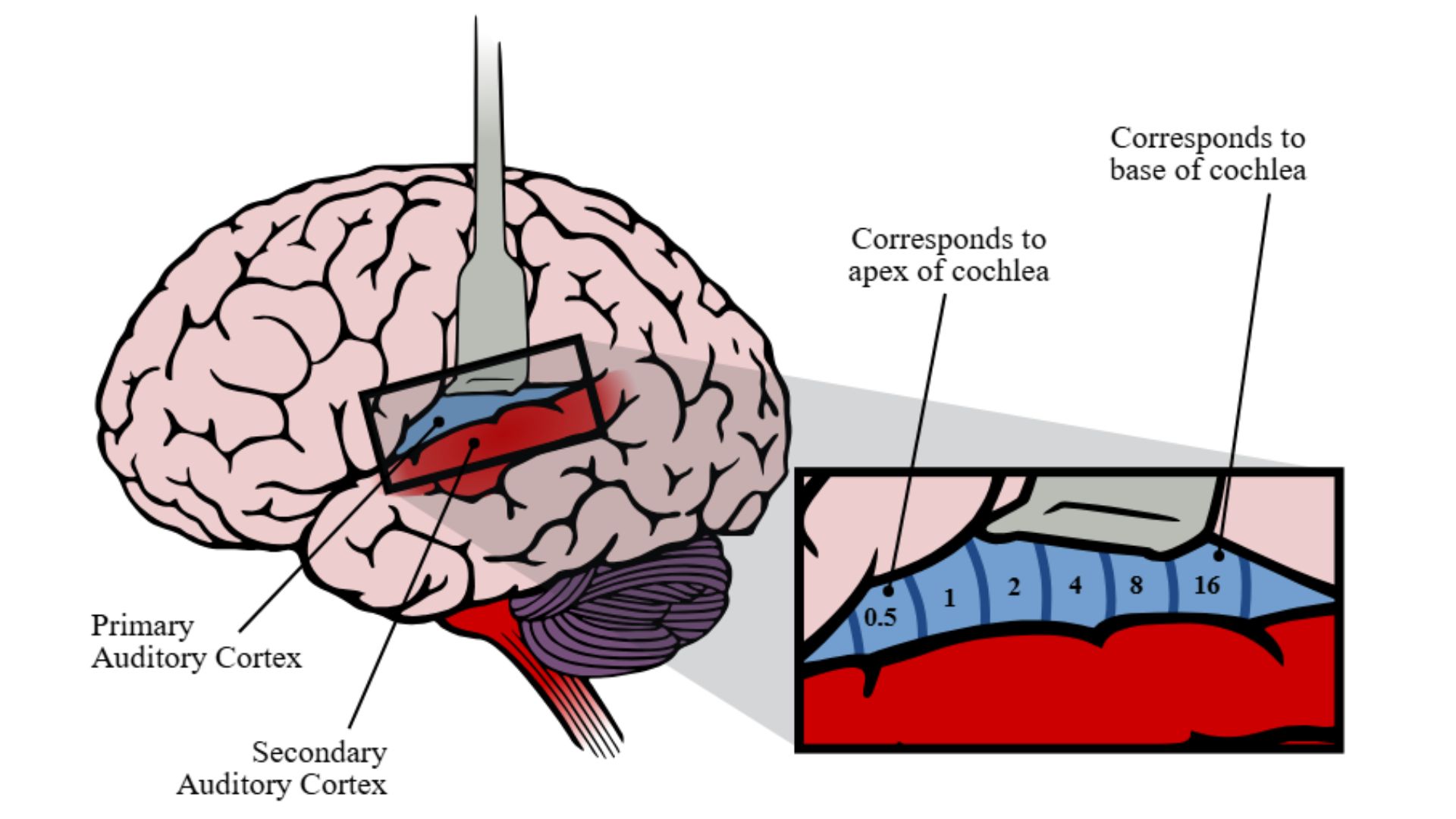
Auditory information takes a more direct and more primordially ancient route. Sound travels from the ears through the auditory cortex and almost immediately into the limbic system — the emotional brain — activating responses that are involuntary, physical, and emotional before conscious analysis has had any chance to intervene.
This is why a sudden loud noise makes you flinch before you know what it was. The limbic system responded before the analytical brain had processed the information. The response was physical and involuntary — a pure product of neural architecture that has been with us since before we were fully human.
In the context of video, this architecture has a practical implication that every filmmaker and video creator needs to understand: sound creates immersion at a level that visual information cannot reach, because it bypasses the analytical processing that visual information requires and activates emotional and physical responses directly.
When you hear the sizzle of onions in a hot pan, you are not processing a visual image of onions and deciding that they look like they are sizzling. You are receiving an auditory signal that your ancient nervous system recognises as the sound of food being prepared — a signal loaded with associations of warmth, sustenance, and the specific pleasure of a meal being made. The emotional and physical responses this triggers are not decisions. They are reflexes.
This is why the sound version of the kitchen scene puts you in the kitchen in a way that the silent version cannot. The silent version asks your visual system to process an image and derive meaning from it. The sound version bypasses meaning entirely and activates the experience itself.
What Sound Effects Are — The Full Spectrum
When most video creators think about sound effects, they think about the dramatic and obvious — the whoosh that accompanies a text animation, the impact sound that hits when a title card slams onto the screen, the comedic boing that appears in a funny moment.
These are sound effects. But they represent a narrow slice of what sound effects actually are and what they can do. Understanding the full spectrum is the first step toward using them with genuine craft.
Natural ambient sound
Also called room tone or atmos (short for atmosphere), natural ambient sound is the continuous background sound of a space or environment. Every location has one — the hum of air conditioning in an office, the distant sound of traffic outside a window, the specific acoustic quality of a large empty room, the collective ambient noise of a busy restaurant, the wind through grass in an open field.
This ambient sound is often the most overlooked and most powerful element of sound design in non-fiction video. Its absence is immediately noticeable — a video edited without ambient sound between clips feels oddly dead and disconnected, as if each shot is taking place in a different soundless dimension. Its presence, even when it is barely consciously audible, creates the sense of a continuous, coherent world in which the video is taking place.
Foley sounds
Foley is the craft of recreating the incidental sounds of human activity — footsteps, clothing movement, objects being picked up or put down, physical contact between bodies or objects. Named after Jack Foley, a pioneering sound effects artist at Universal Studios, foley sounds are typically created in a studio by skilled artists who watch footage and perform the sounds in sync with the action.
In professional film production, the sounds of a character’s footsteps are almost never what was captured on set. They are foley — recreated in a controlled environment to sound exactly right for the surface being walked on, the footwear, and the emotional context of the scene.
For video creators, foley principles apply even in non-professional contexts. The sound of a laptop keyboard, a coffee cup being set down, a door closing, papers being shuffled — these incidental sounds, captured or selected with care, make the world of the video feel physically real in a way that visual information alone cannot achieve.
Impact and transition sounds
These are the sounds that accompany visual events in edited content — the sounds that correspond to animated text appearing, graphics transitioning, cuts between scenes, or visual emphasis moments. When a stat appears on screen with a satisfying click, when a title animates in with a precise whoosh, when a cut to a new scene is accompanied by a subtle audio transition — these sounds are the sonic punctuation of the visual grammar of the video.
Done well, they feel natural and inevitable — the viewer does not notice them consciously, but they create a sense of professional polish and intentional craft. Done poorly — too loud, too frequent, too clichéd — they draw attention to themselves and undermine the video’s credibility.
Emotional and atmospheric sound design
This is the most creative and the most powerful tier of sound effects work. Emotional sound design uses carefully chosen sounds — not necessarily realistic sounds — to create emotional states in the viewer that support the narrative or thematic intentions of the video.
The low, almost subsonic rumble under a scene intended to create unease. The clean, bright, slightly reverberant sound design of a luxury brand video that makes every product interaction feel premium. The warm crackling of fire under a nostalgic travel montage even when no fire is present in the footage. The progressive building of ambient sounds — birds, water, wind — as a video moves from an urban environment to a natural one.
These sounds are not documenting reality. They are creating emotional context. They are the sonic equivalent of colour grading — an interpretation of the emotional meaning of what is being shown, not a record of what was there.
The Hierarchy of Sound in Video — What Each Layer Does
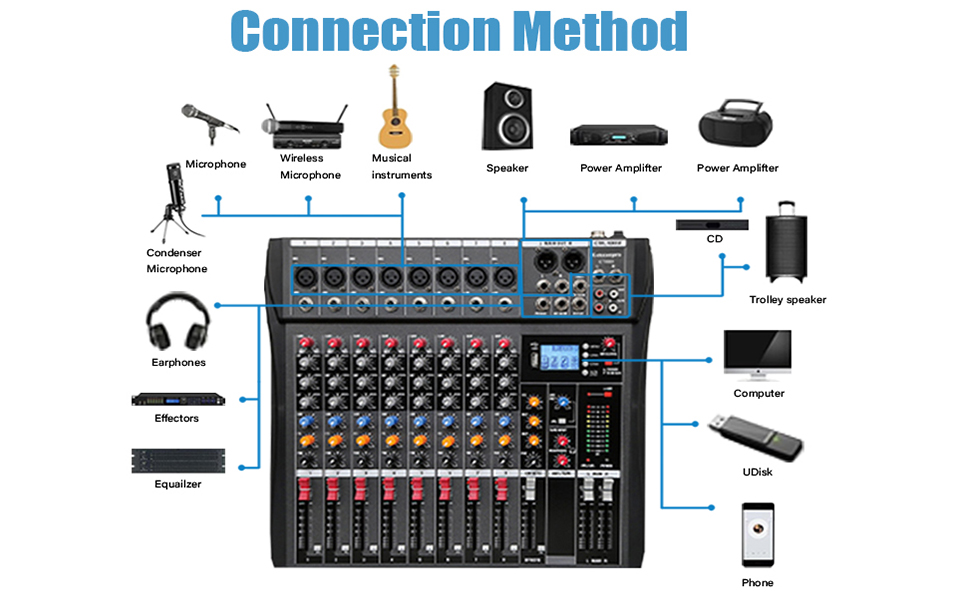
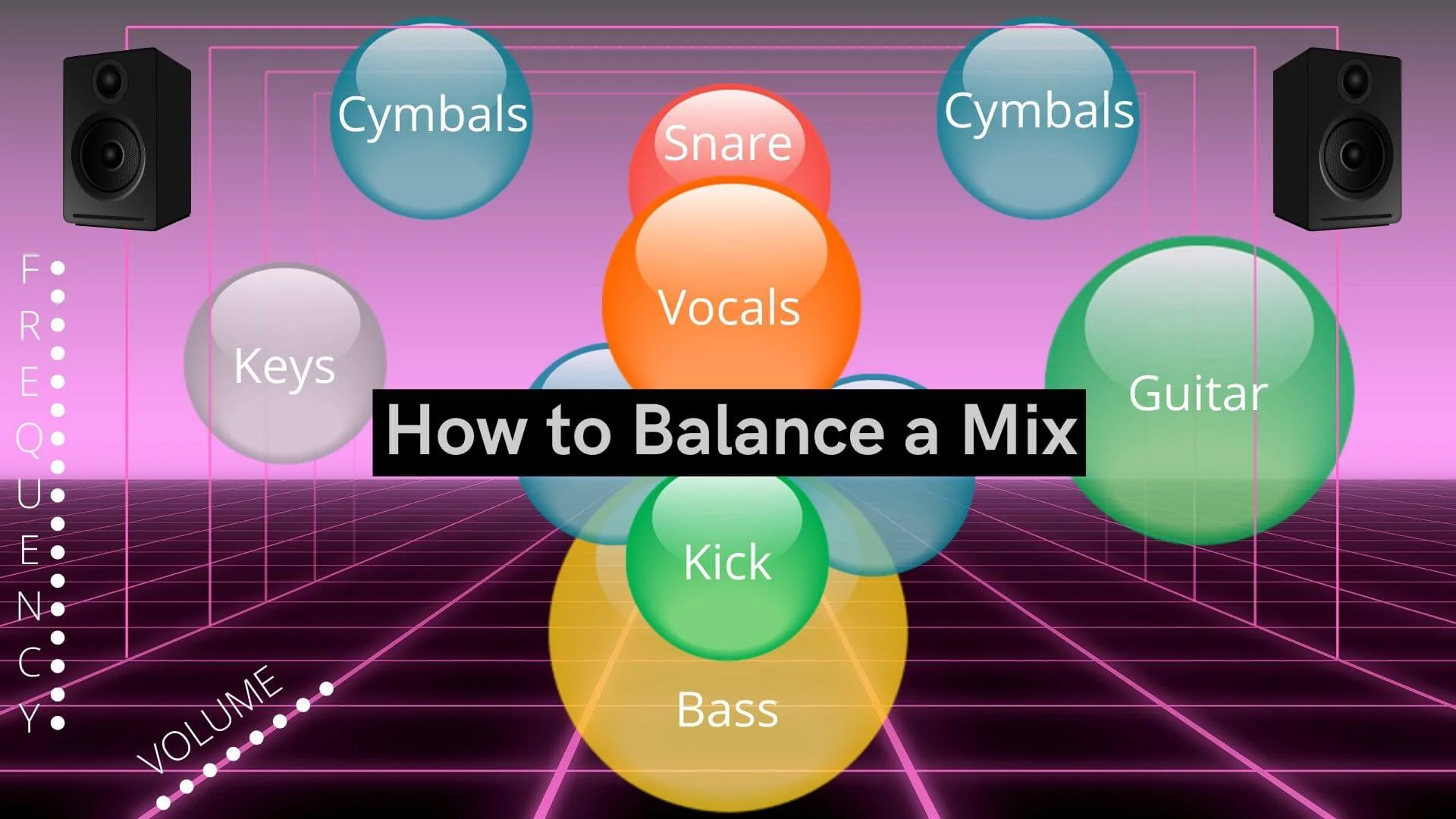
Professional sound design in film and high-end video production operates in layers — multiple sound elements that are composed and mixed to create the complete sonic experience. Understanding this layered approach helps video creators of all levels understand what they are working toward, even when their tools and resources are more modest.
Layer One: Dialogue and Narration
This is the primary layer — the spoken content that carries the informational meaning of the video. Everything else in the sound design exists to support this layer without competing with it. Dialogue must always be audible, clear, and positioned correctly in the mix. When multiple sound elements are present, all of them should make room for the dialogue to be heard without strain.
Layer Two: Music
As we explored in our post on music in video, music provides the emotional architecture of the video — establishing mood, creating pace, and building or releasing emotional tension. Music typically sits below dialogue in the mix but above ambient sound and subtle effects.
Layer Three: Ambient Sound and Room Tone
The continuous background sound of the environment creates the sense of physical space in which the video is taking place. It is often the first thing that disappears in amateur video editing — creators strip it out in the process of removing silence — and its absence creates the oddly dead, disconnected quality that distinguishes amateur editing from professional.
Layer Four: Foley and Incidental Sound
The sounds of physical action and human presence — footsteps, object handling, physical interactions. These are typically present but subtle, adding physical reality without drawing attention.
Layer Five: Designed and Stylised Effects
The impact sounds, transition sounds, and emotional design elements that correspond to specific visual moments. These vary enormously in volume and prominence depending on the genre and tone of the video — minimal in documentary content, prominent in promotional and entertainment content.
The art of sound design is in the balance between these layers — ensuring each is present enough to do its work and mixed carefully enough that the whole produces a cohesive experience rather than a collection of competing sounds.
The Sound Effect as Emotional Punctuation
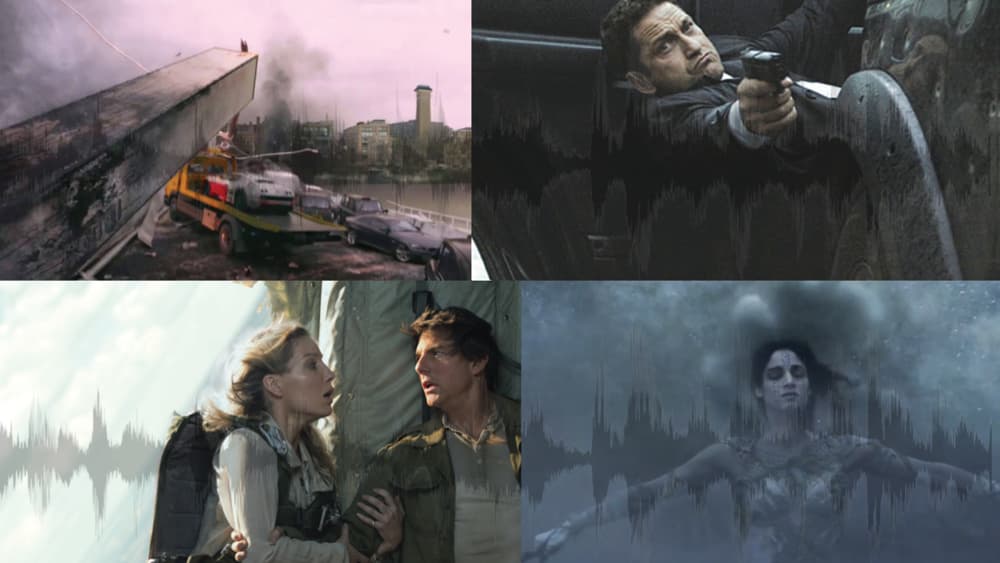
In written language, punctuation does not carry meaning in itself — a comma or a full stop has no semantic content. But it shapes how the reader experiences meaning. It creates rhythm. It signals the boundaries between thoughts. It indicates emphasis. Without it, the same words become much harder to process.
Sound effects in video function similarly. They are the emotional punctuation of the visual language — not carrying meaning in themselves but shaping how the viewer experiences the meaning that the visuals and narration convey.
A statistic appearing on screen is information. A statistic appearing on screen with a precise, satisfying click sound becomes emphasis — the click tells the viewer, at a level below conscious thought, that this is a moment worth attending to, that something has been confirmed or landed, that the pacing has reached a point.
A transition between two scenes is a cut. A transition between two scenes accompanied by a subtle whoosh becomes movement — the sound creates the physical sensation of passing through space, of going from one place to another, of the video having a journey rather than just a sequence.
A moment of silence in a video about a serious subject is a pause. A moment of silence preceded by a sound that slowly fades — traffic noise receding, music diminishing, ambient sound dropping away — becomes weight. The deliberate removal of sound, prepared by sound design, creates a presence in the silence that an abrupt cut to silence cannot produce.
This punctuation function of sound effects is why videos with thoughtful sound design feel more intentional and more controlled than videos without it. Every moment of a well-sound-designed video feels like a choice — the creator is in control of the viewer’s experience, directing attention, shaping emotional response, creating the precise experience they intended.
Videos without sound design often feel like they happened rather than were made.
How Sound Creates Genre and Tone
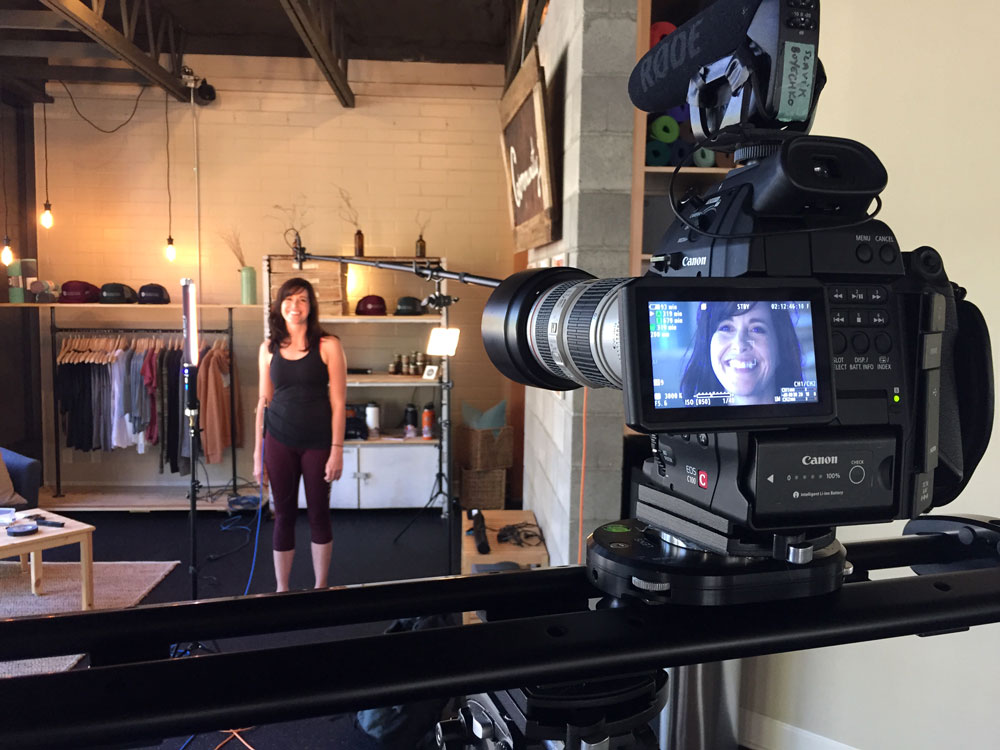
Spend thirty seconds watching any video with the sound off and then thirty seconds watching it with sound. The experience with sound will immediately reveal something about what kind of video this is — its genre, its tone, its intended audience — that the visuals alone convey much more slowly and uncertainly.
This is because sound design is one of the primary carriers of genre information. Each genre of video has an established sonic vocabulary that the viewer recognises unconsciously and uses to calibrate their expectations.
A corporate brand video uses clean, modern, slightly reverberant sound design — precise clicks, minimal transitions, music that is confident and polished. The sonic vocabulary communicates: this is professional, capable, trustworthy.
A youth-oriented lifestyle video uses energetic, slightly exaggerated sound effects — punchy impacts, fast whooshes, dynamic transitions that feel almost physical. The sonic vocabulary communicates: this is exciting, fast-moving, for people who want energy.
A documentary uses naturalistic ambient sound, minimal designed effects, and music that is restrained and emotionally honest. The sonic vocabulary communicates: this is authentic, observed, not constructed for effect.
A luxury brand video uses quiet, precise, expensive-sounding effects — the specific sound of a high-end car door closing, the soft click of a premium product being placed on a surface. The sonic vocabulary communicates: this is rarefied, exclusive, worth your aspirational investment.
A horror or tension-building video uses low-frequency rumbles, irregular rhythms, sounds at the edge of recognition — almost familiar but slightly wrong. The sonic vocabulary communicates: something is not right here, pay close attention, be ready to feel afraid.
These sonic vocabularies are not invented by individual creators. They are established by the accumulated history of each genre, and viewers recognise them because they have encountered the vocabulary across hundreds of examples. When a video’s sound design matches the expected vocabulary of its genre, the viewer settles into the experience comfortably. When it contradicts the vocabulary — when a serious documentary uses game-show sound effects, or when a luxury brand video sounds like a children’s cartoon — the dissonance is immediately felt even if it cannot be immediately articulated.
Understanding the sonic vocabulary of the genre you are working in is not about imitation. It is about speaking a language your intended audience already understands — so that they can receive your specific content without the interference of sonic confusion.
A Case Study — The Wedding Video
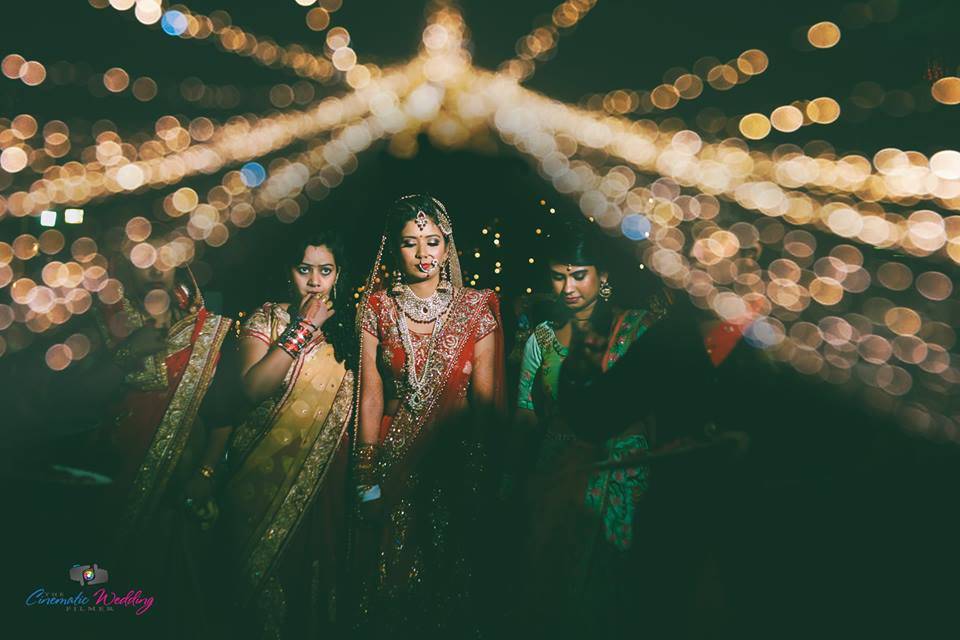
Wedding videos provide one of the most instructive case studies in the power of sound effects, because the gap between a mediocre wedding video and an exceptional one is almost entirely sonic.
The visual content of all wedding videos is essentially the same. Two people getting married. The ceremony. The celebrations. Emotional faces. A couple in love. The visual grammar is consistent across thousands of examples.
What distinguishes the exceptional ones is what you hear.
A mediocre wedding video layers music over footage and delivers the visual events in sequence. The ceremony happens. The celebrations happen. Music plays. Information is conveyed.
An exceptional wedding video is a sonic experience. The sound of a door opening backstage before the ceremony — the specific creak of an old church door that tells you this is a space with history. The ambient sound of two hundred people settling into expectant silence before the music begins. The specific acoustic quality of voices echoing in a stone building — so different from voices in a carpeted hotel ballroom. The genuine laugh of the bride’s mother — not the cleaned-up version where ambient sound has been stripped away, but the real laugh with all the ambient sound of the room around it, placing you in the room at that moment.
And then the designed elements — the subtle build in the music that begins just before the groom sees his bride for the first time, the sound design that drops away in the moment of the first kiss leaving only the music and the ambient breath of the room, the return of full sound as the celebration begins.
None of these sonic choices require expensive equipment or professional sound design studios. They require the decision to capture ambient sound deliberately, to select music with emotional intelligence, and to compose the sound layers with attention to how each element is serving the emotional experience the video is trying to create.
The couple who watches a wedding video made with this level of sonic attention does not feel like they are watching their wedding. They feel like they are at their wedding again. The sound puts them back in the room.
That is what visuals alone, however beautiful, cannot do.
The Sound Effects That Transform Specific Video Types
Different categories of video content have specific sound effect opportunities that are particularly powerful. Here is a category-by-category breakdown of where sound effects make the most significant difference.
Tutorial and educational videos
The challenge of tutorial content is maintaining engagement through potentially dry informational sequences. Sound effects serve as signposting — marking the beginning of new sections, confirming the completion of steps, creating the satisfying click of information landing.
The most effective sound effects in tutorial content are subtle and purposeful: a light chime when a new concept is introduced, a clean click when a step is completed, a soft whoosh when moving to the next section. These sounds create an audio equivalent of visual structure — the viewer hears, as well as sees, that the video is organised and that progress is being made.
The danger in tutorial content is over-designed sound that becomes distracting. Every sound effect must earn its place by genuinely helping the viewer navigate the content, not by adding entertainment value.
Travel and adventure videos
Travel videos are perhaps the category most transformed by thoughtful sound design. The entire value proposition of travel content is transporting the viewer to a place they have not been — and transportation is fundamentally a multisensory experience.
The ambient sounds of different environments are the most powerful tools: the specific quality of traffic noise in a Mumbai street versus a Parisian side street, the sound of wind through pine trees at high altitude, the ambient noise of a crowded market where the language is unfamiliar, the sound of waves on a specific beach at a specific time of day.
These ambient sounds, captured on location and used deliberately in the edit, do more to place the viewer in the destination than any visual footage can accomplish alone. They activate the acoustic memory and trigger the associative machinery that constructs the experience of being somewhere.
Brand and product videos
For brand content, sound effects carry significant identity information. The specific way a product sounds in use — the snap of a laptop case closing, the click of a pen, the sound of liquid being poured from a premium container — communicates product quality through an entirely different channel than visual information.
Luxury brands have long understood that sound is part of the product experience. The sound of a BMW door closing was engineered to sound like it does — that solid, reassuring thunk is not accidental, it is designed. The sound of an iPhone keyboard click is not the natural sound of virtual keys, it is a designed sound that communicates the specific quality Apple wants associated with the product.
In video content representing products, the sounds associated with product use should be as carefully considered as the visual presentation. A product video where the product sounds cheap — where the buttons sound hollow, where the materials sound flimsy — undermines the visual story of premium quality.
Comedy and entertainment content
Comedy content uses sound effects as a comedic instrument in itself — with a history and vocabulary stretching back to the earliest days of radio comedy and the specific sound design conventions of cartoon animation.
The timing of a comedic sound effect is itself a form of comedic timing. The perfectly placed rimshot, the specific cartoon sound that accompanies a physical comedy moment, the pause-and-whoosh rhythm of a comedic sequence — these are not just sound effects decorating the comedy. They are part of the comedic structure.
The most effective comedy sound effects in YouTube content are the ones that feel unexpected enough to be funny in themselves while fitting naturally enough into the moment that they do not feel forced. This balance is achieved through taste and restraint — too many comedic sound effects becomes tiresome, too few misses opportunities for sonic comedy that the visual alone cannot provide.
Documentary and serious non-fiction
Documentary content uses sound effects most sparingly and most powerfully. Precisely because documentary audiences expect authenticity, every sound design choice is subjected to a higher standard of credibility.
The most powerful sound design in documentary is the creation of immersive ambient environments — the specific sounds of the places and situations being documented, used to place the viewer inside the experience rather than outside it. Voices are not cleaned of the ambient room sound that places them in a real space. Footsteps on specific surfaces are heard. The acoustic quality of the environment — the reverb in a large hall, the dead flat sound of a small outdoor space — is preserved or recreated.
Artificial or manufactured sounds in documentary content are generally avoided — their artificiality is felt even when it cannot be identified, and it creates a subtle but persistent sense of distrust.
Building a Sound Effects Library — The Practical Foundation
For any video creator who takes their work seriously, building a personal sound effects library is one of the most valuable investments of time and modest resources they can make.
A comprehensive library means that when you are in the edit and you need the sound of a specific environment, a specific transition, a specific impact — it is available immediately. You are not breaking the creative flow to search for a sound, you are selecting from materials you have already curated.
Where to source sound effects
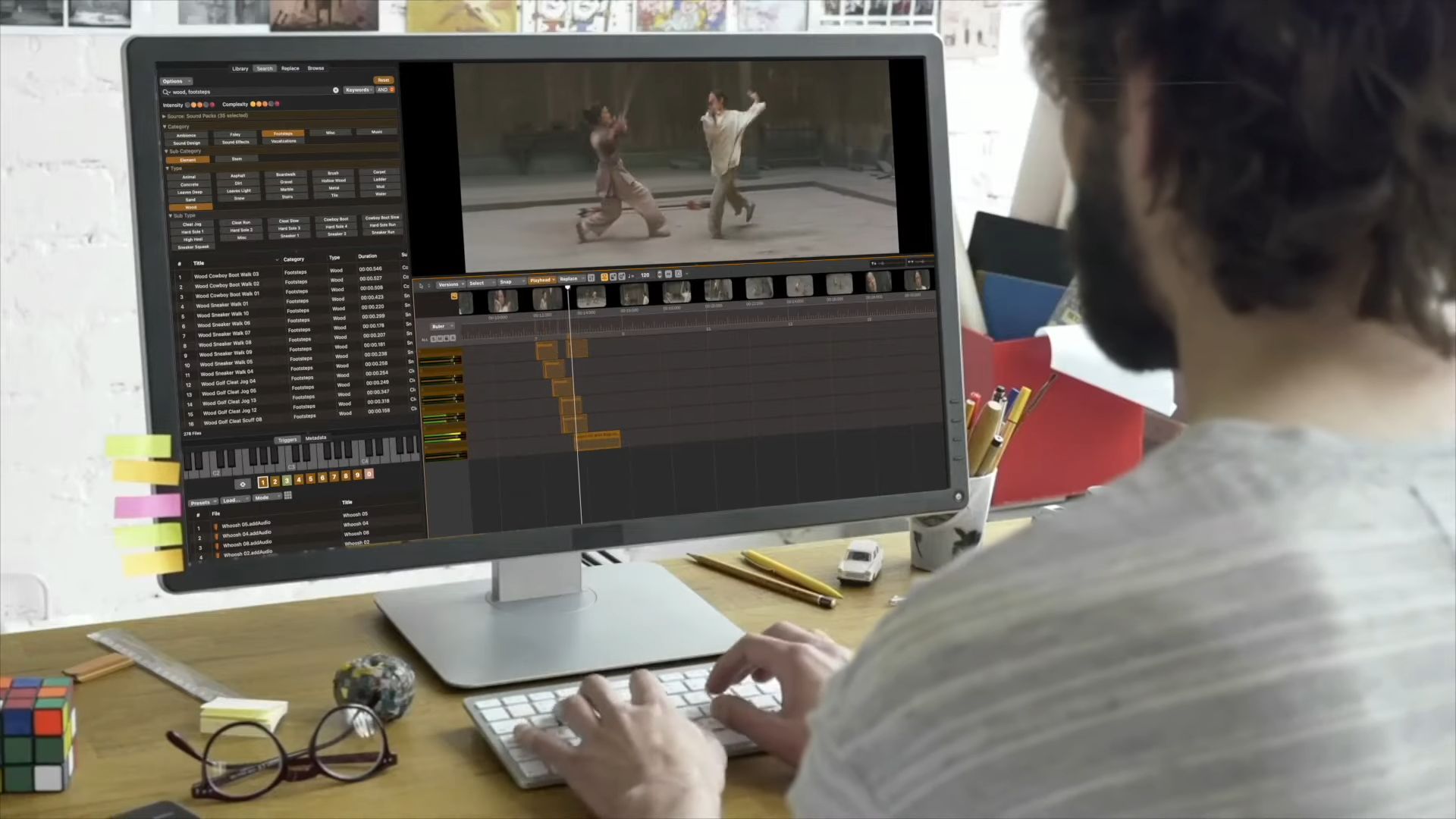
Filmora includes a built-in sound effects library that provides a substantial collection of commonly needed effects — transitions, impacts, ambiences, foley sounds — all royalty-free and available for use in monetised content. This is the appropriate starting point for creators who are building their sound design practice.
Beyond Filmora’s built-in library, several platforms specialise in professional-quality sound effects. Freesound.org is a community-based platform with hundreds of thousands of sound effects available under Creative Commons licenses — free to use with appropriate attribution or under permissive commercial licenses. Epidemic Sound and Artlist, both primarily known for music, also provide sound effects libraries as part of their subscription packages. Zapsplat offers a large library of professional sound effects with both free and premium tiers.
How to organise your library
A library that is not organised is a library that does not get used. The friction of searching through disorganised sound files in the middle of an edit is sufficient to prevent sound effects from being used at all.
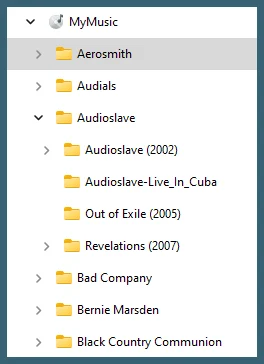
Organise your library by category — ambiences, impacts and transitions, foley, comedic effects, emotional/designed effects. Within each category, give files descriptive names that identify the sound immediately: “footsteps-wooden-floor-slow” rather than “SFX_0042.”
Build the habit of adding to the library consistently — when you encounter a sound in your fieldwork, in another creator’s video, or in your research that you know will be useful, add it to the appropriate category immediately.
A well-organised library of three hundred carefully curated sounds is more useful than an unorganised collection of three thousand.
Recording your own ambient sounds
Some of the most valuable sounds in a travel or documentary creator’s library are ones they have recorded themselves — the specific ambient sounds of specific places at specific times.
A smartphone with a good microphone, held steady in a quiet location, can capture perfectly usable ambient sound. The key is to record longer than you think you need — at least sixty seconds of ambient sound from any location you visit — and to record in silence: no talking, no movement, just the sound of the place.
These self-recorded ambiences are unique — no one else has them — and they create a specificity of place in your videos that stock sound effects cannot replicate.
The Mixing Question — How to Balance Sound Effects in a Video
Having good sound effects is only part of the challenge. Mixing them correctly — ensuring each element is at the right volume and in the right relationship with the other elements — is what determines whether the sound design feels professional or amateur.
The fundamental principle of audio mixing is the same as the principle of visual composition: clarity and hierarchy. Every sound should have a clear place in the mix — some sounds are in the foreground, some in the midground, some in the background — and the viewer should be able to understand the most important sounds without consciously working to pick them out.
The dialogue priority rule
Dialogue is always the most important element in the mix. Every other sound should be at a level that does not compete with dialogue for audibility. When dialogue is present, music should typically be at twenty to thirty percent of its full level. Ambient sound should be at ten to twenty percent. Sound effects should be at a level where they register without drawing attention away from the speech.
Headphones are mandatory for mixing
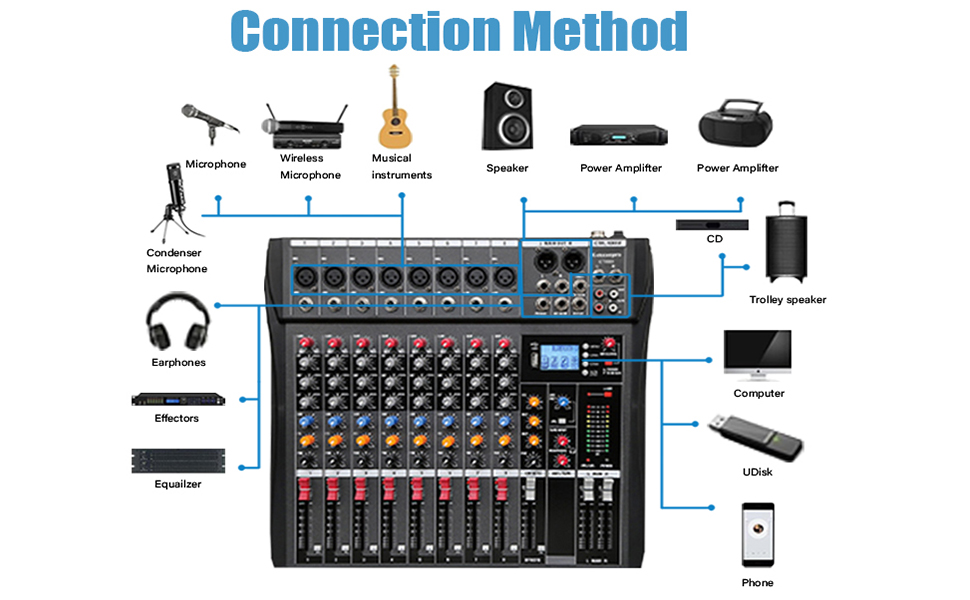
Laptop speakers and phone speakers compress and distort audio in ways that make accurate mixing impossible. What sounds balanced on laptop speakers often reveals grossly imbalanced elements when heard on headphones or good monitor speakers. Every final mixing pass should be done on headphones — preferably over-ear, closed-back headphones that provide a relatively neutral frequency response.
Consistency across the timeline
The most common mixing problem in amateur video is inconsistency — sections where music is significantly louder than others, ambient sound that varies dramatically between clips, effects that are dramatically louder or quieter than neighbouring elements. This inconsistency draws attention to the editing — the viewer notices the changes because they are jarring — rather than allowing the sound design to work invisibly.
Listen to the complete video from beginning to end, paying attention only to volume levels. Any moment where you are surprised by a change in volume is a moment that needs adjustment.
Sound Effects and Accessibility — The Often Missed Dimension
Sound design in video has an accessibility dimension that is worth acknowledging explicitly: not all viewers can hear what the sound design is doing.
For viewers who are deaf or hard of hearing — a significant population that includes both those with complete hearing loss and the much larger group with partial hearing loss — videos that rely heavily on sound for emotional impact need to ensure that their visual storytelling is strong enough to carry the experience independently.
This is not an argument against sound effects. It is an argument for ensuring that sound and visual storytelling work together rather than substituting for each other. The video that uses sound effects to create an experience that the visuals alone cannot convey should also ensure that captions are provided for all spoken content and that the visual storytelling — composition, editing, colour, motion — is doing as much emotional work as the sound.
The best sound design enhances a visual story that is already strong. It does not replace visual storytelling.
The Sound Effect You Never Notice — Room Tone and Its Absence
I want to end with the most underappreciated and most practically impactful concept in all of sound design for video creators: room tone.
Room tone is the ambient sound of the specific space in which footage was filmed — the particular combination of HVAC hum, distant traffic, acoustic reflections, and indefinable environmental noise that is unique to every location.
Every shot in every video has room tone. The problem is that most video editors strip it out.
When a talking-head video is edited by cutting out pauses and mistakes — as we discussed in our post on jump cuts — the audio track is left with gaps between the segments of speech. These gaps are completely silent — digital silence, which has a different quality from the ambient silence of the filming location.
The result, when the video is played back, is that the speech feels disconnected from its environment. Each clip is slightly acoustically different from the last because each was recorded in slightly different conditions. The transitions between clips feel abrupt even when the visual cut is smooth, because the audio environment changes at each cut.
Professional video editors solve this by covering the timeline with a continuous layer of room tone — the ambient sound of the filming location, recorded separately for sixty seconds before or after filming, laid under the entire edited sequence. The room tone creates acoustic continuity between the clips. The transitions feel smooth because the sound environment is consistent. The speech sounds like it is happening in a single, continuous space rather than a series of disconnected recordings.
This single technique — laying a continuous room tone track under talking-head footage — makes more difference to the perceived professionalism of video editing than almost any visual technique. And it requires nothing except the habit of recording sixty seconds of ambient sound at every filming location before packing up the camera.
The sound you never consciously notice is the sound that holds everything together.
Closing Thought — You Are Not Making a Movie. You Are Creating a World.
The distinction between a video that shows something and a video that creates an experience of something is not a distinction of equipment or budget or technical sophistication.
It is a distinction of intention — specifically, the intention to consider what the viewer will hear as carefully as what the viewer will see.
The chef’s kitchen that puts you in the kitchen rather than showing you a kitchen. The wedding video that puts you at the wedding rather than showing you the wedding. The travel film that puts you in Meghalaya rather than showing you footage of Meghalaya.
These experiences are created by the full composition of what the viewer hears: the ambient world of the footage, the designed sounds that punctuate and shape the emotional journey, the music that establishes the emotional architecture, and the careful mixing that ensures each layer is doing its work without competing with the others.
None of this is beyond reach. None of it requires a professional studio or a specialist team. It requires developing an ear as well as an eye — listening to your own footage with the same critical attention you bring to watching it, hearing what is missing as clearly as you see what is there.
Sound effects are not an addition to a video. They are half of the experience. The half that pure visuals can gesture toward but never deliver alone.
Make both halves count.
Written by Digital Drolia — exploring the craft behind video content that creates genuine experience rather than mere information delivery. Found this valuable? Share it with a video creator who is putting all their attention on the visuals and wondering why their videos do not feel as immersive as the ones they admire.