

How to Write Your First Social Media Post — The Complete Guide to Starting Strong | Digital Drolia

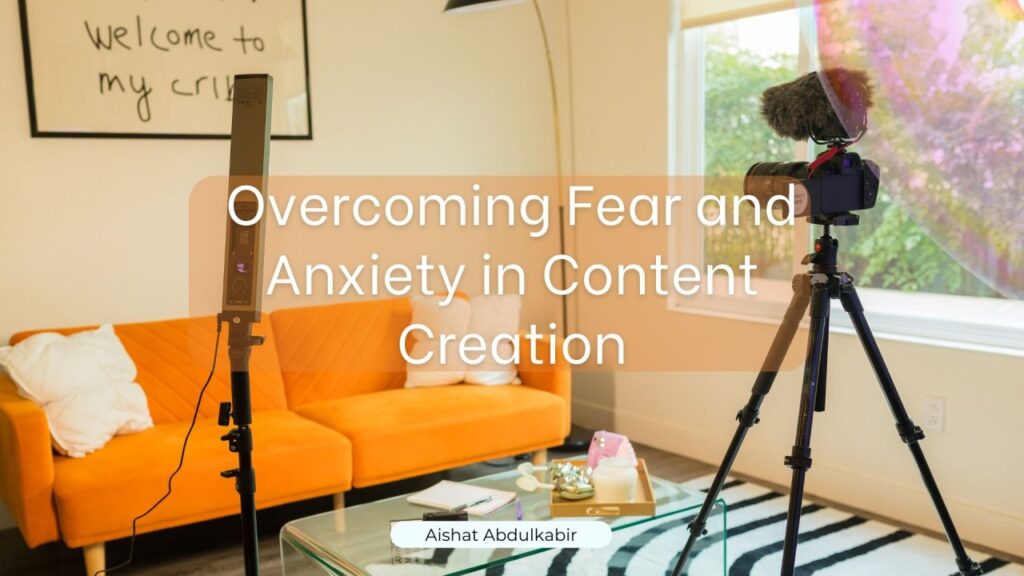
There is a cursor blinking at you right now.
Or at least, there will be. The moment you open Instagram, Facebook, LinkedIn, or Twitter to write your very first post — that blank text box will stare back at you with a quiet, almost mocking patience. And suddenly, every thought you had about what to write will evaporate completely.
You will type something. Delete it. Type something else. Hate it. Close the app. Tell yourself you will do it tomorrow.
Tomorrow becomes next week. Next week becomes next month. And your brand new social media account — full of potential, full of possibility — sits there collecting digital dust while your competitors are out there posting, growing, and connecting with the exact customers you want to reach.
Sound familiar?
Here is the thing: writing your first social media post is not actually a writing problem. It is a thinking problem. Most people sit down to write before they have clarity on what they want to say, who they are saying it to, and why it matters. And without that clarity, no amount of staring at a blank screen will produce something worth posting.
This guide is going to give you that clarity — and a whole lot more.
We are going to cover everything from the psychology of why first posts feel so hard, to the exact structure of a great post, to platform-specific formats, real examples, caption formulas, hashtag strategy, and a step-by-step process for writing posts that people actually read, engage with, and share.
By the end of this guide, that blinking cursor will not intimidate you anymore. You will know exactly what to write, how to write it, and why it will work.
Let us begin.

Why the First Post Feels So Impossibly Hard
Before we solve the problem, let us name it honestly — because understanding why something is difficult is the first step to overcoming it.
Writing your first social media post feels hard for several reasons that have nothing to do with writing ability.
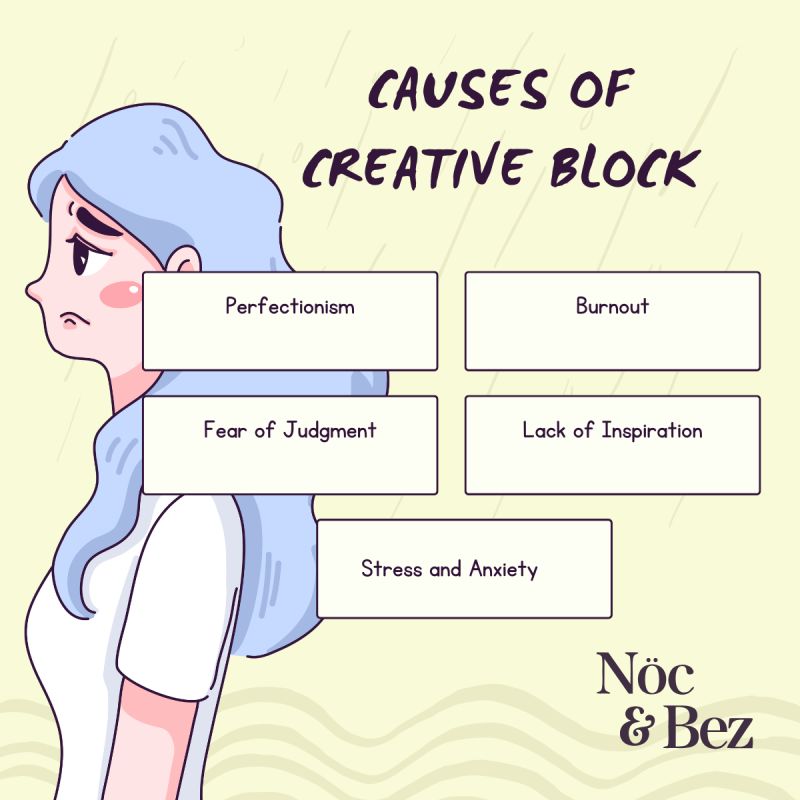
The perfectionism trap. Your first post feels impossibly significant because it is the first thing the world will see from your account. You want it to be perfect. You want it to immediately communicate everything about your brand, your expertise, your personality, and your value. That is an enormous amount of pressure to put on a single post — and that pressure is what causes paralysis.
Here is the truth: nobody is watching your first post as closely as you are. For most new accounts, the first post is seen by a handful of people — maybe your closest followers, maybe a few curious clicks from your network. It is not a grand debut on a world stage. It is a quiet conversation starter. Treat it that way.
The comparison spiral. You have been consuming other people’s content for years. You have seen polished, professional posts from established accounts with large followings and dedicated content teams. And now you are comparing your first attempt to their hundredth best effort. That comparison is neither fair nor useful. Every great account started with a first post. Some of those first posts were genuinely terrible. And those accounts grew anyway — because they kept going.
The “what do I even say” problem. Most people sit down to write without a clear answer to the most basic question: what is this post actually about? When the topic is undefined, the writing cannot flow. We will solve this completely in this guide.
Fear of judgment. Deep down, many people are afraid that their post will be ignored, mocked, or criticized. This is a normal human fear — but it is worth examining. Most first posts are not criticized. They are simply seen and moved past. The risk of embarrassment is almost always lower than it feels. And the cost of never posting is always higher than you realize.
Now that we have named the real obstacles — let us dismantle them one by one.
Part One — Before You Write a Single Word
Step 1 — Get Clear on Your Purpose
Every social media post exists for a reason. The most effective posts are written with that reason clearly in mind from the very beginning. Before you open the app, before you think about what to write, answer this question:
What do I want this post to do?
The answer will fall into one of several categories. You might want to build awareness — introducing yourself or your brand to new people. You might want to educate — sharing knowledge or insight that helps your audience. You might want to entertain — making people laugh, smile, or feel something. You might want to inspire — motivating people or shifting their perspective. You might want to drive action — getting people to visit your website, send a DM, make a purchase, or sign up for something.
For a first post specifically, awareness and introduction are the most natural purposes. You are new. People do not know you yet. The most natural thing to do is tell them who you are — but in a way that is interesting and relevant to them, not just a formal announcement.
Write down your purpose before you write your post. Keep it visible while you write. Every sentence you type should serve that purpose — and anything that does not serve it should be cut.
Step 2 — Know Your Audience With Uncomfortable Specificity
“My audience is small business owners” is not specific enough. “My audience is first-generation Indian entrepreneurs between 25 and 40 who are trying to build an online presence for their offline business and feeling overwhelmed by all the platforms and conflicting advice” — that is specific enough.
The more precisely you can picture the person reading your post, the more effectively you can write for them. And counterintuitively, the more specific you are, the more broadly your post will resonate — because specificity creates recognition. When someone reads something that describes their exact situation, they feel understood in a way that vague, general content never achieves.
Before writing your first post, create a simple mental profile of your ideal reader or viewer. What do they do for work? What is their biggest challenge right now? What do they want that they do not yet have? What keeps them up at night? What would make their day if they read it in your post?
Write your post for that specific person. Not for an abstract audience. Not for your followers as a statistical group. For one real, specific, imagined human being sitting across from you.
Step 3 — Choose Your Content Pillar
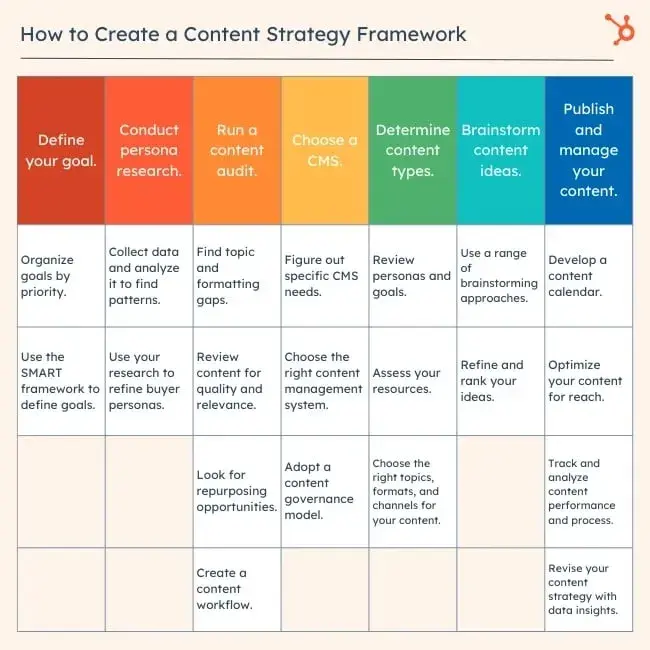
A content pillar is a broad theme or topic area that your account consistently covers. Most accounts have three to five content pillars that define the range of topics they post about.
For a digital marketing account, pillars might be: beginner education (teaching fundamentals), practical tips (actionable advice), behind-the-scenes (showing real work), industry news (updates and trends), and personal story (the human behind the brand).
For a restaurant, pillars might be: food showcases, recipes and cooking tips, behind-the-scenes kitchen content, customer stories, and local community highlights.
Knowing your pillars before you write your first post does two things. It gives you a clear category to write within — which reduces the “what do I write about” paralysis immediately. And it helps you start thinking about your first post not as an isolated piece but as the beginning of a larger, consistent body of content.
Your first post can introduce who you are and hint at what these pillars will be — giving new followers a preview of what they can expect from your account.
Part Two — Understanding What Makes a Great Social Media Post
The Three Layers of Every Effective Post
Every great social media post — regardless of platform, format, or topic — operates on three simultaneous levels.
The hook. This is the first line, the opening image, or the opening few seconds of a video. Its only job is to stop someone from scrolling and compel them to engage further. Most social media feeds are rivers of content moving at relentless speed. The hook is what makes a post a dam in that river — something that catches people mid-scroll and makes them pause.
The body. This is the substance of your post — the information, story, opinion, humor, or inspiration that you promised with your hook. The body delivers the value. It is where you make good on the curiosity or interest your hook created. A weak body after a strong hook is a betrayal of the reader’s attention.
The close. This is how you end your post. It can be a question that invites comments. It can be a call to action that drives a specific behavior. It can be a punchline that rewards the reader for getting to the end. It can be a reflective statement that leaves them thinking. A strong close is what separates posts that get engagement from posts that get scrolled past after being read.
Understanding these three layers means you can diagnose any post you write. If your post is not performing, ask yourself: was the hook strong enough to stop the scroll? Did the body deliver real value? Did the close give people a reason to respond?
What Makes a Hook Irresistible
The hook is the most important part of any social media post — and the part most people get wrong.
Most people open their posts with context, preamble, or pleasantries. “Hello everyone! I am so excited to share something with you today. As many of you know, I have been working on my business for a while now and…” By the time they get to the actual point, the reader is already gone.
Great hooks do the opposite. They start in the middle of something interesting. They make a bold claim. They ask a question the reader cannot resist answering in their head. They reveal something surprising. They create a pattern interrupt that makes the reader stop and pay attention.
Here are the most reliable hook formulas:
The bold statement hook: “Most people are doing [common thing] completely wrong.” This creates immediate curiosity and slight controversy — both powerful attention-grabbers.
The surprising fact hook: “I lost my first three clients in one month — here is what I learned.” Failure stories are counterintuitively powerful because they are rare and human. Most brands only show success. Vulnerability stands out.
The question hook: “What would you do if your best-performing campaign suddenly stopped working?” A question that speaks directly to your audience’s experience or fear is almost impossible to scroll past without at least pausing.
The specific number hook: “5 years ago I had zero social media followers. Today I manage 12 brand accounts. Here is the exact thing that changed everything.” Specific numbers create credibility and promise a specific, contained story.
The contrarian hook: “Posting every day is actually hurting your social media growth.” Taking an unexpected position on a topic your audience cares about immediately stops the scroll.
The relatable observation hook: “There is a specific kind of panic that happens when you realize you have not posted in three weeks.” Opening with a specific, relatable feeling creates instant connection.
Practice writing five different hooks for every post before choosing one. The first hook you write is rarely the best one. The third or fourth draft is almost always stronger.
Part Three — The Anatomy of Your First Post
Your first post specifically carries a unique purpose — it introduces you or your brand to the world. This is sometimes called an introduction post or a “Hello World” post, and it deserves special attention because it sets the tone for everything that follows.
Here is the thing about introduction posts: they are extremely common, which means most of them are forgettable. “Hi! I am [name]. I do [thing]. Follow me for content about [topic].” That structure is so expected that it barely registers.
Your first post needs to be an introduction — but a memorable one. Here is how to make it work.
The Introduction Post Formula
Open with something other than “Hi, I am [name].” Start with a hook that draws people in before you reveal who you are. A bold statement about your industry. A surprising personal fact. A question that your ideal follower would immediately identify with. Create intrigue before you introduce.
Tell a micro-story. Instead of listing your credentials and skills, tell a brief story — the moment that led you to start this account, the problem that drove you into your field, the experience that changed how you think about your topic. Stories are remembered. Lists of qualifications are forgotten.
Connect your story to their situation. The transition from your story to your audience is crucial. Why does your journey matter to them? What does it mean for what they will get from your account? Make the connection explicit.
Paint a picture of what following you means. Give potential followers a reason to hit that follow button right now. What will they learn? What will change for them? What will they see regularly on your account? Make the follow feel like a decision that serves their interests — not just a favor to you.
End with an invitation. Ask a question that encourages your first commenters to introduce themselves, share their situation, or respond to something you mentioned. Your first post’s comments section is a community-building opportunity — use it.
A Real Example of a Strong First Post
Let us say you are a freelance social media manager launching your Instagram account. Here is what a weak first post looks like versus a strong one.
Weak first post: “Hi everyone! I am so excited to finally launch my Instagram page. I am a social media manager with 3 years of experience helping businesses grow online. I will be sharing tips about Instagram, Facebook, and digital marketing. Follow me for regular content! 😊 #socialmedia #digitalmarketing #contentcreator”
This is fine. It is inoffensive. It is also completely forgettable. There is no hook. The story is absent. The audience has no compelling reason to follow.
Strong first post:
“Three years ago I took on my first social media client for ₹3,000 a month. I had no idea what I was doing.
I posted every day. I used every hashtag I could find. I copied what big brands were doing. And after 60 days — almost zero growth.
So I stopped guessing and started studying. I read every case study I could find. I ran experiments. I made mistakes. Then I started making things work.
Today I manage social media for 14 brands — from local restaurants to D2C startups — and I have figured out what actually moves the needle for small businesses with real budgets and real constraints.
That is what this account is about.
No vanity metrics. No guru nonsense. No “just post consistently” advice that helps nobody.
Just honest, tested strategies for businesses trying to grow — shared every week.
If that sounds useful — welcome. I am glad you are here.
One question to start: what is the biggest social media challenge you are facing right now? Drop it below — I read every reply.
*#SocialMediaMarketing #SmallBusinessIndia #DigitalMarketing #ContentStrategy #FreelancerLife”
See the difference? The second post has a story. It has a hook. It has a villain (bad advice and guessing) and a resolution (figuring out what works). It clearly defines the account’s purpose. It invites engagement. And it ends with a question that will generate real, useful responses from the exact audience this account wants.
Both posts are “introduction posts.” Only one of them actually works.

Part Four — Platform-Specific Post Writing Guides
Different platforms have different norms, different formats, and different audience expectations. Here is how to adapt your post writing for each major platform.
Writing for Instagram
Instagram is a visual platform first — which means your image or video is doing most of the heavy lifting. Your caption supports and deepens the visual, but it does not replace it.
Caption length on Instagram: Contrary to what many people believe, longer captions often outperform short ones — because they keep people engaged with your post longer, which signals to Instagram’s algorithm that your content is valuable. However, Instagram truncates captions after three to four lines with a “More” button. This means your first three lines are critical — they need to be compelling enough to make someone tap “More.”
The Instagram caption structure: Line 1-3 — Hook (must work without the reader tapping “More”) Rest of caption — Body (story, value, insight, or information) Final lines — Call to action or question Blank line — Hashtags (or put them in the first comment)
Formatting for Instagram: Use line breaks generously. A wall of text is visually intimidating on a mobile screen. Short paragraphs, one to three sentences each, with clear breaks between them, are far more readable. Some creators use dots or dashes as visual spacers between sections.
Hashtags on Instagram: Use three to ten highly relevant hashtags. Place them at the end of your caption or in the first comment. Mix niche-specific hashtags (smaller, more targeted) with mid-size hashtags (some traffic, less competition). Avoid giant generic hashtags where your post will be buried instantly.
Emojis on Instagram: Used thoughtfully, emojis add visual breaks, personality, and warmth. Used excessively, they look chaotic and unprofessional. A few strategically placed emojis — particularly at the start of bullet points or to emphasize a key word — is the right balance for most accounts.
Writing for LinkedIn
LinkedIn is a professional network where thoughtful, substantive content performs best. The platform’s algorithm heavily rewards posts that generate comments — so writing posts that invite genuine discussion is a core strategy.
LinkedIn post length: LinkedIn allows up to 3,000 characters. Posts that use most of that space — telling a real story, sharing a detailed insight, or walking through a framework — tend to outperform short posts. However, quality always beats quantity. A tight, well-crafted 300-word post beats a rambling 1,000-word one.
The LinkedIn post structure: Line 1 — Hook (this is critical — LinkedIn shows only the first line before “See more”) 2-3 short paragraphs — Story or context Main content — Insight, lesson, framework, or opinion Conclusion — Key takeaway Call to action — Question that invites discussion
Formatting for LinkedIn: Short paragraphs — ideally one to two sentences each — with space between them. Long unbroken paragraphs are difficult to read on mobile and get skipped. Some LinkedIn creators use bold text (by pasting from a Unicode bold text generator) to emphasize key phrases, though this should be used sparingly.
What performs well on LinkedIn: Personal stories with a professional lesson. Counterintuitive takes on industry topics. Behind-the-scenes looks at real work. Honest reflections on failure or challenge. Practical frameworks or step-by-step processes. Career milestones shared with vulnerability and insight, not just bragging.
What to avoid on LinkedIn: Overly promotional posts that are just advertisements for your services. Engagement-bait posts (“Like if you agree!”). Vague inspirational quotes without any personal context or original thought. Anything that would feel more appropriate on a different platform.
Writing for Facebook
Facebook sits in an interesting middle ground — less visual than Instagram, less professional than LinkedIn, more community-oriented than Twitter. Facebook posts that perform best feel conversational, warm, and authentic.
Facebook post length: Facebook supports very long posts, but the sweet spot for most business accounts is between 100 and 250 words for regular posts. Long-form posts can work when they tell a genuinely compelling story — but they need to earn every word.
What works on Facebook: Local relevance (posts that speak to a specific community or geographic area). Warmth and authenticity over polish. Questions that invite community discussion. Behind-the-scenes content. Stories about real people and real experiences. Offers and promotions with clear details.
Facebook-specific features: Events, polls, and Facebook Live all generate significant organic reach because Facebook actively promotes use of its native features. If you are launching a product, hosting a workshop, or running a promotion — creating a Facebook Event around it can dramatically increase your organic visibility.
Writing for Twitter / X
Twitter is the platform of real-time conversation, hot takes, wit, and threads. The character limit — 280 characters per tweet — forces economy of language that makes strong Twitter writing distinctive.
The single tweet: Every word must earn its place. Cut articles, cut filler phrases, cut anything that does not add meaning. Lead with the most interesting part. End with impact.
The thread: Threads — a series of connected tweets — are Twitter’s answer to long-form content. They allow you to develop an idea with the depth it deserves while still honoring the platform’s short-form nature. Thread first tweets are hooks. Each subsequent tweet advances the idea. The final tweet summarizes and calls to action.
What works on Twitter: Strong opinions stated clearly. Observations about things everyone experiences but nobody has articulated. Counterintuitive takes. Real-time commentary on news and events relevant to your field. Humor — if it comes naturally. Threads that teach something genuinely useful.
Part Five — Caption Formulas You Can Use Right Now
If you are still not sure what to write, here are ten proven caption formulas that work across platforms. Take one, fill in the blanks for your specific situation, and write your first post.
Formula 1 — The Before and After: “[Time period] ago, I was [describe the before situation]. Today, [describe where you are now]. Here is what changed: [key insight or lesson].”
Formula 2 — The Mistake and the Lesson: “I made a [describe mistake] and it cost me [describe consequence]. But it taught me [key lesson]. Here is exactly what I would do differently: [specific advice].”
Formula 3 — The Hot Take: “[Common belief in your niche] is actually [counterintuitive position]. Here is why — [explanation with evidence or reasoning].”
Formula 4 — The Step-by-Step: “How to [achieve specific outcome] in [specific time frame]: [Step 1]. [Step 2]. [Step 3]. [Step 4]. [Step 5]. Save this for later.”
Formula 5 — The Story with a Lesson: “[Set the scene briefly]. [Describe what happened]. [Describe the turning point or realization]. The lesson: [clear, memorable takeaway]. Has something similar happened to you? Tell me below.”
Formula 6 — The List: “[Number] things I wish someone had told me about [topic]: 1. [Point]. 2. [Point]. 3. [Point]. Which one surprised you most?”
Formula 7 — The Myth vs. Reality: “Myth: [common misconception]. Reality: [the truth]. Most people believe the myth because [reason]. Here is how to make sure you are not one of them: [advice].”
Formula 8 — The Personal Reflection: “Something I have been thinking about lately: [honest thought or observation]. [Expand on the thought — why it matters, what triggered it, what it means]. What do you think? Am I the only one who feels this way?”
Formula 9 — The Resource or Tool: “The [tool/resource/platform] that changed how I [do specific thing]: [Name it]. Here is why it is worth your time: [specific benefits]. [Brief how-to or tip for getting started]. What tools are you using for [topic]?”
Formula 10 — The Introduction (for your first post): “I started [account/business/journey] because [honest, specific reason]. For [time period], I [what you did or struggled with]. Then [what changed or what you learned]. Now I am here to [what you plan to share or help with]. If you are someone who [describe your ideal reader’s situation] — this account is for you. Let me know in the comments: [relevant question that invites them to share about themselves].”
Part Six — The Writing Process
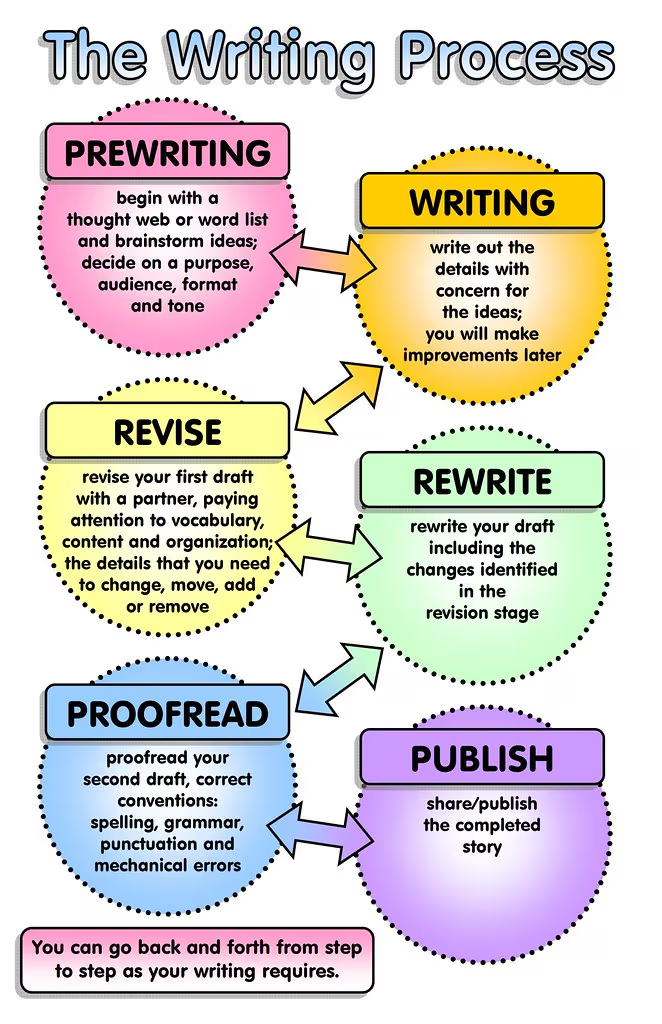
Now that you have formulas, structures, and frameworks — let us talk about the actual process of sitting down and writing.
Step 1 — Choose Your Formula and Fill It In Roughly
Pick the formula that fits your post purpose. Do not try to write perfectly — just fill in the blanks with whatever comes to mind first. Speed over quality at this stage. Your goal is to get something — anything — on the page.
A rough draft of a post takes five minutes. Most people spend two hours trying to write the perfect first line. Write the whole rough draft in five minutes instead, then spend time refining.
Step 2 — Write Your Hook Last
Counterintuitively, write the body of your post first and your hook last. Once you have written the substance of what you want to say, it is much easier to identify the most interesting, surprising, or compelling element — and turn that into your hook.
Many great hooks are pulled directly from the middle of a rough draft — a line that was buried in the body but is actually the most attention-grabbing part of the whole post. Surface it. Put it first.
Step 3 — Read It Out Loud
This is the single most effective editing technique for social media writing. Read your post out loud, exactly as written. Every place you stumble, hesitate, or feel awkward is a place the writing needs work. Every sentence that sounds stiff or robotic when spoken is a sentence that will read stiff and robotic when scrolled past.
Social media writing should sound like natural conversation — like one person talking directly to another. If it does not sound that way when you read it aloud, rewrite it until it does.
Step 4 — Cut Without Mercy
Read through your post one more time with a single question in mind: does this sentence need to be here? If a sentence is repeating something already said, if it is adding context that the reader does not need, if it is hedging or qualifying in a way that weakens the point — cut it.
The best social media posts are not long. They are dense with value. Every sentence should earn its place by either advancing the story, adding information, or deepening engagement. Anything else is padding — and padding is what causes readers to stop reading before they reach your call to action.
Step 5 — Add Your Call to Action
Before you post, make sure your close is strong. End with something that gives the reader a clear next step. A question they can answer in the comments. An action they can take. A reflection they can sit with.
The best calls to action on social media are specific and low-effort. “What do you think?” is too vague. “Which of these five approaches do you currently use?” is specific and easy to answer. “Drop a 🙋 in the comments if this happened to you” is even lower effort — and often generates strong engagement precisely because it is so easy.
Step 6 — Choose or Create Your Visual
For image-based platforms like Instagram, your visual is as important as your caption — sometimes more so. Before you post, make sure you have an image or video that is:
High quality — well-lit, in focus, well-composed. Relevant to your caption content — it should complement and reinforce what you are writing about, not exist in a separate world from your text. Consistent with your visual identity — using your brand colors, aesthetic, and editing style. Attention-grabbing in a feed — think about whether it would stand out if you were scrolling quickly through dozens of other posts.
For text-heavy platforms like LinkedIn and Twitter, a relevant image or graphic still helps — posts with images consistently outperform text-only posts in terms of reach and engagement. Even a simple, clean graphic with your key point written as text over a branded background can significantly boost performance.
Step 7 — Post It
This is the hardest step for most people. And it is also the most important one.
Your post does not have to be perfect. It has to be published. An imperfect post that is live and being seen by real people is infinitely more valuable than a perfect post that is sitting in your drafts because you are not quite ready.
Press post. Then close the app.
Do not sit there refreshing every thirty seconds to check how many likes you have gotten. Do not spiral into second-guessing the minute it is live. Post it and walk away for at least an hour. Come back later to respond to any comments or engagement — but give the post time to breathe before you evaluate it.
Part Seven — After You Post
Responding to Comments and Engagement
When comments come in — and they will — respond to every single one. Especially in the early stages of your account, this is non-negotiable.
Every reply doubles your engagement count on that post. Every conversation you start in your comments builds a real relationship with a real person. And every reply signals to the platform’s algorithm that your post is generating meaningful interaction — which leads to broader distribution.
Respond genuinely. Not just “Thanks!” or “Great point!” — actually engage with what the person said. Ask a follow-up question. Agree and expand on their perspective. Respectfully offer a different view if you disagree. Treat your comments section like a real conversation, because it is.
Reviewing Your Post Performance
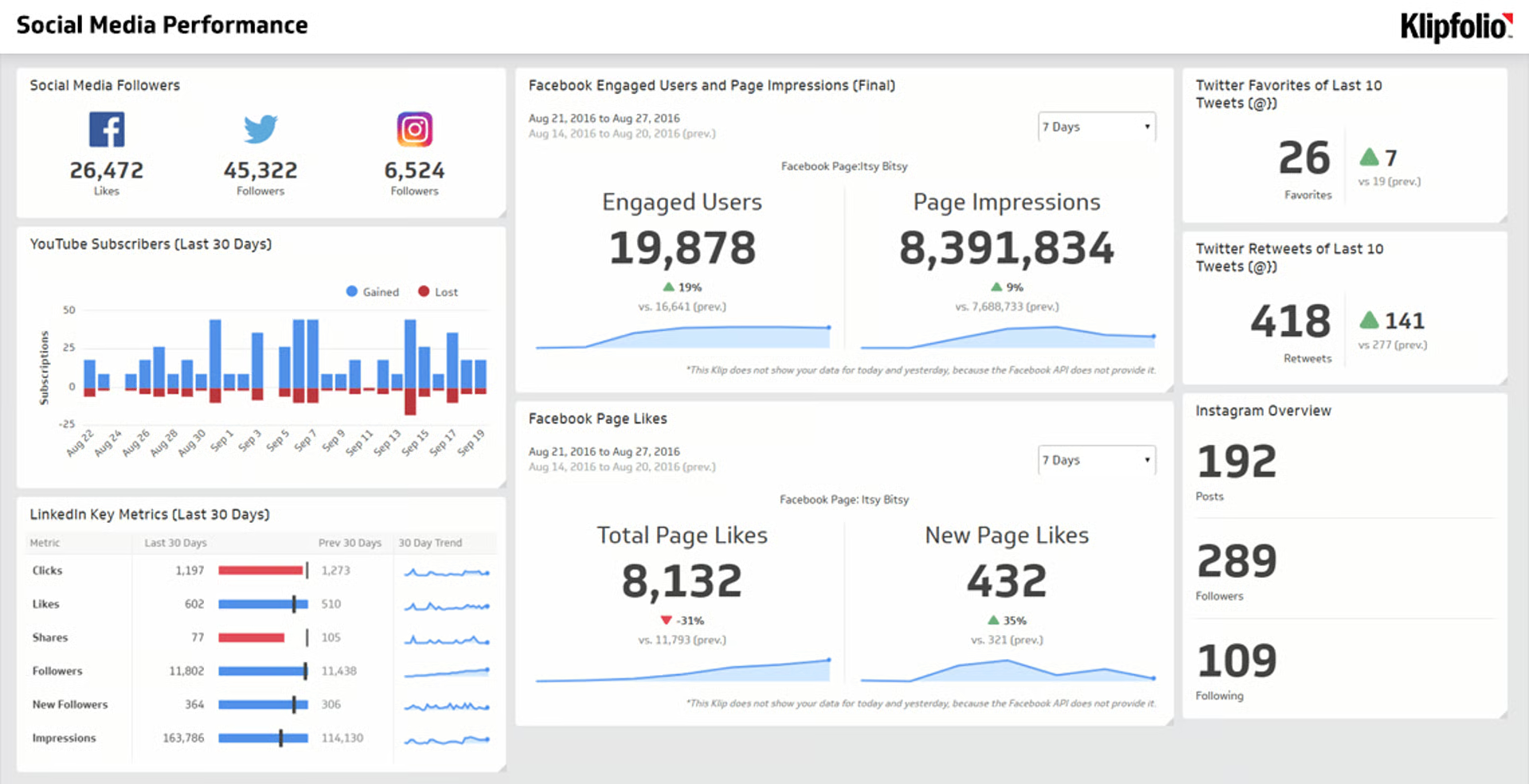
Give your post twenty-four to forty-eight hours before you evaluate its performance. Check your analytics — reach, impressions, engagement rate, saves, shares, link clicks — and ask yourself what the numbers are telling you.
Did the hook work? (Look at reach — did the post get shown to many people, or did it die quickly?) Did the content resonate? (Look at engagement rate — what percentage of people who saw it interacted with it?) Did it drive action? (Look at saves, shares, and link clicks — these are the highest-value engagement signals.)
Every post teaches you something. Posts that perform above average tell you what to do more of. Posts that underperform tell you what to adjust. Over time, this feedback loop makes you a significantly better social media writer — not through theory, but through the evidence of what actually works with your specific audience.
Planning Your Next Post
Do not wait until inspiration strikes to write your next post. Use the momentum of having posted once to plan the next three to five posts.
Look at your content pillars. What category have you not covered recently? What questions did your first post generate that deserve a follow-up? What did your audience respond to most strongly? What have you been wanting to share but have not found the right moment for?
Batch your writing — sit down once or twice a week and write multiple posts at once. This is far more efficient than writing one post at a time every day. When you are in writing mode, stay in writing mode and produce enough content for the next week or two. Then your only job is to post and engage — which is a very different, much lighter cognitive task.
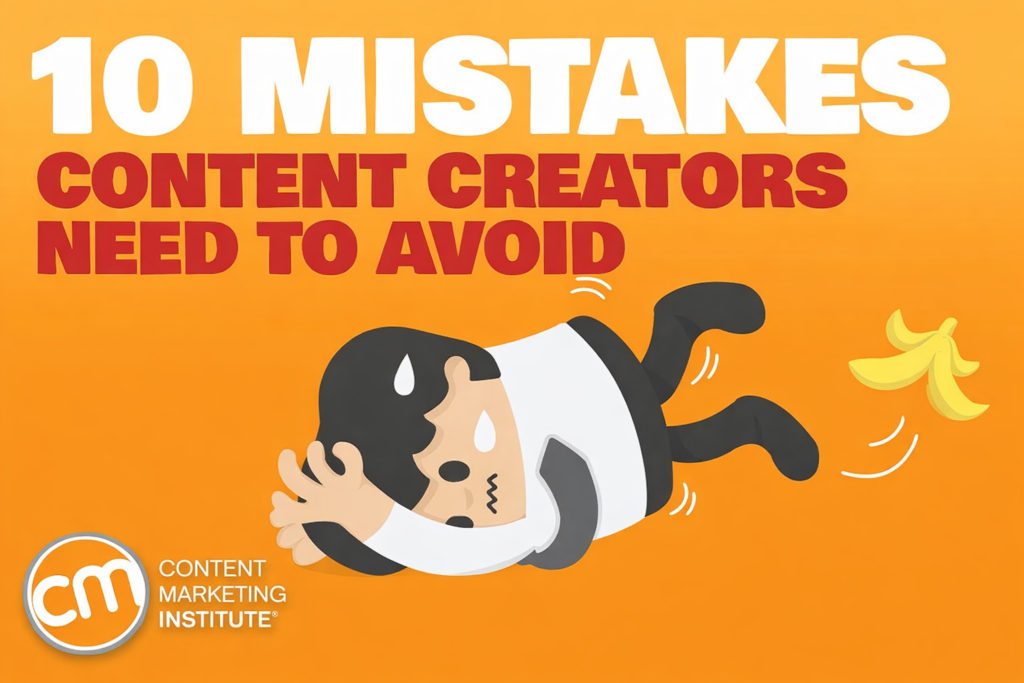
Common First Post Mistakes to Avoid
We have covered what to do. Now let us make sure you do not fall into the most common first post traps.
Apologizing for being new. “Sorry if my content is not perfect yet, I am just starting out.” Do not do this. It signals lack of confidence and immediately undermines the impression you are trying to make. Your audience does not need to know you are new — they need to know you are valuable.
Making it entirely about you. The most common first post mistake is writing a post that is purely self-focused — your background, your credentials, your excitement about starting. A great first post is about your audience as much as it is about you. What will they get? How will their experience be better for following you?
Using too many hashtags. Stuffing a post with thirty broadly irrelevant hashtags looks desperate and amateur. Use a small number of highly relevant hashtags and use them intentionally.
Forgetting a call to action. End every post with a clear invitation — a question, an action, a direction. Posts that end with a call to action generate significantly more engagement than posts that simply stop.
Waiting for the perfect moment. There is no perfect moment. There is only now and later. Later usually never comes. Post now.
Judging the post too quickly. Do not check the analytics every twenty minutes. Do not panic if the first few hours are quiet. Give the post time. Come back the next day and assess.
Never posting again. The biggest mistake of all. One post is not enough to build anything. The power of social media compounds over time — the accounts that succeed are the ones that keep showing up, keep improving, and keep connecting. Your first post is not a destination. It is a departure.
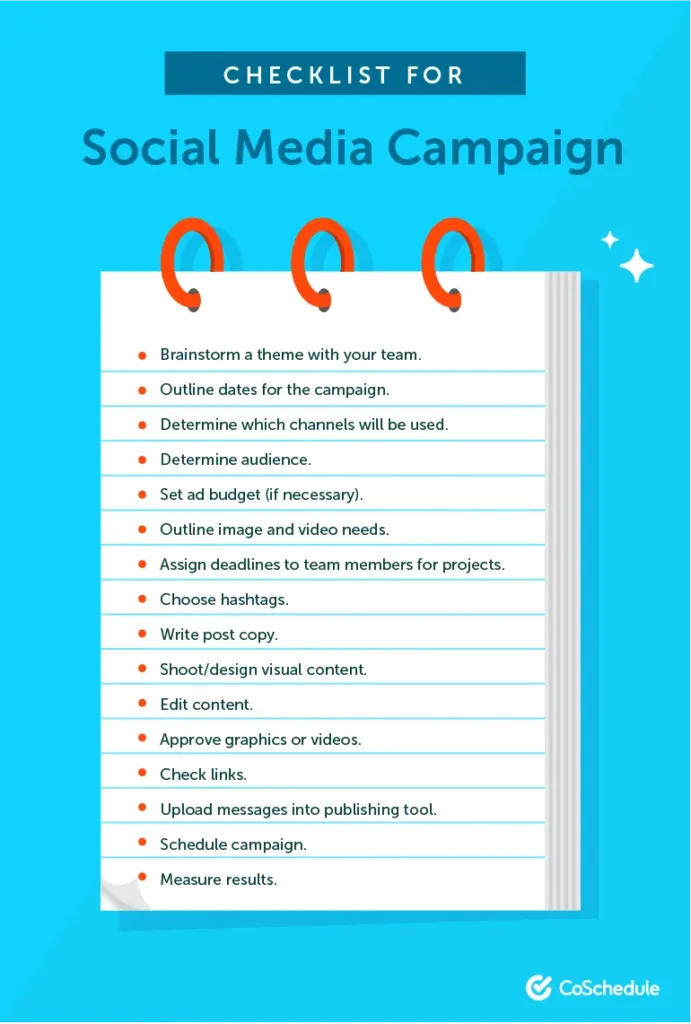
Your First Post — A Final Checklist
Before you publish, run through this quick checklist:
Does your first line make someone want to keep reading? Is the post written for a specific person rather than a vague general audience? Does it deliver genuine value — education, entertainment, inspiration, or connection? Does it have a clear call to action or closing question? Is it free of jargon and written in conversational language? Have you read it out loud and confirmed it sounds natural? Is your visual high quality and relevant (for visual platforms)? Have you chosen relevant, specific hashtags (not just the biggest ones)? Is it appropriately formatted for the platform — line breaks, length, structure?
Every box checked? Then there is only one thing left to do.
Final Thoughts — The Post That Changes Everything
Here is a secret that experienced content creators know but rarely talk about:
Your first post will not go viral. It will not immediately flood your account with followers or blow up your DMs with customer enquiries. It will probably be seen by a small number of people, generate a modest amount of engagement, and fade into your archive within a week.
And that is completely fine. That is how it is supposed to work.
Because your first post is not really about reach or engagement or going viral. It is about something more important — it is about proving to yourself that you can do this. That you can sit down, face the blank screen, write something real and honest and useful, and put it out into the world.
That act — that single, imperfect, brave act of publishing — is what separates the people who have a social media presence from the people who have a social media intention.
Every creator you admire started exactly where you are. With a blank screen. A blinking cursor. A knot of anxiety in their chest. And the decision to post anyway.
Your turn.
The cursor is blinking. Write something worth reading. Then press post.
Everything else — the followers, the engagement, the growth, the opportunities — comes after that.
Written by Digital Drolia | Helping you find your voice online — one post at a time