

How YouTube Ads Are Making Small Businesses Visible to Millions for Just a Few Rupees a Day


Let me tell you about a saree shop in Varanasi that nobody outside a three-kilometre radius had ever heard of.
Pradeep Gupta’s family had been weaving and selling Banarasi sarees for three generations. His grandfather had started the business in a small workshop near the ghats. His father had expanded it into a proper showroom. Pradeep had inherited both the business and the specific anxiety that comes with running something precious — something built with years of effort and love — in a world that seemed to be moving away from it.
The problem was not that Banarasi sarees were becoming less valuable. If anything, the opposite was true — genuine handwoven Banarasi silk had become increasingly rare and correspondingly prized. The problem was that the customers who would pay appropriately for authentic, handwoven sarees were not walking past the showroom in the numbers they once had. They were buying online — from large aggregator platforms that listed hundreds of sarees at a range of price points, where a genuine handwoven piece sat alongside power-loom imitations at a fraction of the price, and where Pradeep’s family business was invisible.
He had tried Instagram. A nephew had helped him set up an account and post photos. The photos were beautiful — the sarees were genuinely extraordinary. But the account sat at four hundred followers for six months without growing meaningfully. Nobody was finding it.
He had tried WhatsApp broadcasts to his existing customer base. That kept the relationship with existing customers warm but generated no new ones.
Then, at the suggestion of a digital marketing student who had come to the shop as a customer and stayed for a conversation, he tried YouTube advertising.
His first campaign ran for two weeks. The daily budget was two hundred and fifty rupees. The total spend for the two weeks was three thousand and five hundred rupees — less than the cost of a single page advertisement in a regional newspaper that nobody would see.
In those two weeks, his fifteen-second advertisement appeared in front of more than forty thousand people across India who had previously searched YouTube or Google for topics related to traditional Indian textiles, handloom sarees, Banarasi silk, and wedding shopping.
Eleven of those forty thousand people called the shop. Four visited in person. Two made purchases — one bridal saree and one gift set — that together were worth more than three times the entire advertising spend.
The saree shop in Varanasi had just shown its work to forty thousand interested people for the price of a business dinner.
Pradeep has not run a newspaper ad since.
For most of the history of advertising, the relationship between advertising spend and advertising reach was relatively simple: more money bought more reach. The minimum viable advertising spend for any channel was high enough that small businesses were effectively priced out of all but the most local, most limited channels.
A television commercial required producing the ad — often a significant cost — and buying airtime, which was measured in lakhs per thirty seconds during prime time and thousands even for late-night regional slots. A national newspaper advertisement was a minimum of tens of thousands of rupees for any meaningful placement. A billboard rental ran into thousands per month. Radio advertising was cheaper but still represented a meaningful financial commitment with no performance guarantee.
These costs were not incidental — they were structural. The economics of mass media required large minimum investments because the infrastructure of production, distribution, and measurement was expensive. The small business that wanted to reach beyond its immediate neighbourhood either accepted the financial risk or accepted invisibility.
YouTube advertising dismantled this structure in two ways simultaneously.
The first was the minimum viable spend. YouTube ads can be started with a daily budget of anywhere from fifty to a few hundred rupees. There is no meaningful floor below which the advertising does not function. A business spending two hundred and fifty rupees per day is running a real advertising campaign that reaches real people — not a degraded, token version of advertising that provides no meaningful exposure.
The second was targeting. The reason large minimum spends were necessary in traditional advertising was that you were paying to reach everyone who watched a particular channel or read a particular newspaper — including the vast majority who were irrelevant to your business. YouTube advertising allows targeting with sufficient precision that a meaningful proportion of every rupee spent reaches people who have demonstrated genuine interest in what you are selling.
The combination — low minimum spend with high-precision targeting — produced an advertising model that is genuinely accessible to businesses that had previously had no realistic advertising options beyond word of mouth and local signage.
How YouTube Advertising Actually Works — The Complete Picture
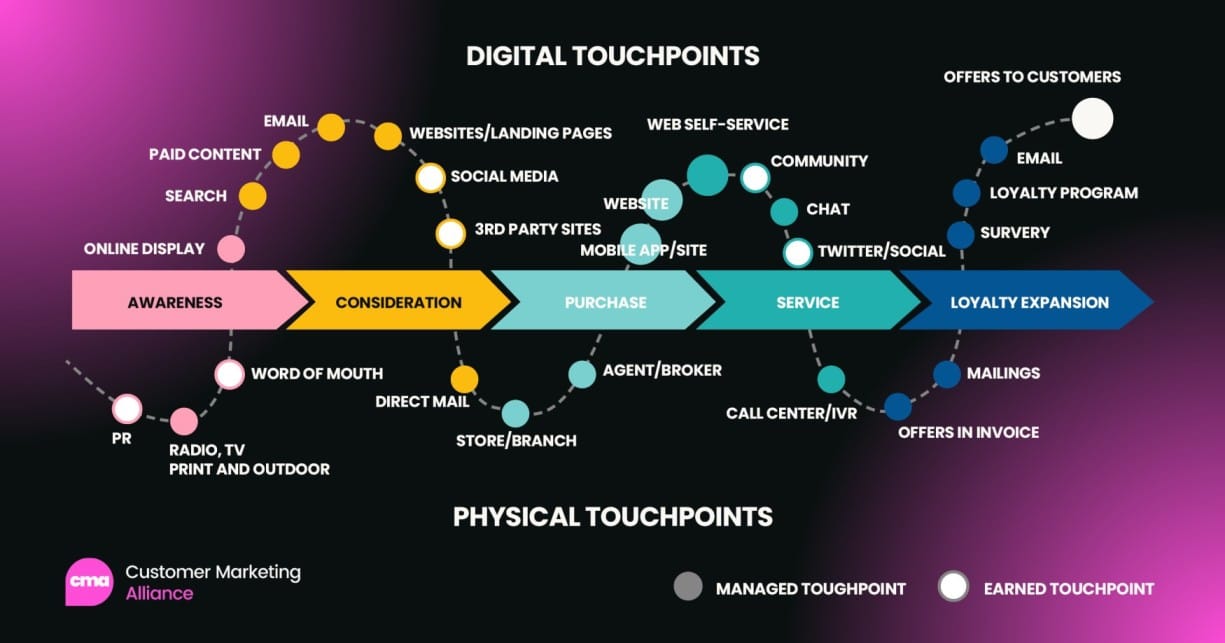
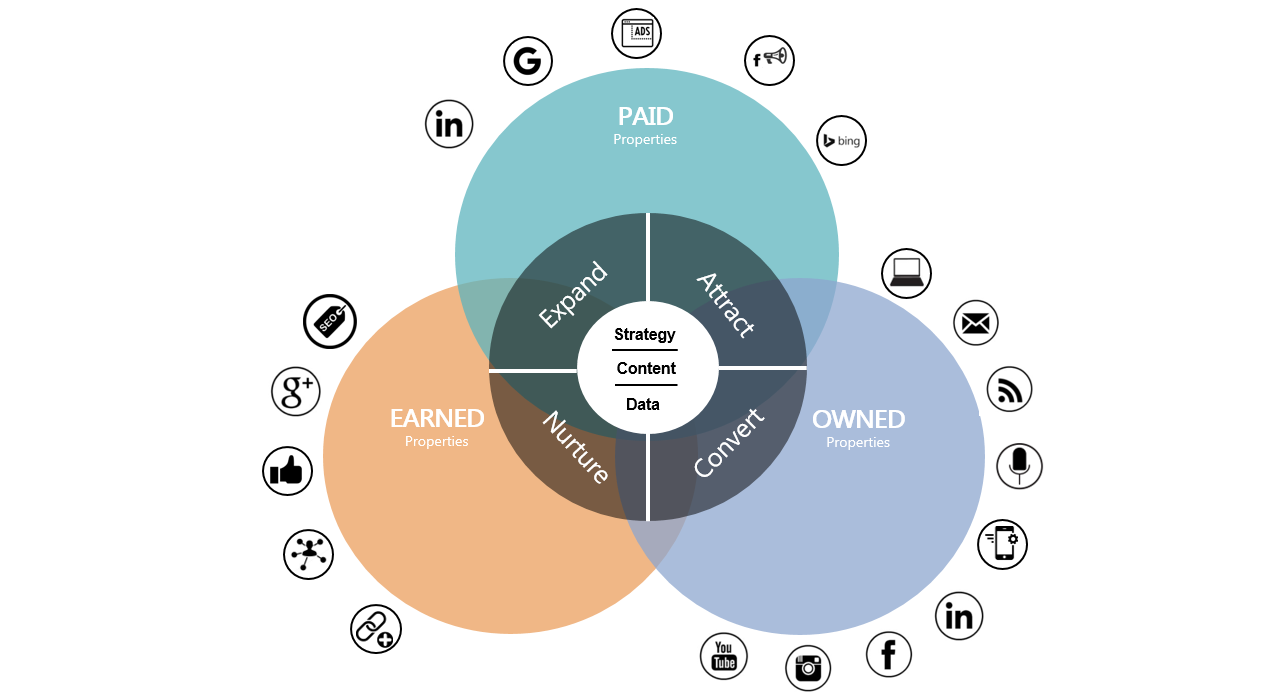
Before going deeper into the specific opportunities for small businesses, it is worth understanding clearly how YouTube advertising actually functions — because the mechanism reveals both the power and the nuance.
YouTube ads are served through Google Ads — the same platform that powers search advertising, display advertising, and Shopping ads. When a business creates a YouTube ad campaign, they are operating within Google’s advertising ecosystem, which has access to one of the world’s most comprehensive databases of audience behaviour and interest.
The ad formats available to small businesses
YouTube offers several ad formats, each suited to different objectives and different budget levels.
Skippable in-stream ads are the most familiar — the ads that appear before or during a YouTube video, which viewers can skip after five seconds. These ads are charged on a cost-per-view basis, meaning the business pays only when a viewer watches at least thirty seconds of the ad or interacts with it. Viewers who skip after five seconds cost nothing. This means that a business’s budget is spent only on viewers who chose to engage — a remarkable efficiency compared to broadcast advertising where every impression costs money regardless of attention.
Non-skippable in-stream ads are shorter — typically fifteen to twenty seconds — and must be watched completely before the viewer can access their content. These command higher attention because they cannot be avoided, but they also carry a higher obligation to be interesting and relevant in the time available.
Bumper ads are six-second non-skippable ads that appear before videos. They are typically used for brand awareness rather than detailed communication — six seconds is enough to reinforce a brand name and a single clear message but not enough for a complex pitch.
In-feed video ads appear in YouTube search results and alongside related videos rather than before content. These appear as thumbnails with a brief description and require the viewer to actively click to watch — making them particularly high-intent placements where the viewer has specifically chosen to engage.
For most small businesses starting with YouTube advertising, skippable in-stream ads offer the best combination of reach, engagement quality, and cost efficiency. The pay-per-view model means that the budget is spent on genuine attention rather than passive exposure.
The targeting that makes it precise
What makes YouTube advertising genuinely transformative for small businesses is the targeting capability — the ability to define the specific audience that should see the ad with far greater precision than any traditional advertising channel could achieve.
Demographic targeting allows the advertiser to specify age ranges, gender, parental status, and household income levels. A premium children’s educational product can be shown specifically to parents with young children. A luxury saree can be shown specifically to women in the age range most likely to be shopping for wedding or formal occasion wear.
Interest targeting allows the advertiser to reach people who have demonstrated interest in specific topics through their search and viewing behaviour. Someone who has been watching YouTube videos about traditional Indian textiles, handloom sarees, or wedding shopping is a warm audience for Pradeep’s saree shop — more relevant than a cold audience that has shown no indication of this interest.
Intent targeting — through what Google calls Custom Intent audiences — allows advertisers to define audiences based on specific search terms people have recently used on Google or YouTube. An advertiser can create an audience of people who searched for “Banarasi saree buy online” or “authentic handloom saree wedding” in the past thirty days — an audience with demonstrated, recent purchase intent.
Placement targeting allows advertisers to choose specific YouTube channels, specific videos, or specific categories of content where they want their ads to appear. A cooking equipment brand can choose to advertise on popular cooking channels. A finance product can choose to advertise on personal finance channels. The audience watching those specific channels has already self-selected as interested in the relevant topic.
Remarketing allows advertisers to show ads specifically to people who have already interacted with the business — visited their website, watched their previous videos, or engaged with their Google Business Profile. These are the warmest possible audiences because they already know the business exists and have demonstrated interest.
The combination of these targeting options means that a small business spending two hundred and fifty rupees per day is not showing their ad to a random population — they are showing it to a specifically selected group of people who have demonstrated the interests, behaviours, and life circumstances that make them likely potential customers.
The Five-Second Rule — Why Short Videos Work as YouTube Ads
One of the most common mistakes small businesses make when they start YouTube advertising is trying to replicate television commercial formats — producing polished, narrative-driven advertisements and running them as skippable pre-roll ads.
The five-second rule of YouTube advertising cuts through this instinct immediately: you have five seconds before the viewer can skip your ad. Those five seconds determine whether they stay or go. And the viewer’s decision to skip or not skip is not made based on the production quality of the ad — it is made based on one thing: does this appear to be relevant and interesting to me?
A polished thirty-second ad that spends its first five seconds on a cinematic logo animation and branded music loses most viewers before the actual content begins. A less polished ten-second video that immediately shows the specific product, the specific offer, or the specific problem it solves — in words and images that the target viewer immediately recognises as relevant to them — will hold more viewers past the five-second mark.
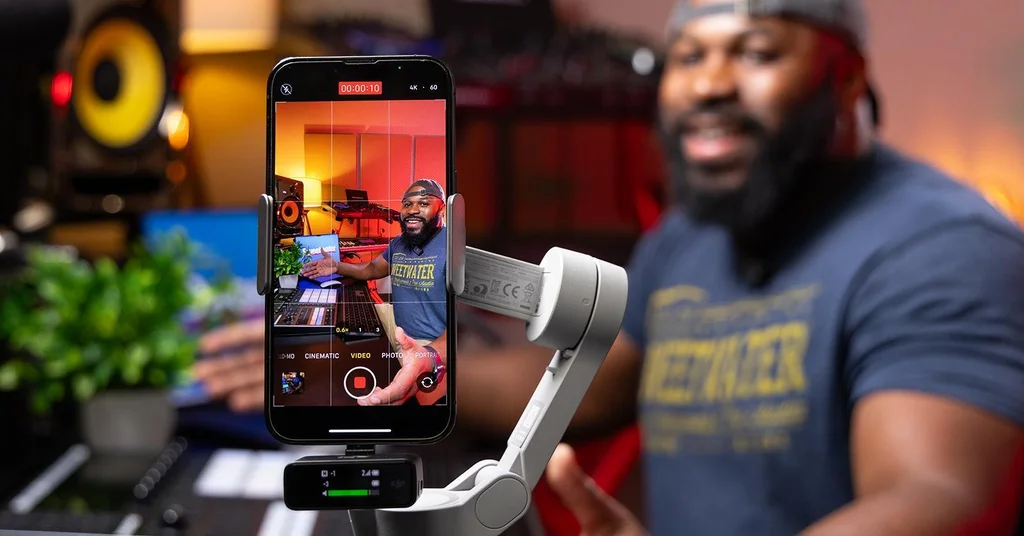
For small businesses making YouTube ads for the first time, the most effective approach is often the simplest. A person on camera, speaking directly and specifically to the target viewer, addressing their specific concern or desire, and explaining concisely what the business offers and why it is relevant to them right now.
Pradeep’s first ad was thirty-one seconds long. A member of his family appeared on camera, holding a newly finished Banarasi saree. The first sentence was: “If you are looking for a genuine handwoven Banarasi saree for a wedding or special occasion, I want to show you something that most people buying online will never see.”
The first five seconds established relevance — the specific viewer being addressed was someone looking for a Banarasi saree for a wedding. The rest of the ad showed the craftsmanship of the weave, named the family’s three-generation heritage, and ended with a specific invitation to visit the shop or call for a consultation.
This ad was made on a smartphone. It was not colour graded. The backdrop was the workshop. The audio was ambient. The production quality was ordinary.
The results were not.
The Power of Intent — Why YouTube Advertising Is Different From Social Media Advertising
We explored the distinction between intent-driven and interruption-driven advertising in our posts about Google Ads. The same distinction applies to YouTube advertising, and it is what makes YouTube advertising fundamentally different from the alternatives that small businesses typically start with.
Facebook and Instagram advertising is interruption advertising. The person who sees the ad was not looking for the product. They were scrolling for entertainment, connection, or distraction, and the ad appeared in their path. Some percentage of those interrupted people happen to be in the market for what the ad is offering at that particular moment — but the percentage is low, because the advertiser is reaching everyone on the platform rather than specifically the people with purchase intent.
YouTube advertising — particularly when targeted through interest and intent audiences built from search and viewing behaviour — is much closer to intent advertising. The viewer who is being shown an ad for genuine Banarasi sarees is a viewer who has recently watched videos about traditional Indian textiles or searched for handloom sarees. They did not just happen to be on the platform — they have demonstrated specific interest in exactly the category the advertiser is selling.
This intent proximity — the closeness of the audience to genuine purchase interest — explains why YouTube advertising converts at significantly higher rates than equivalent spend on social media advertising for many product categories. The audience is not random. It is warm.
For small businesses with limited budgets, this conversion efficiency matters enormously. When every rupee of advertising spend counts, reaching an audience that is genuinely predisposed to be interested in what you are selling is worth far more than reaching a larger but less relevant audience.
The Video Creator Advantage — How Organic Content and Advertising Work Together
One of the most powerful dimensions of YouTube advertising for small businesses is the relationship between organic YouTube content and paid advertising — a relationship that creates compounding value over time.
A small business that creates genuine YouTube content — educational videos about their product category, behind-the-scenes of their craft, honest comparisons of different options in their market — builds organic search visibility and audience trust simultaneously. This content works for the business indefinitely, without additional cost, through the search discovery mechanisms we explored in our posts about YouTube SEO and evergreen content.
When the same business runs YouTube advertising, the ad can point viewers not just to a website or a phone number but to the channel itself — building subscribers from paid traffic that then generates ongoing organic reach. A viewer who finds the business through an ad and subscribes to the channel becomes a long-term audience member who receives future organic content without any additional advertising spend.
This combination — paid advertising that builds organic audience, organic content that reduces reliance on paid advertising over time — is one of the most capital-efficient growth strategies available to small businesses on YouTube.
Pradeep’s saree shop, six months after starting YouTube advertising, has a channel with twelve hundred subscribers who regularly watch videos about the weaving process, the history of Banarasi textiles, how to identify genuine handwoven silk from imitations, and care instructions for silk sarees. These subscribers discovered the channel through advertising and then stayed for the content. They represent an ongoing marketing asset that costs nothing to maintain.
What Works and What Does Not — Honest Guidance for Small Business YouTube Advertisers
The promise of YouTube advertising for small businesses is real, but it requires honest expectations and specific execution to deliver. Here is a practical breakdown of what works and what does not.
What works: Hyper-specific targeting for purchase-ready audiences
The highest return on YouTube advertising investment comes from showing ads to people who are demonstrably close to a purchase decision — people who have searched for the product category recently, who have been watching content related to the purchase decision, or who have previously visited the business’s website or channel.
Building Custom Intent audiences around the specific search terms your potential customers use — the vocabulary of someone who is researching your product category before buying — produces an audience that is far more likely to convert than any demographic or interest-based targeting alone.
For Pradeep, the most effective audience was people who had searched for specific saree-related terms on Google or YouTube in the preceding thirty days — people actively in the consideration phase of a purchase decision. These people needed much less convincing than a cold audience that had not yet developed purchase intent.
What works: Simple, honest, specific video content
YouTube advertising rewards authenticity more than polish for most small business categories. An ad that shows real products, real people, real craftsmanship, or real customer experiences often outperforms a highly produced, heavily edited advertisement because it signals genuineness in a way that corporate production cannot.
The viewer who is shown a polished, perfected advertisement for a handloom product is implicitly aware that they are being sold to. The viewer who is shown an artisan at work, explaining their craft in plain language, experiences something closer to a recommendation than an advertisement. Trust is built differently — and in product categories where trust is central to the purchase decision, this trust-building quality of authentic video content is a genuine competitive advantage.
What works: Clear calls to action
Every YouTube ad for a small business should end with a specific, easy call to action. Not “visit us sometime” or “find us online” — specific. “Call this number to book a consultation.” “Visit our website to see our full collection and request a video call.” “WhatsApp us and we will send you photos of our current stock.”
The viewer who has watched the ad and is interested needs a simple, specific, low-friction next step. The easier and more specific that step is, the higher the proportion of interested viewers who will actually take it.
What does not work: Broad targeting with no audience definition
A YouTube ad campaign with no targeting — or with targeting so broad that it reaches the entire YouTube audience — is one of the least efficient advertising investments available. The YouTube audience includes everyone from children watching cartoons to engineers watching technical tutorials to grandparents watching devotional content. Without targeting, a business advertising premium sarees is spending money reaching all of these people rather than the specific subset who might be interested.
The investment in understanding targeting options and building specific audiences before launching a campaign pays back immediately through higher conversion rates and lower cost per meaningful interaction.
What does not work: Immediate impatience
YouTube advertising campaigns take time to optimise. The algorithm that determines who sees the ad learns from the engagement behaviour of the early audience — which types of viewers watch through, which skip, which click — and uses this learning to refine its targeting over time.
In the first week of a campaign, performance is typically lower than it will be after two or three weeks of learning. Small businesses that pause or abandon campaigns after a few days of modest results miss the optimisation period and never reach the performance that sustained campaigns achieve.
A minimum of two weeks at a consistent daily budget, with evaluation only after the first week’s data has been collected, is the appropriate patience horizon for a first YouTube advertising campaign.
The Specific Opportunities — Industries Where YouTube Advertising Is Transformative for Small Businesses


While YouTube advertising is broadly applicable, certain categories of small business have found it particularly transformative because of the specific match between their product or service and YouTube’s targeting and content capabilities.
Artisan and craft businesses
The combination of visual product demonstration and the targeting of audiences interested in traditional crafts, heritage products, or specific art forms makes YouTube advertising exceptionally well-suited to artisan businesses — handloom weavers, pottery makers, traditional jewellery craftspeople, leather artisans.
These businesses have been among the most difficult to find through traditional advertising because the market for genuine artisan products is geographically dispersed but deeply passionate. YouTube advertising solves both problems simultaneously — reaching the dispersed audience through digital targeting and demonstrating the craftsmanship through video in a way that no other advertising format can match.
Local service businesses with high customer lifetime value
A dentist, a dermatologist, a physiotherapist, or a legal professional who acquires a new patient or client through YouTube advertising acquires a relationship that may generate significant revenue over years. For these businesses, the economics of YouTube advertising are particularly favourable because the cost of acquiring a customer through advertising can be recovered many times over through the lifetime value of that customer’s ongoing relationship.
A dentist spending two hundred rupees per day on YouTube advertising who acquires one new patient per week — a patient who will return for regular checkups and who will refer family members — has made an advertising investment that pays back continuously without any additional spend.
Educational and training businesses
Coaching centres, professional training providers, and educational content businesses have found YouTube advertising particularly effective because the platform’s own educational content ecosystem creates warm audiences naturally. A viewer who has been watching finance educational content on YouTube is primed to see an advertisement for a finance certification course or professional coaching program — the adjacent targeting is extremely natural.
The ability to advertise directly to viewers of specific educational YouTube channels — using placement targeting to show ads before videos by creators in the relevant subject area — gives educational businesses a direct channel to audiences already demonstrating commitment to learning in their field.
Food and hospitality businesses
A restaurant, a home chef offering catering, a bakery, or a food product business benefits enormously from video advertising because food is a category where visual demonstration directly drives purchase desire. A thirty-second video of beautiful food being prepared and plated creates appetite and anticipation in a way that no text or static image can replicate.
The targeting of food-interested audiences — people who watch cooking content, people who search for restaurants in specific areas, people who have visited food-related websites — combined with video’s unique ability to make food look and feel desirable, makes YouTube advertising a natural fit for food businesses of all sizes.
The Measurement Revolution — Knowing What Is Working
One of the most significant practical advantages of YouTube advertising over traditional advertising for small businesses is measurability — the ability to know, with reasonable precision, what the advertising is producing.
Traditional advertising for small businesses was largely unmeasurable. A newspaper ad, a radio spot, or a local magazine placement generated whatever it generated with no reliable way to attribute specific customer behaviour to specific advertising. The business owner typically evaluated the value of traditional advertising through intuition — “we had a good month after that ad ran” — without being able to confirm the connection or measure its magnitude.
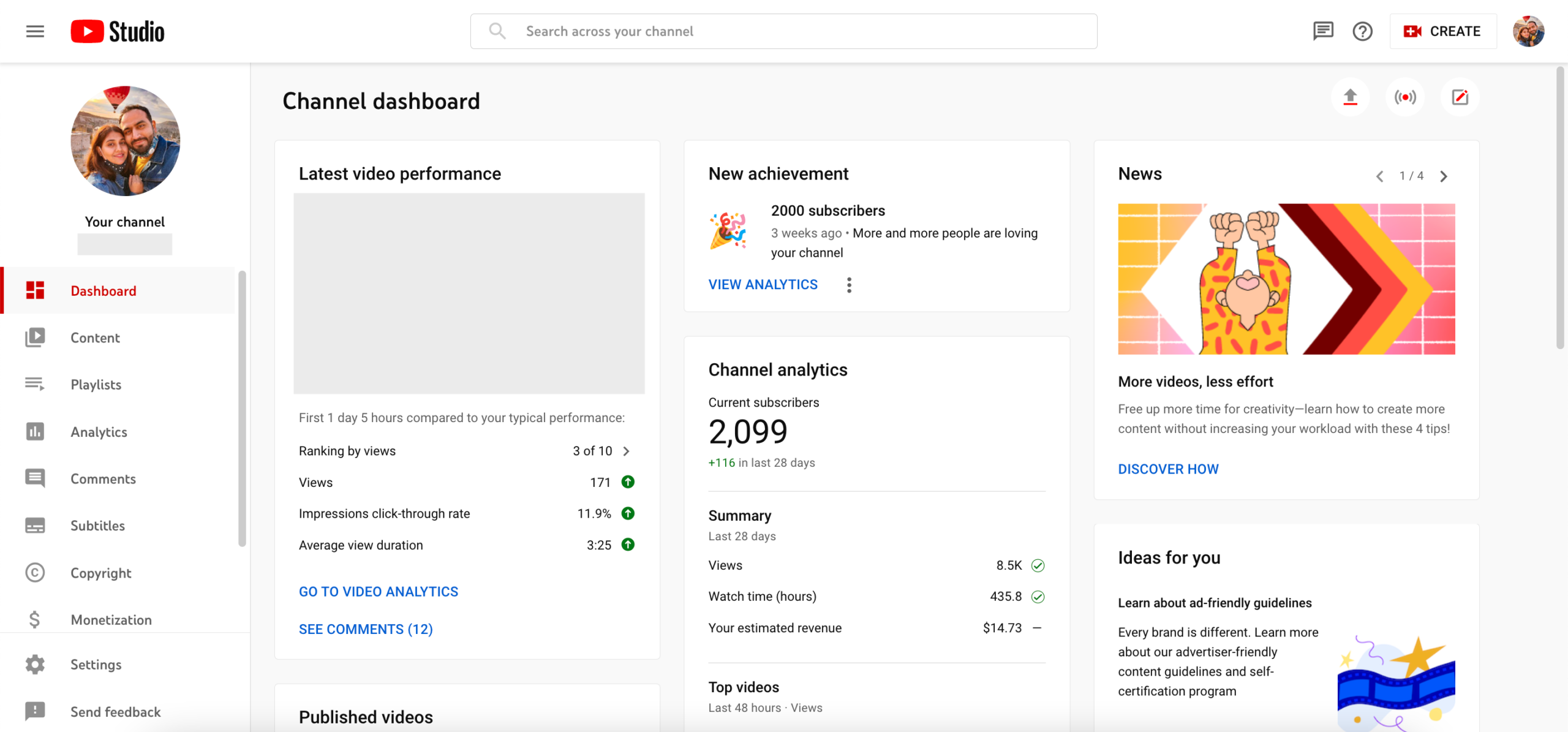
YouTube advertising through Google Ads provides detailed, real-time reporting on every campaign metric that matters. Views, view rate, cost per view, click-through rate, website visits attributed to the campaign, calls made from the ad, and — with proper conversion tracking set up — actual customer actions taken after seeing the ad.
This measurement capability transforms advertising from an act of faith into an evidence-based practice. A small business that runs a YouTube ad campaign and sees that it generated forty-seven thousand views, four hundred and twelve website visits, and twenty-three phone calls at a total cost of three thousand and five hundred rupees has actionable information. They know the cost per view, the cost per website visit, the cost per phone call. They can evaluate whether these costs justify continued advertising. They can test a different ad creative and compare the performance. They can adjust the targeting and measure whether the adjustment improves results.
This measurement-and-adjustment cycle — run a campaign, measure results, adjust based on data, run again — is the mechanism through which small businesses that use YouTube advertising well get progressively more efficient over time. The first campaign is rarely the most efficient. The tenth campaign, informed by nine rounds of learning, typically produces significantly better results for the same spend.
Getting Started — The Practical Path for a Small Business
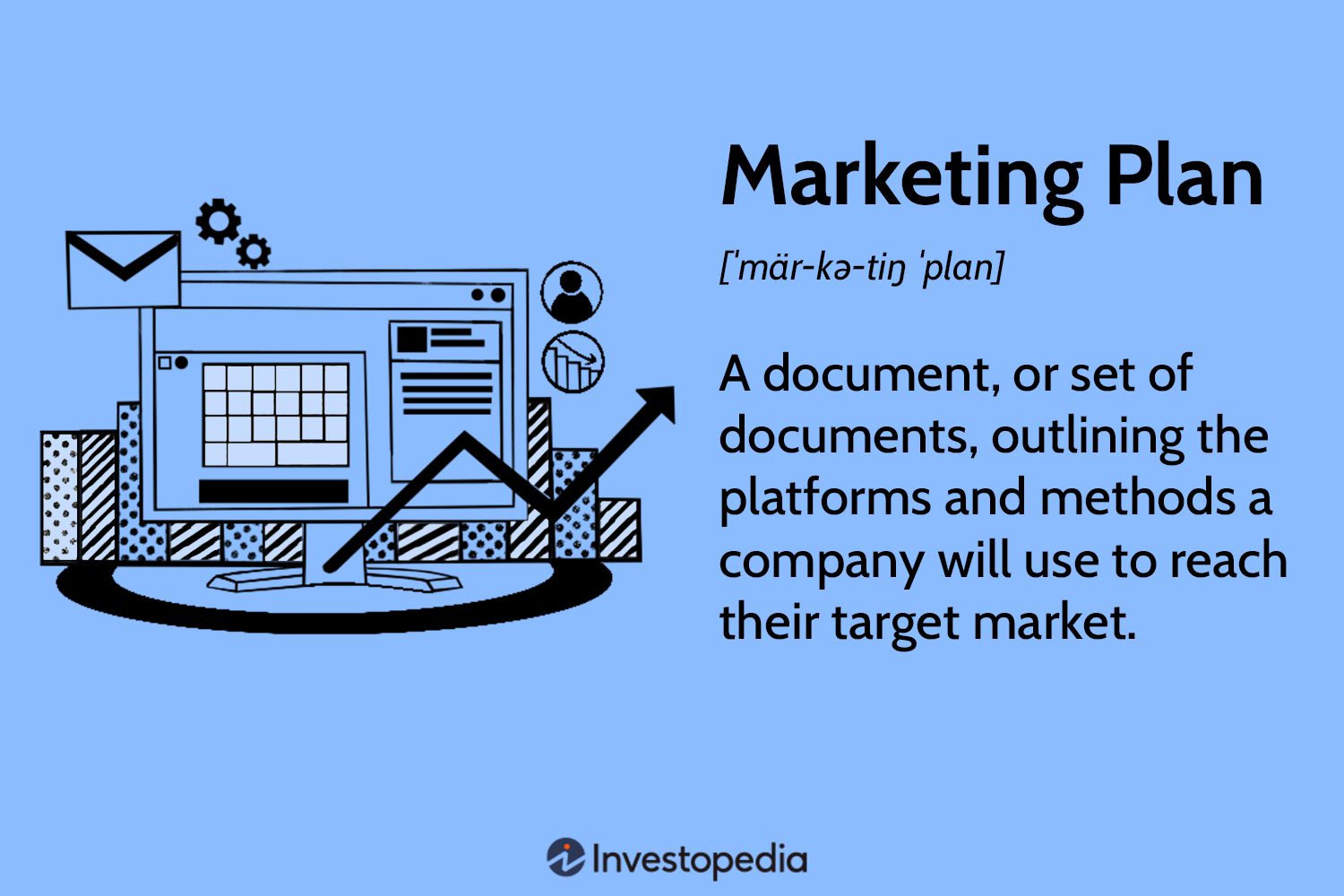
For a small business that has never run YouTube advertising and wants to begin, here is the practical path.
Create a Google Ads account if the business does not already have one. The YouTube advertising capability is built into Google Ads, and the account creation process is straightforward. Link the account to the YouTube channel if the business already has one.
Define the objective clearly before creating any campaign. What specific action do you want viewers to take after seeing the ad? Call the business? Visit the website? Subscribe to the channel? Visit the physical location? The objective shapes every subsequent decision — the call to action in the ad, the targeting settings, the campaign type, and how success will be measured.
Create the ad video with the five-second rule in mind. The first five seconds must immediately establish relevance to the target viewer. The video should be honest, specific, and direct. It should end with a clear, single call to action. For most small businesses starting out, a smartphone-filmed video of one to two minutes is sufficient — focus on what you are saying, not on production quality.
Build the target audience with specificity. Use Custom Intent audiences built around the specific search terms your target customer uses. Layer demographic targeting to further narrow the audience to the most relevant segments. Consider placement targeting on specific channels relevant to your category.
Set a daily budget that reflects what the business can sustain for at least two to three weeks — the minimum needed for the campaign’s algorithm to learn and optimise. For most small businesses, starting between one hundred and five hundred rupees per day is appropriate.
Monitor and adjust after the first week. Look at which audience segments are generating the highest view rates and the highest click-through rates. Pause targeting that is not performing. Increase budget on what is working. Test a different version of the ad and compare performance.
Be patient through the first two weeks. The campaign is learning. The results in week two will typically be better than in week one without any changes, simply because the algorithm has accumulated more data about which audiences respond to the ad.
The Broader Picture — What YouTube Advertising Represents for Small Businesses

Pull back far enough and what YouTube advertising has done for small businesses is part of the same democratic shift we have described throughout this series of posts about digital marketing.
For most of the history of commercial media, visibility was purchased. The businesses with the largest advertising budgets reached the most people and built the most recognition. Small businesses competed at a structural disadvantage that had nothing to do with the quality of their product or service — simply with their inability to afford the minimum viable advertising spend in channels that required large commitments.
YouTube advertising has not eliminated this advantage entirely — larger budgets still buy more reach. But it has lowered the floor sufficiently that a weaver of Banarasi sarees with a budget of two hundred and fifty rupees per day can reach the specific audience that values his product, wherever in India or the world they are, for a total spend that is less than a dinner for two.
Pradeep’s grandfather sold sarees to people who walked past his workshop on a single street in Varanasi. His father sold to people who knew the showroom existed, within a few kilometres. Pradeep sells to people across India who have never been to Varanasi but who care about authentic handloom textiles — people he would never have met without the infrastructure of digital advertising and the precision of intent-based targeting.
The product is unchanged. Three generations of family craft, the same looms, the same patterns, the same silk.
The visibility has been transformed.
For three thousand and five hundred rupees — and a thirty-one-second video filmed in the workshop — the saree shop that nobody outside a three-kilometre radius had heard of showed its work to forty thousand people who were already interested in what it makes.
That is not advertising the way it used to work. That is something genuinely new.
Closing Thought — The Audience Was Always There. Now You Can Find Them.
There is a customer who genuinely wants what your small business makes or provides. They may be in the same city or they may be in a different state. They may have been searching for exactly what you offer and not finding you because you were invisible to every channel that could have connected you.
They are on YouTube right now. They are watching content related to the thing you make. They are searching for the problem you solve. They are in the audience that the targeting tools we have described can identify and reach.
The audience was always there. It was the infrastructure to find them that was missing.
For two hundred and fifty rupees a day — or five hundred, or a thousand, at whatever level makes sense for your business — you can now show your work to the specific people who are already interested in it.
Pradeep knows this. Eleven people called his shop from forty thousand views. Two of them bought sarees worth more than three times his advertising spend. The other nine may come back. Or they will tell someone who will. Or they will find him again when the occasion arises.
The saree was always worth buying. Now the people who would buy it know it exists.
That is all advertising ever really is. And now, for the first time, small businesses can do it well.
Written by Digital Drolia — exploring the digital tools that are giving small businesses the visibility they always deserved but previously could not afford to achieve. Found this valuable? Share it with a small business owner who is still relying on word of mouth alone and does not yet know that their ideal customers are on YouTube right now, waiting to find them.