How YouTube is Helping Regional Language Creators Reach Audiences Across India

Let me tell you about a woman in Coimbatore who is teaching Tamil Nadu how to cook.
Meenakshi Sundaram is fifty-four years old. She has been cooking since she was eleven — first watching her mother in the kitchen, then gradually taking over, then spending decades feeding a large family with the kind of food that does not appear on restaurant menus. The recipes she knows are hyper-regional — specific to a district, sometimes specific to a particular caste community’s festival traditions, sometimes passed down through oral instruction with no written record anywhere.
She started a YouTube channel three years ago at the insistence of her granddaughter, who helped her film the first few videos on a smartphone propped against a bag of rice.
She has never spoken a word of English on her channel. Every video is in Tamil — not the formal Tamil of news broadcasts or the cinematic Tamil of film dialogue, but the everyday spoken Tamil of a woman in her fifties cooking in a real kitchen and talking to her audience the way she would talk to a neighbour who had come to watch and learn.
Today, Meenakshi’s channel has over six lakh subscribers. Her videos have been watched by Tamil-speaking people not just across Tamil Nadu but across the Tamil diaspora — in Singapore, Malaysia, Sri Lanka, the United Kingdom, the United States, Canada, Australia, the Gulf countries. People whose grandmothers cooked this food, who grew up eating it, who moved far from home and find in her videos a specific connection to a specific place and a specific way of life.
She earns more from her channel than she ever earned from any other source of income. She has turned down television offers because she prefers the relationship she has with her YouTube audience — the direct connection, the comments in which people share their memories of their own grandmothers cooking the same dishes, the messages from young mothers asking for the recipe their mother-in-law won’t share.
Meenakshi could not have existed as a creator a decade ago. The infrastructure did not exist to connect a Tamil-speaking woman in Coimbatore with Tamil-speaking people in Kuala Lumpur or Birmingham or suburban New Jersey. The platform did not exist that would find her audience and surface her content to them without requiring her to spend money on marketing or navigate a media industry designed for Hindi-language or English-language content.
YouTube made her possible. And her story is one of thousands — possibly tens of thousands — happening across India’s regional languages right now, transforming who gets to have an audience, whose stories get told, and whose knowledge gets preserved.
The Scale of What Is Happening — Numbers That Demand Attention
The regional language content revolution on YouTube in India is not a niche phenomenon or a curiosity at the margins of the platform’s activity. It is, in terms of audience size, viewership growth, and creator count, one of the most significant developments in the history of Indian media.
India has over twenty-two officially recognised languages and hundreds of dialects. Hindi, despite its status as the most widely spoken language, is the first language of only about forty percent of the Indian population. The other sixty percent — approximately nine hundred million people — have first languages that are not Hindi.
For most of India’s media history, this sixty percent was served incompletely. Television had regional language channels, but their reach and budget were a fraction of the national Hindi-language channels. Films in regional languages were produced in large numbers — Tamil, Telugu, Malayalam, Kannada, Marathi, Bengali, Punjabi all have substantial film industries — but access was geographically limited and specific to cinema halls and later DVD and digital distribution.
The internet, and specifically YouTube, changed this. Not incrementally — dramatically.
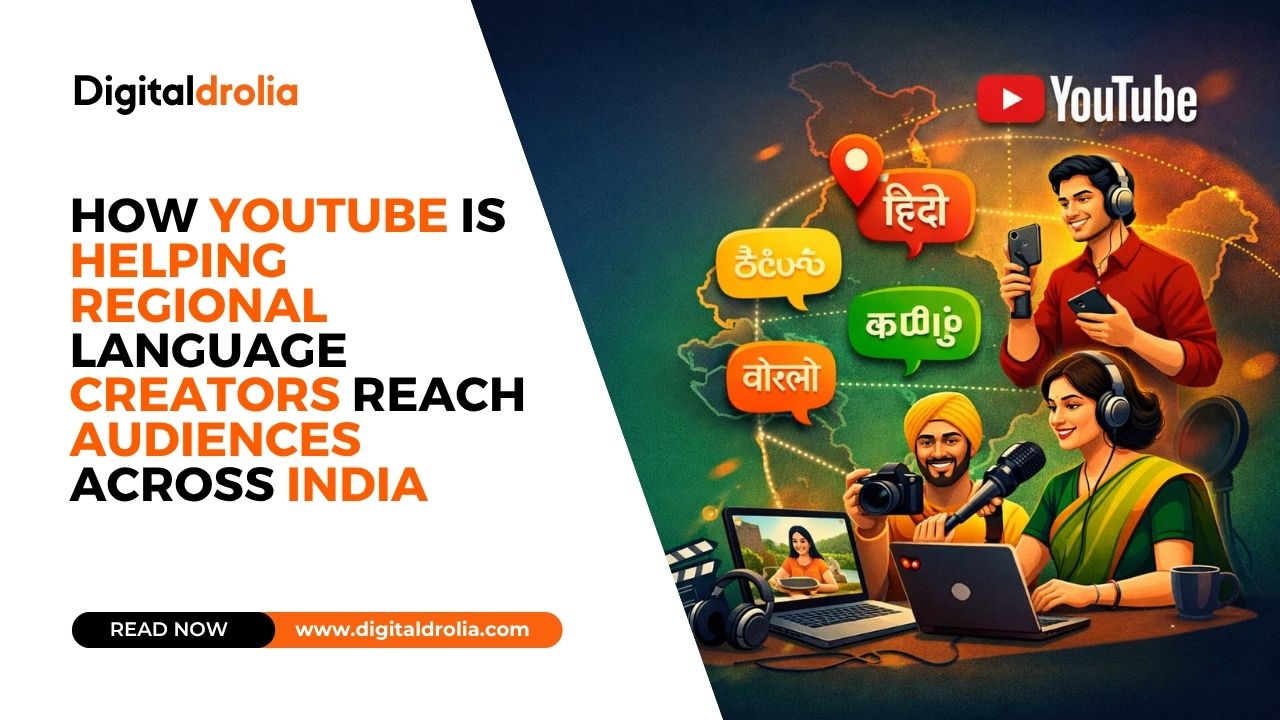
YouTube is now available in twelve Indian languages: Hindi, Bengali, Tamil, Telugu, Marathi, Gujarati, Kannada, Malayalam, Odia, Punjabi, Assamese, and Urdu. This means that the interface itself — the search bar, the category names, the settings — is navigable for a speaker of any of these languages without requiring any English literacy.
More importantly, the YouTube algorithm does not treat language as a barrier. It treats language as a targeting signal — a powerful piece of information about which content is relevant to which viewer. A Tamil-speaking viewer’s search and watch history teaches the algorithm what Tamil-language content they value, and the algorithm uses this learning to surface more Tamil-language content across their homepage, their search results, and their suggested videos.
This algorithmic language targeting is the infrastructure that makes regional language channels possible. It connects Meenakshi’s videos to Tamil speakers everywhere — not because she promoted her content internationally, but because the algorithm understood that Tamil speakers in Malaysia who searched for traditional Tamil cooking would value what a Tamil-speaking woman in Coimbatore was making.
The Infrastructure That Did Not Exist Before — What YouTube Provides
To understand what YouTube has genuinely changed for regional language creators, it helps to be specific about the infrastructure it provides — infrastructure that was previously either unavailable or accessible only through expensive, gatekept institutions.
Distribution without gatekeepers

Before YouTube, a creator who wanted to reach an audience in a regional language had to navigate one of several gatekeepers: a television channel, a film distribution network, a newspaper publisher, or a radio station. Each of these gatekeepers had limited capacity — they could support only a certain number of voices — and their selection criteria tended to favour established formats, commercially validated content, and creators who fit conventional profiles of age, education, and professional background.
A fifty-four-year-old woman with no professional media experience whose content was traditional regional cooking had essentially no pathway through any of these gatekeepers. Television food shows had their own established hosts. Regional newspapers covered food occasionally but not in formats that could contain what she knew.
YouTube has no gate. Any creator can upload any content, and the algorithm will surface it to the relevant audience if that audience exists and the content meets their needs. The relevant audience for Meenakshi’s content was enormous — and the algorithm found it.
Monetisation without intermediaries
Traditional media paid creators through a complex chain of intermediaries — agents, production companies, distributors, broadcasters — each taking a portion of the value before it reached the creator. The result was that most creative value was extracted by the intermediaries rather than reaching the person who created the content.
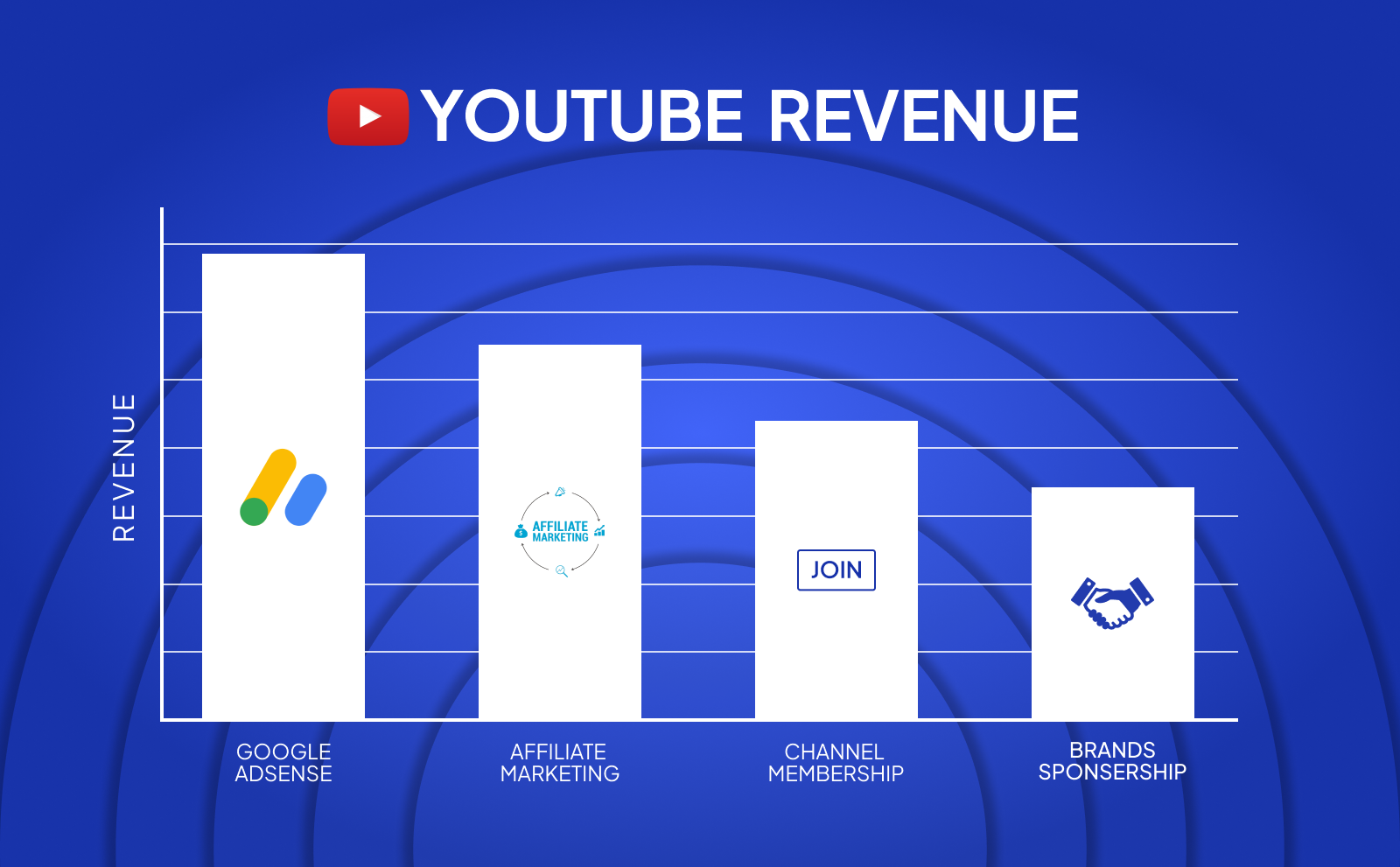
YouTube’s AdSense model pays creators directly — a percentage of the advertising revenue generated by views on their content, deposited into their bank account without any intermediary. Brand partnerships, memberships, and Super Thanks payments also flow directly or through straightforward payment infrastructure without requiring the creator to navigate complex commercial relationships.
This direct monetisation model means that a Tamil cooking creator with six lakh subscribers can build a genuine livelihood without a manager, an agent, a production company, or any relationship with a broadcaster. The economic value of the audience flows directly to the creator.
Discovery that transcends geography
The Tamil diaspora is geographically scattered across dozens of countries. Before YouTube, connecting Tamil cultural content with Tamil speakers in Malaysia, Singapore, Sri Lanka, the Gulf, and Western countries required either dedicated diaspora-serving media organisations or expensive international distribution deals.
YouTube’s algorithm makes geographic boundaries largely irrelevant to content discovery. A video in Tamil is as discoverable to a Tamil speaker in London as it is to one in Chennai — because the algorithm knows the London viewer’s language preference from their search and watch history, and it serves relevant Tamil content regardless of where that viewer is physically located.
This diaspora connection is one of the most profound things YouTube has done for regional language content. It has reconnected diaspora communities with cultural content from their ancestral regions in a way that was previously impossible at scale, and it has given regional language creators a global audience that reflects the true geographic spread of their language community.
The Languages That Are Growing — A Survey Across India
The regional language YouTube story is not uniform. Different languages are at different stages of development, with different content categories, different creator ecosystems, and different audience dynamics. Here is a survey of what is happening across some of India’s major regional language communities on YouTube.
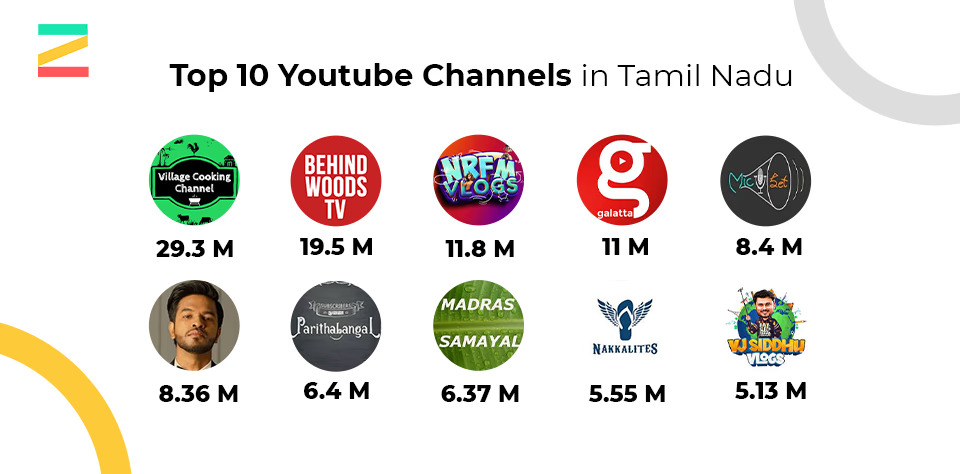

Telugu — The Powerhouse
Telugu-language YouTube is arguably the most developed regional language content ecosystem in India. The Telugu-speaking population — primarily in Andhra Pradesh and Telangana — has embraced YouTube for entertainment, education, and news at a scale that rivals Hindi-language content in absolute numbers.
Telugu YouTube is notable for the diversity and professionalism of its content. Major entertainment channels produce web series and sketch comedy that rival broadcast television production values. News channels have built substantial YouTube presences. Educational content spans everything from competitive exam preparation to cooking to personal finance. Technology channels in Telugu have built audiences that compete directly with English-language tech content.
The Telugu YouTube ecosystem has produced creators with subscriber counts in the millions — channels that would be considered major media properties in any language.
Tamil — The Global Connector
Tamil YouTube’s defining characteristic is its global dimension. The Tamil diaspora — one of the world’s most geographically dispersed language communities — is connected through YouTube in ways that no previous media could achieve.
Tamil YouTube content ranges from political commentary that drives intense engagement from politically passionate Tamil speakers everywhere, to music content that serves a community with one of the world’s most distinctive classical music traditions, to cooking content like Meenakshi’s that connects diaspora members with traditional food culture, to entrepreneurship and business content targeting the large and economically active Tamil-speaking professional community globally.
The global Tamil audience creates specific economic opportunities for Tamil creators — brand partnerships with Tamil-owned businesses across the diaspora, advertising from brands targeting the Tamil professional and consumer market internationally, and direct audience support from diaspora members who value quality Tamil content and are willing to pay for it through memberships and Super Thanks.
Malayalam — The Depth Channel
Malayalam YouTube has a distinctive reputation for long-form, intellectually serious content. Malayalam-speaking audiences — primarily in Kerala and the Malayali diaspora, particularly in the Gulf — have shown a specific appetite for documentary-style content, in-depth journalism, serious cultural and historical programming, and nuanced political commentary that goes beyond the surface treatment common in other formats.
Several Malayalam YouTube channels have built substantial audiences through content that would be considered too long, too complex, or too specialist for mainstream commercial media. The YouTube format — which imposes no length limit and no editorial committee — suits this content perfectly.
Malayalam YouTube has also been notable for the quality of its independent journalism. Channels run by individual journalists or small teams have built significant followings through original reporting and investigative content, filling roles that declining newspaper coverage and cautious broadcast media have left vacant.
Marathi — The Emerging Wave
Marathi YouTube is in a period of rapid growth, particularly in content categories that address the specific cultural and social experiences of Marathi-speaking communities — the social changes and traditions of Maharashtra, the specific challenges of urban Pune and Mumbai life from a Marathi cultural perspective, and the distinctive history and literature of the Marathi-speaking world.
Several Marathi creators have built substantial audiences specifically by addressing topics that Marathi speakers feel are underrepresented in Hindi-language media — the experience of being Marathi in a city where Hindi is often the dominant commercial language, the cultural distinctions between different regions of Maharashtra, and the specific concerns of communities whose relationship with Hindi dominance has historically been complicated.
Kannada — The Rising Voice
Kannada YouTube has been growing strongly, partly driven by the political and cultural pride movements within Karnataka that have generated demand for quality Kannada-language content, and partly driven by the success of the Kannada film industry — Sandalwood — whose content and associated commentary has built significant YouTube viewership.
Kannada comedy channels, in particular, have built large audiences by creating content that is specifically rooted in Kannada cultural context — the specific humour of Bangalore’s rapid transformation, the cultural differences between urban and rural Karnataka, and the specific social dynamics of Kannada-speaking communities that Hindi-language content simply does not address.
Bengali — The Heritage and the Future
Bengali YouTube spans two geographies — West Bengal and Bangladesh — creating a complex and rich content landscape that includes one of the world’s most celebrated literary and cultural traditions alongside contemporary urban content, political commentary, and entertainment.
The Bengal YouTube ecosystem has been notable for the quality of its literary and cultural content — channels that discuss Bengali literature, film, music, and history with a depth of knowledge that reflects Bengal’s status as one of South Asia’s most culturally rich regions. It has also been notable for its music content — Bengali music, both the traditional forms and contemporary Bengali pop and independent music, has a devoted global audience that YouTube serves well.
The Content Categories That Are Exploding in Regional Languages
Across regional languages, certain content categories are growing with particular speed and generating particular audience loyalty. Understanding these categories reveals what regional language audiences specifically want from YouTube — and why YouTube is so well-suited to providing it.
Traditional knowledge and cultural heritage
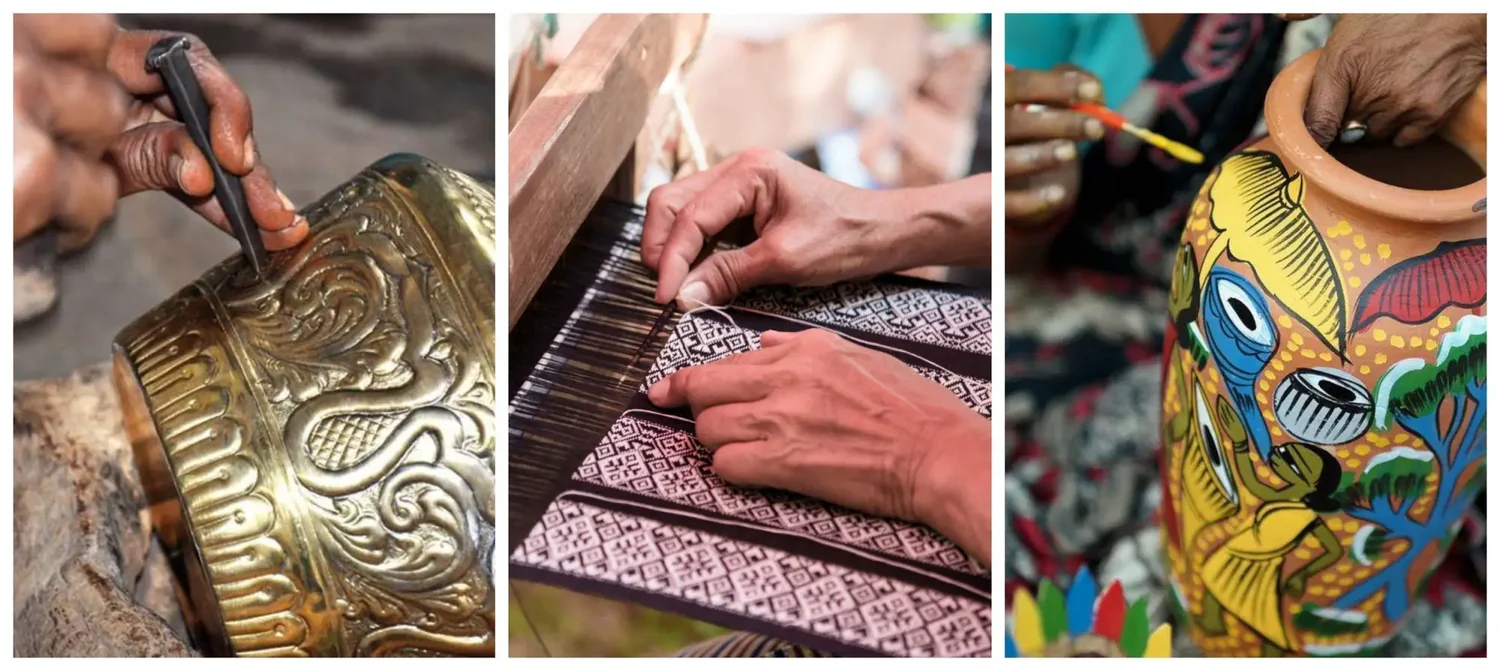
Meenakshi’s cooking content is one example of a much broader phenomenon: the appetite of regional language audiences for traditional knowledge that the formal media ecosystem has systematically underserved.
This includes cooking — not restaurant cooking or fusion cooking but the specific, hyper-regional traditional cooking of different communities across India’s diverse landscape. It includes traditional medicine and home remedies, presented in ways that reflect local knowledge systems rather than the scientific-medical framework that dominates English-language health content. It includes traditional arts and crafts — pottery, weaving, wood carving, folk art forms — taught in the vernacular by practitioners who have inherited the skills rather than learned them formally.
The audience for this content is broad and deeply emotionally engaged. For diaspora members, it represents a connection to cultural heritage that geography threatens to sever. For younger Indians within India, it represents a recovery of traditional knowledge that a generation of aspiration toward English-medium education and urban professional careers had pushed aside. For older audiences, it is validation — their knowledge, their language, their way of life represented on a platform that previously showed them mostly content that did not speak their cultural language.
Hyperlocal news and political commentary
National Hindi-language and English-language news media covers national and international stories. Regional state-level media covers state politics and major local events. But at the level of district news, specific community issues, local government accountability, and the political dynamics of specific towns and regions — there has historically been a profound gap in serious, accountable journalism.
YouTube is filling this gap, imperfectly but meaningfully. Regional language YouTubers are covering local elections, holding district officials accountable, investigating local corruption, and giving voice to communities whose concerns never reach state or national media.
This hyperlocal journalism in regional languages is particularly significant because it serves the democratic function of a free press at the level where democracy actually affects most people’s daily lives — the local level. A voter in a Tier 3 city in Karnataka who can watch Kannada-language coverage of their local panchayat election is better informed than one who can only access national news that ignores their district entirely.
Education in mother tongue
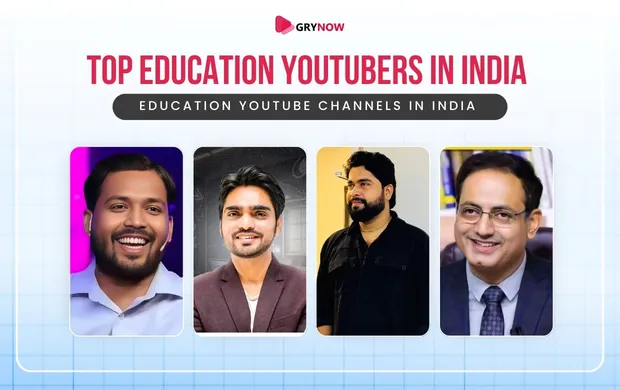
One of the most practically significant contributions of regional language YouTube is educational content that allows students to learn in their mother tongue.
The Indian education system has a complicated relationship with language — English-medium instruction is dominant in elite private schools and gives access to competitive exam preparation material, while vernacular-medium schools have historically had less access to high-quality supplementary educational resources.
YouTube is correcting this imbalance. Regional language educational channels — covering competitive exams, school curricula, and professional skills — are providing high-quality learning content in Tamil, Telugu, Marathi, Kannada, Gujarati, Bengali, and other languages. Students who think better in their mother tongue — which is most students — now have access to educational resources that meet them in the language of their clearest thinking.
This educational content in regional languages is not just practically valuable. It is a statement about which languages deserve serious intellectual engagement — a pushback against the implicit message of years of English-medium education that serious thought must happen in English.
Entertainment and storytelling

Perhaps the most visible explosion in regional language YouTube is pure entertainment — comedy, drama, storytelling, and cultural commentary that is specifically rooted in regional cultural contexts.
The humour of Marathi YouTube is Marathi humour — specific to the cultural references, the social dynamics, the specific absurdities and pleasures of Marathi life. It does not translate to Hindi or English without losing most of what makes it funny, because what makes it funny is its specificity. The same is true of Tamil comedy, Kannada comedy, Bengali comedy, Bhojpuri comedy.
This cultural specificity is not a limitation — it is the strength. The regional language entertainment creator who makes content deeply rooted in their own cultural context is making something that nobody else can make. The audience for that content does not have many alternatives. Their loyalty is intense precisely because the content speaks to something specifically theirs rather than something generic designed to appeal to everyone.
The Economic Reality — What Regional Language YouTube Is Worth
The monetisation picture for regional language YouTube creators has evolved significantly in the past three to five years, and the economic picture in 2026 is meaningfully different from what it was when many of these channels started.
AdSense rates and the language variable
One of the honest complexities of regional language YouTube monetisation is that AdSense CPM rates — the amount YouTube pays per thousand views — vary significantly by language and geography. English-language content, targeting advertisers paying high rates to reach English-speaking consumers globally, commands significantly higher CPM rates than regional language content.
This has historically meant that a regional language creator with one million views earned less through AdSense than an English-language creator with the same view count. This remains true to some extent in 2026.
However, the gap has narrowed. As the Indian digital advertising market has grown — driven by Indian businesses advertising to Indian consumers in their own languages — the CPM rates for Indian regional languages have increased substantially. Brands that want to reach Tamil consumers in Tamil, or Telugu consumers in Telugu, are paying for the privilege. The competitive advertising market for Indian language content has improved the economics for regional language creators in ways that were not anticipated when many of them started.
Brand partnerships — the more significant revenue stream

For regional language creators with substantial audiences, brand partnerships are typically a more significant revenue source than AdSense, and the economics are more favourable.
A Tamil cooking creator with six lakh subscribers has a specific, highly engaged audience that is extraordinarily valuable to brands targeting Tamil consumers — food brands, kitchenware brands, domestic appliance brands, companies with products relevant to the Tamil-speaking household. These brands cannot reach this audience through English-language content. They cannot reach it effectively through national Hindi-language media. The Tamil creator with six lakh loyal subscribers is, for these brands, irreplaceable.
This irreplaceability — the fact that the audience exists nowhere else in a form that can be reached — gives regional language creators genuine negotiating power in brand partnerships. They are not competing with thousands of equivalent creators in a commodified market. They occupy specific linguistic and cultural territory that is genuinely unique.
Community support and membership income
Regional language audiences on YouTube often demonstrate particularly high levels of direct financial support for creators — through channel memberships, Super Thanks payments, and external Patreon or similar platforms.
The explanation for this is straightforward. A Tamil speaker in New Zealand or a Malayalam speaker in Dubai who has found a creator that speaks their language, addresses their cultural concerns, and connects them to a community of people who share their background is receiving something genuinely valuable. The willingness to pay directly for that value is correspondingly high.
This community support income is less algorithmically dependent than AdSense and less relationship-dependent than brand partnerships — it flows from the creator’s core audience regardless of any one video’s performance. For creators who have built deeply loyal regional language communities, it represents meaningful financial stability.
The Challenges — An Honest Assessment
This post would be incomplete without acknowledging the genuine challenges that regional language creators face — challenges that enthusiasm about the opportunity should not obscure.
Discovery and algorithm bias
While YouTube’s algorithm has improved dramatically in its treatment of regional language content, some creators in smaller language communities report persistent challenges with algorithmic discovery. The algorithm learns from patterns in viewing behaviour — and in language communities where the creator ecosystem is less developed, the patterns from which it learns are thinner. This can create a catch-22: smaller language communities need the algorithm’s help most, but the algorithm has less data about those communities’ preferences.
Economic inequality between language communities
The advertising market for Indian regional languages varies enormously. Tamil, Telugu, and Hindi-language content attracts larger advertiser markets than, say, Odia or Assamese or Konkani content — because the consumer markets associated with those languages are smaller and less commercially developed. This creates significant economic inequality between creators in different language communities, even when audience engagement is comparable.
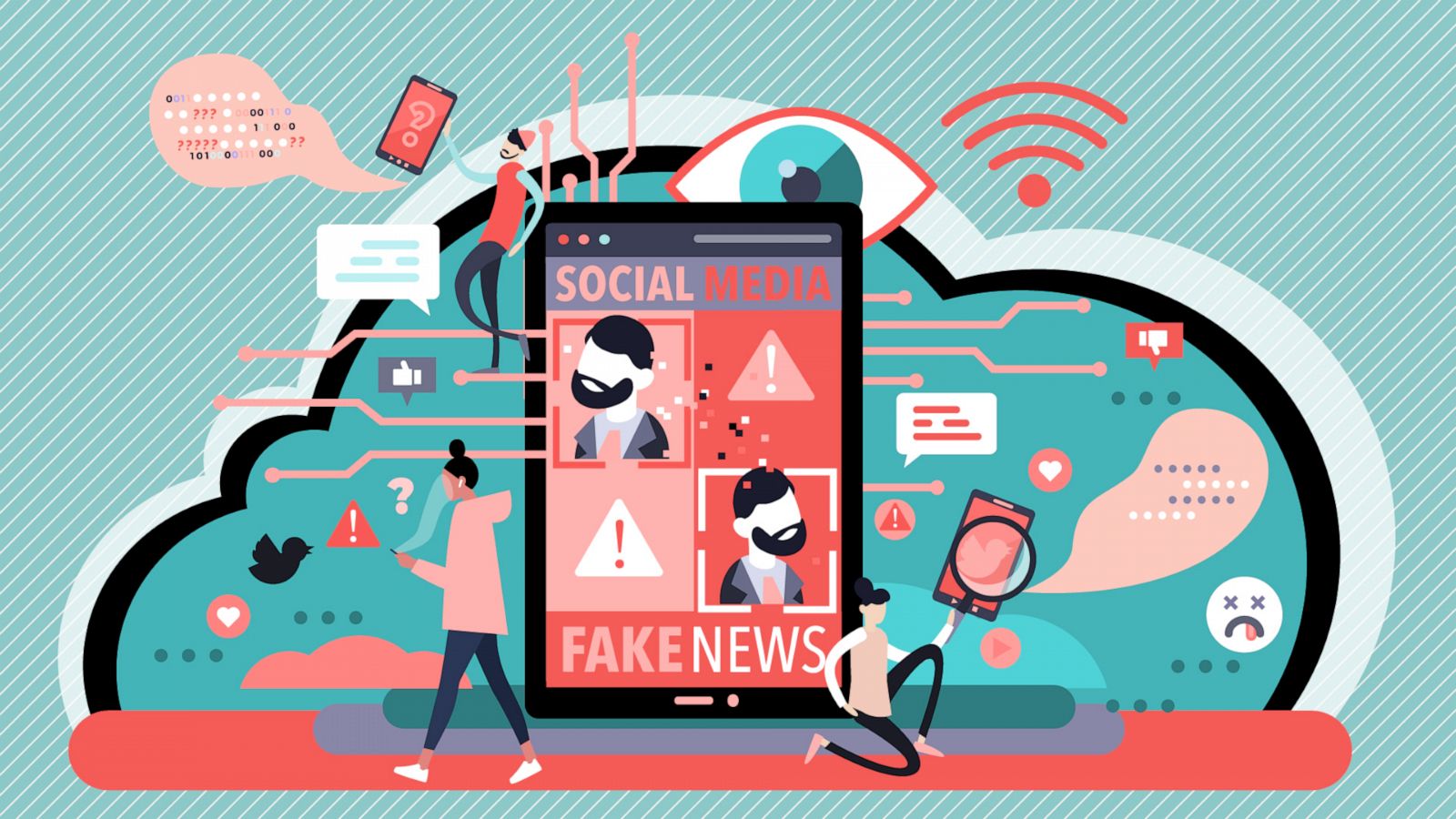
Misinformation in vernacular languages
One of the challenges that has grown alongside the regional language YouTube boom is the spread of misinformation. Content in regional languages reaches audiences who may have lower prior exposure to media literacy tools and fact-checking infrastructure that exists primarily in English or Hindi. Health misinformation, political propaganda, and social misinformation spread in regional languages can cause real harm — and the infrastructure for combating it in regional languages is less developed than in dominant languages.
This is a platform responsibility as much as a creator responsibility — but it is worth acknowledging as a genuine challenge in the regional language content landscape.
Infrastructure inequality
In some regions and communities, internet access remains limited, expensive, or unreliable. The creator in a smaller town who wants to build a YouTube channel may face upload challenges that creators in better-connected urban areas do not. The viewer in a rural area who wants to watch regional language content may face data cost barriers that limit their consumption.
These infrastructure inequalities mean that the regional language YouTube revolution is more accessible to some communities than others — and that its benefits are not uniformly distributed across India’s diverse geography and economy.
What This Means for the Future of Indian Media

The regional language YouTube phenomenon is not a temporary surge or a niche segment of the Indian digital media landscape. It is a structural shift in who gets to speak, who gets to be heard, and what counts as worth making.
For decades, the implicit hierarchy of Indian media was clear: English content was the most prestigious, Hindi content the most commercially valuable, and regional content was the remainder — served by smaller industries with smaller budgets and limited cultural prestige.
YouTube is inverting this hierarchy — not completely, not uniformly, but meaningfully. A Tamil cooking creator with six lakh subscribers has more direct influence over the cooking practices of Tamil-speaking households than any cookbook published in English. A Kannada journalist with three lakh subscribers has more influence on how Kannada-speaking voters understand their local government than any national newspaper.
The cultural prestige of regional language expertise — the knowledge of traditional cooking, traditional medicine, traditional crafts, traditional storytelling, regional history — is being restored by the audiences that YouTube is delivering. The diaspora member in London who subscribes to Meenakshi’s channel and watches every video is making a statement about what they value. Multiplied by six lakh, it is a statement loud enough for the entire media landscape to hear.
The creators who are building these regional language audiences are not just building businesses. They are preserving knowledge that was in danger of being lost, maintaining cultural connections that geography threatened to sever, and demonstrating — with subscriber counts and view numbers that cannot be dismissed — that content in Tamil and Telugu and Kannada and Marathi and Bengali and Malayalam and every other language deserves the same attention, the same resources, and the same respect as content in Hindi or English.
What Regional Language Creators Need to Know — The Practical Foundation
For creators who are building or considering regional language YouTube channels, the principles that determine success are the same as in any language — but their application has specific regional dimensions.
Start from genuine expertise and authentic voice
Meenakshi’s channel works because she knows what she is talking about and speaks in a voice that is genuinely hers. There is no performance, no adoption of a “YouTube creator” persona that overrides her actual identity as a fifty-four-year-old Tamil woman in Coimbatore. The authenticity is the value.
Regional language audiences are particularly sensitive to this authenticity because they have spent years consuming media that did not speak their cultural language — that was made for a generic Indian audience or a Hindi-speaking audience and translated or adapted for them. Content that speaks directly from within their cultural context, in the genuine voice of someone who inhabits that context, is rare and correspondingly valued.
Optimise for search in the language your audience uses
All the YouTube SEO principles we have discussed in this series apply to regional language content — but with the specific requirement that keyword research must be conducted in the language of the target audience, not translated from English or Hindi search terms.
What Tamil speakers actually search for cooking-related content may be different from what would be the literal Tamil translation of the equivalent Hindi or English search. Understanding the specific search vocabulary of the specific language community — through tools like YouTube’s autocomplete in that language, through community observation, through understanding the specific questions the audience asks — is the foundation of regional language YouTube SEO.
Build for the diaspora as well as the homeland
For every Indian regional language, there is a diaspora — sometimes small, sometimes very large — that is geographically far from the cultural homeland but linguistically and emotionally connected to it. This diaspora audience often has higher disposable income than the homeland audience, higher willingness to pay for cultural content, and a specific emotional hunger for connection to cultural heritage that YouTube content can satisfy in ways nothing else easily can.
Building for the diaspora does not require changing the content — Meenakshi does not make her cooking different for the Singapore audience. It requires understanding that the diaspora is there, that YouTube will find them if the content is genuinely good, and that their engagement, subscriptions, and support will shape the channel’s economics in important ways.
Be patient with the compounding
Regional language YouTube channels — particularly those in smaller language communities or less commercially developed categories — may take longer to build momentum than equivalent content in larger-market languages. The algorithm has less data to learn from. The advertiser market may be thinner. The creator ecosystem may be less developed, meaning fewer collaboration opportunities and less established best practice to learn from.
The creators who succeed in these communities are typically the ones who are motivated by the work itself — by the genuine desire to preserve knowledge, build community, or serve their audience — rather than primarily by the pace of subscriber growth. The compounding eventually arrives. The patience required to reach it is the filter that separates creators who will endure from those who will not.
Closing Thought — The Languages That Were Waiting to Be Heard
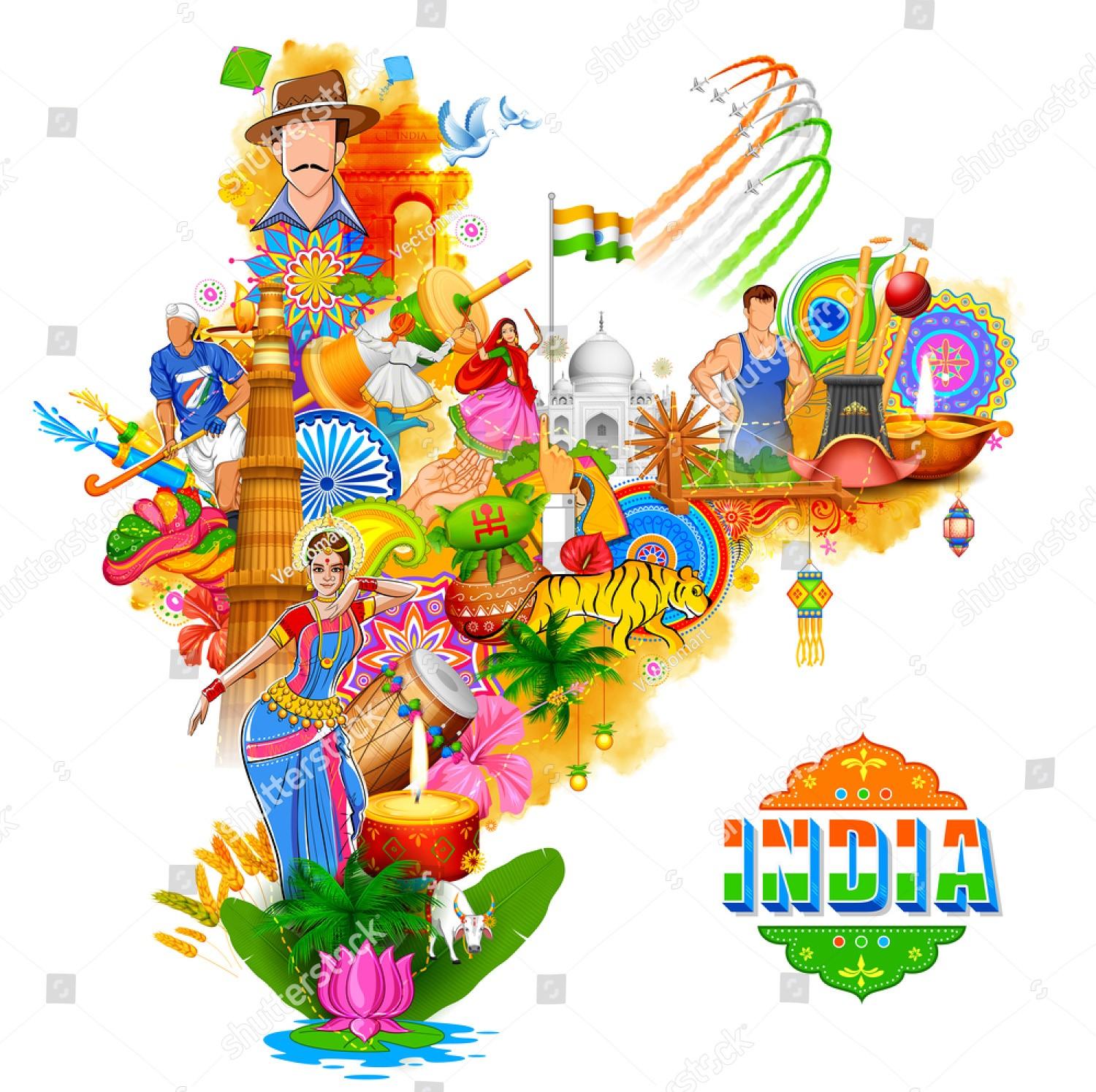
There is something that happened in India’s media landscape for most of the twentieth century that is easy to forget precisely because it was so total: the systematic undervaluation of most of India’s languages as vehicles for serious, important, commercially viable cultural expression.
It was not that Tamil or Telugu or Kannada or Bengali were considered unimportant. It was that the media infrastructure capable of giving them the reach their speakers deserved simply did not exist — or existed only in forms constrained by geography, budget, gatekeepers, and the commercial logic of mass media that favoured the largest markets.
YouTube does not discriminate by market size. It does not have a commissioning editor who decides which language communities deserve a cooking show. It does not have a distributor who limits a Tamil documentary to Tamil Nadu.
It has an algorithm that connects content to the audience that wants it, regardless of language, regardless of geography, regardless of whether the content fits any prior commercial model.
Meenakshi in Coimbatore and her six lakh subscribers. The Kannada journalist holding a district official accountable. The Telugu web series reaching an audience that broadcast television ignored. The Bengali literary channel connecting readers in Kolkata with readers in London.
These are not exceptions or anomalies. They are the beginning of a correction — a restoration of the full value and reach that India’s linguistic diversity always deserved but previously could not access.
YouTube is not giving regional language creators something new. It is giving them what was always theirs: an audience as large as their genuine merit deserves, unfiltered by gatekeepers who spoke different languages and served different interests.
That audience was always there. It was simply waiting for a platform capable of hearing the language it was spoken in.
Now it has one.
Written by Digital Drolia — celebrating the creators, communities, and platforms that are expanding who gets to speak and who gets to be heard in India’s extraordinary linguistic landscape. Found this valuable? Share it with a regional language creator who is building something real and needs to know that the audience they are building toward is genuinely there.