

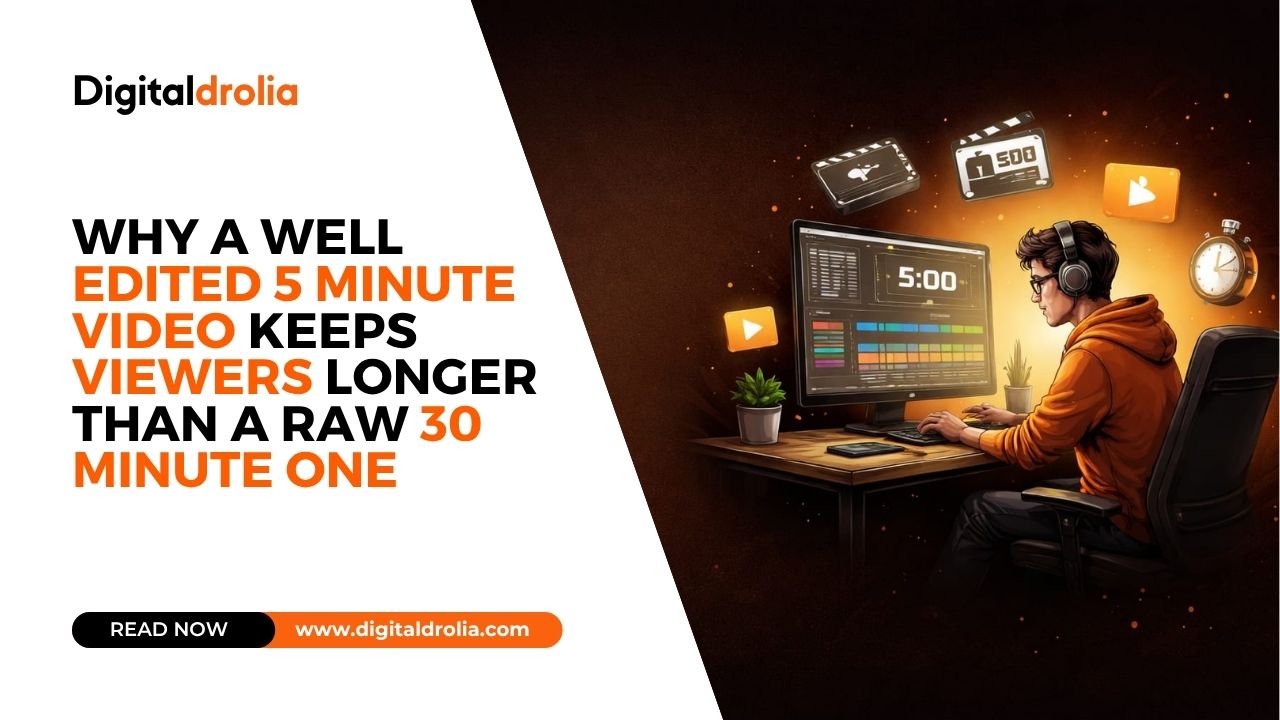
Why a Well Edited 5 Minute Video Keeps Viewers Longer Than a Raw 30 Minute One

Let me describe two videos about the exact same subject.
Both are about how to make a perfect biryani at home. Both are made by people who genuinely know what they are talking about. Both are posted on YouTube. Both show up in search results when someone types “how to make biryani at home.”
The first video is thirty-two minutes long. It was filmed in a home kitchen on a decent smartphone. The cook is knowledgeable and clearly passionate. But the video starts with nearly two minutes of them adjusting the camera, explaining what they are about to do, and apologising in advance if the sound is not great. There are several long pauses while they wait for things to heat up. There is a segment where they realise they forgot to show the spice measurements and spend three minutes backtracking. The audio quality varies because the phone was moved during cooking. When they finally get to the finished biryani, the lighting has changed because the afternoon sun shifted and the dish looks grey and unappetising on screen.
The second video is five minutes and forty seconds long. It opens immediately on a close-up of perfectly layered biryani being lifted from a pot, steam rising, saffron rice glistening. A confident voice says: “Today I am going to show you exactly how to make restaurant-quality biryani at home — in under two hours.” The video moves efficiently through each stage. When the onions are frying, there is a cut — the video jumps from raw onions going in to golden, crispy onions coming out, with a text overlay noting how long it takes. The spice measurements appear on screen as they are added. The final shot is the biryani plated beautifully, close enough to smell through the screen.
Both videos exist. Both are free. Both answer the same question.
Which one do you watch until the end?
And more importantly — which creator do you subscribe to, come back to next week, and recommend to your friend who also wants to learn to cook biryani?
The answer is obvious. And the reason it is obvious contains everything you need to understand about why editing is not just a technical process — it is the difference between content that holds attention and content that loses it.
The Attention Economy — The World Your Video Is Being Released Into

Before we talk about editing specifically, we need to talk about the environment in which your video exists. Because understanding that environment is what makes the case for editing so compelling and so urgent.
We are living through what researchers and media theorists have come to call the attention economy — a world where human attention has become the scarcest and most valuable resource in the digital landscape.
Every platform — YouTube, Instagram, Facebook, LinkedIn, WhatsApp — is competing simultaneously for the same finite pool of human attention. Every creator on every platform is competing with every other creator. And the person watching your video has a phone full of alternatives — they are one thumb-swipe away from a thousand other things they could be watching, reading, or scrolling through at any moment.
The numbers that reflect this reality are sobering.
The average viewer decides within the first eight to fifteen seconds of a video whether to keep watching or click away. Not the first minute. Not after the introduction is over. Within fifteen seconds.
Studies of YouTube viewer behaviour consistently show that the majority of video views drop off dramatically in the first thirty seconds — even for content the viewer specifically chose to watch. They searched for it, clicked on it, gave it a chance — and still left within half a minute if the video did not immediately demonstrate that it was worth their continued attention.
Average watch time across online video platforms is a fraction of total video length. A ten-minute video might have an average watch time of three to four minutes. A thirty-minute video might have an average watch time of four to six minutes — roughly the same absolute time despite being three times longer.
What this means practically is that the viewer does not grant you their attention as a reward for showing up. They do not watch your thirty-minute video because you worked hard on it or because you are genuinely knowledgeable. They watch — and keep watching — only as long as each successive moment of your video justifies the continued investment of their attention.
Editing is the craft of ensuring that every moment justifies that investment. It is the practice of removing every moment that does not.
What Editing Actually Is — Beyond the Technical Definition
Most people think of editing as a technical process. You take raw footage, you cut out the bad bits, you put the good bits together. You add music maybe. You put in some captions. Done.
This understanding is accurate as far as it goes — but it misses the deeper truth about what editing is and what it does.
Editing is the art of controlling a viewer’s experience of time.
That sounds abstract. Let me make it concrete.
When a viewer watches an unedited video, they experience time at the same rate the original event unfolded. The onions take eight minutes to caramelise — eight minutes of the video is onions caramelising. The host fumbles for their notes for twenty seconds — twenty seconds of the video is fumbling. The phone rings in the background — the video captures it.
When a viewer watches a well-edited video, they experience time at the rate that is optimal for their engagement and understanding. The eight minutes of onions caramelising becomes a five-second cut from raw to golden — with a text overlay showing the time — because the viewer does not need to watch onions brown in real time to understand that onions need time to caramelise. The fumble for notes is gone entirely. The phone ringing never happened.
The editor controls what the viewer experiences, in what sequence, at what pace. They eliminate the friction — the pauses, the repetitions, the errors, the slow moments, the tangents — and preserve the value: the information, the insight, the emotion, the entertainment.
This control of time and experience is what makes a five-minute edited video more engaging than a thirty-minute raw one. Not because the five-minute version contains more information — it may contain exactly the same information. But because in the five-minute version, every second is serving the viewer. In the thirty-minute version, many seconds are serving the recorder of the event rather than the viewer of it.
The Psychology of Pacing — Why Our Brains Prefer Edited Content

There is genuine neuroscience behind why well-edited video holds attention more effectively than raw footage — and understanding it helps explain why editing decisions that seem subjective or aesthetic are actually responding to real cognitive realities.
The human brain is a prediction machine. At every moment, it is generating predictions about what will happen next and updating those predictions based on incoming information. When those predictions are confirmed — when things unfold at the expected pace and in the expected pattern — the brain’s engagement is maintained but not heightened.
When something slightly unexpected happens — a cut to a new angle, a change in tempo, a surprising edit — the brain’s prediction system registers the deviation and briefly heightens attention. This slight surprise keeps the brain engaged and prevents the wandering attention that unvarying, predictable content produces.
Good video editing exploits this mechanism deliberately. The cuts, the transitions, the changes in pace — they are not random. They are timed to maintain a level of mild novelty that keeps the brain’s prediction system active and engaged. Just familiar enough to be comfortable, just surprising enough to be interesting.
Raw, unedited footage, by contrast, unfolds at the unchanging pace of real time. The brain quickly builds a prediction model for this pace — and once the model is built, the content becomes predictable. Predictable content allows attention to wander. Wandering attention clicks away.
There is also a cognitive load dimension. Long, unedited videos with digressions, repetitions, technical problems, and slow moments require the viewer to do more cognitive work — filtering out the irrelevant, reconstructing the thread after a tangent, maintaining focus through slow passages. This cognitive work is tiring. And when the cognitive cost of watching exceeds the perceived value of what is being watched, the viewer stops.
Well-edited video reduces cognitive load by doing the filtering work for the viewer. The editor has already removed the digressions, the repetitions, and the slow passages. The viewer receives only the concentrated value — which is cognitively easier to process and experientially more satisfying.
The First Thirty Seconds — Where Everything Is Won or Lost
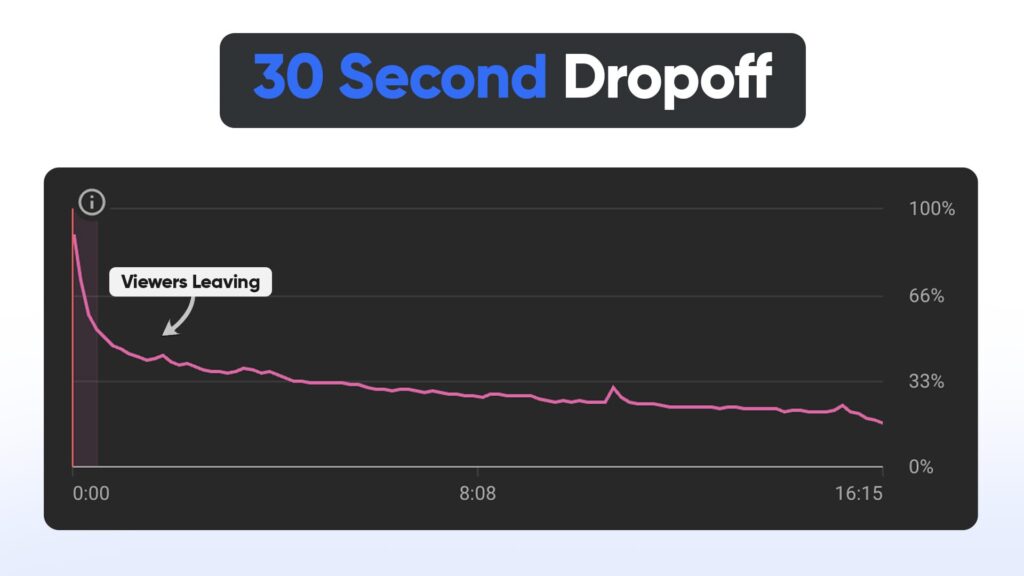
In almost any form of video content — a YouTube tutorial, an Instagram Reel, a LinkedIn video post, a brand advertisement — the first thirty seconds is the critical battleground. What happens in those thirty seconds determines whether the vast majority of viewers continue watching or leave.
This single insight, properly understood and acted upon, would improve most video content dramatically. Because most creators — especially new ones, especially those creating raw or unedited content — spend the first thirty seconds doing things that actively push viewers away.
The most common first-thirty-seconds mistakes, and why each is fatal.
The long introduction that introduces the introducer
“Hi everyone, welcome back to my channel. If you are new here, my name is Rahul and I make videos about personal finance. Make sure you like and subscribe. Today’s video is going to be really exciting. We are going to be talking about something that I have been wanting to cover for a while now and I think you are really going to find it useful. So let’s get into it.”
This introduction has consumed twenty-five seconds of the viewer’s attention and delivered zero value. The viewer who found this video because they searched “how to save tax on salary” does not care about Rahul’s name, does not want to be asked to like and subscribe before they have any evidence that the content is worth liking, and is already moving their thumb toward something that actually answers their question.
The principle: start with the value, not with the setup for the value.
The technical apology
“Sorry about the audio quality, my mic was having some issues today.” “You might notice the lighting is a bit off at the start, it sorted itself out later.” “This was filmed on my phone so it might not be the best quality.”
Every second spent on apologies is a second reinforcing the viewer’s nascent doubt about whether this content is worth their time. If the audio quality is acceptable, do not mention it — drawing attention to it makes it more noticeable. If it is genuinely problematic, fix it in editing. If it cannot be fixed, consider refilming.
The principle: never draw attention to production weaknesses. The viewer will not notice most of them unless you tell them to look.
The slow reveal of the promise
“So today we are going to be talking about something that I think is really important, and I have been researching it for quite a while now, and I have got some really interesting things to share with you, and I think by the end of this video you are going to have a really different perspective on it…”
The promise has not yet been made. The viewer does not know what they are going to learn or why they should keep watching. They are being asked to invest attention on the basis of vague enthusiasm rather than a specific, compelling reason to continue.
The principle: make the promise explicitly and specifically in the first ten seconds. Tell the viewer exactly what they will know or be able to do by the end of the video. Then deliver on that promise.
Well-edited videos — the ones that keep viewers watching — almost universally open by delivering immediate value or making a specific, compelling promise of value. They do not ask for patience. They earn attention from the first frame.
The J-Cut, The L-Cut, and The Art of Invisible Editing
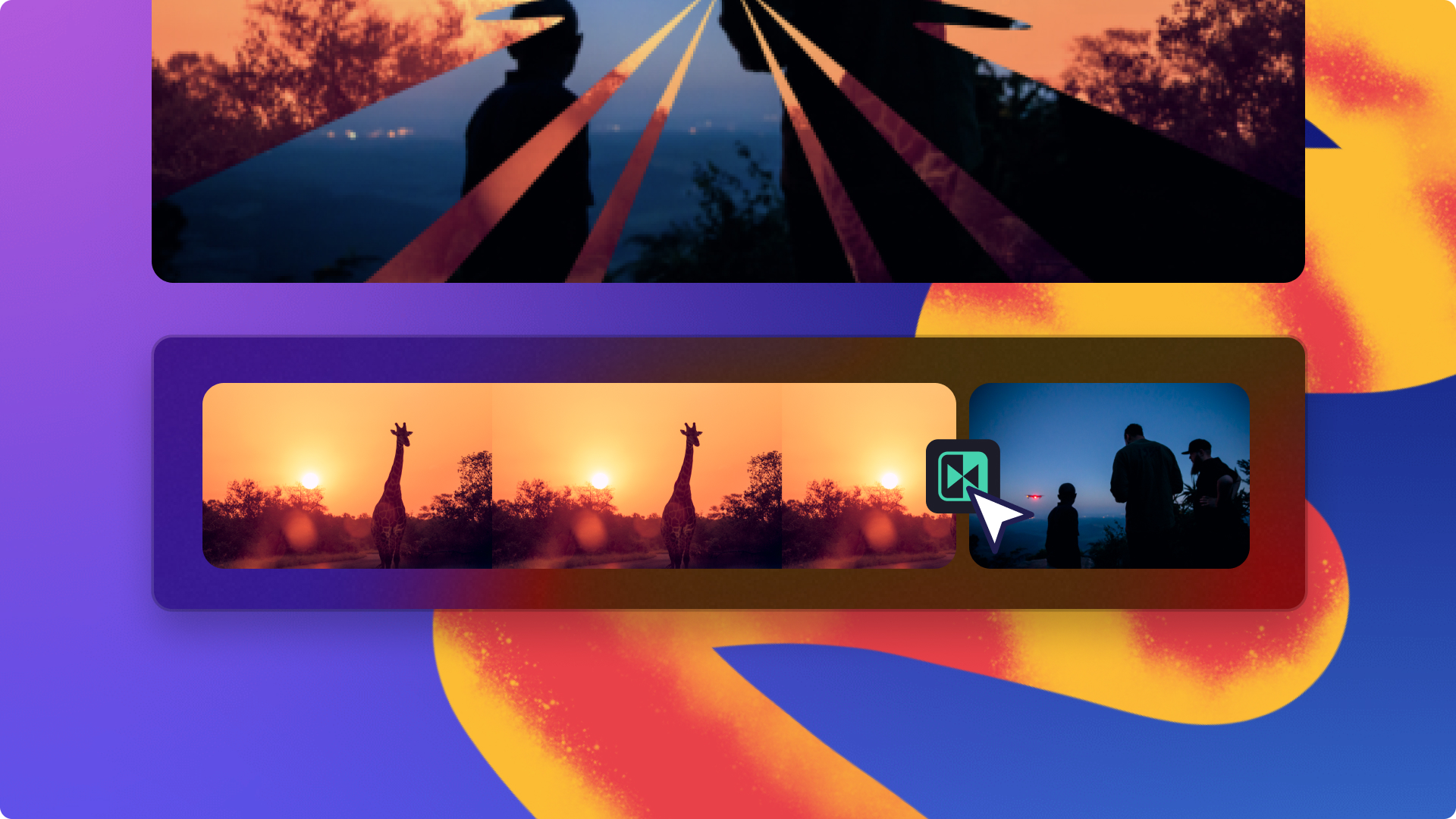
There is a famous saying among film editors that the best editing is editing you do not notice. The goal is not to call attention to the craft but to create a flow of experience so smooth that the viewer is entirely absorbed in the content and unaware of the construction holding it together.
Two editing techniques that experienced editors use to create this invisible flow are worth understanding because they illustrate the sophistication involved in what appears to be a simple process.
The J-Cut
In a J-cut, the audio from the next scene begins before the video cuts to it. So you are still watching one scene but already hearing the audio of the next — your brain is primed for the transition before it happens. When the video cut comes, it feels natural and anticipated rather than abrupt.
Think of a video where someone is explaining something and you hear them beginning their next sentence while the video still shows the previous point. The audio leads, the video follows. The result is a smooth, continuous flow that feels almost like thought — because that is how thought works, with each idea flowing into the next before the previous one is fully complete.
The L-Cut
In an L-cut, the reverse happens. The video cuts to the next scene but the audio from the previous scene continues for a moment. You see the new thing while still hearing the previous thing’s audio — creating a bridge between the two.
These techniques, and dozens like them, are used constantly in professional video editing to create the sense of flow and momentum that distinguishes polished content from amateur work. They are invisible to the viewer — nobody watches a well-edited video and thinks “that was a nice J-cut.” They just feel that the video flows beautifully. They stay engaged. They reach the end.
The raw thirty-minute video has none of these transitions. It cuts from one moment to the next with no consideration of audio-visual flow. The result feels choppy, unpolished, and difficult to stay with — even when the underlying content is good.
Pacing as Respect — What Tight Editing Communicates to the Viewer
There is a dimension to editing that goes beyond the technical and the psychological and into the relational. It is about what your editing decisions communicate to your viewer about how much you value their time.
A tightly edited five-minute video that respects your viewer’s time communicates: I know you are busy. I know you have other things you could be watching. I have worked to make sure that every second of this video is worth your attention. I have done the hard work of distillation so that you do not have to sit through the parts that are not useful to you.
A raw thirty-minute video that has not been edited communicates — even if unintentionally — the opposite: I have not done the work of distillation. I am asking you to do that work yourself, by sitting through everything I filmed and extracting the parts that are useful to you from the parts that are not.
This is not a moral judgment about creators who post raw footage. It is an observation about what the viewer experiences and how they respond to that experience.
Viewers, consciously or not, sense when a creator has invested the effort of editing — and they respond with attention, loyalty, and subscription. They also sense when a creator has not — and they respond by leaving.
The best creators think about editing not as a post-production chore but as an act of service to their audience. Every cut they make is a gift to the viewer — the gift of their own time back, the gift of a purer, more concentrated version of the value they came for.
What Good Editing Preserves — The Misconception That Editing Removes Personality
A common resistance to editing among new creators — particularly those who are naturally warm, conversational, and engaging on camera — is the fear that editing will strip away their personality. That the spontaneity, the laughs, the unscripted moments that make them feel authentic will be cut out in the pursuit of efficiency.
This fear is based on a misunderstanding of what good editing does.
Good editing does not remove personality. It removes the parts that get in the way of the viewer experiencing the personality.
The spontaneous laugh that happens because something genuinely funny occurred while filming — that stays. It is authentic, it is engaging, it builds connection with the viewer.
The thirty seconds of stumbling over a sentence three times before getting it right — that goes. It is not authentic expression, it is the friction of production. Removing it does not remove the creator’s personality. It removes the noise that was obscuring it.
The unscripted tangent where the creator makes a genuinely interesting and illuminating point that was not in the original plan — that stays. It might even be the best moment in the video.
The two-minute digression about what happened earlier in the day that has no bearing on the topic of the video — that goes.
The principle is not efficiency for its own sake. It is the removal of everything that takes from the viewer without giving back, so that everything that remains is giving.
The best-edited videos feel more personal than the raw ones — because the editing has removed the static and left only the signal. The creator’s voice, perspective, humour, and genuine knowledge come through more clearly when they are not buried in fumbles, silences, and tangents.
Thumbnails and Titles — The Editing That Happens Before the First Second
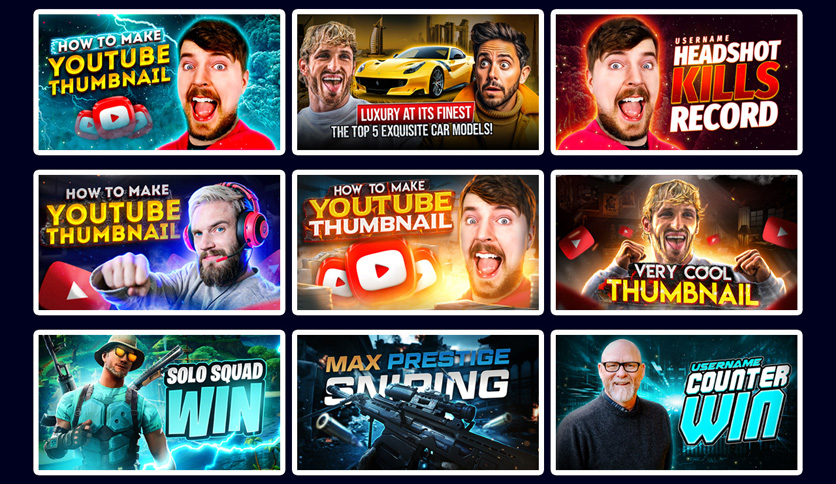
There is a form of editing that happens before the video even begins — the selection of the thumbnail and the writing of the title. And it is, in terms of its impact on whether a viewer watches at all, the most consequential editing of all.
YouTube’s own internal research has consistently shown that the thumbnail and title are the primary factors in whether a video is clicked when it appears in search results or recommendations. The best video in the world, poorly titled and with a weak thumbnail, will be passed over in favour of a mediocre video that is perfectly positioned in those two elements.
The thumbnail is the visual promise. It should convey the most interesting, most surprising, or most compelling element of the video’s value — in a single image that can be understood at a glance even at small sizes on a mobile screen. It should create curiosity, promise a payoff, or demonstrate credibility in a way that makes the potential viewer think: I want to know what that is about.
The title is the verbal promise. It should tell the viewer exactly what they will get from watching — specifically, not vaguely. “How to Make Biryani” is a weak title. “The One Mistake That Makes Home Biryani Taste Like Restaurant Biryani” is a strong title — it creates curiosity, implies a specific insight, and promises a specific transformation.
The editing discipline that produces good thumbnails and titles is the same as the discipline that produces good video editing: ruthless focus on the viewer’s perspective and the viewer’s desire, combined with the craft to communicate that value as efficiently and compellingly as possible.
The Algorithm Dimension — How Editing Affects Platform Distribution
For any creator who cares about their videos being discovered — which is most creators — there is a critically important dimension to editing that goes beyond viewer experience and into platform mechanics.
Every major video platform — YouTube, Instagram, LinkedIn — uses algorithmic systems to determine how widely to distribute content. These systems use signals from viewer behaviour to assess quality: how long people watch, whether they watch to the end, whether they interact with the content, whether they come back for more.
A video with high watch time — measured as both average minutes watched and percentage of total video length watched — signals to the algorithm that the content is valuable and should be shown to more people. A video with low watch time signals the opposite.
This creates a direct mechanical connection between editing quality and content reach. A well-edited five-minute video that most viewers watch completely has a one hundred percent completion rate — the highest possible quality signal. A raw thirty-minute video that most viewers abandon after four minutes has a thirteen percent completion rate — a weak signal that the algorithm interprets as low-quality content.
The five-minute video gets distributed broadly. The thirty-minute video gets shown to fewer people over time, as the algorithm deprioritises content that viewers do not finish.
The compounding effect of this over time is significant. The creator who consistently produces tightly edited, high-completion videos builds algorithmic favour — their videos are shown to more people, which generates more views, which generates more data, which reinforces the algorithm’s positive assessment, which leads to even broader distribution.
The creator who consistently produces raw, long-form content that viewers do not complete does the opposite — regardless of how genuinely valuable their content might be.
Good editing is not just good practice for viewer experience. It is a direct lever on how broadly your content gets distributed across the platforms your audience uses.
The Different Types of Editing — What Each Achieves
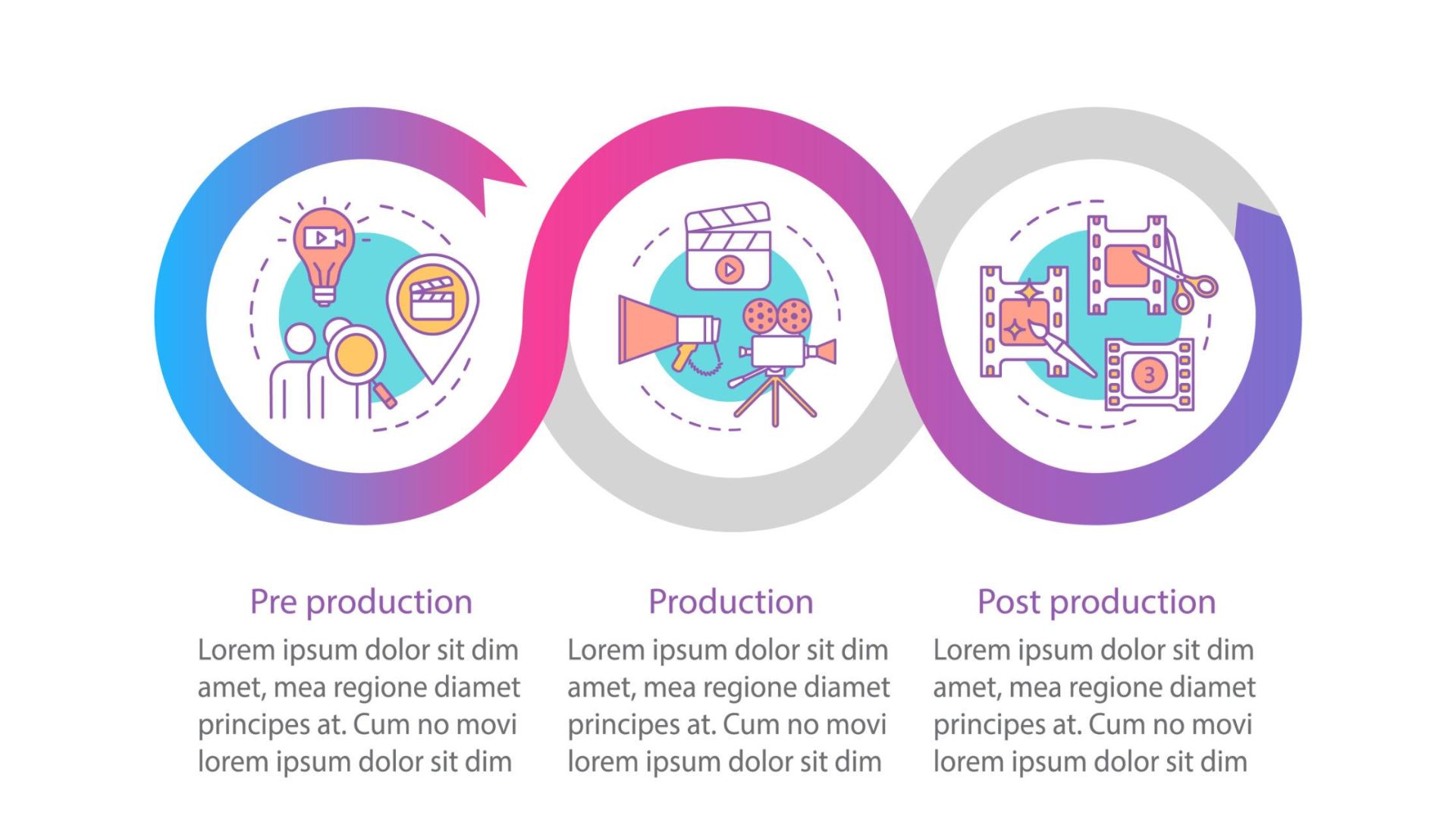
Editing is not one thing. It is a collection of different practices, each serving a different purpose and each contributing differently to the overall quality of the finished video.
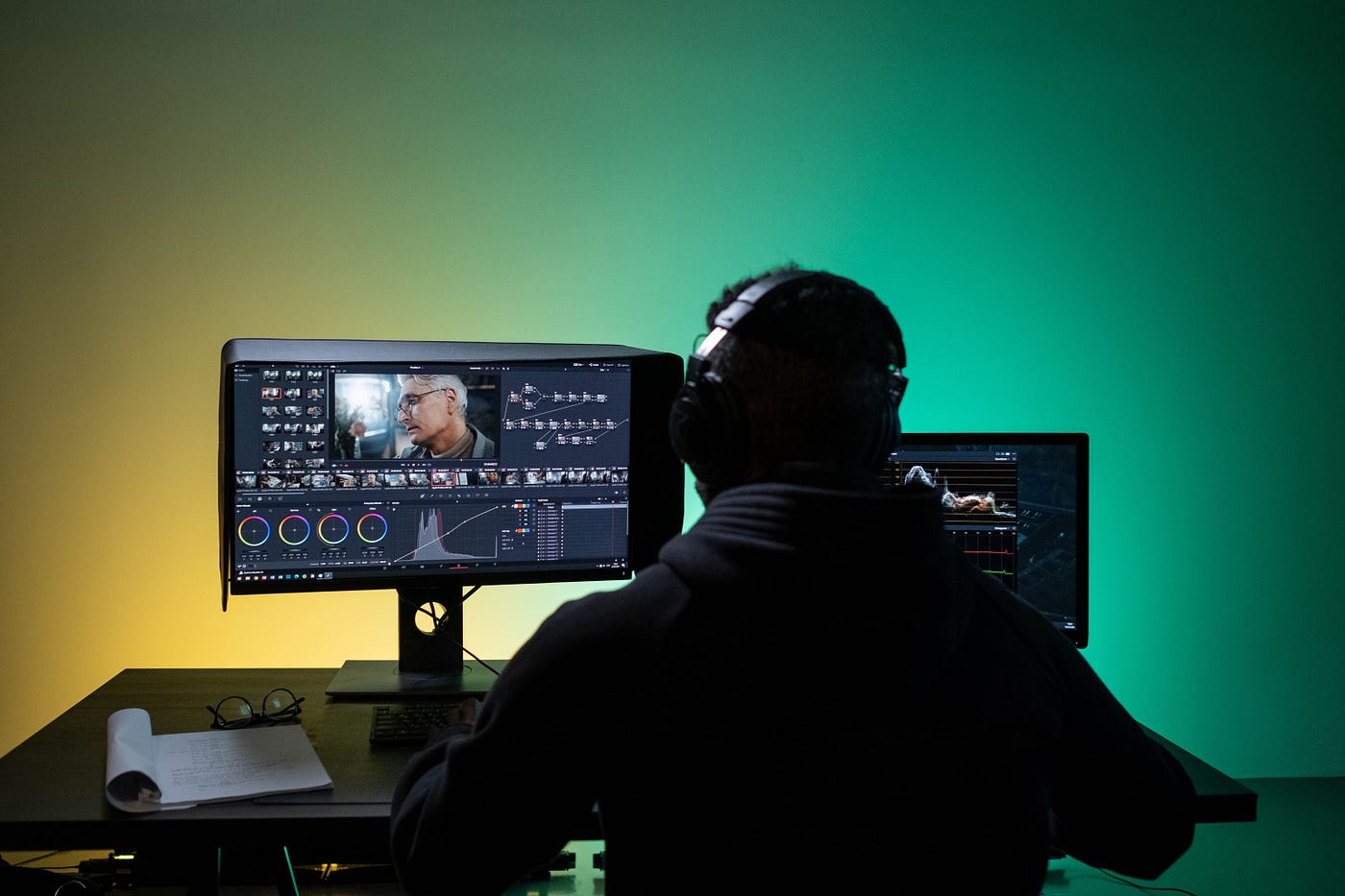
Structural editing is the highest-level cut — deciding which sections of the video to include and in what order. This is where the fundamental architecture of the video is determined. Which points are essential? Which are supplementary? Which are redundant? Should this explanation come before or after that demonstration? This level of editing shapes whether the video has a clear, logical flow that carries the viewer from beginning to end.
Assembly editing is the process of assembling the selected footage in sequence — cutting from shot to shot to create a rough version of the video. At this stage, the video has structure but is not yet polished. It may still have pauses, errors, and rough transitions.
Fine cutting is the process of refining the assembly — tightening every cut, removing every unnecessary pause, adjusting every transition until the video flows at the right pace. This is where the magic of invisible editing happens — where the J-cuts and L-cuts are applied, where the pacing is dialled in, where the video starts to feel like a cohesive piece of content rather than assembled footage.
Sound editing is often underestimated but arguably the most important technical aspect of video quality. Multiple studies have shown that viewers are more tolerant of poor video quality than poor audio quality. Bad audio is immediately jarring and makes content feel unprofessional in a way that is difficult to overcome with other production values. Sound editing — cleaning up background noise, equalising levels between cuts, ensuring music and voice are balanced — is as important as visual editing to the finished product.
Color grading and visual correction ensures visual consistency throughout the video — matching the colour temperature and exposure between different shots, correcting for the changing light that happens when filming over time, and creating a visual aesthetic that feels cohesive and professional.
Graphics and captions — adding text overlays for key information, lower thirds for names and sources, animated graphs or illustrations where useful, and captions for accessibility and for viewers watching without sound. Captions are increasingly important — a significant proportion of video content is consumed without audio, particularly on social media platforms where autoplay with sound is disabled by default.
Each of these editing practices contributes to the whole. A video with great structural editing but poor sound will be difficult to watch. A video with perfect audio but poor structural editing will be difficult to follow. The full package — all the editing disciplines applied thoughtfully — is what produces the final result that viewers watch, complete, and return for.
When Long-Form Content Is Appropriate — Honest Nuance
This post has made a strong case for editing and brevity. Intellectual honesty requires acknowledging that long-form content is not always wrong — and that the appropriate length for any video depends on context, platform, audience, and purpose.
There are contexts where long-form content performs well and where heavy editing toward brevity would actually reduce its value.
In-depth documentary content — where the subject matter genuinely requires extended treatment to do it justice, and where the audience has specifically sought out comprehensive coverage.
Long-form educational content — where a concept is genuinely complex and where the audience is committed learners who are willing to invest extended time for thorough understanding.
Conversational interview formats — where the value is in the natural flow of an extended conversation and where heavy editing would disrupt the authenticity that makes the format valuable.
Live stream archives — where the audience has specifically chosen to watch an unedited live format because they value the rawness and immediacy.
In each of these cases, the context creates audience expectations and intentions that are different from the general video watching behaviour we have been describing. The viewer who seeks out a three-hour interview with a deep expert they respect has already committed their attention in a way the casual browser has not.
The principle is not “shorter is always better.” The principle is “the right length for the content and the audience, with every minute justified.” A five-minute video that could have been three minutes is as flawed as a thirty-minute video that could have been five. The editing discipline is not about cutting to a target length — it is about cutting to the length at which every moment earns its place.
The Practical Guide — How to Approach Editing Your Next Video
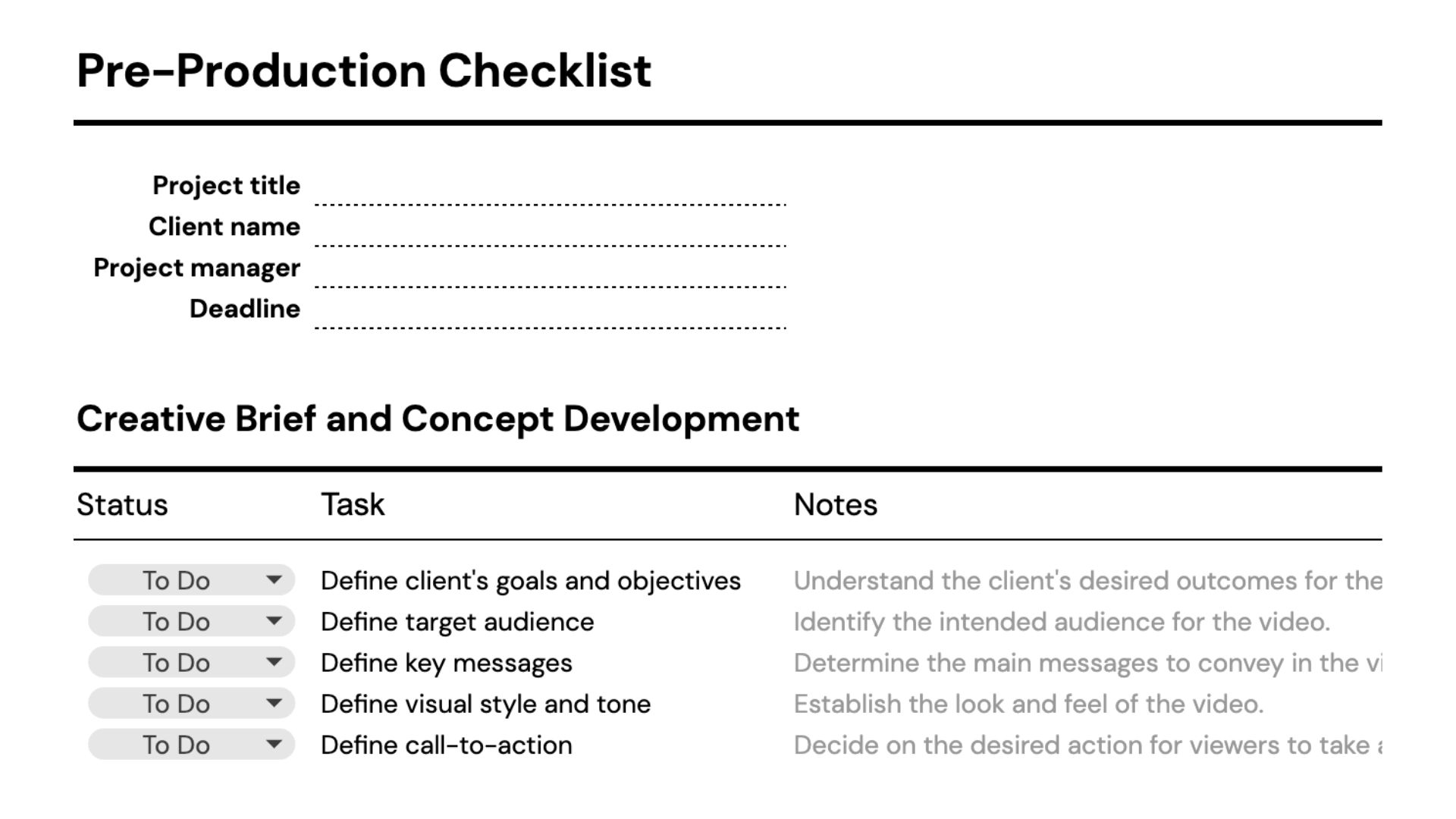
For creators who want to apply the principles in this post to their actual work, here is a practical framework for thinking about editing each new video.
Before filming: Plan with editing in mind. Know the specific points you need to cover. Have a clear beginning — the hook and promise — and a clear end — the summary and call to action. Film each section with the intention of cutting between them cleanly. Consider filming a backup take of complex demonstrations or important explanations.
In the first rough cut: Assemble the footage in order and watch it back. Note every moment where your attention as a viewer wanders — those are the moments to cut. Note every section where the information is repeated — choose the clearest instance and remove the others.
For pacing: Ask yourself at every cut: is the next moment arriving at the right time? Too fast and the viewer does not have time to absorb. Too slow and attention drifts. Find the tempo that feels like a confident, engaging conversation rather than either a lecture or a rush.
For the opening: Edit the opening last. Once you know what the video contains, you can write and film the most compelling possible opening — the clearest promise, the most engaging hook — and cut it into the beginning.
For sound: Do not neglect it. Listen to the audio on headphones before finalising. Remove background noise where possible. Ensure consistent volume throughout. Add music at a level that supports without competing with the voice.
For length: When you think you are done, watch it back again and ask: which moments could I remove without losing information or impact? Whatever the answer is — remove those moments. Then ask again. Keep asking until the answer is genuinely nothing.
The Closing Truth — Editing Is Not What You Do After Making a Video. It Is How You Make a Video.
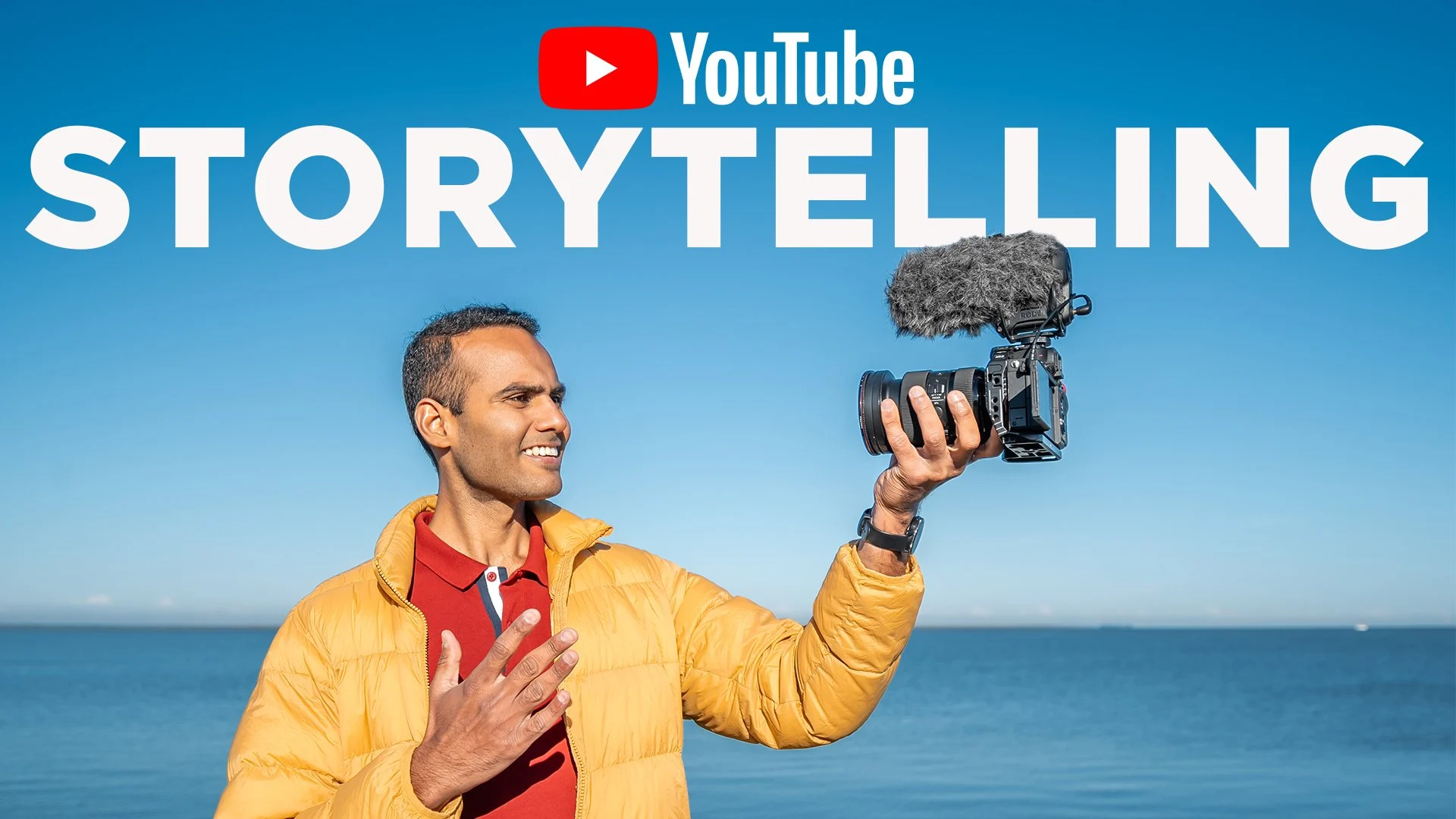
The biryani creator with the thirty-two-minute raw video is not a bad cook. Their knowledge is real. Their passion is genuine. Their biryani is probably excellent.
But their video is not about the biryani. It is about the experience of filming a biryani — with all the friction, the delays, the imperfections, and the real-time waiting that entails. The viewer does not want the experience of filming biryani. They want to learn to cook biryani. These are different things.
The creator who made the five-minute and forty-second video understood this distinction deeply. They understood that the value they were offering was not their experience of cooking — it was the viewer’s ability to learn to cook. And they edited accordingly, removing everything that served the first and keeping everything that served the second.
That understanding — that video is not a recording of an experience but a crafted delivery of value — is the foundation of effective editing. And it is why well-edited short videos consistently outperform raw long ones, not just in completion rates and algorithm performance, but in the metric that matters most: whether the viewer learns what they came to learn, feels what the creator wanted them to feel, and comes back for more.
Editing is not what you do after making a video. It is how you make a video.
The thirty-two-minute raw recording is raw material. The editing is the craft. And it is the craft, in the end, that determines whether what you made is something a viewer will watch, remember, share, and return for.
Written by Digital Drolia — helping creators and businesses understand the craft behind content that performs. Found this valuable? Share it with a creator who is posting raw, unedited videos and wondering why viewers are not staying till the end.