

Why Instagram is No Longer Just a Photo App — It is a Full Business Platform

Let me take you back to 2012.
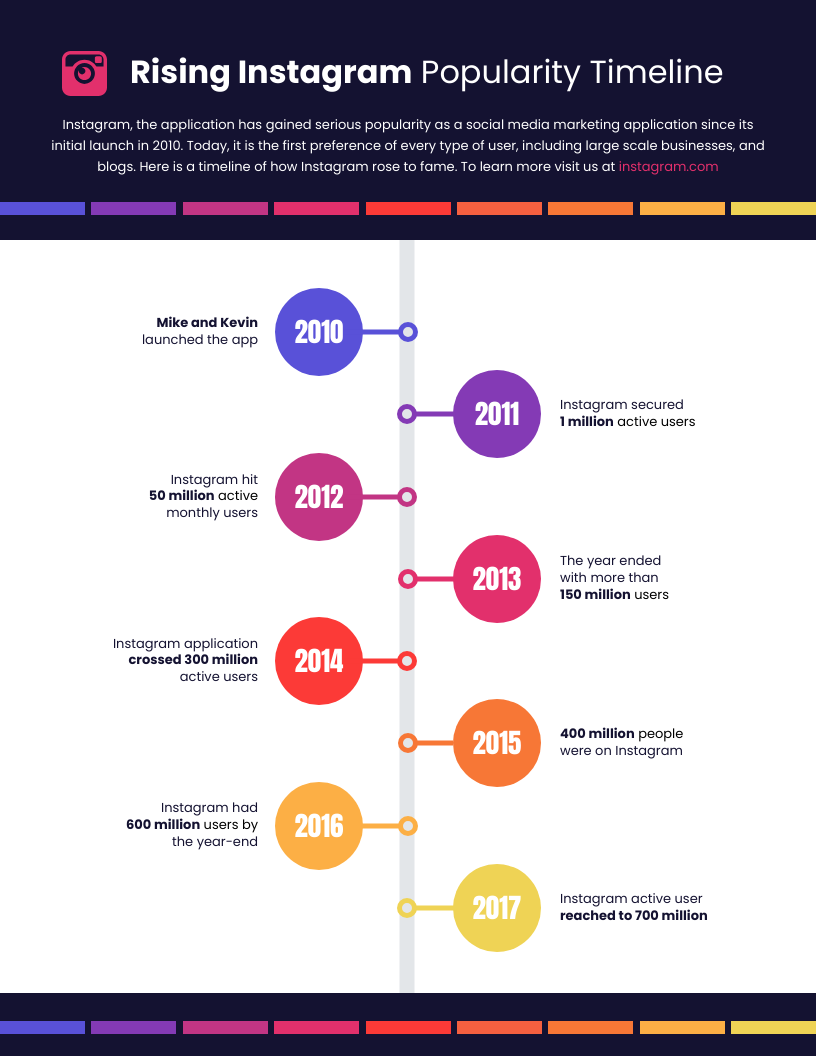
Instagram had just been acquired by Facebook for one billion dollars — a price that stunned the tech world, given that the company had thirteen employees and had been operating for less than two years. The product at the time was beautifully simple: a mobile app that let you take photos, apply one of a small set of filters, and share them with your followers. That was essentially the whole thing.
Photographers loved it. Food enthusiasts loved it. Travellers loved it. People who wanted to share pretty moments from their lives loved it. It was, at its core, a curated visual diary — a place to show life through images that had been treated with enough aesthetic care to be worth sharing.
The idea that this would become, within a decade, a comprehensive business platform through which millions of companies would generate leads, close sales, build customer relationships, recruit talent, run customer service, and build brand communities — that would have seemed absurd in 2012. It was a photo filter app.
Today, in 2026, Instagram is used by over two billion people every month. Businesses of every size — from solo entrepreneurs to multinational corporations — use it as a primary or significant secondary business channel. Products are discovered, considered, and purchased entirely within the platform. Customer service happens in DMs. Partnerships are negotiated through comments. Entire business models have been built on Instagram distribution that did not exist before the platform did.
The transformation from photo sharing app to full business platform happened gradually and then all at once — through a series of feature additions, algorithm changes, and shifts in user behaviour that each individually seemed incremental but collectively produced something that bears almost no resemblance to what existed in 2012.
Understanding what Instagram has become — specifically and practically — is one of the most valuable things any business owner or creator can do in 2026.
The Evolution — How Instagram Became What It Is Today
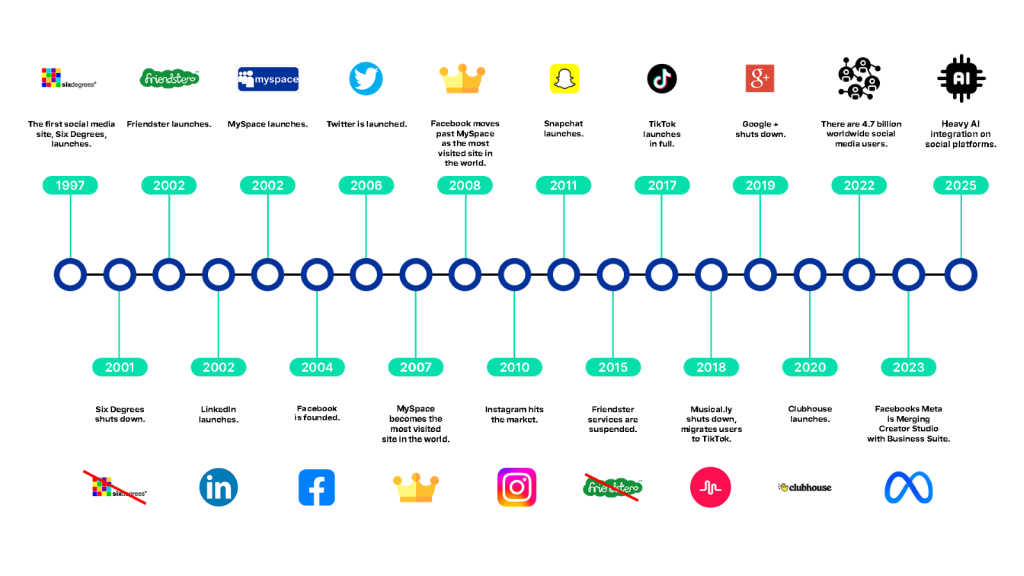
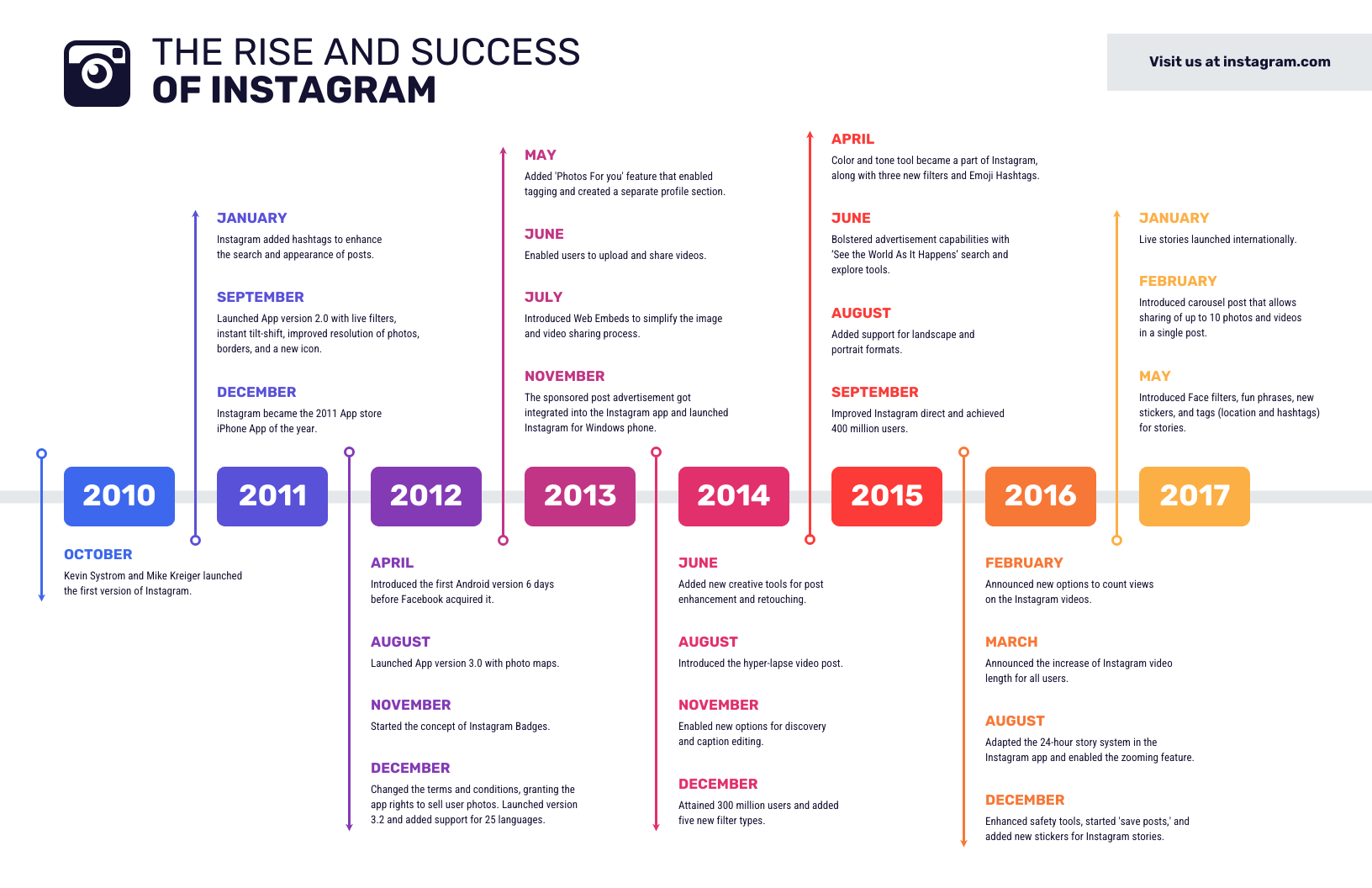
The journey from photo app to business platform did not happen through a single decisive pivot. It happened through the accumulation of features that each expanded what was possible on the platform, combined with shifts in how users actually chose to use it.
The Business Profile Era — 2016
The first decisive step toward Instagram as a business platform was the introduction of business profiles in 2016. For the first time, accounts could identify themselves as businesses, access analytics about their audience and post performance, and display contact information — a phone number, email address, or physical location — directly on their profile.
This seems modest now. At the time it represented something significant: Instagram officially acknowledging and building for a class of users who were on the platform not to share personal moments but to pursue commercial objectives.
Business profiles also introduced the first version of Instagram Insights — the analytics dashboard that allowed businesses to see who was looking at their content, when, and from where. For the first time, Instagram use could be evaluated not just on likes and comments but on meaningful business metrics.
Stories — 2016
Instagram Stories — introduced in August 2016 in a feature that was widely understood to be a direct competitive response to Snapchat — turned out to be one of the most significant product decisions in Instagram’s history.
Stories introduced ephemeral content — posts that disappear after twenty-four hours. This seems like a limitation, but it produced something valuable: a different register of content. While the main feed was curated and polished — a place where people and businesses posted only their best work — Stories became the place for behind-the-scenes content, real-time updates, polls, questions, and the kind of casual, unfiltered communication that felt too imperfect for the permanent feed.
For businesses, Stories unlocked a new dimension of customer relationship. A business that showed its product photography in the main feed could show the making of those products in Stories. A restaurant that posted beautiful food photography could show the kitchen preparation in real time. A clothing brand could show the photoshoot behind the polished campaign image. The proximity to the product and the people behind it created a different kind of trust than a curated feed alone could generate.
IGTV, Shopping, and the Platform’s Expansion — 2018 to 2020
Between 2018 and 2020, Instagram added a succession of features that each expanded what businesses could do within the platform.
IGTV — Instagram’s long-form video product — was introduced in 2018 as a direct challenge to YouTube’s dominance of video content. It was less successful than Instagram had hoped in terms of shifting video consumption away from YouTube, but it established the principle that Instagram could host video content of any length.
Instagram Shopping was the feature that most directly transformed the platform’s business potential. Introduced progressively between 2018 and 2020, Shopping allowed businesses to tag products in their posts and Stories with links that led directly to product pages — and eventually, to complete purchases within Instagram itself without leaving the app.
The ability to move from content discovery to product consideration to purchase without leaving Instagram collapsed the traditional retail customer journey dramatically. A person who discovered a product through a beautiful photo in their feed could, within seconds, see the price, read the description, view multiple product images, and complete the purchase — all within the Instagram app.
This was not incremental improvement to a social media channel. This was the transformation of a social media channel into a commerce channel.
Reels — 2020
The introduction of Reels in 2020 — Instagram’s response to the explosive growth of TikTok — was another transformation as significant as Stories had been four years earlier.
Reels introduced short-form video as a primary content format, with its own dedicated distribution algorithm that was distinct from the main feed algorithm. Crucially, the Reels algorithm was designed from the beginning to show content to people who did not already follow the creator — a stark departure from the main feed algorithm, which had always primarily shown content to existing followers.
This distribution difference made Reels the most powerful organic reach mechanism Instagram had ever provided. A business or creator who made a genuinely engaging Reel could reach hundreds of thousands of people who had never heard of them — from a standing start, with no advertising spend required.
The algorithm was hungry for good Reels content because Instagram needed to compete with TikTok for short-form video attention. Creators who understood this window of opportunity and consistently produced high-quality short-form video content in the early years of Reels built audiences at rates that would have been impossible through any previous Instagram mechanism.
The Integration of Professional Tools — 2021 to 2026
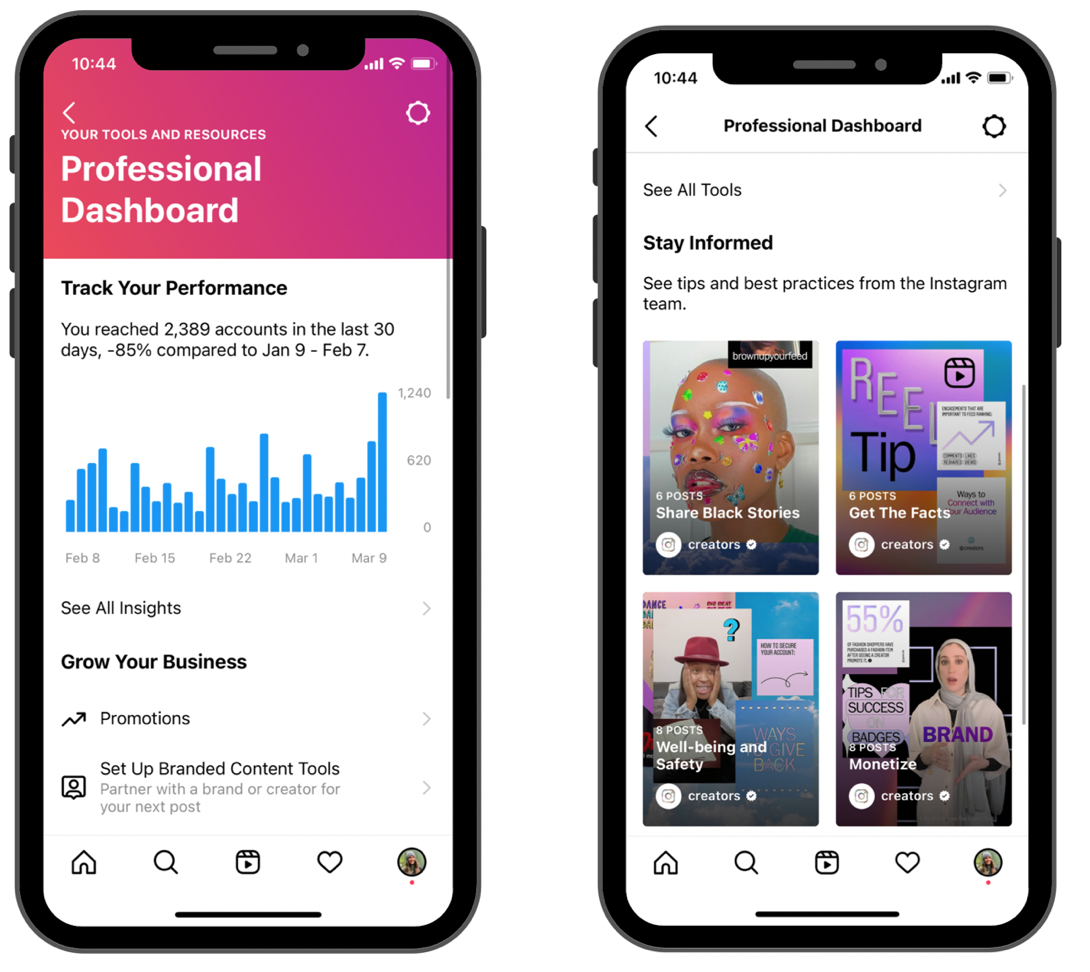
The years following Reels introduction have seen continuous expansion of Instagram’s professional and business toolset. Creator badges and gifts allow creators to earn money directly from their followers. Subscription features allow creators to charge for exclusive content. Branded content tools make influencer partnerships more transparent and manageable. The professional dashboard gives creators and businesses a centralised view of their performance across all content types.
Each of these additions has pushed Instagram further from its origins as a photo sharing app and further toward what it is in 2026: a comprehensive platform for building audiences, creating content, running commercial operations, and generating income across multiple mechanisms.
What Instagram Actually Is in 2026 — The Full Map
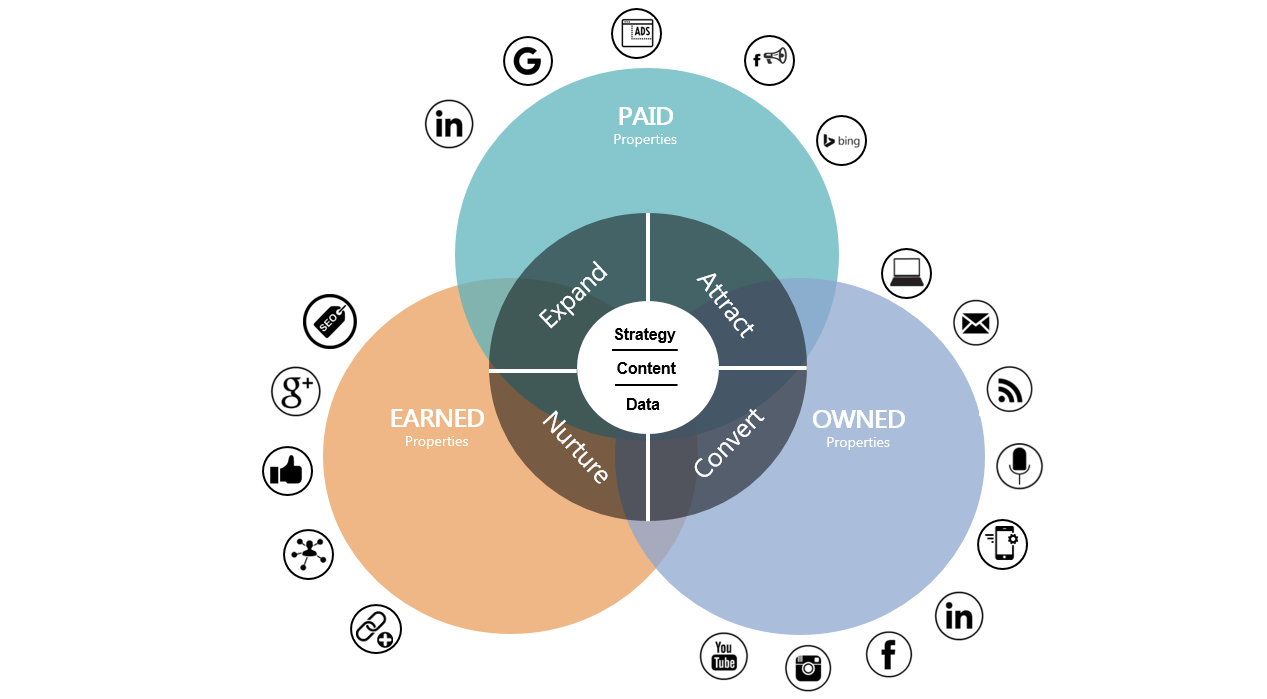
Understanding Instagram as a business platform in 2026 requires mapping all of its current dimensions — not just the most visible ones.
A discovery platform
The most fundamental function Instagram serves for businesses is discovery — the process through which potential customers who have never heard of a brand encounter it for the first time.
The Reels algorithm is the primary discovery engine. A well-made Reel about a product, a service, or a topic relevant to the business’s category can be shown to millions of people who are not yet customers and who have not yet encountered the brand. This organic discovery is unlike almost anything available in traditional media, where reaching people who did not already know you required advertising spend.
The Explore page serves a similar discovery function — surfacing content to users based on their interests and behaviours rather than their existing follows. A business whose content appears on the Explore pages of relevant users is putting its work in front of potential customers at a cost of creative effort rather than advertising budget.
A consideration platform
Once a potential customer has discovered a brand through Reels or the Explore page, Instagram becomes the place where they evaluate whether to become a customer.
The profile — the grid of posts, the bio, the highlights, the pinned Reels — is effectively a landing page. A first-time visitor to an Instagram profile is making a rapid assessment of whether this business or creator is credible, appealing, and worth following. The quality and consistency of the profile’s content, aesthetic, and communication directly affects the proportion of first-time visitors who become followers.
This consideration function also happens through the long-form content that Instagram increasingly supports — carousel posts that allow multiple images or pages of information, long captions that can contain substantial explanatory text, IGTV videos and Reels that can demonstrate products or services in depth.
A community platform
For businesses that invest in it, Instagram functions as a community platform — a place where customers and fans gather around shared interest in the brand or the category.
This community function is built through consistent engagement — responding to comments, asking questions in captions and Stories, running interactive elements like polls and quizzes in Stories, acknowledging and resharing customer content. Businesses that create this kind of two-way interaction build communities of advocates who actively recommend and amplify the brand without any additional incentive from the business.
Community is one of the most defensible competitive advantages available to consumer businesses — and Instagram provides more accessible community-building infrastructure than almost any other platform. The question is not whether the infrastructure is available but whether businesses choose to use it.
A commerce platform
Instagram Shopping has made the platform a direct commerce channel — capable of generating purchases without the customer ever leaving the app.
For product businesses, this capability has fundamentally changed the customer journey. The traditional model — advertising drives awareness, awareness drives website visits, website visits drive purchases — has been compressed to: content drives discovery, product tag drives consideration and purchase, all within Instagram.
Instagram Checkout — available in India through partnership with various payment providers — allows complete in-app purchase experiences. Instagram Shopping posts, Stories with shopping links, and the dedicated Shop tab on business profiles collectively make Instagram a functional storefront.
A service business platform
The commerce features primarily benefit product businesses, but service businesses have found their own Instagram infrastructure through features like appointment booking links, DM-based customer consultation, and the use of Instagram as the primary channel for demonstrating expertise and building the trust that precedes service purchases.
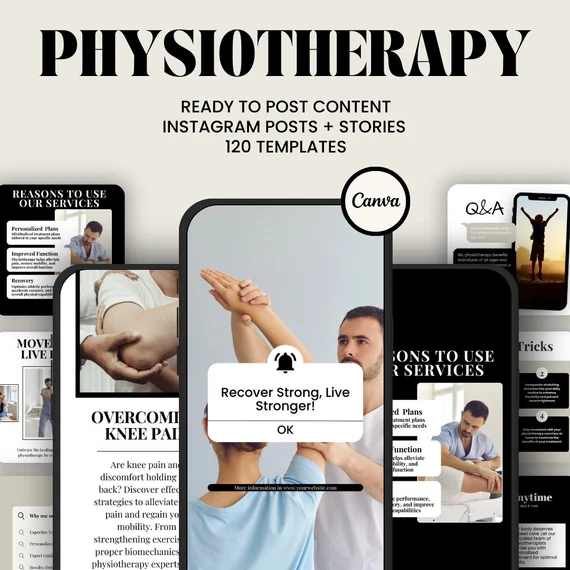
A physiotherapist who uses Instagram to share brief, useful videos about managing common pain points builds a public demonstration of their expertise. A potential patient who has watched fifteen of these videos before booking an appointment arrives with a level of trust that no amount of advertising could have created. The relationship was built before the first professional interaction.
An advertising platform
Beyond organic capabilities, Instagram’s advertising system — shared with Facebook through Meta’s advertising infrastructure — provides sophisticated paid reach that complements organic activity.
Instagram advertising allows precise demographic, interest, and behavioural targeting, retargeting of website visitors and app users, lookalike audiences built from existing customer data, and direct response advertising that links directly to product pages, booking forms, or app downloads.
The combination of Instagram’s organic community-building capabilities and its paid advertising infrastructure gives businesses a complete marketing toolkit within a single platform.
What This Means for Different Types of Businesses
Instagram’s evolution into a full business platform does not mean it is equally valuable or equally applicable to every type of business. The practical implications vary significantly depending on what the business sells, who it sells to, and how purchases are made.
Product businesses — particularly lifestyle, fashion, food, beauty, and home
Instagram was built for visual products. Fashion, food, beauty, home decor, jewellery, artisan crafts — these categories find Instagram a near-perfect fit because the platform’s visual nature is inherently aligned with the experiential and aesthetic qualities that drive purchase decisions for these products.
For product businesses in visually rich categories, Instagram is often the primary discovery and consideration channel — the place where potential customers first encounter the product, form a positive impression, and are motivated to purchase. Shopping features make the purchase accessible immediately upon discovery.
The biggest opportunity for product businesses in these categories is consistency and authenticity — showing the product in genuine, beautiful, honest ways that build trust and desire simultaneously. Businesses that invest in this consistency over months and years build the kind of organic following that makes their Instagram presence a self-sustaining customer acquisition channel.
Service businesses — professional services, education, health, wellness
For service businesses, Instagram functions differently. The purchase trigger for a service is typically trust rather than visual desire — and trust is built through demonstrated expertise, consistent communication, and evidence of results.
Instagram accommodates this trust-building function particularly well through content that demonstrates expertise. A physiotherapist’s exercise videos. A financial adviser’s plain-language explanations of complex concepts. A graphic designer’s portfolio work. A language tutor’s teaching clips. Each of these content types builds trust through demonstration — showing potential clients what working with this professional is like before any commitment has been made.
Service businesses that invest in this expertise demonstration typically see a specific and valuable effect: when potential clients do contact them, they are already significantly convinced. The consultation or first meeting starts from a much higher baseline of trust than a cold enquiry through a directory would.
Local businesses — restaurants, salons, gyms, retail shops
For local businesses with a specific geographic service area, Instagram functions primarily as a community and awareness channel. The goal is not to reach a global audience but to ensure that people within the relevant geographic area know the business exists, have a positive impression of it, and think of it when the relevant need arises.
Location-tagged posts, Stories featuring local community content, engagement with local hashtags and local creators — these tactics build local visibility and community connection in ways that traditional local advertising cannot replicate.
The review and social proof function is also significant for local businesses — customer-generated content shared on Instagram, tagged locations, and posts referencing the business create organic social proof that influences the decisions of potential new customers in the same geographic area.
B2B businesses — those selling to other businesses
Instagram’s primary strength is in business-to-consumer contexts, and B2B businesses often find LinkedIn more directly useful for professional sales. However, Instagram has become increasingly relevant for B2B businesses in categories where the work itself is visual — design agencies, photography studios, event planners, architects, interior designers.
For these businesses, Instagram functions as a portfolio platform — a continuously updated public demonstration of the quality and style of the work. B2B clients who are considering commissioning design work, for example, routinely evaluate Instagram portfolios as a primary input to their decision.
The Content Strategy That Actually Works — What Instagram Rewards in 2026
Understanding what Instagram has become also requires understanding what the platform’s algorithm rewards in 2026 — because the algorithm has evolved as dramatically as the platform’s features.
Reels remain the primary organic reach mechanism
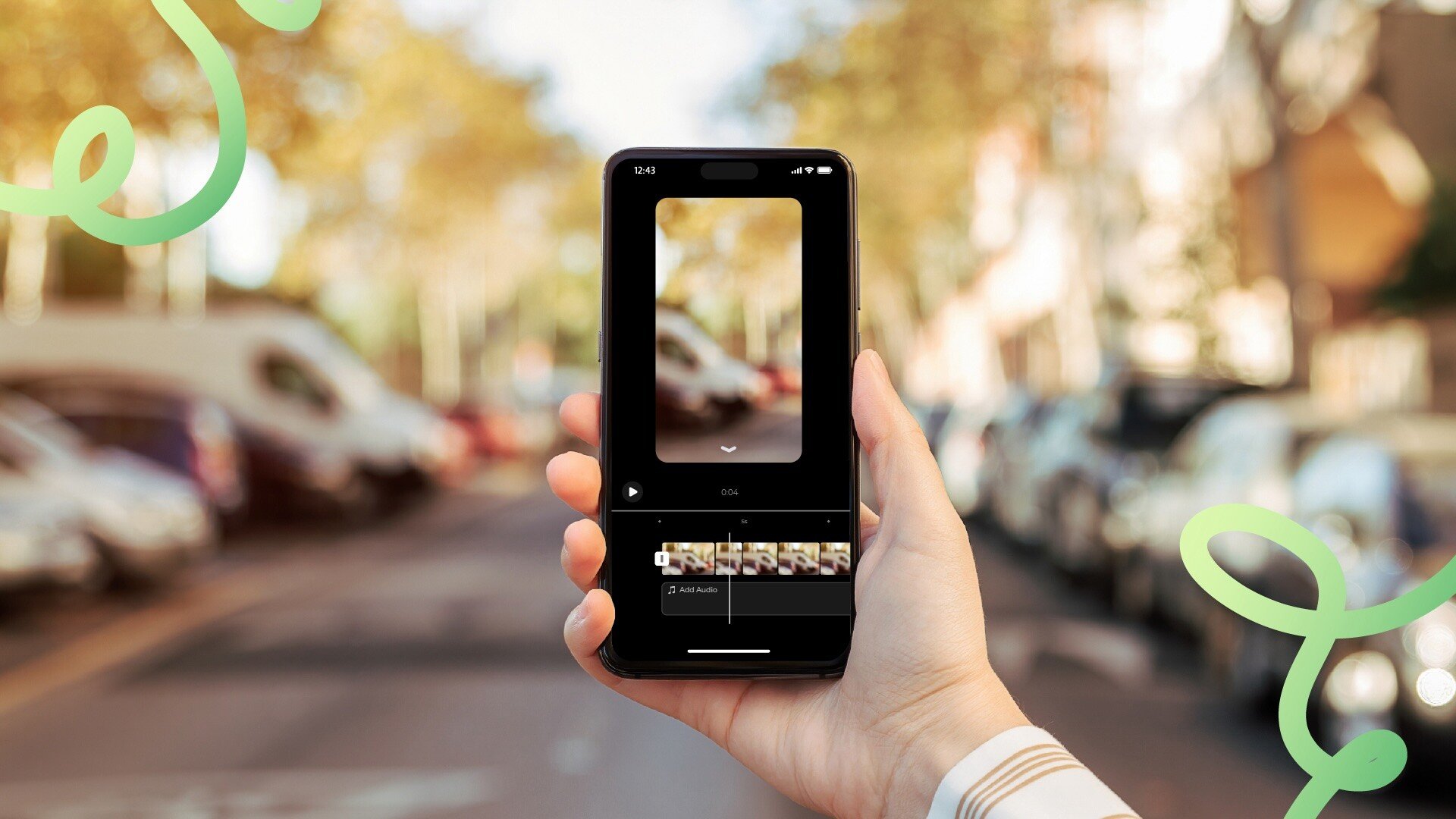
As of 2026, Reels continue to receive the most aggressive algorithmic distribution of any content format on Instagram. A business or creator that invests consistently in high-quality short-form video content has access to organic reach that no other Instagram format approaches.
The Reels algorithm rewards content that holds viewer attention — specifically, content that generates a high completion rate, which means people watch the entire clip rather than scrolling away. This completion metric is the primary signal of content quality that the algorithm uses to decide whether to show a Reel to more people.
The practical implication: Reels should be immediately engaging, should deliver their value quickly, and should be structured to retain attention from the first second to the last. All the principles we explored in our posts about YouTube video intros and jump cuts apply to Reels — arguably even more so, because the competition for attention in the Reels feed is even more intense than on YouTube.
Consistency over perfection
Instagram’s algorithm rewards accounts that post consistently over accounts that post sporadically regardless of quality. A business that posts three times per week, every week, for twelve months builds algorithmic momentum that a business posting irregularly — even with better individual content — typically cannot match.
This consistency principle has a practical implication that surprises many business owners: a moderately good Reel posted consistently every week outperforms an excellent Reel posted once a month. The algorithm builds confidence in accounts that demonstrate sustained, reliable activity. That confidence translates into more consistent distribution.
Saves and shares over likes
In recent algorithm updates, Instagram has deprioritised likes as a signal of content quality and increasingly weighted saves and shares — behaviours that indicate the content was valuable enough to want to retain or spread.
A post with two hundred likes but fifty saves is, algorithmically, a stronger piece of content than a post with eight hundred likes and two saves. Saves indicate that the content was genuinely useful or inspiring — worth keeping for reference or returning to. Shares indicate that the content was valuable enough to want to bring to someone else’s attention.
Creating content specifically designed to be saved — practical information, reference guides, useful comparisons, genuinely helpful tips — tends to outperform purely entertainment-focused content on Instagram’s quality signals.
Authenticity signals
Instagram’s algorithm in 2026 increasingly rewards what might be called authenticity signals — content that appears to come from real experience rather than manufactured performance. Behind-the-scenes content, honest process documentation, genuine customer interactions, and unpolished but real moments often generate stronger engagement and algorithmic distribution than heavily produced content.
This does not mean production quality is irrelevant — it means that production quality in service of genuine communication outperforms production quality in service of appearance. The beautiful photo of a real product will always outperform the beautiful photo of a staged scene that does not represent the actual product.
The Shopping Features — How Instagram Facilitates Commerce
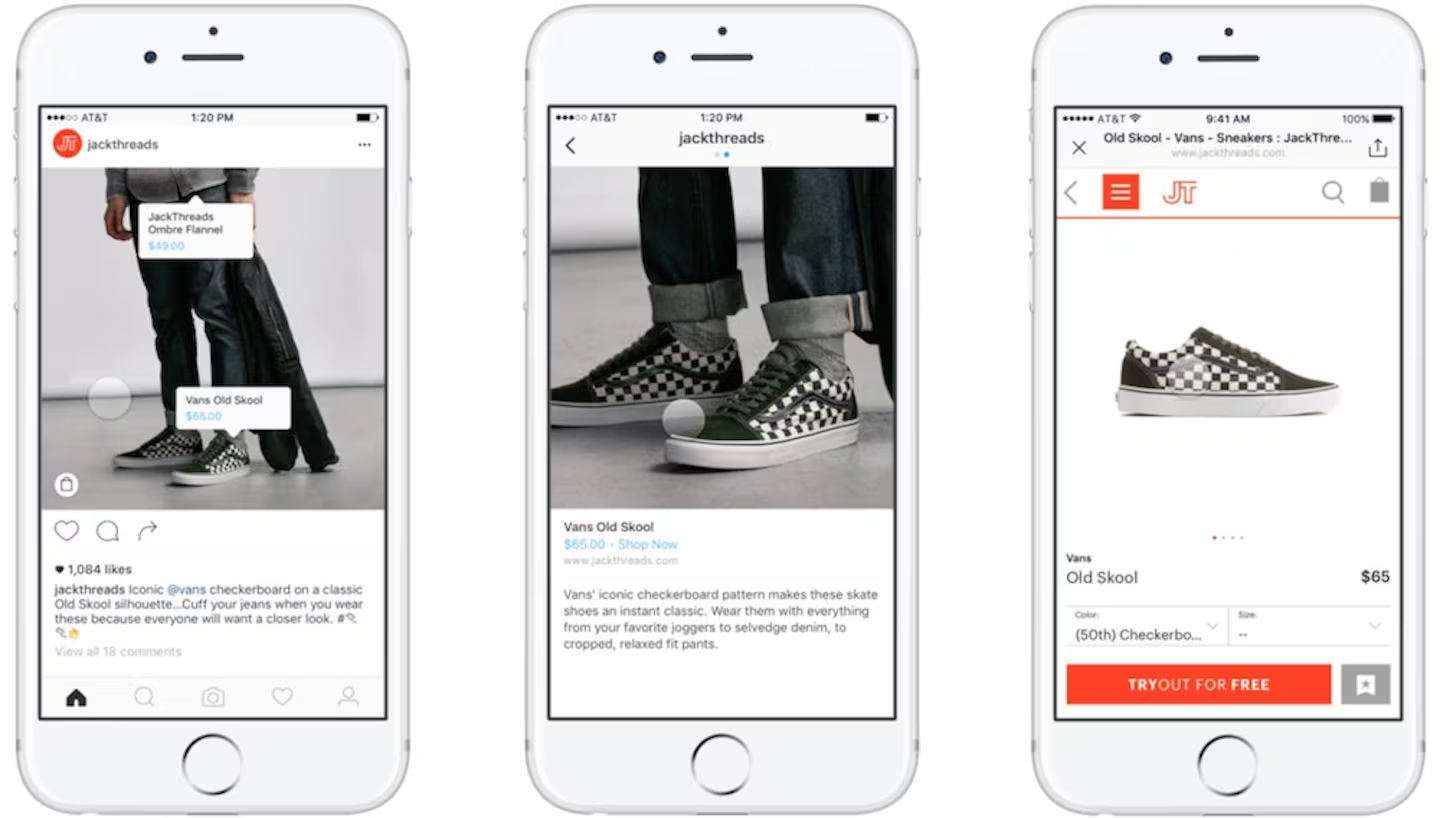
Instagram Shopping has become sophisticated enough to warrant a specific and detailed treatment — because for product businesses, it represents one of the most significant commerce opportunities available on any platform.
Product catalogue setup
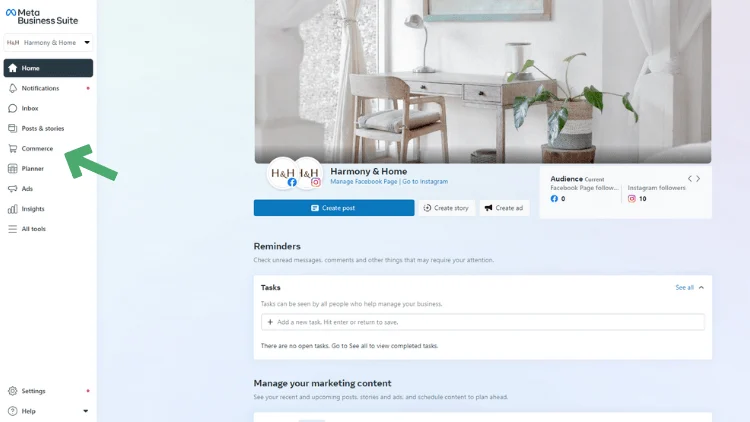
The foundation of Instagram Shopping is a connected product catalogue — a structured database of the business’s products, including images, prices, descriptions, and links to purchase. This catalogue is created and managed through Facebook’s Commerce Manager and connected to Instagram to enable shopping features.
The setup process requires a Facebook Business account, a connected Instagram business account, compliance with Instagram’s commerce policies, and connection to a checkout mechanism — either an external website or Instagram’s native checkout.
Once the catalogue is connected, products can be tagged in posts, Reels, and Stories, creating direct links from content to purchase.
Product tags in content
Product tagging is the visible face of Instagram Shopping — the small shopping bag icon that appears on content containing tagged products, indicating to viewers that they can tap to see and purchase the products shown.
Product tags transform every piece of product content into a potential transaction. A beautiful photo of a saree with a product tag attached allows the viewer who loves the saree to immediately see the price, the available colours and sizes, and a link to purchase — without leaving Instagram.
The practical impact on conversion — the percentage of content viewers who become buyers — is significant. Removing the friction of navigating from Instagram to a separate website and searching for the product reduces the distance between discovery and purchase to a few taps.
Instagram Shop tab
Businesses with shopping features enabled gain access to an Instagram Shop tab — a dedicated storefront within their profile that aggregates their product catalogue in a browsable format. First-time visitors to the profile can browse the complete product range without scrolling through the entire content feed.
This Shop tab functions as an in-app storefront that is discoverable both through the brand’s own profile and through Instagram’s broader Shop discovery features — including the dedicated Shopping tab on the main Instagram navigation.
Shopping in Stories and Reels
Product tags work not just in static posts but in Stories and Reels — arguably the most impactful placement because these formats receive the widest organic distribution.
A Reel featuring a product in use, with a product tag that links directly to purchase, is a complete commerce funnel compressed into a short video. Discovery, consideration, and purchase initiation all happen in the same piece of content and the same platform session.
The Creator Economy Integration — How Instagram Enables Direct Monetisation
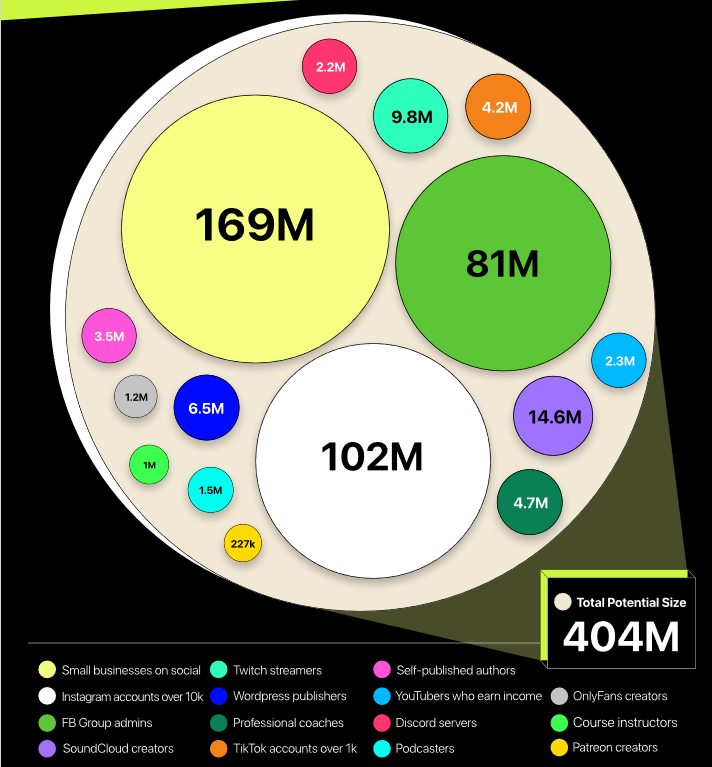
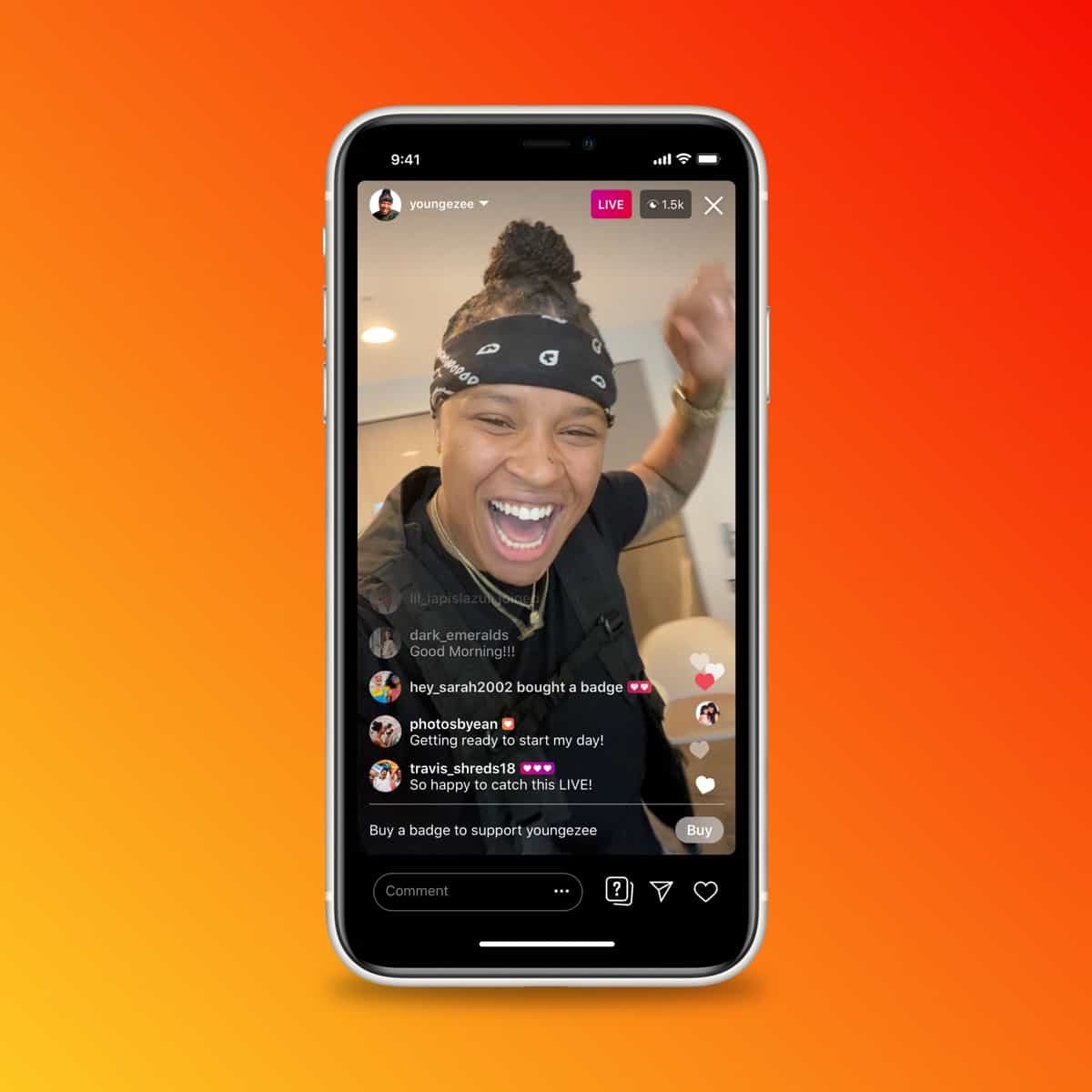
Beyond facilitating the sale of products and services, Instagram has developed infrastructure for creators to monetise their audience directly — generating income from followers who value their content rather than from selling products to customers.
Subscriptions
Instagram Subscriptions — available to eligible creators — allow followers to pay a monthly fee in exchange for exclusive content. Subscribing members get access to exclusive Stories, Lives, posts, and other content that non-subscribers cannot see.
This subscription model creates recurring income that is not dependent on product sales, advertising partnerships, or any particular algorithm performance. It is the most direct expression of the audience-to-creator value exchange — fans paying the creator directly for the value they provide.
Badges in Live
During Instagram Live broadcasts, viewers can purchase Badges — small heart icons that appear alongside their comments and provide direct income to the creator. This mechanism is particularly effective for creators with highly engaged communities where live interaction is valued.
Creator gifts in Reels
Instagram has expanded gifting mechanisms to Reels — allowing viewers to send virtual gifts to creators whose Reels they find particularly valuable. These gifts convert to creator earnings, providing a direct income mechanism from viral or widely distributed content.
These direct monetisation features collectively represent Instagram’s acknowledgement that the platform’s long-term success depends on creators being able to build sustainable livelihoods — and that providing income mechanisms is both the right thing to do and a competitive necessity as other platforms compete for creator attention.
The Practical Foundation — What a Business Actually Needs to Succeed on Instagram
Understanding Instagram’s capabilities is only useful if it translates into practical action. Here is the honest foundation of what a business needs to actually succeed on the platform.
A clear identity and consistent aesthetic
The most common reason businesses struggle on Instagram is a lack of clear identity — content that covers too many topics, shifts in tone without apparent reason, or a visual style that varies so dramatically from post to post that the profile does not feel like a coherent brand.
Instagram rewards recognition — the quality of being immediately identifiable from the first frame. Businesses that invest in developing a consistent visual language, a consistent tone of voice, and a clear sense of who they are and who they are for build recognition over time that pays compound returns in follower loyalty and organic reach.
Content that is genuinely useful, interesting, or beautiful
Instagram does not reward frequency or consistency alone. It rewards content that people actually want to see. This requires honest evaluation of whether the content being created provides genuine value to the audience — whether it is genuinely useful, genuinely interesting, genuinely beautiful, or genuinely entertaining.
The question to ask of every piece of content before posting: why would someone who does not know this brand yet choose to engage with this rather than scrolling past? If the honest answer is “they would not,” the content needs to be reworked rather than posted.
Genuine community engagement
The businesses that build the most valuable Instagram presences in the long run are those that treat the platform as a community space rather than a broadcast channel. Responding to comments. Asking genuine questions. Sharing and acknowledging customer content. Building relationships with followers rather than simply accumulating them.
This community engagement is the hardest part of Instagram for many businesses — it requires time, genuine interest in the audience, and willingness to be in ongoing conversation rather than one-directional communication. It is also the part that creates the most defensible competitive advantage, because a genuine community is something that cannot be bought or easily replicated.
Patience with the compounding
Instagram success, like most worthwhile things, builds slowly before it builds quickly. The account that has been posting consistently for two years, engaging genuinely with its community, and investing in good content has an advantage over the account posting for two months that is not visible in the immediate metrics but that compounds significantly over time.
The businesses that succeed on Instagram over the long term are almost universally those that committed to the platform as a genuine, sustained investment rather than approaching it as a campaign to be run and evaluated over a few weeks.
Closing Thought — The Photo App That Became Something Else Entirely

The photo app that sold for one billion dollars in 2012 because it had elegant filters and a clean interface is genuinely unrecognisable in the platform that exists in 2026.
What Instagram has become is something that would have required, in the pre-digital era, separate investments in: a billboard network, a retail storefront, a customer loyalty programme, a direct mail operation, a community events programme, a catalogue, a TV commercial, and a dedicated customer service team.
All of it — imperfect, requiring skill and investment and patience, but genuinely available — within a single platform that is free to use and that over two billion people visit every month.
The businesses that understand what Instagram has become and invest seriously in building their presence on it are not just using a social media platform. They are building an asset — a community, a reputation, a discovery channel, and a commerce operation — that compounds in value over time and that becomes increasingly difficult for competitors to displace as it grows.
The businesses that still think of Instagram as a place to post occasional photos are leaving that entire asset uncreated.
The photo app became something else entirely.
Time to treat it accordingly.
Written by Digital Drolia — helping businesses understand the digital platforms that are reshaping commerce, community, and communication in India and beyond. Found this valuable? Share it with a business owner who is still posting sporadically on Instagram without a strategy and missing the full potential of what the platform has become.