


Why Instagram is Prioritising Saves and Shares Over Likes in 2026


Let me tell you about a post that broke a creator’s understanding of how Instagram works.
Divya Menon runs a nutrition and wellness account in Kochi. She had been posting consistently for fourteen months, building her following steadily to around twenty-eight thousand. She understood Instagram reasonably well — she knew about posting times, hashtags, Reels versus static posts, the importance of consistent aesthetics. She was not a beginner.
Then she posted two Reels in the same week.
The first was a carefully produced transformation Reel — a before-and-after compilation of clients who had followed her twelve-week programme. The editing was polished, the music was trending, the graphics were clean. Within the first two hours it had accumulated eleven hundred likes. Her comments section filled with heart emojis and fire emojis and “wow amazing!” responses. By the end of the day, it had one thousand six hundred likes.
The second Reel was almost embarrassingly simple. She stood in her kitchen, no editing tricks, and explained why eating dinner before 7 PM could meaningfully impact metabolic health — a concept she had explained in consultations hundreds of times but had never distilled into a simple Instagram video. She spoke for fifty-eight seconds. The Reel was slightly underlit. There was background noise from traffic outside her window.
By the end of the first hour, the transformation Reel had significantly more likes. But by the end of the first week, the simple kitchen explanation had reached four times as many people.
She checked her Insights carefully to understand why.
The transformation Reel had one thousand six hundred and forty likes. Saves: sixty-seven. Shares: eighty-nine.
The dinner timing Reel had eight hundred and twelve likes — roughly half. Saves: nine hundred and forty-one. Shares: one thousand two hundred and three.
The Reel with fewer likes had nearly fifteen times as many saves and nearly fourteen times as many shares. And the algorithm had rewarded it accordingly — distributing it to an audience many times larger than the transformation Reel.
Divya stared at this data for a long time. Then she went back through her last three months of content and ran the same analysis on every post.
The pattern was consistent and clear. The posts with the highest likes were rarely the posts with the highest reach. The posts with the highest saves and shares were almost always the posts with the highest reach. Not occasionally — almost always.
The metric she had been optimising for — likes — was the least powerful driver of algorithmic distribution. The metrics she had been largely ignoring — saves and shares — were the most powerful.
Everything she thought she understood about Instagram performance needed to be reconsidered from the beginning.
Why Instagram Changed What It Values — The Platform Logic
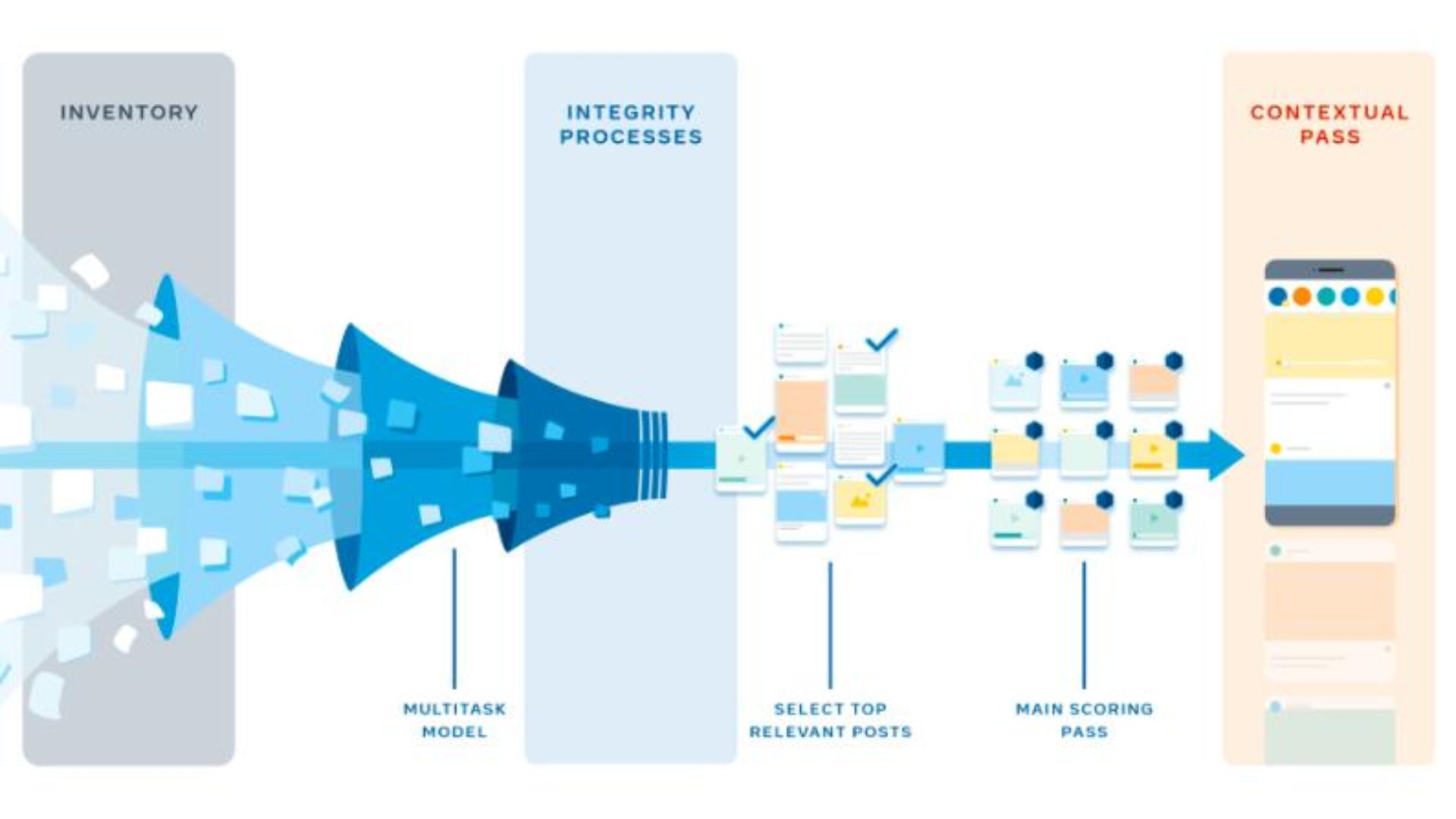
To understand why saves and shares now outweigh likes in Instagram’s algorithmic priority, you need to understand what Instagram is trying to accomplish — and why likes were never the ideal signal for it.
Instagram’s fundamental goal is to keep users engaged with the platform for as long as possible and to ensure they have experiences they find genuinely valuable. This goal drives every algorithmic decision: the algorithm distributes content that achieves this goal and limits the distribution of content that does not.
Likes seemed, for many years, like a reasonable proxy for content quality. Content that people liked was content people found good. If the algorithm distributed highly liked content, it was distributing well-regarded content.
But over time, it became increasingly clear that likes are an imperfect signal of genuine quality — and specifically that they measure a narrower and shallower kind of quality than Instagram actually cares about.
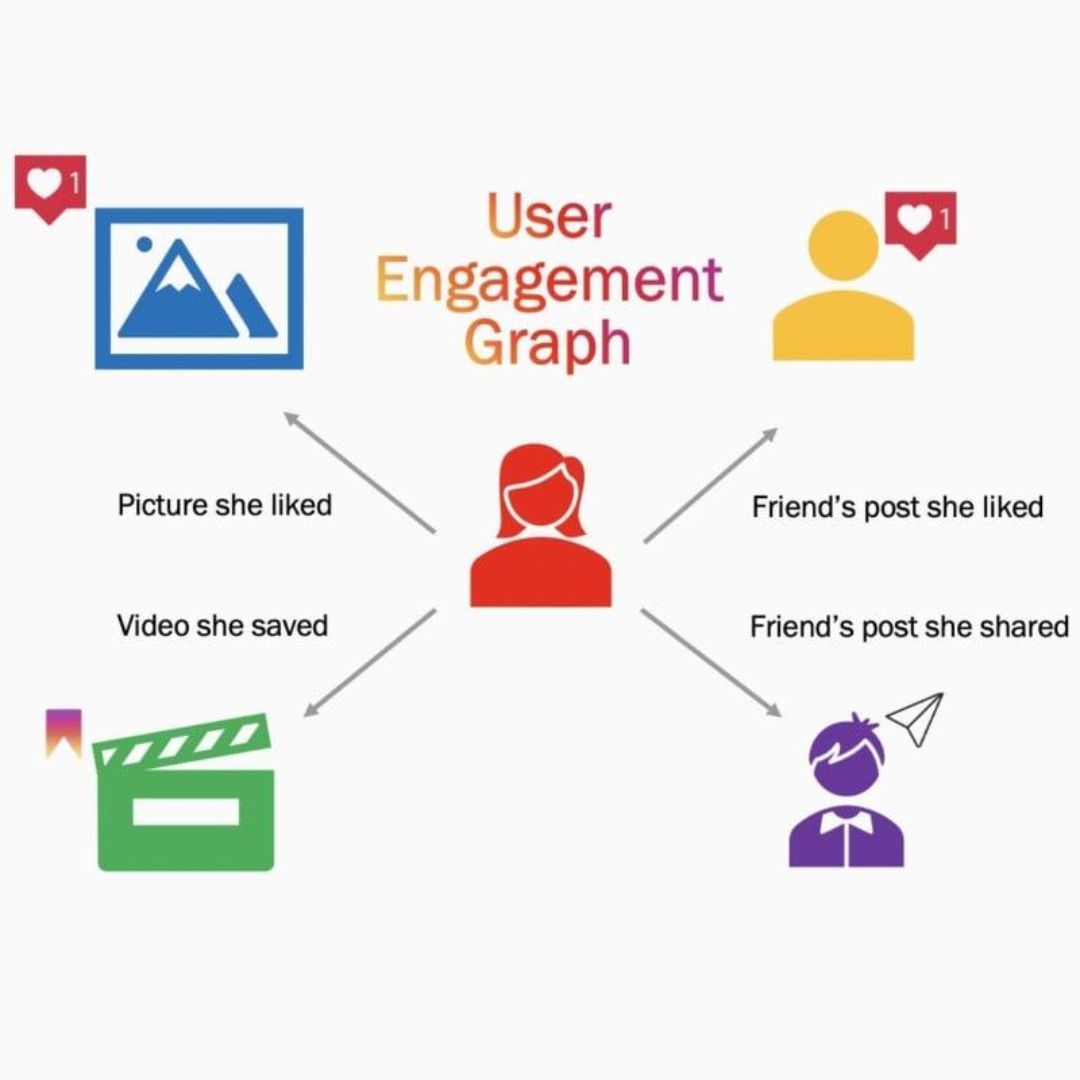
Likes measure immediate positive reaction. They tell the algorithm that a person saw a piece of content and felt something immediately pleasing about it — the image was beautiful, the video was entertaining, the face was familiar. Liking takes one tap and approximately half a second. It requires minimal active engagement from the viewer and communicates minimal information about the content’s actual impact on their life.
Saves measure a different and deeper quality. When someone saves a piece of content, they are making a considered judgment: this is worth keeping. This has a usefulness that extends beyond the moment of viewing. I might need this again, reference this later, or simply want to be able to return to this because it meant something to me. Saving requires a moment of genuine decision — the viewer has consciously assessed the content as having lasting value.
Shares measure something different again. When someone shares a piece of content, they are making a social judgment: this is worth someone else’s time. This is relevant to a specific person in my life, or to my general followers, or to the world more broadly. Sharing is an active endorsement — not just “I liked this” but “I believe this is worth your attention.” It is the digital equivalent of handing something to someone and saying you should read this.
The difference between these three signals is not subtle. A like says: this was pleasant. A save says: this was useful. A share says: this deserves an audience beyond me.
Instagram in 2026 has concluded, correctly, that content which is useful and worth sharing is closer to what the platform actually needs to distribute to fulfil its mission than content that is merely pleasant. The algorithm has been adjusted to reflect this conclusion.
The Neuroscience Behind Why Saves and Shares Are Better Quality Signals

There is a psychological and neurological dimension to why saves and shares represent higher-quality engagement signals than likes — and understanding this dimension clarifies why the algorithmic shift makes genuine sense rather than being arbitrary platform policy.
The human brain allocates cognitive resources based on perceived value. Low-value stimuli receive minimal cognitive processing — they are handled quickly at a low level of attention and then forgotten. High-value stimuli receive sustained attention, active processing, and integration into longer-term memory.
Likes are almost always generated at the low-value level of cognitive processing. The viewer sees content that produces an immediate positive response — a beautiful image, a funny video, a familiar face — and taps the heart icon as an automatic, low-effort response. The content has been processed at the level of immediate pleasure but not at the level of genuine usefulness or meaning.
Saves are almost never generated at this level. To decide to save something, the viewer must have processed the content at a higher level — must have thought something like “I might need to know this” or “this is genuinely useful information I want to be able to access again.” This higher-level processing indicates that the content has engaged genuine cognitive attention rather than just triggering an automatic response.
Shares are generated at a still higher level because they require not just self-referential judgment (is this useful to me?) but social judgment (is this relevant to someone I know?). Social judgment requires perspective-taking — imagining another person’s situation and needs well enough to assess whether this content would serve them. This is sophisticated cognitive processing that indicates genuinely significant content impact.
The quality of the cognitive engagement that generates a save or a share is categorically different from the quality that generates a like. The algorithm’s shift toward prioritising saves and shares is therefore not just a policy decision — it is a response to the genuine difference in what these signals mean about content quality.
What This Means for the Types of Content That Perform
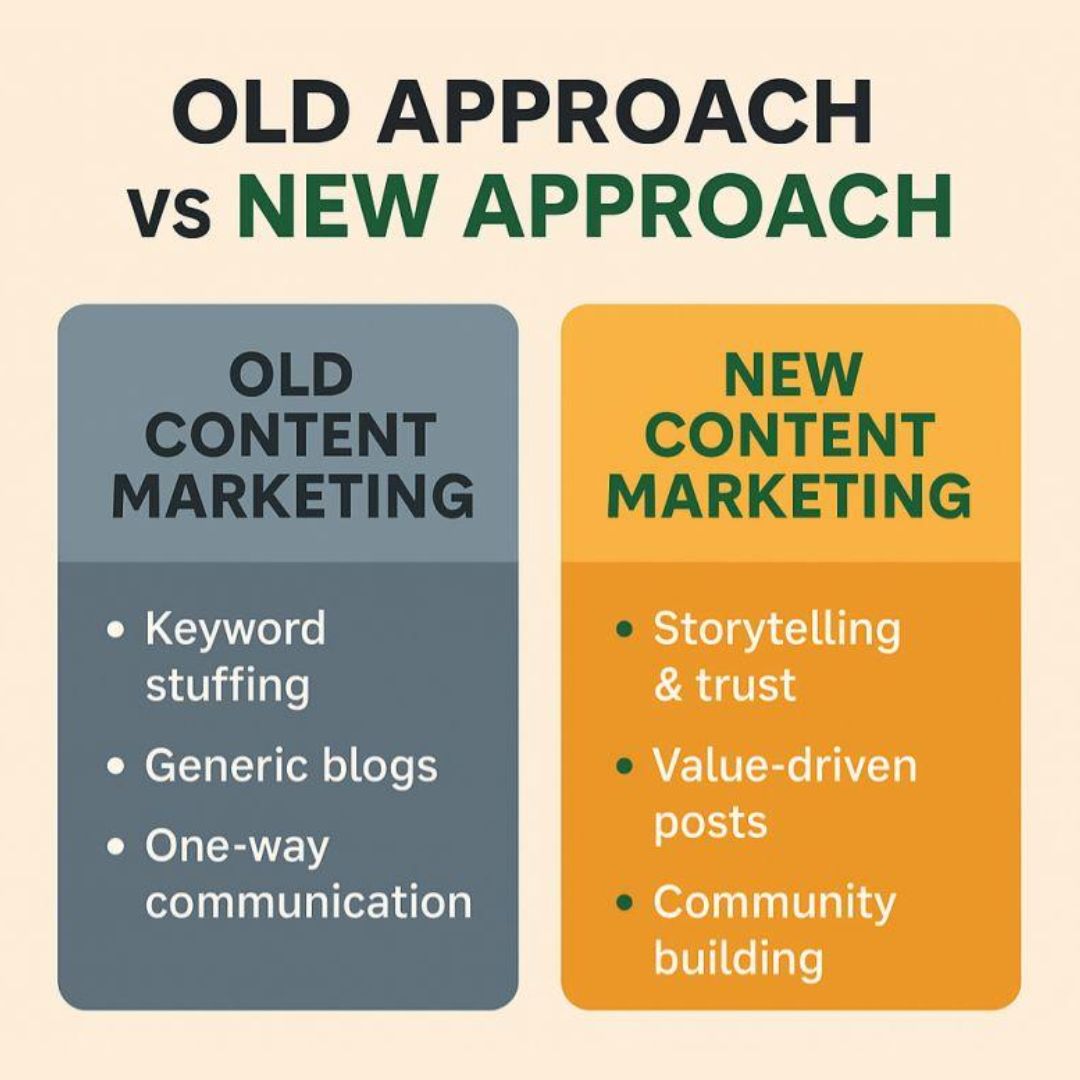
The prioritisation of saves and shares over likes does not just affect how the algorithm evaluates content — it restructures what types of content perform well on Instagram at a fundamental level.
Content that was specifically optimised for likes — visually striking but not substantively useful, emotionally evocative but not actionable, entertaining but forgettable — loses its algorithmic advantage in a save-and-share-prioritised environment.
Content that was not primarily optimised for likes — practical, educational, reference-worthy, genuinely useful, emotionally resonant in a lasting rather than immediate way — gains significant algorithmic advantage.
This shift has specific implications for different content categories.
Educational and instructional content gains dramatically
Content that teaches something genuinely useful — a practical skill, an actionable framework, a piece of insight that changes how someone thinks about something — has naturally high save rates because the viewer recognises the content as worth returning to.
Divya’s dinner timing video was saved by nine hundred and forty-one people not because they immediately needed to change their dinner time but because they wanted to be able to reference the explanation later — to show it to a family member, to revisit the reasoning when deciding what time to eat that week, to use it in a conversation about nutrition with a friend.
The educational content that saves most reliably is content that makes a concept genuinely clear — not just stating a fact but explaining the reasoning behind it in a way that the viewer feels they have genuinely understood something new. This deeper understanding is what motivates saving: the viewer is not just archiving information, they are preserving an explanation that gave them real insight.
Shareable content gains
Content that naturally generates the “I need to send this to someone specific” reaction has naturally high share rates. The most reliably shareable content falls into specific categories.
Content that perfectly articulates a common but previously unarticulated experience — the post that makes someone think “this is exactly how I feel and I have never seen it said this clearly” — generates sharing because the viewer wants to send it to the specific person who will also feel recognised by it.
Content that provides immediately actionable advice for a common problem — “this is exactly what my friend needs to see about their back pain / their sleep issues / their nutrition questions” — generates sharing because the viewer wants to help someone they care about.
Content that is surprising enough to be genuinely interesting to a second audience — content that makes the viewer think “you will not believe what I just learned” — generates sharing because sharing interesting things is part of how people present themselves and relate to others.
Pure aesthetic content loses relative advantage
Beautiful photography that does not inform or inspire beyond immediate visual pleasure — the images that collect many likes because they are undeniably attractive but do not give the viewer any specific reason to save or share — loses relative algorithmic advantage in the save-and-share prioritised environment.
This does not mean aesthetic content has no place on Instagram. Beautiful imagery remains important for brand presentation, for establishing trust in the quality of products, and for the overall aesthetic coherence that makes a profile compelling to visit. But aesthetic content that is not combined with genuine informational or emotional value will not receive the same algorithmic distribution that it previously did.
The Three Questions That Produce Saveable and Shareable Content
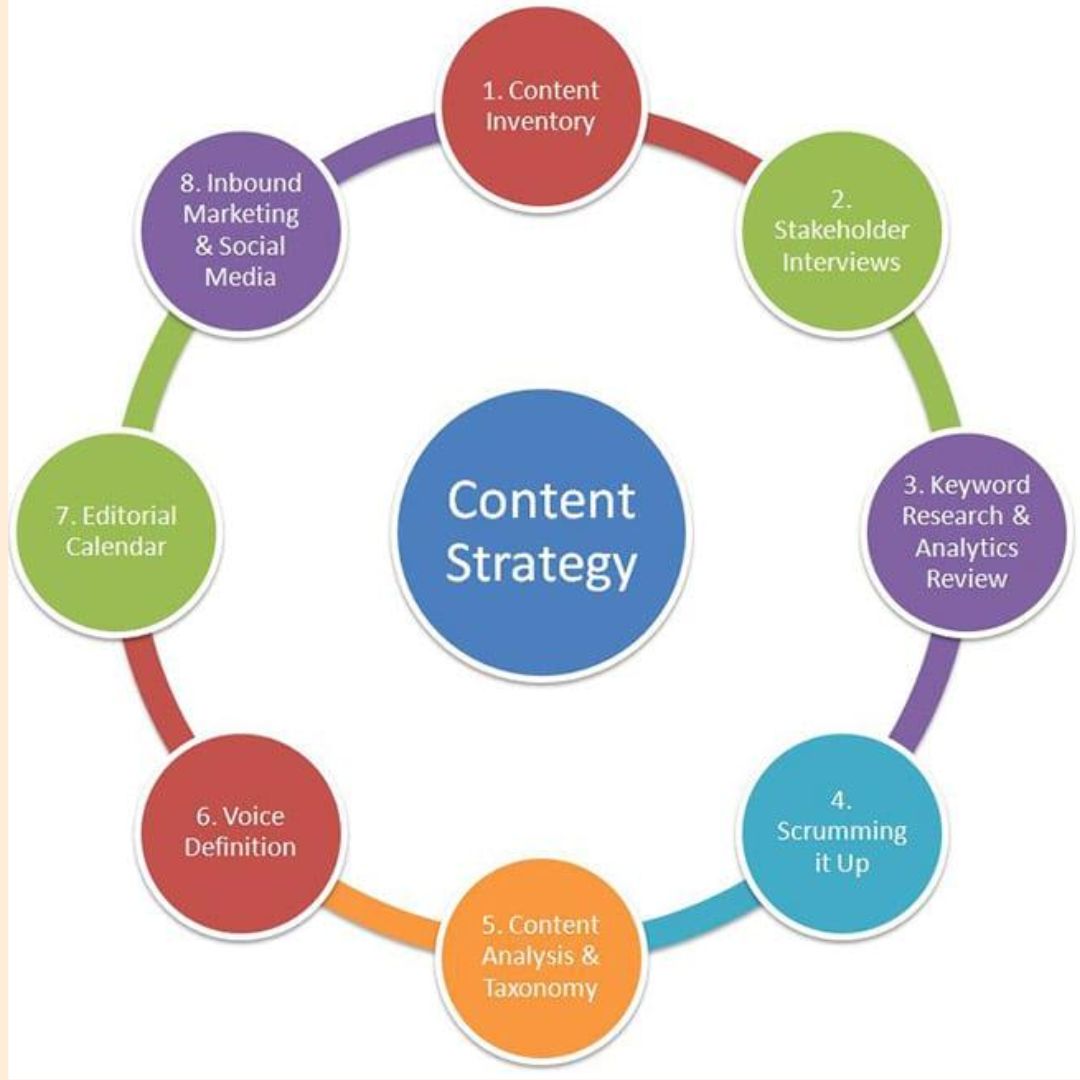
Understanding that saves and shares are algorithmically prioritised is valuable. Having a practical framework for consistently creating content that generates saves and shares is more valuable.
Here is a framework built on three questions — questions that, when genuinely answered in the content itself, reliably produce the kind of engagement that the algorithm now rewards.
Question One: What would make someone come back to this?
This question targets saves. The viewer who saves a post has decided they want to return to it. What specific property of the content motivates return visits?
Genuinely useful reference information is the most reliable answer. A list of specific actions to take. A framework for thinking about something complex. A step-by-step guide to a process. A checklist. An explanation that makes a difficult concept genuinely clear. A collection of options or alternatives that the viewer might want to evaluate in the future.
When designing content, ask: is there something in this content that the viewer will want to be able to find again in one week? In one month? If the honest answer is no — if the content’s entire value is in the immediate viewing moment — it will not generate saves and will receive limited algorithmic distribution.
Question Two: Who would someone send this to?
This question targets shares. The viewer who shares a post has identified a specific audience for it — whether a single person, their Stories followers, or a group. What specific property of the content activates this social sharing impulse?
Relevance to a specific recognisable situation is the most reliable answer. When a viewer thinks “my mother needs to see this” or “this is exactly what my colleague has been asking about” or “this is what everyone who does X should know,” they are identifying a specific sharing motivation. Content that is relevant to specific, common, recognisable situations — rather than vaguely relevant to a broad abstract audience — generates this specific recognition more reliably.
When designing content, ask: is there a specific person or type of person that a viewer would naturally identify as needing this? If the honest answer is that the content is equally relevant to everyone and therefore specifically relevant to no one — it will not generate shares and will receive limited algorithmic distribution.
Question Three: What would make someone want to show this to someone else?
This question also targets shares but from a slightly different angle — not the sharing motivated by “my friend needs this” but the sharing motivated by “I want to share this experience.”
Content that produces a genuine emotional reaction — that moves someone, surprises them, makes them laugh in a specific and unexpected way, validates an experience they have felt alone in having — generates sharing because people naturally want to share emotional experiences. “Watch this” is a form of “be with me in this feeling.”
Content that provides genuinely useful information can be shared as a gift. Content that produces genuine emotional impact can be shared as an experience. Both generate shares but for different reasons. Understanding which of these sharing motivations your content is activating helps you design it more deliberately.
How to Audit Your Existing Content for Save and Share Performance

Before changing the content strategy going forward, it is worth conducting the same analysis that Divya conducted — reviewing past performance to understand which of your existing content has generated the strongest save and share signals.
Open Instagram Insights for the past ninety days. For each piece of content, look at three metrics side by side: total reach, likes, and saves plus shares combined.
You will almost certainly find a pattern that surprises you. The posts with the highest likes are unlikely to be the posts with the highest reach. The posts with the highest saves and shares are likely to be the posts with the highest reach — and in many cases, those high-reach posts will have fewer likes than the lower-reach posts.
Make a list of your ten highest save-and-share posts from the past ninety days. Study them carefully. What do they have in common?
They are almost certainly more educational, more actionable, more specifically relevant to a common situation, or more emotionally resonant in a lasting rather than immediate way than your highest-liked posts. They may have lower visual polish. They may be longer or more text-heavy. They may address more specific topics rather than broad appealing ones.
This list is your evidence base for what your specific audience saves and shares. It is more valuable than any general guidance about what “typically” generates saves and shares, because it reflects what your specific audience values from your specific account.
The content strategy adjustment that will most improve your algorithmic performance is to make more content that resembles this list — and less content that resembles the high-like, low-save, low-share posts that the algorithm no longer rewards as generously.
The Caption Strategy for Saves and Shares
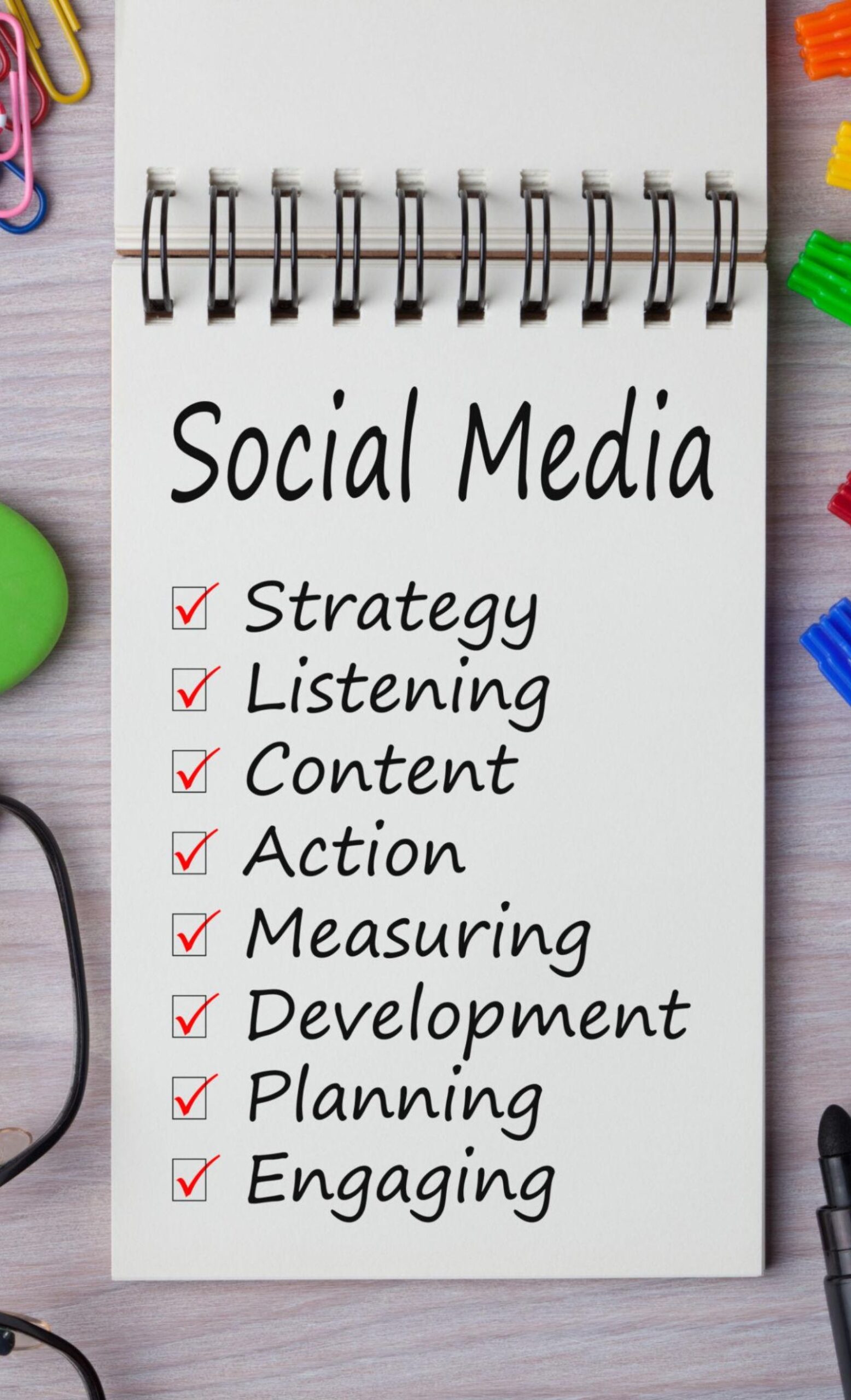

As we explored in depth in our post about Instagram captions, captions are a significant driver of engagement quality. In the context of saves and shares specifically, certain caption strategies are significantly more effective than others.
Captions that explicitly invite saves
Asking someone to save a post works — provided the invitation feels genuine and the content genuinely merits saving. “Save this for next time you need to explain this to someone” or “bookmark this before you forget it” are effective calls to save because they remind the viewer of the future usefulness of the content rather than asking for a mechanical favour.
The invite to save works best when it comes after the valuable content has been delivered — when the viewer has already found the content useful and the invitation simply reminds them to act on that usefulness. An invitation to save at the beginning of a post, before the viewer has received any value, feels presumptuous.
Captions that create specific sharing scenarios
“Share this with the person in your life who needs to hear this” is a moderately effective sharing prompt — it activates the viewer’s awareness of who in their life might benefit, but it is somewhat generic.
More specific is more effective: “Send this to the friend who is always eating dinner at 10 PM and wondering why they can’t sleep” names a specific scenario that either resonates immediately (the viewer thinks of a specific person) or does not. For viewers who have that specific person in their life, the specificity of the prompt significantly increases the probability of a share.
Captions that tell viewers exactly why they should share — not just asking for the share but giving a reason — consistently outperform those that simply ask.
Captions that are themselves worth saving
The most reliable path to high save rates is making the caption itself valuable enough to motivate saving. A caption that contains genuinely useful information — a framework, a list, an explanation, a nuanced perspective on a commonly misunderstood topic — is a caption that viewers save because losing it would mean losing information they value.
This is the case that Divya’s dinner timing video made so effectively. The video itself was useful. But the caption below it expanded on the reasoning, provided additional context about the metabolic mechanisms involved, and added three specific practical recommendations that went beyond what the video covered. The caption was not supplementary to the video — it was additional value that made the combination of video and caption worth saving as a complete resource.
The Long-Term Strategic Implication — Building for Lasting Value
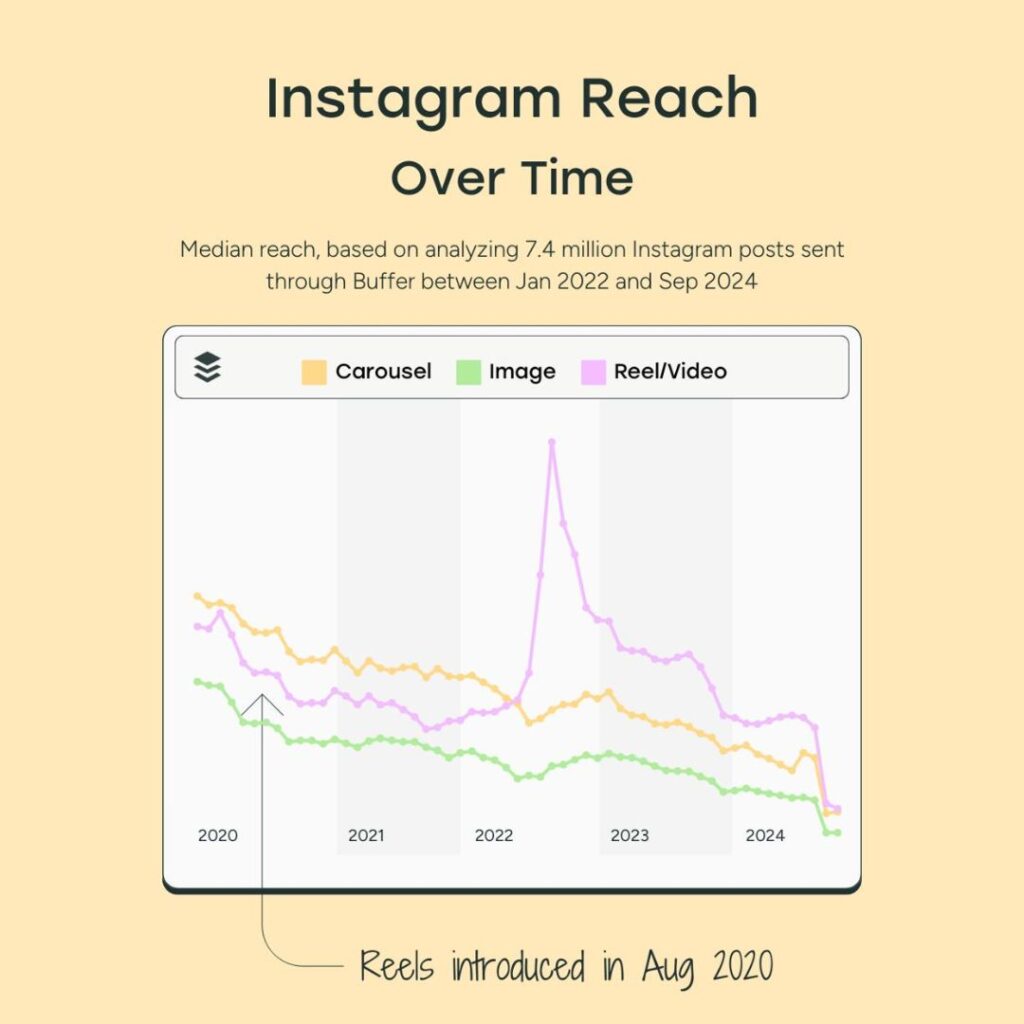
The shift from likes to saves and shares as the primary algorithmic signal has an implication that extends beyond individual post performance. It changes the strategic orientation that produces sustainable Instagram growth.
Optimising for likes orients content strategy toward immediate pleasure — the question becomes: what will people find visually appealing or immediately entertaining right now? This orientation produces content that performs in the moment and then fades.
Optimising for saves and shares orients content strategy toward lasting value — the question becomes: what will people find genuinely useful, worth keeping, or worth sharing with people they care about? This orientation produces content that continues generating signals — and therefore algorithmic distribution — for days or weeks after posting because people continue saving and sharing it long after the initial posting window.
This longer performance arc compounds over time. An account whose content consistently generates saves and shares builds an algorithmic profile — a pattern of engagement quality signals that the algorithm uses to calibrate the initial distribution of future posts — that is substantially different from an account whose content primarily generates likes.
The algorithm learns what an account produces. An account with a history of high save and share rates is an account that the algorithm has learned to trust with wider initial distribution — because its history demonstrates that it produces content that genuine audiences find genuinely valuable.
This is not a short-term optimisation. It is a reorientation of what it means to make good Instagram content. The creator who genuinely asks, with every post: is this actually useful? Would someone actually save this? Would someone actually want to send this to another person? — and honestly answers those questions before posting — is building an account whose algorithmic performance compounds over months and years.
The creator who optimises for immediate visual pleasure and like accumulation is building an account whose performance plateaus and whose growth becomes increasingly expensive to maintain.
Practical Content Formats That Naturally Generate Saves and Shares
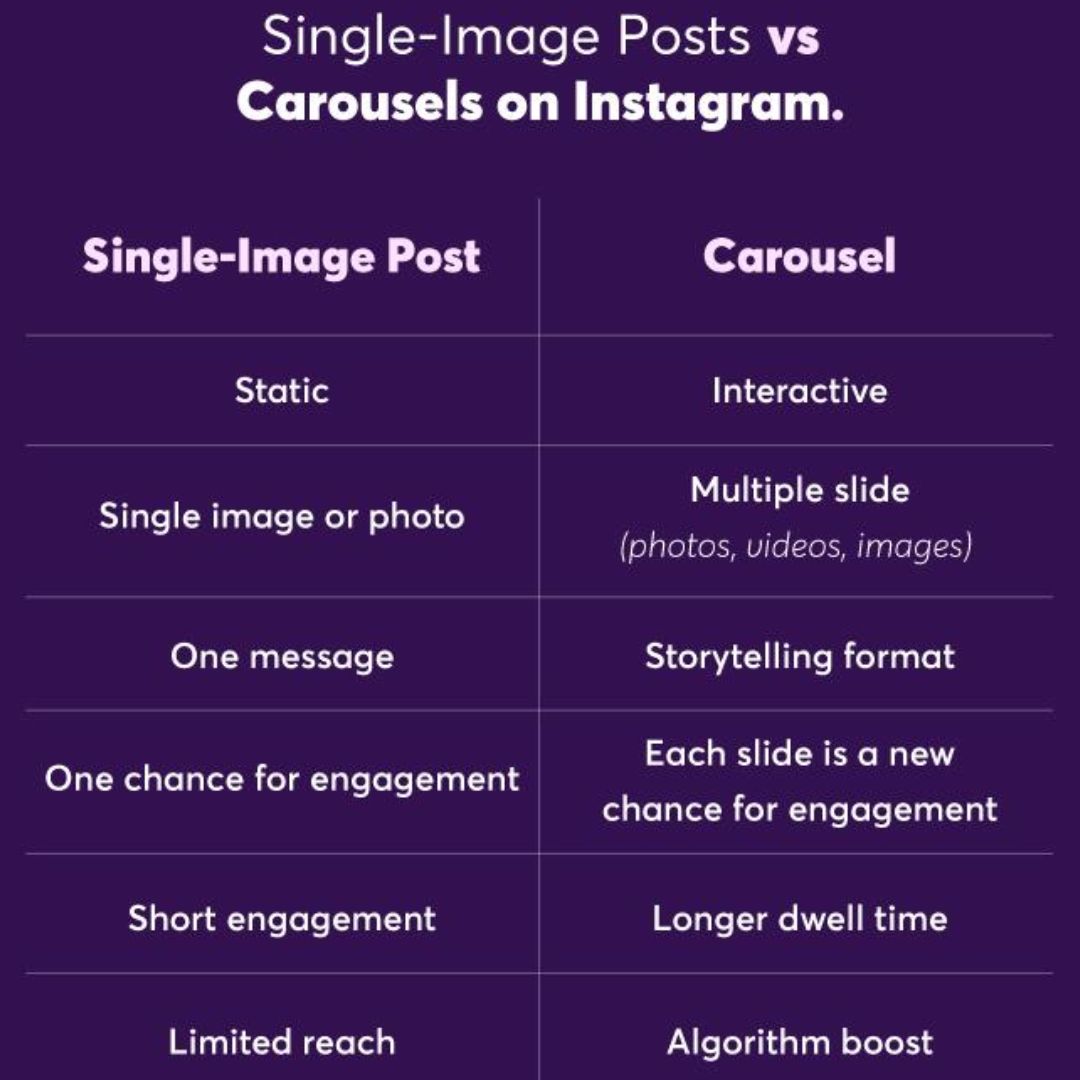
Beyond the principles, specific content formats have demonstrated consistently high save and share rates across categories. These are not rigid templates but structural approaches that naturally align with the kind of value that generates saves and shares.
The Reference Guide
A post — typically a carousel — that provides a complete, well-organised reference on a specific topic. “The complete guide to reading a nutrition label,” “Every question you have about EPF, answered in one place,” “8 signs your back pain needs a physiotherapist rather than rest.” These posts are saved because they are reference documents that the viewer anticipates returning to.
The reference guide works best when it is genuinely comprehensive rather than introductory — when the viewer’s response is “this covers everything I needed to know” rather than “this is a helpful overview.” Comprehensiveness is what motivates saving over bookmarking — the viewer saves it because they do not want to lose it.
The Counterintuitive Insight
A post that reveals that something the viewer believed is wrong, or that something they had not considered is true, with a clear explanation of the evidence. These posts generate shares because the viewer’s response is “I learned something genuinely surprising that I want to share.”
The counterintuitive insight works best when the surprise is genuine rather than manufactured — when the content actually does challenge a real common belief with real evidence. Manufactured contrarianism for its own sake does not generate the same sharing response because the surprise does not survive scrutiny.
The Validated Experience
A post that articulates a common but previously unarticulated experience in a way that makes the viewer feel genuinely recognised. “What it actually feels like to start therapy for the first time.” “Why building a business feels nothing like what anyone told you it would feel like.” “The specific loneliness of being the first person in your family to have a professional career.”
These posts generate shares because the viewer wants to send them to someone who will also feel recognised — or to someone who does not understand the experience and might understand it better after reading.
The Actionable Framework
A post that gives the viewer a specific, applicable system for doing or thinking about something better. Not inspiration — action. Not “here is why this is important” — “here is specifically what to do.” Frameworks that can be applied immediately to the viewer’s current situation generate saves because they are tools the viewer wants to have available.
The Comparison or Breakdown
A post that clearly explains the difference between two commonly confused options, or breaks down a complex concept into clearly differentiated components. “PPF versus NPS — the actual differences that matter for your situation.” “The difference between saves and shares on Instagram — and why they’re not the same thing.” These posts are saved because they provide a comparative framework the viewer does not want to have to reconstruct from memory.
The Mistake That Will Make You Miss This Shift Entirely

There is a specific mistake that some creators make when they first understand that saves and shares matter more than likes — a mistake that is understandable but counterproductive.
The mistake is manufacturing save and share bait rather than genuinely useful content.
This looks like: creating content that is designed to trigger the save or share behaviour mechanically rather than by genuinely deserving it. Adding a “save this post!” call-to-action to content that has no genuine save value. Creating lists of tips that are not genuinely useful but look like the kind of content that gets saved. Writing captions that describe the content as “the most important thing you will read today” when it is not.
This approach may temporarily produce save and share numbers — but the algorithm is increasingly sophisticated about the quality of engagement, not just its quantity. Saves of content that is not genuinely useful are often followed by the saver returning and unsaving when they revisit the post and find it less valuable than they remembered. The algorithm notices this behaviour.
More importantly, content that is designed to extract engagement rather than genuinely provide value erodes the creator’s relationship with their audience. The audience notices when they are being manipulated — when the content is dressed up to look useful without actually being useful. That erosion of trust damages the organic engagement that is the foundation of any sustainable Instagram presence.
The correct approach is not to manufacture save-worthy content. It is to genuinely create save-worthy content — to raise the standard of what you put into the world so that saving and sharing it is the natural, deserved response.
This is a harder challenge than optimising for likes. Likes reward immediate pleasure, which is relatively easy to produce. Saves and shares reward genuine value, which requires genuine investment of thought, expertise, and care.
But it is the right challenge. And it is the challenge that, met consistently, produces the kind of Instagram presence that compounds in value over time rather than plateauing once the initial novelty wears off.
Closing Thought — The Metric That Told the Truth All Along
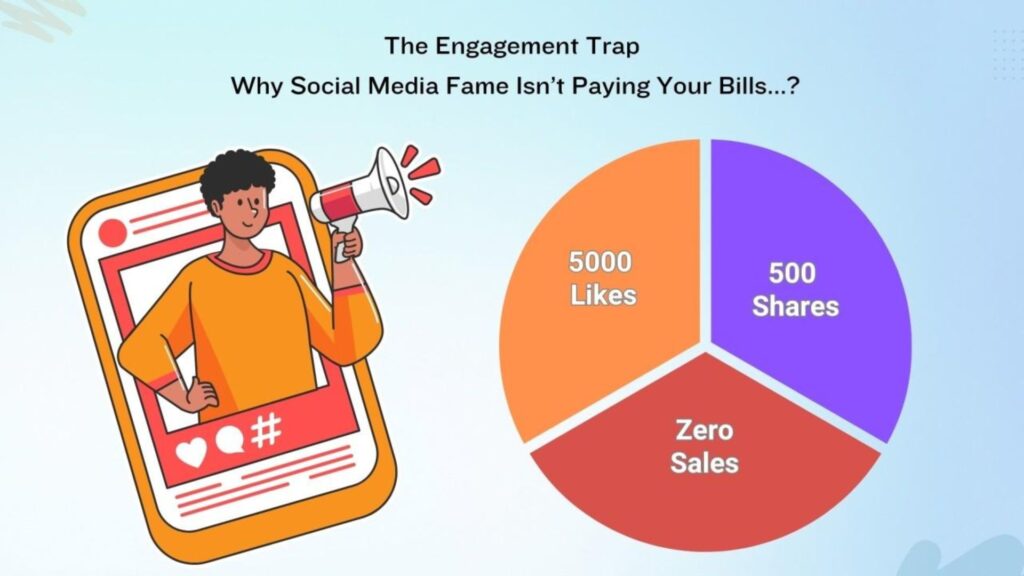
Divya’s realisation — the one that came from comparing the transformation Reel’s likes to the dinner timing video’s saves and shares — was not really a discovery about Instagram’s algorithm.
It was a discovery about value.
The transformation Reel was beautiful. It was polished. It was the kind of content that looks impressive in the moment and generates immediate positive reaction. But it did not give anyone something they could use, something worth returning to, something worth passing on.
The dinner timing video was imperfect. The lighting was mediocre. The setting was unremarkable. But it gave people a genuinely useful piece of understanding about their own bodies and their own daily habits — understanding that was worth keeping and worth sharing with people they cared about.
The algorithm, by prioritising saves and shares, was simply responding to the genuine difference in value between those two pieces of content.
In a sense, the algorithm was right before Divya was. It already knew that the useful content deserved more distribution than the beautiful content. The shift in algorithmic priority was not Instagram arbitrarily changing what it values — it was Instagram aligning its measurement system more closely with the thing that creators should have been trying to produce all along.
Content worth keeping. Content worth sharing.
That was always what good Instagram content was supposed to be.
The algorithm has just started saying so more clearly.
Written by Digital Drolia — helping creators understand that the best Instagram strategy is always the one that starts with genuine respect for the audience’s time and intelligence. Found this valuable? Save it for reference. And if you know a creator who is still optimising for likes and wondering why their reach is declining — share it with them.