

Why People Trust a Business With 200 Google Reviews More Than One With a Fancy Website

Let me paint two pictures for you.
Picture one. You are looking for a dermatologist in your city. You find a clinic online. The website is stunning — professionally designed, clean layout, beautiful before-and-after photos, impressive credentials listed, a whole page dedicated to the doctor’s qualifications and international training. It looks expensive. It looks polished. It looks like exactly the kind of place you would want to trust with your skin.
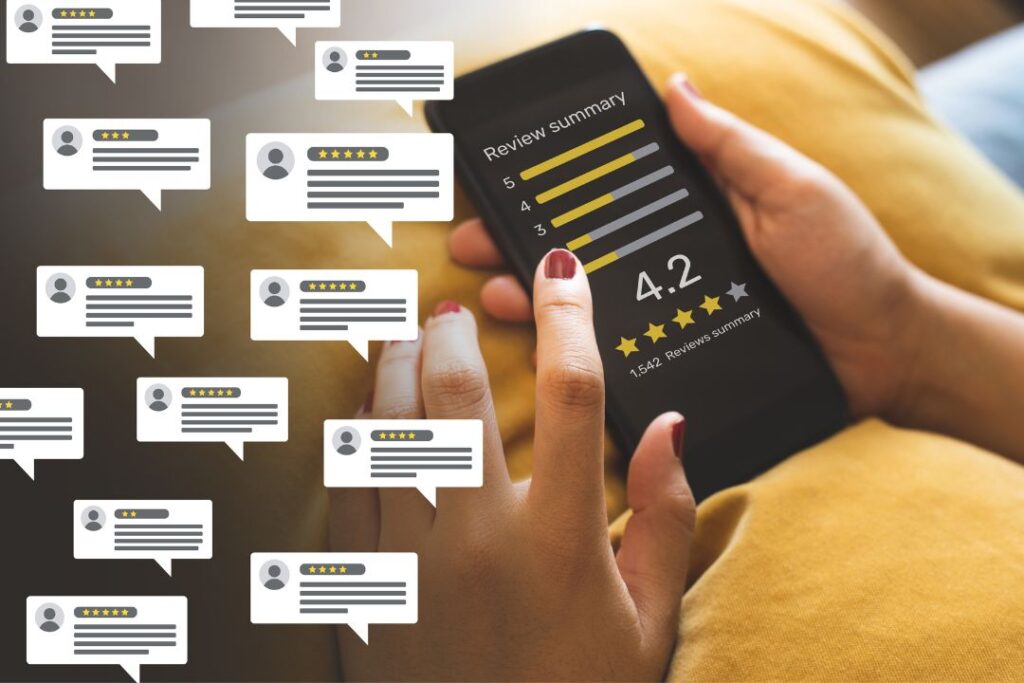
Picture two. You find another dermatologist on Google Maps. The website — if there even is one — is basic. Maybe it is just a simple page with some information. Nothing fancy. But the Google listing has 214 reviews. The average rating is 4.8 stars. The reviews talk about specific experiences — a patient whose stubborn acne cleared up after years of failed treatments, a mother who brought her teenage son and was moved by how patiently the doctor explained everything, someone who had been going for two years and would not consider going anywhere else. The most recent review was posted four days ago.
Which doctor do you call?
If you answered the second one — you are not alone. And you are not being irrational. You are being deeply, correctly human.
This is the phenomenon we are going to explore today. Why 200 genuine Google reviews inspire more trust than a beautiful website. Why social proof from strangers beats polished marketing from the business itself. And what this means for every local business owner who is still investing more in their website than in their reputation on Google.
The Fundamental Problem With Self-Promotion
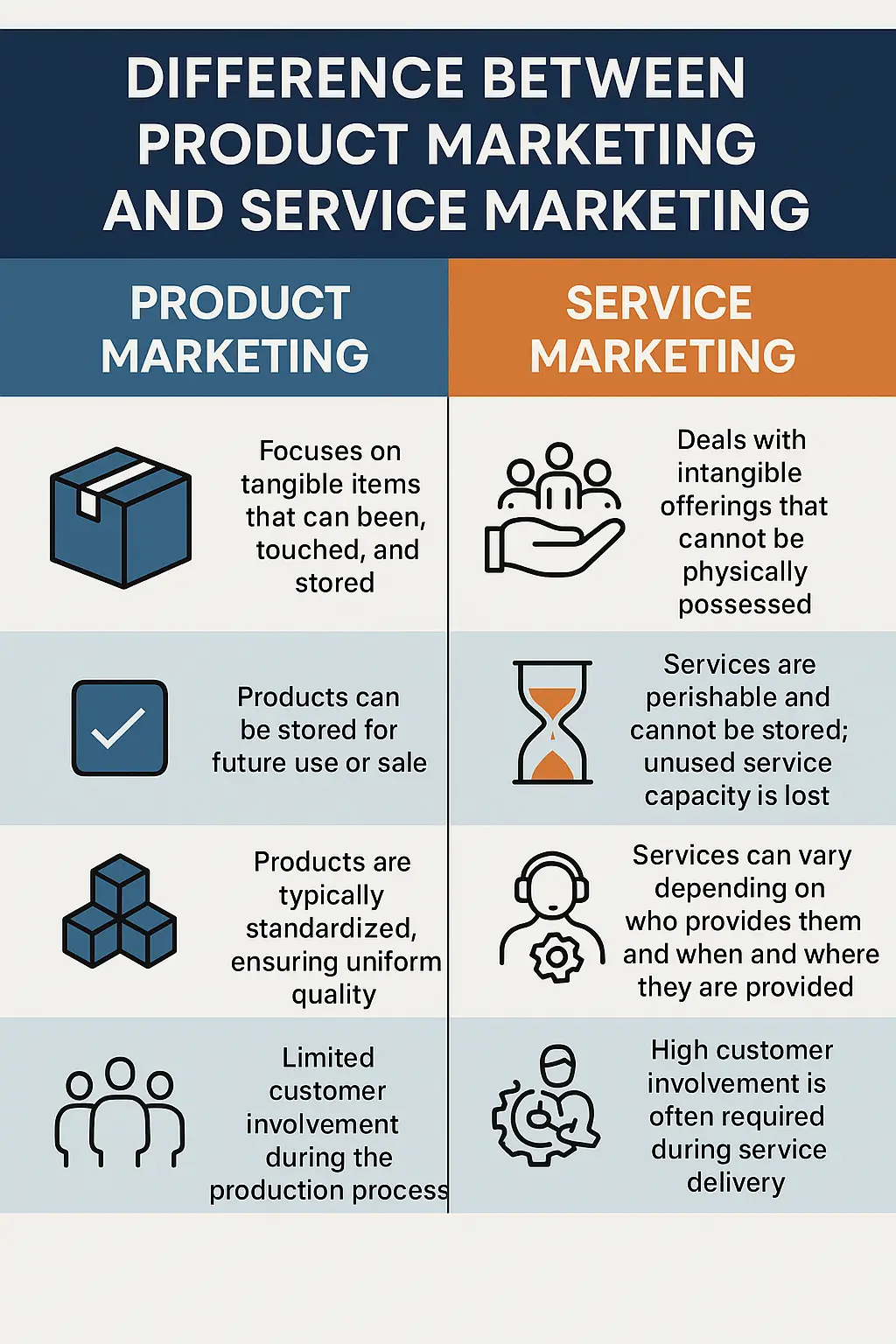
Let us start with something that is so obvious it is almost embarrassing to say out loud — and yet it is the foundation of everything that follows.
When a business tells you it is great, you do not fully believe it.
You cannot. It would be irrational to. Of course the business says it is great. Of course the website is designed to make them look impressive. Of course the copy talks about their expertise, their commitment to quality, their passion for customer service. What else would they say?
This is not cynicism. This is just the basic human understanding that people with something to sell have a motive to present themselves favorably. We internalize this understanding from a very young age. By the time we are adults, we have encountered enough disappointing products, unreliable services, and overpromising salespeople that we have learned — at a cellular level — to discount what businesses say about themselves.
A website, no matter how beautiful, no matter how professionally written, no matter how convincingly it presents the business — is the business talking about itself. It is inherently a biased source.
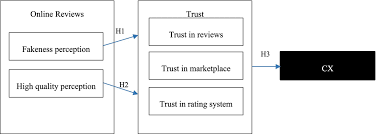
Reviews are different. Reviews are other people — people with nothing to gain from lying, people who paid their own money and spent their own time — talking about their real experience. They are unbiased in a way that no business-produced content can ever be.
This is why the dermatologist with 200 reviews wins. Not because her website is better. But because her credibility comes from a source that your brain automatically treats as trustworthy: other humans who have been where you are about to go.
The Science Behind Why We Trust Strangers’ Opinions
This is not just a feeling or a cultural preference. There is deep, well-researched psychology behind why human beings trust peer reviews the way they do.
The concept at the heart of it is called social proof — a term coined by psychologist Robert Cialdini in his landmark work on influence and persuasion. Social proof is the human tendency to look to others’ behavior and opinions as a guide for our own decisions, especially in situations of uncertainty.
When you do not know whether a restaurant is good, you look at how full it is. A packed restaurant feels safer than an empty one. When you do not know whether a product works, you look at what other buyers say. A product with thousands of reviews feels more trustworthy than one with none, even if the descriptions are identical.
This behavior is not a weakness or a flaw. It is an efficient cognitive shortcut that has served human beings well for thousands of years. In a world where we cannot personally evaluate every option — every restaurant, every doctor, every mechanic, every coach — we use the collective experience of others as a proxy for our own judgment.
Google reviews are the digital manifestation of this ancient social mechanism. They are the modern equivalent of asking your neighbor which plumber to call or which doctor to trust. Except instead of one neighbor’s opinion, you have the aggregated experience of two hundred people — and you can read exactly what each of them said.
The scale and specificity of that social proof is something no website can replicate. A beautifully written “About Us” page is one voice — the business’s own voice. Two hundred Google reviews are two hundred independent voices, each adding texture and credibility to a picture of what the business is actually like.
Why Reviews Feel More Real Than Marketing
There is something about the language of genuine reviews that marketing copy can never quite capture — and consumers feel this instinctively even when they cannot articulate it.
Marketing copy is polished. It is careful. Every word is chosen strategically. It communicates confidence and competence but almost never communicates vulnerability, surprise, or the small human moments that make experiences memorable.
Reviews are raw. They contain typos sometimes. They use conversational language. They mention specific details — the name of the person who helped them, the particular problem that was solved, the small unexpected thing that made the experience better than expected. They express genuine emotion — relief, gratitude, delight, frustration.
These specific, emotional, imperfect details are the markers of authentic human experience. When your brain processes a review that says “I had been suffering from back pain for three years and after four sessions with this physiotherapist I was able to sleep through the night for the first time — I actually cried on the way home,” it registers something that no marketing headline can replicate.
That specificity. That emotion. That detail about crying on the way home. These are not things a business would put on its website. They are things a real person experienced and felt compelled to share.
And that authenticity — that quality of being obviously, unmistakably real — is the most powerful trust signal that exists in the modern consumer landscape.
The Numbers Game — Why Volume Matters as Much as Rating
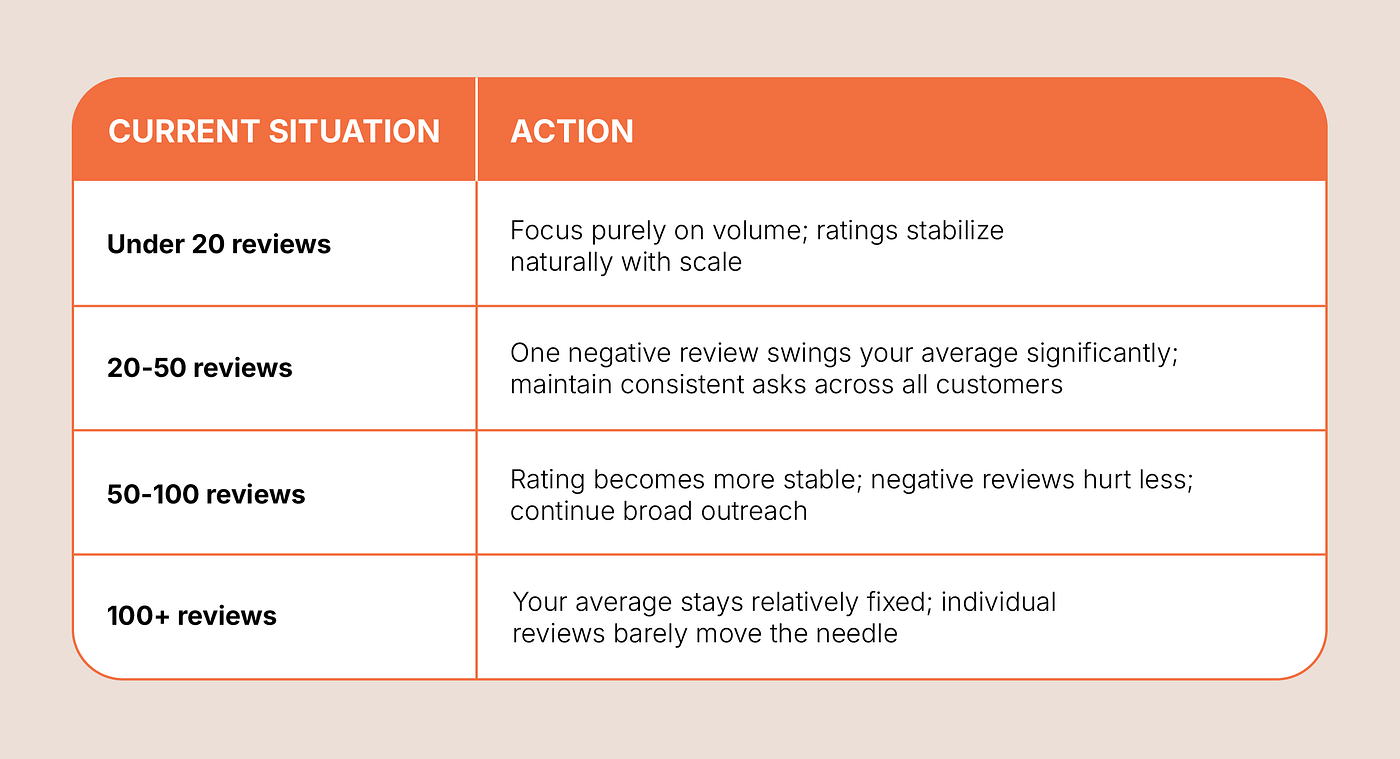
You might be thinking: fine, reviews are powerful. But why does the number matter so much? Why is a business with 200 reviews more trustworthy than one with 20, if both have a 4.8 rating?
The answer comes back to psychology, and specifically to our instinct to reduce risk.
When you are making a decision that involves risk — spending money, entrusting your health, choosing a school for your child — you are essentially trying to predict an outcome you cannot know for certain. Reviews are your evidence base. And like any evidence base, larger samples are more reliable than smaller ones.
A business with 5 reviews and a 5.0 rating could be exactly what it appears — genuinely excellent. But it could also have five reviews from family members and close friends who would never leave an honest critique. It could be a business that has only served five customers and just happened to please all of them by chance. The small sample size leaves too much room for doubt.
A business with 200 reviews and a 4.8 rating is telling a statistically robust story. That average is built on a large, varied sample of real customers over a sustained period of time. Some of those customers were easy to please; some were difficult. Some came on good days; some came on bad days. Some had simple requests; some had complex ones. And across all of that variation, the business consistently delivered an experience that 200 people rated highly.
That is not luck. That is not manufactured. That is a genuine pattern of quality — and our brains recognize it as such.
Furthermore, the presence of a few 3-star or 2-star reviews in a sea of 4 and 5 star reviews actually increases trust rather than decreasing it. A profile with 200 reviews where 192 are 4 or 5 stars and 8 are lower looks more authentic than one where every single review is a perfect 5. Perfect profiles trigger suspicion. Realistic profiles — ones that reflect the natural variation of human experience — feel true.
What a Website Can and Cannot Do

Let us be fair to websites here, because they are not irrelevant. They serve important purposes that reviews cannot replace.
A website can explain your services in detail — the full range of what you offer, how your process works, what a customer can expect step by step. Reviews rarely cover this comprehensively.
A website can showcase your portfolio — for designers, architects, photographers, and others whose work is visual, a well-curated gallery communicates capability in a way that text reviews cannot.
A website can establish your technical credentials — your qualifications, your certifications, your years of experience, your team’s backgrounds. For professionals like doctors, lawyers, and engineers, this information matters and belongs somewhere authoritative.
A website can handle transactions — booking systems, payment gateways, appointment scheduling. Reviews do not do any of this.
So websites have real, legitimate value. The point is not that websites are useless. The point is that for the specific purpose of building trust with a new customer who has never heard of you — the trust that converts a browser into a buyer — reviews are more powerful.
And here is the irony that most business owners miss: the people who are most likely to visit your website are people who have already decided they are interested in your business. They found you on Google Maps. They saw your reviews. They liked what they saw. And now they are going to your website to confirm their decision and find the information they need to take the next step.
The reviews came first. The website confirmed. This is the actual sequence for a large and growing proportion of customer journeys in the digital age.
If you understand this sequence, you understand where to invest your energy.
The Compounding Effect of Review Volume Over Time
Here is something that business owners who invest seriously in their Google reviews discover over time: the effect compounds in a way that is genuinely extraordinary.
A business with 10 reviews generates a certain level of trust and a certain volume of enquiries. A business with 50 reviews generates noticeably more. A business with 200 reviews does not just generate twice the trust of a 100-review business — it generates something closer to exponential trust, because the social proof becomes so overwhelming that doubt simply has no foothold.
At a certain review volume, the question a potential customer is asking shifts entirely. With 10 reviews, they are wondering: “Is this business legitimate? Can I trust it?” With 200 reviews, they are no longer asking that question. That question has been settled. They are now asking: “Is this the right fit for my specific need?” — which is a much easier question to answer, and one that works in your favor.
This shift — from “should I trust this business at all” to “is this the right business for me” — is worth understanding deeply. It represents a complete change in the buyer’s posture. They are no longer guarded and skeptical. They are engaged and evaluating. That is the posture that leads to conversions.
And once you reach that threshold of social proof — once you have enough reviews that doubt is no longer a factor — the reviews keep working for you without any additional effort on your part. Every new visitor to your listing encounters the same overwhelming evidence of trustworthiness. Your reputation precedes you. Your marketing, in effect, does itself.
The Role of Recency — Why Fresh Reviews Matter
Volume matters. Rating matters. But there is a third dimension to review power that is often overlooked: recency.
A business with 200 reviews sounds impressive until you discover that 180 of them were posted three years ago and the most recent one is from eight months back. In that case, a reasonable person starts to wonder: what has happened recently? Has something changed? Has the quality dropped? Is the business even still operating?
Recent reviews are proof of continued quality. They tell the prospective customer that the experience being described is not a historical artifact — it is what is happening right now, this month, this week. When a review was posted four days ago, it is describing an experience that is almost identical to what you are about to have.
This is why building reviews is not a one-time project. It is an ongoing practice. Getting 200 reviews over five years and then stopping is not the same as having 200 reviews with a steady stream of fresh ones added every month.
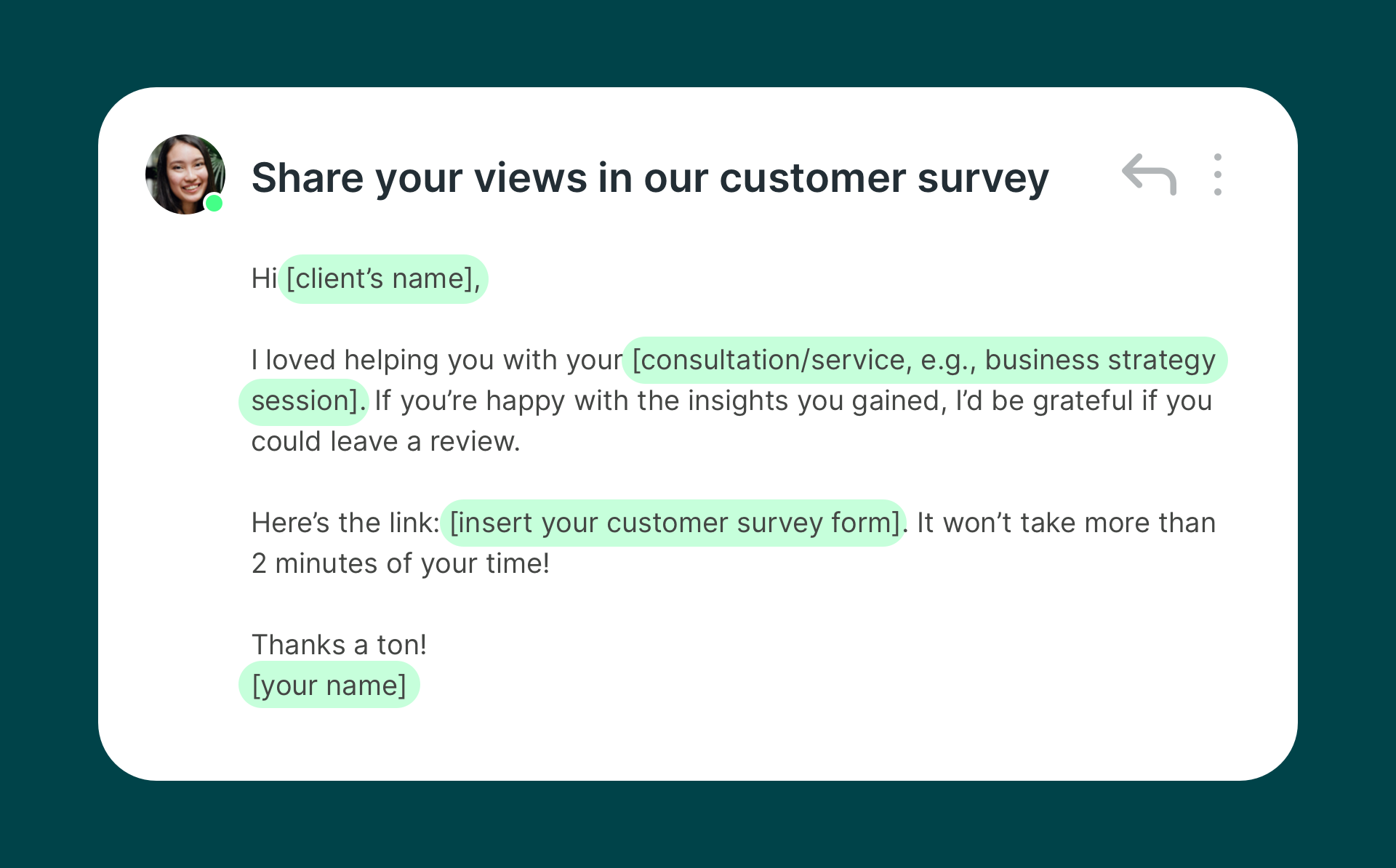
The businesses that understand this build simple, sustainable systems for consistent review generation — not aggressive or pushy systems, but gentle, habitual ones. A follow-up WhatsApp message after a completed service. A small card at the checkout counter. A brief mention at the end of a satisfying interaction. Over time, these small habits produce a review profile that is not only high in volume and rating but fresh, current, and perpetually convincing.
Why Negative Reviews Are Not the Enemy You Think They Are
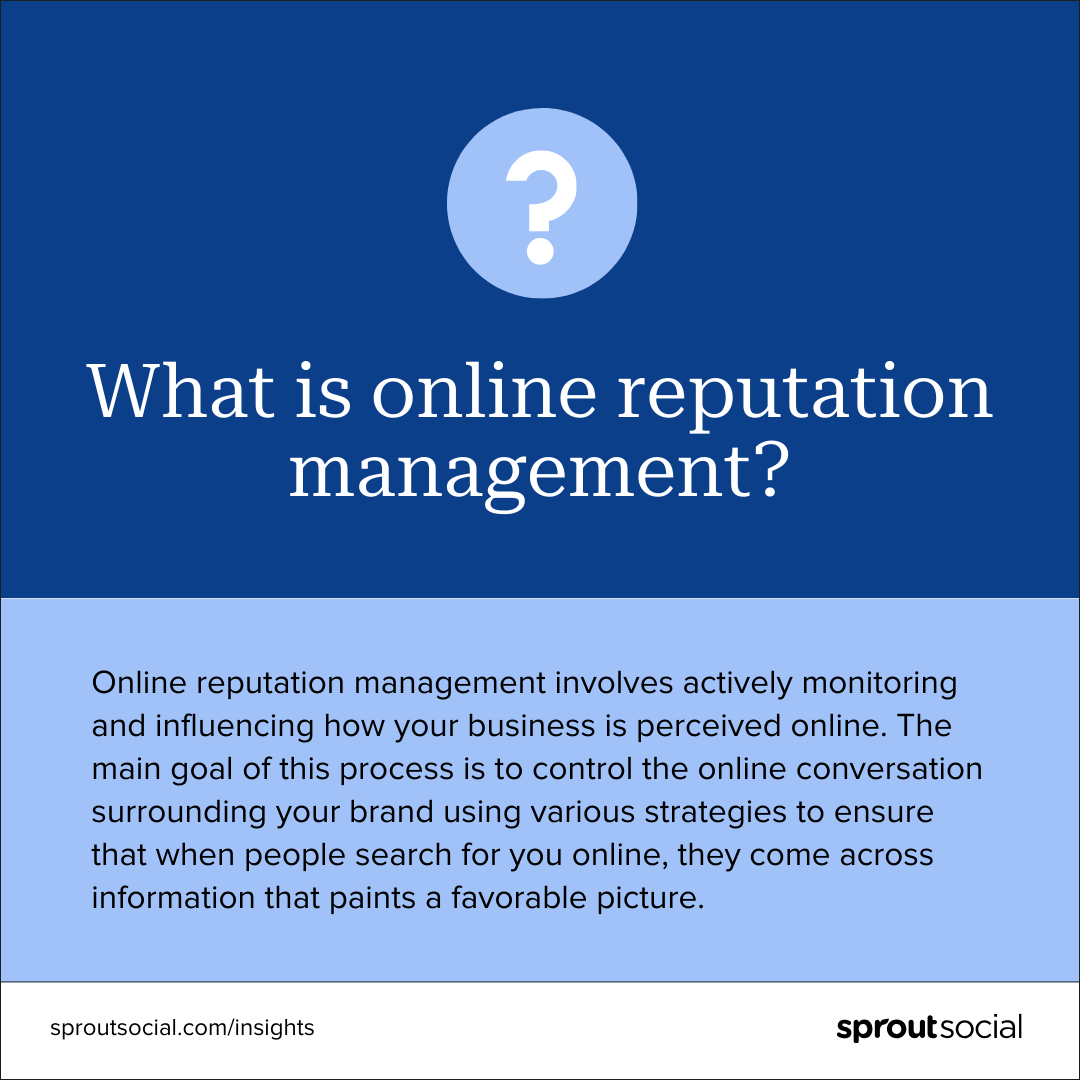
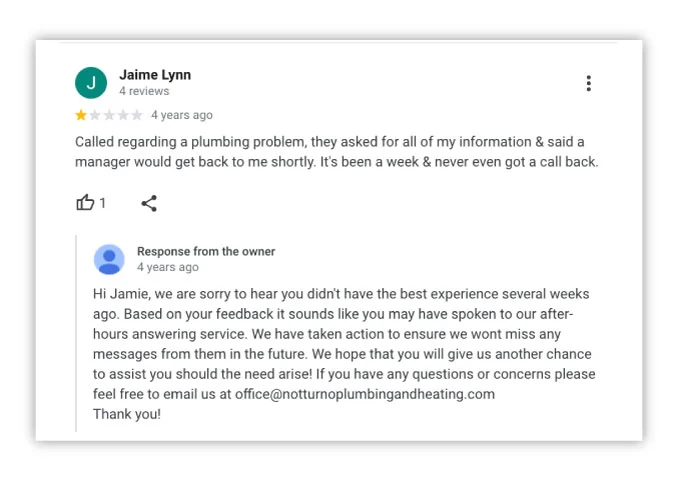
Here is a counterintuitive truth that business owners often resist: a small number of negative reviews, handled well, actually increases your overall trustworthiness.
We touched on this earlier, but it is worth exploring more deeply.
A profile with 200 reviews and a 4.8 rating that includes a few 2 and 3 star reviews looks real. It looks like the profile of a business that serves real people across a wide range of situations and does an excellent job in the overwhelming majority of them — but occasionally, as all businesses do, has a customer experience that falls short.
That is a human profile. That is what reality looks like. And consumers, who are themselves human, recognize it and trust it.
A profile with 200 reviews and a perfect 5.0 rating looks suspicious. It looks managed. It raises the question: is this real? Are these reviews genuine? Did the business filter out the negative ones somehow?
But here is what really separates businesses that handle negative reviews well from those that do not: the response.
When a business receives a 2-star review and responds with something like — “Thank you for sharing this. We are genuinely sorry that your experience fell short of what we aim to deliver. We have spoken with the team about what happened that day and are taking steps to ensure it does not happen again. We would love the opportunity to make it right — please reach out to us directly” — something remarkable happens.
The negative review stops being a red mark. It becomes evidence of character. It shows prospective customers that this business takes feedback seriously, communicates like a mature professional, and cares about the experience of every customer — including ones who were disappointed.
Many consumers report that how a business responds to negative reviews is one of the most important factors in their decision to trust that business. The review itself matters less than what the response reveals about the people behind the business.
The Trust Hierarchy — Where Different Sources Land in the Consumer Mind
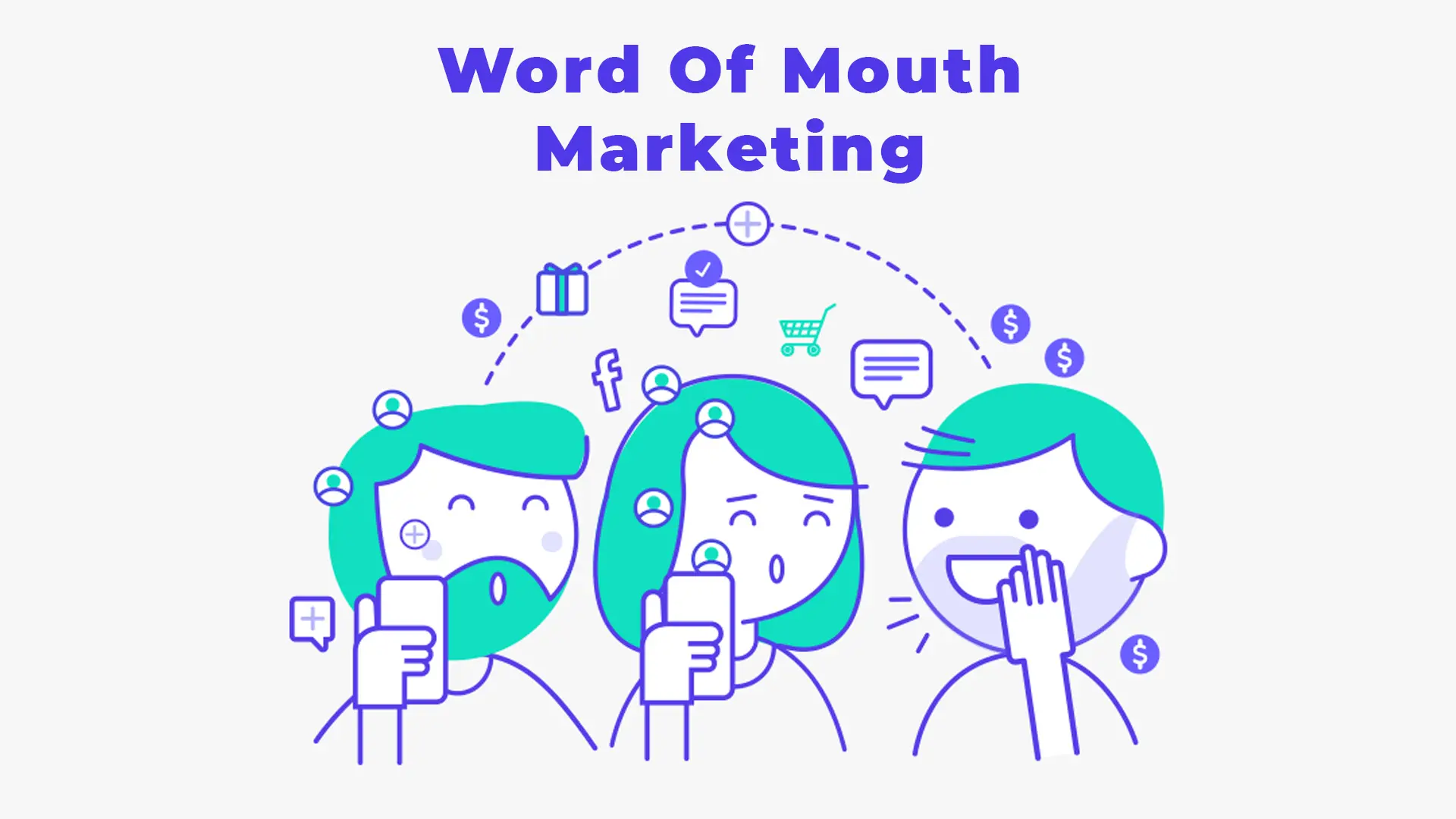
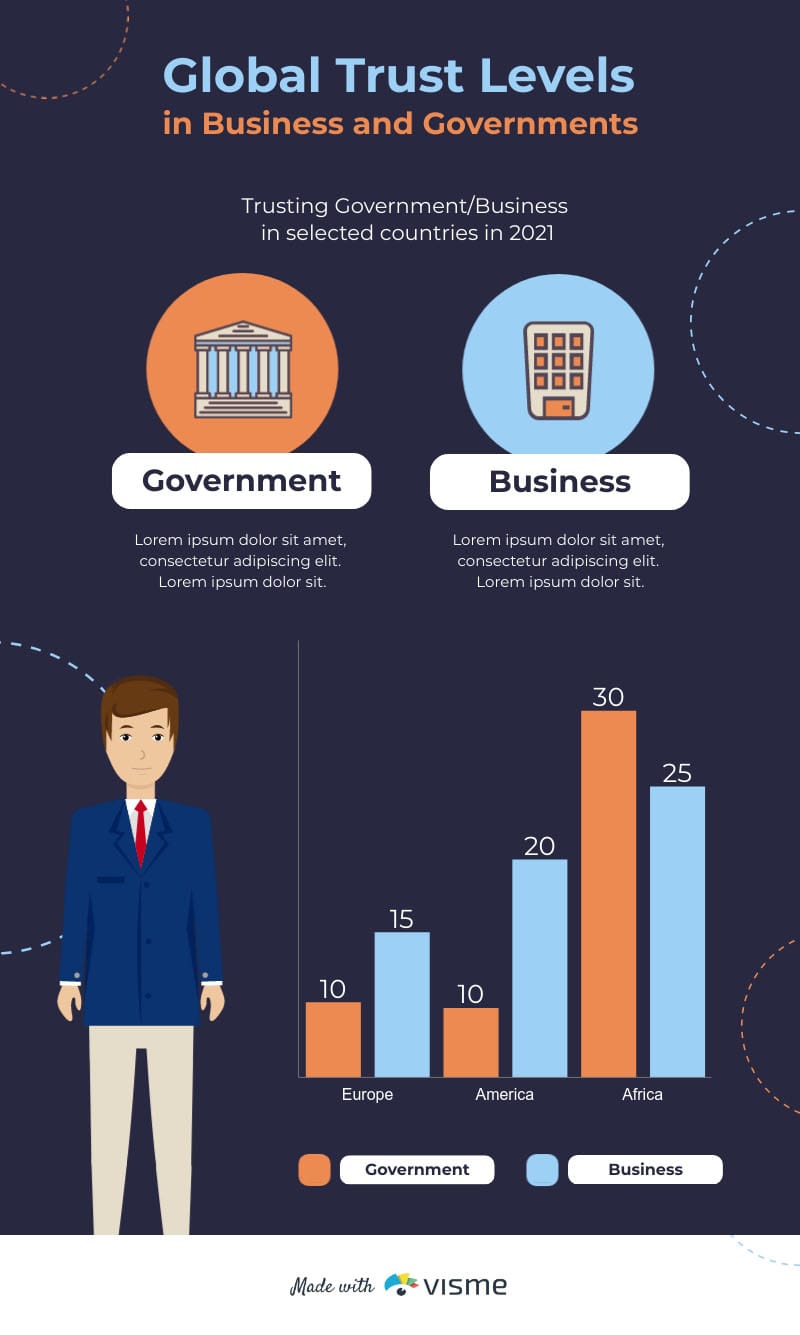
It helps to think of trust sources as existing on a hierarchy, ordered by how much weight consumers give them.
At the top — most trusted — is personal experience. If you have visited a restaurant yourself and loved it, no review or website matters. You know.
Just below personal experience is trusted personal recommendation. If your closest friend, whose taste you trust completely, tells you to try a particular dentist, you are going in with high confidence.
Below that — and this is where things get interesting — comes online reviews from strangers. Multiple studies across multiple countries have shown that consumers trust online reviews nearly as much as personal recommendations. That is remarkable. A review from a stranger you have never met, on a platform you visit for the first time, carries almost as much weight as a recommendation from someone you know.
Well below that — significantly less trusted — is content produced by the business itself. Websites, brochures, social media posts, advertisements. This is not to say people completely ignore it. But they process it through a filter of skepticism that they do not apply to reviews.
Understanding this hierarchy is not just academically interesting. It tells you exactly where to invest.
If personal recommendations are number two on the trust hierarchy and you cannot manufacture them directly, the next best thing is to have so many positive reviews from strangers that the effect is approximately similar. Two hundred people saying your business is excellent is the closest digital equivalent to having two hundred personal endorsements.
No website, however beautiful, however expensive, however perfectly designed, can climb to that level of the trust hierarchy. It is simply not possible. The category itself — business-produced content — has a ceiling on how much trust it can generate.
Reviews have no such ceiling. They are the trust mechanism that keeps giving.
What This Means for How You Should Allocate Your Time and Money
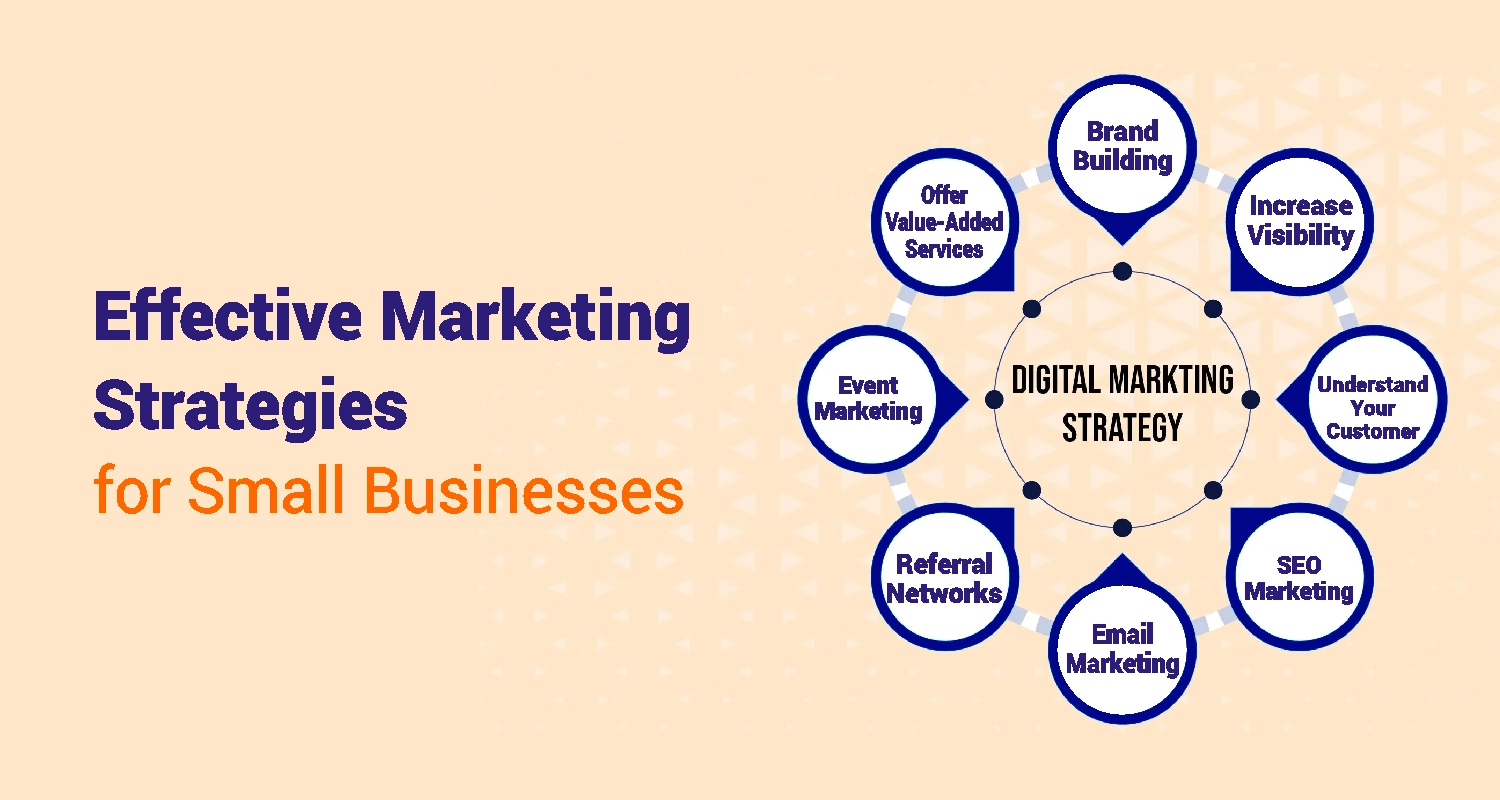
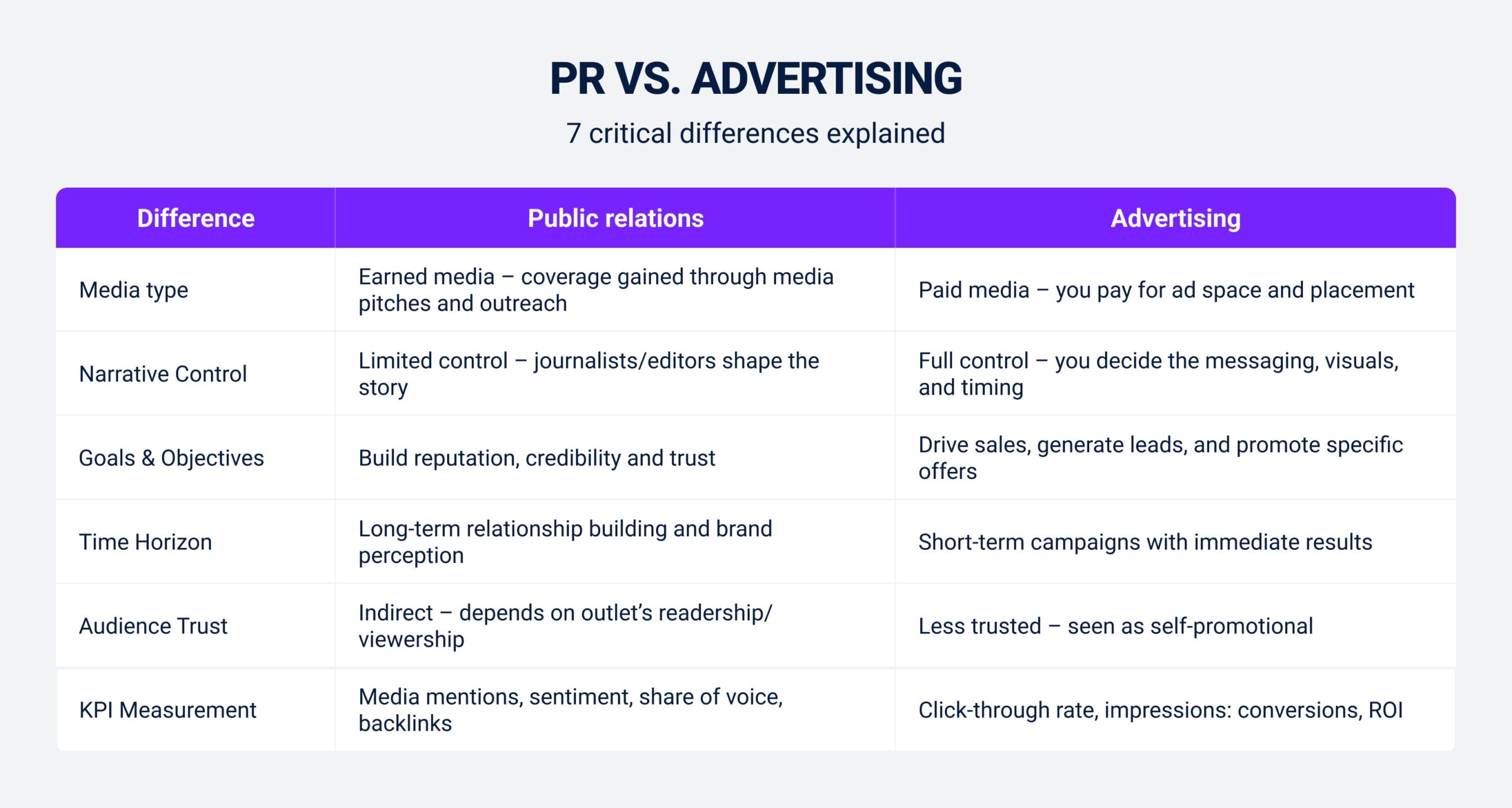
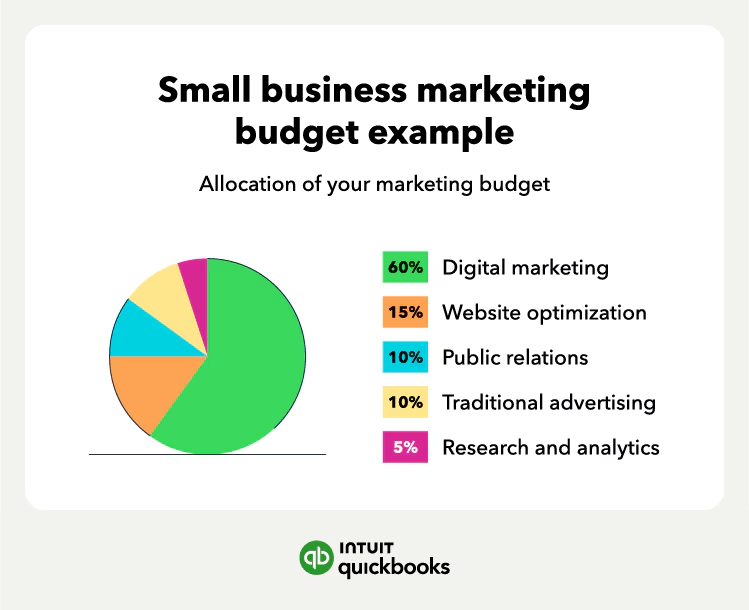
Let us get practical, because this insight should change the way you think about where to invest in your business.
If you are a local business owner and you are trying to decide between spending money on a better website and spending time building your Google review profile — the answer, for most businesses in most situations, is clear: the reviews come first.
A decent, functional website that clearly explains what you do, how to contact you, and why you are qualified costs a fraction of what a premium website costs. For most local businesses — a coaching centre, a salon, a clinic, a restaurant, a repair service — a simple, clean, accurate website is more than enough to serve its purpose, which is to confirm information for customers who are already interested.
The energy and investment that might go into premium website design, custom photography, elaborate content strategy — that energy, redirected toward building a consistent, high-volume review profile on Google — will almost certainly generate a higher return in terms of actual new customers.
This is not hypothetical. It plays out in every city, in every category, every day. The coaching centre with 180 reviews and a basic website outranks and out-converts the coaching centre with 20 reviews and a stunning website. The salon with 250 reviews gets calls without advertising while the salon with 30 reviews runs Facebook ads just to keep the appointment book from emptying.
The evidence is in the market. The market has spoken. And what the market says is: we trust the crowd.
Building Your Review Profile — The Right Way
Before we close, let us be clear about one thing: reviews must be genuine. Buying fake reviews, asking friends to post reviews of businesses they have never visited, or incentivizing reviews in ways that violate Google’s policies — these are not just ethically problematic. They are practically dangerous. Google is increasingly sophisticated at detecting inauthentic review activity, and the consequences — profile suspension, removal of all reviews, loss of ranking — are severe and difficult to recover from.
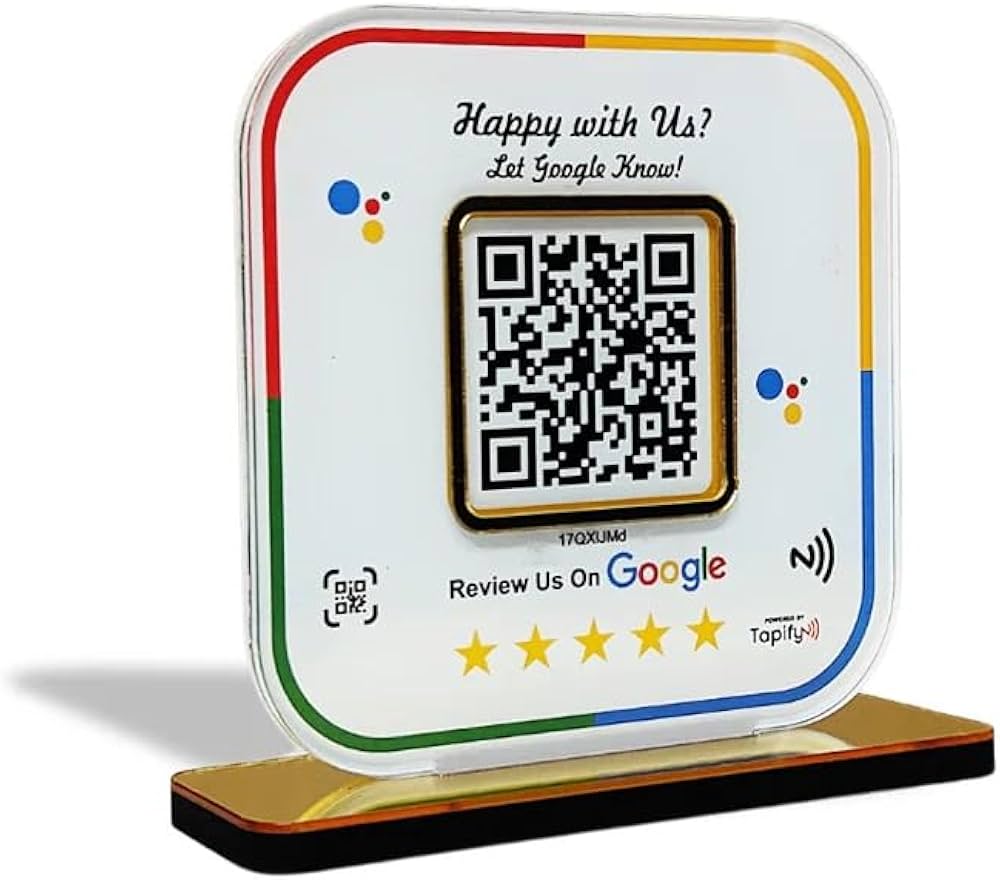
The right way to build your review profile is through service. Deliver experiences that people want to talk about. Make it easy for satisfied customers to share that experience by giving them a direct link to your review page. Follow up after transactions with a simple, non-pushy message. Train your team to mention reviews naturally at the end of positive interactions.
These are slow methods. But they produce something that no shortcut can buy: a review profile that is genuine, varied, specific, and resilient. A profile that Google trusts. A profile that customers trust. A profile that, over months and years, becomes one of the most valuable assets your business has ever built.
Final Thoughts — In the Age of Information, Trust Is the Scarce Resource
We live in a world of infinite choices and unlimited information. Every category of product and service has dozens of options. Every option has a website. Every website makes similar claims about quality, expertise, and commitment to the customer.
In this environment — where marketing is everywhere and credibility is in short supply — the businesses that win are not the ones with the most polished self-presentation. They are the ones with the most authentic evidence of real value delivered to real people.
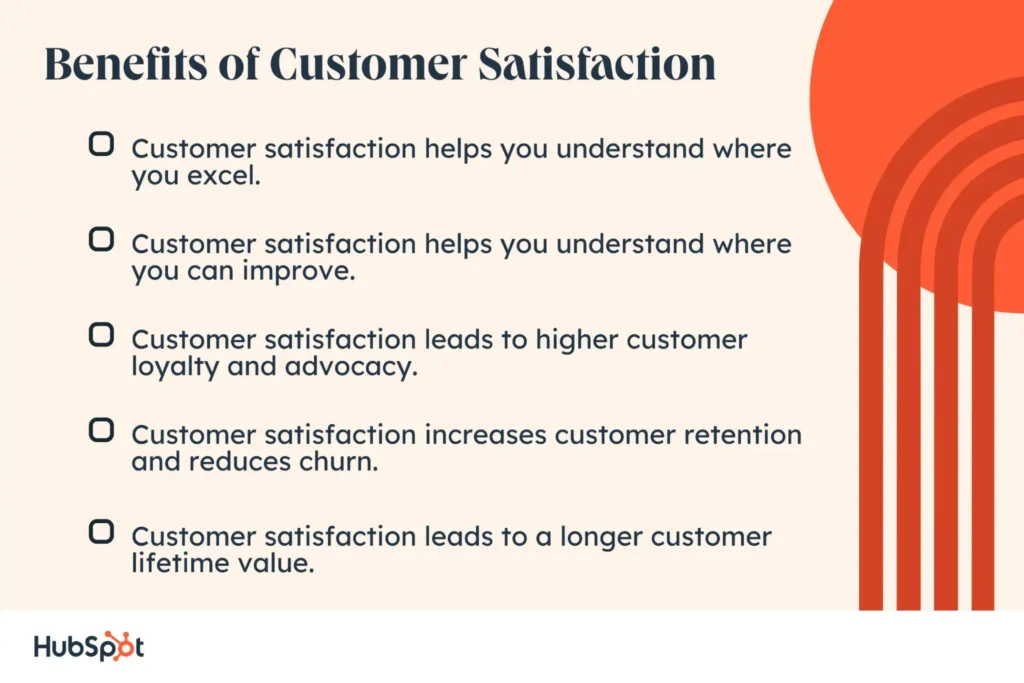
Two hundred Google reviews are not just a number. They are two hundred acts of trust, freely given by customers who had no obligation to say anything at all but chose to share their experience because it was worth sharing.
That is the most powerful endorsement a business can have in the modern world. More powerful than a beautiful website. More powerful than a clever advertisement. More powerful than any self-promotion that money can buy.
Build your reviews. Earn them honestly. Respond to every one. And watch what happens to the trust that walks through your door.
Written by Digital Drolia — helping local businesses build real credibility in the digital age through practical, grounded strategies. Found this valuable? Share it with a business owner who is still spending more on their website than on their reputation.