


Why Replying to Every Comment in the First Hour Boosts Your YouTube Video Reach

Let me tell you about something that happens in the first sixty minutes after a YouTube video is published — something that most creators either do not know about or do not take seriously enough — and that has a measurable, documented impact on how far the video travels across the platform.
Rohan Mehta uploads a video. He has been making content about sustainable living for fourteen months. His channel has around twenty-two thousand subscribers — a respectable size, built through consistent effort over more than a year. He hits publish on a video about how to reduce plastic waste in a typical Indian kitchen and does what most creators do after uploading.
He closes the laptop and goes to make dinner.
Two hours later he opens YouTube to check on the video. It has forty-eight views. Four comments. A handful of likes.
Meanwhile, across YouTube, a different creator — Priya, who runs a cooking channel of similar size, around twenty-five thousand subscribers — uploads a video the same afternoon. She has a different post-upload habit. The moment the video goes live, she opens the comments section on her phone and stays there.
For the next hour, every comment that appears — whether it is a question, a compliment, a suggestion, or just an emoji — receives a genuine, specific reply from her within minutes.
By the end of that first hour, Priya’s video has sixty-two views and twenty-eight comments, of which fourteen are from Priya herself in reply to viewers. The comments section feels alive — a conversation is already happening.
At the end of day one, Rohan’s video has four hundred and twelve views. Priya’s has over two thousand.
Their content is comparable. Their subscriber counts are similar. Their posting times were close. The difference is the first hour — and what happens in it.
This post is the complete story of why.
What YouTube’s Algorithm Is Doing in the First Hour After Upload

To understand why the first hour matters so much, you need to understand what YouTube is actually doing with your video in the minutes immediately after it goes live.
YouTube does not immediately distribute a new video to everyone who might be interested in it. It tests the video first.
The moment a video is published, YouTube begins a rapid assessment process — sometimes called the testing phase or the initial distribution window — in which the platform shows the video to a relatively small, carefully selected sample of viewers. This initial audience typically consists of the creator’s most engaged existing subscribers — the people who have previously watched, liked, commented on, or shared the creator’s recent content.
YouTube shows the video to this test audience and watches what they do.
Do they click on the thumbnail when it appears in their feed? Do they watch the video for a significant proportion of its total length? Do they like it, share it, leave comments? Do they stay on YouTube after watching, or does watching the video lead them to leave the platform?
These early signals — collectively called engagement signals — tell YouTube’s algorithm whether this video is content that viewers find genuinely valuable. And based on the strength of these signals, YouTube makes a decision about how broadly to distribute the video next.
Strong engagement signals in the first hour say: this video is generating genuine interest and interaction. Show it to more people. Recommend it to viewers who have not subscribed but who watch similar content. Include it in search results. Feature it on the home page.
Weak engagement signals say: this video is not generating the response we expected. Limit its distribution. Let it find its audience organically through search rather than actively promoting it through recommendations.
This testing and tiering process happens rapidly — within hours of publication — which is why the first hour is so critical. The engagement data collected in that window is weighted heavily in the algorithm’s distribution decisions. A video that generates strong signals in the first sixty minutes receives a fundamentally different distribution trajectory than one that generates weak signals in the same window.
Why Comments Are a Particularly Powerful Signal
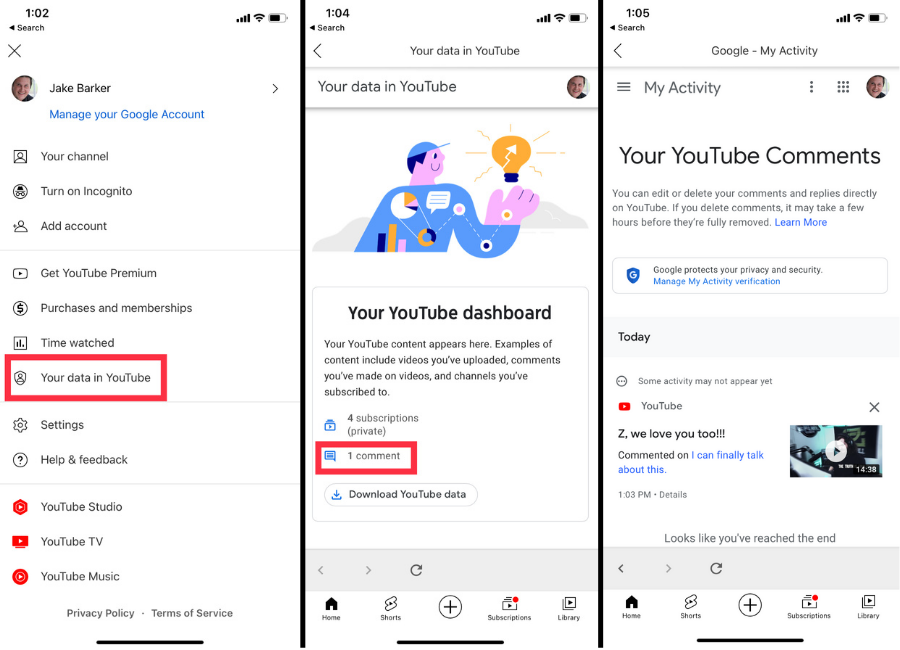
Of all the engagement signals that YouTube’s algorithm monitors, comments carry disproportionate weight. Understanding why illuminates both the mechanism and the strategy.
Consider what a comment represents compared to other forms of engagement.
A view is passive — the viewer was shown the video and watched some or all of it. It requires minimal active engagement.
A like requires a single tap — a simple positive signal with virtually no cost to the viewer.
A comment requires the viewer to stop watching, think of something to say, type it out, and submit it. It is an active, effortful, deliberate act. The viewer who leaves a comment has been sufficiently moved — by interest, curiosity, gratitude, disagreement, or desire to connect — to invest actual time and cognitive effort in the video.
YouTube’s algorithm interprets this investment as a strong signal of genuine interest and value. A video that generates many comments relative to its views is a video that is provoking real human engagement — the kind of engagement that indicates the content matters to people rather than passively washing over them.
The comment count also directly affects the video’s social visibility. A video with a rich, active comments section looks like a place where conversation is happening — and this social signal influences the decisions of future viewers. When a viewer sees a video with two hundred comments, they are more likely to perceive it as valuable and worth their time than an identical video with three comments. Social proof works on YouTube exactly as it works in every other context where human beings make decisions by observing what other human beings do.
Furthermore, comments generate reply chains. When one viewer comments and another replies — or when the creator replies and the original commenter responds — each reply is itself a comment, adding to the comment count and to the ongoing signal of engagement activity. A comment section where conversation is actively happening generates a compounding signal that is qualitatively different from a comment section where comments appear and receive no response.
The Reply as Catalyst — How Creator Responses Change the Dynamic
Here is the specific mechanism through which replying to comments in the first hour boosts a video’s reach — and why the creator’s replies are not just good manners but active algorithmic strategy.
When a viewer leaves a comment and receives a reply from the creator within minutes, something specific happens. The viewer receives a notification that the creator has responded. This notification draws the viewer back to the video — often multiple times, as the conversation continues. Each return visit generates additional watch time, additional engagement signals, and additional algorithmic data.
The viewer who leaves a comment on a video and receives a genuine, specific reply from the creator is dramatically more likely to leave additional comments on future videos, to share the current video with others, and to become a more actively engaged subscriber. The reply is not just a response to one comment — it is an investment in the relationship with one viewer that pays compound returns over time.
Beyond the individual viewer relationship, creator replies in the comment section change the character of the space itself. A comment section where the creator is actively present and responding feels like a conversation rather than a broadcast. Other viewers — who have not yet commented — see this conversation happening and are more likely to join it. The social dynamic of an active, responsive comments section draws participation in a way that a static, unreplied comments section does not.
This is the catalyst effect. The creator’s replies in the first hour do not just respond to existing comments — they invite more comments. The activity generates more activity. The engagement signals accumulate faster. The algorithm registers a video that is generating real, ongoing human interaction.
The Notification Mechanism — How Replies Bring Viewers Back

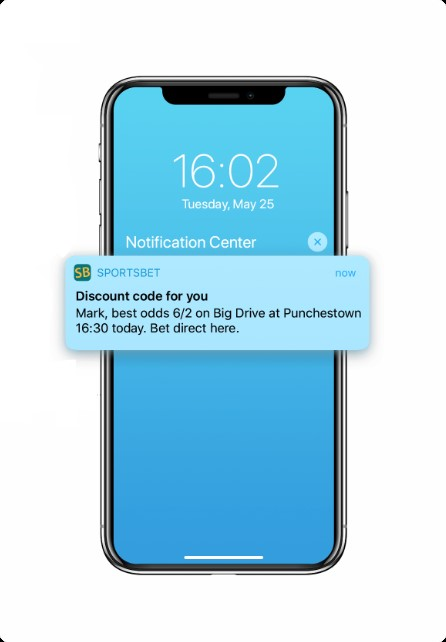
Let us go deeper on the notification dimension, because it is one of the most concrete and direct mechanisms through which comment replies boost video reach.
When a creator replies to a comment, YouTube sends a notification to the commenter. This notification appears in the commenter’s YouTube notification bell and, if they have push notifications enabled, on their phone’s home screen.
The commenter who receives this notification clicks it. They are brought back to the video — specifically to the comment thread where the conversation is happening. To read the reply, they scroll through the comments section. In doing so, they often encounter other comments and replies that are interesting to them — and may respond to those as well, or scroll back up to rewatch a portion of the video.
This return visit generates watch time. It generates additional engagement signals. It extends the viewer’s interaction with the video beyond their initial watch, which is positive for the video’s algorithmic performance.
Now multiply this across every viewer who commented in the first hour. Each reply generates a notification. Each notification brings the viewer back. Each return visit adds to the video’s engagement metrics.
In the first hour after a video is published, the creator is present and actively replying. The comment section fills with conversation. Notifications go out. Viewers return. More comments appear. More notifications. More returns. The cycle compounds.
This notification-driven return cycle is one of the reasons that the first hour is so specifically powerful — it is the window during which the creator’s active presence can generate the most compounding return visits from the viewers who are already watching.
What to Actually Say — The Art of the Genuine Reply
Understanding why to reply in the first hour is one thing. Knowing how to reply in a way that genuinely advances the conversation, builds the relationship, and invites further engagement is another.
The most important principle is also the simplest: reply specifically to what was actually said.
A generic reply — “Thanks for watching!” or “Glad you enjoyed it!” — does not invite further conversation. It closes the exchange rather than opening it. The viewer who receives a generic reply has learned that the creator processes comments in bulk with standard responses. The chance of them leaving another comment is minimal.
A specific reply — one that references something the viewer actually said, answers a question they asked, or extends the point they made — does several things simultaneously. It shows the viewer that they were actually read and heard by a real person. It provides additional value — an answer, a clarification, a new perspective — that rewards the effort of leaving the comment. And it invites a response, turning the exchange into a genuine dialogue.
Here is the difference in practice.
A viewer comments: “This is so helpful! I have been trying to reduce plastic in my kitchen for months but the biggest challenge for me is finding alternatives to plastic bags for storing vegetables. Do you have any suggestions?”
A generic reply: “Thanks so much, really happy this was helpful! 🙏”
A specific reply: “Vegetable storage is such a common challenge! A few things that have worked really well for me — muslin cloth bags for things like onions and garlic that need to breathe, beeswax wraps for cut vegetables that usually go in plastic, and for leafy greens I actually use a damp newspaper layer inside a steel dabba which keeps them fresh for longer. If you want I can do a full video specifically on vegetable storage alternatives — seems like others might have this same question!”
The specific reply is longer and takes more time to write. But it accomplishes several things the generic reply does not. It answers the question with genuine, useful information. It signals to the viewer — and to other viewers who read the comment thread — that this is a creator who actually knows what they are talking about and who is genuinely engaged with their audience’s questions. And the final sentence — asking whether a full video would be useful — is itself an invitation for the viewer to respond, turning a single comment exchange into an ongoing conversation.
This kind of specific, generous, conversation-opening reply is what builds the comment sections that look genuinely alive rather than politely managed.
The First Hour Strategy — A Practical Framework
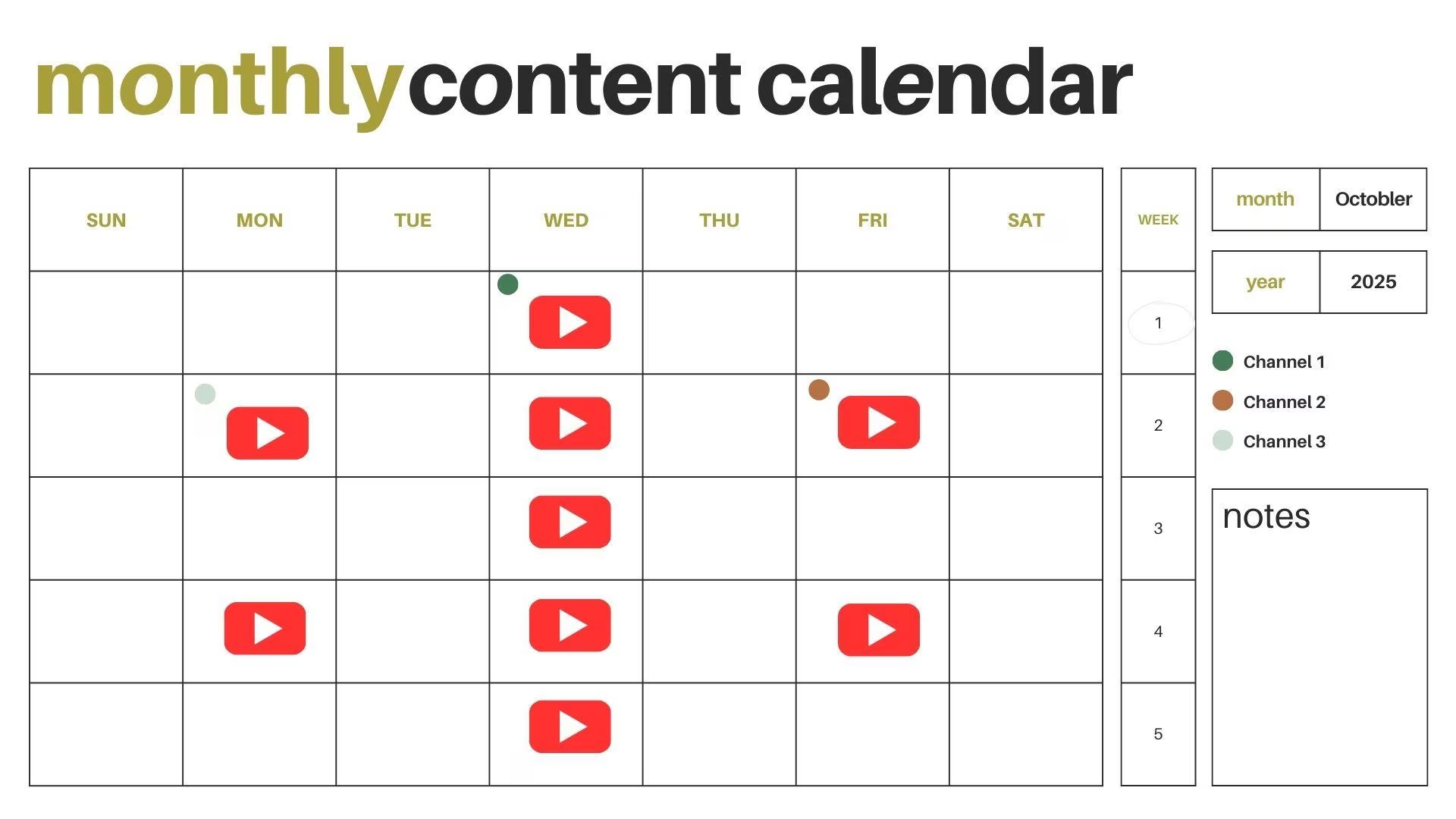
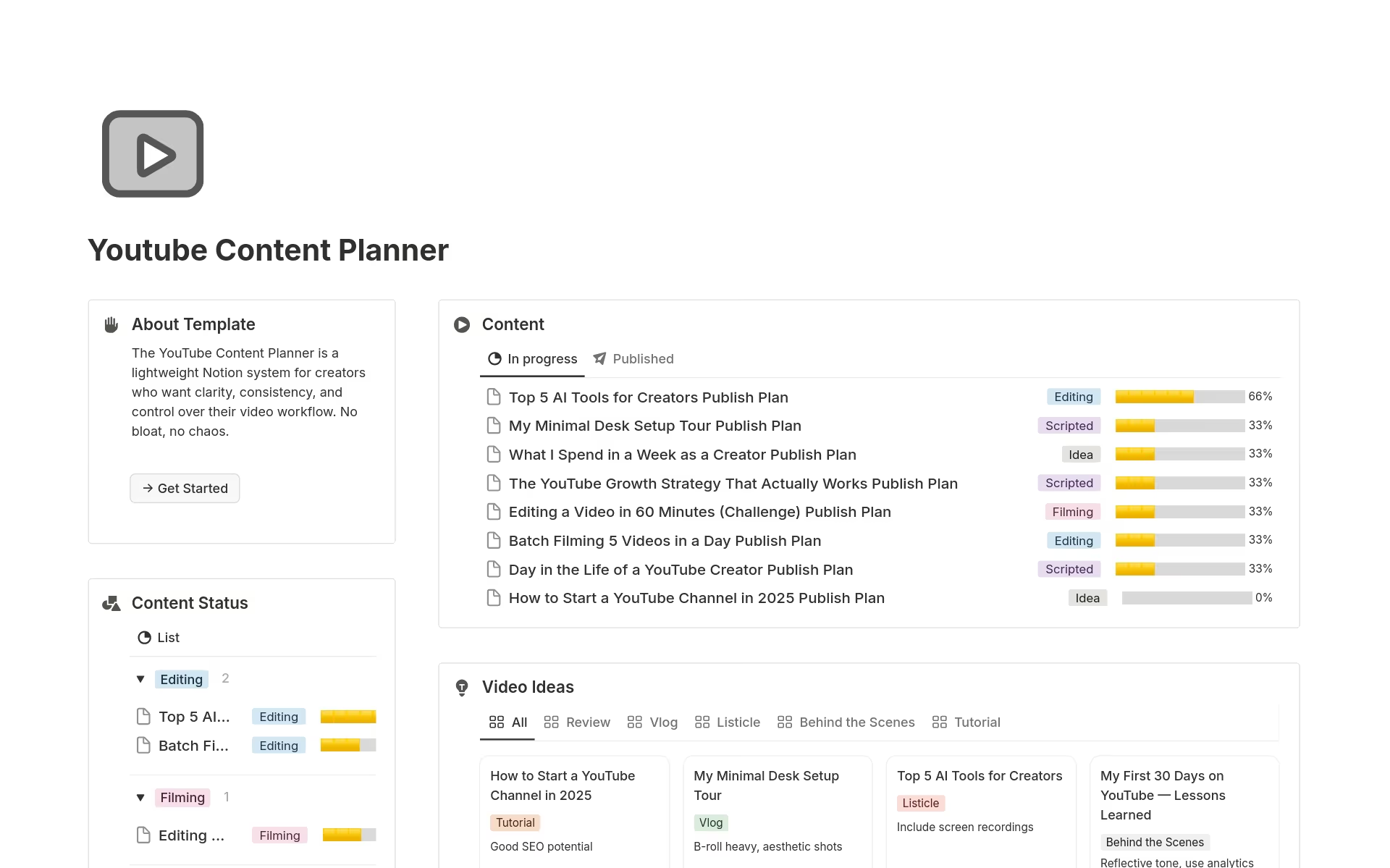
For creators who want to implement this strategy, here is a practical framework that can be integrated into the post-upload routine without requiring the creator to be tethered to their device indefinitely.
Before publishing — prepare for presence
Before you hit publish, ensure your phone has push notifications enabled for comments on your YouTube channel. This means you will receive an immediate alert for each new comment rather than discovering comments in bulk when you check the analytics.
Clear some time in the sixty minutes following your upload. This does not need to be dedicated, uninterrupted time — you can reply to comments while doing other things, between tasks, or during natural breaks. But it should be time when you have access to your phone and can respond within minutes rather than hours.
In the first fifteen minutes — establish the tone
The first few comments that appear on a video often come from the creator’s most engaged subscribers — the people who have notification alerts set and who respond immediately when a new video drops. These first commenters deserve particularly thoughtful replies, because they are the viewers who already have the strongest relationship with the channel and whose engagement in the first hour generates the most powerful early signals.
Reply to these first comments with genuine, specific, conversation-opening responses. Ask a follow-up question if the comment invites one. Add information that the video did not include if the comment reveals a gap. Thank the viewer in a way that references something specific about what they said.
In minutes fifteen to sixty — maintain momentum
As more comments arrive, continue replying specifically and genuinely. As the volume increases and time pressure grows, replies can be somewhat shorter — but should always reference something specific in the comment rather than defaulting to generic acknowledgement.
A useful habit: before writing a reply, reread the comment and identify the single most interesting or useful thing to respond to. Even a two-sentence reply that engages with that specific element is far more effective than a longer generic reply.
Pin a comment to extend the conversation
YouTube allows creators to pin a comment to the top of the comments section. Using this feature strategically in the first hour — either pinning a particularly thoughtful viewer comment that invites others to respond, or posting and pinning your own comment that adds value beyond the video and asks viewers a specific question — can extend and deepen the comment section activity.
A pinned creator comment that asks viewers a specific, relevant question invites responses from viewers who might not have commented otherwise. “I am curious — which of the five tips in this video did you find most surprising? Let me know in the comments!” is a simple prompt that generates responses, and each response is another comment that adds to the engagement signal.
The question technique
Many effective creators end their videos with a specific question directed at viewers — “What is the biggest challenge you are facing with this topic?” or “Which approach have you tried, and did it work?” — and then use this question as the foundation of their first-hour comment engagement.
When viewers respond to the question, the creator has specific content to engage with. The replies to these responses are naturally conversation-opening because the question was designed to invite discussion. This technique transforms the comment section from a space where viewers compliment or ask for clarification into a space where viewers share their own experiences and perspectives — which is richer, more interesting, and more engaging for everyone who reads it.
Beyond the First Hour — How Early Engagement Shapes Long-Term Performance
The first-hour strategy is specifically powerful because of how the algorithm weights early engagement signals. But the benefits of active creator engagement in the comments section extend well beyond the initial distribution window.
A comment section that demonstrates genuine, ongoing conversation between a creator and their community signals to future viewers — and to the algorithm — that this is a channel worth engaging with. When a first-time viewer discovers a video and sees a comments section full of specific, thoughtful exchanges, they receive a powerful social signal: this creator responds, this community is active, this is a channel where engagement is worthwhile.
This social signal influences multiple viewer behaviours that are positive for long-term channel performance. First-time viewers are more likely to comment if they believe the creator will respond. More comments generate more algorithmic signal. More algorithmic signal generates more distribution. More distribution brings more first-time viewers. The cycle continues.
The creator who builds a culture of responsive engagement from the first video — who establishes from the beginning that they read and reply to comments — creates a compounding social expectation that grows more powerful as the channel grows. The larger the channel, the more valuable the creator’s reply becomes to any individual commenter — because a response from a creator with two hundred thousand subscribers is perceived as more significant than one from a creator with two thousand. The creators who maintain this habit of responsiveness as they scale are the ones whose comment sections continue to feel alive and whose engagement metrics remain strong relative to their subscriber count.
The Relationship Between Comments and Watch Time — An Often Missed Connection
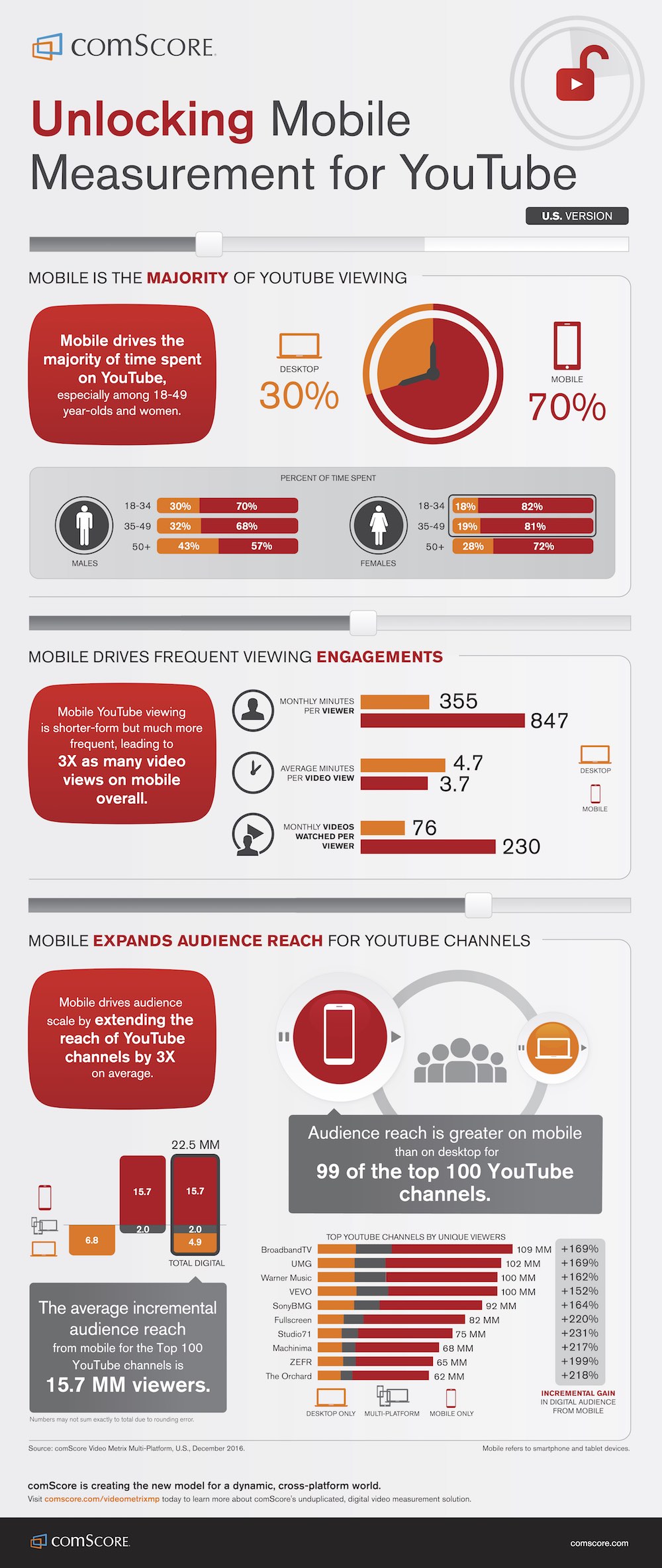
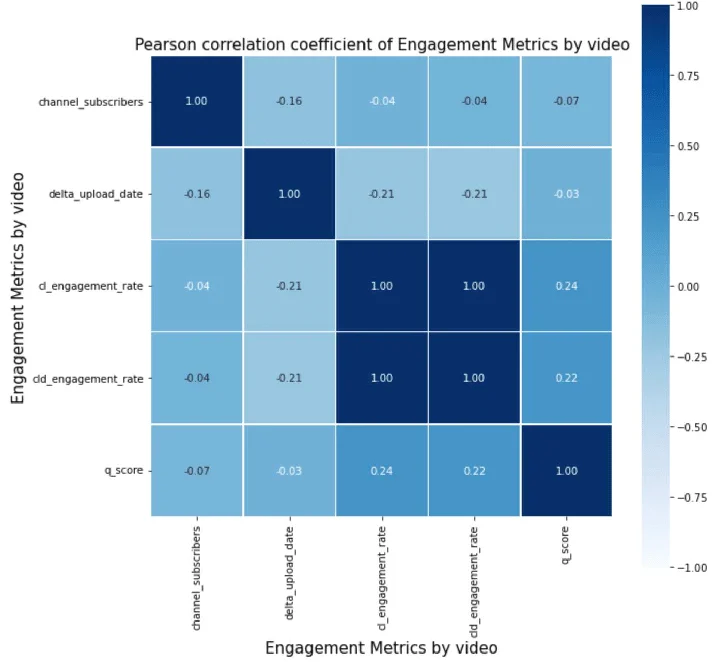
Most creators think about comments and watch time as separate metrics — engagement versus retention. In practice, they are deeply connected, and understanding the connection reveals why comments matter for more than just the comment count.
A video that generates many comments is almost always a video that is generating high watch time. This is not coincidental — it is causal. To comment on a video, a viewer must watch enough of it to form an opinion, identify a question, or feel a reaction worth expressing. The viewer who watches fifteen seconds and leaves does not comment. The viewer who watches eight minutes and feels genuinely informed, helped, or intrigued does comment.
This means that comment count is a proxy for watch time — a signal that viewers are watching enough of the video to engage with it meaningfully. YouTube’s algorithm understands this relationship and uses comment engagement as one of the signals it reads when estimating a video’s watch-time quality.
Conversely, active creator engagement in the comments section drives additional watch time through the notification-return cycle we described earlier. Comments generate replies. Replies generate notifications. Notifications generate return visits. Return visits generate additional watch time.
The creator who actively engages with comments in the first hour is not just boosting the comment count — they are actively generating additional watch time through the social mechanism of creator-viewer conversation. This additional watch time directly contributes to the algorithmic signals that determine the video’s distribution.
What Happens When You Do Not Reply — The Opportunity Cost
Let us be direct about the cost of not engaging with comments in the first hour, because framing the opportunity as an option understates what is actually at stake.
Every comment that goes unreplied in the first hour of a video’s life is a missed engagement amplification. The commenter who posted and received no response has no reason to return to the video. The notification that would have brought them back was never sent. The additional watch time their return would have generated was never accumulated. The additional comment they might have left was never written.
Multiply this across every commenter in the first hour and the aggregate lost engagement is substantial — particularly in the context of an algorithm that is actively evaluating the video’s performance in this window to decide how broadly to distribute it.
Beyond the algorithmic cost, there is a relational cost. The viewer who comments and receives no response learns something about this creator — that comments are not read, or not considered worth responding to. This impression may not be conscious or deliberate, but it is real. The next time this viewer considers leaving a comment on one of this creator’s videos, the memory of an unreplied comment — even subconsciously — reduces the likelihood that they will make the effort.
Comment section cultures are built over time through the accumulated signals of creator responsiveness. A creator who consistently responds builds a culture where viewers expect to be heard and engage accordingly. A creator who consistently does not respond builds a culture where viewers do not bother — because the implicit message has been received.
The first hour is simply where this culture is most decisively established and most immediately consequential for algorithmic performance.
The Scale Problem — And How to Handle It as the Channel Grows
The most common objection to the first-hour reply strategy is scale: it is feasible when a video receives ten comments in its first hour, but what about when it receives five hundred?
This is a genuine challenge for larger channels, and it deserves an honest response rather than a dismissal.
For smaller channels — under ten thousand subscribers — replying to every comment in the first hour is typically manageable and absolutely worth the time investment. The comment volume is low enough that specific, genuine replies are possible within the time available.
For channels between ten thousand and one hundred thousand subscribers — the range in which the engagement-to-growth relationship is often most critical — some prioritisation becomes necessary. A practical approach is to reply to every comment that asks a question, every comment that shares a personal story or experience related to the video, and every comment that adds perspective or information. Generic comments — single emojis, “great video!”, “first!” — can receive briefer acknowledgements or be skipped in favour of the more substantive exchanges.
For larger channels — above one hundred thousand subscribers — full first-hour coverage of every comment is not realistic, and the attempt to do so often produces worse engagement than a more selective but genuinely responsive approach. At this scale, pinning a creator comment, responding to the first wave of comments in depth, and engaging substantively with particularly interesting exchanges produces better outcomes than trying to respond to hundreds of comments with the speed required for genuine specificity.
The key principle at every scale is the same: genuine specific engagement, even in limited quantity, is more valuable than comprehensive generic acknowledgement. Twenty specific, conversation-opening replies are worth more algorithmically and relationally than one hundred “thanks for watching!” responses.
Tools That Help — Making First-Hour Engagement Practical
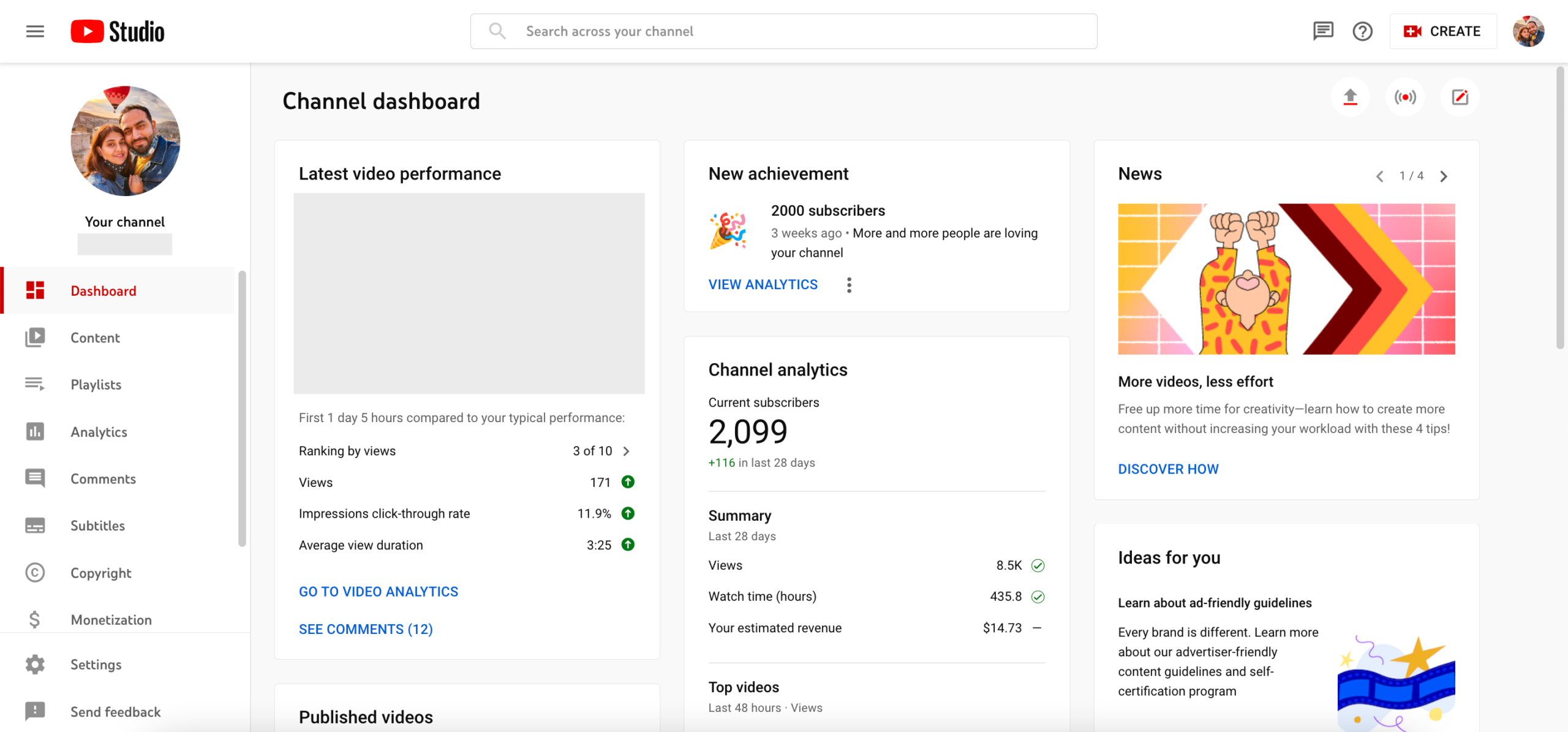
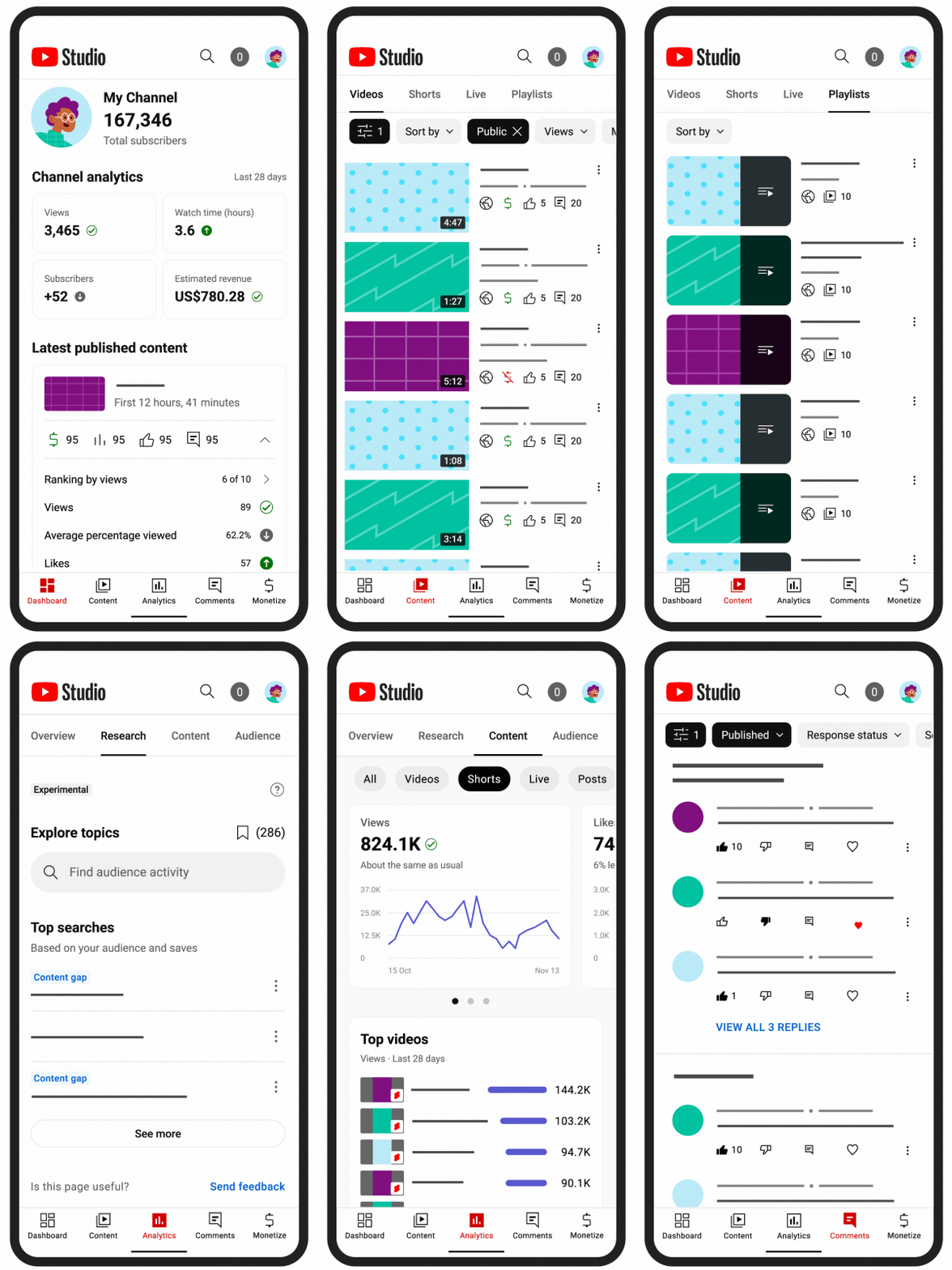
For creators who struggle to maintain first-hour presence consistently, a few practical tools and habits make the strategy more manageable.
Mobile YouTube Studio app
The YouTube Studio app for mobile allows creators to manage comments from their phone with the same tools available on desktop. Comments can be read, replied to, liked, and pinned from anywhere. Having this app installed with notifications enabled means first-hour engagement does not require being at a desk — it can happen from anywhere.
Preparatory comment starters
Some creators maintain a simple note on their phone with several genuine conversation-starter templates — not generic responses, but specific questions and prompts that they can personalise and deploy quickly when a comment arrives that warrants engagement but does not immediately inspire a specific response. “What’s your experience with this particular challenge?” is not a generic reply — it is a personalised invitation to share more. Having this kind of conversational prompt ready reduces the cognitive load of first-hour engagement.
Scheduled upload timing
Uploading videos at times when you know you will be available to engage in the first hour — rather than uploading at midnight and going to sleep, or uploading during a meeting — is itself a strategic decision that enables consistent first-hour engagement. Understanding when your audience is most active (visible in YouTube Analytics under the Audience tab) and scheduling uploads to align with those peak hours, while ensuring you are available for the following sixty minutes, is one of the most straightforward ways to improve both algorithmic performance and engagement opportunity.
Video-end call to action
Ending your video with a specific, relevant question — and mentioning in the video that you read and reply to every comment — sets an expectation that increases comment quality and volume. Viewers who believe their comment will be read by a real person and receive a genuine response are more likely to write something substantive. Substantive comments are easier and more rewarding to engage with. The quality of the first-hour comment section improves as a direct result of the expectation set in the video itself.
The Deeper Truth — Engagement as Relationship, Not Metric

Everything we have discussed about algorithms, distribution signals, and engagement metrics is true and important. But it is worth pausing to acknowledge that the most enduring argument for first-hour comment engagement has nothing to do with algorithms.
It is that the people who comment on your videos are real human beings who found your content interesting enough to say something about it. They took a minute out of their day to type out a thought, a question, or a piece of their own experience. They left it for you.
The creator who reads those comments and responds specifically and genuinely is building something that no algorithm can manufacture and no growth strategy can shortcut: trust. The trust of viewers who know they are being heard. The trust that makes subscribers into advocates — the people who recommend the channel to friends, who share specific videos at specific moments when they know someone needs them, who show up for new videos because they feel a genuine connection to the person making them.
This trust is the foundation of every sustainable creative career on YouTube. It is the difference between a channel that accumulates subscribers as a vanity metric and a channel that builds a genuine community of people who care about the work.
The first-hour reply strategy is, at its most mechanical level, a way to generate algorithmic engagement signals in the window when they are most impactful. But at its most human level, it is the practice of showing up for the people who showed up for you — of being present with your audience in the moment when they are most present with your work.
Rohan, the creator who closed his laptop and went to make dinner, missed both things simultaneously. He missed the algorithmic window and he missed the human moment.
Priya, who stayed in the comments section for an hour, caught both.
The next video she uploaded, the comments arrived faster. More viewers who had experienced her responsiveness came back. More viewers who read the comments section and saw a conversation already happening chose to join it.
The hour she spent built something that compounded beyond that hour. As it always does when you show up genuinely for the people who showed up for you.
Your First-Hour Checklist — Starting This With Your Next Video
Before you publish your next video, set yourself up for first-hour success with a simple checklist.
Enable push notifications for comments on your YouTube channel through the YouTube Studio app. Ensure the app is installed on your phone.
Schedule your upload for a time when you will have sixty minutes of relative availability following the publish moment — not during a commute or a meeting, but during a period when checking your phone regularly is practical.
End your video with a specific question that invites viewers to share something from their own experience — a question that will generate the kind of substantive comment that is rewarding to engage with.
When the video goes live, open the comments on your phone and stay present. Reply specifically to every comment that arrives. Reference what the commenter actually said. Add information. Ask follow-up questions. Keep the conversation open rather than closing it.
After sixty minutes, pin the most interesting comment or post and pin your own question to the section.
Then check your analytics the next morning and compare this video’s early performance to your previous video — the one where you closed the laptop and made dinner.
The difference will make a stronger argument for this practice than anything in this post.
Closing Thought — The Algorithm Rewards What the Audience Values
YouTube’s algorithm is, at its best, not a separate force working independently of human response. It is a measurement system for human response — an attempt to identify and amplify the content that real people find genuinely valuable by measuring how real people actually behave when they encounter it.
Comments are the most direct available expression of genuine human engagement with a video. They represent the viewers who were moved enough by what they watched to invest the effort of saying something about it. They are the clearest signal available to the algorithm that a video has produced something more than passive viewing.
The creator who responds to those comments in the first hour is not gaming the algorithm. They are generating the human engagement that the algorithm was designed to detect and reward. The algorithm is working as intended when it amplifies a video that real people are actively and genuinely engaging with.
Show up in the first hour. Respond to the people who showed up for you.
The algorithm will notice. More importantly, the people will notice.
And the people are what the channel is actually for.
Written by Digital Drolia — helping video creators understand that the most powerful growth strategies are the ones that start with genuine respect for the audience. Found this valuable? Share it with a creator who publishes videos and then disappears, not realising that the first hour is when the real work begins.