


Why the Caption of Your Instagram Post Matters as Much as the Visual

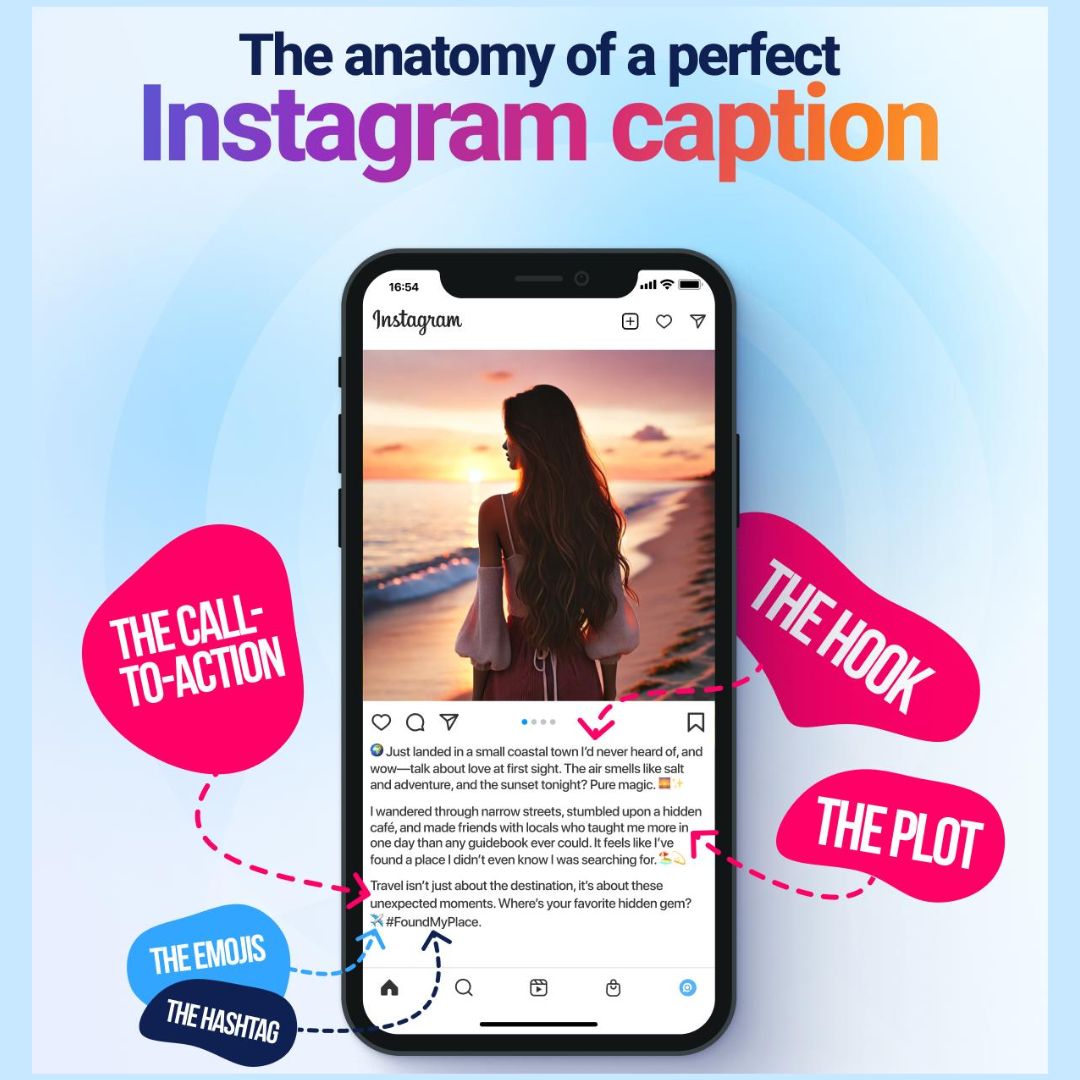
Let me show you two Instagram posts that contain identical photographs.
The photograph is this: a beautifully lit image of a woman sitting at a desk late at night, laptop open, a cup of tea beside her, city lights visible through the window behind her. The image is warm, slightly atmospheric, genuinely evocative. Anyone who has ever worked late into the night to build something they care about will feel something when they see it.
Post One Caption:
“Hustle mode 🔥 Working hard for my dreams 💪 #entrepreneur #motivation #grind #success #blessed”
Post Two Caption:
“It is 11:43 PM and I am still at my desk. Not because I have to be. Because three months ago I was told by someone whose opinion I respected that what I was building would never work. I think about that conversation every time I want to stop early. I do not work late to prove them wrong. I work late because I have discovered that the only way to find out if something works is to keep working on it until you know. If you are also building something that someone told you would not work — keep going. Not for them. For the answer.”
Two posts. One photo. Entirely different experiences.
The first post received the photograph passively and added nothing to it. The caption is a collection of phrases that could have been written by anyone, about anything, for nobody in particular. It uses the photograph as decoration for a sentiment that is not actually a sentiment — it is a category label. “Hustle mode” does not tell anyone anything about a specific person’s specific experience.
The second post transformed the photograph into a story. It gave the viewer a specific time, a specific experience, a specific emotional context, and a specific human truth. The photograph could now mean something because the caption told you what it meant to the person who took it — and that specific meaning made it possible for the viewer to recognise their own experience in it.
This is what captions can do. And it is why the assumption that Instagram is primarily a visual platform — that the image does the work and the caption is supplementary — misses something important about how human beings actually engage with content.
The Assumption That Holds Most Instagram Accounts Back
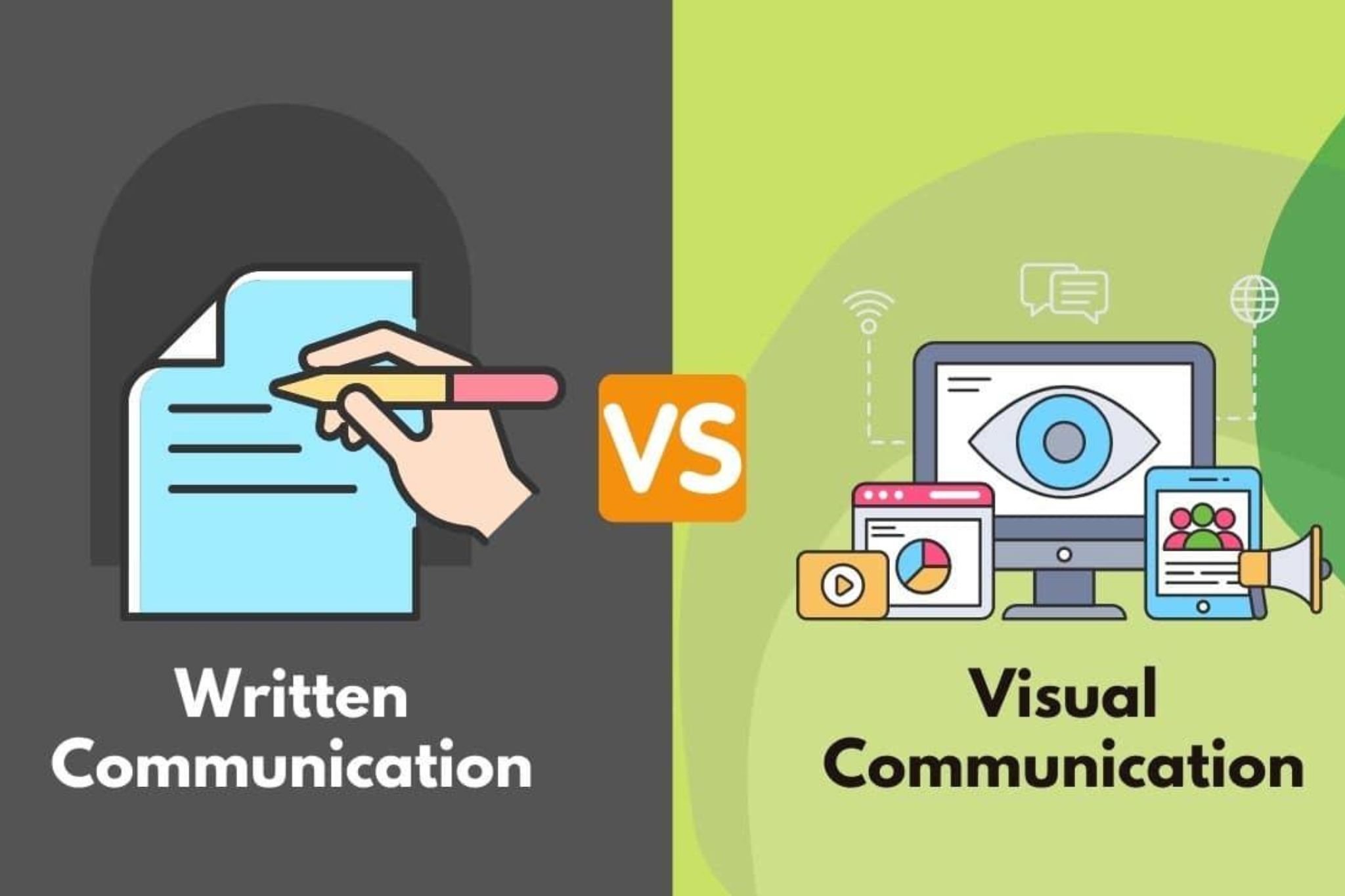
The most widespread misunderstanding about Instagram — one that I encounter across virtually every category of creator and business I work with — is the assumption that Instagram is a visual medium where visuals are the point and words are the packaging.
This assumption produces a specific and very common type of Instagram presence: accounts where considerable care and effort goes into the visual content — photography, colour grading, composition, aesthetic consistency — and very little care goes into the words accompanying those visuals. The captions are written quickly, almost as administrative formality, before the creator’s attention moves to the next visual to produce.
The result is Instagram content that looks good and says very little. That attracts a glance but not a pause. That generates impressions but not engagement. That accumulates followers who scroll past rather than subscribers who genuinely care.
And the creator looks at their analytics wondering why their beautiful photographs are not generating the response they deserve.
The answer is almost always the caption.
Here is what most creators do not know: Instagram’s algorithm weights engagement signals — comments, saves, shares — far more heavily than passive signals like views or impressions when deciding how broadly to distribute content. And the engagement signal that captions generate most powerfully is the one that matters most algorithmically: comments and saves.
A photograph generates a response in the visual system that is immediate and passive. A great caption generates a response in the emotional and intellectual systems that is active and felt — the reader feels recognised, challenged, moved, or delighted, and they act on that feeling by commenting, saving, or sharing.
The visual gets the glance. The caption earns the engagement.
Both are necessary. Neither is sufficient without the other.
What a Caption Actually Does — The Four Functions




To write captions that genuinely work, it helps to understand the four distinct functions a caption performs — because most people focus on only one or two of them and miss the rest.
Function One: It provides context that makes the visual meaningful
A photograph of a beautifully plated dish tells the viewer that this food exists and looks good. A caption that explains the three hours of technique that went into making it, the specific spice combination that is unique to one region of Maharashtra, or the memory of a grandmother’s kitchen that inspired the recipe — transforms the image from evidence of aesthetic skill into a story that the viewer can inhabit.
Visual content without context can be beautiful. Visual content with the right context can be moving. The context is the caption’s first job.
Function Two: It extends the conversation the visual begins
The visual captures attention. The caption holds it. A viewer who stops scrolling because of a striking image has given you one to three seconds. What happens in those seconds — whether they continue to engage or return to scrolling — is largely determined by the first line of the caption.
The first line of a caption functions like the first five seconds of a YouTube video. It determines whether the viewer will expand the text and read further. A first line that gives the viewer a reason to continue reading — a provocative question, a surprising statement, the beginning of a story that creates curiosity about its end — converts a one-second attention pause into a genuine engagement.
Function Three: It signals depth and credibility
For businesses and professional creators, the caption is one of the primary places where expertise is demonstrated. A fitness trainer who posts a workout video with the caption “Great exercise for your core!” has demonstrated competence. A fitness trainer who posts the same video with a caption explaining the specific muscle activation sequence, why this movement pattern is superior to a commonly practised alternative, and how to modify it for three different fitness levels has demonstrated mastery.
These are the same video. The difference in the implied expertise of the person behind the account is enormous.
The viewer who encounters the second caption is not just watching a workout video. They are experiencing the thinking of someone who understands their craft at a level of depth worth trusting. That depth — communicated through words, not images — is what converts a follower into a client, a casual visitor into a committed subscriber, a viewer into an advocate.
Function Four: It invites a specific response
Every piece of Instagram content has an optimal response it is trying to generate — a comment, a save, a share, a DM, a click, a booking. The caption is where this desired response is invited — explicitly or implicitly.
The creator who ends every caption with “what do you think?” or “let me know in the comments” is attempting to invite response but doing it generically. The creator who ends with a specific, resonant question — one that the reader actually has an opinion about, that touches something real in their experience — invites a response that is genuinely motivated rather than technically prompted.
“Do you also struggle with the motivation to train on days when nothing feels right?” is a specific question that a specific reader will answer because they have an answer. “What are your thoughts?” is a generic prompt that produces generic engagement at best.
The First Line — The Most Important Sentence You Write on Instagram
Everything we need to understand about caption writing converges on one specific principle: the first line of the caption is disproportionately important, and most creators write it as if it is not.
Instagram truncates captions after approximately the first one hundred and twenty-five characters — the text is cut off with a “more” link that the viewer must tap to read further. This means that the entire job of convincing the viewer to engage with the full caption falls on those first hundred and twenty-five characters.
The first line, therefore, must do something specific and powerful. It must give the reader a reason to tap “more” rather than scroll away. And it must do this in the context of a feed that contains hundreds of other posts competing for the same attention.
The most effective first lines for Instagram captions share certain characteristics.
They create immediate curiosity or recognition. “I made the same mistake for three years before I understood why it was not working.” What mistake? Why did it not work? The reader has questions that can only be answered by tapping “more.”
They make a specific, surprising claim. “The one thing I changed that doubled my client conversion rate had nothing to do with my content.” Surprising claims create cognitive tension. The reader needs to resolve the tension by reading further.
They begin a story in medias res. “I was sitting in the airport departure lounge when I got the message that changed everything about how I run my business.” The story has begun in a compelling moment. What was the message? What changed? The reader cannot stop here.
They speak directly and specifically to a felt experience. “If you have ever posted something you worked hard on and watched it disappear into nothing — this is for you.” The reader who has had this experience feels immediately seen. The caption is about them. Of course they tap to read more.
Compare these with the most common first lines that do not work.
“Excited to share this!” — the creator’s excitement is their own concern, not the viewer’s. The reader has no reason to care about the creator’s excitement before they know what is being shared.
“Today I am talking about…” — an announcement of subject matter, not an invitation to engage. The reader can decide whether they care without reading further.
“Fun fact:” followed by a moderately interesting piece of trivia — occasionally effective if the fact is genuinely surprising, but typically too predictable in structure to generate real curiosity.
The discipline of first-line writing is the discipline of creating a gap — an open question, a half-told story, a surprising claim — that the reader is motivated to close by reading further.
Caption Length — How Long Should It Be?
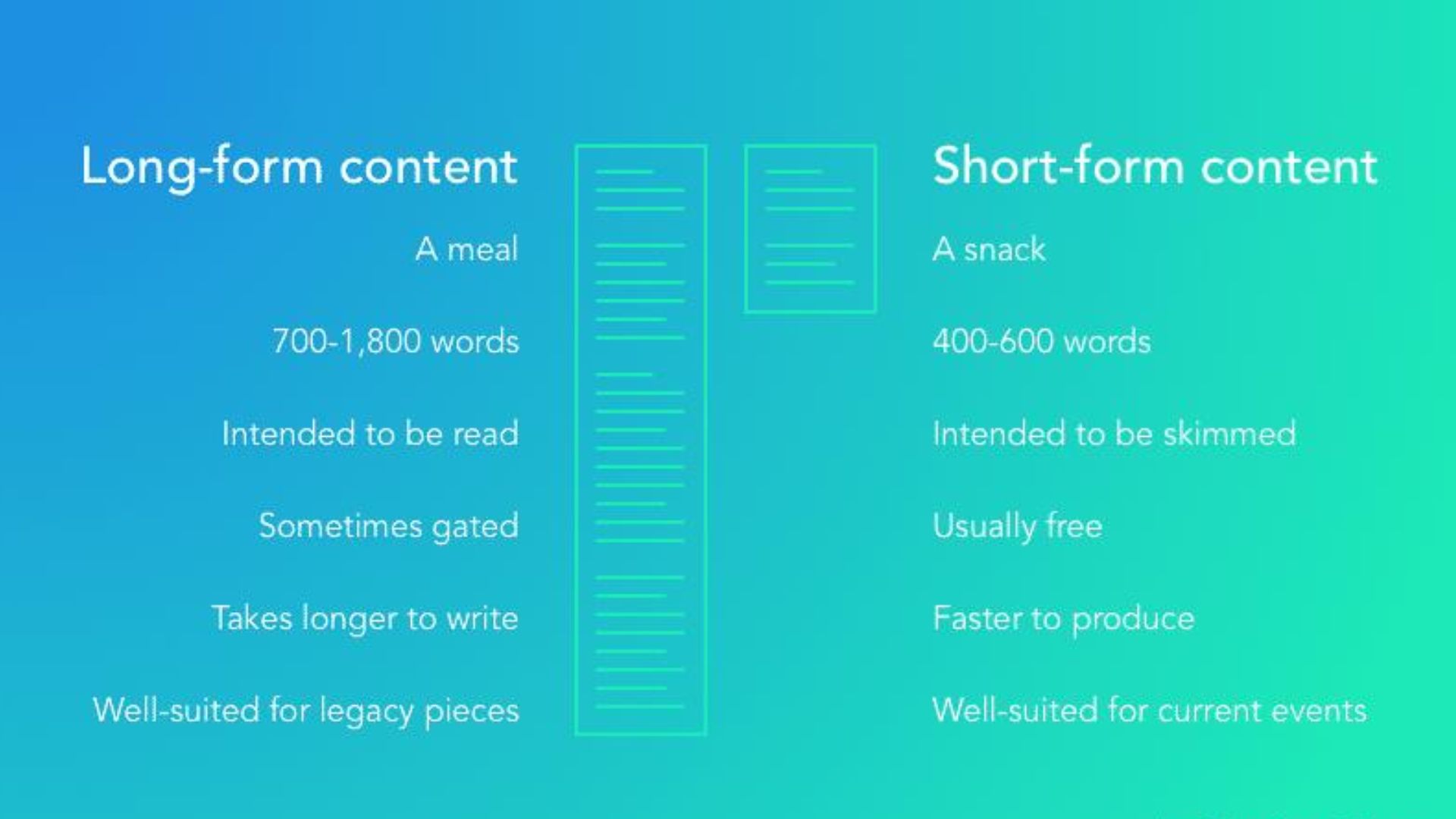
The question of caption length is one of the most frequently asked and most misleadingly answered questions in Instagram strategy. The correct answer is neither “short captions perform best” nor “long captions perform best.” It is: captions should be exactly as long as they need to be to do their job — and no longer.
This sounds like an evasion but it is not. The length of the caption should be determined by the specific function the caption is performing.
A post where the visual is the primary communication and the caption’s job is to provide attribution or a brief context note: short, perhaps a sentence or two.
A post where the creator is sharing a genuine insight, telling a meaningful story, or making a case for a specific perspective: as long as necessary to do that clearly and completely. Which might be two hundred words. Or four hundred. Or more.
Instagram audiences, in 2026, are significantly more willing to read long captions than the conventional wisdom suggests — provided those captions are genuinely worth reading. The reader who begins a caption and finds it compelling will read it to the end regardless of its length. The reader who begins a caption and finds it generic will stop after two lines regardless of how short it is.
Length is not the variable. Quality of engagement is the variable.
There is one practical constraint: the caption should never be padded to reach a target length or padded with unnecessary content. Every sentence should earn its place by contributing something the reader needs to understand the story, the argument, or the experience being shared. The moment the caption starts to feel like it is repeating itself or filling space, the reader’s attention begins to drift.
The specific structures that tend to work at longer lengths share certain characteristics. They have a clear narrative arc — beginning, middle, end. They make a point, illustrate it, and close it. They do not meander. They do not qualify everything. They trust the reader to follow the logic without excessive hand-holding.
The Emotional Register — Finding the Tone That Connects

One of the most significant ways that captions differentiate Instagram accounts from each other is through emotional register — the specific tone, voice, and feeling that the text carries.
Most business accounts default to a functional, neutral register. The captions communicate information competently and neutrally without conveying any particular personality or emotional quality. This register is not wrong but it is forgettable. It produces captions that could have been written by any account in the same category — and that therefore give the reader no particular reason to remember this account versus the others.
The accounts that build deeply loyal followings — the ones where followers genuinely feel a connection to the person or brand behind the content — consistently have a distinctive emotional register in their captions. The register varies enormously between successful accounts. Some are warm and personal. Some are sharp and provocative. Some are earnest and unguarded. Some are dry and gently ironic. Some are educational with genuine enthusiasm. Some are vulnerable in ways that most professional communication avoids.
What these registers share is authenticity — they reflect something real about the person or brand behind the account rather than a generic approximation of what a business in this category is supposed to sound like.
Finding your distinctive register is less about strategic choice and more about honest self-examination. How do you actually communicate when you are at your best? What is the tone you use with the clients or customers who trust you most? What is the quality of your communication when you are genuinely excited about something or genuinely concerned about something?
The register that emerges when you are most fully yourself is almost always more compelling on Instagram than the register that emerges when you are trying to sound like a business. People can tell the difference. They come to Instagram for human connection. They find it in the specific, genuine voice of a person who writes as they actually think.
The Story Caption — The Most Powerful Structure Available
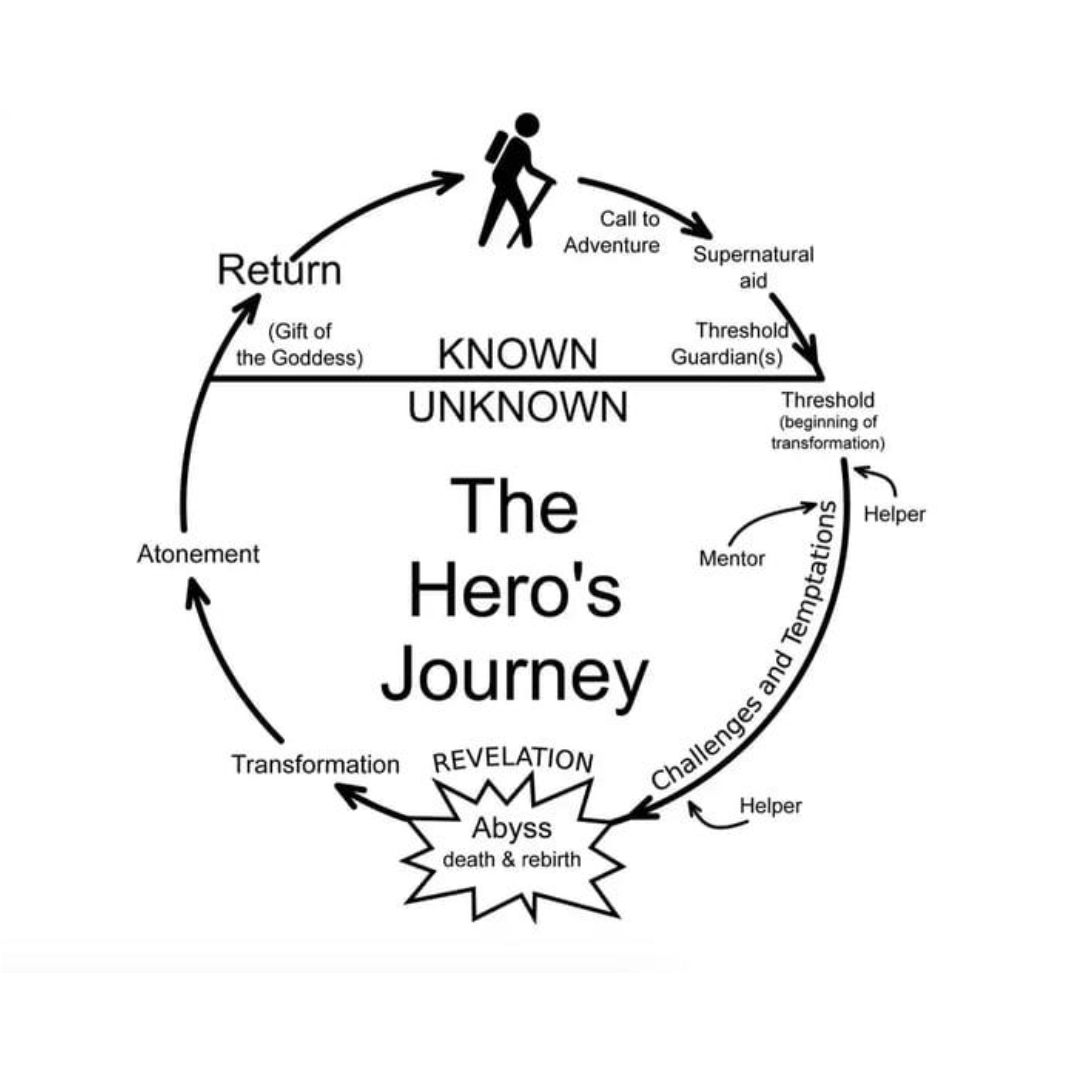
Of all the caption structures that perform consistently well across categories, audience types, and content formats, none is more reliably powerful than the personal story told honestly and specifically.
This is not a coincidence. It reflects something fundamental about how human beings process and remember information. Stories activate the brain’s narrative processing systems in a way that lists and bullet points do not. We are wired for story. We remember story. We share story. We feel story in ways that we do not feel information.
A caption that tells a real story — with specific details, honest emotion, a moment of challenge or change or realisation, and a conclusion that connects the story to something the reader can use or feel — generates more engagement, more saves, more comments, and more shares than almost any other caption structure.
The key word is specific. The story that works is not “I used to struggle with X and then I learned Y and now everything is better.” That is a category label for a story, not a story.
The story that works is: “I remember the exact moment I understood what I had been doing wrong. It was a Thursday afternoon in February and I was about to close the laptop for the day when my phone rang. It was a client calling to say she was cancelling. The third cancellation that week. I sat in the quiet after the call and I made myself think honestly about what was happening. Not what was happening to me — what I was doing that was producing this result. It took about ten minutes of honest thinking to find the answer. I had been prioritising my preferences over her needs. Every session, subtly, was designed around what I found most interesting to teach rather than what she most needed to learn. The change I made the following week was small. The difference in her engagement was immediate.”
That story creates a vivid, specific moment. It is honest about professional failure. It demonstrates genuine self-reflection. It models the kind of thinking that produces growth. And it communicates expertise and integrity in a way that no credentials listing could approach.
The reader who works with clients of any kind will recognise the experience immediately. The comment they leave will be specific — “This is exactly what happened to me last month and I did not have the language for it until now.” The save rate will be high because this story is worth returning to when the reader faces a similar moment.
This is what a story caption does. It creates a connection that turns followers into community.
Hashtags in Captions — A Clarifying Note

Hashtags deserve specific mention because they are one of the most commonly misunderstood elements of Instagram caption strategy.
The original function of hashtags was content categorisation and discovery — a way for users interested in specific topics to find content through hashtag search. In Instagram’s early years, this function was significant and strategic hashtag use materially affected content reach.
In 2026, the role of hashtags has diminished considerably as Instagram’s algorithm has become sophisticated enough to categorise content based on visual and textual analysis rather than relying on creator-supplied tags. The algorithm largely understands what the content is about without being told through hashtags.
The practical implication: hashtags in 2026 are a minor rather than major component of content strategy. Using a small number of genuinely relevant hashtags — three to seven is typically cited as the current effective range — is worth doing as a secondary discovery mechanism. Using thirty hashtags of varying relevance does not meaningfully improve reach and can make captions look cluttered or spammy.
The more important change is where hashtags sit in the caption. Moving hashtags to the end of the caption — after all the substantive text — ensures that the caption’s valuable content is what the reader encounters first, rather than a collection of tagged terms that signal a more mechanical approach to the platform.
Caption Writing for Different Content Types
The principles of caption writing apply across Instagram’s content formats, but the specific application varies depending on the format and its function.
Reels captions
Reels are Instagram’s primary discovery format — content that reaches people who have never seen the account before. The caption for a Reel is therefore functioning in a context where the reader knows nothing about the creator and has no prior relationship.
Reels captions should be relatively concise — the attention of a first-time viewer who just watched a sixty-second video is more limited than the attention of a loyal follower reading a thoughtful carousel post. But they should still provide genuine value rather than generic phrase-padding.
The most effective Reel caption structures either provide a piece of additional information that builds on what the video demonstrated — extending the viewer’s understanding beyond what sixty seconds could contain — or share a brief, honest personal context that connects the viewer to the person behind the expertise. Both approaches convert first-time Reel viewers into profile visitors who then become followers.
Carousel captions
Carousels function as reference content — material worth saving and returning to. The caption for a carousel should serve the same function: providing context, depth, or personal connection that deepens the value of the visual content.
Carousels tend to attract the most thoughtful reading of any Instagram format because viewers who swipe through multiple slides are already demonstrating a higher engagement commitment. A longer, more substantive caption is appropriate for carousels in a way it might not be for feed images designed for quick consumption.
Static image captions
The range is widest here. A product photograph warrants a brief, evocative caption that adds sensory detail and emotional context to the visual. A personal photograph warrants the kind of story caption we described in the previous section — the specific moment, the honest reflection, the connection to something the reader can recognise. A quote graphic warrants a caption that explains why this quote matters to the creator personally rather than the generic enthusiasm that most quote captions contain.
Stories
Stories are different from feed content in a way that affects caption philosophy. Stories are seen almost exclusively by existing followers — people who already know the account exists and have some relationship with it. The appropriate register for Stories is therefore more intimate and less curated than feed content.
Stories captions — the text overlaid on Stories — should feel conversational, immediate, and personal. This is where the most informal, most genuine communication happens on Instagram. The follower who sees thirty Stories from an account over a month knows the account as well as they know some friends.
The Call to Action — Inviting the Response That Serves Both Parties

Every Instagram caption should be oriented toward a specific response — not necessarily a commercial one, but a specific human action that the caption is designed to invite.
The most effective calls to action in Instagram captions are ones that serve the reader rather than primarily serving the creator.
“Save this for next time you are stuck on this exercise” — this serves the reader by helping them retain useful information. The creator benefits from the save signal, but the call to action is framed as being for the reader’s benefit.
“Share this with someone who is building something and needs to hear it tonight” — this serves the reader by giving them a way to help someone they care about. The creator benefits from the share, but the motivation offered is altruistic.
“Tell me in the comments: what is the one thing you would do differently if you started your business again?” — this is a genuine question to which the creator is genuinely curious about the answer. The reader senses this. Questions asked out of genuine curiosity generate different quality responses than questions asked to generate comment count.
Contrast these with the most common call-to-action formula: “Follow for more content like this!” This call to action serves only the creator. It asks the reader to do something that benefits the creator without offering any specific value to the reader beyond the vague promise of more similar content. It converts poorly because it makes the transactional nature of the request obvious and the reader has no strong motivation to comply.
The rule is this: the call to action that serves the reader always outperforms the call to action that serves the creator. Even when both outcomes are commercially identical, the framing makes an enormous difference.
A Practical Workshop — Rewriting a Caption in Real Time

Let me take a generic caption and transform it through the principles in this post, so the difference is visible in practical terms rather than just described in theory.
Original caption (a bakery business):
“Our fresh croissants are out of the oven! 🥐 Made with love and the finest ingredients. Stop by today! #bakery #croissants #fresh #homemade #Chennai”
Rewritten caption:
“Twelve layers.
That is what a proper croissant requires — the dough folded and rested and folded again twelve times to create the layers that shatter when you break it and stretch when you pull it apart. Ours take eighteen hours from start to finish.
We did not always make them this way. When we first opened, we were making decent croissants in about four hours using a shortcut method our baking school taught us. A customer who had lived in Paris for five years tried one and asked very politely whether we had considered making them properly.
We were slightly offended. We went home and researched what ‘properly’ meant.
The croissants we make now are the answer to that question. They take most of a day. We make a limited batch each morning and they are gone by midday.
If you would like to be there when they come out of the oven — we start serving at 8 AM. First batch is always the warmest.”
Same bakery. Same product. Completely different experience for the reader.
The rewritten caption has a specific detail that demonstrates craft and authenticity (twelve layers, eighteen hours). It has a story with a specific moment of challenge and growth (the Paris customer). It has a human admission (we were slightly offended). It creates gentle urgency without manufactured scarcity (limited batch, gone by midday). And it ends with a specific, useful piece of information (8 AM, first batch warmest) that serves the reader who wants to act.
The hashtags are gone — they were not adding value. The generic phrases (“made with love,” “finest ingredients”) are gone — they were not saying anything specific. What remains is a piece of writing that tells the truth about the product and the people making it in a way that is genuinely worth reading.
Building the Caption Writing Habit

Everything in this post describes principles and possibilities. The gap between understanding what good caption writing is and actually writing good captions consistently is bridged by habit — the regular practice of putting genuine care and thought into the words that accompany every post.
For most creators and businesses, the habit forms most easily through a specific pre-writing question that becomes routine before every post.
The question is: what is the most interesting, honest, or useful thing I could say about this image that the image itself cannot communicate?
Answering this question genuinely — not reaching for the first available generic phrase but actually thinking about what is specific, true, and worth saying — is the entire practice of caption writing.
Some answers will produce two sentences. Some will produce four hundred words. Some will produce a story that takes twenty minutes to write and becomes one of the most-shared pieces of content the account has ever produced.
The image captures the moment. The caption captures the meaning.
Give your meaning the same care you give your visuals.
Your audience will feel the difference.
Closing Thought — Words Are Not the Caption for Your Photos. Your Photos Are the Opening for Your Words.
There is a reframing of Instagram that changes everything about how to use it well.
Most creators think of Instagram as a visual platform where images are the primary content and captions are the supporting text — the label on the product, the description on the package.
The accounts that build the deepest engagement, the most loyal communities, and the strongest commercial results think of it differently.
They think of the image as the opening line — the hook that stops the scroll, the visual invitation that earns the viewer’s next two seconds. And they think of the caption as the actual communication — the place where something real is said to a specific person who needed to hear it.
The image that stopped the scroll was the door.
The caption is the conversation on the other side of it.
Open the door with the best visual you can make. And then say something worth hearing.
Written by Digital Drolia — helping creators and businesses understand that the most powerful Instagram presence is built on genuine communication, not just beautiful imagery. Found this valuable? Share it with a creator who is putting all their effort into their visuals and writing their captions in thirty seconds.