

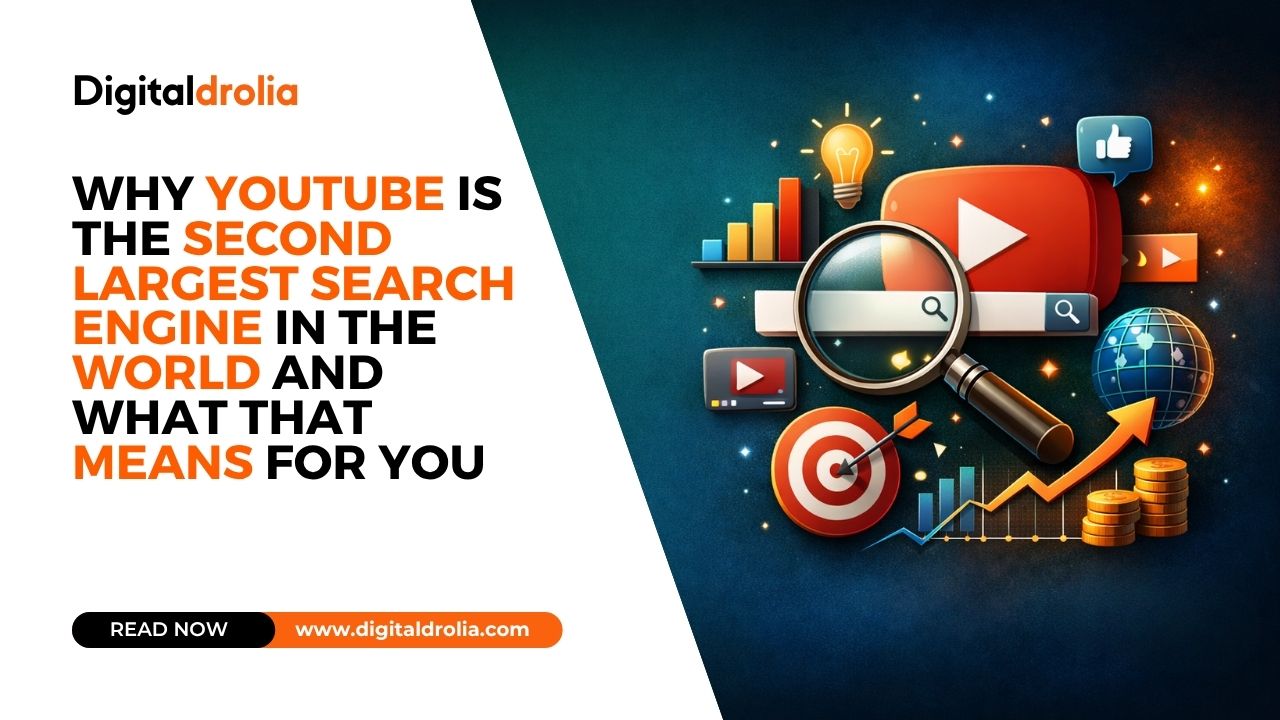
Why YouTube is the Second Largest Search Engine in the World and What That Means for You

Let me ask you something that seems like a simple question but turns out to be surprisingly revealing.
When you want to learn how to do something — cook a new dish, fix a leaking tap, understand a concept in your child’s school syllabus, learn the first steps of a new software, figure out how to tie a specific kind of knot — where do you go?
If you are like the majority of people in India in 2026, there is a meaningful chance the answer is not a library. It is not a textbook. It is not even necessarily Google.
It is YouTube.
You open the app, you type what you are looking for, and within seconds you have a human being on screen showing you exactly what you need — demonstrating it, explaining it, often from multiple angles, in your language, at a pace you can pause and rewind, for free.
This is so normal now that it barely registers as remarkable. But it is remarkable. What you are doing when you search YouTube for how to make dal tadka or how to invest your first salary or how to prepare for the CAT exam is not entertainment consumption. It is search behaviour — the same fundamental act of information retrieval that Google has built its entire empire around.
And the scale at which this is happening is staggering.
YouTube processes more than three billion searches every single month. It has over two billion logged-in users who visit the platform every month. It is available in over one hundred languages. More content is uploaded to YouTube in a single day than a human being could watch in multiple lifetimes.
And it is the second largest search engine in the world. Not the second largest video platform. Not the second largest social media site. The second largest search engine — meaning the second most used tool through which human beings find information, answers, and guidance on the internet.
The first is Google. Which, incidentally, owns YouTube.
Understanding what this means — for creators, for businesses, for educators, for anyone who communicates anything — is one of the most practically important things you can do in 2026.
How YouTube Became a Search Engine Without Trying to Be One
YouTube launched in 2005 as a video sharing platform. The founders’ original vision was relatively modest — a place where people could upload and share video clips, solving the then-genuine problem of video being too large and technically complex to share through email or other channels.
The search engine dimension was not the plan. It emerged from the behaviour of users who were, from the very beginning, searching for specific things rather than passively browsing.
Unlike television — which was a scheduled broadcast medium where viewers received whatever the network decided to show at a given time — YouTube users arrived with specific intentions. They wanted to see a particular performance. Find a specific interview. Watch an explanation of a concept they were confused about. See how a product worked before buying it.
This intentional, search-driven behaviour created a massive library of searchable content that grew exponentially as more creators uploaded more videos to meet the demand that users’ searches were revealing.
A user searches for “how to change a bicycle tyre.” Nobody has uploaded that video yet — but someone sees the search data, recognises the demand, and creates the video. The video is uploaded. The next user who searches for the same thing finds it. They watch it. They share it. More people find it. More creators notice the demand and upload competing versions, each trying to answer the question better. The library deepens.
This virtuous cycle — user demand creating creator supply, creator supply attracting more users, more users creating more demand — is the engine that turned YouTube from a video sharing platform into the world’s second largest search engine.
By the time Google acquired YouTube in 2006 for 1.65 billion dollars — a deal widely considered audacious at the time and extraordinarily prescient in retrospect — the pattern was already established. YouTube was not just a platform for watching videos. It was a platform for finding answers.
The Difference Between How People Search on Google and How They Search on YouTube
To understand YouTube as a search engine, you need to understand how the searches people make on YouTube are different from the searches they make on Google — because the difference is significant and it has profound implications for anyone trying to be found.
Google searches tend to be information-oriented. People search for facts, comparisons, news, products, local businesses, prices. The result they typically want is a piece of text — a webpage, a list, a map, a product page. The answer is usually something they want to read or scan.
YouTube searches tend to be process-oriented and experience-oriented. People search for things they want to watch someone do, explain, or demonstrate. The answer they want is not text — it is the experience of watching.
This distinction is not absolute — there is significant overlap. But it reveals something important about the kind of content that serves YouTube search well.
The searches that drive the most YouTube traffic are typically in one of several categories.
How-to and tutorial searches. “How to make paneer at home.” “How to prepare for UPSC.” “How to use Photoshop basics.” “How to invest in mutual funds.” These are the most purely search-driven YouTube queries — someone has a specific skill or knowledge gap and they want it closed through video instruction.
Review and comparison searches. “Best smartphone under 20000 in India.” “OnePlus versus Samsung mid-range comparison.” “Is this coaching institute worth it?” The searcher is making a decision and wants the judgment of someone who has already made it or tested both options.
Entertainment searches with specific intent. “Best scenes from [film].” “Highlights from [match].” “[Musician] live concert.” These are entertainment searches but they are specific — the searcher knows what they want.
Explanation and understanding searches. “How does compound interest work.” “What is the difference between NPS and PPF.” “Explain the Israeli-Palestinian conflict simply.” The searcher wants complex information made accessible through someone explaining it on camera.
Music and cultural content. YouTube remains the primary platform for music discovery and consumption in India for a large portion of the population. Searching for songs, discovering new artists, watching film songs and independent music — this is a uniquely YouTube search category.
What unites all of these categories is intent — the person arrived at YouTube with a specific thing they wanted. They searched for it. YouTube showed them options. They evaluated the options based on thumbnails, titles, channel credibility, and view counts, and they chose.
This is search behaviour. It is just search behaviour where the result is a video rather than a webpage.
Why YouTube’s Search Is Different From Social Media Discovery

The distinction between YouTube as a search engine and YouTube as a social media platform is important and frequently misunderstood — even by people who create content on the platform.
Social media platforms — Instagram, Facebook, Twitter, Snapchat — are primarily discovery platforms. Content reaches people who were not looking for it. The algorithm decides what to show you based on what it knows about your interests and behaviour. You did not search for the reel that appeared in your Instagram feed — the algorithm placed it there because it believed you would enjoy it.
This is entertainment-mode consumption. The viewer is passive, receptive, and open to being surprised. They did not come with a specific question. They came to be shown things.
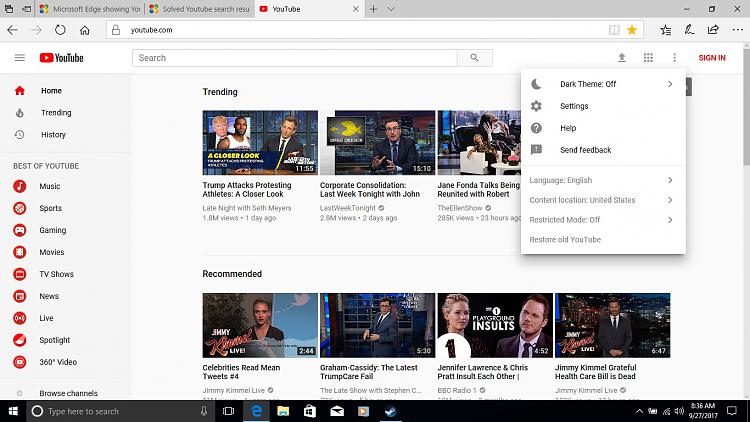
YouTube is fundamentally different. While YouTube does have an algorithmic recommendation component — the suggested videos on the right side of the screen, the homepage feed — a substantial proportion of YouTube’s traffic, particularly its highest-value traffic, comes from direct search. Someone types a query. They get results. They evaluate and click.
This distinction matters enormously for creators because it determines how content needs to be made and labelled.
Content made for Instagram discovery needs to hook immediately, look striking in a thumbnail, and deliver entertainment or emotional impact quickly. The content can be about almost anything that is well-executed, because the algorithm is matching it to receptive viewers.
Content made for YouTube search needs to clearly answer a specific question, signal that answer through its title and thumbnail, and deliver on that promise comprehensively enough that viewers watch most of it — because watch time and completion rate are the metrics that determine whether YouTube’s algorithm gives the content further organic distribution.
The creator who understands this makes YouTube content differently from social media content — and is rewarded with a specific, valuable kind of traffic: people who were actively looking for exactly what the video provides.
The Compounding Asset — Why YouTube Is Different From Every Other Platform
Here is the characteristic of YouTube as a search engine that matters most for creators and businesses in the long run, and that is almost universally underappreciated:
YouTube videos accumulate views over time rather than expiring.
Every other major social media platform is built around recency. An Instagram post is relevant for a day or two. A tweet lives for hours. A Facebook post decays rapidly as newer content pushes it down the feed. Even an Instagram Reel, though it has a longer shelf life than a static post, typically receives most of its views in the first week and then fades.
YouTube, because it is a search engine, works differently.
A YouTube video about how to prepare for the Class 12 board exam receives searches and views from students every year — because students are always preparing for the Class 12 board exam. A video about how to invest your first salary continues attracting searches years after it was published — because young working people are always making their first salary investment decisions. A tutorial on how to use a particular software feature gets searched every time a new person tries to learn that software.
These videos are not social media posts that expire. They are assets — resources that continue providing value and accumulating views indefinitely, as long as they remain accurate and the topic remains relevant.
This compounding characteristic changes the economics of content creation on YouTube fundamentally. The effort invested in making a high-quality, genuinely useful YouTube video about a topic with sustained search demand pays back not just in the week of upload but for months and years afterward.
A creator who makes one hundred well-researched, genuinely useful videos on topics with sustained demand does not have an audience of the last week’s viewers. They have a library of assets that collectively attract search traffic from thousands of people every month — people who found specific videos through specific searches and who were then introduced to the creator’s broader body of work.
This library model of YouTube content creation is completely different from the constant content machine model of Instagram or TikTok — and it is what makes YouTube a uniquely sustainable platform for creators who are building something long-term.
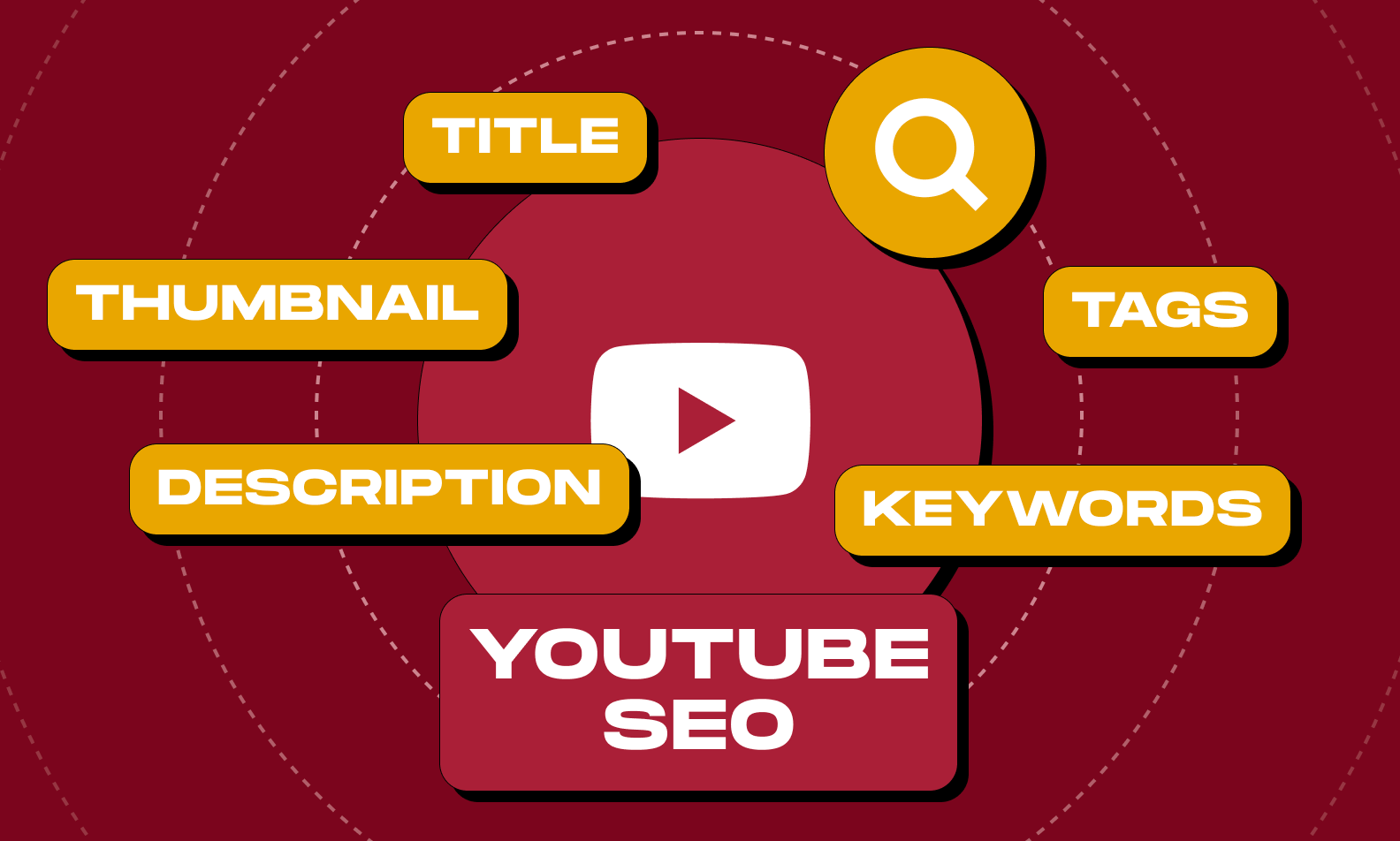
What YouTube SEO Actually Is — And Why It Matters
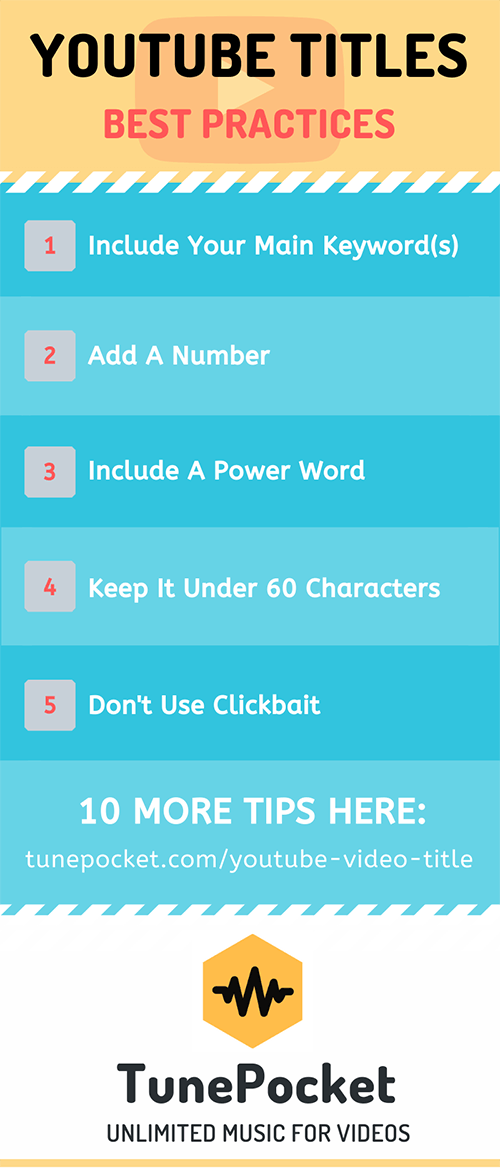
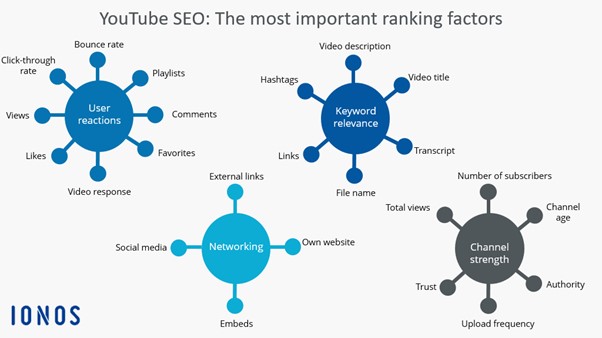
Because YouTube is a search engine, it has its own version of search engine optimisation — a set of practices that improve the likelihood of a video appearing high in YouTube search results for relevant queries.
YouTube SEO is less technical and less opaque than Google SEO, but it is equally real. Understanding its basic principles is essential for any creator or business that wants their YouTube content to be found.
The title is the most important SEO signal
YouTube’s algorithm uses the title of a video as the primary signal of what the video is about and which search queries it should appear for. A title that contains the specific words and phrases people actually search for — rather than creative, poetic, or clever words that do not match search behaviour — will appear in search results for those queries.
The principle is identical to what we discussed in the Google Ads and Google My Business posts: use the language of the customer, not the language of the creator. People search for “how to make paneer at home,” not “the beautiful art of fresh cheese creation.” One title will be found by people searching YouTube. The other will not.
Title optimisation does not mean ugly, mechanical titles. It means including the searched phrase prominently — ideally early in the title — while still making the title compelling enough that a viewer who sees it wants to click.
Descriptions are the supporting context
The video description — the text beneath the video — is read by YouTube’s algorithm to understand the content more fully and to confirm that the title’s claims are borne out by the video’s subject matter. A well-written description includes the primary search phrase early, elaborates on the video’s content naturally, and may include related phrases that reflect secondary topics covered.
The first two to three lines of the description are the most important — they appear in YouTube search results before the “Show More” cutoff and are the first text the viewer reads when evaluating whether to watch.
Tags provide contextual signals
Tags — the keyword labels applied to a video — are less important than they once were in YouTube’s algorithm but still provide useful contextual signals. Relevant tags should include the primary search phrase, variations of it, broader topic tags, and narrow specific tags. The goal is to help YouTube understand the video’s topic ecosystem rather than to game the algorithm with keyword stuffing.
Thumbnails are the click-through rate signal
YouTube’s algorithm monitors the click-through rate of every video — what percentage of people who see the video in search results or recommendations actually click on it. A higher click-through rate signals to the algorithm that this video is relevant and compelling to searchers for those queries, and the algorithm rewards it with more prominent placement.
The thumbnail is the primary driver of click-through rate. A thumbnail that clearly communicates what the video is about, creates curiosity or promises value, and looks visually distinct from competing thumbnails in the same search results will generate higher click-through rates and receive more algorithmic distribution.
This is why the thumbnail is not an afterthought — it is arguably the most important single creative element in the YouTube SEO ecosystem.
Watch time and satisfaction are the ranking signals
Once a viewer clicks, YouTube measures how long they watch, whether they finish the video, whether they interact (like, comment, share), and whether they immediately click away (which signals disappointment or mismatch between the promised content and the delivered content).
These signals collectively tell YouTube whether the video is genuinely satisfying the search intent of the people who found it — and videos that satisfy search intent receive sustained algorithmic support, while videos that attract clicks but disappoint viewers receive progressively less distribution.
This feedback loop means that YouTube SEO is ultimately not about gaming the algorithm. It is about genuinely delivering what people are searching for. The algorithm is designed to surface the most genuinely useful content — and the creators who focus on genuine usefulness rather than algorithmic tricks consistently outperform those who chase metrics without substance.
What This Means for Businesses — The Most Underused Opportunity in Digital Marketing
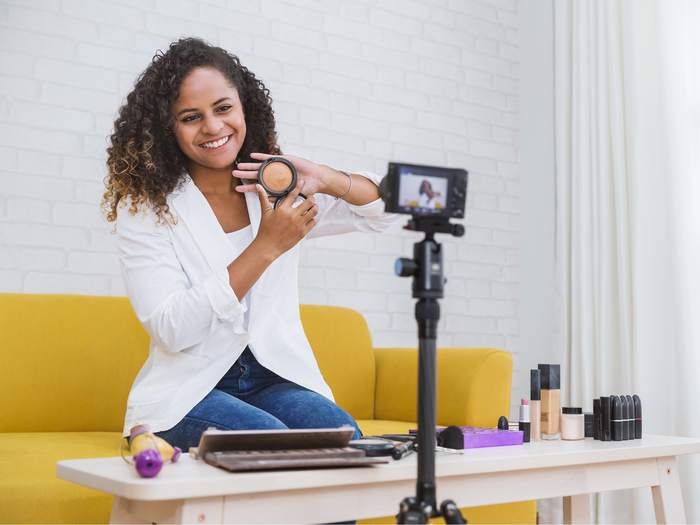
For businesses of any size — a solo professional, a small local shop, a mid-size company, a large brand — YouTube represents one of the most underused and highest-potential marketing channels available.
The reason it is underused is that most businesses still think of YouTube as an entertainment platform rather than a search engine. They think of YouTube content as videos that go viral or accumulate millions of views — which feels unreachable — rather than as searchable resources that attract specifically the customers who are already looking for what the business offers.
The reality is that most businesses already have the answer to a question that their target customers are searching YouTube for right now.
A financial advisor can make a video answering the question “what is the difference between term insurance and whole life insurance” — a question that thousands of people search on YouTube every month, many of whom are in the market for insurance advice.
A dentist can make a video answering “what to expect at your first dental implant consultation” — a question that patients with dental anxiety search before deciding whether to book an appointment.
A software company can make a tutorial video showing how to solve the most common problem their customers encounter — ensuring that when prospects search for help with that problem, they find the company’s video rather than a competitor’s.
A coaching centre can make a video explaining “how the NEET exam has changed in 2026 and what students need to know” — serving students who are searching for exactly that information and introducing them to the coaching centre in the process.
In each case, the business is not creating entertainment hoping for viral reach. It is creating a searchable resource that answers a specific question its target audience is already asking. The audience finds the video through search. The video provides genuine value. The business that provided the value has now introduced itself to a potential customer in the most favourable possible context — as a knowledgeable, helpful, trustworthy resource.
This is the YouTube opportunity that most businesses are missing. Not millions of views — targeted, search-driven discovery by the specific people who are already looking for what they offer.
The Creator Opportunity — Building a Sustainable Audience

For individual creators — not businesses, but people who are building a personal channel — understanding YouTube as a search engine transforms the strategic question from “how do I make content that goes viral?” to “what questions does my target audience search for that I can answer better than anyone else?”
This reframing is enormously liberating. Viral content is unpredictable, unrepeatable, and not a strategy. Search-driven content is predictable, repeatable, and absolutely a strategy.
Aryan — the editing creator we discussed in our Filmora post — did not build his channel on viral moments. He built it by making videos that answered specific questions that travel video enthusiasts and aspiring video editors were searching for. Each video addressed a specific search query. Each video was found by people searching for exactly that topic. Each video introduced those searchers to his channel and his broader body of work.
This is the search engine model of channel growth. It is slower than a viral moment. It is also completely reliable in a way that viral is not. Every piece of good content made on a searchable topic is a new entry point into the channel — a new door that opens for any searcher who types the relevant query.
A creator with fifty search-optimised videos on topics with sustained demand has fifty doors into their channel. Every month, people find different doors — drawn by fifty different searches to fifty different videos — and some proportion of each group discovers the rest of the channel and subscribes.
This is how sustainable YouTube channels are actually built. Not through a single explosive moment but through the patient accumulation of searchable, useful, genuinely valuable content that keeps attracting new viewers through search for years after it was published.
The Long-Form Advantage — Why YouTube Rewards Depth
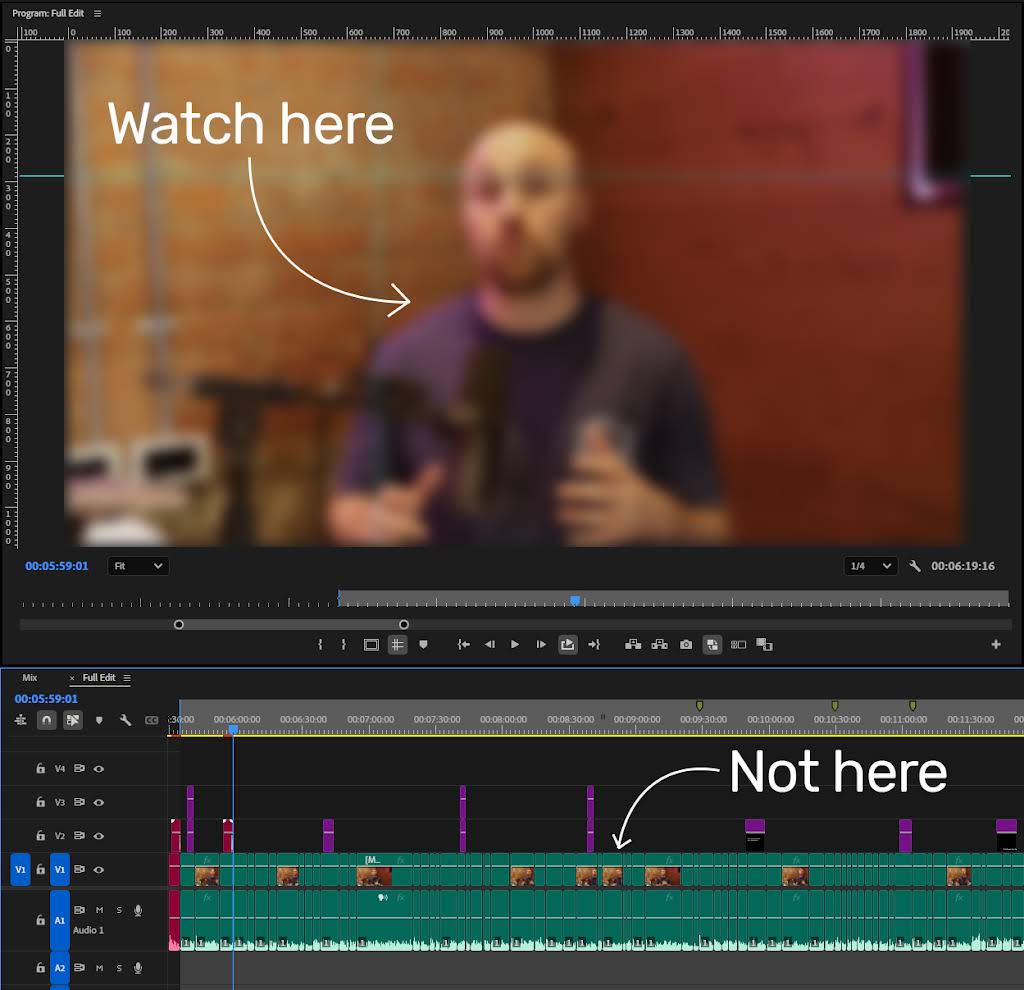
One of YouTube’s most significant differentiations from other platforms is its tolerance — indeed its preference — for long-form content.
Instagram Reels and YouTube Shorts reward brevity. Thirty seconds to sixty seconds is optimal. The platform’s design and audience behaviour are calibrated to this short form.
But YouTube’s main feed — its original and still primary content format — rewards depth. Videos of ten minutes, twenty minutes, an hour or more can and do perform extremely well on YouTube when they genuinely serve a viewer who has searched for comprehensive treatment of a topic.
This is because the search intent that drives many of YouTube’s most valuable searches is fundamentally incompatible with brevity. “How to prepare for the CAT exam” is not a question that can be answered in sixty seconds. “How to set up a Google Ads campaign from scratch” cannot be meaningfully addressed in two minutes. “How to colour grade travel footage in Filmora” — the topic of one of our recent posts in this series — requires the time it takes to actually show someone how to do it properly.
The viewer who searches for comprehensive guidance and finds a thirty-second video that barely scratches the surface will click away immediately, search for something better, and eventually find a longer video that actually answers the question. The viewer who searches for comprehensive guidance and finds a well-structured twenty-minute video that genuinely teaches them what they came to learn will watch it substantially, interact with it, return to it, and potentially watch more content from the same creator.
Long-form content that earns its length — that uses every minute to deliver genuine value — is one of the most powerful content types available on any platform. And YouTube is the primary home for this format.
The Competition Reality — Why It Is Not As Daunting As It Looks

The first response of many potential YouTube creators — and many businesses considering YouTube as a channel — is to search their topic on YouTube, see how much content already exists, and conclude that the field is too crowded to enter.
This conclusion is usually wrong. Here is why.
The amount of content that exists about a topic is not the relevant metric. The relevant metric is how well existing content is serving the search intent of the people searching for that topic.
In almost every content category, significant gaps exist between what people are searching for and what the available content genuinely provides. Videos that are outdated. Videos in English when the searcher wants Hindi or Tamil. Videos that cover the topic generally when the searcher has a specific question. Videos that exist but perform poorly because their titles do not match search behaviour. Videos that cover the topic from one angle but not the angle that a significant portion of searchers actually need.
These gaps are your opportunity. Not the opportunity to be the first creator in a space — that ship has sailed in most categories. But the opportunity to be the best at serving a specific search intent within your category.
The cooking creator who is the most specific, most clear, most genuine in teaching authentic regional recipes from a particular part of India will be found by and loved by the audience that searches for exactly that — regardless of how many general cooking channels already exist.
The personal finance creator who specifically serves the questions of young salaried employees in India — not general investment advice, not advice calibrated to American financial products, but specifically the questions that Indian millennials in their first jobs are searching for — will build a loyal audience from exactly that searcher pool.
Specificity is not a limitation. It is the competitive advantage. The more precisely you serve a specific search intent, the more completely you own that search territory and the audience that comes through it.
YouTube Search and Google Search — The Increasingly Connected Ecosystem
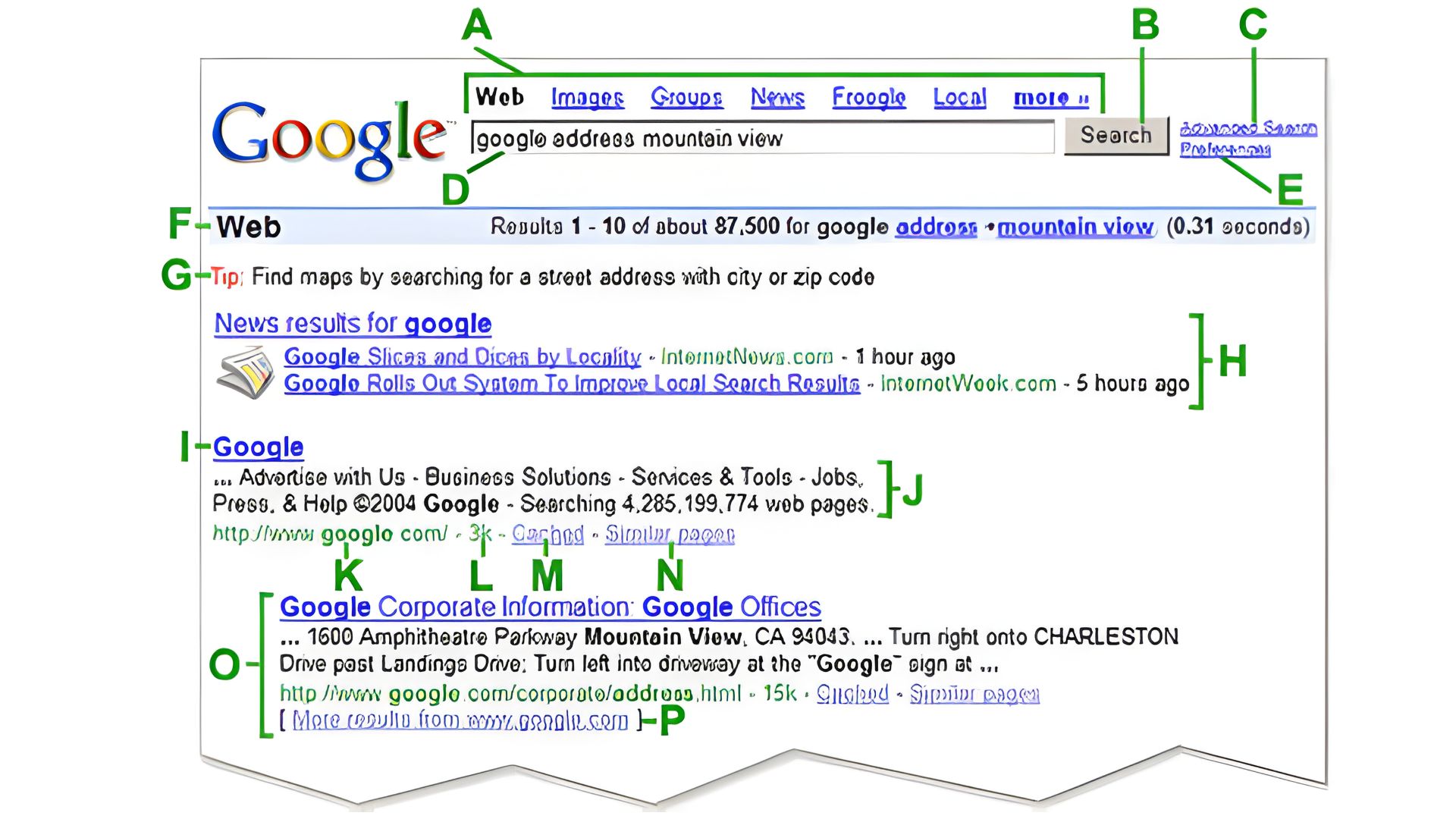
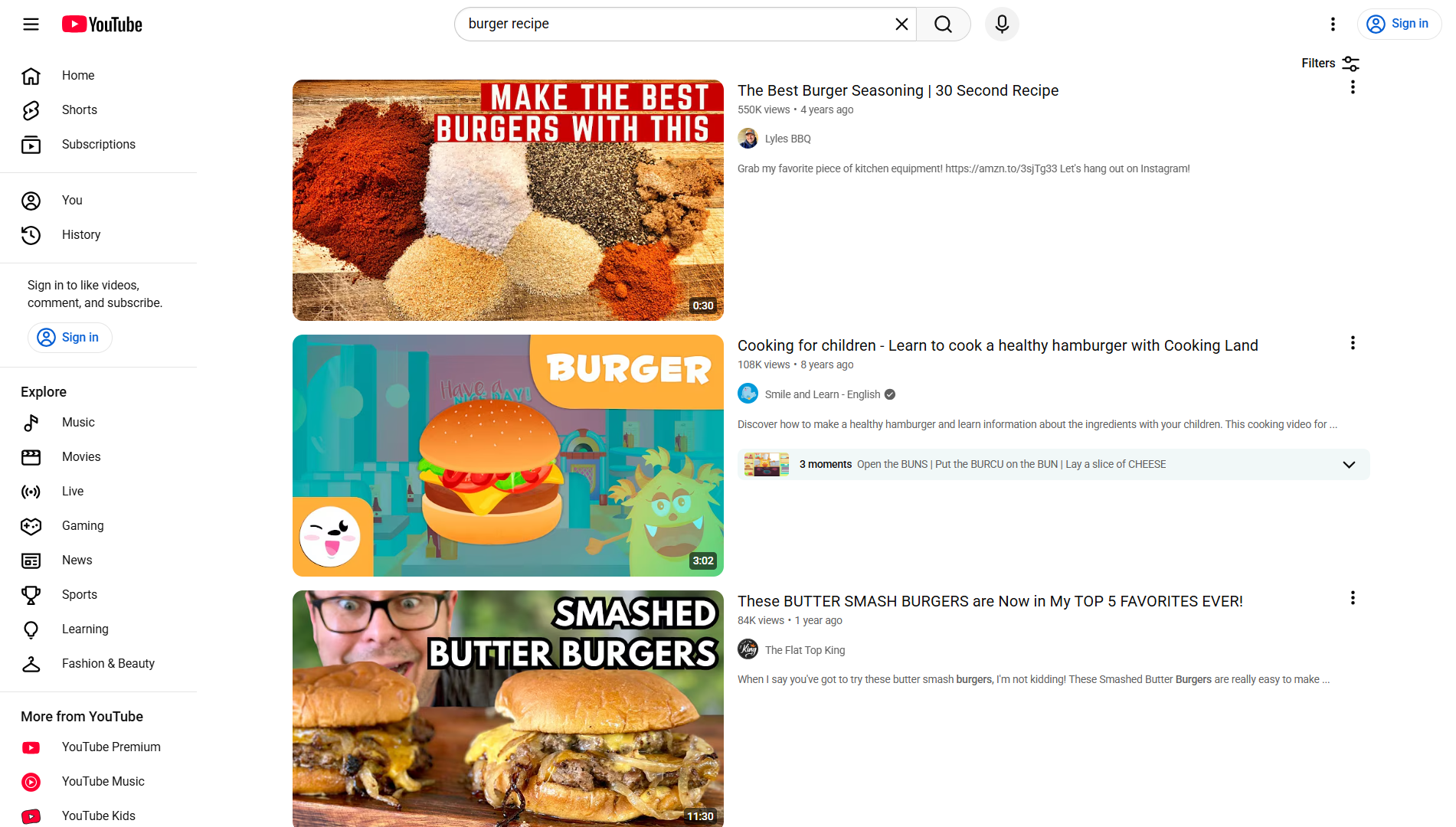
One dimension of YouTube as a search engine that most creators do not fully appreciate is the relationship between YouTube search and Google search.
Google, which owns YouTube, increasingly surfaces YouTube videos in its own search results — particularly for queries where video is the clearly superior format for answering the question. Search Google for “how to tie a Windsor knot” and you will find YouTube videos in the results alongside text articles. Search for “compound interest explained” and YouTube results appear. Search for “Python tutorial for beginners” and YouTube content is prominent.
This means that a well-optimised YouTube video can attract traffic from two search engines simultaneously — from YouTube users who search within the platform and from Google users who search on Google and are served the YouTube video as a result.
This double exposure is a significant amplifier for YouTube content’s reach and, for creators who understand it, a reason to think about YouTube SEO in terms of both platforms rather than just YouTube alone.
The titles, descriptions, and tags that serve YouTube search well are closely aligned with what serves Google search well for video content. The creator who optimises for YouTube search is, in many cases, simultaneously optimising for Google search — getting double distribution value from the same SEO investment.
What You Should Do With This Information — Right Now
Whether you are an individual creator, a business owner, an educator, or simply someone who communicates something to any audience — the fact that YouTube is the world’s second largest search engine has specific practical implications for you.
If you are creating YouTube content already, evaluate your existing videos through the lens of search rather than entertainment. Are your titles written in the language your target viewer actually searches? Do your thumbnails communicate clearly what question your video answers? Are the topics you are covering ones with genuine search demand, or are they topics that interest you without necessarily corresponding to what your intended audience is looking for?
If you are a business that has not yet used YouTube, identify the three most common questions your customers ask before buying from you — the questions that come up in sales calls, in customer service interactions, in the FAQ section of your website. These are your first three YouTube videos. Each one is an answer to a question that your potential customers are already searching for — and which, if answered well on video, will introduce them to your business in the most favourable possible context.
If you are considering creating content but have not started yet, understand that the barrier to entry on YouTube has never been lower. A phone with a good camera, a clear speaking voice, and genuine knowledge of something that people search for is sufficient to build a meaningful YouTube presence. The field is not too crowded — it is full of mediocre content that is not genuinely serving specific search intents, leaving space for creators who will.
The second largest search engine in the world is free to access, free to upload to, and free to optimise for. The return on doing it well — compounding views, sustainable audience growth, organic discovery by specifically the people who are already looking for what you offer — is one of the most extraordinary opportunities available to any creator or business in 2026.
Closing Thought — The Library That Never Closes

There is a metaphor for YouTube that captures what makes it uniquely powerful as a platform — one that helps explain why it has become the second largest search engine and why it will likely remain in that position for the foreseeable future.
YouTube is a library that never closes.
Unlike a social media feed that shows you what is current, a library shows you what is relevant. You go to a library with a question and you find the resource that answers it — regardless of when that resource was written or last checked out. The value of the resource is determined by whether it answers your question well, not by when it was created.
YouTube, as a search engine, works the same way. A viewer who searches for “how to make authentic Chettinad chicken” does not care whether the video answering that question was uploaded two weeks ago or three years ago. They care whether it genuinely teaches them to make the dish well. The video that does that most effectively will continue to be found through that search for as long as people make that search — which is indefinitely.
Every great video you make is a page added to this library. Every genuinely useful, clearly titled, well-executed answer to a question your audience is asking is a resource that joins the collection and continues serving readers — viewers — for years.
Build your library thoughtfully. Fill it with resources that genuinely serve the people who come looking.
The library never closes. And the readers keep coming.
Written by Digital Drolia — helping creators and businesses understand the platforms that shape how the world finds information, and how to build a meaningful presence on them. Found this valuable? Share it with a creator or business owner who is still treating YouTube as an entertainment platform when it is actually the world’s second largest search engine.