

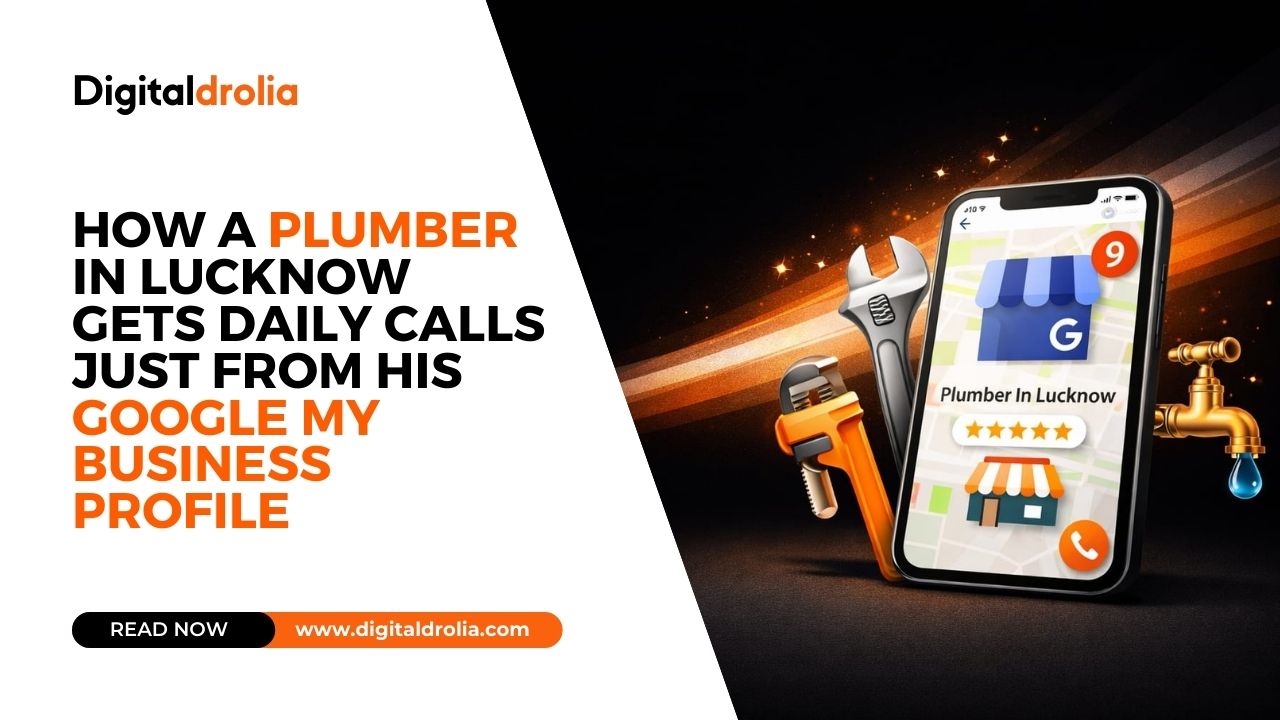
How a Plumber in Lucknow Gets Daily Calls Just From His Google My Business Profile

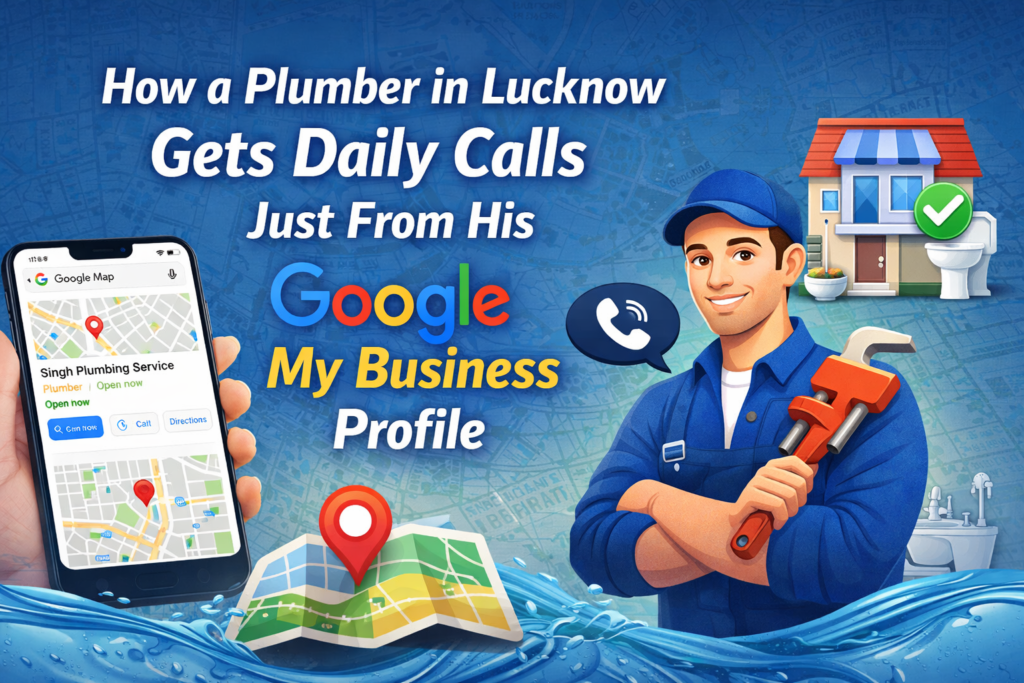
Let me tell you about Ramesh.
Ramesh is a plumber. He works out of a small setup in Lucknow — no fancy office, no marketing team, no big budget for ads. He learned his trade from his father, built his reputation one pipe and one leaking tap at a time, and for years, his only source of new customers was word of mouth.
Some months were great. Some months were painfully slow.
He had no control over when the phone rang. He just waited and hoped that someone’s uncle would recommend him, or that a satisfied customer would pass along his number.
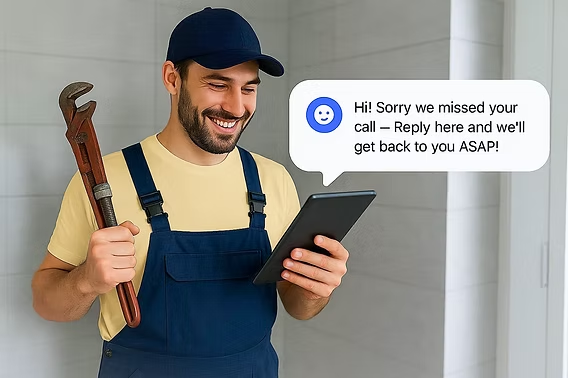
Then, about two years ago, someone helped him set up his Google My Business profile properly.
Today, Ramesh gets between 5 to 10 calls every single day. He has not put up a single pamphlet. He does not run Facebook ads. He does not have a website. He does not post on Instagram.
He just shows up on Google Maps when people in Lucknow search for a plumber — and that is enough.
This is his story. And more importantly, this is a blueprint that any local service provider in India can follow.
The Problem With How Most Local Tradespeople Get Customers
Before we get into what Ramesh did right, let us talk about what most plumbers, electricians, carpenters, and local service providers are still doing — and why it keeps them stuck in a cycle of feast and famine.
Most rely entirely on referrals. Referrals are wonderful, but they are unpredictable. You cannot control when someone needs your service or whether they will think of you first. You are completely dependent on other people’s timing and memory.
Some try pamphlets or local newspaper ads. These can generate a small burst of calls when they first go out, but the effect fades quickly, and there is no way to measure whether it actually worked. You are spending money and hoping.
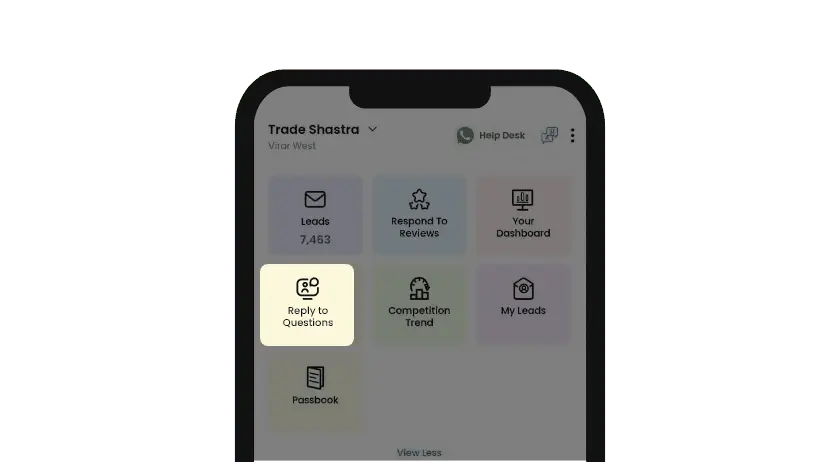

Some have a “presence” on Justdial or Sulekha. These platforms have value, but they also list every other plumber in your city right alongside you. You are competing on price in a race to the bottom, and the platform — not you — owns the customer relationship.
What almost none of them have is a properly optimized Google My Business profile. And that is the single biggest missed opportunity in local service businesses across India today.
What Google My Business Actually Is — And Why It Is So Powerful
Let us make sure we are on the same page.
Google My Business — now officially called Google Business Profile — is the free tool that Google provides for local businesses to manage how they appear on Google Search and Google Maps.
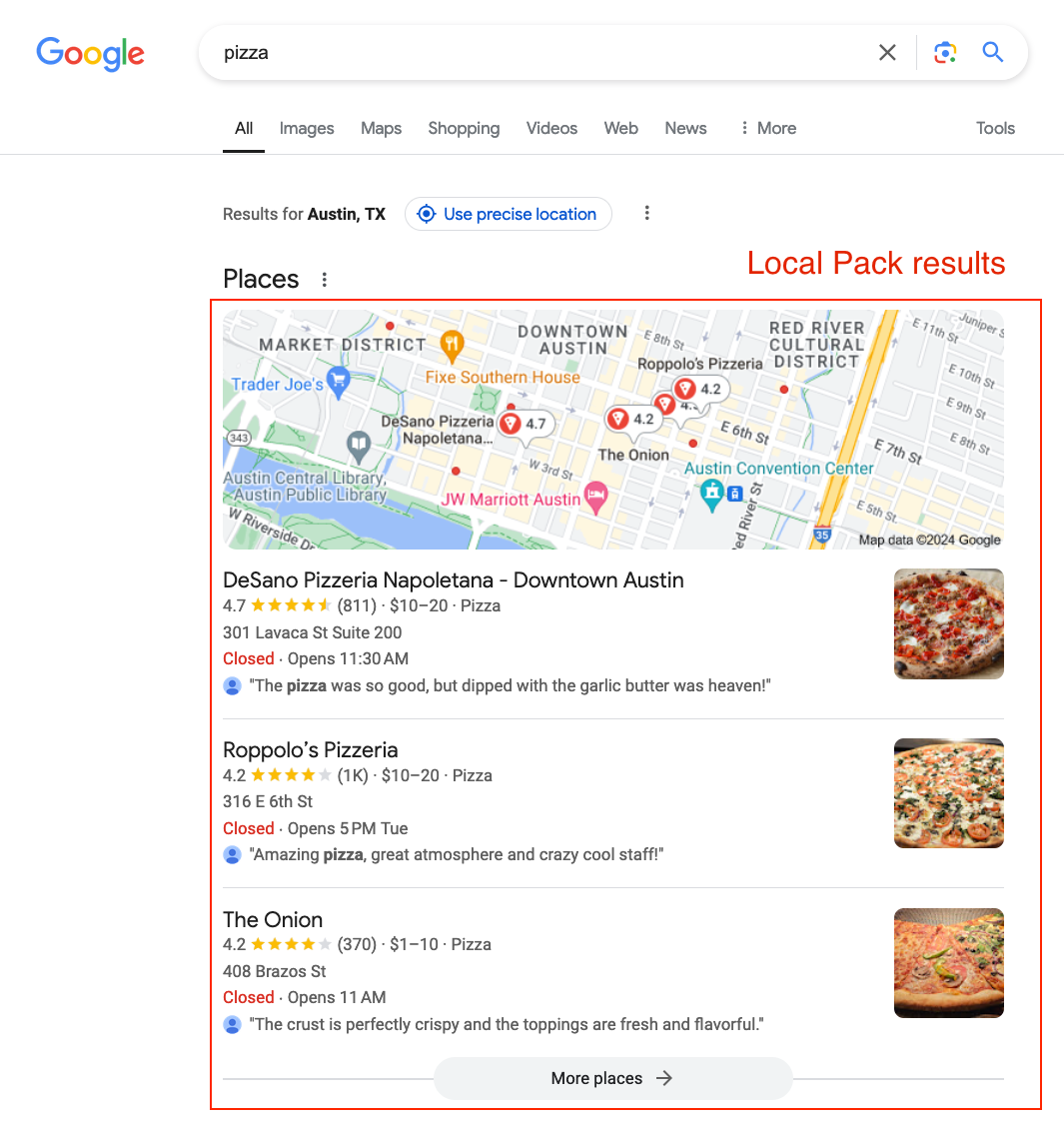
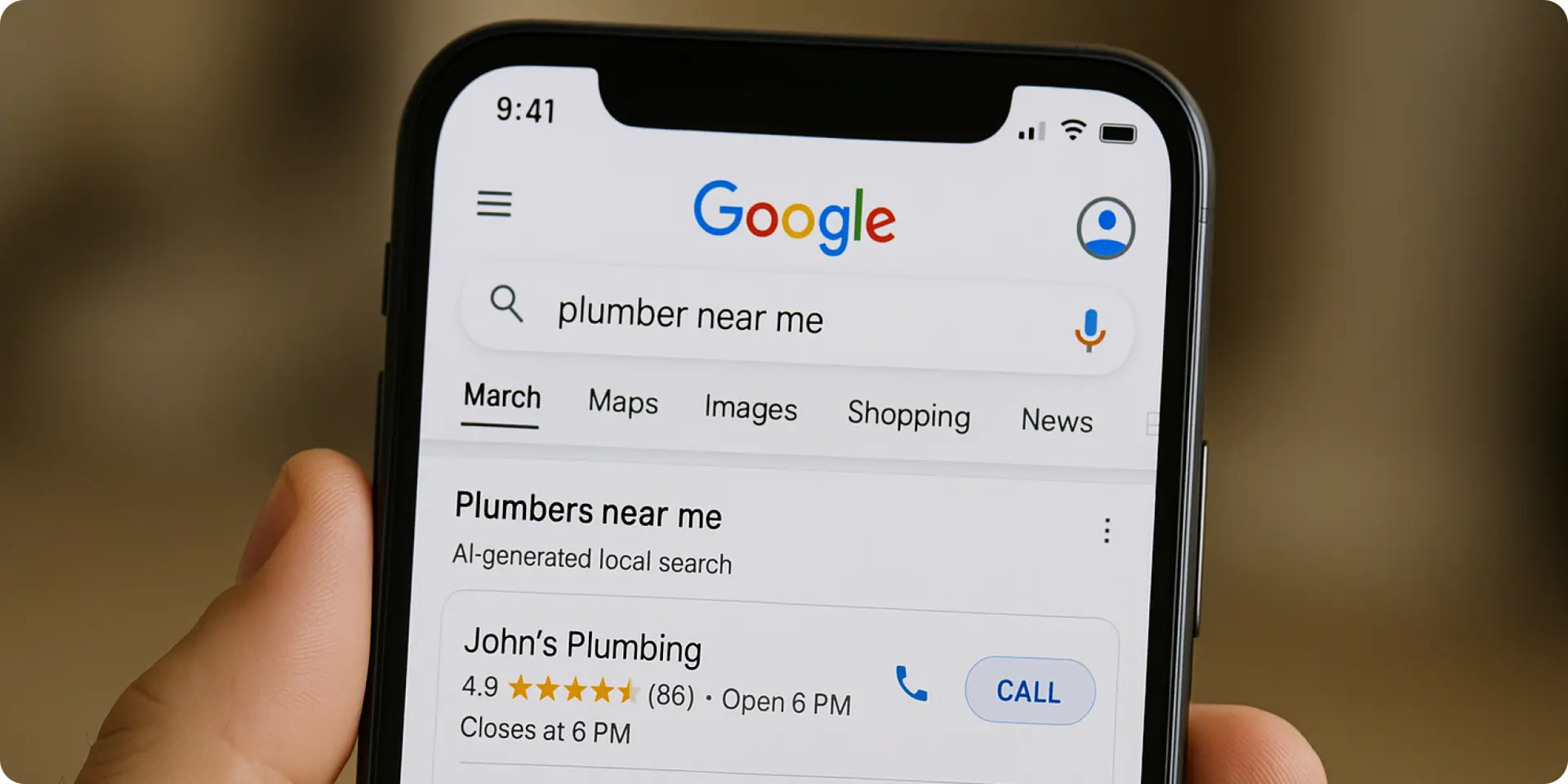
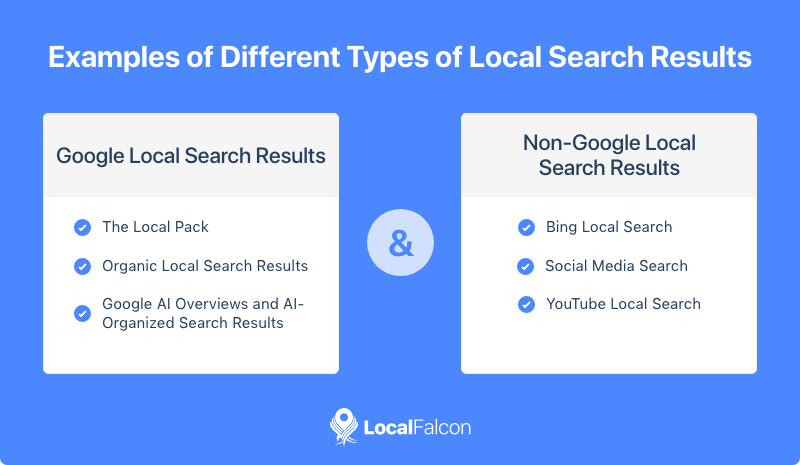
When someone in Lucknow picks up their phone and types “plumber near me” or “plumber in Gomti Nagar” or “water tank leaking repair Lucknow” — Google does not just show them a list of websites. It shows them a map with business pins, and below that, it shows a list of three local businesses with their names, star ratings, phone numbers, and a button to call or get directions.
That little section — called the Local Pack or Map Pack — is prime real estate. It appears above the regular search results. It is often the first thing a person sees. And the businesses that appear there get the majority of the clicks and calls.
Ramesh appears there. Consistently. For multiple search terms. And it has transformed his business.
The Day Everything Changed for Ramesh
Ramesh did not figure this out himself. He will be the first to admit that.
It was his neighbor’s son — a college student studying marketing — who sat with him one evening and said, “Bhaiya, you need to put your business on Google properly.”
Ramesh was skeptical. He had heard about “digital marketing” but assumed it was for big companies or shops that sold things online. He fixed pipes. What did the internet have to do with that?
The young man explained it simply: “When a tap breaks in someone’s house at 9 PM, what do they do? They Google ‘plumber near me.’ If your name does not appear there, they call someone else.”
That one sentence landed differently than any marketing lecture could have.
They spent about two hours together that evening going through the setup. And within three weeks, the calls started coming in. Within two months, Ramesh was turning down work because he did not have enough hours in the day.
Exactly What They Set Up — Step by Step
Here is the practical part. Because the goal of this post is not just to inspire you — it is to give you a clear path to replicate what Ramesh did.
Step 1: Claiming and Verifying the Profile
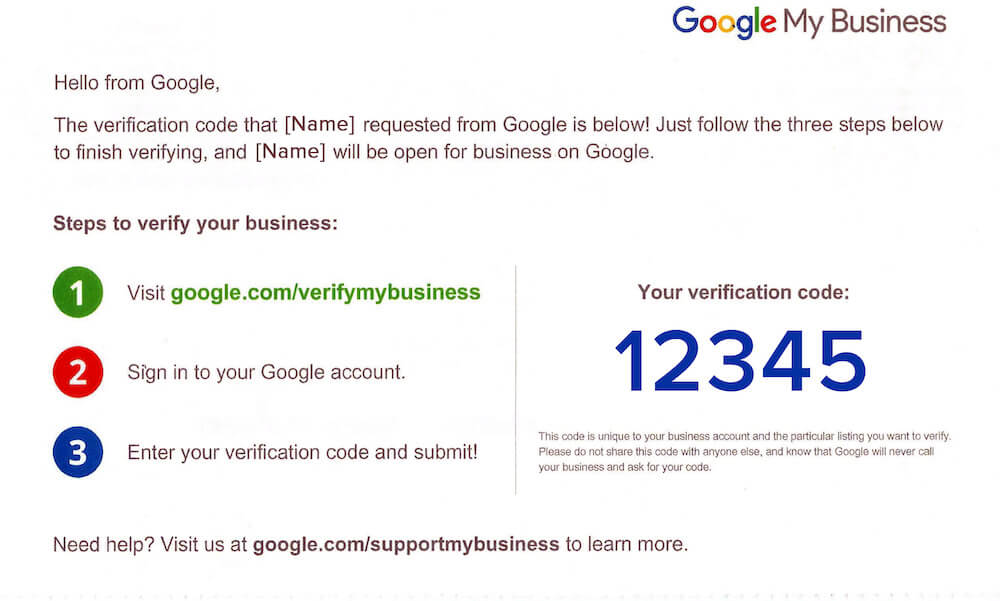
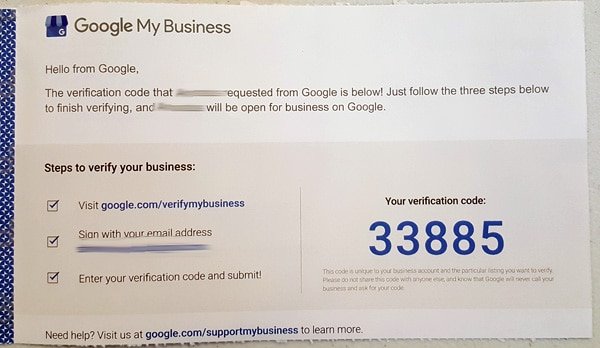
The first thing they did was go to business.google.com and search for Ramesh’s business. It turned out Google had already created a basic listing for him based on some directory data — with an incomplete address and no phone number.
They claimed that listing and went through the verification process. For Ramesh, Google sent a postcard to his address with a verification code. Once he entered that code, the profile was officially his to manage.
This step is non-negotiable. Without verification, you cannot edit your listing, you cannot respond to reviews, and Google treats your profile as untrustworthy. It shows less often in search results.
If you have a local business and you have not done this yet — stop reading right now, go do it, and come back.
Step 2: Filling in Every Detail Completely
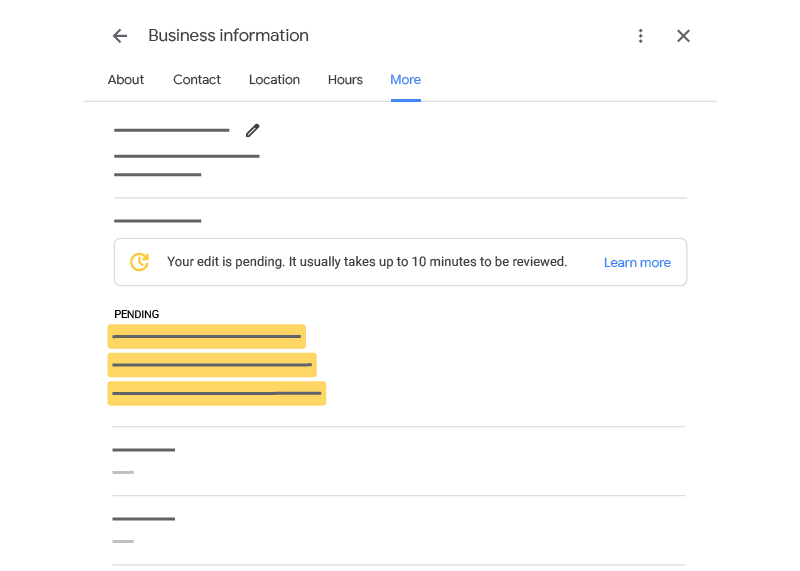
Once the profile was verified, they went through every single field and filled it in properly.
Business name — exactly as Ramesh calls his business, nothing more, nothing less. (Stuffing keywords into your business name like “Best Plumber Lucknow Ramesh Services” is against Google’s guidelines and can get your listing penalized.)
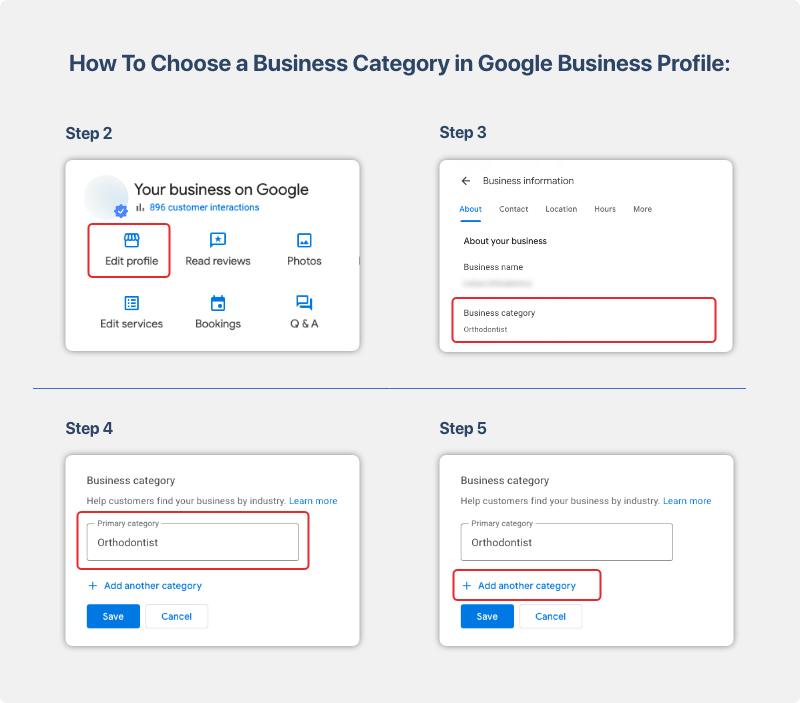
Category — they selected “Plumber” as the primary category. This tells Google exactly what kind of business this is and which searches to show it for.
Address — his home address was used as the business address since he works from home and visits customers. This is perfectly acceptable for a service-area business.
Service area — they added all the major areas of Lucknow that Ramesh serves: Gomti Nagar, Indira Nagar, Hazratganj, Alambagh, Aliganj, and several others. This is crucial for service-area businesses. It tells Google which neighborhoods you cover so you appear in searches from those areas.
Phone number — correct and current. This sounds obvious, but you would be surprised how many listings have outdated numbers.
Business hours — Ramesh works 8 AM to 8 PM, seven days a week. They set that accurately. When someone is searching at 7 PM on a Sunday and they can see that you are open right now, that is one more reason to call you instead of someone else.
Services — Google allows you to list the specific services you offer. They added everything: pipe fitting, tap repair, water heater installation, bathroom fitting, drainage cleaning, water tank installation, and more. Each service can have a brief description and a price range if you choose.
Business description — they wrote a short, clear paragraph about Ramesh’s experience, the areas he serves, and what makes him reliable. No gimmicks. Just honest, useful information that a potential customer would want to know.
Step 3: Adding Photos
This was the part Ramesh was most resistant to. “I am a plumber,” he said. “What photos am I going to put? My tools?”
Actually — yes. And more.
They took photos of Ramesh in his work gear, looking professional. They photographed completed jobs — a beautifully fitted new bathroom, a neatly repaired pipe, a sparkling clean drainage installation. They added a photo of his vehicle with his supplies organized in the back. They even added a photo of his helper holding up tools and smiling.
None of these were professionally taken. They were shot on a smartphone in good natural light.
But here is what those photos communicated to every potential customer who saw them: this is a real person, with real skills, doing real work, and he takes his job seriously.
An empty listing with no photos feels like an abandoned shop. A listing with photos feels like a living, active business. Customers trust it more — and Google rewards it with better visibility.
Step 4: Getting the First Reviews
This was the game-changer.
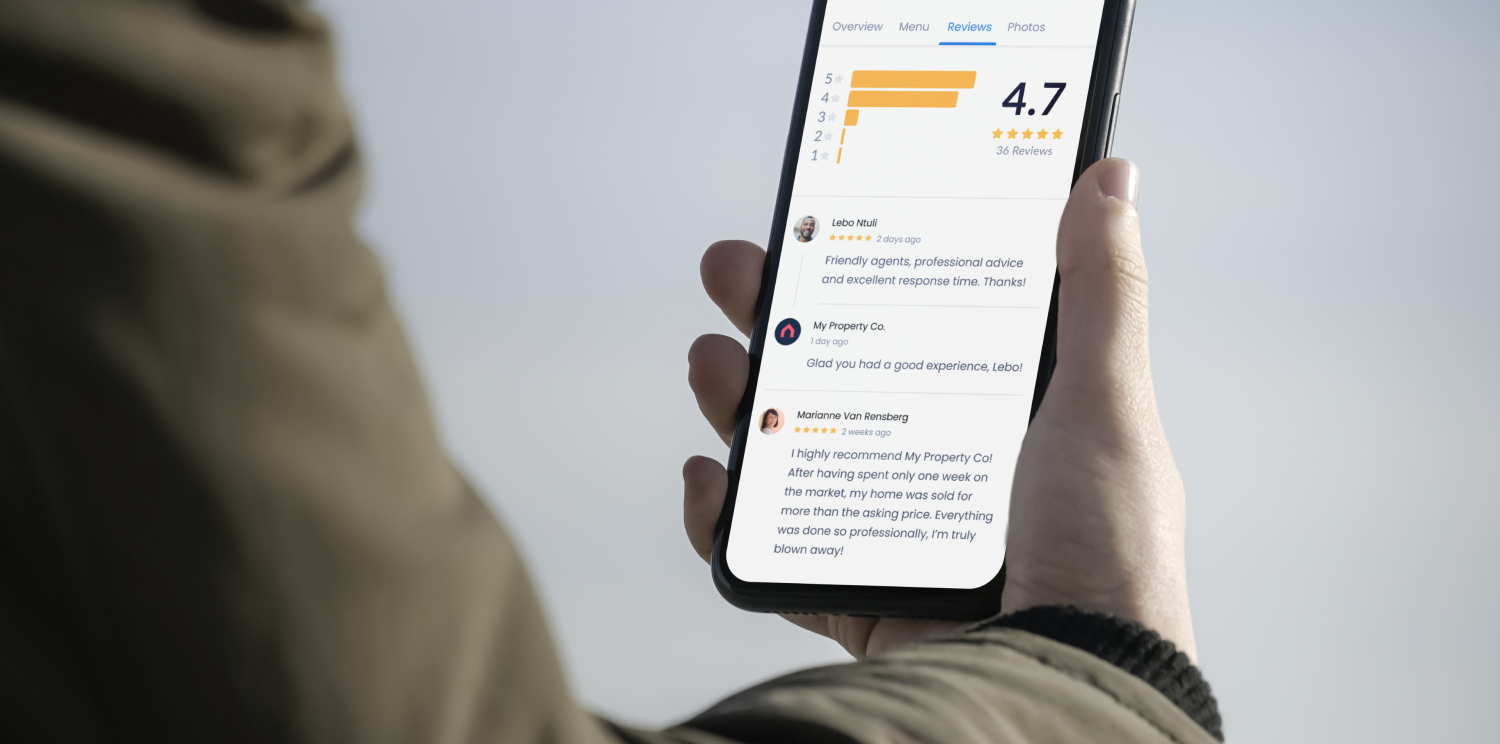
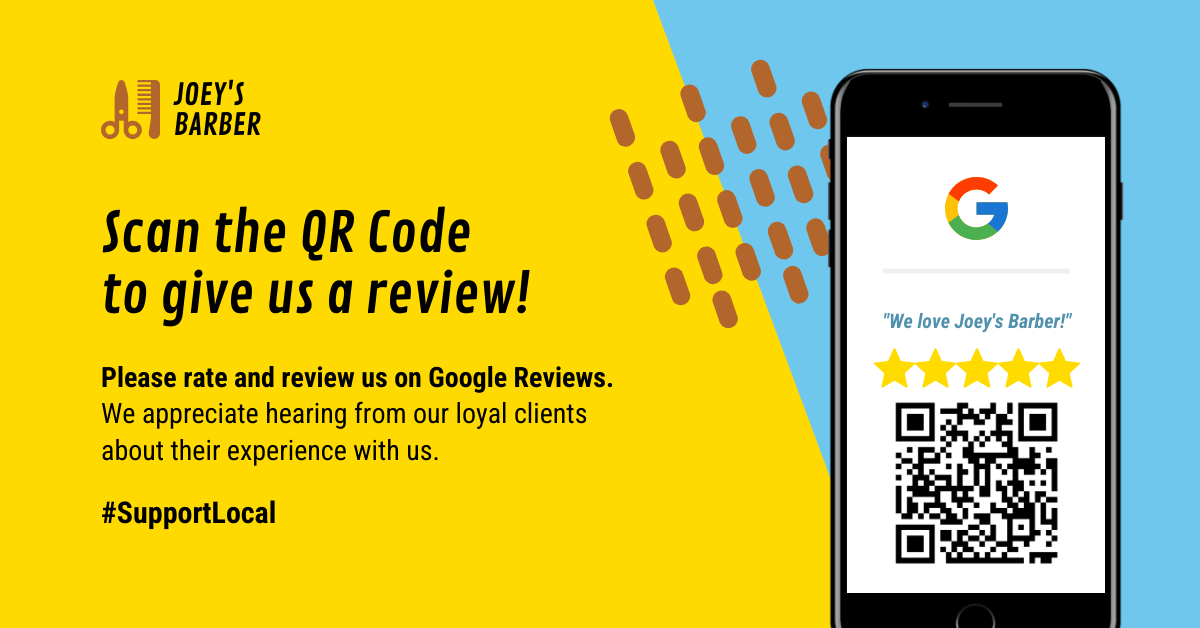
In the weeks after setting up the profile, Ramesh started doing something he had never done before. At the end of every job, when the customer was satisfied and saying goodbye, he would pull out his phone, open the Google Maps link to his profile, and say: “Sahab, if you were happy with the work, would you mind leaving a small review here? It helps me a lot.”
Most people said yes. Most people took 90 seconds to type a few words.
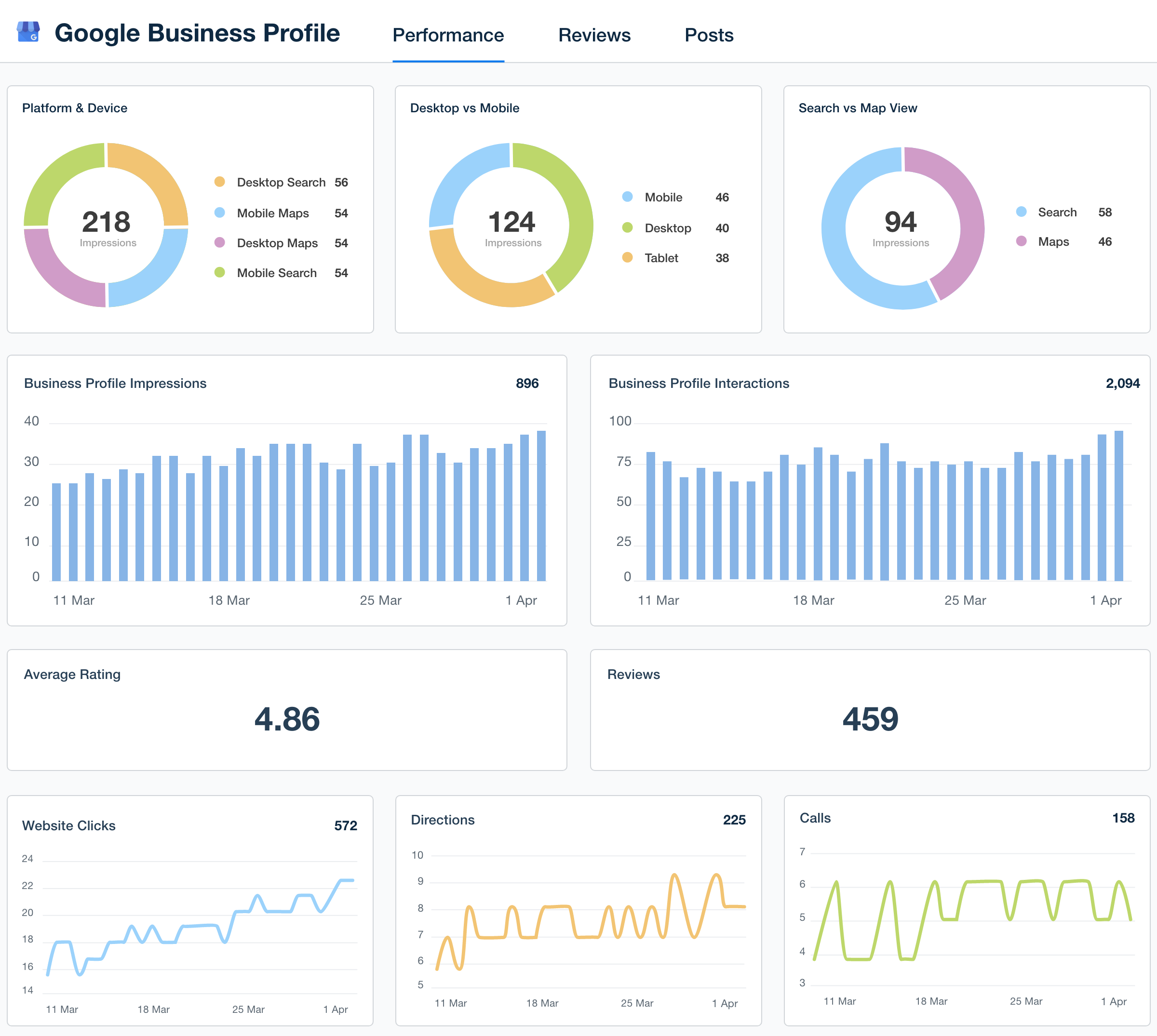
Within a month, he had 14 reviews. Within three months, he had 40. Today, he has over 120 reviews, with an average rating of 4.7 stars.
And here is what those reviews actually say:
“Came within 30 minutes of calling. Fixed the issue quickly. Very professional.”
“Honest about the problem, did not try to upsell unnecessary repairs. Will definitely call again.”
“My bathroom tap was leaking badly at midnight. Ramesh bhaiya came within an hour. Lifesaver.”
Every one of those reviews is doing sales work for Ramesh 24 hours a day, seven days a week, without him having to say a word.
Step 5: Responding to Every Review
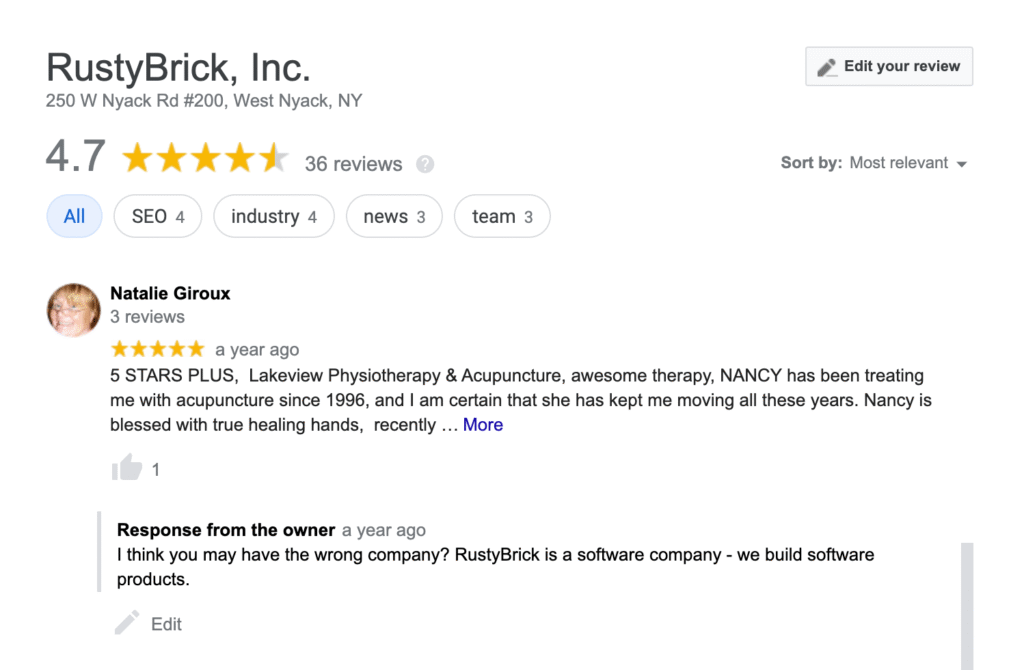
Ramesh does not just collect reviews and ignore them. He responds to every single one.
For positive reviews, he thanks the customer by name and mentions the specific service so the response feels personal: “Thank you so much, Anita ji! Really glad the bathroom fitting came out exactly as you wanted. Please call anytime you need anything.”
For the rare negative review — he has had two or three — he responded calmly, professionally, and offered to make it right. No arguments, no defensiveness. Just accountability.
Future customers read those responses. They see a person who is engaged, who cares, and who handles problems maturely. That builds trust before the customer has even spoken to him.
Step 6: Using Google Posts
Every week or two, Ramesh posts a small update on his Google Business Profile. Sometimes it is a photo of a completed job with a brief description. Sometimes it is a seasonal reminder — “Getting ready for monsoon? Get your drainage and waterproofing checked before the rains hit.” Sometimes it is a simple announcement — “Now available in Rajajipuram and Chinhat areas.”
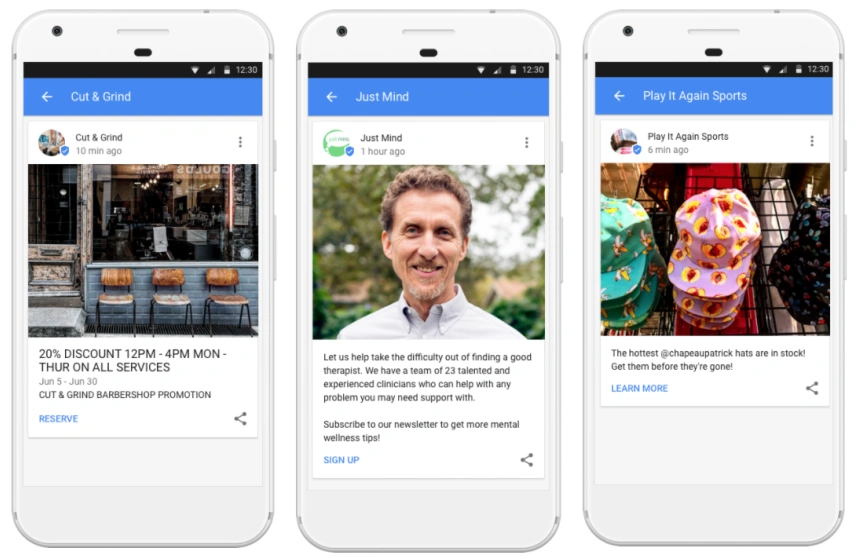
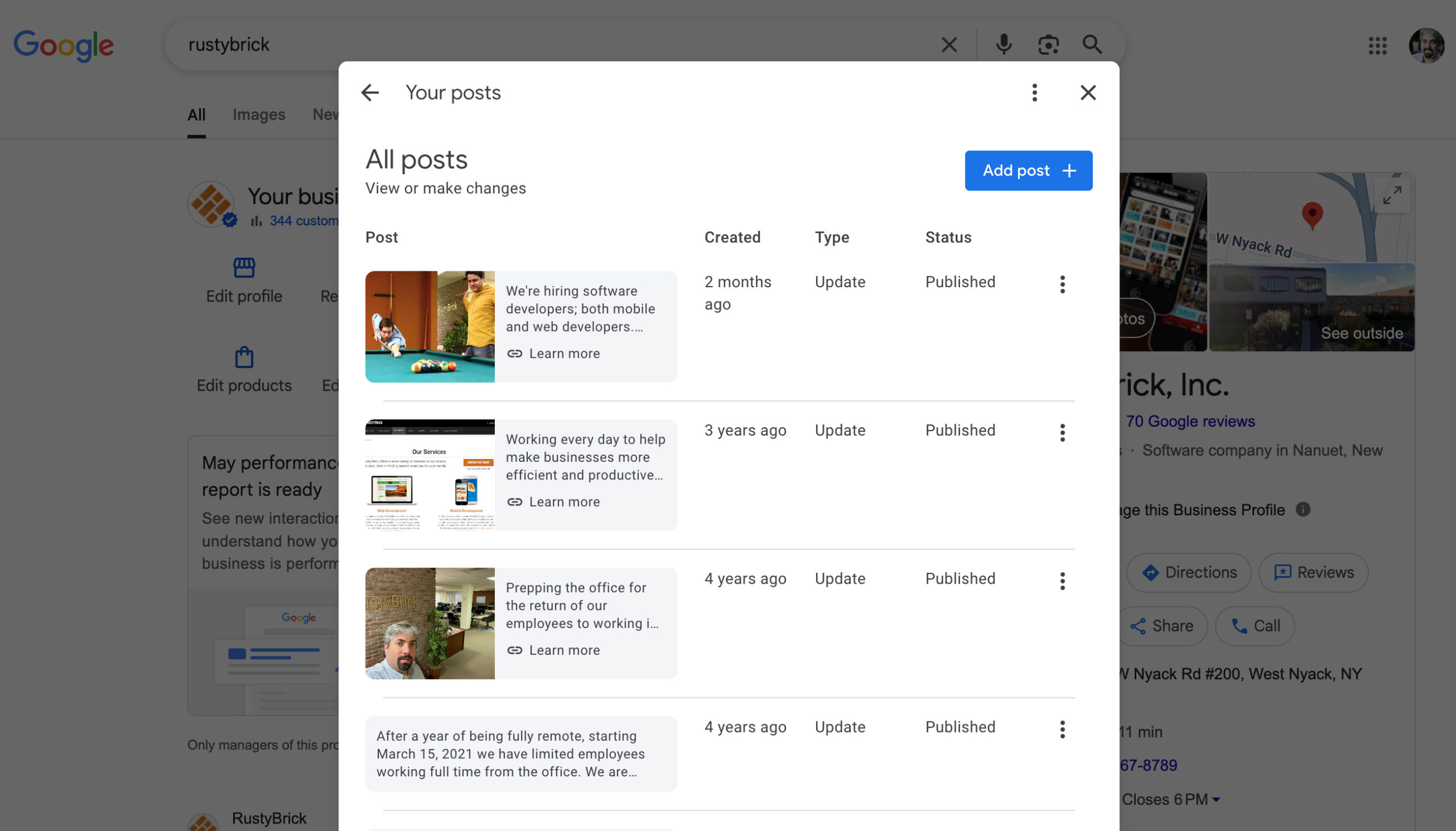
These posts appear on his listing in Google Search and Maps. They signal to Google that this is an active, engaged business — which helps with ranking. And they give visiting customers fresh, relevant content that reinforces trust.
This takes him maybe ten minutes every two weeks. The return on that time investment is enormous.
The Numbers That Changed Ramesh’s Life
Let us talk in concrete terms, because this is where it gets real.
Before optimizing his Google Business Profile, Ramesh was getting maybe 8 to 12 customer calls per week. Most of them came through referrals, and work was inconsistent.
After optimization — within about four months of sustained effort — he was receiving 5 to 10 calls per day. That is 35 to 70 calls per week. Even converting a fraction of those into jobs, his income roughly tripled.
He had to hire a helper. He bought a second set of tools. He started saving money for the first time in years.
And his marketing spend throughout all of this? Zero rupees. Not one paisa on advertising.
Why This Works So Well for Plumbers — and Service Businesses Like His


There is something unique about emergency service businesses like plumbing, and it makes Google Maps even more powerful for them than for most businesses.
When a pipe bursts, there is no research phase. There is no “let me think about this.” There is no comparison shopping that lasts days. There is water pouring onto the floor and a very stressed homeowner who needs someone right now.
In that moment, they open Google Maps, they type “plumber near me,” and they call the first credible-looking result.
That is it. That is the entire customer journey. It is two minutes from problem to phone call.
Ramesh is the credible-looking result. So Ramesh gets the call.
This dynamic applies to electricians, AC repair technicians, appliance repair professionals, locksmiths, pest control services, and dozens of other trades. The higher the urgency of the service, the more powerful Google Maps becomes.
What Ramesh Does That Most Competitors Do Not
Walk through the Google Maps listings for plumbers in any mid-sized Indian city and you will see something interesting.
Most listings are incomplete. Many have no photos. Dozens have fewer than five reviews. Several have information that is clearly outdated. Almost none use Google Posts. Very few respond to their reviews.
In other words, Ramesh does not have to be perfect. He just has to be more complete, more active, and more responsive than most of his competitors — which is a remarkably low bar to clear.
This is not a dig at other plumbers. They are busy doing their actual work. They do not have time to think about digital profiles. And frankly, most of them do not realize that this is where their customers are looking.
But that gap — between what most local service providers do and what is actually possible — is Ramesh’s competitive advantage. And it can be yours too.
The Mindset Shift That Makes This Work
Here is something Ramesh said to me that has stuck with me ever since:
“Pehle main wait karta tha ki koi mujhe call kare. Ab main Google pe apna kaam dikhata hoon, aur call khud aati hai.”
(Before, I used to wait for someone to call me. Now I show my work on Google, and the calls come on their own.)
That is the mindset shift.
Your Google Business Profile is not just a listing. It is a salesperson who never sleeps, never takes a day off, and speaks to every single person in your city who is actively looking for what you offer.
But like any good salesperson, it needs to be set up properly. It needs to be trained — with the right information, the right photos, the right reviews. And it needs to be maintained — with regular updates, responses, and activity.
Give it that attention, and it will work for you around the clock.
Can This Work for Your Business?
If you are a local service provider of any kind — whether you fix ACs, repair cars, teach music, run a catering service, manage a small clinic, or do anything that serves people in a specific geographic area — the answer is yes.
The population of people searching Google Maps for local services grows every single year. Smartphone penetration in India is still expanding. The habit of “Google karo” is now universal across ages and income groups.
The opportunity is here. The platform is free. The barrier to entry is low.
The only question is whether you are going to show up on it properly — or let someone like Ramesh take the call that should have been yours.
Your Action Plan — Starting Today
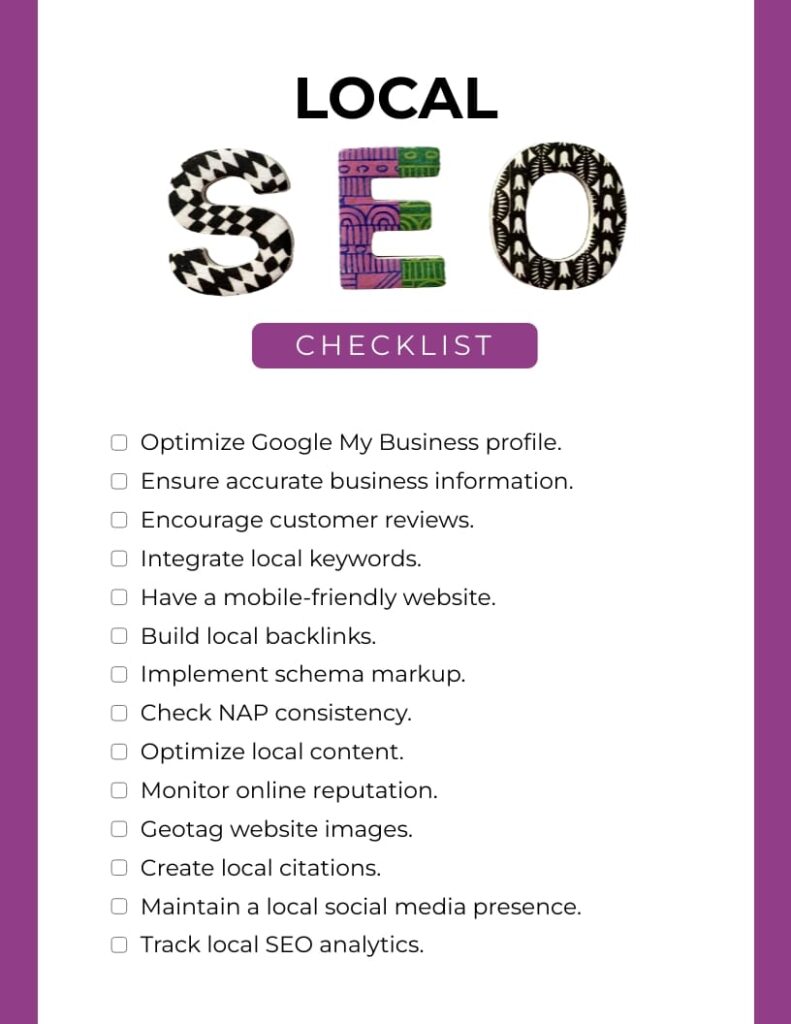
Do not let this be just a blog post you read and forget. Here is what to do right now, in order:
Go to business.google.com and check if your business listing exists. If it does, claim it. If it does not, create it. Complete the verification process as soon as possible.
Fill in every field completely and accurately — name, category, address, service areas, hours, services, description. Every blank field is a missed opportunity.
Add at least ten photos this week. Exterior, interior, your work, your team, your tools. Real photos, not stock images.
Ask your next five satisfied customers to leave you a Google review. Make it easy — share the direct link to your review page via WhatsApp.
Respond to every review you have received, starting today. Thank your happy customers. Address your critics calmly.
Set a reminder to add a Google Post every two weeks. It does not have to be long or fancy. Just keep the profile active and updated.
That is it. That is the system.
It is not complicated. It is not expensive. It just requires consistency.
And if a plumber in Lucknow can build a business that keeps his phone ringing every single day without spending a rupee on advertising — so can you.
Written by Digital Drolia — helping local businesses across India grow through smart, practical digital strategies. Found this useful? Share it with a local business owner who needs to hear it.