


Why Your Video Intro Needs to Hook the Viewer in the First 5 Seconds or Lose Them Forever


Let me tell you about a split second that determined whether forty thousand people watched a video or did not.
Karan Verma had been making YouTube videos about personal finance for eleven months. He knew his subject deeply — he had worked in a bank for four years before leaving to pursue content creation, and his understanding of mutual funds, tax planning, and investment strategy was genuinely sophisticated. The information in his videos was accurate, useful, and more clearly explained than most of the personal finance content available in Hindi on YouTube.
His view counts told a different story.
Most of his videos were getting between eight hundred and two thousand views. His subscriber growth was slow. His watch time was low. People were finding his videos — his click-through rate from search was decent — but they were leaving almost immediately after arriving.
He could not understand it. The content was good. The information was real. Why were people not staying?
A friend who worked in digital marketing agreed to look at his analytics and called him with the finding within thirty minutes.
“Karan, I just watched the first thirty seconds of your last twelve videos. Every single one starts the same way. You adjust your glasses, say ‘Namaste everyone, aaj ke is video mein hum baat karne wale hain about…’ and then spend forty-five seconds explaining what the video will cover. By the time you get to the actual content, more than sixty percent of your viewers have already left.”
Karan was quiet for a moment.
“But I am just introducing the topic,” he said.
“The people who clicked on your video already know the topic,” his friend said. “They clicked because the title told them. They stayed for the first five seconds to confirm they are in the right place and to decide if you are worth their time. And in those five seconds, you are giving them nothing.”
Karan rewrote every future video intro from that conversation forward. The first line of his next video — about how to reduce your tax liability legally — was not a greeting or an explanation of what the video would cover. It was this:
“Most salaried employees in India overpay their taxes by twenty to thirty percent every year. I did too — until I learned these five things.”
That video got forty-three thousand views in its first month. It became his most watched video of the year.
The information in the rest of the video was no better than his previous ones. The production quality was the same. The only thing that changed was the first five seconds.
Everything changed.
The Five Second Decision — What Is Actually Happening Neurologically
Before we talk about how to write a great video intro, we need to understand what is actually happening in the viewer’s mind during those first five seconds — because the mechanism is specific, and understanding it changes how you approach the creative challenge.
When a viewer clicks on a video, they are not in a passive, receptive state. They are in an active evaluation state. Their brain is performing a rapid assessment of whether this video is going to deliver what they came for, and that assessment is happening at a speed that feels instantaneous but is actually a series of micro-judgments made in the first few seconds of viewing.
The first judgment — made in approximately one to two seconds — is recognition. Is this what I expected based on the title and thumbnail? The brain pattern-matches the first visual impression against the promise that caused the click. A video about tax-saving tips that opens with an image of a person at a desk with papers and a calculator satisfies this recognition. A video that opens with a talking head in bad lighting with no visual context for the topic creates a small but real moment of uncertainty.
The second judgment — made in approximately two to four seconds — is relevance confirmation. The viewer begins to process the audio and visual content to confirm that this video is specifically relevant to their situation. They are asking, at the level of the nervous system rather than conscious thought: is this person talking to me? Do they understand my problem?
This is where most videos lose their viewers. The generic greeting — “Welcome back to my channel, today we are going to be talking about…” — is not an answer to the relevance question. It is a deferral of the answer. The viewer is being asked to wait for confirmation that this video is relevant to them, and in 2026, they do not wait. They leave.
The third judgment — made in approximately four to six seconds — is the commitment decision. If the first two judgments have been satisfied, the viewer makes a preliminary decision to continue watching. This is not a final commitment — they will continue evaluating throughout the video — but it is the first threshold that determines whether they become a viewer of this content or a bounce statistic in the analytics.
Great video intros are designed to satisfy all three judgments as rapidly as possible. They confirm recognition immediately, establish relevance within the first sentence, and create enough curiosity or value-promise to secure the commitment decision before the six-second mark.
Everything else — the greeting, the channel introduction, the explanation of what the video will cover, the request to like and subscribe — is secondary to these three micro-judgments. And most of it actively interferes with them.
What the Data Actually Shows About Viewer Retention
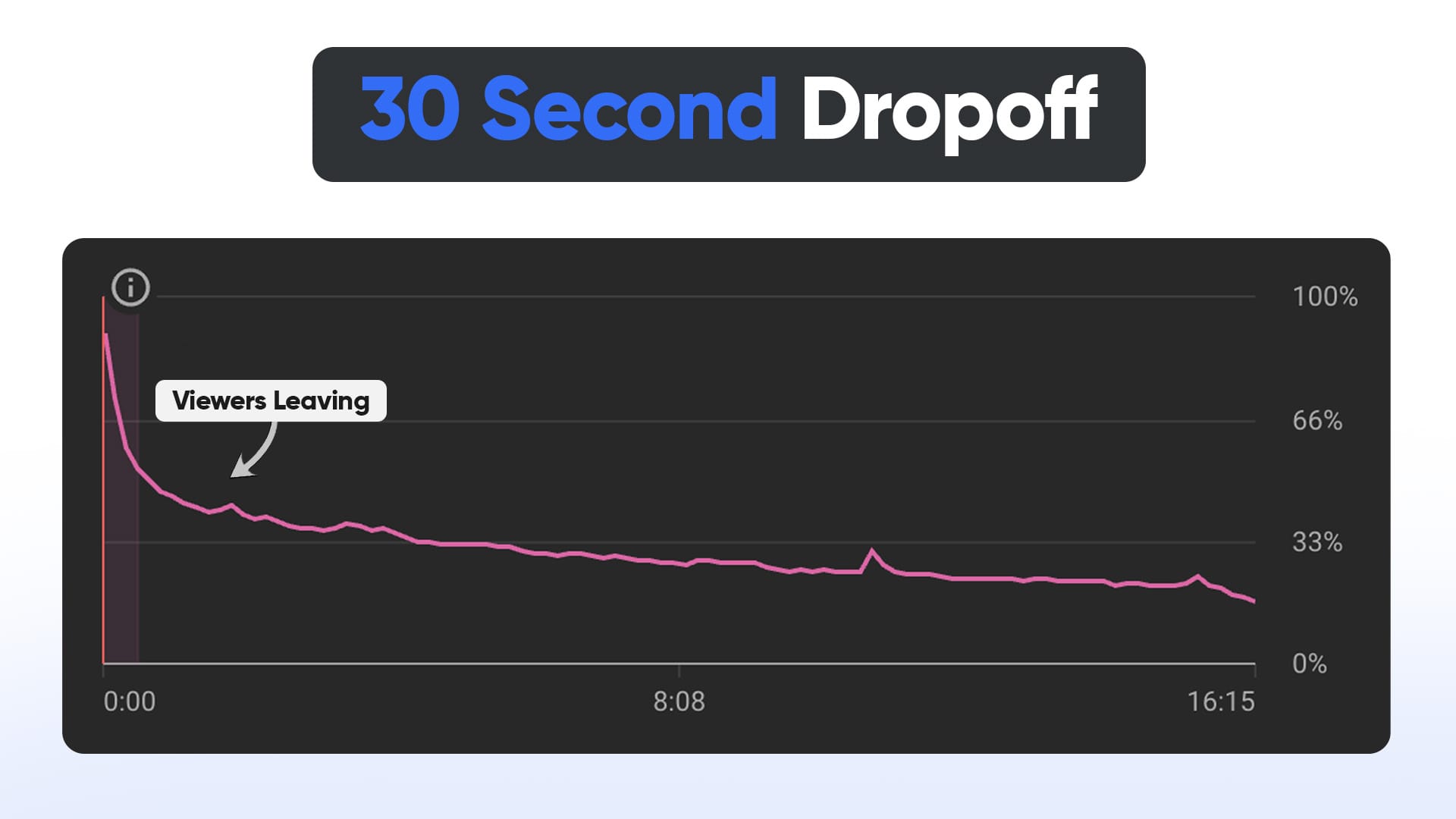
YouTube’s own Creator Academy data, and independent studies of viewer retention patterns across major video platforms, paint a consistent picture that should alarm any creator who has not been paying attention to it.
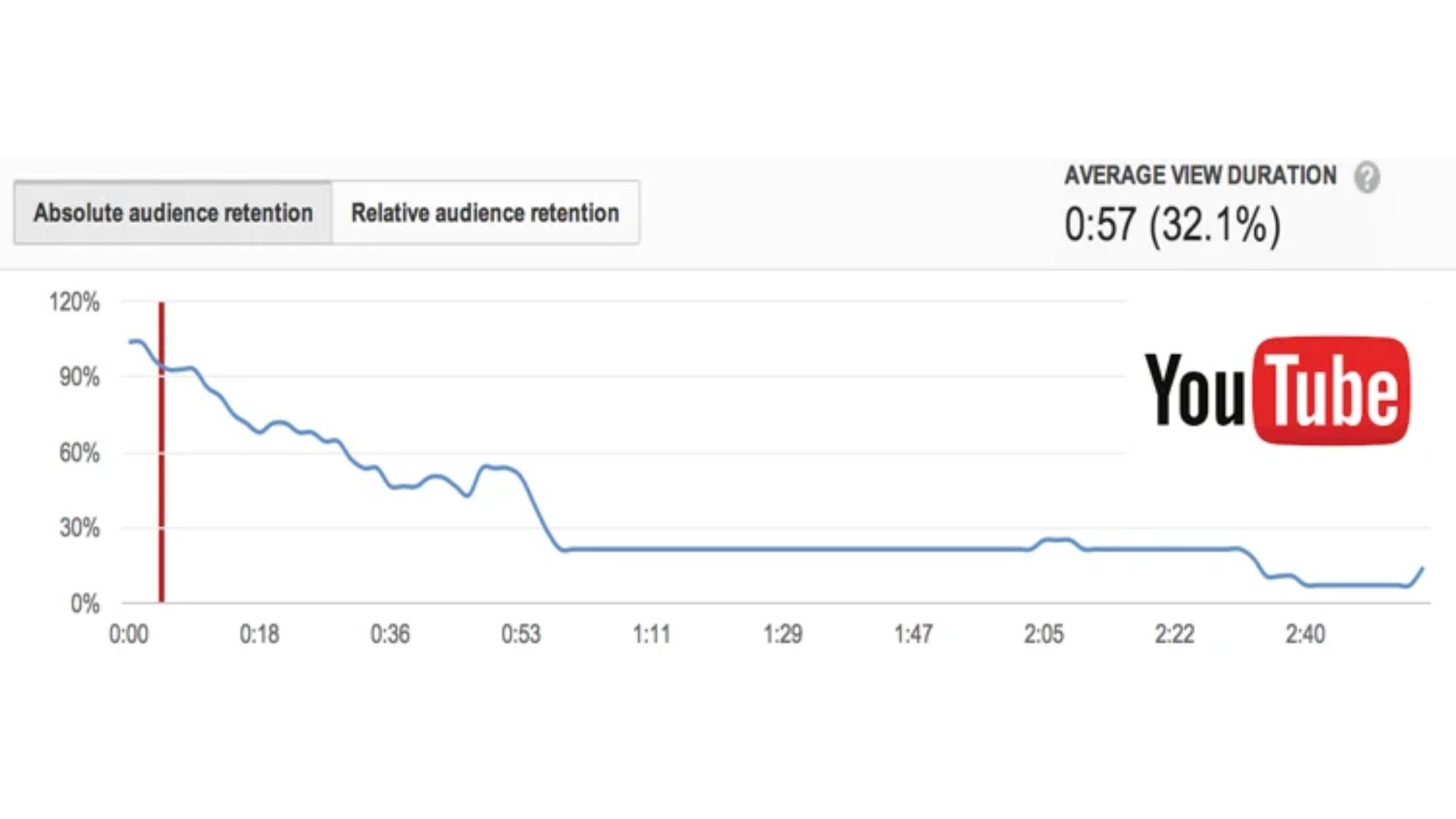
The average retention curve for a YouTube video shows the sharpest drop in the first thirty seconds. Not throughout the video — in the first thirty seconds. By the thirty-second mark, a significant proportion of viewers who clicked on a video have already left. The retention curve then typically flattens and becomes more gradual — viewers who make it past thirty seconds are much more likely to continue watching.
This pattern has two critical implications.
The first is that the first thirty seconds of any video are the highest-stakes thirty seconds. More viewers are lost in that window than in any equivalent window throughout the rest of the video — no matter how long the video is.
The second is that the first five seconds are the highest-stakes five seconds within that already high-stakes window. The steepest part of the retention curve — the most abrupt viewer abandonment — occurs in the first five to ten seconds. Viewers who make it past ten seconds are dramatically more likely to make it past thirty. Viewers who make it past thirty are dramatically more likely to watch the majority of the video.
This means that an investment in the quality and specificity of the first five seconds pays back in viewer retention across the entire remaining length of the video. Improving your first five seconds does not just reduce drop-off in those five seconds — it shifts the entire retention curve because every viewer who stays past ten seconds is a viewer who is much more likely to watch through to the end.
For platform algorithms that weight watch time and completion rate heavily — which describes YouTube, Instagram, and LinkedIn video in 2026 — this improvement in the retention curve has a direct impact on how broadly the platform distributes the video. Better intros drive better retention, which drives better algorithmic performance, which drives wider distribution, which drives more views.
The five-second intro is not just a viewer experience decision. It is a distribution strategy.
The Five Archetypes of Great Video Intros
Great video intros are not all the same — different content types, different platforms, and different creator styles call for different approaches. But the most effective intros across categories tend to fall into one of five archetypal patterns. Understanding these patterns gives you a toolkit of approaches to draw from depending on what a specific video needs.
Archetype One: The Bold Claim
The Bold Claim opens with a statement that is strong enough to immediately create a reaction — curiosity, surprise, mild disbelief, or the recognition of a truth the viewer had not previously seen stated so directly.
Karan’s revised intro — “Most salaried employees in India overpay their taxes by twenty to thirty percent every year. I did too — until I learned these five things.” — is a bold claim. It makes a specific, quantified, surprising assertion about a situation the viewer is probably in, and it immediately positions the video as the answer to a problem the viewer has just been told they have.
Bold claims work because they create an open loop — a question that the viewer’s brain compellingly needs to close. “Is this true? Am I overpaying? What are the five things?” The viewer continues watching because they are compelled to close the loop.
The bold claim must be honest and specific. A vague bold claim — “This information will change how you think about money forever” — is not a bold claim. It is marketing language that the viewer’s brain immediately recognises and discounts. A specific, verifiable, surprising claim — a number, a counterintuitive fact, a concrete outcome — is genuinely arresting.
Archetype Two: The Problem Agitation
The Problem Agitation opens by vividly describing a specific problem that the viewer recognises from their own experience — naming it so accurately that the viewer feels seen.
“You have made a delicious biryani. The rice is perfectly cooked. The meat is tender. But when you open the lid, there is no aroma — just flat, slightly overcooked smell. You know something is wrong but you have no idea what.”
Anyone who has experienced this problem — and it is a very specific problem that people who cook biryani regularly have — immediately recognises it. The brain lights up with recognition: yes, this is my problem. This video is for me.
The problem agitation works by creating emotional resonance before the solution is offered. The viewer feels their own frustration, curiosity, or discomfort in the first five seconds. Having felt it, they are highly motivated to watch the solution that the video is about to provide.
The key to effective problem agitation is specificity. The more precisely the problem is described — the more specific the detail, the more accurate the emotional texture — the stronger the recognition and the more compelling the hook.
Archetype Three: The Payoff Preview
The Payoff Preview opens with the most visually or emotionally compelling element of the video — a teaser of what the viewer will see, learn, or experience by watching.
A travel vlogger opens with fifteen seconds of the most breathtaking footage from their destination — the shot they waited three days to capture — before cutting to the journey that led there. A cooking channel opens with the finished dish in its most photogenic presentation before cutting to the beginning of the recipe. A fitness creator opens with a transformation video — the after — before cutting to the story of the before.
The payoff preview works because it gives the viewer a concrete reason to invest their time before asking for that investment. It answers the question “what will I get from watching this?” with a direct demonstration rather than a description.
The risk of the payoff preview is that the preview must genuinely be worth watching. If the teaser footage is impressive and the rest of the video is mundane by comparison, the viewer’s expectations are disappointed and the creator has created a trust problem. The preview must be an accurate sample of the value the video contains — just the most compelling and visually rich expression of that value.
Archetype Four: The Counterintuitive Statement
The Counterintuitive Statement opens by asserting something that directly contradicts a widely held belief or assumption that the viewer is likely to hold.
“Saving money every month will not make you wealthy. I saved diligently for eight years and had almost nothing to show for it. Here is what I missed.”
“Drinking more water did not solve my skin problems. In fact it made one of them worse. The real answer was something nobody tells you.”
“The most successful YouTubers I know post less frequently than they used to — and their channels are growing faster.”
The counterintuitive statement creates immediate cognitive friction — the viewer’s existing belief is challenged before a single piece of evidence has been presented. This cognitive friction is not negative; it is the specific kind of productive dissonance that creates curiosity. The viewer continues watching to have the challenge either confirmed or refuted — and either outcome is interesting enough to justify the investment.
The counterintuitive statement must be genuinely counterintuitive — it must actually contradict something the viewer believes — and it must be backed up by the video’s content. A statement that turns out not to be counterintuitive at all, or that is not adequately supported by the video’s argument, creates disappointment and distrust.
Archetype Five: The Story Hook

The Story Hook opens in the middle of a specific story — not at the beginning of the story with context and setup, but at the most dramatically compelling or emotionally resonant moment.
“I was standing in the queue at the airport with no ticket, no hotel booking, and three hundred rupees in my pocket. I had forty minutes to figure out what to do.”
“My doctor called me at 7 AM on a Tuesday. I knew from the time of the call that it was not good news.”
“I submitted the proposal. Hit send. And then watched it go to the wrong client.”
In medias res — the classical narrative technique of beginning in the middle of the action — works in video intros because it immediately creates narrative tension. The viewer’s brain, encountering a story already in progress, automatically asks: what happened before this, and what happens next? Both questions are compelling enough to sustain attention through what follows.
The story hook requires that the story promised in the opening is actually told in the video — and told well. Beginning with a compelling story hook and then abandoning the narrative for dry information delivery creates a jarring discontinuity that the viewer experiences as broken promise.
What Kills a Video Intro — The Mistakes That Cost Viewers

Understanding what great intros do is only half the picture. Understanding what kills intros — what causes those first-five-second abandonments that Karan experienced — is equally important, because most of these mistakes are entirely avoidable once you can see them.
The Greeting That Delays Value
“Hello everyone, welcome back to my channel. For those of you who are new here, my name is…”
We have covered this. The viewer does not need your name in the first five seconds. They need confirmation that this video is worth their next five seconds. Your name can appear later — in a lower-third text, in the description, after you have earned the viewer’s attention with something valuable. In the first five seconds, every word must earn its place. A greeting does not.
The Explanation of What the Video Will Cover
“Today I am going to be talking about five ways to reduce your tax liability legally. We are going to cover deductions under Section 80C, and then we will look at HRA claims, and then…”
This is a table of contents. The viewer knows what the video will cover — the title told them. They do not need the table of contents. They need the first item on the table of contents. Start with the content, not the announcement that content is coming.
The Apology or Caveat
“Sorry about the audio quality today, my mic was having issues.” “I know this is a bit of a different video for my channel.” “I am not an expert in this, I want to be clear about that upfront.”
Apologies and caveats undermine confidence before the viewer has any reason to doubt. If the audio quality is acceptable, do not draw attention to it — mentioning it makes it more noticeable. If the video is different from your usual content, let the viewer decide if that is a problem rather than pre-framing it as one. If you are not an expert, demonstrate expertise through the quality of your content rather than flagging its absence.
The Context Overload
“So the reason I am making this video is because last week I got a lot of comments on my previous video about budgeting, and people were asking about tax savings, and I thought it would be really useful to address this because a lot of people have been asking, so today…”
Excessive context before the payoff. The viewer did not see the previous video or the comments. This context is relevant to you, not to them. Start with the value. Provide context only if and when it becomes relevant to understanding the specific content.
The Slow Visual Opening
Even with perfect spoken content, a video that opens with a static, visually uninteresting shot — the creator sitting very still, or a title card with no movement, or a wide shot with no focal point — fails the first neurological judgment before any words have been processed.
The first visual impression must be as arresting as the first verbal content. Movement, a striking image, a close-up with visual interest, the subject at an angle or in an environment that creates immediate visual context — these are the visual equivalents of the bold claim. They tell the viewer, through the visual channel, that this is a video worth watching before the audio has confirmed it.
The Subscribe Request Before Value
“Before we get into it, if you enjoy this content, please subscribe to my channel and hit the notification bell…”
The viewer has not yet received any value from this video. Asking for a subscription before providing value is the equivalent of a new acquaintance asking to be considered your best friend before you have had a conversation. It is a demand without prior exchange. It almost always produces the opposite of the intended result — not subscription, but mild irritation and accelerated departure.
Subscribe requests belong at the end of videos where value has been delivered and the viewer has a reason to want more.
Writing Your Hook — A Practical Workshop
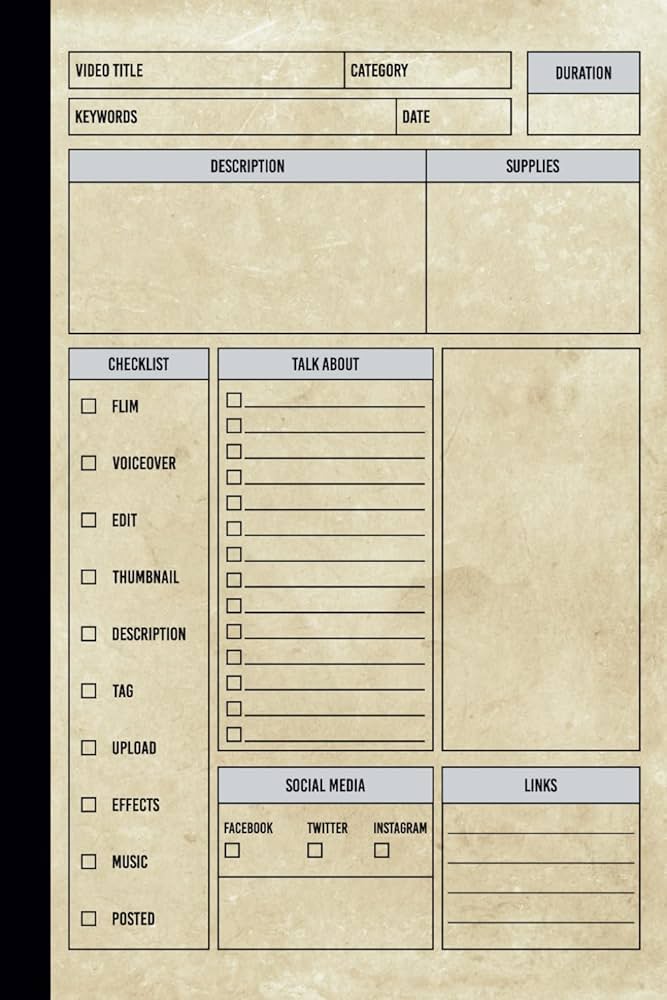
Understanding the theory of great intros is one thing. Sitting down and writing one is another. Here is a practical process for writing a hook for any video.
Start with the viewer’s problem or desire
Before writing a single word, ask yourself: what is the viewer searching for when they find this video, and what are they hoping to feel or know by the end of it?
Not what you want to teach them. What they came to learn. The distinction matters.
For a tax-saving video, the viewer is not searching for “information about Section 80C.” They are searching for relief from the anxiety of feeling like they are losing money they should be keeping. They want to feel competent and informed about their own financial situation. They want to feel like they are not being taken advantage of by the tax system.
Starting from this understanding of the viewer’s emotional need — not just their informational query — gives you the raw material for a hook that resonates rather than informs.
Write ten possible first sentences
Before committing to any particular approach, write ten possible first sentences for the video. Use different archetypes — one bold claim, one problem agitation, one counterintuitive statement, and so on. Write without editing. Some will be terrible. Write them anyway.
This generative phase is important because the first sentence that comes to mind is rarely the best one. It is the most obvious one — the one your brain produces because it is most readily available, not because it is most effective. Generating ten forces you past the obvious into territory where genuinely surprising and compelling options live.
Apply the five-second test
Read each candidate first sentence aloud, imagining you are a viewer who has just clicked on this video from a search result. For each one, ask: if this were the first thing I heard in a video about this topic, would I keep watching? Would I feel that this video is for me? Would I feel that something genuinely valuable is about to be delivered?
Most of the ten candidates will fail this test. Some will pass it with modification. Occasionally one will feel genuinely right.
Test the hook in context
Write the complete opening sequence — the first thirty seconds — around your chosen hook. The hook must be followed by immediate value, not by more setup. If the hook is a bold claim, the second sentence must begin delivering evidence or context for that claim. If the hook is a problem agitation, the second sentence must either deepen the problem or pivot immediately toward the solution. If the hook is a story, the story must continue developing rather than being interrupted by explanatory setup.
Read the complete opening sequence aloud. Time it. If it runs more than thirty seconds before genuinely valuable content begins, it is too long. If it covers the hook and the first substantive point of the video in thirty seconds or less, it is probably right.
The Platform-Specific Hook — How Requirements Differ

The fundamental principle of the five-second hook is universal, but its specific implementation varies meaningfully across different platforms and formats.
YouTube long-form
YouTube long-form gives you the most time — but still demands that the hook lands within five seconds. The hook on YouTube can be slightly more elaborate because the viewer has committed to a longer viewing session by clicking on a ten or twenty-minute video. But elaboration must follow the hook, not precede it. Start strong, maintain the promise, and do not squander the viewer’s initial commitment with delayed delivery.
YouTube Shorts and Instagram Reels
Short-form content compresses everything. The hook must land in one to two seconds — not five — because the total video is fifteen to sixty seconds and the swipe-away impulse is calibrated to milliseconds rather than seconds. The first frame must be visually arresting. The first word of audio must be substantive. There is no tolerance for any setup at all.
A short-form hook is often a single sentence that contains both the problem and an implied solution: “Your rice is always mushy? This one change fixes it permanently.” Eight words. Hook delivered. Viewer stays.
LinkedIn video
LinkedIn video is consumed primarily on desktop and mobile by professional audiences who are in a professional rather than entertainment mindset. The hook for LinkedIn content should speak to professional relevance and practical value rather than entertainment or personal curiosity. “This mistake cost my agency three major clients — here is what we learned.” Professional pain point, implied lesson, reason to continue.
Educational and tutorial content
Tutorial content has a slightly different hook dynamic because the viewer has arrived with a specific task in mind — they want to know how to do something. The hook for tutorial content is often most effective when it names the specific outcome the viewer will achieve, specifically enough that the viewer feels certain this is the right tutorial for their specific situation.
“In this tutorial you will learn to remove background noise from any audio file in Filmora in under three minutes — no plugins, no external software required.” Specific outcome, specific time commitment, specific constraints addressed. The viewer who has this specific problem knows immediately that they are in the right place.
The Relationship Between Hook and Thumbnail — The Pre-Click Promise

The video hook does not begin with the video. It begins with the thumbnail and title — the pre-click promise that the viewer evaluates before deciding to click at all.
The thumbnail and title create an expectation. The hook’s job is to immediately confirm and deepen that expectation. When the thumbnail shows a dramatic before-and-after transformation and the video opens with “Let me show you exactly how this happened and how you can do it too” — the hook confirms the thumbnail’s promise instantly. The viewer’s commitment deepens.
When the thumbnail promises one thing and the hook delivers another — or when the hook fails to reference the thumbnail’s promise at all — the viewer experiences a small but significant disconnect. They clicked because of one thing and are now watching something that does not acknowledge that thing. Uncertainty. Potential departure.
Designing the hook in deliberate relationship with the thumbnail and title is the mark of a creator who understands the complete viewer journey — from the search results page through to the video content — and has designed every step of that journey to build momentum toward continued engagement.
The thumbnail says: here is something worth clicking. The title says: here is specifically what it is. The hook says: you were right to click — here is the proof.
Each element is completing the promise of the previous one. Each element is building the commitment that results in a viewer who watches, engages, and returns.
What Happens After the Hook — The First Thirty Seconds as a Complete Unit
The hook gets the viewer past the five-second threshold. But the first thirty seconds is the complete unit that determines whether the viewer makes it to the main body of the video.
After the hook — after the first compelling statement that confirms the viewer is in the right place — two things need to happen within the remaining twenty-five seconds before the main content begins.
Establish credibility
Not through a lengthy biography or a list of credentials. Through a single, specific demonstration of expertise that makes the viewer confident that this creator knows what they are talking about.
Karan did not say “I am a former banker with four years of experience in financial products.” He said “I did too — until I learned these five things.” The implied credibility is in the admission of prior ignorance and the implication of hard-won knowledge. The viewer trusts this more than a credential because it is honest rather than promotional.
Establish the promise
Tell the viewer specifically what they will know or be able to do by the end of the video. Not vaguely — specifically. Not “you will have a better understanding of tax planning” but “by the end of this video you will know five specific deductions that most salaried employees miss and exactly how to claim them.”
This specific promise serves two purposes. It gives the viewer a concrete reason to invest the next ten or twenty minutes. And it creates an accountability structure — the creator is promising something specific and the viewer will hold them to it, which disciplines the rest of the video to deliver on what was promised.
Hook. Credibility. Promise. In thirty seconds. Then content.
This is the architecture of a great video opening. And it is replicable, learnable, and immediately applicable to any video you are making right now.
Karan’s Channel After the Change
Returning to where we started — Karan’s channel after he changed his intros.
Within three months of rewriting his opening approach, his average view count per video had tripled. His average watch time — the percentage of each video that the average viewer watched — had gone from around thirty percent to over fifty-five percent. His subscriber growth, which had been approximately one hundred new subscribers per month, increased to several hundred.
None of the other variables had changed. His camera was the same. His editing was the same. His production quality was the same. The depth and accuracy of his information was the same.
The first five seconds had changed. And the first five seconds had changed everything that followed.
He described it to his friend this way: “I used to think the intro was where I introduced myself and my video. Now I understand it is where I convince the viewer that they are in the right place. And that is a completely different job.”
That reframing — from introduction to confirmation — is the shift in thinking that separates video creators who wonder why viewers are leaving from creators who understand exactly how to make them stay.
The viewer does not need an introduction. They need confirmation.
Give it to them in the first five seconds.
Closing Thought — Every Video Is an Audition
Here is the mental model that has been most useful for creators who have internalised the five-second principle.
Every video is an audition.
The viewer is the casting director. They have clicked because your thumbnail and title suggested you might be right for the role — the role of the creator who helps them solve this specific problem, understand this specific topic, experience this specific thing.
The first five seconds are your audition performance. And casting directors make decisions in seconds. They know, almost immediately, whether this is the right person for the role — whether this creator has the understanding, the confidence, and the specific knowledge that this viewer came looking for.
A great audition does not begin with “Hi, my name is Karan and I am really glad to be here today.” It begins with the performance — with immediate demonstration of exactly the capability being evaluated.
Your first five seconds are your performance. They are the proof that you are the right creator for this viewer’s specific need, right now, in this video.
Get that right and the viewer stays. The algorithm distributes. The subscribers accumulate. The channel grows.
Get it wrong and the viewer is gone — in five seconds, forever, to a creator whose intro told them immediately that they were in the right place.
The audition has already started.
Make sure your first five seconds prove you deserve the role.
Written by Digital Drolia — helping creators understand the craft behind content that holds attention from the very first second. Found this valuable? Share it with a video creator who is losing viewers in the first five seconds and does not yet understand why.