

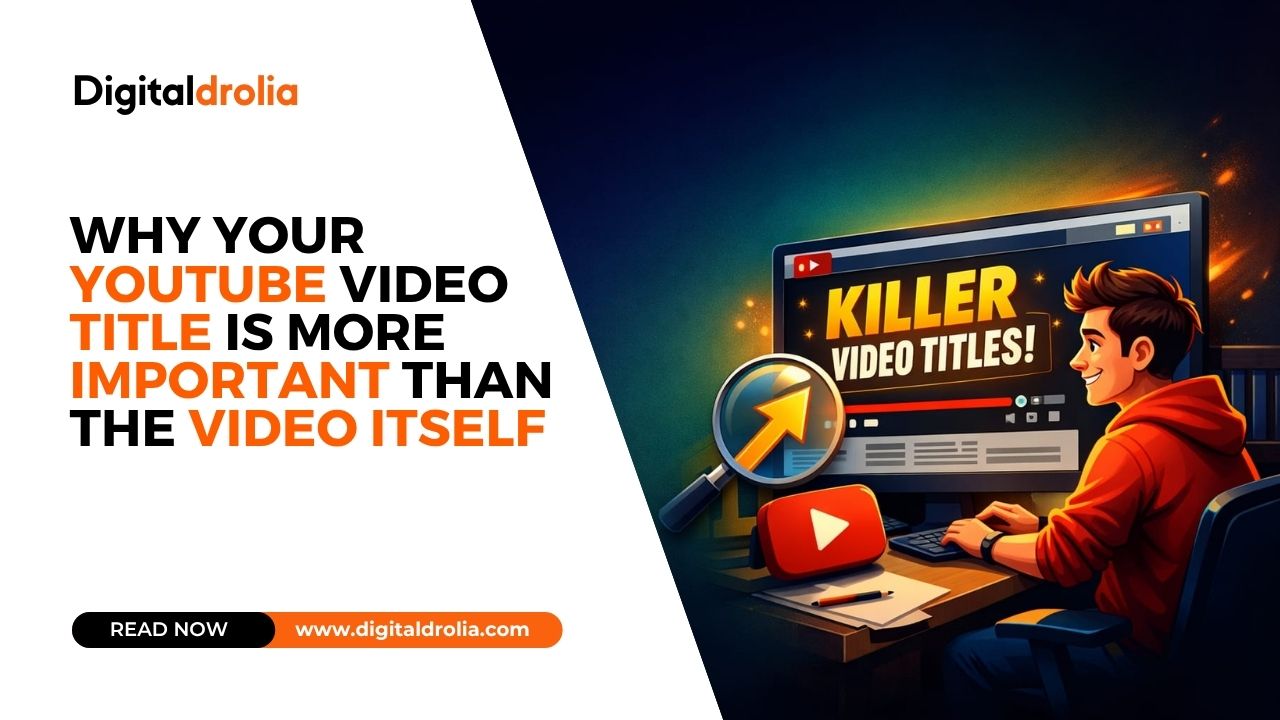
Why Your YouTube Video Title is More Important Than the Video Itself

Let me make a claim that will feel uncomfortable to anyone who has spent hours filming, editing, colour grading, and carefully crafting a video.
The title of your video is more important than the video itself.
Not more important than the content inside it. Not more important than whether the information is accurate or the storytelling is compelling or the editing is clean. Not more important in the sense that a bad video with a great title will build you a lasting audience.
More important in this specific, measurable, consequential sense: a great video with a poor title will be watched by almost nobody. A mediocre video with a great title will be watched by thousands. The title determines whether anyone ever gets to experience the quality that is inside the video — and quality that nobody experiences might as well not exist.
This is a hard truth about YouTube that most creators resist because it feels unfair. They spent eighteen hours on the video. They spent three minutes on the title. Surely the work deserves to be weighted more heavily than the label?
But the viewer who has not yet clicked does not know about the eighteen hours. They know about the title. They know about the thumbnail. They make their decision about whether to click — a decision made in under two seconds — based on those two things alone.
If the title does not compel the click, the eighteen hours happened in a room that nobody entered.
This post is about understanding why the title is so disproportionately powerful, what makes a title actually work, and how to write titles that give the content you worked hard on the audience it deserves.
The Brutal Mathematics of the Click Decision


To understand why the title is so important, you need to understand the specific moment at which it does its work — and what is happening in the viewer’s mind during that moment.
The viewer is not reading your title in a quiet room with undivided attention. They are scanning a grid of thumbnails and titles, processing dozens of options simultaneously, in a state of low-commitment browsing that requires each option to justify itself almost instantly before the eye moves on.
Studies of eye-tracking behaviour on search and discovery pages consistently show that a title is typically read in between one and three seconds. In that window, the viewer is extracting one piece of information: is this worth my time?
That question is not about quality — the viewer has no way to assess quality in three seconds. The question is about relevance and promise. Does this title describe something I want to know? Does it promise something I came here looking for? Does it suggest that the person who made this understands my question or my need?
If the title answers yes clearly and specifically — the viewer clicks.
If the title is vague, generic, or unclear about what the video contains — the viewer moves on. Not because the video is bad. Because the title did not communicate clearly enough in the time available.
This is the brutal mathematics of the click decision. And the title is the primary tool — more powerful than the thumbnail in most search contexts — through which creators either make or fail to make their case in those one to three seconds.
What a Title Actually Is — Three Functions Simultaneously
Most creators think of the title as a description of the video. This understanding is correct but incomplete. A title performs three functions simultaneously, and a title that only performs the description function is leaving enormous value unrealised.
Function One: The Search Signal
YouTube is a search engine. As we established in our post about YouTube being the world’s second largest search engine, a substantial proportion of the platform’s traffic comes from viewers who typed something specific into the search bar and are evaluating the results.
When a viewer searches “how to reduce electricity bill at home India,” they are presented with a set of results. Their eyes scan the titles to find the one that most precisely matches what they searched for.
A title that contains the words from the search query — “How I Reduced My Electricity Bill by 40% — 7 Things That Actually Work” — is immediately recognisable as relevant. The viewer sees their query reflected in the result. They click.
A title that covers the same content but does not reflect the search vocabulary — “Smart Ways to Be More Energy Efficient in Your Home” — may be describing an equally useful video. But it does not clearly match the search query. The viewer may click, or may not. The title has failed to perform its search function because it used the creator’s vocabulary rather than the searcher’s vocabulary.
The first rule of title writing is: use the words your viewer would type, not the words you would choose to describe your content.
Function Two: The Promise
Beyond search, a title makes a promise. It tells the viewer what they will receive in exchange for the time they invest in watching. The clarity and specificity of this promise is one of the primary determinants of click-through rate.
“How to Invest” is not a promise. It is a category. The viewer does not know what specifically they will learn, who this video is for, how it is different from the thousands of other investing videos on YouTube, or whether it addresses their specific situation.
“How a 22-Year-Old with 5000 Rupees Per Month Started Investing — And What Happened After One Year” is a promise. The viewer knows exactly what they will receive: a specific person’s specific experience, with a specific starting point and a specific time frame. The viewer can immediately assess whether this describes their situation and whether this is the kind of answer they are looking for.
The second rule of title writing is: make a specific, concrete promise rather than a generic description of topic area.
Function Three: The Emotional Trigger
The most powerful titles do not just inform — they create a feeling. They generate curiosity, urgency, anticipation, or recognition that motivates the click not just intellectually but emotionally.
“5 Investment Mistakes Young Professionals Make” creates mild intellectual interest.
“I Lost 80,000 Rupees Making These Investment Mistakes — Please Learn From My Story” creates empathy, recognition of shared risk, and the specific human emotion of wanting to protect someone from a harm that has already been suffered. It also creates a stronger sense of obligation to watch — because watching serves a protective function rather than just an informational one.
The emotional trigger is the dimension of title writing that most separates good titles from great ones. Information can be obtained from many sources. Emotional resonance with a specific, felt experience creates a connection that pure information cannot.
The third rule of title writing is: find the emotional dimension of your content and surface it in the title.
The Title as SEO — Understanding YouTube’s Indexing
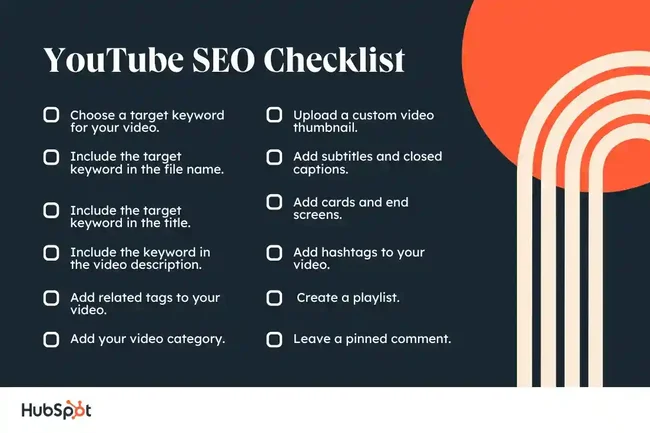
YouTube’s algorithm uses the title of a video as one of its primary signals for understanding what the video is about and which searches it should appear for. This is worth understanding in detail because the implications for title writing are specific and actionable.
When YouTube’s algorithm encounters a new video, it does not watch the video in real time to understand its content. It reads the structured information the creator provides — the title, the description, the tags, the chapters — and uses this information to build its understanding of the video’s subject matter and relevance to different search queries.
The title is the highest-weighted piece of this structured information. YouTube treats it approximately the way Google treats the HTML title tag of a webpage — as the primary declaration of what this content is about, deserving the most weight in the algorithm’s relevance calculations.
This means that the words in your title are not just marketing copy. They are algorithmic signals that determine which search queries your video is eligible to appear for. A video with the word “photosynthesis” in its title is eligible to appear in searches for photosynthesis. A video with equally relevant content but without the word in its title is less likely to appear for that search — regardless of how thoroughly the description covers the topic.
The practical implication: the primary keyword — the specific search phrase that represents the main thing your target viewer would search for — should appear in the title, ideally near the beginning.
This is not just an SEO best practice. It is a viewer experience principle. The viewer who searched “photosynthesis explained simply” and sees a title beginning with “Photosynthesis Explained Simply” receives an immediate confirmation that they have found what they searched for. The relevance signal is immediate and unambiguous.
The Click-Through Rate Connection — How Titles Drive Algorithmic Distribution
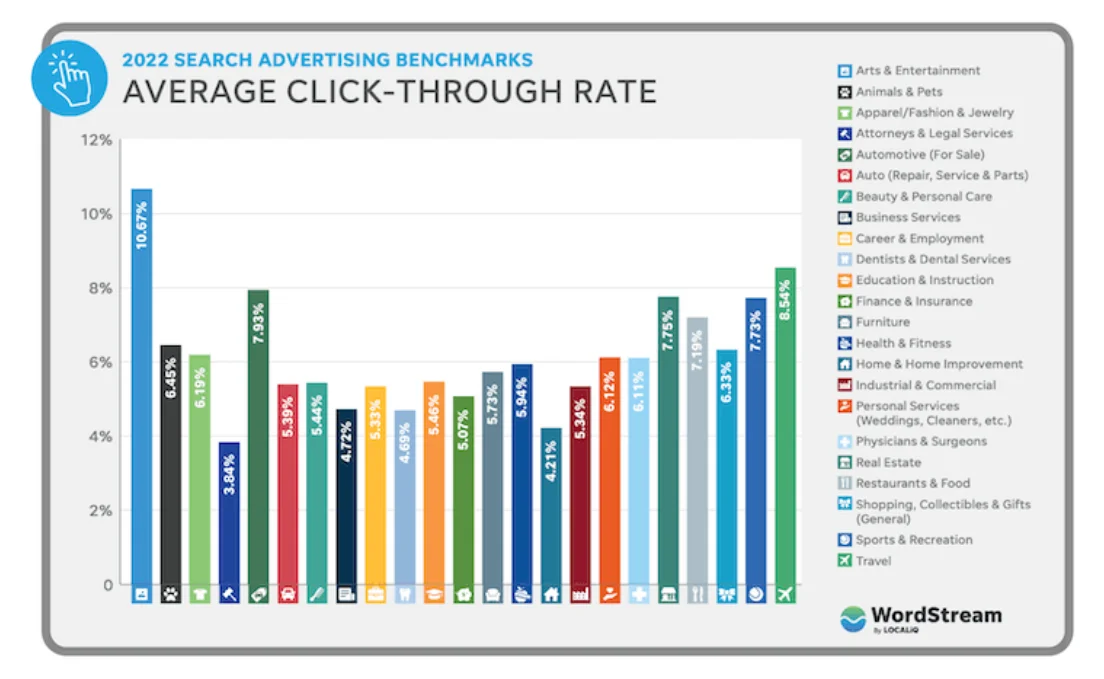
YouTube tracks something called click-through rate (CTR) — the percentage of viewers who, having seen a video’s thumbnail and title in search results or their feed, actually click through to watch the video. And YouTube’s algorithm uses CTR as one of the primary signals in its distribution decisions.
A video with a high CTR receives more distribution — it is shown to more people, recommended more widely, featured more prominently in search results. A video with a low CTR receives progressively less distribution — the algorithm interprets the low rate of clicking as a signal that the content is not compelling or relevant to the viewers being shown it.
The title is the primary driver of CTR. More directly than the thumbnail in search contexts — where the title is the primary text the viewer reads before deciding to click — and as a co-primary driver with the thumbnail in discovery contexts.
This creates a direct, measurable link between title quality and the total reach of a video. A title improvement that moves a video’s CTR from two percent to five percent — a realistic improvement through deliberate title optimisation — produces a two-and-a-half-fold increase in the number of people who click through from every impression. The algorithm, seeing higher CTR, distributes the video more widely, producing more impressions. More impressions times higher CTR produces dramatically more total views.
The compounding effect means that title quality does not just affect the immediate performance of a video — it shapes the entire algorithmic trajectory. A video with a great title that achieves high CTR early gets more distribution, which produces more watch time data, which the algorithm uses to decide whether to continue distributing. A video with a poor title that achieves low CTR starts with less distribution and less data — a compounding disadvantage from which it is very difficult to recover.
What Actually Works — The Title Structures That Consistently Generate Clicks
Across categories, languages, and creator sizes, certain title structures consistently produce higher click-through rates than others. These are not formulas to be mechanically applied — they are patterns that work because they reliably trigger the viewer psychology we have been describing.
The Specific Number
“7 Ways to Save on Grocery Shopping” consistently outperforms “Ways to Save on Grocery Shopping” for a specific reason: the number tells the viewer exactly what they are getting. Seven specific things. Not an unknown quantity of vague suggestions — seven concrete actionable items.
The number performs three functions: it creates specificity, it sets a completion expectation (the viewer knows the video has a defined end), and it signals that the creator has done the organisational work of turning a broad topic into a specific, structured treatment.
Numbers that feel genuine work better than numbers that feel arbitrary. Seven, five, three, and ten are common because they represent genuine content organisation. Thirteen or nineteen feel oddly specific in a way that triggers skepticism rather than trust.
The Personal Experience
“How I Saved One Lakh Rupees in Twelve Months on a Government Salary” works better than “How to Save Money on a Modest Salary” for a reason that connects directly to the psychology of social learning.
The viewer is not just looking for information — they are looking for evidence that the thing they want to do is possible, from someone whose situation resembles their own. The personal experience title provides both: it demonstrates possibility (it happened to a specific person) and specificity (the amount, the time frame, the context of a government salary) that allows the viewer to assess whether this person’s experience is relevant to their own.
Personal experience titles require honest representation — the claim in the title must be genuinely true, because the viewer’s trust in the creator depends on the video delivering exactly what the title promised. But when the experience is real and the representation is honest, this title structure is among the most powerful available.
The Counterintuitive Challenge
“Why Saving More Money Might Actually Be Keeping You Poor” works because it directly challenges an assumption the viewer holds — that saving money is straightforwardly virtuous and beneficial.
Counterintuitive titles create cognitive tension. The viewer’s belief is being challenged before they have seen any evidence. The tension is uncomfortable enough that many viewers click to have it either confirmed or refuted — and both outcomes are interesting enough to justify the investment.
The counterintuitive title requires that the video genuinely delivers on the challenge — that it makes a coherent, evidence-based case for the counterintuitive position. A title that promises counterintuitive insight but delivers only conventional wisdom creates disappointment and trust destruction. But when the video genuinely delivers the promised intellectual surprise, this title structure produces some of the highest engagement rates available.
The Mistake and Warning
“The Mutual Fund Mistake That Is Costing Most Investors Without Their Knowing” works because it triggers loss aversion — one of the most powerful motivators in human psychology. The viewer who suspects they might be making this mistake is strongly motivated to click and find out whether they are.
Warning titles are particularly powerful in financial, health, and skill-based content where the viewer has real stakes in the outcome. The investor who discovers they have been making a costly mistake can correct it — the click serves a protective function. This felt sense of protective utility makes the click feel necessary rather than optional.
The Definitive Answer
“The Best Way to Learn Python in 2026 — After Testing 11 Different Methods” works because it claims to have done the research and delivered the verdict. The viewer who has been overwhelmed by conflicting options is seeking a trusted authority to simplify the decision.
Definitive titles make a strong promise — the best way, the definitive guide, the complete answer — and they must be backed by content that genuinely justifies the claim. “The Best Way” that turns out to be one of several ways of similar merit destroys credibility. But the definitive title backed by genuine depth and genuine comparative analysis is one of the most clicked structures on YouTube because it resolves the decision paralysis that information overload creates.
The Title Length Question — How Long Should It Be?
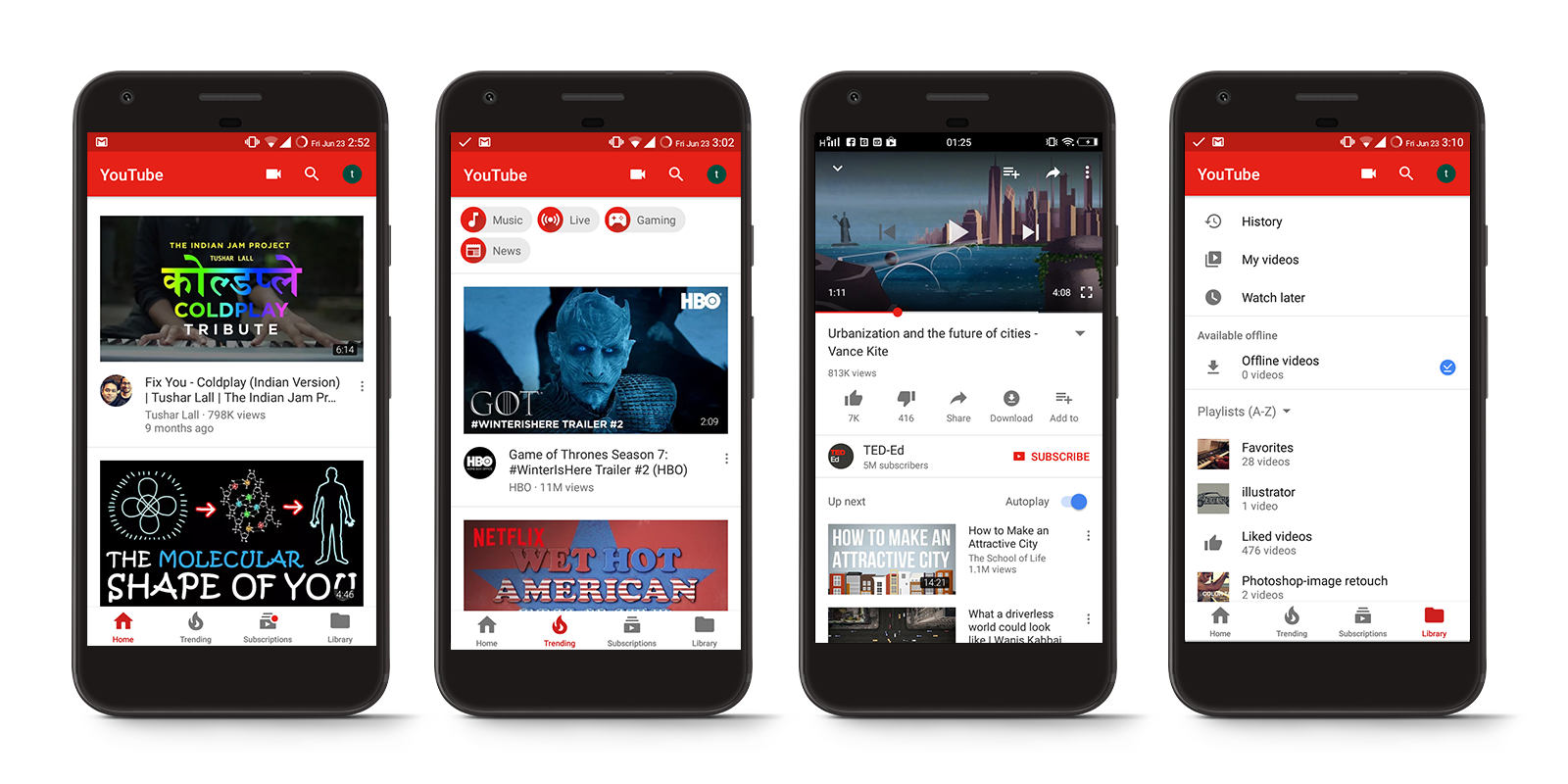
YouTube displays titles at different lengths depending on the surface — desktop search results, mobile home feed, suggested videos sidebar, embedded links on other platforms. The optimal title length balances the need for specificity with the risk of truncation.
The practical guideline: keep titles under seventy characters if possible, with the most important words in the first fifty characters.
Why seventy? Because this is approximately the length at which most YouTube surfaces display titles fully on most devices before truncating with ellipsis. A title that is truncated loses whatever appears after the cut — which, if the title was front-loaded correctly, should be supplementary information rather than critical information.
The front-loading principle is important: the most critical information — the primary keyword, the core promise, the strongest emotional hook — should appear early in the title rather than at the end. This ensures that even if the title is truncated, the essential communication has already been made.
“How to Negotiate a Salary Hike in India — What Actually Works in 2026 Based on Real Conversations With Recruiters” is a title that could be powerful but would be truncated on most surfaces to “How to Negotiate a Salary Hike in India — What Actually Works…” The truncated version still communicates the core promise. The supplementary information about what makes the video distinctive — the 2026 relevance, the recruiter conversations — is lost on many surfaces but the click-driving information survives.
A title like “What Actually Works in 2026 Based on Real Conversations With Recruiters — How to Negotiate a Salary Hike in India” buries the core search term at the end and risks it being truncated. The same information, in the wrong order, is significantly less effective.
The Emotional Vocabulary of Effective Titles — Words That Work
Certain words and phrases appear consistently in high-performing YouTube titles across categories. Understanding why they work illuminates the psychological mechanisms behind title effectiveness.
Words of specificity and proof
“Actually,” “Really,” “Genuinely” — these words signal that the creator is cutting through the generic advice that disappointed the viewer before. “What Actually Works” promises not to repeat the conventional wisdom that failed them.
“Tested,” “Compared,” “Reviewed” — these words signal evidentiary basis. The creator did not simply think about this — they gathered evidence. This appeals to the viewer’s desire for conclusions backed by experience rather than theory.
“Exact,” “Specific,” “Precise” — these words promise the kind of actionable specificity that generic content fails to provide.
Words of consequence and stakes
“Mistake,” “Error,” “Problem,” “Warning” — these words trigger the loss aversion that makes warning content so compelling. The viewer with real stakes is drawn to content that might protect them from a negative outcome.
“Changed,” “Transformed,” “Completely Different” — these words promise a significant shift rather than incremental adjustment. Viewers looking for meaningful change respond to titles that promise it.
“Never,” “Always,” “Every” — absolute language creates emphasis. Used carefully and honestly, it signals that the creator has a strong, clear position rather than a wishy-washy “it depends” non-answer.
Words of human experience and emotion
“I,” “My,” “We” — personal pronouns signal direct experience rather than theoretical knowledge. “I tried this” is more compelling than “you could try this.”
“Honest,” “Real,” “Truth” — these words signal a willingness to say things that are not comfortable or convenient. Viewers who have been burned by optimistic or sponsored content respond to signals of honesty.
“Surprising,” “Unexpected,” “Shocking” — curiosity-generating words that create cognitive tension by promising that what the viewer currently believes will be disrupted.
The Title and Thumbnail Relationship — A Package Deal
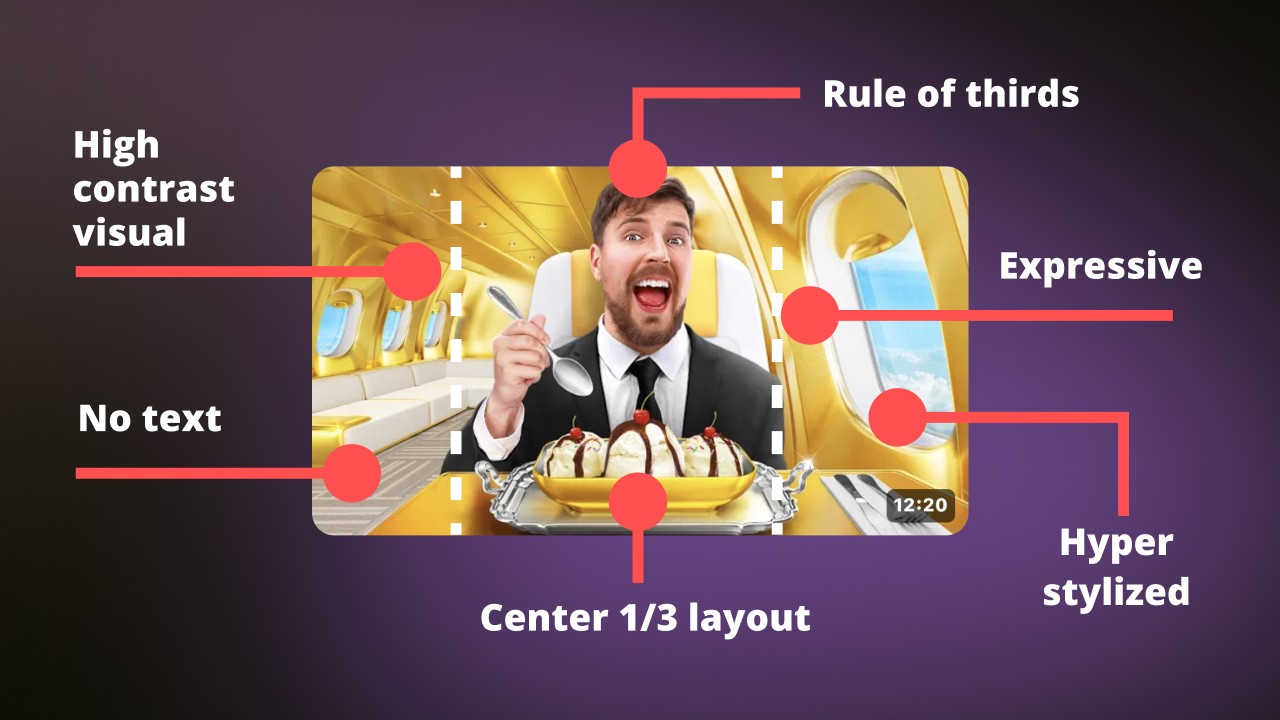
While this post is focused on titles, it is important to acknowledge that the title does not operate in isolation. In practice, title and thumbnail function as a package — the viewer evaluates both simultaneously in their split-second assessment.
The most effective title-thumbnail combinations create a coherent narrative across the two elements — each adding information or emotional resonance that the other does not contain, rather than repeating the same message redundantly.
A thumbnail showing a face with a strongly surprised expression does not need the title “You Won’t Believe This” — the thumbnail is already conveying that emotion. The title should add the specific information that contextualises the surprise: “The Investment Strategy That Returned 34% — No Stock Market Required.”
The thumbnail showing a specific numerical outcome — a screenshot of a bank balance, a before-and-after transformation, a striking visual statistic — does not need the title to restate that outcome. The title should add context, emotional trigger, or search relevance that the visual cannot provide.
The best titles are designed in relationship with the thumbnail — conceived as part of a two-element communication that is evaluated together.
Common Title Mistakes — What to Avoid

The mistakes that consistently undermine title effectiveness fall into predictable patterns.
The creative but unsearchable title
“Morning Rituals of a Recovering Overachiever” might be genuinely evocative and accurately describe a personal productivity video. But nobody searches for “morning rituals of a recovering overachiever.” The viewer who would benefit from the video will never find it because the title does not reflect any search query they would make.
Creative, poetic, or internally meaningful titles serve the creator’s self-expression rather than the viewer’s discovery. The function of a title is to connect the content with the viewer who needs it — not to express the creator’s voice or identity.
The vague categorical title
“Investing for Beginners” describes a category. There are thousands of videos in this category. The title gives the viewer no reason to choose this video over any other — no specific promise, no personal experience signal, no emotional hook.
“How I Went From Zero Investment Knowledge to a Balanced Portfolio in Six Months — What I Wish Someone Had Told Me at the Start” describes a specific journey, makes a specific promise, and signals to the beginner viewer that the creator has been where they are.
The clickbait title with non-matching content
“I Quit My 20 Lakh Job and Here’s What Happened” generates clicks from the curiosity about a dramatic decision. If the video is genuinely about that experience, with the honest reality of what happened after, the title is legitimate.
If the video is actually a promotional piece for a course the creator is selling, with the dramatic job-quitting story being a brief anecdote before twenty minutes of sales pitch — the viewer who clicked expecting an honest personal story has been misled. The high click-through rate will be followed by low watch time and poor satisfaction signals, which the algorithm registers and penalises with reduced distribution.
Clickbait is self-defeating at the platform mechanics level — it generates the click but destroys the satisfaction signals that determine long-term distribution.
The title that the creator likes but the audience does not
This is perhaps the most common mistake and the hardest one to identify, because it requires the creator to set aside their own perspective and genuinely inhabit the viewer’s.
Creators often love titles that reflect their specific framing of the content — their particular angle, their unique perspective, the intellectual nuance they found most interesting in making the video. These titles are meaningful and accurate from the creator’s perspective. They may completely fail to communicate the video’s value from the viewer’s perspective.
The test for this is simple: show the title to people who did not make the video and ask them what they would expect to find inside. If their expectations do not match what the video actually contains, the title is communicating something different from what the creator intended — and the viewer who clicks will either find something unexpected or be disappointed.
Testing Your Titles — The Discipline That Separates Good From Great

The best title for any given video is almost never the first title the creator writes. It is the title that has been tested, refined, and in some cases completely reconceived based on performance data.
YouTube provides click-through rate data in YouTube Studio’s analytics — visible for each individual video and as an average across the channel. This data is the most direct available feedback on title effectiveness.
A simple testing discipline: when a video underperforms expectations — when CTR is significantly below the channel average — experiment with a title change. YouTube allows titles to be edited after publication. A changed title may or may not immediately improve the video’s algorithmic distribution, but it provides data about whether the new title generates more clicks from the impressions it receives.
For channels with sufficient traffic, YouTube’s A/B title testing feature — where available — allows direct comparison of two title options under controlled conditions, with clear data about which produces higher CTR.
Beyond formal testing, the informal testing of writing multiple titles before choosing is itself valuable. Writing ten possible titles for a video before selecting one is not overkill — it is the creative process through which the best option emerges. The first title is usually the most obvious. The tenth is often the most interesting.
The Title Is Not Separate From the Content — It Should Grow From It
Everything we have discussed about title strategy could create a misleading impression: that the title is a marketing exercise separate from the content, applied after the video is made to generate clicks regardless of what the content actually contains.
This would be wrong — both ethically and practically.
The most effective titles grow directly from the most interesting, most useful, most emotionally resonant thing the video actually contains. They are not invented to manipulate clicks — they are surfaced from the genuine value of the content and expressed in the language that the viewer searching for that value would use.
When Arjit explains why most salaried employees in India overpay their taxes by twenty to thirty percent — that is a specific, true, surprising claim that his video actually substantiates. His title surfaces that specific claim because it is genuinely the most compelling thing in his video.
When Meenakshi’s granddaughter helps title a video about making traditional pongal the way Meenakshi’s grandmother made it — the title works not because it is marketing cleverness but because it accurately represents something specific and genuinely rare: a traditional recipe from a specific generation, in a specific voice, that no other video contains.
The title that works is the title that honestly answers, in the viewer’s language, the question: what is the single most interesting, most useful, or most surprising thing in this video?
That answer, expressed with specificity and emotional resonance, in a length that fits YouTube’s display constraints, front-loaded with the search terms the target viewer would use — that is the title.
Closing Thought — The Door Is Not the House, But Nobody Gets Inside Without It

The eighteen hours Rohan spent on his video produced something real — a carefully crafted piece of content that could genuinely help people. The three minutes he spent on the title produced a door that was not inviting enough for most people to open.
The house is worth visiting. The door needs to communicate that.
This is not an argument for spending more time on titles than on content. It is an argument for spending appropriate time on titles — time proportionate to the fact that the title is the single point of contact between your video and the viewer who has not yet decided to watch it.
The content is the value. The title is the communication of that value to someone who cannot yet see it.
A great video with a poor title is a great room that nobody enters. A great video with a great title is a great room that thousands of people walk into, discover something genuinely worth their time, and recommend to the people they know.
Write the title as carefully as you wrote the content. Surface the most interesting thing your video contains. Express it in the language your viewer would use to search for it. Make the promise specific enough to compel the click and honest enough to sustain the trust.
The viewer is at the door. The title is what you say to them before they decide whether to come in.
Make it worth saying.
Written by Digital Drolia — helping video creators understand that the most powerful investment in any video’s success is the quality of the words that introduce it. Found this valuable? Share it with a creator who is spending all their time on the content and none on the title — and wondering why nobody is finding their work.