


How a YouTube Video Made in 2021 Still Brings Daily Views and Income in 2026


Let me tell you about a fourteen-minute video that has never stopped working.
Vikram Nair made it in August 2021. He was sitting at his desk in Bengaluru, his second year of running a small personal finance YouTube channel, and he had decided that day to make a video answering a question he had been seeing repeatedly in various forums, WhatsApp groups, and comment sections across the internet.
The question was this: what actually happens to your EPF — your Employee Provident Fund — if you leave a job and do not transfer it or withdraw it? What are the rules, what are the consequences, and what should you actually do?
Vikram knew the answer well. He had navigated the EPF transfer process himself when he left his first job, had found it bewildering, and had spent a significant amount of time researching the rules before understanding what he needed to do. He remembered the specific confusion he had felt — the questions he could not find clear answers to, the anxiety about whether he was doing something wrong with money that had been accumulating for years.
He filmed the video on his phone, propped against a stack of books. He drew a simple diagram on a whiteboard showing the different scenarios — active employment, job change with transfer, job change without transfer, withdrawal before five years, withdrawal after five years. He explained each one in plain, conversational Hindi, addressing the specific fears he had himself felt.
The editing took two hours. He uploaded it with a title that reflected exactly what the question was: “EPF After Leaving Job — What Happens to Your Money and What You Should Do.”
The video got four hundred and twelve views in its first week. He posted the next video and forgot about it.

In January 2026, that video from August 2021 gets, on average, between eight hundred and twelve hundred views every single day. It has accumulated over three million total views. It generates AdSense income every month from nothing more than continuing to exist. And every week, Vikram’s comments section receives new questions from people who found the video that day — people who left a job recently, or who are about to leave, or whose friend told them about it, or who found it in a Google search result about EPF rules.
The video is four and a half years old. It has never been promoted. Vikram has not touched it since the day he uploaded it. It works every day without any additional effort from the person who made it.
This is the story of evergreen content. And understanding it — really understanding the mechanism and what creates it — might be the most practically valuable thing any YouTube creator can learn.
The Two Categories of YouTube Content — And Why Most Creators Only Make One
To understand why Vikram’s EPF video keeps working in 2026, you first need to understand that YouTube content divides cleanly into two categories — and that the economics of these two categories are as different as night and day.
The first category is time-sensitive content. News, current events, trending topics, reactions to recent happenings, commentary on what is happening right now. This content has high immediate relevance — in the days and weeks following publication, it captures significant attention from viewers who are actively following the topic. But its relevance decays. A reaction video to an event from 2021 is watched in 2026 only by people researching the history of that event. A news commentary video from 2022 is essentially an archive document. The content worked for a window and then its working life ended.
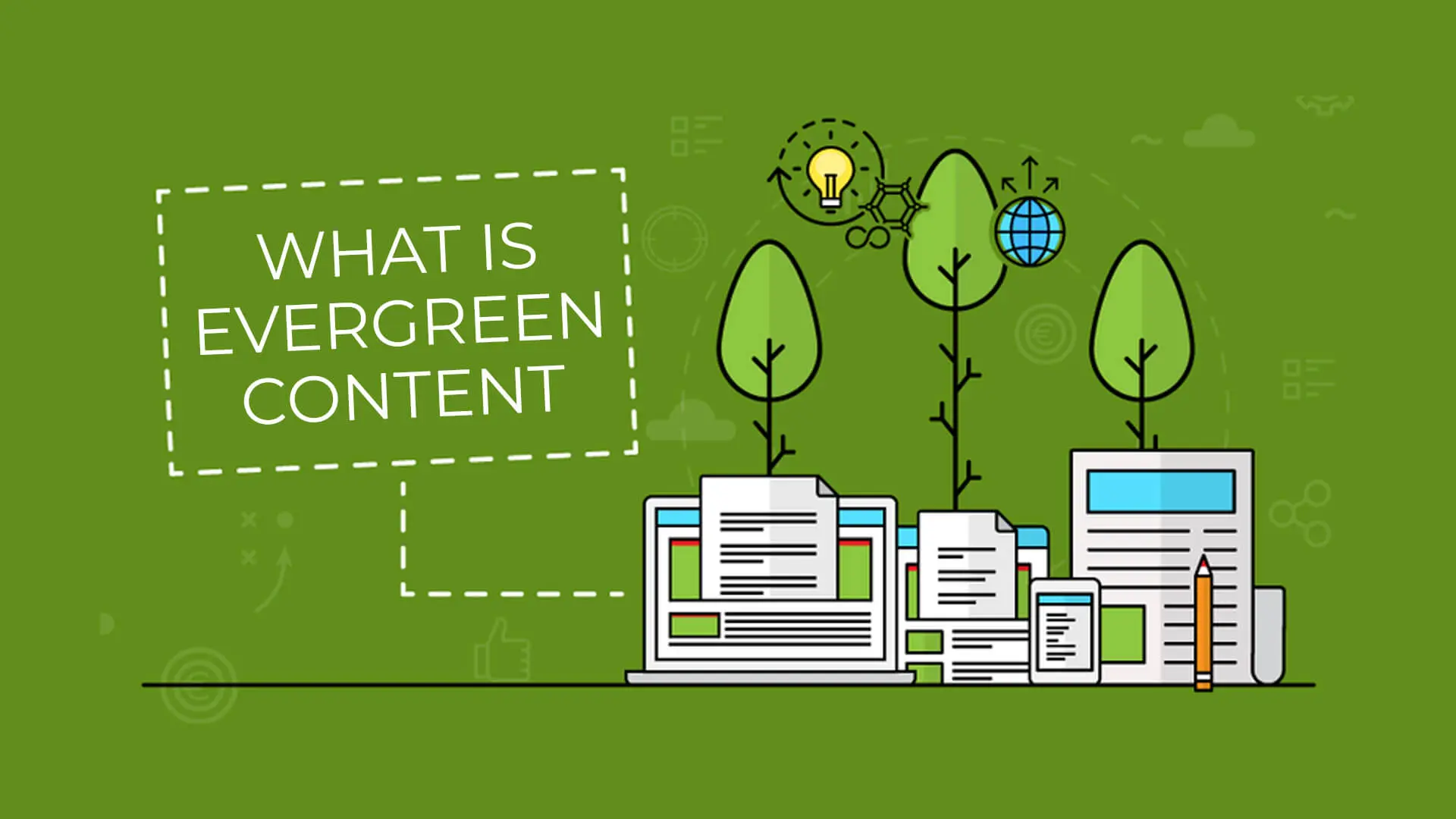
The second category is evergreen content. Information, explanations, tutorials, and guidance that answers questions people will keep asking regardless of when they are watching — questions driven by persistent human needs, ongoing life circumstances, or enduring curiosity. This content has lower immediate relevance peak — it does not spike with current events — but its relevance does not decay. The question it answers is as genuinely pressing for the person asking it in 2026 as it was for the person asking it in 2021.
The EPF question Vikram answered is a perfect example. People leave jobs every day. They will leave jobs every day in 2030 and 2035. Every time someone leaves a job and wonders what happens to their EPF, the question is as new and urgent to them as it was to every person who asked it before them. The video that answers this question is not a historical document. It is a living resource — as current to each new viewer as the day it was made.
Most YouTube creators, particularly those starting out, make primarily time-sensitive content. They react to news, they comment on trends, they cover what is currently happening. This is understandable — time-sensitive content can generate immediate attention and feels connected to the cultural conversation of the moment. But it is strategically limiting because it produces content that works once and then requires constant replenishment.
Evergreen content works differently. It builds a library — a collection of resources that each continue generating value indefinitely, accumulating views and income without requiring additional effort from the creator. The economics of this library model are fundamentally different from the economics of the time-sensitive treadmill, and understanding the difference is one of the most important strategic insights available to any YouTube creator.
What Makes Content Evergreen — The Precise Conditions

Not all content that feels timeless actually performs as evergreen on YouTube. Understanding the precise conditions that make content evergreen in the algorithmic sense — not just the philosophical sense — allows creators to make deliberate choices about what to create rather than discovering retroactively whether something worked.
Condition One: Persistent search demand
The foundation of evergreen content is persistent search demand — the same or similar questions being asked repeatedly by different people over time. EPF rules after leaving a job is a persistent search demand topic because people leave jobs every month of every year and the question they have is always the same.
The test for persistent demand is simple: think about the question your video answers and ask whether people will still be asking that question in five years. “What happened at the board meeting of Company X” has no persistent demand — it was relevant for a week. “How to calculate your income tax liability as a salaried employee” has persistent demand because salaried employees will always need to calculate their tax liability.
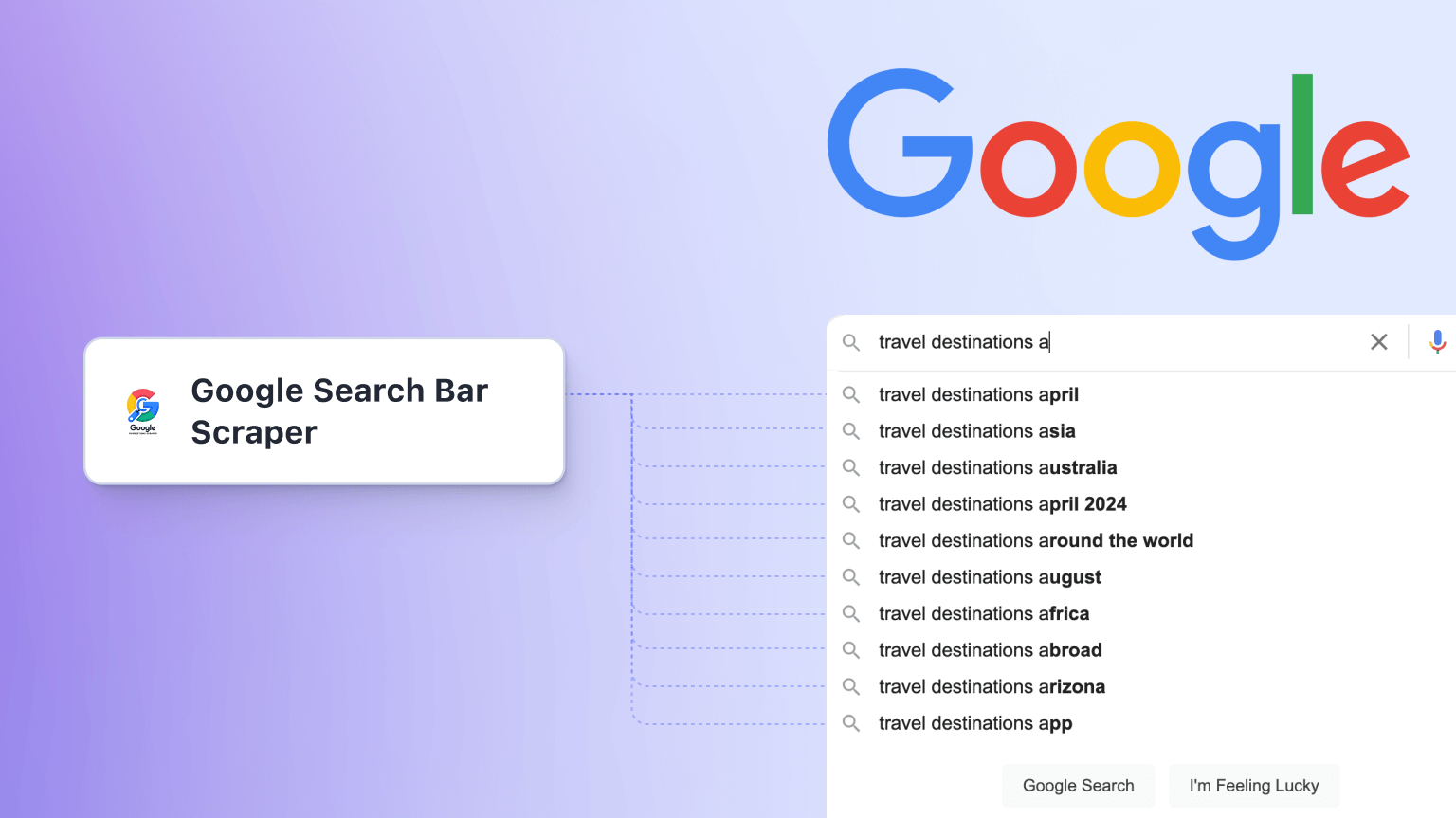
Tools like Google Trends, YouTube search autocomplete, and Google’s keyword planner provide data on search volume over time. A search term that has maintained consistent volume over multiple years is a strong signal of persistent demand. A search term that spiked recently and has been declining is a strong signal of time-sensitive rather than evergreen demand.
Condition Two: Informational or instructional content
Evergreen content typically falls into a small number of functional categories: how-to and tutorial content (how to do something that will always need doing), explanatory content (how to understand something that will always need understanding), and reference content (what the rules are, what the options are, what the differences are between things people frequently confuse).
Entertainment and commentary content is rarely evergreen because the specific cultural moment of its creation is embedded in it. An explanation of how EPF works is not culturally dated. A commentary on the political news of a specific week in 2021 is.
Condition Three: Accuracy that ages well
Some information that seems like it should be evergreen is actually time-sensitive because the underlying facts change frequently. Tax rates change. Government regulations are amended. Software interfaces are updated. Medical guidelines evolve.
Vikram’s EPF video has aged well partly because EPF rules are relatively stable — the fundamental mechanics he explained in 2021 remained largely accurate in 2026. A video explaining the specific interface of a software application that has been redesigned three times in four years would have aged poorly regardless of how good the original explanation was.
Creators pursuing evergreen content should consider not just whether the question is persistent but whether the answer is durable. Content about fundamental principles, underlying logic, and stable rules tends to age better than content about specific implementation details, current interfaces, or rules that are subject to frequent revision.
Condition Four: Clear, specific titling that matches search vocabulary
We explored this in detail in our post about YouTube titles. Evergreen content that is not titled in a way that matches how people search for it will not be discovered through search — and for evergreen content, search discovery is the primary ongoing mechanism through which new viewers find it.
Vikram’s title — “EPF After Leaving Job — What Happens to Your Money and What You Should Do” — closely matches the vocabulary that someone Googling or searching YouTube about this topic would use. The title has functioned as a persistent search signal for four and a half years because it accurately reflects the language of the question the video answers.
Condition Five: Completeness of treatment
Evergreen content works best when it comprehensively addresses the topic — when the viewer who comes with the question leaves with the answer, without needing to search further or find additional resources. A video that covers the topic shallowly may satisfy the first few viewers but generates no loyalty, no shares, and no return visits from viewers who found the answer incomplete.
Vikram’s video runs fourteen minutes — long enough to cover every major scenario a person leaving a job might face, including the ones they did not know to ask about. Viewers who watch the complete video leave with a comprehensive understanding. The comments confirm this: many say things like “finally a complete answer” or “I had this exact question and this video answered everything.” This completeness is why the video generates shares — people send it to friends facing the same situation, confident it will answer their question rather than just partially addressing it.
The Algorithmic Mechanism — Why YouTube Keeps Distributing Old Videos
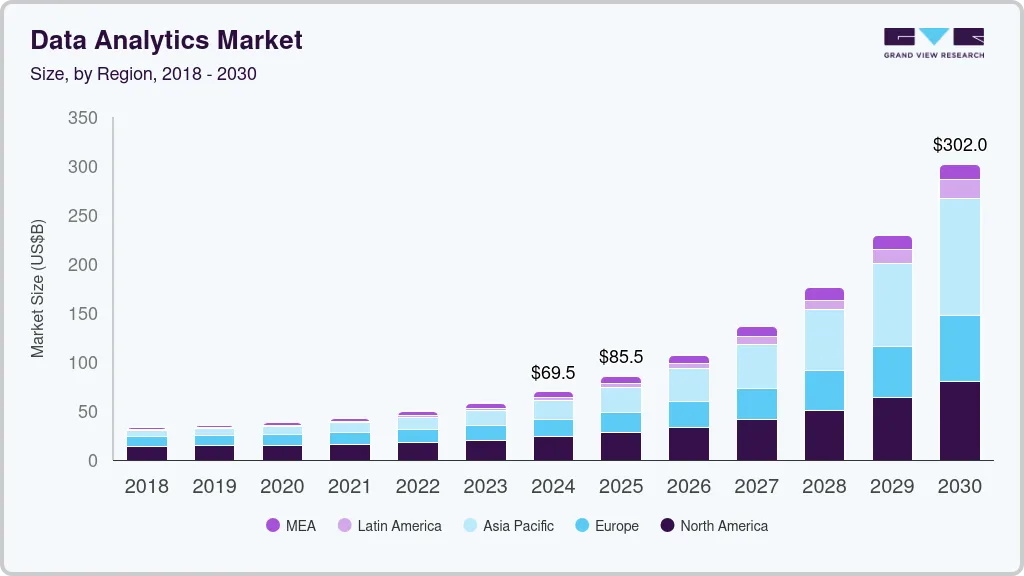
Understanding that YouTube keeps distributing Vikram’s 2021 video in 2026 raises an obvious question: why does the algorithm continue to promote content that is four and a half years old?
The answer lies in the specific signals that YouTube’s algorithm uses to make distribution decisions — and in the fact that several of these signals actually strengthen over time for high-quality evergreen content rather than weakening.
The sustained satisfaction signal
YouTube’s algorithm measures not just how many views a video gets but how satisfying those views are — whether viewers watch substantial portions of the video, whether they interact with it, whether they continue watching YouTube after the video ends, and crucially, whether they are satisfied enough to leave a positive signal like a like or a comment.
For evergreen content that genuinely answers a persistent question, these satisfaction signals are continuously replenished by new viewers who find the video and are genuinely helped by it. Each new viewer who watches the EPF video and learns what they need to know contributes a satisfaction signal that tells the algorithm: this video is still serving its audience well.
The algorithm does not ask when the video was made. It asks whether it is currently satisfying the people who watch it. For evergreen content on stable topics, the answer continues to be yes indefinitely.
The search relevance signal
YouTube’s search algorithm evaluates relevance based on the match between a search query and a video’s title, description, tags, and chapters — combined with the historical evidence of how viewers who searched for similar terms have responded to this video.
As Vikram’s video accumulates more views from searches related to EPF and job changes, the algorithm builds an increasingly robust model of its relevance to those searches. The video’s search performance in 2026 is partly based on four and a half years of data showing that viewers who searched EPF-related terms found this video relevant and watched it substantially.
This historical data is an asset that a new video on the same topic cannot immediately match. A new creator who makes an excellent EPF video in 2026 is competing against Vikram’s four-and-a-half-year head start in accumulated relevance signals. They may eventually overtake him if their content is significantly better or better optimised — but they start at a disadvantage.
The external link and share signal
Over four and a half years, Vikram’s EPF video has been linked to from personal finance forums, shared in WhatsApp groups, embedded in blog posts, and referenced in other YouTube videos. Each of these external references sends a signal to both YouTube’s algorithm and Google’s algorithm that this video is a valued and trusted resource for the topic it covers.
External linking is one of the signals that YouTube uses in its ranking decisions, partly because it reflects real-world validation by people who found the video useful enough to share or reference. For evergreen content that genuinely serves a real need, this external validation accumulates over time and strengthens the video’s algorithmic position progressively.
The Income Reality — What Evergreen Content Actually Earns


The income dimension of Vikram’s EPF video is worth exploring specifically because it illustrates the economic model of evergreen content in a way that abstract explanation cannot.
Vikram’s channel as a whole has grown to around one lakh twenty thousand subscribers over five years of consistent posting. Across his library of approximately two hundred videos, his total monthly views run to several million — of which a meaningful proportion are driven by a relatively small number of evergreen videos that each generate consistent daily viewership.
The EPF video is his highest-performing individual piece of content. Its daily view count of eight hundred to twelve hundred views translates to roughly twenty-five thousand to thirty-six thousand views per month — which, at reasonable CPM rates for personal finance content in India, generates meaningful AdSense income every month without any additional effort.
The key economic insight is what this means per unit of creator effort. Vikram spent approximately four hours on the EPF video — filming, editing, uploading. Over four and a half years of continuous earning, that investment has generated returns that would be difficult to achieve with almost any other allocation of four hours.
Compare this with time-sensitive content. A trending news commentary video might generate fifty thousand views in its first week and then drop to essentially zero. The income from those fifty thousand views, earned once, is lower than the income from twenty-five thousand views per month earned indefinitely.
The per-view income of the EPF video is not dramatically higher than any other video. The economic power comes from the duration and consistency of earning — from the fact that the income continues without additional effort, compounding over months and years.
This is the economic model that makes evergreen content so strategically valuable. It is not about any individual video generating spectacular income. It is about building a library of videos each generating modest but consistent income — income that adds up, month after month, without requiring the creator to produce more content to maintain it.
The Library Model — Understanding Compounding Value
The EPF video is not an isolated example in Vikram’s channel. It is one of approximately fifteen to twenty videos that each generate consistent daily viewership — what Vikram calls his evergreen core.
Together, these fifteen to twenty videos account for the majority of his channel’s monthly views and income — despite representing only about eight to ten percent of his total video count. The other hundred and eighty-odd videos generate views too, but at lower rates and with less consistency.
This is a predictable pattern across educational and informational YouTube channels. A small proportion of the videos — the ones that covered genuinely persistent questions with comprehensive, well-titled treatments — become the backbone of the channel’s ongoing performance. The majority of videos contribute to the channel’s overall credibility and subscribe-worthiness but do not individually generate the ongoing traffic that the evergreen core does.
Understanding this pattern changes how thoughtful creators approach content strategy. Rather than posting whatever comes to mind most readily or responding to whatever is trending this week, a creator aiming to build sustainable YouTube income thinks deliberately about which topics have genuine persistent demand and invests time in creating comprehensive, well-titled, well-structured answers to those questions.
Over time — often three to four years for the compounding effects to become dramatic — this library of evergreen resources transforms the channel’s economics. The creator who has spent three years building an evergreen library is not starting from zero every month. They have a foundation of ongoing traffic and income that does not require constant content production to maintain.
Vikram describes it this way: in his first year of posting, he needed to post three to four videos per week to maintain any meaningful momentum. By his fourth year, his evergreen library was generating more views per month than his first year’s entire output — from videos he had made years earlier. He now posts once or twice a week, partly because the library sustains his channel independently of new content.
How to Identify Evergreen Topics — A Practical System
Understanding that evergreen content is valuable is not enough. Creators need a practical system for identifying which topics have the persistent demand and the answer-stability characteristics that make them worth the investment.
Here is the system Vikram uses — developed through trial, observation, and refinement over five years.
Step One: Mine the questions people are already asking
The most reliable source of evergreen topic ideas is not the creator’s imagination — it is the existing record of questions people are asking. This record exists in multiple places.
Comment sections on existing videos in the creator’s category — both their own and competitors’ — are full of questions from viewers who did not find complete answers. Each unanswered or partially answered question is a potential evergreen video topic.
Reddit, Quora, and topic-specific forums contain millions of questions that real people asked because they needed answers. The questions that appear repeatedly — asked by multiple people in different phrasings — represent the highest-demand topics.
The autocomplete function of both YouTube and Google search reflects what people are actually searching for. Typing “EPF” into YouTube’s search bar and observing the autocomplete suggestions reveals what EPF-related questions people are typing most frequently.
Step Two: Check search volume and trend stability
Once a potential topic is identified, check whether the search demand for it is stable or declining. Google Trends allows comparison of search terms over time — a term with consistent search volume over multiple years is an evergreen candidate. A term with a recent spike and declining trend is time-sensitive.
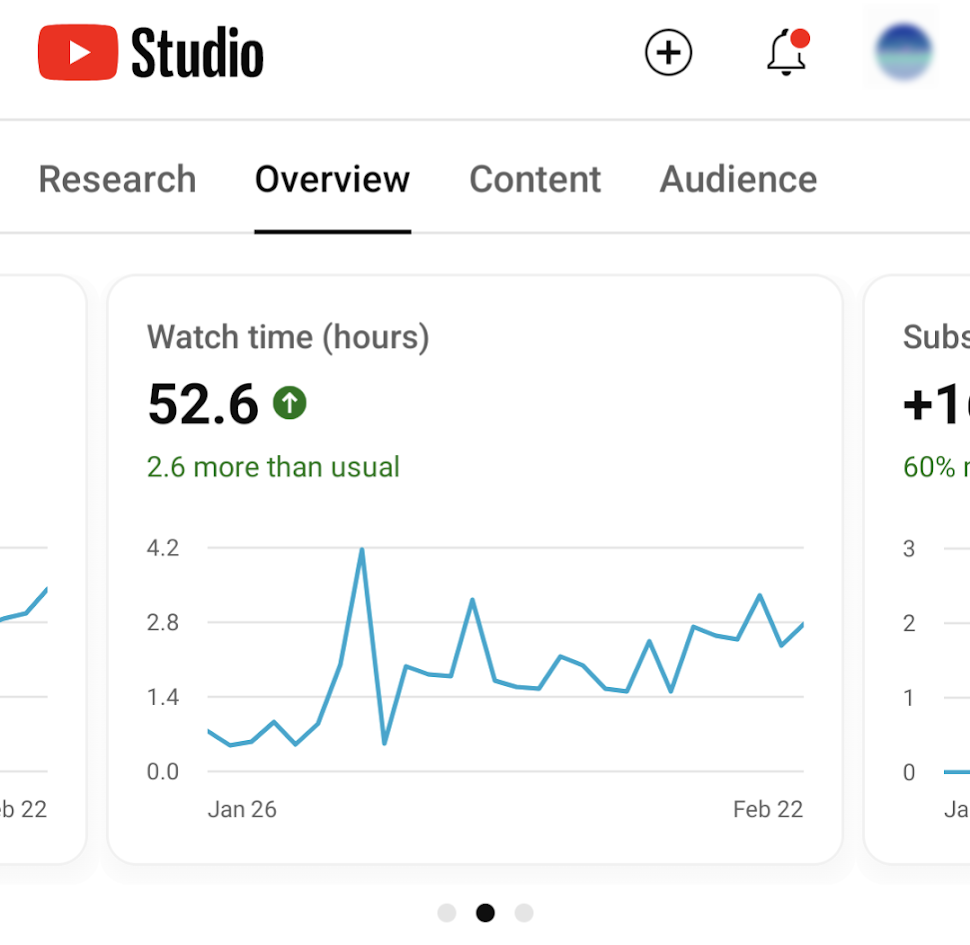
YouTube’s search insights — available through YouTube Studio for terms relevant to a creator’s category — provide additional data on search volume and how it has changed over time.
Step Three: Evaluate the competition
Search for the topic on YouTube and evaluate the existing content. Are the existing videos genuinely comprehensive, well-structured, and clearly explained? Or are they dated, incomplete, or poorly presented?
The best evergreen opportunities are in areas where search demand is persistent and strong but existing content is inadequate — where a comprehensive, well-made video would clearly surpass what is currently available. These are the topics where a new video has the best chance of eventually displacing older content in search rankings.
Step Four: Assess answer stability
Consider whether the answer to the question is likely to remain accurate for several years. Financial regulations change, but the fundamental mechanics of how EPF works has been stable enough that a 2021 explanation remains largely accurate in 2026. Software interface tutorials age quickly. Explanations of underlying principles age slowly.
For topics where the answer is subject to frequent change, creators can still make evergreen content by focusing on the stable underlying principles and indicating explicitly when specific details are subject to change and should be verified.
Step Five: Plan for completeness
Before filming, map out the complete question — not just the part that most people ask, but the full context of what someone genuinely needs to know to be satisfied. Vikram’s EPF video works partly because it addresses not just “what happens to my EPF” but “what are all the scenarios, what are the tax implications, what exactly should I do and in what order.” This completeness is what makes viewers share it with others facing the same situation.
The Maintenance Question — Does Evergreen Content Require Updates?
A question Vikram is frequently asked: should he update the EPF video to reflect any changes in EPF rules since 2021?
The answer depends on the specific situation. For content where underlying rules or facts have changed significantly, an update — either through adding a note to the description, creating a new updated video, or adding a pinned comment noting the changes — maintains the content’s accuracy and therefore its usefulness.
For content where the core information remains accurate but minor details have changed, a description note pointing viewers to official sources for the most current figures or rules is often sufficient without requiring a complete remake.
For content on stable fundamental topics — how compound interest works, the difference between term and whole life insurance, what an emergency fund is and why it matters — updates may never be needed because the underlying logic does not change.
The maintenance philosophy for evergreen content is different from the approach to time-sensitive content. Time-sensitive content becomes obsolete and cannot be maintained into relevance. Evergreen content on stable topics does not become obsolete and requires only light maintenance — occasional accuracy checks and description updates — to remain a living resource indefinitely.
Vikram has added three description notes to his EPF video over four and a half years, pointing to official EPFO sources where specific figures have been updated. Each note took five minutes to add. The core content of the video has required no revision.
Combining Evergreen and Time-Sensitive Content — The Optimal Strategy

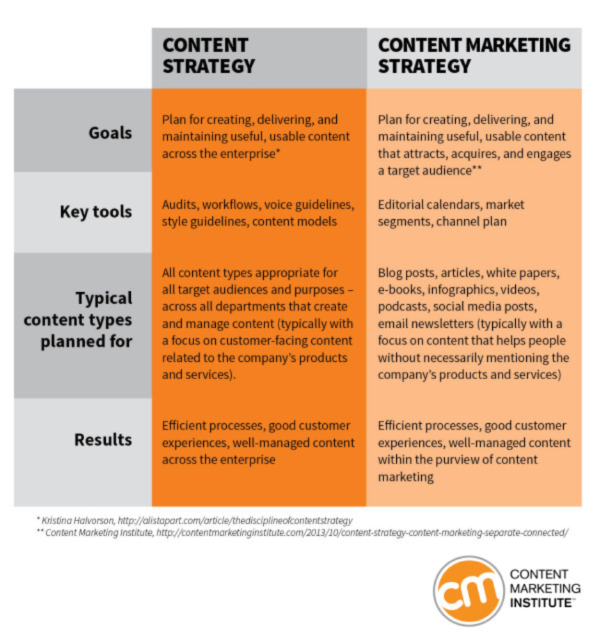
The most successful YouTube channels — particularly in educational and informational categories — do not make exclusively evergreen content or exclusively time-sensitive content. They build a strategy that combines both deliberately.
Time-sensitive content serves immediate relevance and platform freshness. When a budget is presented or a major policy changes, a timely commentary or explanation captures immediate search traffic and signals to the algorithm that the channel is current and engaged. These videos may not generate long-term traffic individually, but they contribute to the channel’s perceived relevance and attract subscribers who then discover the evergreen library.
Evergreen content generates the sustained traffic and income that makes the channel economically viable over the long term. It is the foundation on which the time-sensitive spikes rest — the consistent baseline that the time-sensitive content periodically exceeds but never fully replaces.
The ratio between the two types varies by creator and category. In news and commentary categories, the majority of content is necessarily time-sensitive. In tutorial and educational categories, the majority of content can and should be evergreen. In most hybrid categories — like personal finance, which combines evergreen fundamentals with time-sensitive news — a conscious allocation of fifty to seventy percent evergreen and thirty to fifty percent time-sensitive tends to produce healthy long-term economics.
The key is that the choice between evergreen and time-sensitive should be deliberate rather than default. Many creators post time-sensitive content by default — because it is easier to react to what is happening than to identify and answer persistent questions comprehensively. The creators who build the most sustainable channels are those who make the conscious choice to invest in evergreen content even when it requires more research and preparation than reacting to the news.
The Unexpected Consequences of Evergreen Content — What Vikram Did Not Anticipate
When Vikram made the EPF video in 2021, he was solving a problem he had experienced himself and trying to help other people in the same situation. He did not anticipate most of what followed.
He did not anticipate that the video would be used as a reference in other creators’ videos on related topics — with attribution in the description driving additional traffic to his channel.
He did not anticipate that the comments section would become a community resource — with knowledgeable commenters answering each other’s questions based on their own EPF experiences, creating a self-sustaining repository of practical wisdom that made the video more useful than the video itself.
He did not anticipate that the video would be shared in employee WhatsApp groups when companies did layoffs — that in the stressful days when people were suddenly leaving jobs unexpectedly, someone would post “Watch this, it explains what to do with your EPF” and drive sudden spikes of several thousand views in a single day.
He did not anticipate that the trust established by the EPF video would translate directly into subscriber loyalty — that viewers who found the video while searching for EPF information and found it genuinely helpful would subscribe and watch multiple other videos, building a relationship with his channel from a single search result.
These consequences are specific to this particular video, but they reflect a pattern that appears across evergreen content. When a video genuinely serves a persistent need, it becomes part of the infrastructure of how people navigate that need — not just content to be watched once but a resource to be found, used, shared, and returned to.
The creator who makes a video like this has not just produced content. They have contributed a resource to the knowledge commons — something that exists in the world, continues to serve people, and continues to generate the economic signals that sustain a creative career.
The Bigger Picture — What Evergreen Content Represents
Pull back far enough and the story of Vikram’s EPF video is about something larger than content strategy or YouTube economics.
It is about a specific and underappreciated form of value creation — the distillation and communication of knowledge in forms that are accessible, discoverable, and durable.
For most of human history, the knowledge required to navigate important practical decisions — what to do with your EPF when you leave a job, how to calculate your income tax, how to evaluate a mutual fund, how to understand your lease agreement — was distributed unevenly. It was available to people who could afford professionals to advise them, who happened to know someone knowledgeable, or who had the educational background to access primary sources directly. People without these advantages navigated important decisions with incomplete information or expensive professional fees.
YouTube’s evergreen content ecosystem is, at its best, democratising access to this practical knowledge. Vikram’s EPF video has been watched by people in their first jobs who had no financial adviser and no knowledgeable family member to ask. It has been watched at midnight by anxious people who just received layoff notices and needed to know what would happen to years of savings. It has been watched by people in small towns who had no local professional to consult and found, in a fourteen-minute video made by a person in Bengaluru they have never met, the clear explanation they needed.
This is the highest expression of what evergreen content can be. Not just a business model — though it is that. Not just an algorithm-friendly content strategy — though it is that too. But a contribution to the practical education of millions of people who need reliable, clear, accessible information to navigate their lives.
The video Vikram made in four hours in August 2021 has, by any reasonable measure, been useful to more people than most other things he has done in his professional life. It continues being useful today, without his presence, without his effort, without any action from him beyond the four hours he spent making it.
That is the extraordinary potential of content that is genuinely made to serve the people who need it.
The work is finite. The service it provides is not.
Closing Thought — Some Work You Do Once and Lasts Forever

There is a category of human effort that economists call durable goods production — the making of things that last beyond the moment of their making. A chair. A bridge. A building. The effort is invested once and the use value continues for years, decades, sometimes centuries.
Most creative work does not function as a durable good. A performance happens once. A newspaper article is read on the day of publication and discarded. A social media post surfaces in the feed for a day and then disappears into the archive.
But the best educational YouTube content — the kind that genuinely answers a persistent question comprehensively and clearly — functions as a durable good. The effort is invested once. The use value continues indefinitely.
Vikram invested four hours in August 2021. The resource he created with those four hours has provided value to millions of people across four and a half years. It continues providing value today. It will continue providing value tomorrow, next year, and the year after — for as long as salaried employees in India leave jobs and wonder what happens to their EPF.
Find the questions that people will always ask. Answer them completely, clearly, honestly. Title them in the words of the person asking.
Then go make the next video.
The ones that are genuinely useful will keep working long after you have moved on.
Some work you do once and lasts forever. Make more of that work.
Written by Digital Drolia — helping content creators understand that the most valuable videos are often the ones that keep giving long after the camera was switched off. Found this valuable? Share it with a creator who is on the content treadmill and has not yet discovered the economic freedom of building an evergreen library.