


Why Most YouTube Channels Fail at 1000 Subscribers and How to Break Past It

Let me tell you about a pattern that plays out on YouTube so consistently, across so many different categories and creators, that it has become almost predictable.
A person starts a YouTube channel. They are motivated — genuinely, deeply motivated. They have something to say. They have knowledge to share or stories to tell or a perspective that they believe deserves an audience. They start posting. The first few videos get modest numbers — a few dozen views, maybe a few hundred if a friend or family member shares. The numbers are small but they are real, and the creator keeps going.
Slowly — sometimes very slowly — the subscriber count climbs. Past one hundred. Past two hundred. The climb feels good, even when it is gradual. Something is being built.
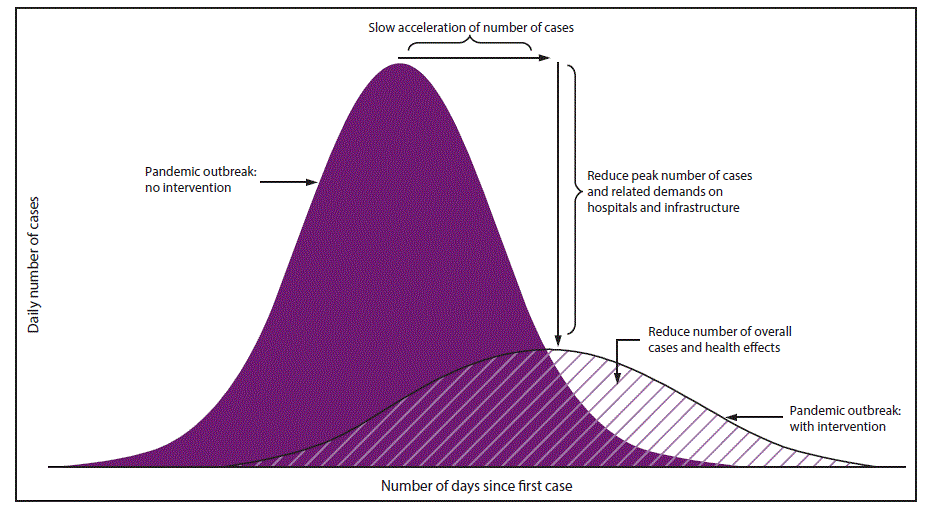
Then they reach somewhere in the eight hundred to twelve hundred subscriber range and something changes. The growth slows dramatically. The numbers that had been gradually climbing start to plateau. New videos do not generate the engagement that earlier videos did. The creator starts to sense, without being able to fully articulate why, that they are running on a treadmill — working hard to stay in the same place.
Some creators push through this plateau and eventually break into accelerated growth. Most do not. They reduce their posting frequency. They question whether they have what it takes. They experiment erratically with different styles, topics, and formats, disrupting whatever consistency they had built. And eventually — sometimes quietly, sometimes dramatically — they stop posting.
The channel sits, frozen at eight hundred or nine hundred or eleven hundred subscribers, like hundreds of thousands of other channels across the platform — monuments to genuine effort and genuine aspiration that hit the thousand-subscriber wall and could not break through.
This pattern is real. It is common enough to have earned its own name in creator communities — the one thousand subscriber plateau. And while it is frequently discussed, the reasons it happens and the specific things that break through it are less clearly understood than they should be.
This post is the honest, complete account of why the plateau happens and how to get past it.
What Actually Happens at Around One Thousand Subscribers — The Mechanics
Before talking about solutions, it is important to understand the specific mechanics of why growth commonly slows at this particular threshold. It is not random — there are specific reasons why this range represents a characteristic difficulty point for developing channels.
The initial network effect runs out
Every new YouTube channel’s first subscribers are people who have a pre-existing reason to want to see the creator succeed — friends, family, colleagues, people from existing social media followings who heard about the new channel. These subscribers come through personal connection and social obligation rather than through genuine discovery of the content.
These initial subscribers are generous viewers in one important way: they subscribe readily. But they are often not the ideal audience — they may not be genuinely interested in the specific topic the channel covers, they may not watch videos completely, and they rarely share content with others in the organic way that genuinely interested viewers do.
By the time a channel reaches several hundred to a thousand subscribers, this initial network is often largely depleted. The people in the creator’s immediate social orbit who were going to subscribe have subscribed. Further growth must now come from genuine discovery — from people who find the content because they were actually looking for what the content provides.
The transition from network growth to discovery growth is the first major challenge of the thousand-subscriber plateau. It is a structural shift that requires a different approach to content — specifically, content that is optimised for discovery through search and algorithmic recommendation rather than content that is shared through personal social networks.
The YouTube Partner Programme threshold creates psychological pressure
The YouTube Partner Programme — which allows creators to monetise their channel through AdSense advertising — requires one thousand subscribers and four thousand hours of watch time in the preceding twelve months.
For creators who are pursuing YouTube as a potential income source, this threshold creates a specific and often counterproductive psychological pressure. The one thousand subscriber mark is not just a number — it represents access to something tangible and meaningful. The closer the creator gets to it, the more attention they pay to the number itself rather than to the quality and discoverability of their content.
This attention shift — from content to metrics — is one of the most common causes of the plateau becoming entrenched. The creator who is obsessively checking their subscriber count multiple times per day is spending mental energy on measurement rather than on improvement. They begin posting content with a secondary agenda — to quickly attract subscribers — that subtly distorts their decisions away from the genuine audience service that drives organic growth.
The algorithm has not yet built a strong model of the channel
YouTube’s algorithm builds its understanding of a channel’s audience and content through data — the accumulated evidence of who watches the channel’s videos, what else those viewers watch, how long they watch, what they search for. This understanding becomes the basis for algorithmic recommendation — the platform’s decision about which new viewers to show the channel’s content to.
For channels with around one thousand subscribers, this data model is typically still thin. The algorithm does not yet have strong confidence about which broader audience the channel should be shown to. The recommendation system operates with limited confidence, which means the channel receives limited proactive distribution beyond its existing subscriber base.
This thin data model is a feature of channel development that takes time to build — it cannot be rushed by posting more frequently or by changing content dramatically. It requires sustained, consistent creation of content that serves a clearly defined audience, accumulating the signals that teach the algorithm who the channel is for.
Content consistency has often not been established
Many creators who reach the thousand-subscriber range have been experimenting — posting in different formats, covering different topics, trying different tones and approaches. This experimentation is natural and valuable, but it creates a channel profile that is difficult for the algorithm to categorise and difficult for a first-time visitor to evaluate.
A visitor who lands on a channel and finds cooking videos, travel vlogs, opinion pieces about cricket, and a tutorial on Excel is not well-positioned to decide whether to subscribe. They may enjoy one video but cannot be confident that the next video will be relevant to them. Subscription, fundamentally, is an expression of confidence that future content will be worth watching. A channel without clear, consistent identity makes that confidence difficult to establish.
The Deeper Problem — What the Plateau Is Really Telling You
Beyond the mechanical explanations, the thousand-subscriber plateau is often telling the creator something deeper — something that is harder to hear but more important to understand.
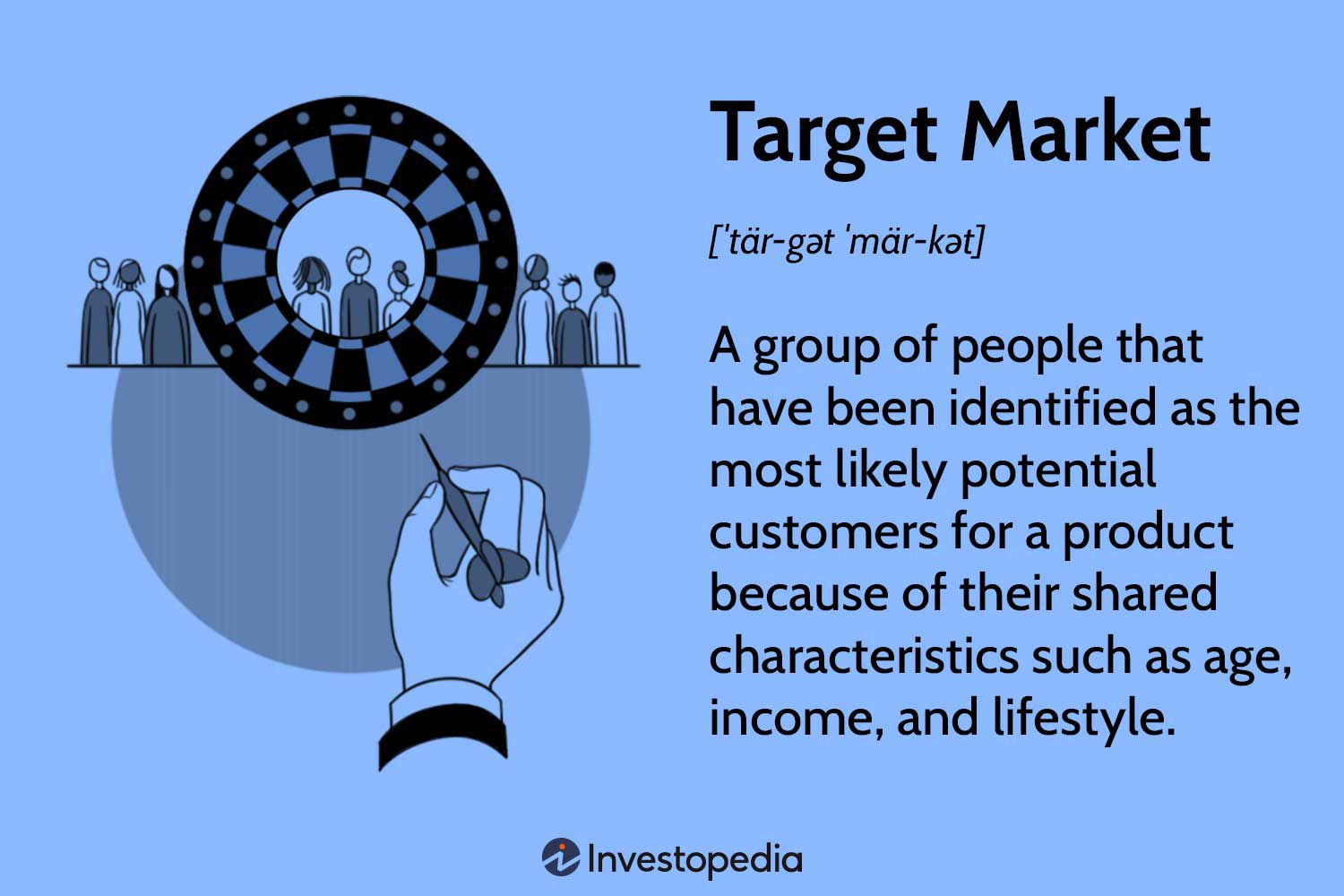
The plateau is frequently a signal that the content is not yet answering a specific, real need for a clearly defined audience.
Content that feels good to make — that reflects what the creator is interested in, curious about, or proud of — is not always content that serves a genuine audience need. The distinction between content the creator wants to make and content the audience wants to find is one of the most important and most difficult distinctions in creator development.
Consider two creators in the personal finance space.
The first makes videos about topics they find interesting — concepts they have been reading about, questions they are personally exploring, ideas they want to think through. The content is genuine and reflects real curiosity. But the topics are often niche, the framing is often internal to the creator’s perspective, and the title rarely reflects how someone searching for practical financial guidance would phrase their question.
The second makes videos that answer the specific questions they see being asked repeatedly in financial forums, comment sections, and WhatsApp groups. The topics are chosen based on evidence of genuine demand. The framing is from the viewer’s perspective — what is their situation, what do they need to know, what are they afraid of, what have they tried that did not work. The title reflects how the viewer would phrase the question.
Both creators may have comparable knowledge and comparable production quality. But the second creator’s content is designed to be found by people who need it. The first creator’s content is designed to express what the creator wants to say.
The thousand-subscriber plateau is often where this distinction becomes decisive. The creator’s initial network subscribed out of support and relationship. Growth past one thousand requires finding people who did not previously know the creator existed — people who find the content because they were looking for something specific and the content answered that specific thing.
If the content is not designed to be found and valued by people who were not already looking for the creator, it will not attract those people. And without attracting those people, growth stalls.
The Five Specific Failures That Keep Channels Stuck
Looking at channels that plateau at around one thousand subscribers and fail to break through, five specific failure patterns appear consistently.
Failure One: The content is for everyone and therefore for no one
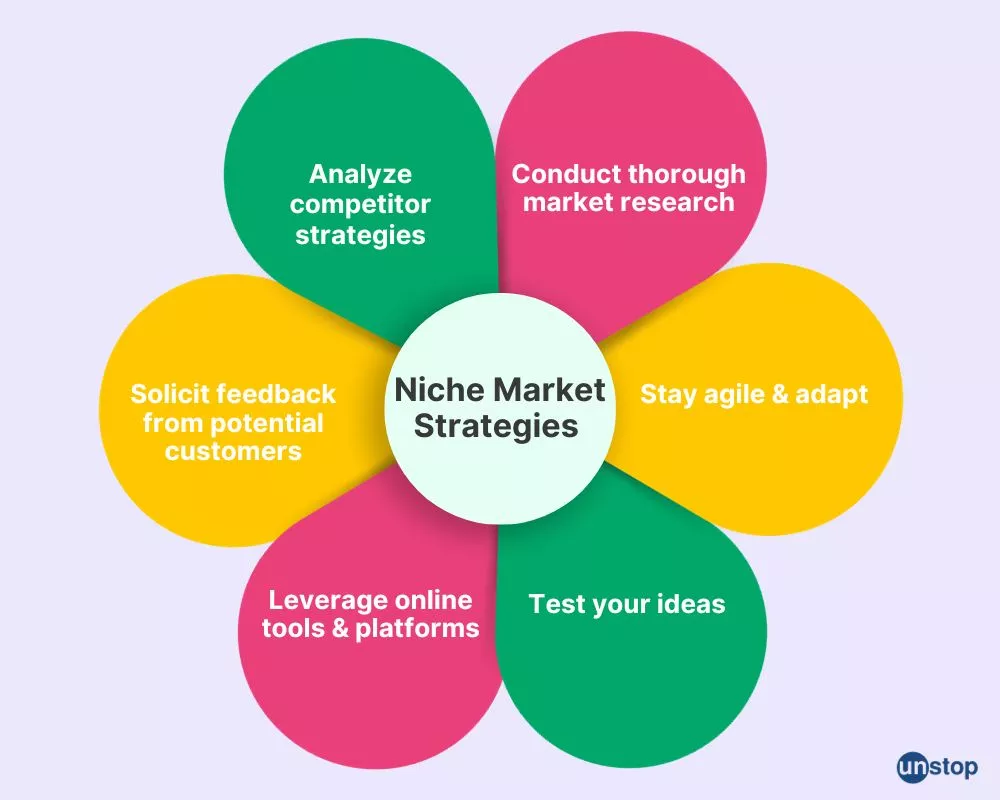
Channels that try to appeal to the broadest possible audience — that cover many topics loosely related to a general area, that speak in the voice of someone trying not to exclude anyone — end up being genuinely compelling to almost nobody.
The counter-intuitive truth of audience building on YouTube is that specificity attracts. The more clearly a channel defines who it is for and what specific value it provides to that specific person, the more powerfully it attracts exactly that person.
A personal finance channel for “everyone who wants to manage money better” is competing with thousands of other channels making a similar claim. A personal finance channel specifically for young doctors in India navigating their first years of earning after residency — addressing the specific financial situations unique to that group, speaking in the language of that community, addressing the fears and questions specific to that transition — has a smaller potential audience but a far more loyal and engaged one.
The narrower the definition, paradoxically, the faster the initial growth — because the channel becomes instantly recognisable as “for me” to anyone in that specific community.
Failure Two: The posting schedule is inconsistent
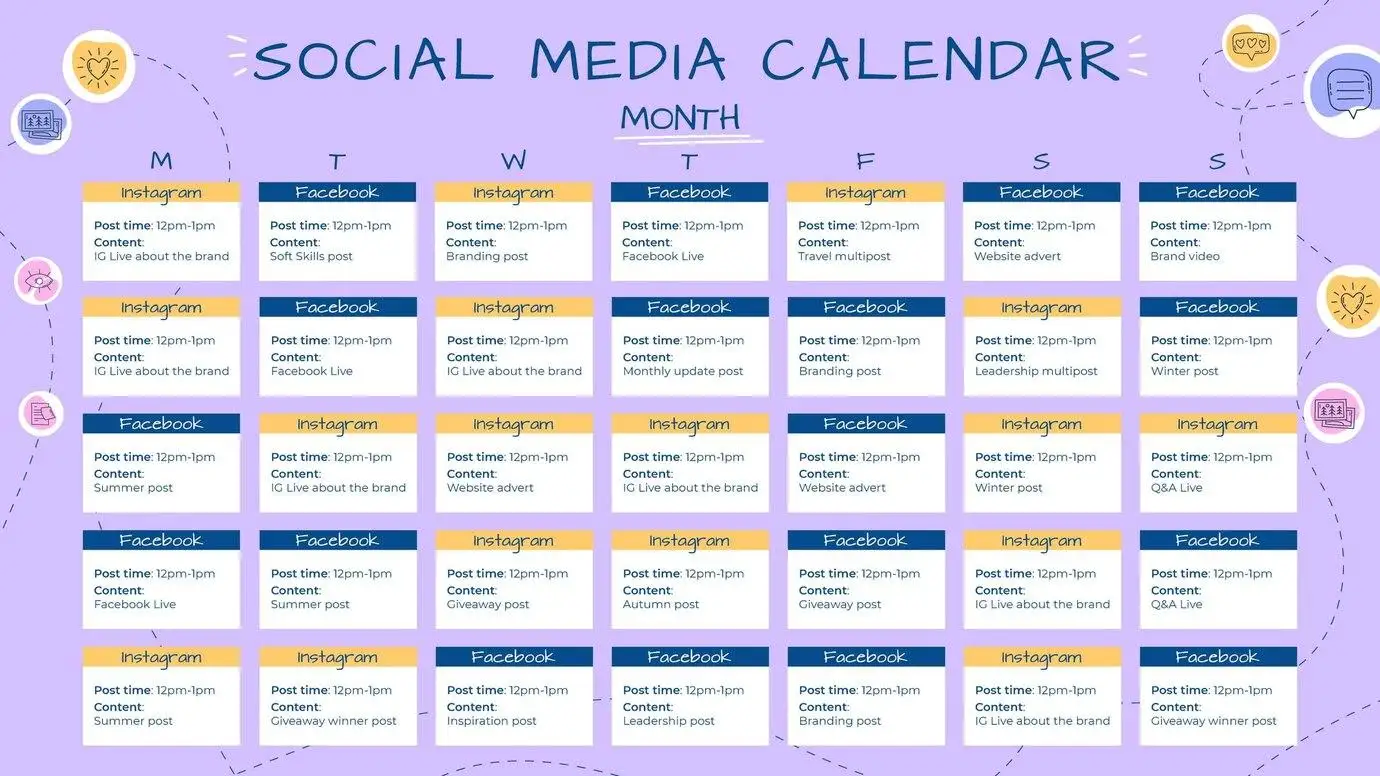
Consistency of posting is not just about the algorithm — though it does affect algorithmic distribution. It is about what the creator communicates to their audience about whether the channel is alive and whether it is worth trusting with a subscription.
A channel that posts three times one week, once the next, nothing for three weeks, then twice in a row is communicating inconsistency. The viewer who found the channel and enjoyed one video cannot be confident that next week there will be another video worth watching. This uncertainty reduces the willingness to subscribe — subscription is an expression of anticipated future value, and uncertain future posting makes that value hard to anticipate.
More subtly, inconsistent posting disrupts the accumulation of algorithmic data. YouTube’s algorithm benefits from consistent signals — a channel that posts regularly provides a consistent data stream from which the algorithm can build an increasingly confident model of the audience. Irregular posting creates gaps in this data stream that slow the algorithm’s learning.
Failure Three: The titles and thumbnails are not discoverable

We have devoted full posts to titles and thumbnails separately, but both warrant mention here because they are among the most common failure points for channels stuck at the thousand-subscriber plateau.
Many creators who post consistently and make genuinely good content remain undiscoverable because their titles do not match the search vocabulary of their target audience and their thumbnails do not stand out in a crowded search result.
The creator who makes excellent videos about EPF and titles them “My Thoughts on Provident Fund Management” rather than “EPF After Leaving Job — What Happens to Your Money” is not serving the person who is searching for EPF information. The search query will not surface the video. The content might be better than Vikram’s — but it will never be found.
Discoverable titles and thumbnails are not a marketing layer applied on top of good content. They are the mechanism through which good content reaches the people who need it.
Failure Four: The channel identity is not clear from the channel page

A potential subscriber who has watched one video and is considering subscribing often visits the channel page — the creator’s profile, banner, description, and playlist organisation — before making the decision.
A channel page that communicates clearly who the channel is for and what consistent value it provides makes the subscription decision easy. A channel page that shows an unclear banner image, a vague description, and a collection of unrelated videos in no apparent order makes the subscription decision difficult.
The channel page is the pitch to the viewer who is almost convinced. Many channels that produce good content lose potential subscribers at this stage because the channel page does not close the deal — it creates doubt rather than confidence.
Failure Five: The creator is not actively learning from what is working
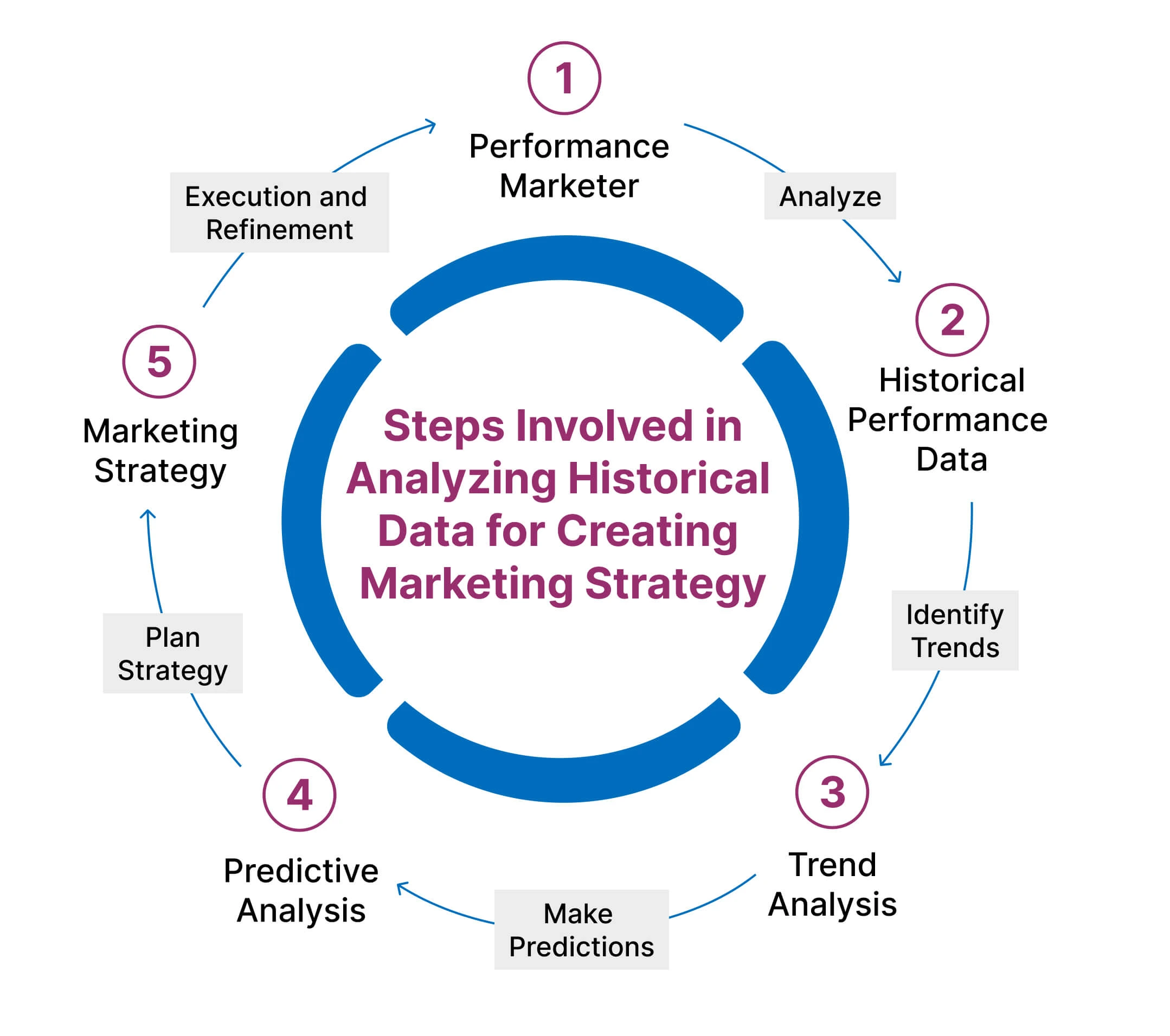
Many creators post and move on — spending energy on the next video without taking the time to understand what the previous videos have taught about what their audience responds to. The analytics are available. The watch time data, the click-through rate, the comments, the subscriber gain per video — all of this information is accessible and all of it contains signal about what is working and what is not.
The creator who regularly reviews their analytics and asks “what are the videos that generate the highest watch time, the most comments, the most subscribers, and what do they have in common?” is learning from their own data. The creator who ignores analytics and relies on intuition is leaving that learning on the table.
Breaking through the thousand-subscriber plateau often requires understanding, from the channel’s own data, which content is generating real engagement and doubling down on more of that — rather than continuing to experiment broadly without feedback.
What Breaking Through Actually Looks Like — The Mechanics of the Acceleration
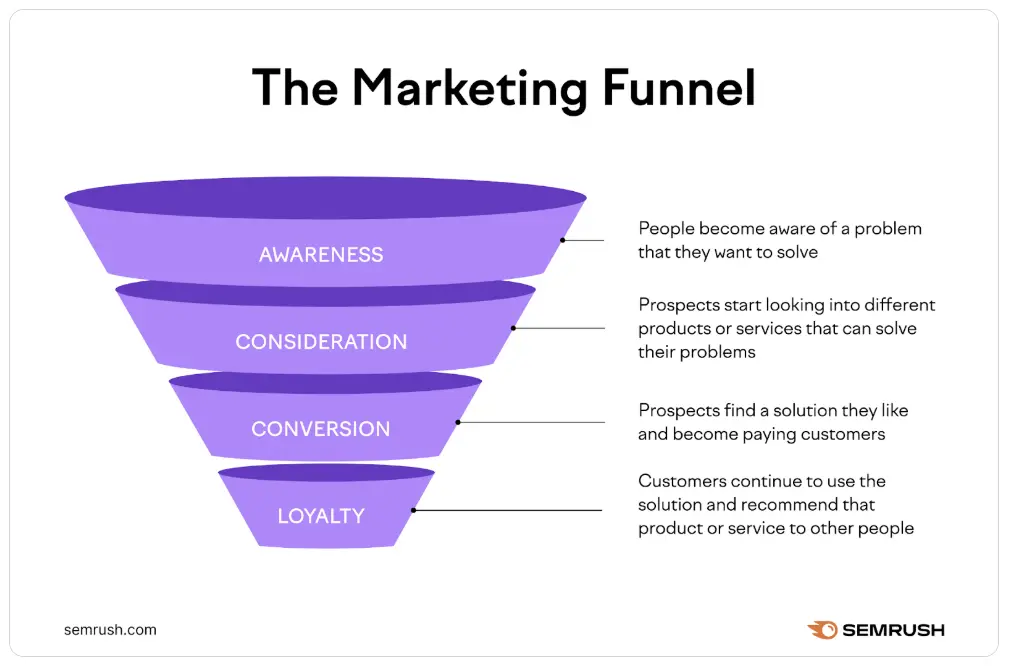
When a channel breaks past the thousand-subscriber plateau and enters a period of accelerated growth, several things are usually happening simultaneously — and understanding these things allows creators to actively create the conditions for acceleration rather than waiting for it to happen.
A piece of content achieves algorithmic traction
The most common immediate trigger for acceleration is a single video — or a small cluster of videos — that achieves significantly better algorithmic performance than previous content. This video generates a notably high click-through rate from its thumbnail and title, holds viewers for a substantial proportion of its length, generates strong comment engagement, and produces a spike in subscriber gain.
YouTube’s algorithm, receiving strong signals from this video, distributes it more broadly — showing it in recommendations to viewers who have not seen the channel before, surfacing it in search results with more prominence, including it in homepage recommendations. The broader distribution brings more viewers. More viewers generate more signals. The algorithm distributes more broadly still.
This acceleration cycle, once started, can significantly change the trajectory of a channel’s growth — but it requires a piece of content that genuinely earns the algorithm’s confidence by serving its audience exceptionally well.
The practical implication: creators at the plateau should be deliberately looking to identify and make the type of content that could earn this kind of algorithmic traction — not through tricks or gaming, but by creating the most genuinely useful, most compellingly presented answer to the most frequently asked question in their space.
The channel’s identity becomes clear and the algorithm’s model becomes confident
As a creator posts consistently on a clearly defined topic area with a consistent format and voice, YouTube’s algorithm builds an increasingly confident model of who the channel’s audience is and which broader population of non-subscribers resembles that audience.
This model — built from the accumulated data of who watches, how long, what else they watch — is the foundation of the channel’s recommendation performance. When it is confident, the algorithm recommends the channel’s content proactively to new viewers who match the audience profile. When it is thin or confused, the recommendations are limited.
The channel that breaks through the plateau is typically the one where this model has become sufficiently confident — through sustained, consistent, focused content creation — that the algorithm starts making proactive recommendations rather than waiting for viewers to find the content through search.
The creator identifies their highest-value content type and doubles down
The channels that break through consistently are those whose creators have looked at their own data, understood which type of content generates the strongest engagement from their specific audience, and committed to producing more of that type — even when it is not what they most naturally want to make.
This requires intellectual honesty and a willingness to subordinate the creator’s preferences to the evidence of audience response. A creator who personally enjoys making longer, narrative-driven videos but whose data consistently shows that concise, practical tutorial content drives the most subscriptions and watch time has to make a real choice: their own preference or their audience’s demonstrated need.
The creators who break through tend to be those who make this choice clearly and consistently — who use what the data tells them to focus their creative energy on what actually serves their audience.
The Collaboration Effect — How Other Creators Can Accelerate the Breakthrough

One legitimate and often underused strategy for breaking through the plateau is collaboration with other creators — specifically, channels that serve an adjacent audience and whose viewers might also be interested in the content your channel provides.
Collaboration works because it provides access to an already-built audience — viewers who have already demonstrated their interest in content related to yours and who may not yet know your channel exists. A creator in the personal finance space who collaborates with a creator in the career development space is accessing an audience that already cares about professional and financial improvement — an audience that represents genuine potential subscribers.
The most effective collaborations are ones where both creators bring something genuinely useful to the shared audience — not simply promotional appearances where each mentions the other, but actual creative work that provides value to the viewers of both channels.
Collaborative videos, joint series, or even simply responding to each other’s content in a way that creates an organic connection between the two audiences can generate meaningful subscriber crossover at a stage when organic algorithmic growth is still slow.
For creators at the thousand-subscriber plateau who have identified other creators in adjacent spaces with similar audience sizes, collaboration is often one of the fastest legitimate mechanisms for accelerating growth.
The Mindset Shift That Makes the Difference
Beyond the tactical adjustments — better titles, more consistent posting, clearer channel identity, more deliberate content selection — there is a mindset shift that underlies most of the channels that successfully break through the plateau.
The shift is from thinking about the channel as a self-expression project to thinking about it as an audience service project.
This does not mean suppressing the creator’s voice or abandoning authenticity. The best YouTube channels are deeply personal — the creator’s voice, perspective, and personality are central to what makes them distinctive and compelling. But there is a difference between self-expression that serves an audience and self-expression that primarily serves the creator.
The creator who makes videos about whatever they are currently interested in, titled in the language they would use to describe the content, formatted in the way they most enjoy making — is making for themselves. Their audience is a hoped-for recipient of content designed primarily around the creator’s needs.
The creator who identifies the specific, real needs of a clearly defined audience, creates content specifically designed to meet those needs, and packages that content in ways optimised for discovery and accessibility — is making for their audience. Their creative voice and personality are the specific, valuable way in which the audience need is being served — not the primary organising principle of content decisions.
This shift is subtle and it is hard. It requires genuine curiosity about the audience — about who they are, what they struggle with, what questions they cannot find good answers to, what language they use to describe their problems. It requires the discipline to make content about those things even when a different topic is more personally compelling.
The creators who break through the thousand-subscriber plateau are almost uniformly those who have made this shift — consciously or not — and who are making content primarily for the audience rather than primarily for themselves.
What Happens on the Other Side — Why the Effort Is Worth It
For creators who are grinding through the plateau, wondering whether the investment of time and effort is justified, it is worth describing clearly what happens when the breakthrough occurs.
The most immediate change is algorithmic — the channel’s content begins receiving proactive recommendation rather than relying entirely on the creator’s own promotion and organic search discovery. This change in algorithmic treatment is not binary — it does not switch on at one thousand and one subscribers. But there is typically a shift in the nature of growth somewhere between one thousand and five thousand subscribers for channels that are doing things right, where the algorithm begins consistently delivering new viewers rather than the creator having to fight for every individual view.
The second change is psychological — and it is significant. The creator who has broken through the plateau has evidence that their work resonates with an audience that was not predisposed to support them. They have proof, in the form of view counts and subscriber growth from strangers, that what they are making is genuinely valuable to people they will never meet. This proof transforms the creator’s relationship with their work — from anxious self-questioning about whether it is worth continuing to confident engagement with the craft of improving and building.
The third change is compound — and it is the one that, over time, becomes most significant. As we explored in our post about evergreen content, a creator with a growing body of high-quality, discoverable content builds a library that generates ongoing views and income without requiring proportionate ongoing effort. The creator who has five thousand subscribers and a library of fifty good videos is in a fundamentally different economic and creative position than the same creator with their first fifty videos and eight hundred subscribers.
The work between the first video and the breakthrough feels, in the moment, like it might not be leading anywhere. In retrospect — from the other side of the plateau — it is almost always recognisable as the investment period. The period when the foundation was being laid for everything that followed.
A Direct Message to the Creator Who Is Stuck

If you are reading this post because you are at eight hundred subscribers or nine hundred subscribers or eleven hundred subscribers and the growth has stopped and you are wondering whether to keep going — this section is for you.
First: the plateau you are experiencing is not evidence that you lack talent or that the channel concept is wrong. It is evidence that something specific about your current approach is not yet connecting with the discovery mechanisms that drive organic growth. That is a fixable problem, not a fundamental verdict on your potential.
Second: the answer to the plateau is almost never to post more frequently. It is to post more strategically — to focus on the content type and the specific topics that your data suggests are generating genuine engagement, to optimise your titles and thumbnails for discoverability, and to clarify your channel’s identity for both the algorithm and the potential subscriber.
Third: you need to make the mindset shift. Look honestly at your recent videos and ask whether each one was made primarily to serve your audience or primarily to express something you wanted to say. The answer will often be clear. The content made to serve the audience performs better. Make more of that.
Fourth: the one thousand subscriber mark is not the goal. It is a threshold — a gateway to monetisation tools and algorithmic recognition that makes further growth easier. But the channels that break through and then stagnate at three thousand or five thousand subscribers are those that treated the number as the goal. The channels that break through and keep growing to fifty thousand and beyond are those that treated the number as a consequence of genuinely serving their audience, and focused their energy on the service rather than the count.
Fifth: every creator who has built a meaningful YouTube channel went through a period that looked from the outside exactly like where you are right now. They did not know they were going to break through. They could not see that the consistency they were maintaining was building something. They just kept making videos.
The ones who succeeded were not those with the most talent or the best equipment or the greatest initial advantage. They were the ones who kept going long enough for their improvement and their audience’s growth to compound.
Keep going.
The Practical Checklist — What to Actually Do This Week
For creators ready to stop reading about the plateau and start acting on it, here is a practical checklist of the highest-leverage actions.
Pull up your YouTube Analytics and spend one hour studying which of your existing videos have the highest click-through rates, the highest average view duration, and the highest subscriber gain. Write down what these videos have in common — topic, format, length, emotional register.
Look at your five lowest-performing videos and ask honestly whether they were made primarily for your audience or primarily for yourself. Identify the pattern.
Search YouTube for the three topics you cover most frequently. Look at the existing content. Where is there genuine demand with inadequate supply — questions being asked that do not have comprehensive, well-made answers?
Update the titles of your three most relevant videos to better reflect how your target viewer would phrase the question the video answers.
Look at your channel page through the eyes of a first-time visitor. Would someone who watched one of your videos and landed on your channel page know immediately what the channel is for and whether to subscribe? If not, rewrite your channel description and reorganise your playlists.
Identify one other creator in an adjacent space with a similar audience size. Think about whether there is a genuinely useful collaboration that would serve both audiences. Reach out.
Plan your next four videos specifically based on what your analytics told you about your highest-performing content — not what you most want to make, but what the evidence suggests your audience most wants to find.
Do these things, consistently, for three months.
The plateau is not a wall. It is a gate, and these are the keys.
Closing Thought — The Thousand-Subscriber Plateau Is a Question, Not a Verdict
The thousand-subscriber plateau is not YouTube telling you that your channel is not good enough. It is YouTube asking you a question.
The question is: have you found the specific people for whom this content is genuinely and specifically valuable? Have you built the content, the titles, the consistency, and the channel identity that would allow those people to find you?
If the answer is yes — if you have done the work of defining your audience, creating for their genuine needs, making your content discoverable, and maintaining consistent output — the growth will come. Not immediately. Not in a straight line. But it will come, because the conditions for it will have been created.
If the answer is not yet — if the channel is still primarily about what the creator wants to express rather than what the audience needs to find — the plateau is simply the market’s feedback that more alignment between creator and audience is needed.
The thousand subscribers who are there already are enough to learn from. Their comments, their watch behaviour, their shares and non-shares, the videos they engaged with and the ones they did not — all of this is data. It is the market’s attempt to tell the creator what works and what does not.
The creator who listens to that data — who is genuinely curious about what their audience needs and genuinely committed to serving it — has everything they need to break through.
The plateau is a question. Answer it with your next video.
Written by Digital Drolia — written for the creators who are still in it, still posting, still believing that the work they are doing is worth doing, and who just need to understand clearly why the plateau happens and what to do about it. Found this valuable? Share it with a creator who is stuck and questioning whether to keep going.