

Why Posting at the Wrong Time of Day Can Kill Your Social Media Reach


Let me describe a small experiment that a content creator ran without fully intending to run it.
Neha Gupta makes content about sustainable living — practical tips for reducing waste, affordable alternatives to plastic, recipes that use kitchen scraps, and honest reviews of eco-friendly products. She posts primarily on Instagram, with a following of around sixteen thousand people she has built over twenty months of consistent, quality content.
Her posting time had always been whatever time she finished making the post. She did not have a schedule — she created when she had time and posted when she finished. Sometimes this was 7 AM. Sometimes it was 2 PM. Sometimes it was 11 PM when she had finally got around to finishing the caption she had been drafting all day.
One month, purely by accident, she noticed something in her analytics that she had never consciously examined before.
She had posted three nearly identical pieces of content in that month — three Reels using the same format, the same rough length, the same level of production quality, all covering topics in the same general area of sustainable kitchen practices. In most measurable ways, they were equivalent.
The first had been posted at 7:15 AM on a Wednesday. It reached fourteen thousand accounts in the first forty-eight hours. The second had been posted at 2:30 PM on a Thursday. It reached twenty-three thousand accounts in the same period. The third had been posted at 11:20 PM on a Friday. It reached six thousand accounts.
Same creator. Same quality. Same audience. Different posting time.
The difference between the best-performing and worst-performing was a factor of nearly four. Four times the reach — from the same content — depending on when it was posted.
Neha stared at this data for a long time. Then she went back through her last forty posts and ran the same analysis. The pattern was consistent. Posts made at certain times of day consistently outperformed equivalent posts made at other times. The timing variable was not the only variable — content quality mattered too — but it was a significant and independently measurable variable that she had been completely ignoring.
She changed one thing about her posting practice: she started posting at the times her analytics indicated her audience was most active.
Her average monthly reach increased by approximately thirty-five percent in the following two months. Nothing else changed.
Why Posting Time Matters — The Mechanism Explained
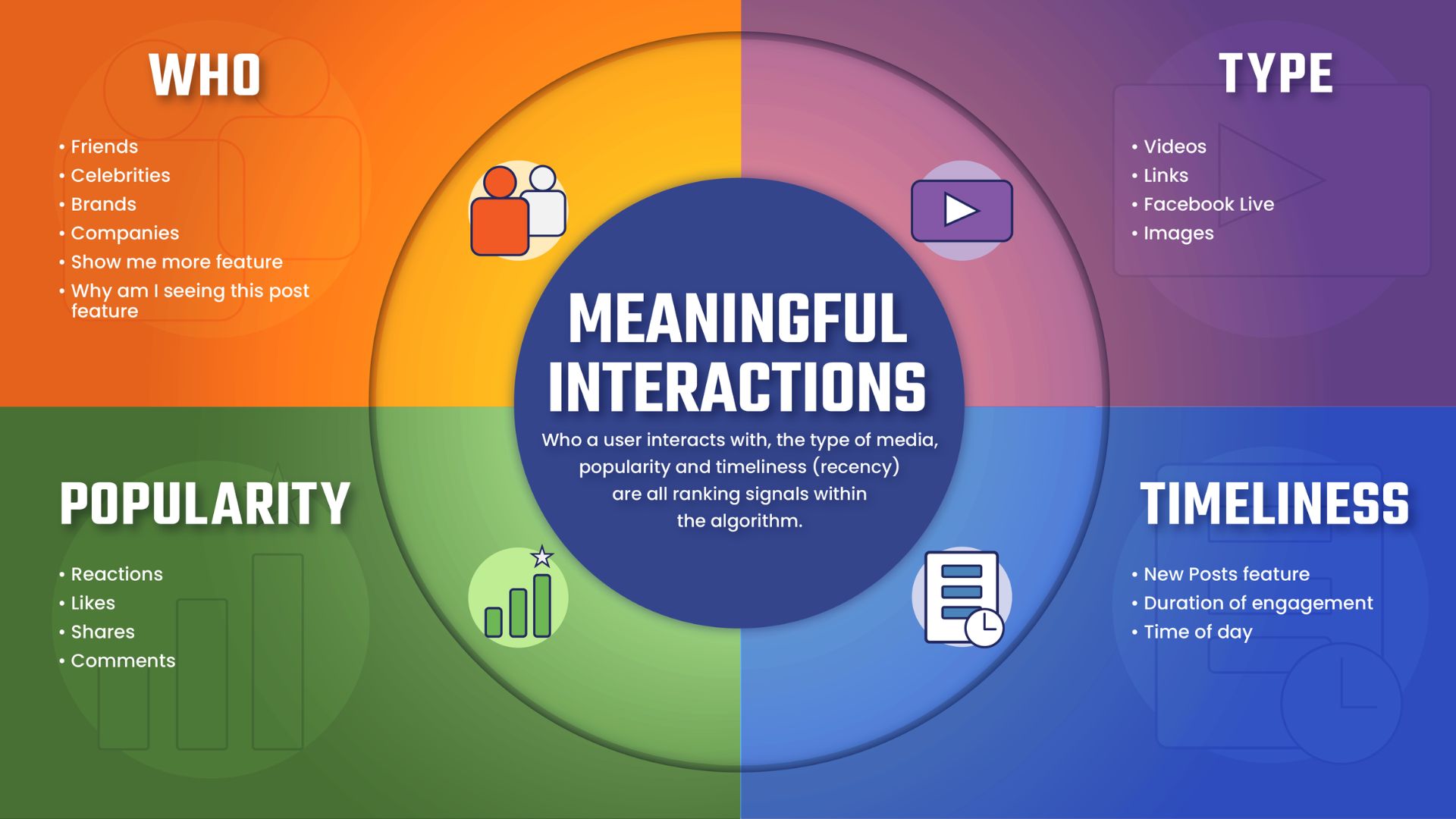
The relationship between posting time and content performance is not arbitrary or mysterious. It is the direct result of how social media algorithms make their distribution decisions — specifically, the critical importance of early engagement signals in the first period after a post is published.
We explored this mechanism in detail in our post about the first hour after posting on Instagram. The core principle applies equally to every social media platform with an algorithmic feed — which in 2026 means Instagram, YouTube, LinkedIn, Facebook, Twitter/X, and essentially every content platform with significant scale.
When you publish a piece of content, the algorithm does not immediately distribute it to your full audience and beyond. It runs a test. It shows the content to a carefully selected initial sample — typically your most engaged existing followers — and watches how they respond.
Strong engagement signals in this initial window — views, completions, likes, saves, shares, comments — tell the algorithm that this content is genuinely valuable and worth distributing more broadly. Weak signals tell the algorithm to limit distribution.
The posting time determines the quality of this initial test audience.
When you post at a time when your followers are active on the platform, you maximise the probability that your most engaged followers will see your content quickly and have the opportunity to engage with it in the initial window. The initial sample generates strong signals. The algorithm distributes broadly.
When you post at a time when your followers are not active — when they are asleep, in meetings, or otherwise offline — your content sits unseen during the critical initial window. By the time your followers come online and begin seeing it, the algorithm has already made its distribution decision based on the weak early signals. The assessment has been made. The limited distribution path has been set. Later engagement from your followers, however enthusiastic, cannot fully recover the distribution that was lost in the window when nobody was watching.
This is why posting at the wrong time can kill your reach even when your content is genuinely good. The algorithm assessed the content when nobody was paying attention and concluded — correctly, from its perspective — that this content was not generating significant interest.
The Science of When People Are on Their Phones — Global and Indian Patterns

Understanding why timing matters requires understanding human digital behaviour — when people are actually on their phones engaging with social media content.
The patterns of social media consumption follow broadly predictable daily rhythms — with some variation by platform, by demographic, and by geography — but with certain peak periods that appear consistently across studies and across platforms.
The morning scroll — 7 AM to 9 AM
The morning is the first significant daily peak for social media consumption. For a large proportion of smartphone users, checking social media is among the first activities of the day — often before getting out of bed, during breakfast, or during the morning commute. This is a period of relatively passive consumption — people are scrolling rather than actively seeking, which means engaging content encountered in this window can capture significant attention from people who are mentally relatively fresh.
For creators in India, this pattern has a specific characteristic: the morning peak tends to be somewhat earlier than Western markets — the combination of earlier waking times and the culture of morning chai with phone scrolling pushes the morning peak toward 7-8 AM in many major Indian cities.
The midday lull and recovery — 12 PM to 2 PM
Lunch periods create a second smaller peak as people take breaks from work or study. This peak is typically lower than the morning or evening peaks but represents a genuine window of active consumption — people who are away from their desks and using their phones as entertainment or distraction during lunch.
The evening peak — 6 PM to 9 PM
The largest and most consistent daily peak across virtually all platforms and demographics is the post-work evening period. People are finished with their primary responsibilities for the day, are relaxing at home, and are engaging with content in their most active and present state of the day. Phones are checked frequently. Content is engaged with more thoroughly — videos are watched to completion, longer captions are read, saves and shares happen more generously.
For Instagram and YouTube in India, the 7 PM to 9 PM window is consistently among the highest engagement periods — driven by the combination of post-work relaxation and the cultural habit of evening leisure time at home.
The late-night drop — After 10 PM
After approximately 10 PM, engagement begins to decline as people move toward sleep. The audience is smaller, more passive, and less likely to engage in ways that generate the strong signals the algorithm uses to justify distribution. Posting at 11 PM — as Neha did with her worst-performing Reel — puts content in front of an audience that is winding down rather than actively engaging.
Weekend patterns
Weekends introduce a different pattern. Without the commute-work-commute structure of weekdays, consumption is spread more evenly across the day rather than concentrated in morning and evening peaks. The overall volume of consumption tends to be higher on weekends — particularly Saturday mornings and Sunday afternoons — which can make these periods valuable for content that targets audiences who consume more intentionally on their days off.
Platform-Specific Timing — Why Different Channels Have Different Optimal Windows
While the broad patterns of human digital behaviour apply across platforms, each platform has specific characteristics that influence which timing windows perform best.
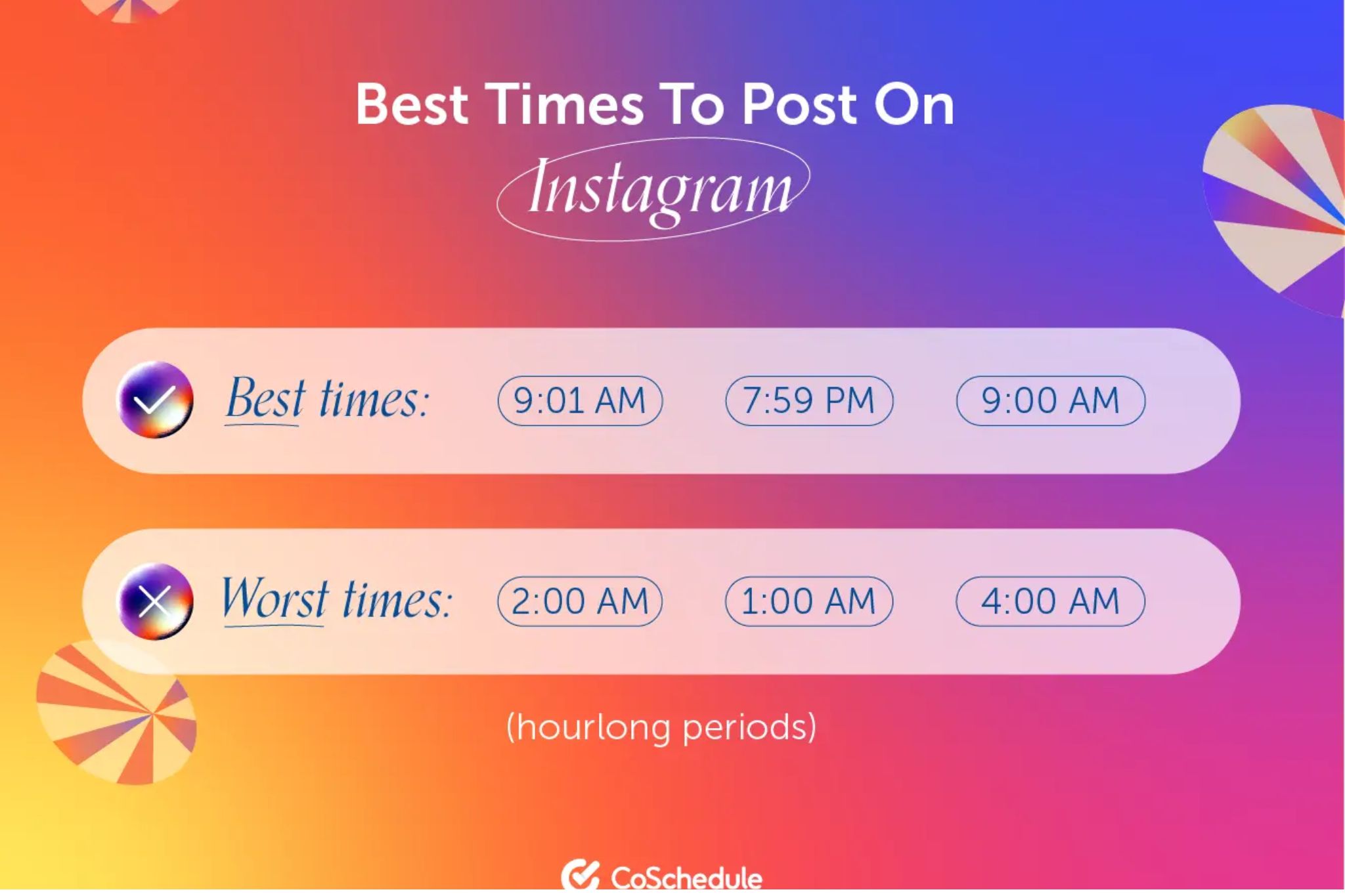
Instagram’s optimal posting times reflect its primary use pattern — a leisure and aspiration platform consumed during relaxed, leisure-mode states. The evening peak is typically the strongest. The morning scroll is significant. The midday period is meaningful for audiences in desk-based work who check Instagram during breaks.
For business content on Instagram — which tends to reach an audience of working professionals — weekday evenings between 7 PM and 9 PM consistently outperform other windows. For lifestyle content targeting younger audiences with more varied schedules, Saturday morning has shown strong performance across multiple creator analytics datasets.
The specific window that works best for any individual Instagram account varies based on the specific demographic and lifestyle of that account’s audience — which is why Instagram’s own Insights data is more reliable than any generic recommendation.
YouTube
YouTube’s optimal timing reflects its role as a longer-form content platform consumed during deliberately chosen leisure time. People watch YouTube when they have decided they want to watch something — not as passive scrolling but as active choice.
This means the YouTube prime time is later in the evening than Instagram — 8 PM to 10 PM is typically the highest traffic period for most YouTube categories in India. This later window reflects the more deliberate nature of YouTube consumption — people who are ready to settle in for a longer piece of content tend to do so later in the evening when other obligations are complete.
For the educational and tutorial content categories that dominate YouTube in India — finance, cooking, technology, competitive exam preparation — weekday evenings and weekend afternoons show the most consistent high-performance windows.
LinkedIn’s pattern is fundamentally different from entertainment-oriented platforms because it is consumed primarily in professional context. The peak windows for LinkedIn are during working hours — specifically early mornings before the workday begins (7 AM to 9 AM), lunch periods (12 PM to 1 PM), and late afternoons before the end of the working day (5 PM to 6 PM).
The rationale is logical: LinkedIn users engage with professional content when they are in a professional mindset — which means during work-adjacent periods rather than during evening leisure time. Posts published at 8 AM on a weekday Tuesday reach an audience that is commuting or preparing for the day and is in the right mindset to engage with professional development or business content.
Posts published at 9 PM on a Sunday evening on LinkedIn perform significantly worse for most content types because the professional mindset is not active — the audience is in leisure mode and is not seeking professional content.
Facebook’s optimal times reflect its diverse user base and its use primarily by slightly older demographics in India. Evenings remain strong but the specific timing skews slightly earlier — 6 PM to 8 PM rather than 7 PM to 9 PM for Instagram.
Facebook Groups — which have become the primary high-engagement context on the platform — have their own timing dynamics based on when the specific group’s members are most active, which can vary dramatically from the platform’s general patterns.
Twitter/X
Twitter’s real-time and conversational nature makes it less dependent on specific posting times than other platforms — breaking news, live events, and trending conversations can perform well at any hour. However, for non-reactive content — original thought leadership, promotional content, content marketing — morning windows when professionals are checking the platform and afternoon windows when newsworthy conversations peak tend to outperform late evening.
How to Find Your Specific Optimal Posting Times
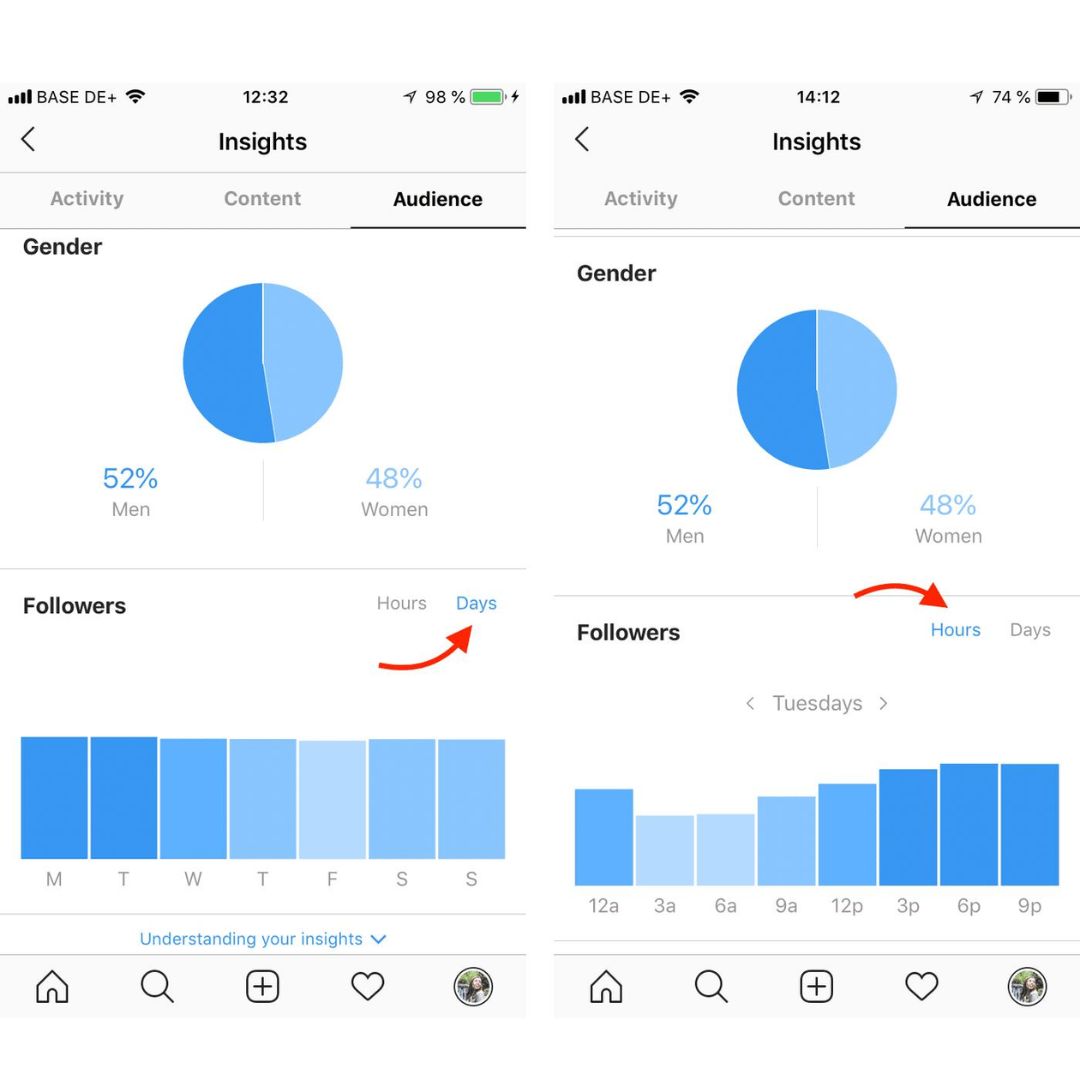
The general patterns described above are useful starting points. But the most valuable timing information for any individual account is specific to that account’s audience — and this information is available through each platform’s native analytics.
Instagram Insights
In Instagram’s Professional Dashboard, under the Audience section, there is a breakdown of when your specific followers are most active on the platform — by day of week and by hour of day. This data is generated from the actual behaviour of your specific followers and is more reliable than any generic recommendation.
The optimal posting window shown in your Insights is typically the intersection of your three or four peak activity hours — the times when the largest proportion of your specific follower base is online and potentially available to engage with content that appears in their feed.
Use this data to identify your top two or three posting windows. Test these windows over four to six weeks, posting consistently within them and comparing performance against your previous random timing. The difference in engagement and reach typically becomes apparent within three to four weeks of consistent targeted posting.
YouTube Studio Analytics
YouTube Studio provides detailed audience data including when your subscribers are on YouTube. Under Analytics, the Audience tab shows a heat map of activity by hour and day. The peak hours in this heat map are your optimal publishing windows.
For YouTube, the recommendation is to publish the video a few hours before the peak activity window — this ensures the video is processed and fully indexed by YouTube before the peak traffic arrives, rather than publishing mid-peak when the initial indexing period might reduce early visibility.
LinkedIn Analytics
LinkedIn’s analytics show follower demographics and activity patterns. For LinkedIn, the general patterns are reliable enough that platform-specific audience analytics often confirm rather than contradict the general recommendation of Tuesday through Thursday morning posts. However, for audiences with unusual demographics or geography, checking the specific data remains valuable.
Twitter/X Analytics
Twitter’s analytics provide impression data by date and time, allowing comparison of post performance across different time windows. Building a simple spreadsheet of post times versus impressions and engagements over two to three months of posting reveals the account-specific pattern.
The Day of Week Dimension — Why Tuesday Is Different From Sunday
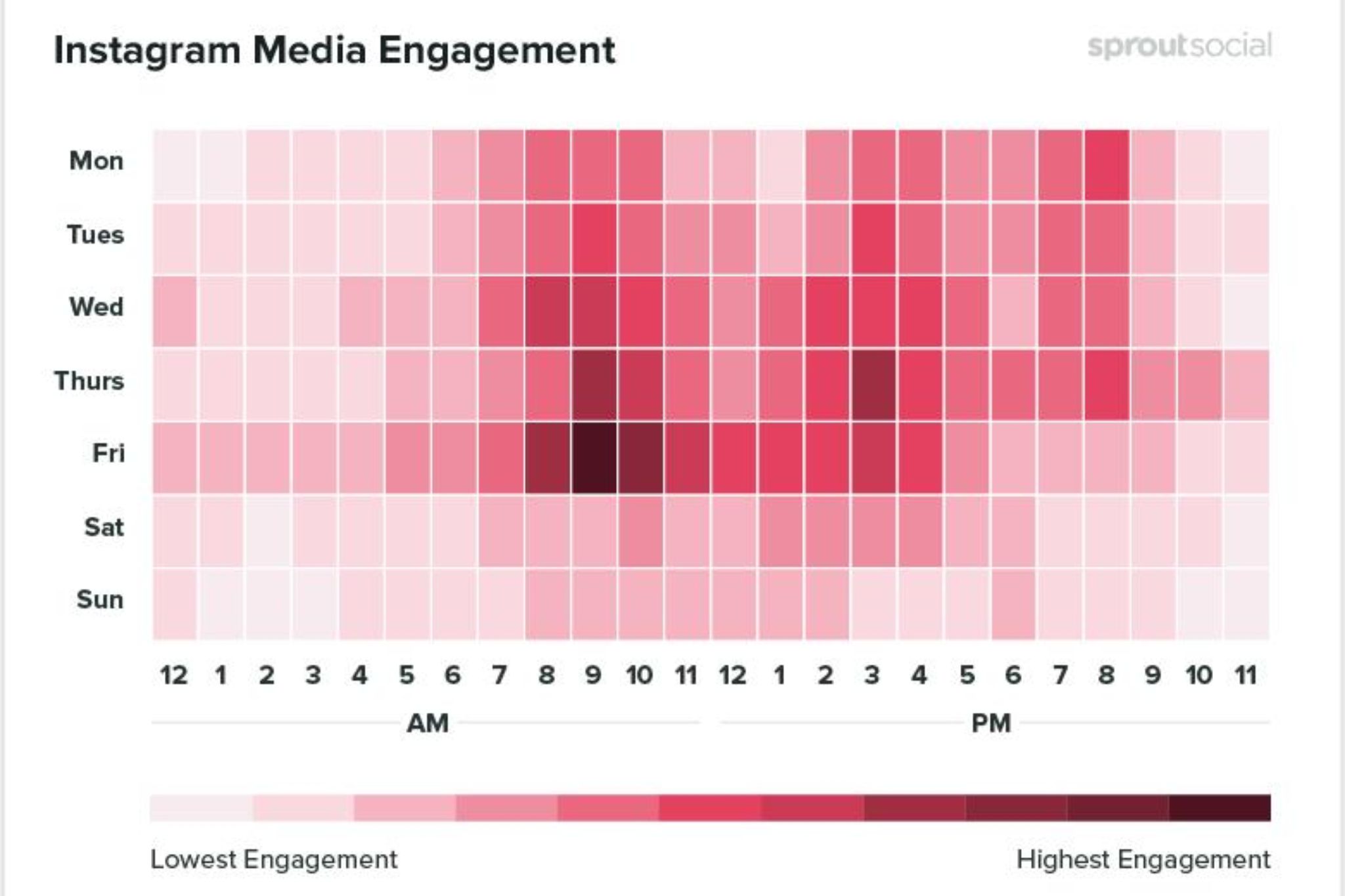
Beyond time of day, the day of the week is a significant timing variable that most creators underestimate.
Different days of the week have different audience profiles — different proportions of the audience are active, in different mental states, with different levels of receptivity to different types of content.
Weekdays versus weekends — the fundamental split
Weekday audiences are in working mode — which means they consume content during brief breaks and interludes in their professional day. They are receptive to professional, educational, and task-relevant content. They tend to engage more quickly and less deeply — a quick like, a save for later, a brief comment.
Weekend audiences are in leisure mode — which means they consume content more deeply and more deliberately. They have more time, more relaxed attention, and more inclination to read longer captions, watch longer videos, and engage more thoughtfully. For content that benefits from deep engagement — longer Reels, detailed carousels, substantive educational content — weekends can outperform weekdays despite sometimes having lower raw reach.
The mid-week sweet spot
Across most platforms and most content categories, Tuesday, Wednesday, and Thursday consistently outperform Monday and Friday. Monday audiences are either still transitioning into work mode or catching up on the week’s backlog — their attention is partially elsewhere. Friday audiences are mentally transitioning out of work mode — their focus is already moving toward the weekend.
Tuesday, Wednesday, and Thursday represent the period when the working week is fully established, attention is at its most settled, and audiences are in their most consistent consumption patterns.
The weekend specifics
Saturday morning is a distinct high-performance window for lifestyle and consumer content — audiences are in leisure mode, have time to engage deeply, and are in a receptive state for content that helps them plan their weekend or inspires their off-duty interests. This makes Saturday morning particularly strong for food content, travel inspiration, fashion, beauty, and similar categories.
Sunday evening has an interesting and somewhat paradoxical profile. Consumption is high — Sunday evening is a significant social media usage period across all platforms. But the emotional register is different from Saturday morning. Sunday evening is tinged with the approaching return to work week — audiences are slightly more introspective, slightly more receptive to motivational, inspiring, or thoughtful content.
The Consistency Principle — Why Irregular Timing Hurts More Than Wrong Timing
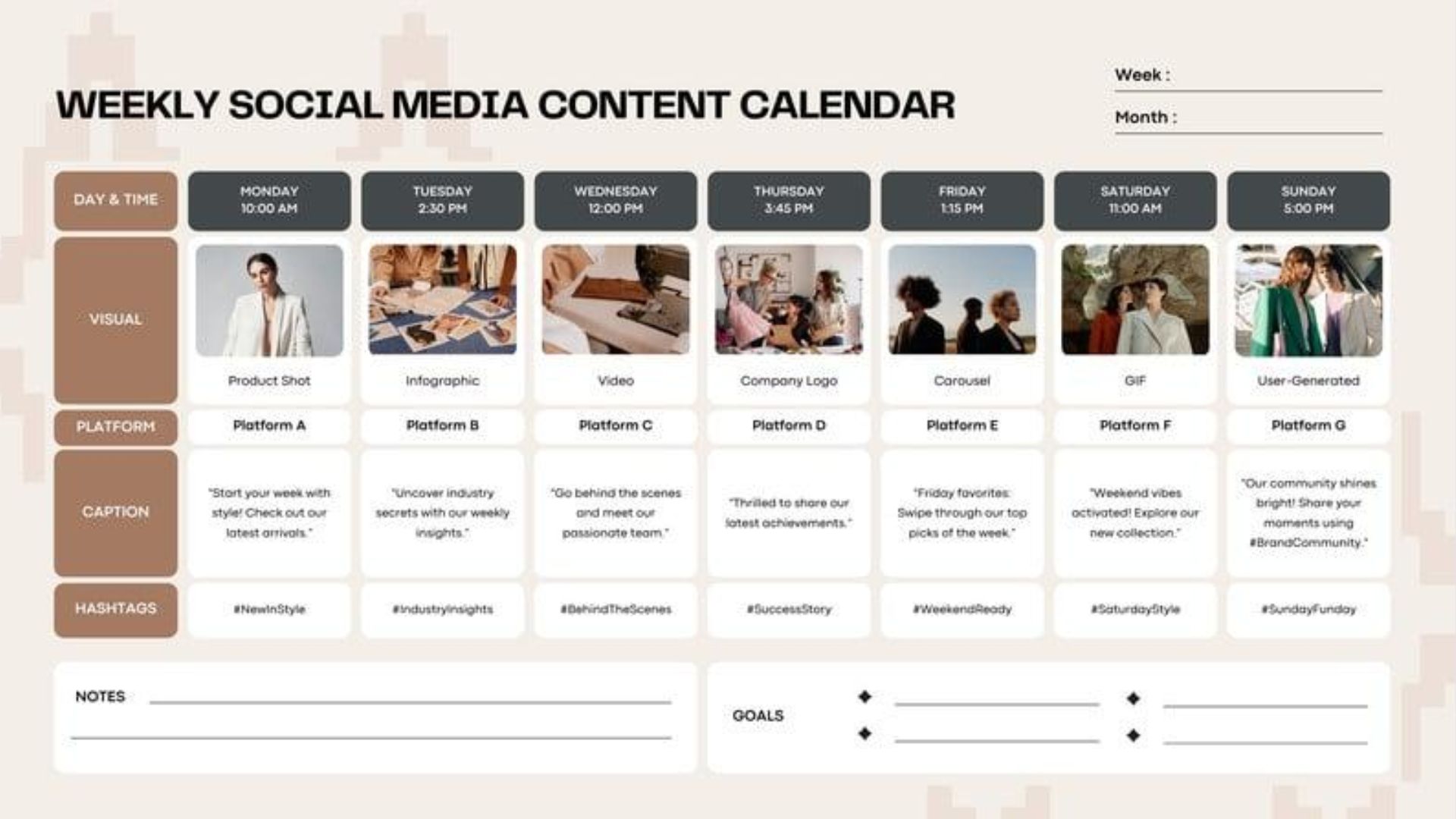
Here is a counterintuitive but important insight: posting at a consistently slightly suboptimal time is less damaging to your algorithmic performance than posting at the right time erratically.
This seems counterintuitive. Surely posting at the best possible time, even if inconsistently, should produce better results than posting at a mediocre time consistently?
The algorithmic reality is more nuanced. Algorithms build models of expected behaviour. An account that consistently posts at a specific time trains the algorithm to expect content at that time — and to prepare its initial distribution mechanics accordingly. The algorithm’s model of the account includes timing patterns, and disrupting those patterns can reduce the confidence of the initial distribution even when the timing of the specific post is theoretically better.
More practically, consistent timing builds audience habits. Followers who know a creator typically posts on Tuesday and Friday evenings develop a minor expectation around those times — a slightly elevated probability of checking the account or noticing the content when it appears. This micro-habit represents a small but real improvement in the quality of the initial engagement window.
The practical implication: start by identifying your two or three best windows and commit to those windows consistently. Do not chase perfect timing at the expense of consistent timing. The benefits of consistency compound over time in ways that outweigh the theoretical benefit of perfectly optimised but erratic scheduling.
Tools That Help — Scheduling for Consistent Optimal Timing
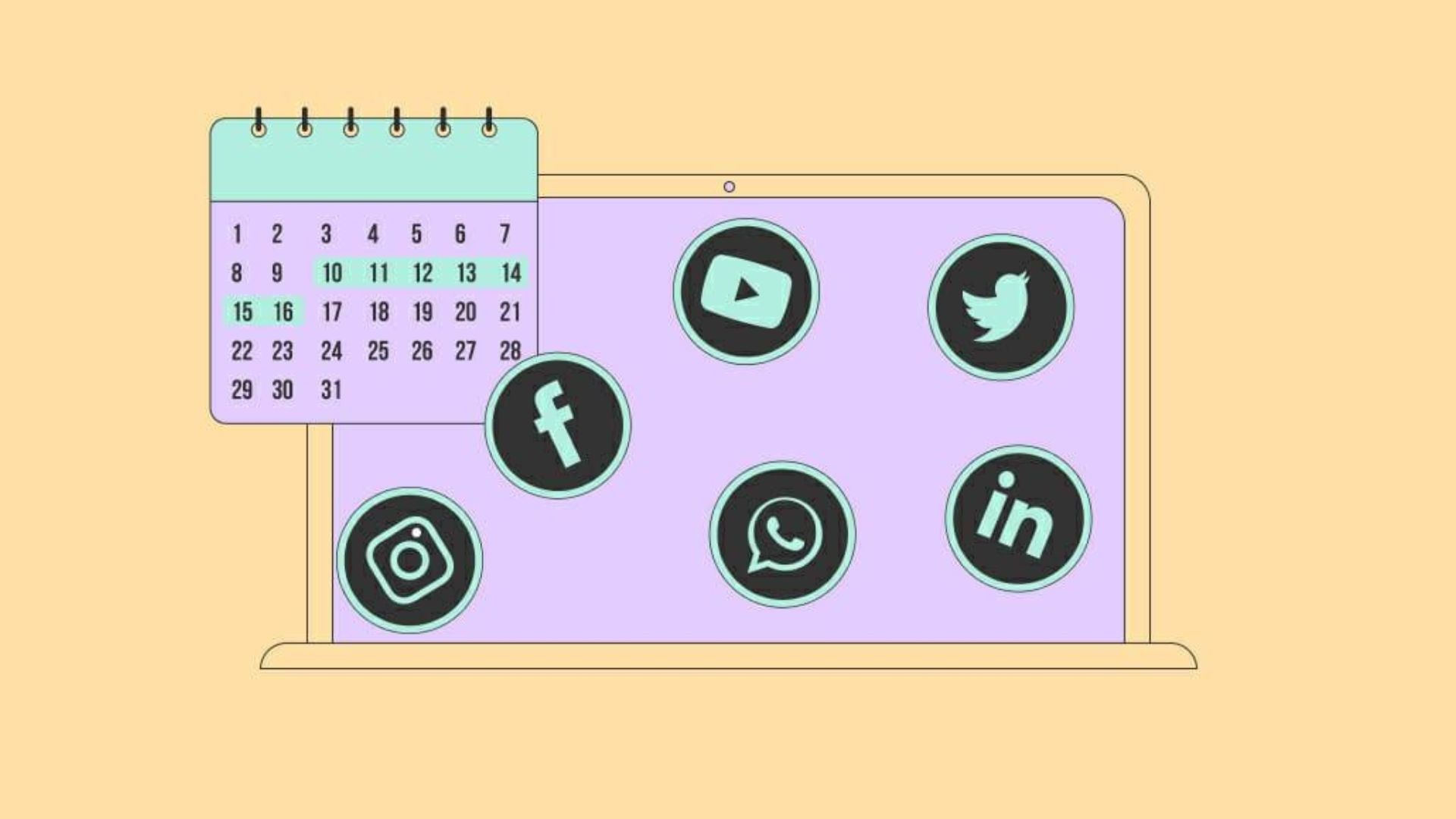
One of the most practical solutions to the posting time challenge is using scheduling tools that allow content to be prepared at any convenient time but published at the optimal time automatically.
Instagram’s own scheduling feature — available through the Creator Studio or directly within the post creation workflow — allows posts and Reels to be scheduled up to seventy-five days in advance. This means content can be batch-created on weekends or during creative working sessions and scheduled to publish at Tuesday 7:30 PM or Wednesday 8 PM or whichever windows the account’s analytics identify as optimal.
Third-party tools including Later, Hootsuite, Buffer, and Sprout Social provide scheduling across multiple platforms simultaneously — useful for creators and businesses managing presence across Instagram, LinkedIn, Twitter, and Facebook at the same time. These tools also typically provide analytics that help identify optimal posting windows based on the account’s own historical performance data.
Meta Business Suite provides scheduling for both Facebook and Instagram with cross-platform analytics that compare performance across the two platforms.
The scheduling workflow that works best for most consistent creators is batch creation — spending a dedicated period (often Sunday afternoon or Monday morning) creating the week’s content in advance and scheduling it to publish at optimal windows throughout the week. This separates the creative work from the distribution mechanics, allowing each to happen at its own most efficient time.
Common Timing Mistakes That Creators Make

Beyond the fundamental mistake of posting without reference to optimal timing, several specific timing errors are particularly common and worth naming explicitly.
Posting when content is ready rather than when audiences are ready
The most common mistake is the one Neha was making — posting at whatever time the content happened to be finished. This is the most natural approach and the most algorithmically costly. Finishing a post at 11:30 PM and publishing it immediately because it is done loses most of the potential reach of that post.
The solution is simple: schedule the post for the next optimal window rather than publishing immediately. If the post is finished at 11:30 PM and the optimal window is 7:30 PM to 9 PM, schedule it for the following evening. The content is equally good twelve hours later. The audience is significantly more present.
Publishing at peak but not managing the first hour
As we established in our first-hour post, publishing at the right time is only valuable if the creator is present and engaged during the first hour after publishing. A post published at peak time but with no comment responses, no Stories amplification, and no first-hour engagement management still underperforms relative to its potential.
Peak time plus first-hour management is the optimal combination. Peak time without first-hour management captures some of the timing benefit but misses the amplification that active management provides.
Assuming your audience follows the general patterns
Generic timing recommendations — “post at 7 PM on weekdays” — are starting points, not prescriptions. Your specific audience may have meaningfully different activity patterns depending on their demographics, their geographies, their professional lives, and the specific platform usage habits of your niche.
A creator whose audience is primarily night shift workers, students with unusual schedules, or diaspora communities in different time zones will find that generic timing recommendations do not match their account’s actual optimal windows. Always prioritise your own Insights data over generic recommendations.
Posting at consistently low-performance times out of convenience
Many creators develop habits around convenience rather than performance. They post at lunch because that is when they have a free moment. They post late at night because that is when they finish editing. These convenience-driven timing habits, once established, can persist for years — costing significant accumulated reach that better timing would have captured.
The habit change is not difficult once the data is examined. The challenge is examining the data in the first place — most creators have never compared their posts’ performance by time of day, and the disparity can be surprising once revealed.
Real-World Testing — Designing Your Own Timing Experiment
For any creator who wants to empirically determine their own optimal posting windows, here is a practical testing protocol.
Select two candidate time windows based on your platform’s audience analytics — for Instagram, this typically means two of the peak hours shown in your Followers section of Insights.
For eight weeks, alternate posting between these two windows — four weeks in Window A, four weeks in Window B. Keep all other variables as consistent as possible — similar content quality, similar content formats, similar caption lengths.
After eight weeks, compare the average reach, average engagement rate, and average save plus share rate for posts in each window. The window that produces consistently better results across all three metrics is your primary optimal posting time.
Add a third window test if resources allow — the midday period is worth testing for accounts where the analytics suggest significant lunchtime audience activity.
This experiment takes eight weeks but produces account-specific timing data that is more reliable than any generic recommendation and more actionable than a general principle.
The Timing Factor in Context — How Much It Actually Matters

Having established that posting time significantly affects reach, it is worth calibrating how much it matters relative to other variables.
Content quality remains the dominant variable. A genuinely useful, beautifully made, emotionally resonant piece of content posted at a moderately suboptimal time will outperform a mediocre piece of content posted at the perfect time. The timing amplifies what is already there — it does not rescue content that lacks genuine quality.
The relationship between timing and reach is significant but not absolute. Neha’s worst-performing Reel — posted at 11 PM on a Friday — still reached six thousand accounts. A genuinely terrible Reel posted at the optimal time might reach two thousand. Timing is one of several variables, not the only one.
The practical hierarchy for Instagram performance, in approximate order of importance: content quality and genuine audience value first, thumbnail and hook effectiveness second, first-hour engagement management third, posting time fourth, hashtag optimisation a distant fifth.
Posting time matters enough to be worth optimising — Neha’s thirty-five percent reach improvement was not trivial. But it is not worth sacrificing content quality or consistency in pursuit of perfect timing. The goal is optimal timing within a framework of consistent, high-quality content creation — not optimal timing as a substitute for the harder work of making genuinely valuable content.
The Bigger Picture — What Timing Reveals About Audience Respect

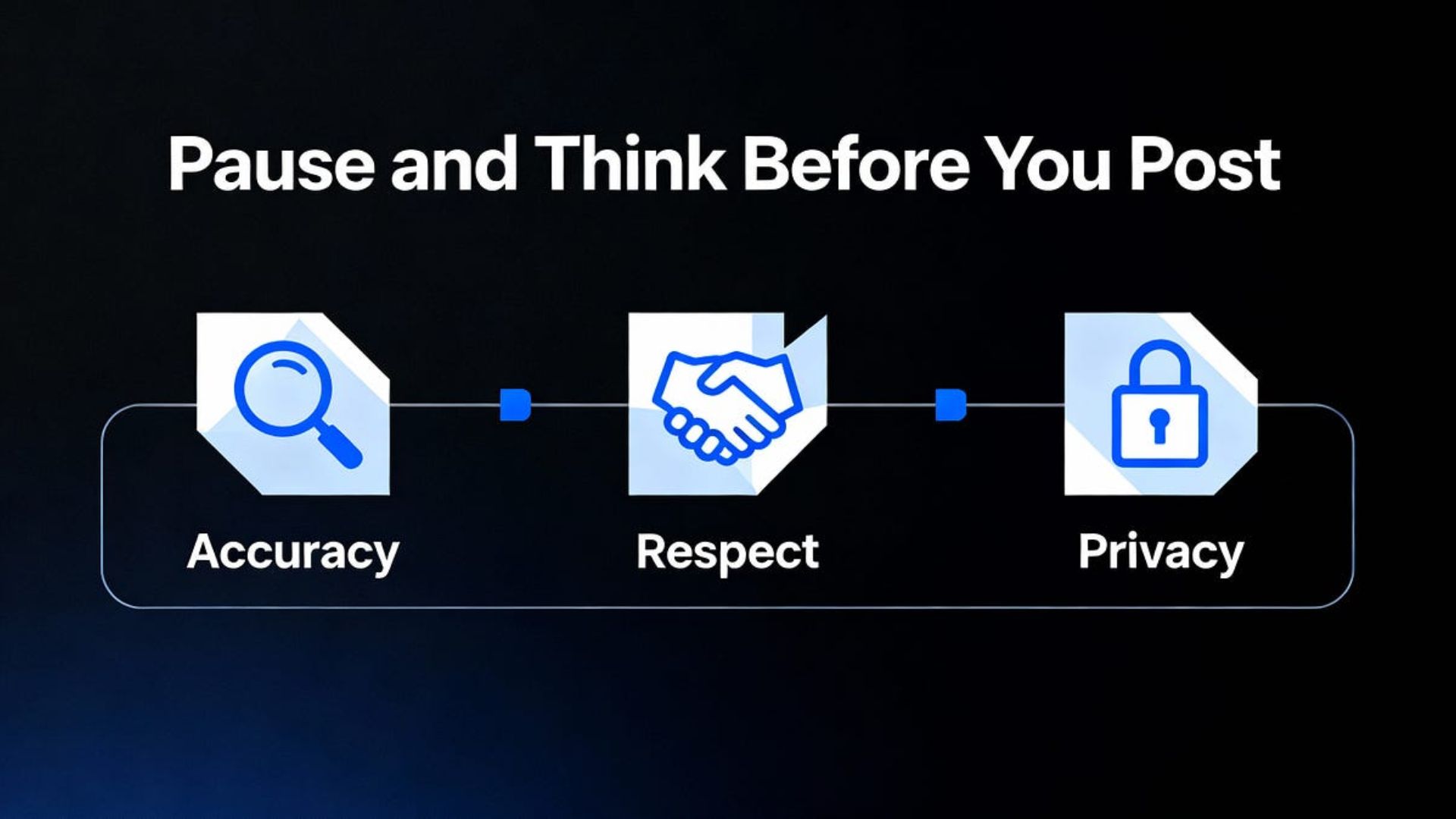
There is a dimension to posting time optimisation that goes beyond algorithms and engagement rates.
Posting at the right time is, at its core, an act of respect for the audience’s attention. It is the recognition that your followers are real people with real schedules, real patterns of availability, and a limited supply of the attention that your content is asking them to invest.
Posting at 11:30 PM when your audience is asleep is not just algorithmically inefficient — it is a failure to consider the conditions under which your audience might actually receive your content. It assumes the audience will find the content when it is convenient for you rather than when it is convenient for them.
The creator who learns their audience’s patterns and posts when those people are most present and most receptive is making a small but genuine gesture of consideration — the equivalent of calling a friend at a time you know they are available rather than whenever you have a free moment.
This consideration for the audience’s reality is part of the broader orientation toward the audience that we have described throughout this series. The creator who genuinely cares about whether their audience finds the content valuable will naturally extend that care to considering when the audience will actually see it.
And the audience — algorithmically and humanly — responds to that consideration with the engagement that compounds into the reach that grows the account.
Post when they are there.
Closing Thought — The Content That Works Deserves to Be Seen
Neha spent significant time and genuine care creating the Reel that reached only six thousand people at 11:20 PM on a Friday. The content was good — she had made it with the same intention and quality that she brought to everything she posted. It deserved a larger audience.
The four thousand people who would have seen it under better timing conditions and who would have saved, shared, or been genuinely helped by it — they missed it. Not because the content was wrong but because it arrived when they were not there.
This is the cost of ignoring timing: not just lower metrics, but genuinely useful content failing to reach the people who needed it. The opportunity cost is not abstract — it is the specific people who would have been helped by what you made, who simply did not see it because you posted at the wrong time.
Your content deserves to be seen by the audience that would genuinely value it.
Post when that audience is there to see it.
Written by Digital Drolia — helping creators and businesses understand that great content is only fully valuable when the right people can actually find it. Found this valuable? Share it with a creator who is working hard on their content but ignoring the simple timing variable that could significantly increase who sees it.