
How Brands Use Memes and Trending Audio to Connect With Millions for Free

Let me tell you about a tweet from a mattress company that made seventeen million people laugh.
In 2017, during a major flooding event in the United States, a mattress company posted a video of two employees being buried under a wall of mattresses as a promotional gimmick — framed as a “Twin Tower Sale” — and it went catastrophically wrong. The backlash was immediate and deserved. The company removed the video, apologised, and closed for several days.
This is not a story about that company. That is a story about how NOT to do it.
This is a story about what happens when brands get it right.
That same year, Wendy’s — the American fast food chain — made an entirely different kind of social media history. They had built a reputation for roasting competitors and fans alike with genuinely funny, sharp, and occasionally savage Twitter responses. Their social media manager had been given unusual freedom to be actually funny rather than corporately sanitised funny.
When a user challenged Wendy’s that their beef was frozen, Wendy’s replied with: “Sorry to hear you don’t know how to read.” When McDonald’s attempted to brag about something on Twitter, Wendy’s responded publicly with a level of casual disdain that felt genuinely human rather than scripted.
The internet loved it. Not because Wendy’s was a beloved institution. But because the voice felt real — because something had broken through the performative friendliness of corporate social media and revealed what appeared to be an actual personality underneath.
This single social media approach generated billions of media impressions, countless news articles, and an audience that actively wanted to engage with the brand — not because of a promotion or a discount, but because the content itself was worth engaging with.
That is what memes and trending audio, when used correctly, can do for any brand. And in 2026, the mechanisms are more accessible than ever.
What Memes Actually Are — The Correct Understanding
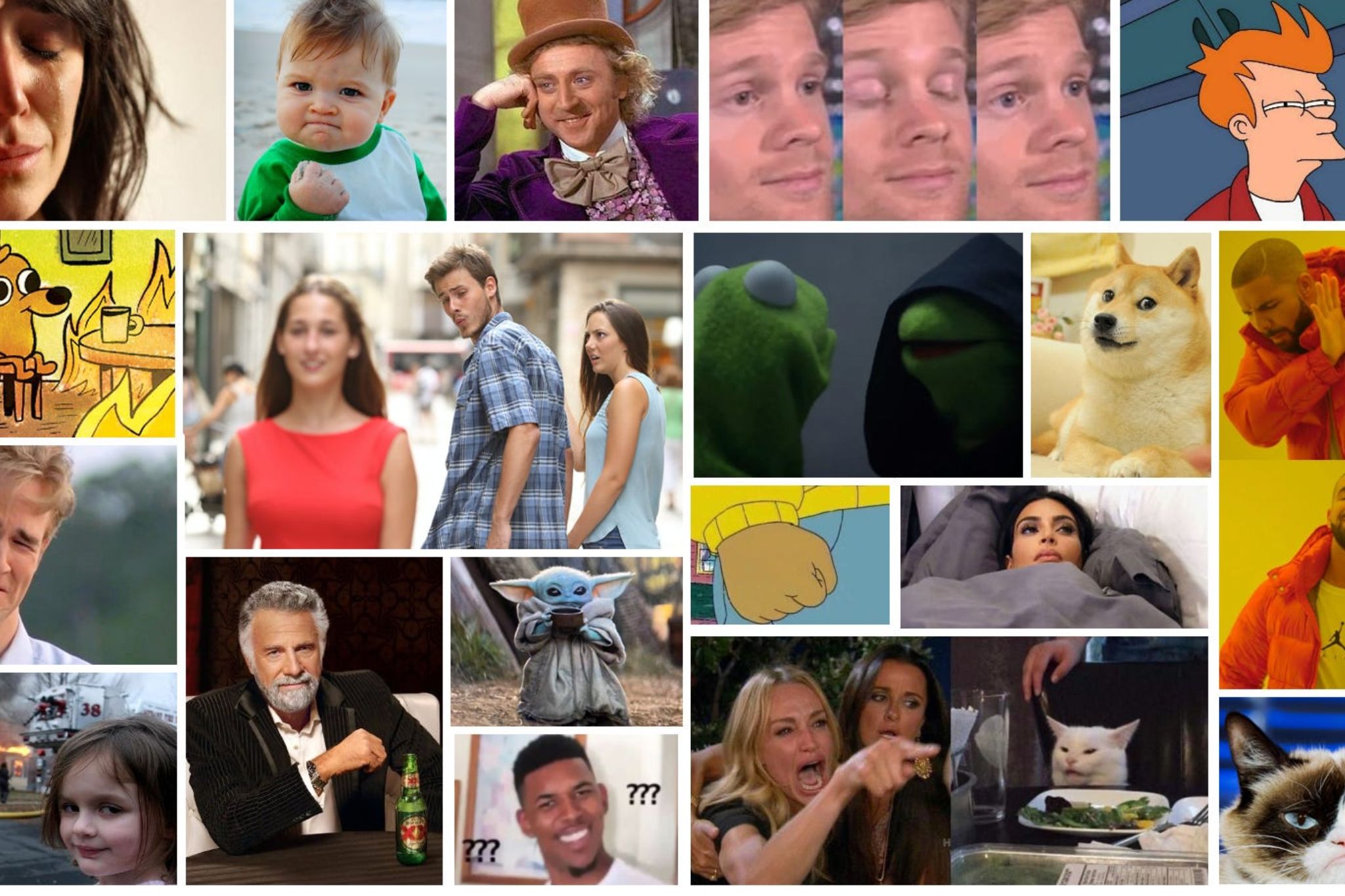
Before talking about strategy, it is worth being precise about what memes actually are — because the word is used loosely in ways that create confusion about what is being pursued.
The word “meme” was coined by evolutionary biologist Richard Dawkins in 1976 to describe cultural units that spread through imitation — the way ideas, behaviours, and cultural elements propagate through populations in a manner analogous to biological evolution. A meme, in this original sense, is any cultural element that replicates itself through human transmission.
In the current digital context, memes are pieces of content — typically images, videos, or text formats — that spread virally because they carry a recognisable cultural reference, a relatable human experience, or a comedic format that people find worth sharing and remixing. The characteristic that makes something a meme is not the format but the spreadability — the quality of being replicable, adaptable, and shareable across contexts.
The meme format matters less than the meme mechanic. A meme is not just a funny image with text. It is a piece of cultural shorthand that participants in a community share to communicate something efficiently and enjoyably. The person who shares a meme is saying: you and I both understand this reference, this feeling, this situation, and here is a compressed, funny way of acknowledging that we are in the same community.
This community-signalling function is what makes memes so powerful for brands — and so dangerous when executed poorly. A brand that successfully deploys a meme is demonstrating genuine fluency in a shared cultural language. A brand that deploys a meme badly is like an adult trying to use their teenager’s slang incorrectly — it reveals unfamiliarity with the culture rather than participation in it.
The Attention Economy Context — Why Memes Are More Effective Than Ads
To understand why major brands are increasingly investing in meme-based and trending-audio content, you need to understand the specific problem they are trying to solve.
Traditional advertising operates on interruption — placing commercial messages in the spaces between content that people actually want to consume. Television ads interrupt programmes. Pre-roll ads interrupt YouTube videos. Banner ads interrupt webpage reading. Social media ads interrupt feed scrolling.
Interruption advertising is facing two compounding problems in 2026.
The first is ad fatigue. People have seen so many advertisements across so many channels that the brain’s filtering mechanisms have become extraordinarily efficient at recognising and ignoring commercial content. The moment something is identified as an ad — through its visual language, its production polish, its explicit commercial framing — it is processed at a lower level of attention, or bypassed entirely.
The second is infrastructure for avoidance. Ad blockers on desktop. Premium subscription tiers on YouTube and Spotify. The simple reflex of tapping “skip ad” at the first available opportunity. People are increasingly able to opt out of interruption advertising when they choose to, which means its effective reach is declining.
Memes and trending audio content sidestep both of these problems by operating on fundamentally different principles.
Rather than interrupting content, meme-based content is content. It exists in the same spaces, the same formats, and the same social contexts as the organic content people are actively seeking. When it is done well, it is indistinguishable from the organic content — not because it is hiding its commercial nature, but because it is genuinely entertaining or relatable in the same way that organic content is.
The person who shares a brand’s meme with their friends is not sharing an advertisement. They are sharing something they found funny or relatable — something that provided genuine value in the moment of consumption. The brand’s name or product is attached to that value rather than interrupting it.
This is why well-executed meme content can reach millions of people for a cost that is a tiny fraction of equivalent paid advertising reach — because the distribution is driven by genuine human sharing rather than by media spend.
Trending Audio — The Specific Mechanism on Instagram and TikTok
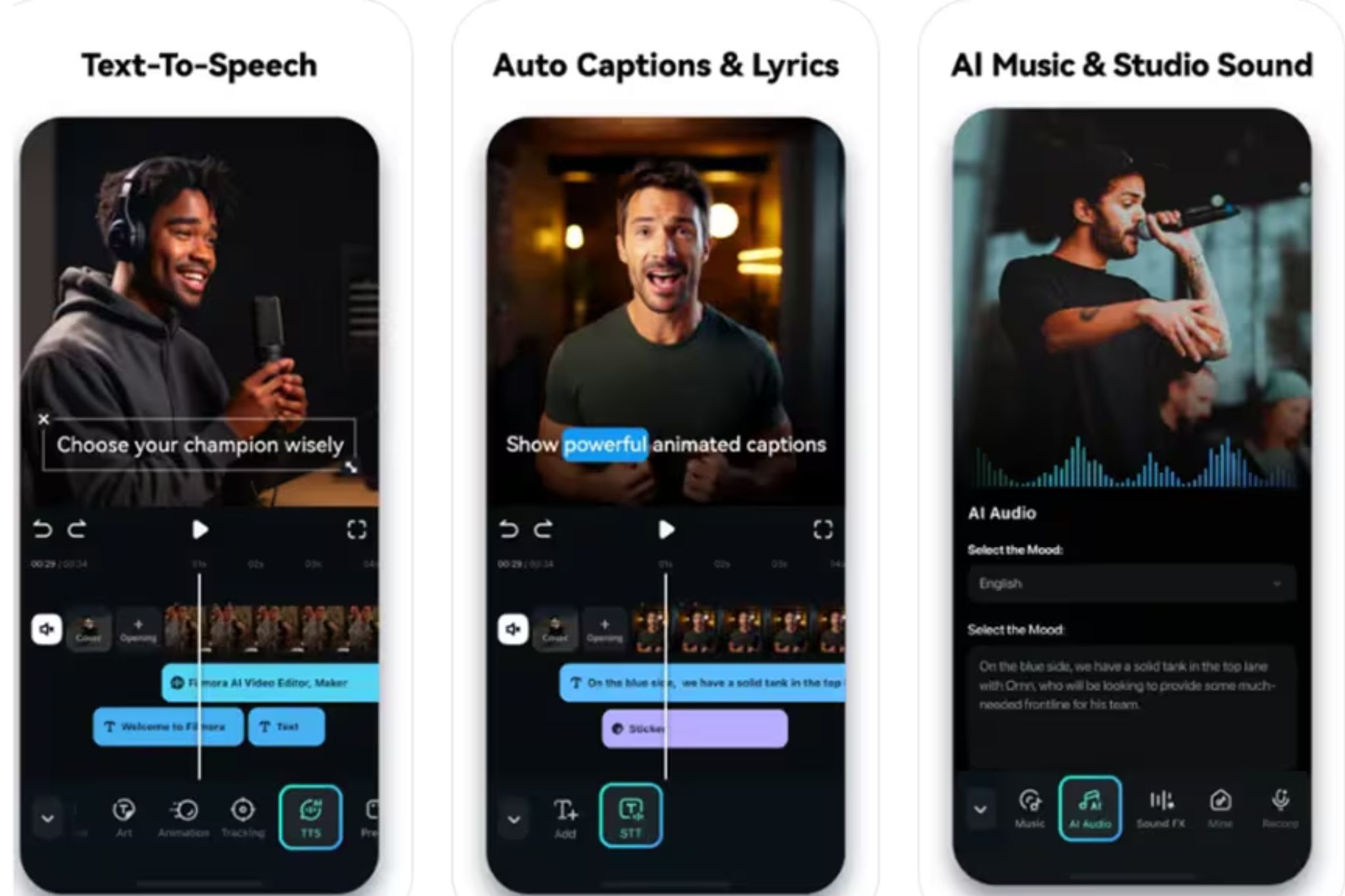
Trending audio on Instagram Reels — and its equivalent on other short-form video platforms — is one of the most specific and most actionable mechanisms through which brands can reach large audiences for free or minimal cost.
The mechanism works as follows.
Instagram’s Reels feed distributes content based on engagement signals and relevance to viewer interests. But it also uses audio as a significant categorisation signal. When a piece of audio — a sound clip, a song section, or a voiceover format — is being used by many creators simultaneously and generating strong engagement, Instagram’s algorithm identifies it as a trending audio and gives content using that audio preferential distribution.
The logic is straightforward: if many people are engaging with content that uses a particular audio, and more creators are using it, the audio represents something culturally salient right now — and showing more content using that audio to users who have engaged with similar content is likely to generate positive engagement.
This means that a brand that creates a Reel using trending audio, while the audio is still in its growth phase, can receive a significant algorithmic boost that extends the content’s reach well beyond the brand’s existing following.
The timing within the trend lifecycle matters enormously. Trending audio passes through several phases:
The early discovery phase — the audio is being used by a small number of creators, typically starting in specific niche communities. Reach potential is limited but content created here helps establish the brand as culturally ahead of the curve.
The growth phase — usage is accelerating rapidly, the algorithm is actively boosting content using the audio, and reach potential is at its maximum. Content created during this phase, if it is genuinely good, can reach dramatically larger audiences than the account would normally access.
The peak saturation phase — the audio is now being used by every brand and creator. The market is flooded. The algorithm’s boost is reduced because the audience has already seen extensive content with this audio. Content created here generates ordinary performance at best.
The decline phase — the audio has been overused and audiences are beginning to find it tiresome. Content using it signals that the brand is behind the cultural curve rather than fluent in it.
The skill in trending audio is identifying the audio in the growth phase and creating genuinely good content quickly — not waiting until the audio has saturated to the point where everyone recognises it.
How Indian Brands Are Using These Mechanisms — The Local Landscape

The Indian social media landscape in 2026 has developed its own specific meme culture and trending audio ecosystem that is distinct from, though influenced by, global trends.
Indian meme culture draws from a rich variety of sources: Bollywood dialogue that has become cultural shorthand, cricket match moments that function as shared communal references, specific regional comedic traditions and linguistic humor, and the specific experiences of urban Indian professional life that form the basis of relatable content about work, family expectations, and the distinctive social dynamics of contemporary India.
Several categories of brands have been particularly effective at integrating into this ecosystem.
Food and beverage brands
The category of food-related content is among the most naturally meme-friendly. Food is universally relatable, culturally specific, and emotionally loaded in ways that generate the kind of recognition that makes content shareable.
Swiggy — the food delivery platform — has built a reputation for genuinely funny social media content that consistently generates organic sharing. Their Twitter and Instagram content demonstrates awareness of internet culture, willingness to be self-deprecating, and a voice that feels like a younger sibling rather than a faceless corporation. When they comment on relatable experiences of ordering food late at night or the specific anxiety of watching a delivery location pin move, they are speaking directly to shared experiences of their core user base.
Finance and fintech brands
This might seem like an unlikely category for meme-based content, but several Indian fintech brands have built genuinely engaged social media presences by creating content that addresses the specific financial anxieties and aspirations of young urban Indians.
Content that acknowledges the reality of trying to save money in expensive cities, the specific experience of watching your mutual fund portfolio during a market correction, or the gap between financial aspirations and financial reality — this content resonates deeply with an audience that finds most finance content either intimidatingly technical or patronisingly simplistic.
Fashion and apparel brands
The trending audio mechanism is particularly well-suited to fashion content because fashion content is inherently visual and the product itself can be showcased naturally within a trending audio format. Brands that create Reels using trending audio that allows them to show products in a format that matches what the audience is already consuming get the double benefit of trending audio distribution and natural product showcase.
The Authenticity Test — Why Some Brands Win and Others Lose
The single most important factor that determines whether a brand’s meme or trending audio content succeeds or fails is authenticity — not authenticity in the abstract sense of “genuine values,” but authenticity in the specific sense of genuine cultural fluency.
The internet audience — particularly the younger, more digitally native audience that generates and shares viral content — is extraordinarily sensitive to the difference between a brand that genuinely participates in internet culture and a brand that is attempting to perform participation in internet culture.
The difference between these two things is visible in several specific ways.
Timing
A brand that responds to a cultural moment within hours — while the moment is still alive and before it has been saturated by institutional responses — is demonstrating real cultural awareness. A brand that responds to the same moment three days later, when the cultural conversation has already moved on, is demonstrating that they are monitoring trends rather than inhabiting them.
The most culturally fluent brands have social media teams with genuine autonomy to respond quickly — not teams that need to pass every post through multiple layers of approval before it can go live. The approval process that protects brands from the worst decisions also prevents them from participating in cultural moments that require hour-by-hour responsiveness.
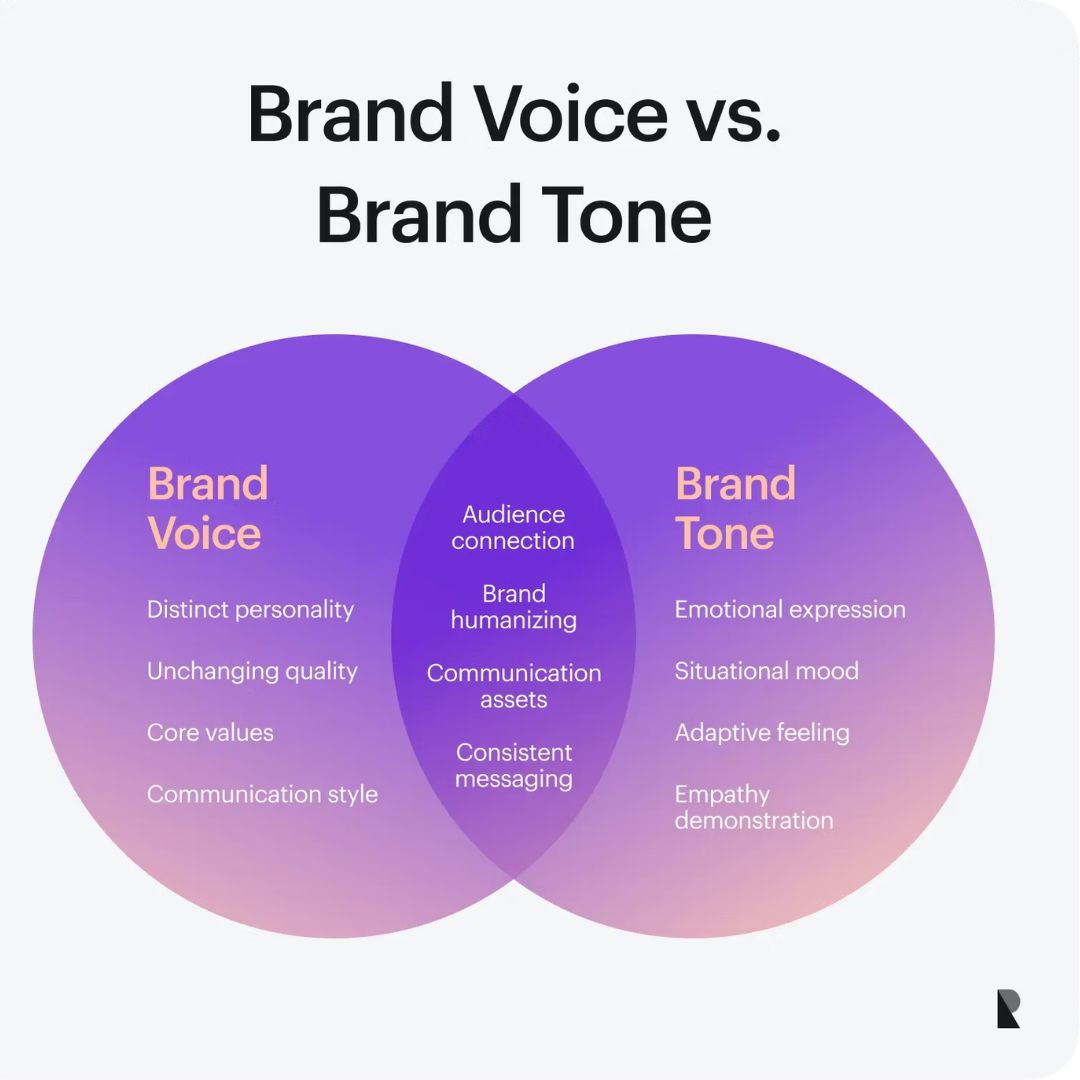
Voice consistency
Brands that use memes and trending audio successfully typically have a clear and consistent voice across all their social media content — one that makes the meme content feel like a natural extension of how the brand always communicates rather than a departure from it.
When a brand that normally posts polished, formal content suddenly attempts a meme format, the incongruity is jarring. The audience senses the performative nature of the attempt — the brand doing something it thinks it is supposed to do rather than something that flows naturally from who it is.
Understanding the format without mimicking it exactly
The best brand meme content adapts established meme formats in ways that feel natural to the brand rather than exact copies of the original format. The brand should put its own twist on the format rather than simply inserting its product into an existing template.
This is the difference between a brand that understands why a format works — the cultural mechanic it is exploiting — and a brand that sees what the format looks like and attempts to reproduce the surface without the substance.
The Risk Calculus — What Can Go Wrong and How to Avoid It
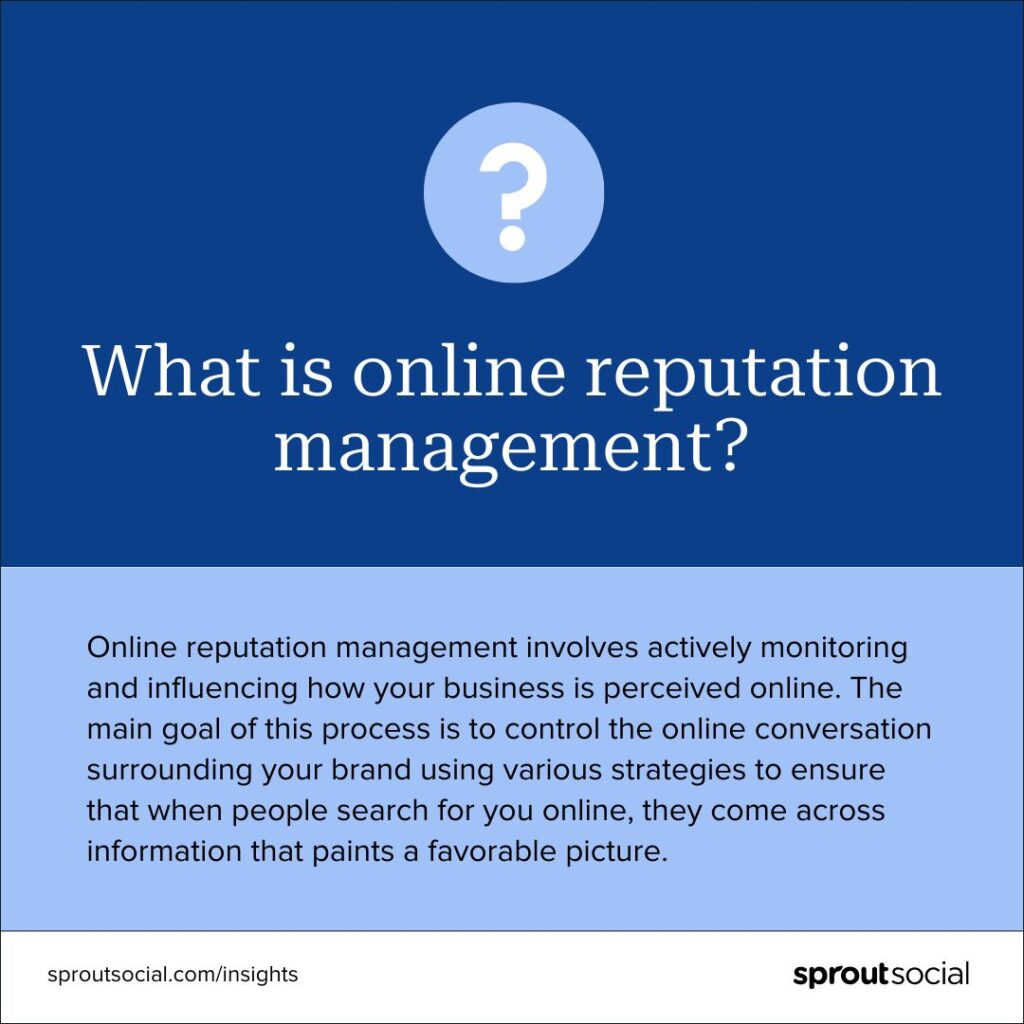
Meme-based content carries specific risks that traditional branded content does not — and understanding these risks is essential for any brand considering this approach.
The inappropriate reference risk
Some meme formats originate in communities or contexts that carry associations that are incompatible with a brand’s values or image. A meme format that originates in gaming communities, for example, may carry connotations of specific gaming culture that are irrelevant or potentially alienating to a brand’s audience. A meme format that originates in political commentary may carry partisan associations that a consumer brand wants to avoid.
Research into the origin and context of any meme format before deploying it is essential. The viral nature of internet content means that a brand that deploys a format without understanding its full cultural context can inadvertently signal associations that damage rather than build the brand.
The timing risk
Using a meme format after its peak saturation is worse than not using it at all. An account that deploys a meme long after it has been overtaken by the cultural conversation signals that the brand is following rather than participating — that it is doing social listening but not genuine cultural immersion.
The solution is having social media team members who are themselves native participants in internet culture — who are encountering meme formats in their personal consumption as well as their professional monitoring, and who therefore have an organic sense of where a trend is in its lifecycle.
The tone risk
Meme content is typically casual, irreverent, and sometimes sharp. For brands with premium positioning, heavy use of meme content can undermine the sense of quality and craftsmanship that the brand has worked to establish.
A luxury jewellery brand that deploys too many casual memes risks appearing inconsistent with the elevated positioning that justifies its price points. A hospital group that deploys irreverent content risks appearing disrespectful of the serious nature of its services.
The right balance varies by brand and by category. The key is that the social media voice should never be so inconsistent with the brand’s positioning that it creates cognitive dissonance for the audience.
The political risk
Some trending moments are inherently political. The instinct to engage with every cultural moment can lead brands into political territory that alienates segments of their customer base for no commercial benefit.
The general principle for most consumer brands is to engage with cultural trends that are primarily comedic, relatable, or universally human — and to avoid engagement with trends that are primarily driven by political controversy. Being funny about food delivery is safe. Being funny about political elections is not.
A Practical Framework — How Any Brand Can Start
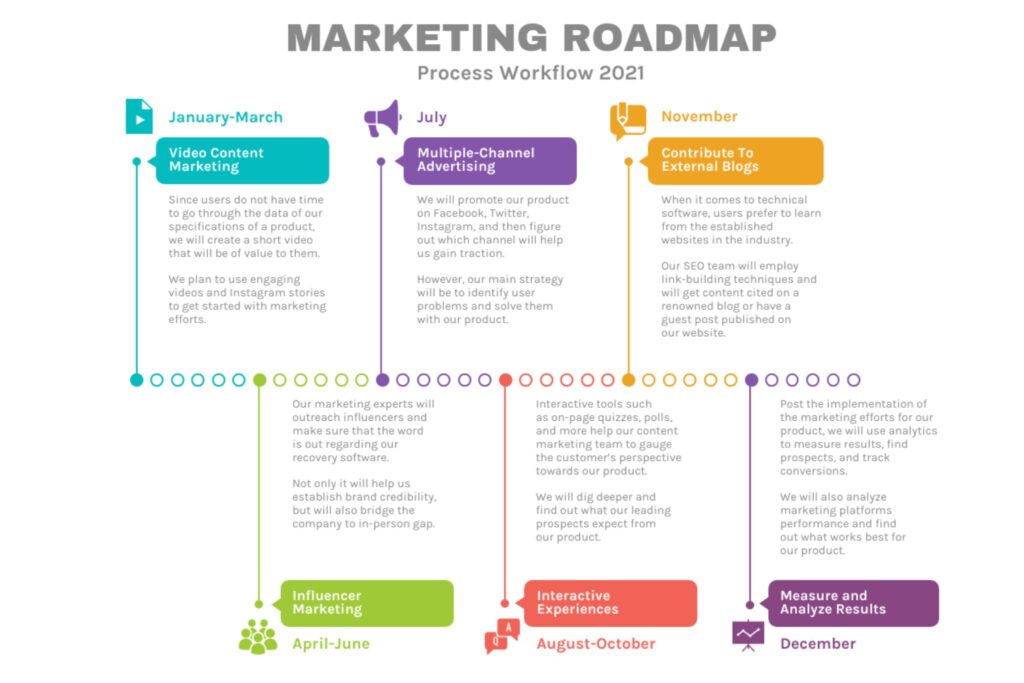
For brands and businesses that want to start incorporating meme and trending audio into their content strategy, here is a practical framework that minimises risk while building the capability progressively.
Phase One: Observation and learning (Month 1-2)
Before creating any meme content, spend one to two months actively observing how other brands and creators in your category use this type of content. Which formats are they deploying? How do their audiences respond? What works and what falls flat?
Also observe the platforms you are targeting as a user, not as a marketer — follow the creators who are culturally ahead of the curve in your audience’s community, and develop an organic sense of what is genuinely resonating.
Phase Two: Audio-first experimentation (Month 2-3)
Begin with trending audio rather than image memes — it is more forgiving technically and the distribution benefit is more directly measurable. Identify an audio that is in its growth phase and create a Reel that uses it in a way that is natural to your brand.
Start conservatively: use trending audio for content that showcases your product or service naturally, rather than attempting a full comedic meme format. The audio provides distribution benefit while the content remains squarely within your brand’s established tone.
Measure the reach and engagement of these early experiments against your baseline content. The data will show you whether the trending audio boost is materialising for your specific account and audience.
Phase Three: Voice development (Month 3-6)
Gradually develop a more distinctive social media voice — one that allows for the kind of genuine personality that meme-adjacent content requires. This does not mean abandoning professionalism. It means finding the specific register of human authenticity that is appropriate for your brand.
The best guide to what this voice sounds like is your best customer-facing employee — the person in your organisation who consistently builds the warmest, most genuine customer relationships. That person’s communication style — adapted for social media — is the target.
Phase Four: Cultural participation (Ongoing)
As the capability develops, begin participating more actively in cultural moments rather than just adapting existing formats. Comment genuinely on trending conversations that are relevant to your brand’s world. Respond to other creators’ content in ways that add something rather than just piggyback. Develop content that reflects genuine points of view rather than just content that follows established templates.
This active participation is the highest expression of meme-fluent brand content — and it is what produces the genuinely viral moments that reach millions organically.
The Small Business Opportunity — Why This Levels the Playing Field
Everything described so far might sound like it requires the resources of a major brand — a dedicated social media team, rapid response infrastructure, genuine cultural fluency cultivated through institutional investment.
It does not. In some ways, small businesses are better positioned than large ones to execute this approach effectively.
The authenticity that makes meme content work is easier to achieve when a single founder or small team is making the content — because the voice is genuinely one person’s voice rather than a committee-approved approximation of a voice.
The Wendy’s Twitter success depended on giving one person genuine autonomy to be funny. A small business owner managing their own Instagram has that autonomy by default.
The speed of response that makes trend participation possible is easier for a small business — one person who sees a trending audio and creates a Reel in an hour is faster than a large brand where a trend must be approved by multiple stakeholders before a response is published.
The specific knowledge of a niche audience that makes genuinely relatable content possible is easier for a small business whose founder is themselves a member of the community they serve — because the humor and the references are ones the founder encounters organically in their own life rather than ones that must be researched and briefed.
The pottery artist who makes a Reel using a trending audio to show the specific joy of a piece coming out of the kiln exactly as intended — in a format that her audience of craft-appreciating followers immediately recognises as culturally current — is doing exactly what Wendy’s does, at a fraction of the cost, in a community that is perfectly primed to respond.
The Long Game — Building Cultural Fluency as a Brand Asset
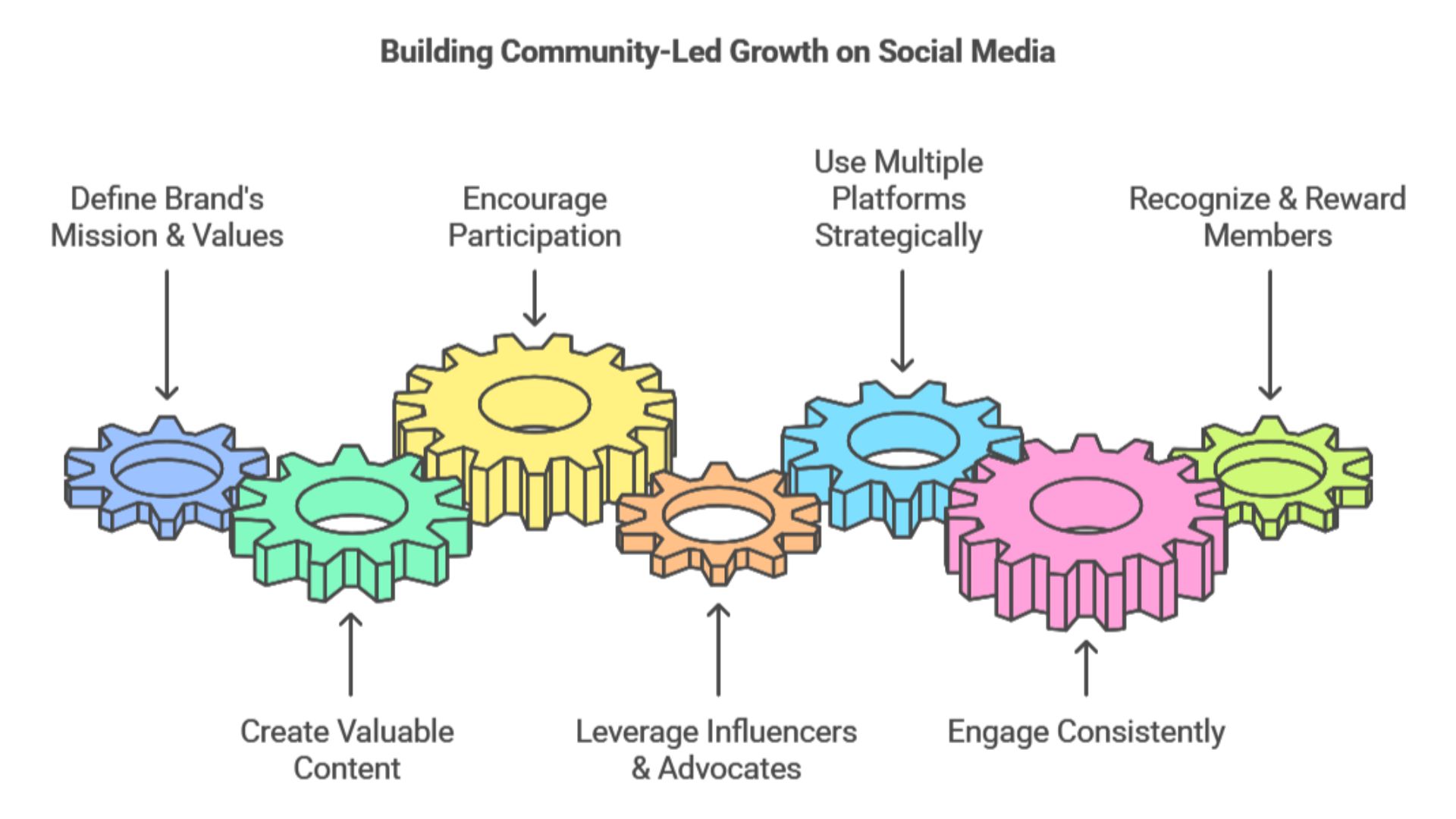
The brands and businesses that use memes and trending audio most effectively are not doing so as a tactical response to declining reach. They are building cultural fluency as a genuine strategic asset — developing an increasingly sophisticated understanding of the communities they serve and an increasingly natural ability to participate in those communities’ shared language.
This cultural fluency compounds over time. Each successful piece of meme content teaches the brand more about what resonates and why. Each trending audio experiment reveals more about how the audience responds to different formats. Each engagement with a cultural moment deepens the brand’s understanding of what cultural moments are actually about.
Over years, this compounding cultural intelligence produces the kind of social media presence that major brands spend enormous amounts to develop — a voice that feels genuinely human, a timing that feels genuinely current, and a quality of audience relationship that feels genuinely mutual rather than commercial.
The brands that have this in 2026 built it over years of genuine participation, genuine willingness to be funny and be wrong and be human, and genuine respect for the intelligence and taste of their audiences.
It does not require a large budget. It requires genuine attention to culture and genuine willingness to participate in it rather than merely observe it.
Closing Thought — The Brand That Joins the Conversation
Every day, millions of Indians open Instagram, YouTube, and Twitter and participate in an ongoing cultural conversation — sharing memes about the specific experience of being Indian and young and working and aspirational, remixing trending audio into their own creative contexts, laughing together at references that only make sense if you are genuinely embedded in this moment in this culture.
Most brands try to interrupt this conversation to insert their messages.
The brands that succeed are the ones that join the conversation — genuinely, fluently, with something real to contribute rather than just a commercial message dressed in cultural clothing.
The difference between interruption and participation is not just strategic. It is the difference between a brand that the audience tolerates and a brand the audience enjoys — between a presence that people scroll past and a presence that people stop for, share with friends, and mention in conversations.
Seventeen million people laughed at Wendy’s tweet not because Wendy’s is a beloved institution. Because for a moment, the brand was genuinely funny. It joined the conversation rather than interrupting it.
The conversation is happening. The audience is there.
Join it genuinely.
Written by Digital Drolia — helping brands and businesses understand that the most powerful content is content the audience wants to share, not content the brand wants to show. Found this valuable? Share it with a marketing professional who is still thinking about social media as an advertising channel rather than a cultural participation opportunity.