



Why Your Customer Trusts a Stranger’s Review More Than Your Own Ad

Let me start with something that should not make sense but absolutely does.
You are looking for a dermatologist in your city. You find two options through a Google search.
The first has a beautifully designed website. Professional photographs of a modern clinic. A detailed list of qualifications and certifications. A carefully written paragraph about the doctor’s philosophy of patient care. A testimonial section with five glowing quotes — each one with a name and a location and a perfectly composed sentence about the excellent experience.
The second has a simpler website. Fewer photos. Less design polish. But on Google Maps, it has two hundred and forty-seven reviews with an average of 4.8 stars. The reviews are not perfectly composed sentences — they are the kind of writing real people produce when they are genuinely trying to help other real people make a decision. “Waited forty minutes but the doctor was incredibly thorough and actually explained what was happening.” “She made me feel heard for the first time after seeing three other doctors.” “The clinic is a bit hard to find but worth it. Went for a routine check and they caught something that had been missed for years.”
Who do you call?
Almost certainly the second.
And here is what is strange about that decision if you examine it carefully: you trust the testimony of two hundred and forty-seven strangers you will never meet more than you trust the carefully curated communication of a professional who has thought carefully about what to say and how to say it.
This is not irrationality. It is not naivety. It is one of the most deeply wired and consistently demonstrated features of human social psychology — and understanding why it works the way it does is one of the most practically valuable things any business owner or marketer can know.
The Credibility Gap — Why Self-Promotion Has a Ceiling

Every piece of communication carries an implicit question: why is this person telling me this? And the answer to that question powerfully shapes how much credibility the communication receives.
When a business publishes an advertisement, the answer to “why is this person telling me this?” is transparently obvious. They want me to buy their product or service. They have a direct financial interest in my positive assessment of what they offer. They have selected, shaped, and presented their message to produce the most favourable impression possible.
This motivation does not make the advertisement dishonest. The product might genuinely be excellent. The claims might be entirely accurate. The business might legitimately be the best option available.
But the transparency of the motivation creates what psychologists call a credibility discount. The listener or reader adjusts their response to the message based on their awareness of the communicator’s interest. Just as we automatically discount the claims of a salesperson who is being paid on commission — not because they are necessarily lying, but because we know they have a specific interest in our decision — we discount advertising claims because we know the advertiser has a specific interest in our response.
This credibility discount is not consciously applied as a rational calculation. It is automatic and pre-conscious — the brain’s pattern recognition system identifies the communication as coming from a source with a vested interest and adjusts the weighting of the information accordingly before conscious evaluation even begins.
The ceiling this creates for self-promotion is real and significant. No matter how true your claims are, no matter how genuinely excellent your product is, no matter how much effort you invest in your advertising — there is a limit to how persuasive that advertising can be, imposed by the audience’s awareness that you have something to gain from their belief in it.
Reviews from strangers do not have this ceiling. They come from people who have nothing to gain from your response to the information they provide. They are, in the audience’s assessment, disinterested parties — people whose only motivation for writing is to share an experience that might be useful to others like them.
This disinterestedness is the source of their credibility. And that credibility is why they are more persuasive than your best advertising.
The Neuroscience of Social Proof — What Is Happening in the Brain
The preference for peer reviews over brand communication is not just a contemporary consumer preference — it is the expression of neural architecture that evolved over hundreds of thousands of years before advertising or the internet existed.
Human beings are deeply social animals whose survival and thriving depended historically on accurate information from within their social group. The knowledge of where to find food, which plants were safe to eat, which strangers to trust, which territories to avoid — all of this was transmitted between individuals through social communication. The accuracy of this information was literally a matter of life and death.
The brain developed specific systems for evaluating the credibility of social information — systems that are acutely sensitive to the apparent motivation of the communicator and the social relationship between communicator and recipient. Information from people who share your social identity — who face similar challenges, who have similar interests, who inhabit similar social contexts — is weighted more heavily than information from outsiders. Information from people who have no apparent interest in the outcome of your decision is weighted more heavily than information from people who stand to benefit from your choice.
Reviews from strangers activate these ancient credibility assessment systems in a specific and powerful way. The stranger who wrote about their experience at the dermatology clinic was not being paid. They were not building a career on the recommendation. They had nothing to gain from writing several paragraphs about their medical experience except the social satisfaction of sharing useful information with people in a similar situation.
The brain recognises this motivational profile and classifies the information as high credibility — information from a disinterested party who shares the reader’s social context and interests.
Beyond the credibility assessment, reviews activate the social proof mechanism that Robert Cialdini identified as one of the most fundamental drivers of human decision-making. Social proof is the cognitive shortcut that tells us: when we are uncertain about the right course of action, observe what other people — especially people similar to us — are doing and treat that as evidence of the correct choice.
Two hundred and forty-seven reviews saying a dermatologist is worth visiting is two hundred and forty-seven data points suggesting that people like me found it worth visiting. The number itself is persuasive, even before the content of the reviews is evaluated — because the sheer volume of testimony represents a kind of social consensus that is extremely difficult to fake or manufacture.
The Authenticity Markers — What Makes a Review Feel Real
Not all reviews carry equal credibility. The human pattern recognition system — evolved for detecting deception as well as evaluating credibility — is extremely good at identifying the difference between authentic reviews and manufactured or incentivised ones.
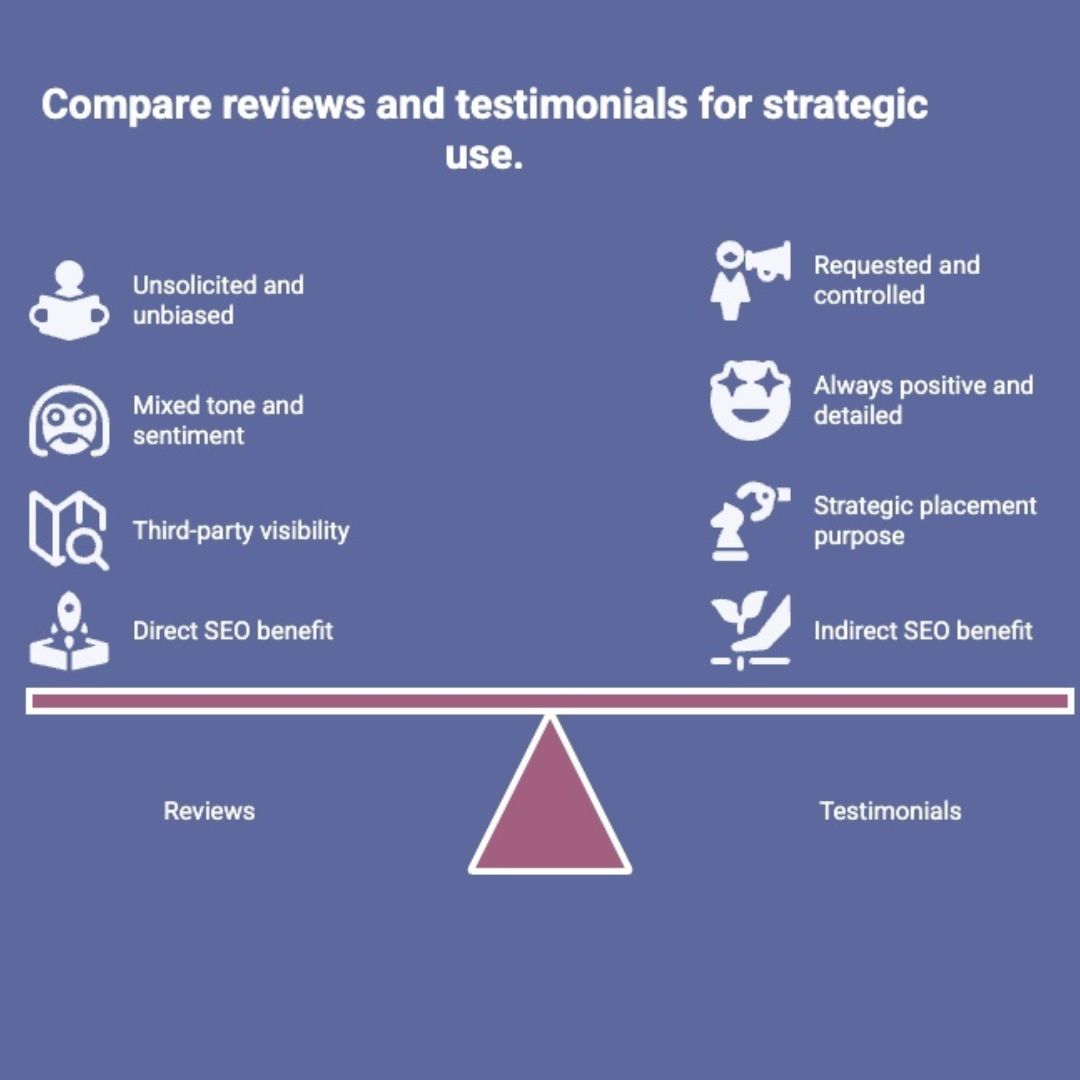
Understanding what authenticity markers reviewers unconsciously respond to helps explain why genuine reviews are so much more persuasive than testimonials selected and curated by businesses — even when both are technically true.
Specificity
Authentic reviews contain specific details that only a genuine customer would know. “The clinic is a bit hard to find” is specific. “The doctor made me feel heard for the first time after seeing three other doctors” is specific. These details are not the kind of carefully composed positive affirmations that appear in curated testimonials — they are the kind of granular, sometimes mixed observations that come from actually having the experience.
Curated testimonials tend toward the general: “Excellent service.” “Highly recommended.” “Amazing experience.” These phrases could have been written about almost any business in any category and therefore carry little specific credibility.
The presence of minor negatives
Authentic reviews almost never give uniformly positive accounts. Even reviews that are overall positive include minor negatives — waiting times, parking difficulties, a slightly confusing appointment booking process. These minor negatives are actually positive signals for the overall credibility of the review. They suggest that the reviewer was honest enough to include the less-than-perfect aspects, which makes the positive aspects more credible.
Curated testimonials, selected for their positivity, tend to eliminate minor negatives entirely — which paradoxically makes them less credible rather than more.
Temporal and contextual grounding
Authentic reviews are typically written in the temporal context of the experience — “I went for a routine check,” “I had been struggling with this for years.” This grounding in specific circumstances gives the review a narrative quality that feels genuinely experiential rather than composed.
The emotional register of genuine experience
Authentic reviews tend to carry the emotional register of actual experience — the specific relief of having a problem finally diagnosed, the specific frustration of a long wait that was ultimately worthwhile, the specific gratitude of having been taken seriously by a professional. These emotions are hard to convincingly manufacture because they are rooted in particular experiences that have their own texture and specificity.
Language patterns
Authentic reviewers write as they speak — with imperfect grammar, colloquial phrasing, and the kind of slightly awkward construction that comes from people who are not professional writers trying to express something they genuinely experienced. Polished, grammatically perfect testimonials often carry a subtle inauthenticity signal — they feel written rather than expressed.
The Scale Effect — Why Volume Matters Beyond Individual Credibility

Even setting aside the quality of individual reviews, the volume of reviews carries its own persuasive weight that operates through a different mechanism.
A single review — however authentic and well-written — represents one person’s experience. It could be an outlier. It could be a particularly lucky or particularly unlucky encounter with the business. The sample size of one is too small to justify strong conclusions.
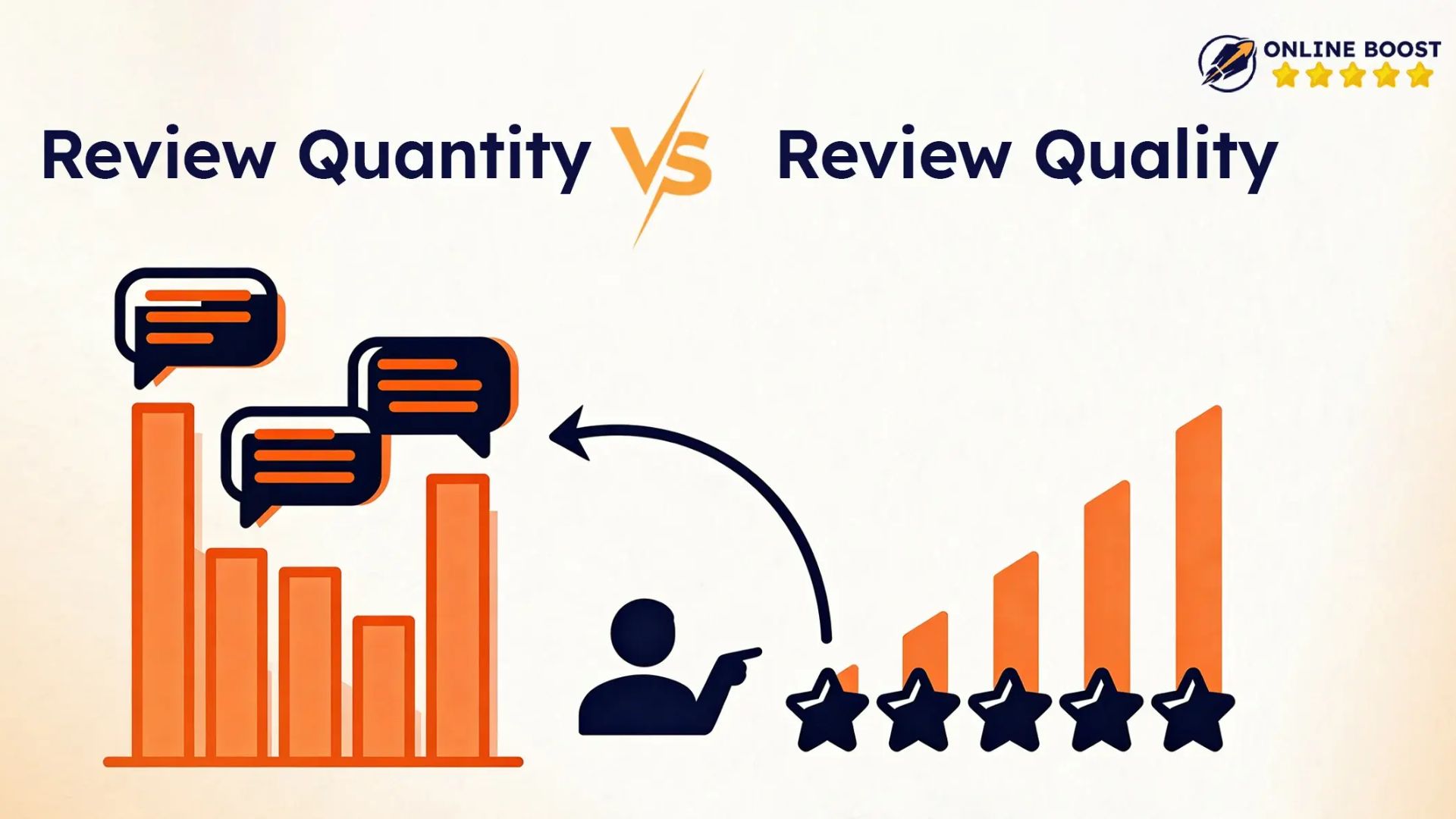
As review volume increases, the persuasive power of the aggregate increases at a rate faster than arithmetic would suggest. Ten reviews suggests a pattern. Fifty reviews suggests a reliable pattern. Two hundred reviews begins to approach statistical robustness — a sample size where random variation has been averaged out and the central tendency of the experience becomes reliably apparent.
This is why the business with two hundred and forty-seven reviews at 4.8 stars is more credible than the business with twelve reviews at five stars — even though the second business’s average rating is technically higher. The volume of testimony in the first case has reduced the uncertainty that any individual decision-maker faces.
The brain does not conduct a rigorous statistical analysis when evaluating review volume — but it does respond to volume as a credibility multiplier. A business that has been reviewed two hundred and forty-seven times is a business that has served at least that many customers who cared enough to leave a review. That scale of evidence is genuinely more persuasive than a small number of reviews, regardless of average rating.
The Review Response Paradox — Why Negative Reviews Can Increase Trust
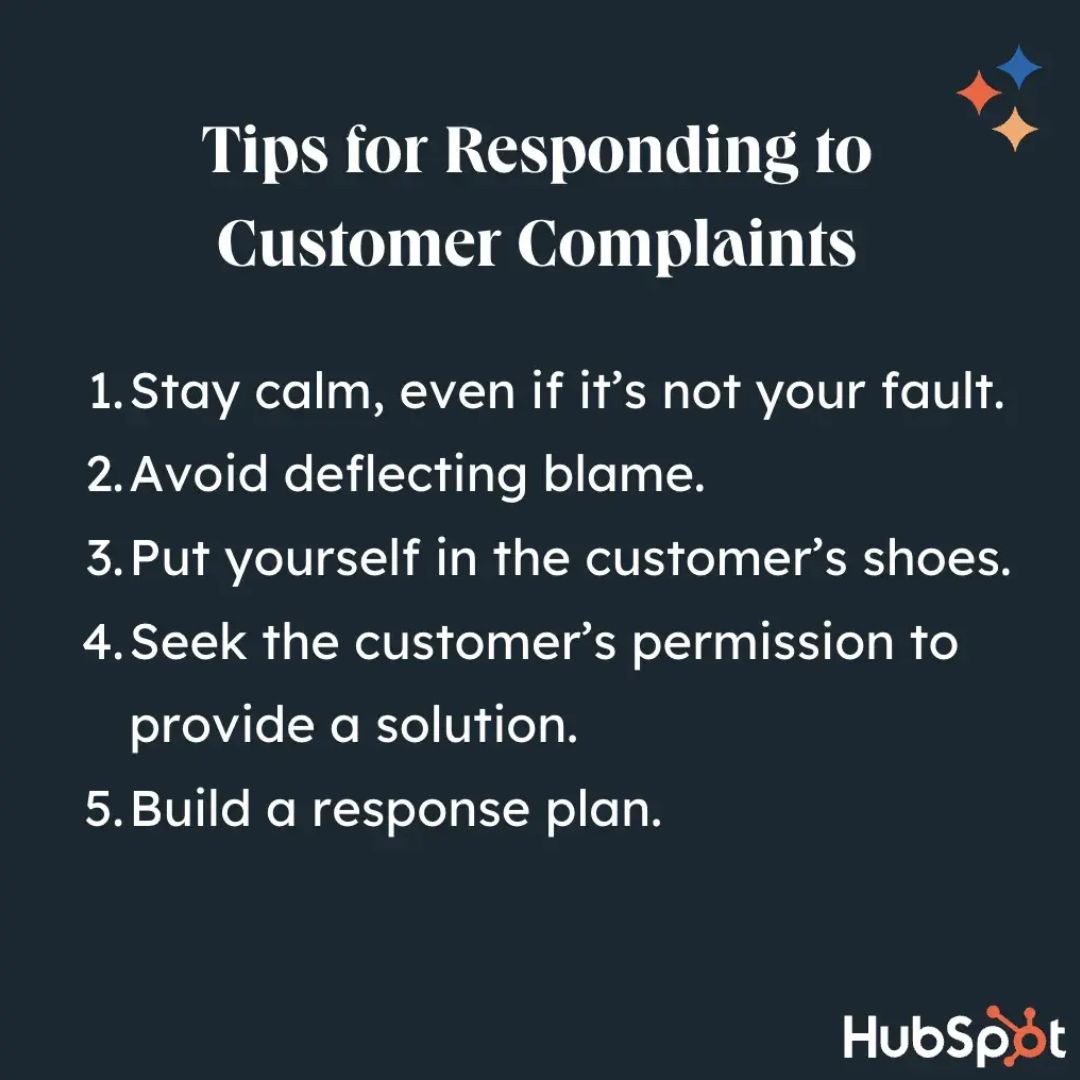
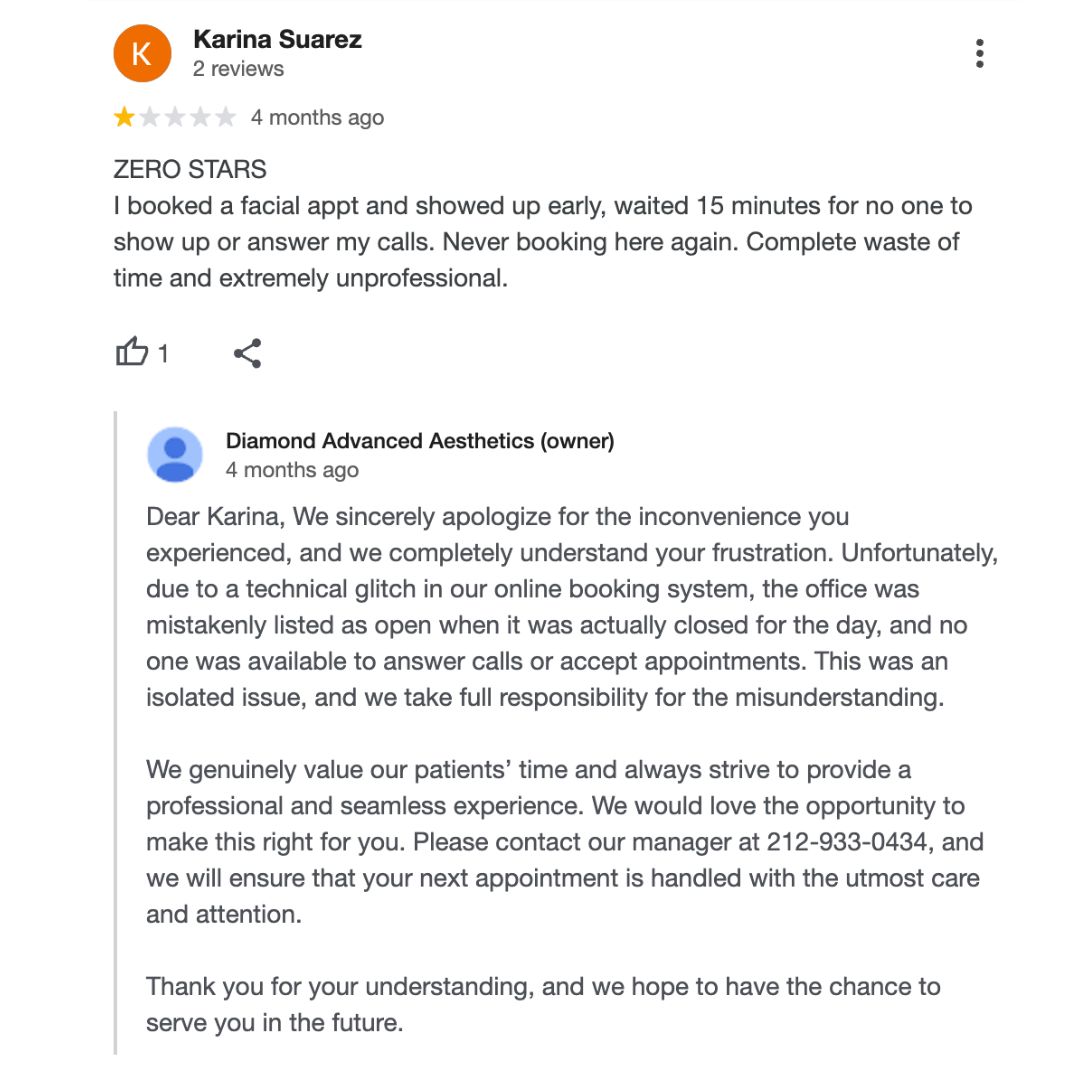
One of the most counterintuitive findings in the psychology of online reviews is that the presence of negative reviews — properly handled — can actually increase a business’s overall trustworthiness in the eyes of potential customers.
The logic is straightforward once you understand the authenticity mechanisms involved. A business with exclusively positive reviews activates suspicion rather than confidence. The pattern is too clean. The absence of any negative experiences suggests either that the reviews have been curated or that the sample is too small to include the natural variation of customer experience.
A business with predominantly positive reviews and a small proportion of negative ones — particularly when the negative ones are responded to professionally and constructively — presents a pattern that feels genuinely representative of real experience. It looks like what a genuinely good business with genuinely satisfied customers would look like if the data were complete and unfiltered.
The response to negative reviews is particularly significant as a trust signal. A business that responds to critical reviews with acknowledgement, specific address of the concern, and evidence of genuine care for customer experience is demonstrating — publicly, verifiably — the values it claims to hold. The potential customer reading the response to the negative review is watching how the business behaves when things go wrong.
This is more valuable information than any number of positive reviews. Because every customer relationship will eventually include a moment where something is not perfect — and the evidence of how the business handles those moments is directly predictive of whether the customer relationship will survive them.
The business owner who reads a critical review and responds with genuine accountability — “I’m sorry your experience fell short of our standard. Here’s what I’ve done to address this” — is providing evidence of character that no advertisement could replicate.
The Platform Difference — Why Google Reviews Are More Powerful Than Testimonials on Your Own Website
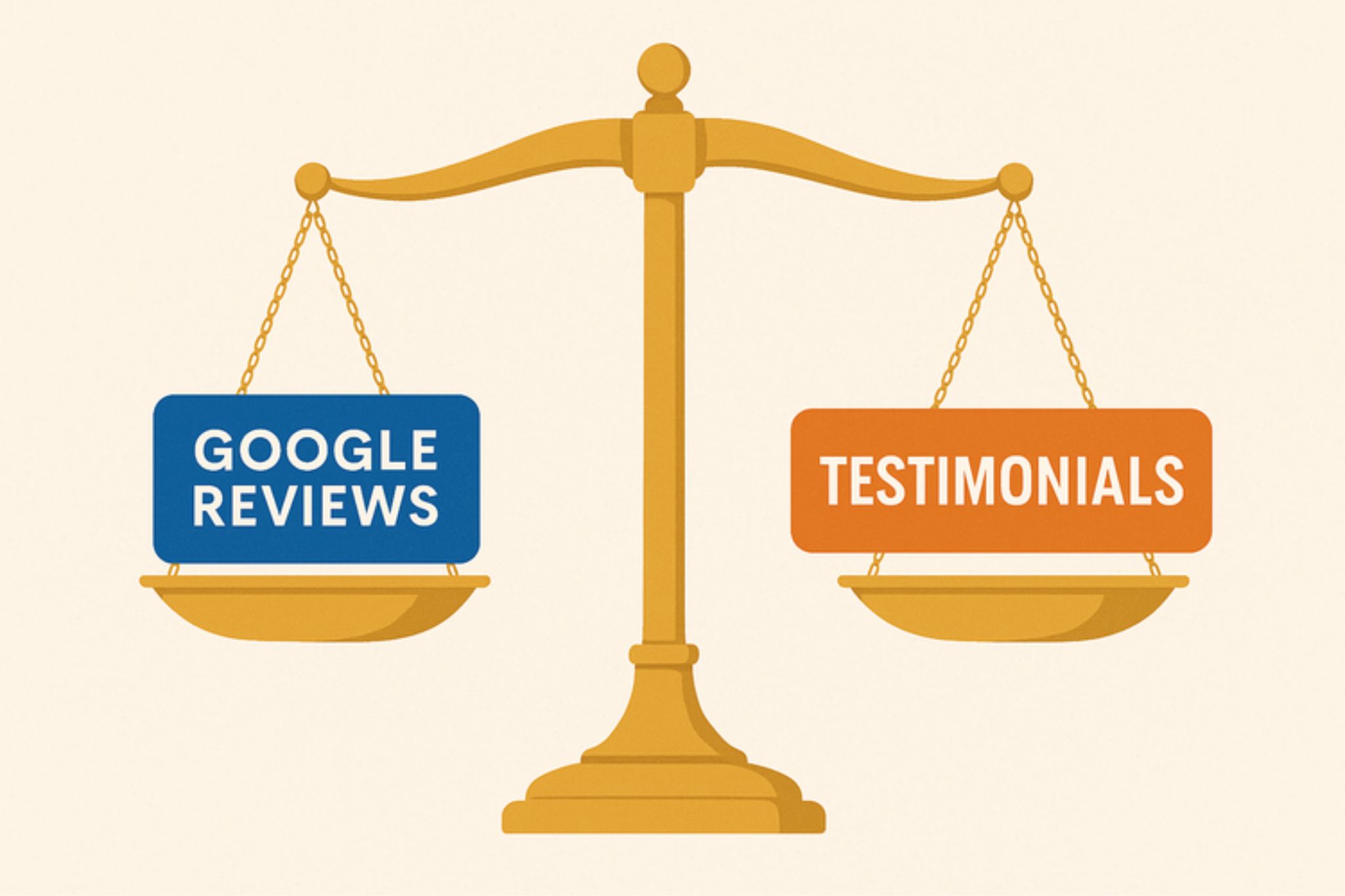
Many businesses invest significant effort in collecting and displaying testimonials on their own website. This practice has value — testimonials on a website contribute to the credibility assessment of visitors who are already considering the business. But website testimonials operate under a specific and significant limitation that third-party platform reviews do not face.
The limitation is source credibility.
When testimonials appear on a business’s own website, the reader knows — consciously or not — that the business controls what appears there. The business has selected these testimonials from whatever feedback they received. They have chosen to display these particular quotes rather than others. They may have edited or refined the language. The business has curated the evidence.
This curatorial control undermines the credibility discount reduction that makes reviews so powerful in the first place. Website testimonials are closer to advertising than to independent testimony — they are still the business’s chosen communication about itself, just using the words of customers rather than the words of marketers.
Google reviews, Zomato reviews, Amazon reviews, and other third-party platform reviews do not have this limitation — or have it to a far lesser degree. The reader knows that anyone can leave a review on Google Maps. They know the business does not control which reviews appear. They know that negative reviews sit alongside positive ones. The third-party nature of the platform provides the independence that creates genuine credibility.
This is why a business with strong Google reviews benefits from making those reviews visible and accessible — not by reproducing them on its own website (which partially undermines their third-party credibility) but by ensuring that the Google Business Profile where those reviews live is easily discoverable by people who are considering the business.
The reviews on the third-party platform carry their full credibility precisely because they are not on the business’s own turf.
The Influencer Dimension — When the Stranger Has an Audience
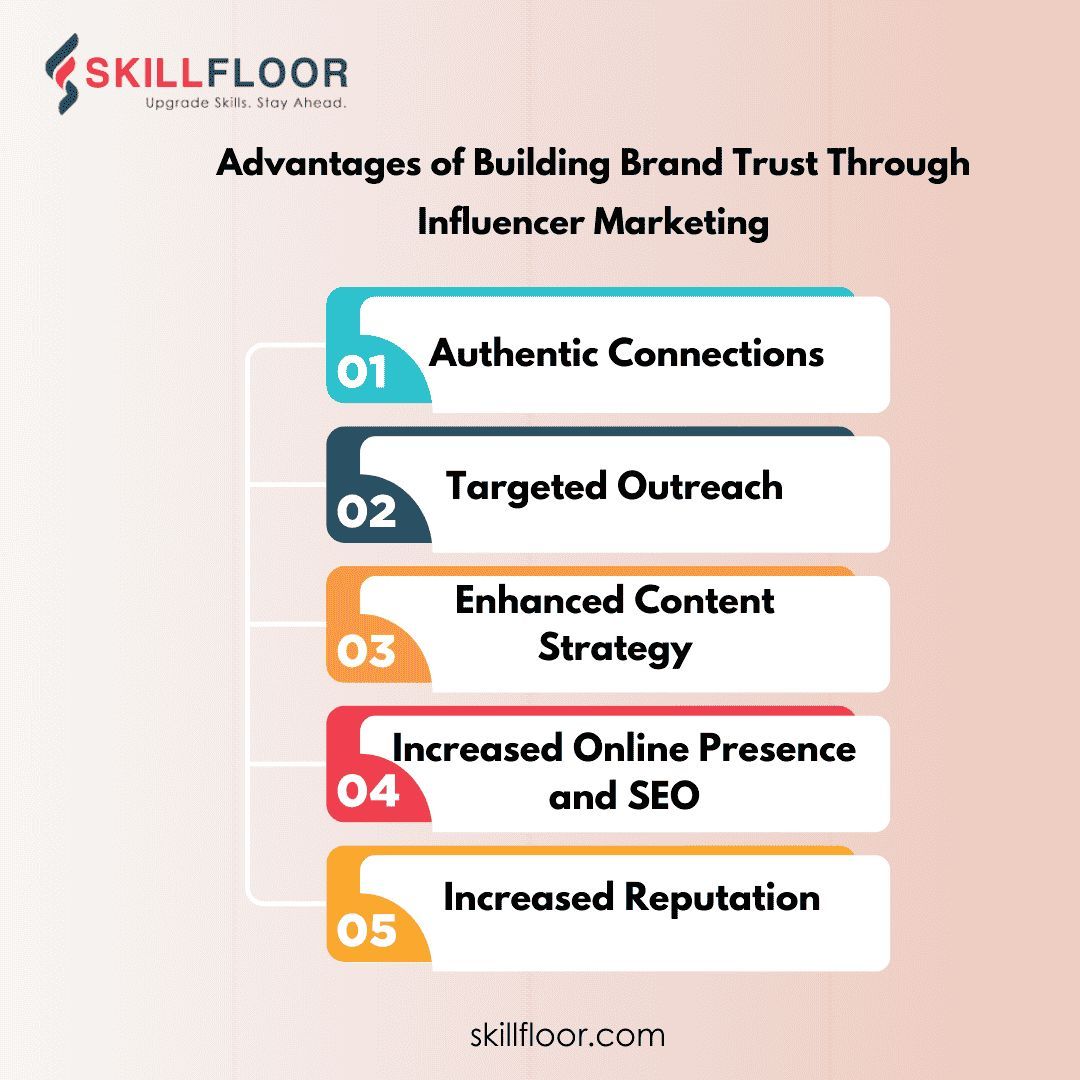
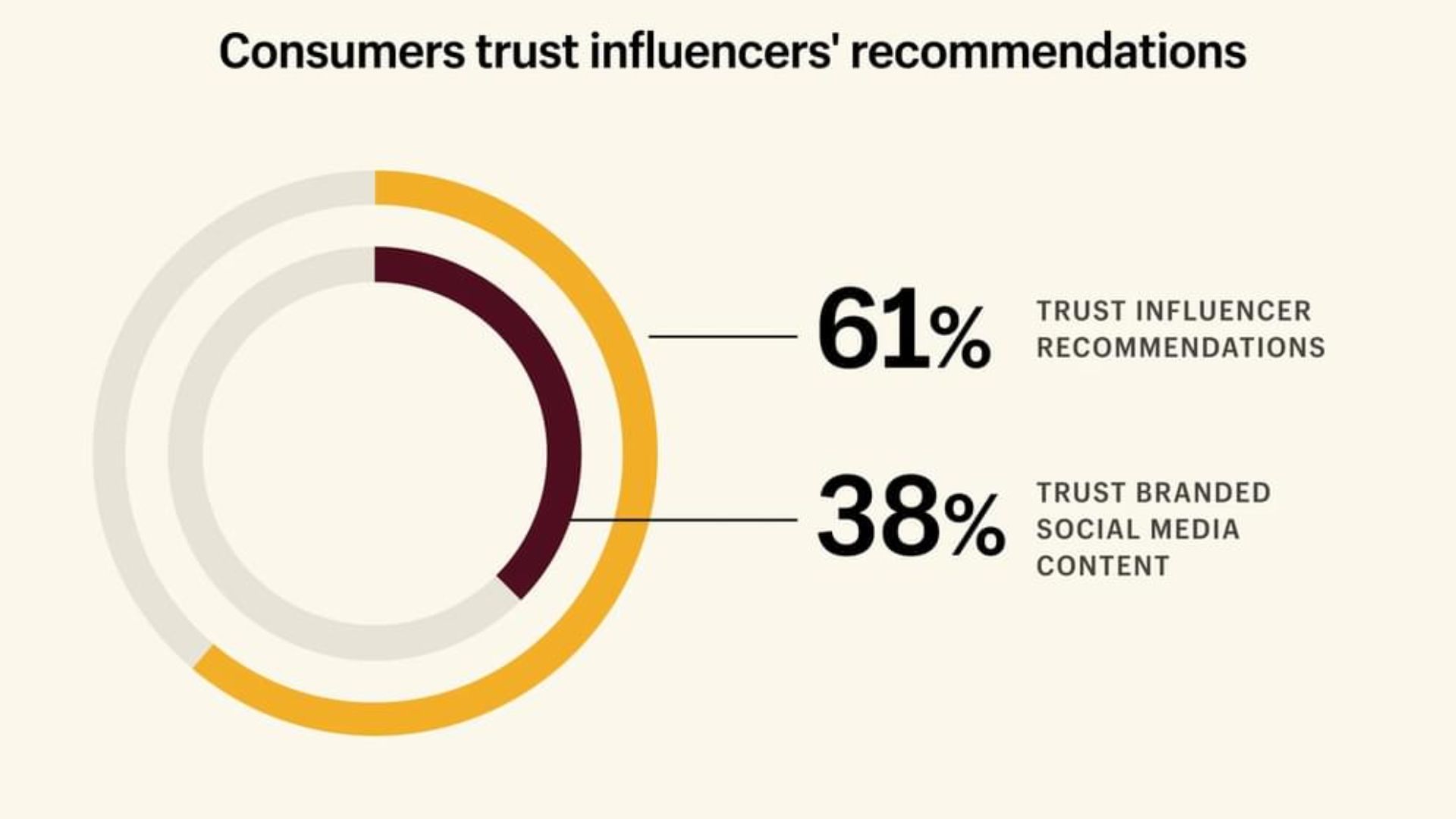
The trust dynamics of stranger reviews become more complex but no less powerful when the stranger has their own platform and their own audience.
The influencer economy — the commercial ecosystem built around content creators who have built genuine audience trust over time — is essentially the professionalization of the stranger review. An influencer’s recommendation carries the same fundamental credibility advantage as a stranger’s Google review, amplified by the parasocial relationship the influencer has built with their audience.
The key phrase is genuine audience trust. The influencer whose recommendations carry genuine weight is one whose audience believes — based on a track record of honest, specific, personal communication — that the recommendations reflect genuine experience and judgment rather than commercial arrangement.
When this trust exists, an influencer’s recommendation is extraordinarily persuasive — far more so than equivalent advertising, because it comes from a source the audience has classified as a disinterested peer rather than a commercial communicator.
When the trust does not exist — when the audience perceives the influencer as primarily a commercial vehicle for paid promotions — the recommendation loses its credibility advantage and approximates advertising in its persuasive weight.
This is why disclosure of paid partnerships is not just a regulatory requirement but a trust management imperative. Audiences who discover that a recommendation they received as genuine was actually paid for — without disclosure — experience the specific betrayal of trust that comes from discovering that a disinterested party had an interest they were not informed of. The damage to the influencer’s credibility is severe and often difficult to recover from.
The influencer whose paid content is always disclosed and whose organic recommendations are clearly distinct receives the full credibility advantage of the peer recommendation for their organic content. The influencer who obscures the distinction between paid and organic gradually erodes the trust that makes their recommendations worth paying for in the first place.
What This Means for Every Business — The Practical Implications

Understanding why reviews from strangers are more persuasive than advertising has specific and actionable implications for how businesses should think about their marketing and their customer relationships.
Actively generating genuine reviews is marketing investment
The effort invested in encouraging genuine customers to share their experiences — through well-timed follow-up requests, by making the review process as simple as possible, by acknowledging and thanking customers who do review — is marketing investment that produces returns through the most credible channel available.
A business that generates thirty genuine reviews per month is building a credibility asset that compounds over time. Each review adds to the aggregate volume that makes the social proof more powerful. Each detailed, authentic review adds specific credibility evidence that advertising cannot produce.
The quality of the customer experience is the quality of the marketing
Because the most persuasive marketing a business has is the genuine testimony of its customers, the quality of the customer experience directly determines the quality of the marketing. A business that delivers genuinely excellent experiences generates genuinely excellent reviews. A business that delivers mediocre experiences cannot compensate through advertising investment.
This reframing — understanding customer experience as the upstream variable that determines marketing effectiveness downstream — changes how business owners should think about the relationship between operations and marketing.
Responding to reviews is public relationship building
Every response to a review — positive or negative — is visible to future customers evaluating the business. The business that treats review responses as a public communication opportunity rather than a private customer service task builds credibility with every response.
Responses to negative reviews that are professional, specific, and accountability-taking build more trust than the review damaged — because they demonstrate exactly the quality of character that determines whether a customer relationship can survive difficulty.
User-generated content is the most credible content in your marketing
Photographs customers have taken of their experience, videos they have shared, posts they have written about their encounters with the business — these are all forms of stranger testimony that carry the credibility advantages of genuine peer communication.
Brands that facilitate and celebrate user-generated content — that share customer photographs, that feature genuine customer stories, that create contexts in which customers are motivated to share their experiences publicly — are leveraging the most credible content source available at essentially zero cost of production.
Third-party validation compounds with self-promotion
The most effective marketing combines the scale and control of advertising with the credibility of peer testimony. Press coverage, third-party awards, industry recognition, and organic social media sharing all provide the independent validation that advertising cannot manufacture.
A business that runs excellent advertising for a product that has been independently reviewed and validated will outperform a business running the same advertising without that validation — because the advertising provides the reach and the peer validation provides the credibility that converts reach into trust.
The Fake Review Problem — Why It Defeats Itself
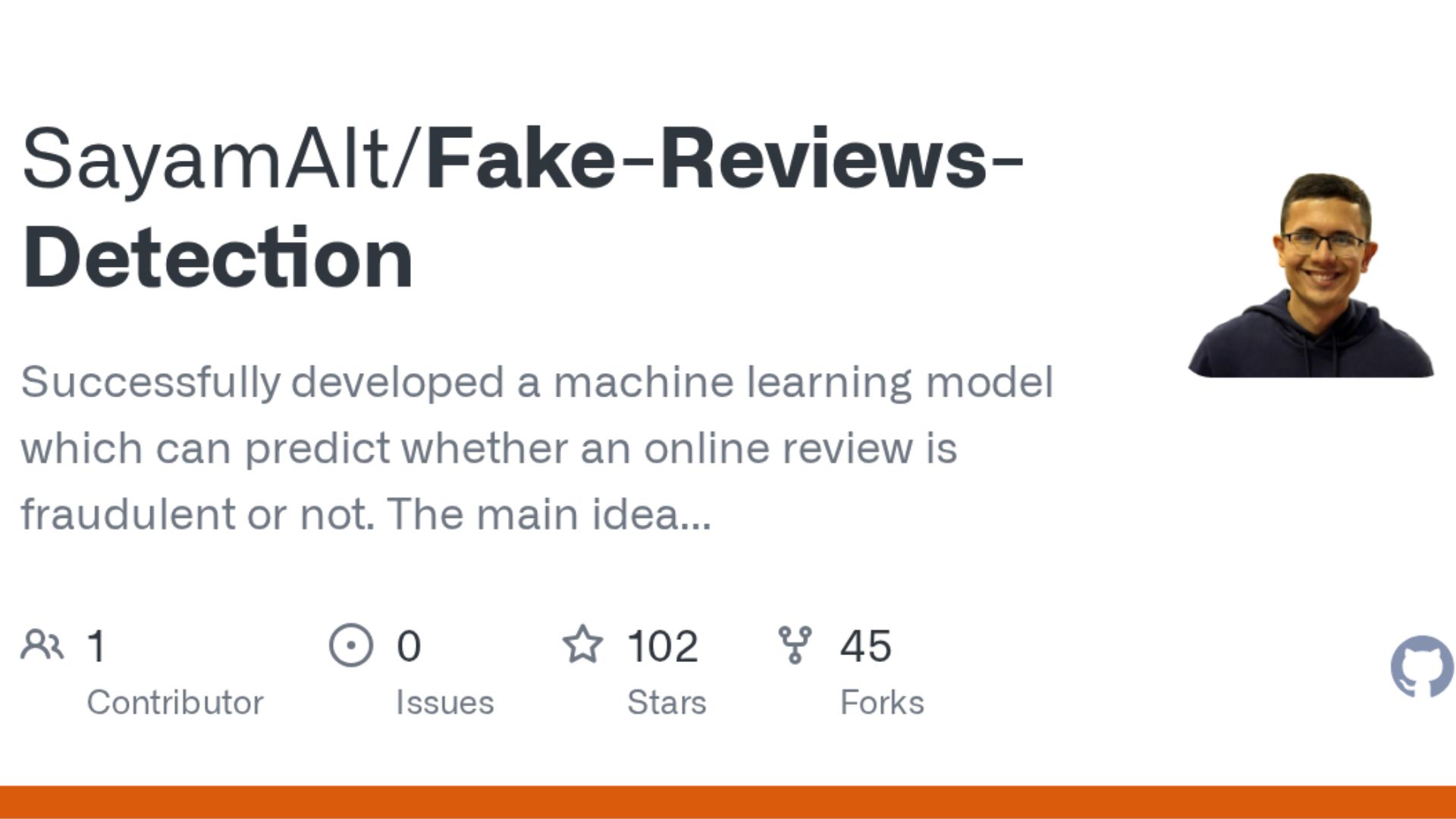
A logical response to everything in this post might be: if reviews are more persuasive than advertising, why not simply manufacture reviews?
The short answer is that manufactured reviews typically defeat themselves through the very mechanisms that make genuine reviews persuasive.
The authenticity markers that distinguish genuine reviews from manufactured ones — specificity, the presence of minor negatives, temporal grounding, genuine emotional register, natural language patterns — are extremely difficult to consistently reproduce at scale. Manufactured reviews, produced either by the business itself or through review-buying services, tend to exhibit the generic positivity and polished language that trigger authenticity skepticism.
More practically, review platforms have increasingly sophisticated detection systems for inauthentic review patterns. Google’s review system, in particular, has algorithms that identify suspicious patterns — reviews from accounts with no other activity, clusters of reviews that appear simultaneously, review patterns that deviate from statistical norms for genuine business review accumulation.
Businesses caught with manufactured reviews face penalties that can include review removal, listing penalties, and in extreme cases, suspension of their Google Business Profile — which is one of the most commercially significant digital assets a local business has.
Beyond the platform risk, the brand risk of being exposed as a manufacturer of fake reviews is severe and often irreversible. The discovery that a business has been manufacturing social proof is precisely the betrayal of the trust mechanism that makes social proof work — the audience feels not just deceived about the specific business but confirmed in their skepticism about reviews generally.
The genuinely ironic consequence is that a business that manufactures reviews destroys the very credibility advantage it was trying to capture. Manufactured reviews are not just ineffective — they are actively corrosive to the most valuable marketing asset a business can build.
Building the Review Ecosystem — A Practical Approach
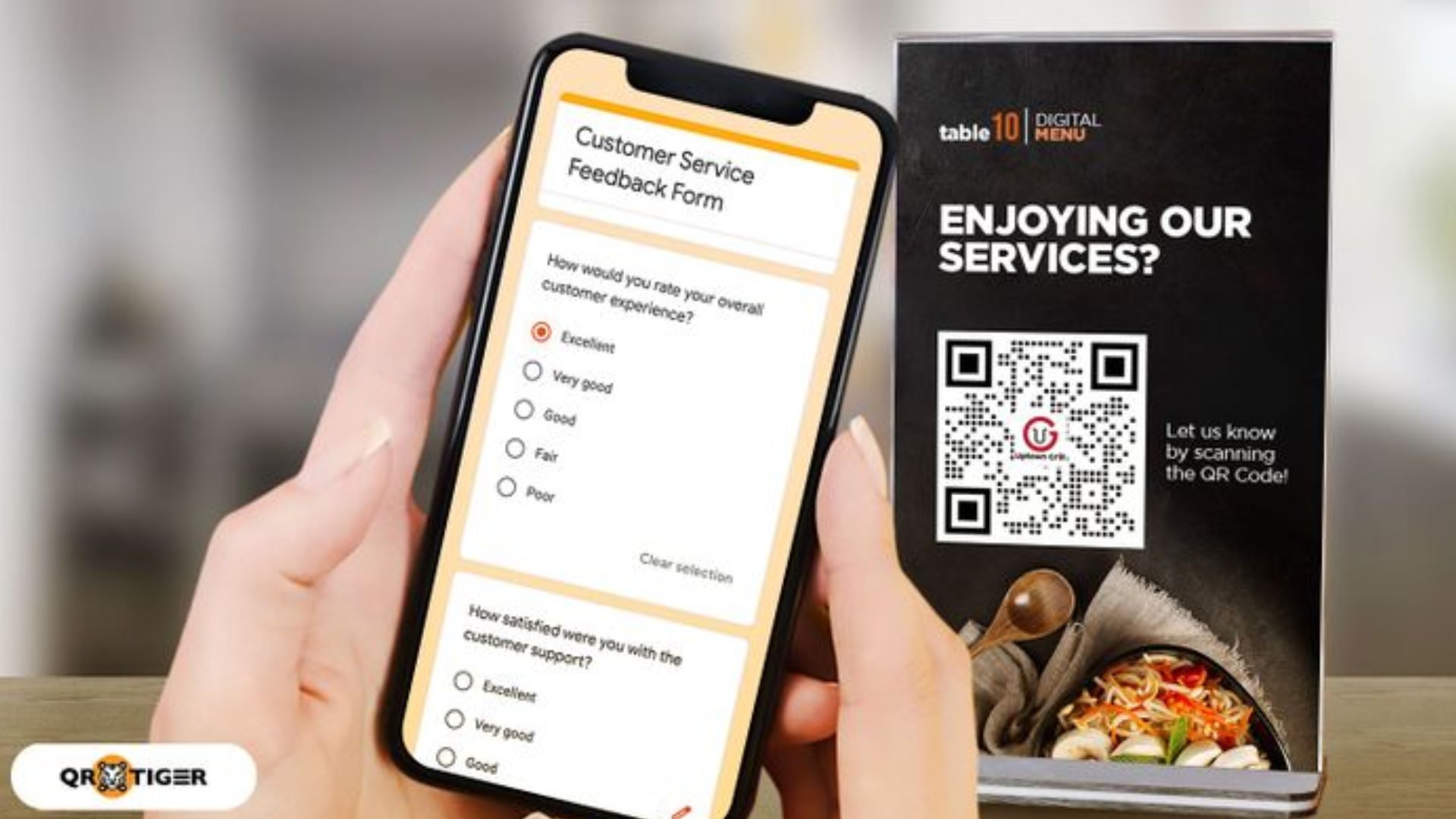
For businesses that want to build genuine review volume ethically and effectively, here is a practical approach to making reviews a systematic part of the customer relationship.
Ask at the right moment
The optimal moment to request a review is the moment immediately following the peak positive experience in the customer relationship — the moment when the customer has just received genuine value and is feeling the most positive about their decision to use the business.
For a restaurant, this is as the customer is leaving — having just experienced the meal that justified their evening. For a service business, it is immediately following the successful completion of the service. For a product business, it is a few days after delivery — when the customer has had the product long enough to have formed a genuine opinion but the experience is still fresh.
Timing the request to the peak positive moment maximises both the probability of compliance and the genuine enthusiasm of the review.
Make it genuinely easy
The primary reason customers who intend to leave a review do not leave one is friction — the process involves too many steps, requires navigation they did not anticipate, or demands more time than they are willing to invest.
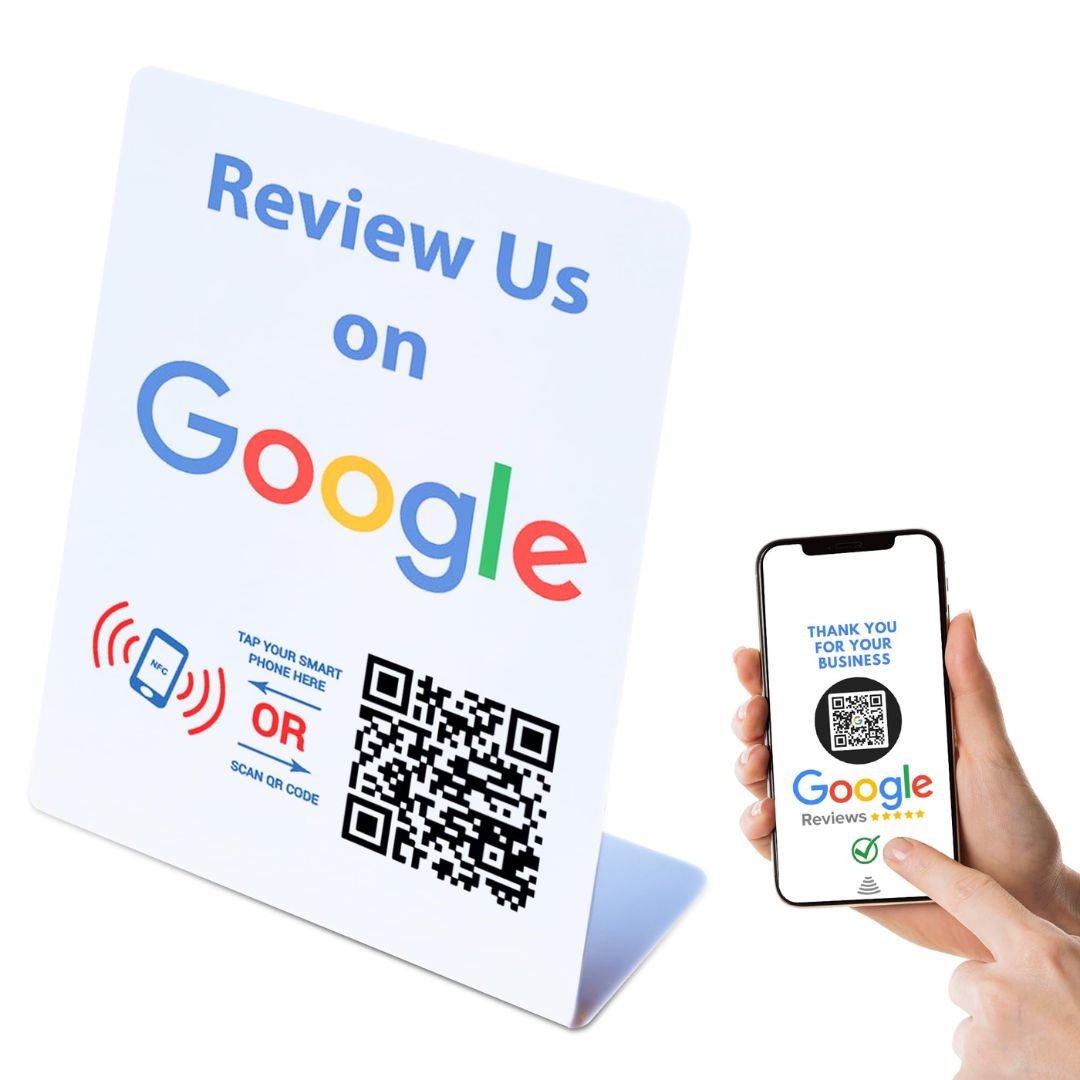
Reducing this friction — providing a direct link to the review page, sending a WhatsApp message with a single tap to the Google review submission page, or including a QR code on a receipt that opens the review form — dramatically improves the proportion of customers who follow through on review intentions.
Thank reviewers specifically and publicly
Thanking customers who leave reviews — publicly in the response, and sometimes privately through a follow-up message — reinforces the behaviour that generated the review and builds the relationship with the customer who left it. It also demonstrates to potential reviewers that their contribution will be acknowledged and valued.
Respond to every review consistently
Consistent, specific, warm responses to positive reviews and professional, accountability-taking responses to negative ones build a public track record of attentiveness and care that is itself a form of trust-building communication.
Closing Thought — The Honest Economy of Trust
There is something genuinely important about why a stranger’s review is more persuasive than your best advertisement — something that goes beyond marketing strategy and touches on what trust actually requires.
Trust requires the believable absence of self-interest. The moment a communicator has something to gain from our belief, our credibility discount activates automatically. We cannot prevent this response — it is wired in. We can only acknowledge it and work with it rather than against it.
The business that earns the trust of its customers — that delivers experiences worth reviewing, that treats customers honestly enough that they share those experiences publicly, that builds over time a body of independent testimony that no advertising budget could manufacture — has earned something more durable than any campaign can produce.
The business that relies primarily on telling its own story, however eloquently, is competing against this more credible alternative at a fundamental disadvantage that cannot be overcome by better advertising.
The dermatologist with two hundred and forty-seven genuine reviews did not get those reviews by being good at marketing. She got them by being good at dermatology — by making patients feel genuinely seen, by catching things that had been missed, by delivering an experience that was worth two hundred and forty-seven people’s time to document.
That is the only pathway to the credibility that advertising cannot produce.
Be genuinely good. Make it easy for people to say so. And then let the strangers — with their disinterest and their specificity and their minor complaints about parking — do the marketing that your advertising never could.
Written by Digital Drolia — helping businesses understand that the most persuasive marketing happens when satisfied customers speak, and the most important marketing investment is in the quality of experience that gives them something worth saying. Found this valuable? Share it with a business owner who is investing in advertising while neglecting the review ecosystem that would make that advertising many times more effective.
This blog comes in at approximately 3,900 words — right at the top of your target range. Whenever your next title is ready, just share it and I will write it up straight away!