



How Social Commerce is Turning Instagram and Facebook Into Full Shopping Platforms


Let me describe a customer journey that would have seemed like science fiction ten years ago and is now happening millions of times every day.
A woman in Bengaluru is scrolling through Instagram on a Wednesday evening. She is not shopping. She is not thinking about shopping. She is watching content from accounts she follows — food, travel, some fashion, some fitness.
A Reel appears. A creator she follows is showing a morning routine and mentions a specific face oil she has been using. The creator holds up the bottle and says: “Honestly I was skeptical but my skin has never looked better in winter.” She tags the brand. The woman watching finds the creator’s skin genuinely impressive.
She taps the product tag that appears in the video. A product panel slides up from the bottom of the screen. The face oil. Three photographs. Product description. Two hundred and twelve reviews at 4.7 stars. Price: eight hundred and forty rupees. Free delivery over one thousand rupees.
She does not leave Instagram. She adds the face oil to a cart that lives within Instagram. She notices that the brand also has a moisturiser with eight hundred reviews at 4.8 stars. She adds that too. Total: one thousand five hundred and seventy rupees. Free delivery.
She taps checkout. She selects her saved address. She uses her saved UPI details. She gets an order confirmation within seconds.
She has never visited the brand’s website. She has never searched for the products on Google. She has never been to a physical store. She discovered, evaluated, and purchased entirely within Instagram — from a Reel she encountered while not intending to shop at all.
From content discovery to completed purchase: six minutes. Twelve taps.
This is social commerce. Not a theoretical future state of retail. What is happening right now, at massive scale, across Instagram and Facebook — and what is fundamentally transforming the relationship between content, community, and commerce.
What Social Commerce Is — The Precise Definition

Social commerce is the integration of commercial transactions — product discovery, evaluation, and purchase — into social media platforms, eliminating or substantially reducing the need to navigate to a separate e-commerce destination to complete a purchase.
This sounds like a simple technical development. A checkout button added to Instagram. A shopping tab on Facebook. Product tags in posts.
But the implications are not simple or merely technical. Social commerce represents a fundamental restructuring of the retail customer journey — a collapse of the traditional funnel from awareness through consideration through purchase into a single, seamless, contextual experience that happens within the content environment itself.
In traditional e-commerce, the customer journey was a series of distinct steps across distinct destinations. A person might see a product in an Instagram post, leave Instagram to visit the brand’s website, browse the product page, read reviews, potentially leave to check a competitor, return, add to cart, navigate to checkout, enter payment details, and complete purchase. Each step was a handoff — a moment where the customer moved from one context to another, with each handoff creating friction and opportunity for abandonment.
Social commerce reduces this journey from multiple steps across multiple destinations to a single continuous experience within one platform. The product is discovered in its natural social context — a post, a Reel, a Stories mention — and the path from that discovery to completed purchase is measured in taps rather than in navigation steps and context switches.
This reduction in friction is not a minor convenience improvement. It is a commercial transformation, because friction in the purchase journey is one of the primary determinants of whether intent converts to transaction. Every point of friction is a moment where a buyer can reconsider, get distracted, abandon, or simply forget. Social commerce eliminates most of those moments.
The Architecture of Social Commerce — How the Platform Infrastructure Works
To understand the commercial implications of social commerce, it helps to understand the specific infrastructure that platforms have built to enable it.
The product catalogue
The foundation of social commerce on Instagram and Facebook is the product catalogue — a structured database of a business’s products, including images, descriptions, prices, availability, and variants (size, colour, etc.), hosted in Meta’s Commerce Manager.
This catalogue is the engine that powers all shopping features across both platforms. When a product is tagged in a post, the information displayed comes from the catalogue. When a customer taps a product to see more details, they are accessing the catalogue. When they proceed to checkout, the order information is generated from the catalogue.
Building and maintaining an accurate, complete product catalogue is the foundational requirement for any business wanting to use social commerce. Products with incomplete information, missing images, or inaccurate pricing create friction and undermines the trust that social commerce depends on.
Product tags across content formats
Instagram allows product tags in every major content format — static posts, Reels, Stories, and Lives. When a product is tagged, a shopping bag icon appears on the content, indicating to the viewer that products in the content are available for purchase.
Tapping a tagged product brings up a product detail panel — a slide-up overlay within Instagram that shows the product information without navigating away from the content. The viewer can read descriptions, view multiple product images, see reviews, and proceed to purchase without ever leaving the app.
This in-app product panel is the specific innovation that makes social commerce qualitatively different from the earlier version of Instagram shopping, where tapping a product tag redirected the viewer to an external website. The in-app experience maintains the content context and dramatically reduces the psychological friction of transitioning from entertainment mode to shopping mode.
Instagram and Facebook Shops
Shops are dedicated storefronts within both platforms — tabs on business profiles where the entire product catalogue can be browsed in a dedicated shopping context. A customer who visits a brand’s Instagram profile and taps the Shop tab enters a branded storefront that exists within Instagram — with product collections, featured items, and a complete browsable catalogue.

Facebook Shops and Instagram Shops are connected — the same shop can be managed from a single Commerce Manager dashboard and appears on both platforms simultaneously.
Checkout within the platform
The most commercially significant development in Meta’s social commerce infrastructure is native in-app checkout — the ability to complete an entire purchase without leaving Instagram or Facebook, including payment processing.
Native checkout is available in India through integration with multiple payment providers and UPI, making the frictionless payment experience accessible to the Indian market’s primary payment methods.
When a customer checks out within Instagram, their saved delivery address and payment information can be used for future purchases — progressively reducing the friction of each subsequent purchase. The second purchase through Instagram is faster than the first. The fifth is essentially instantaneous.
Live Shopping
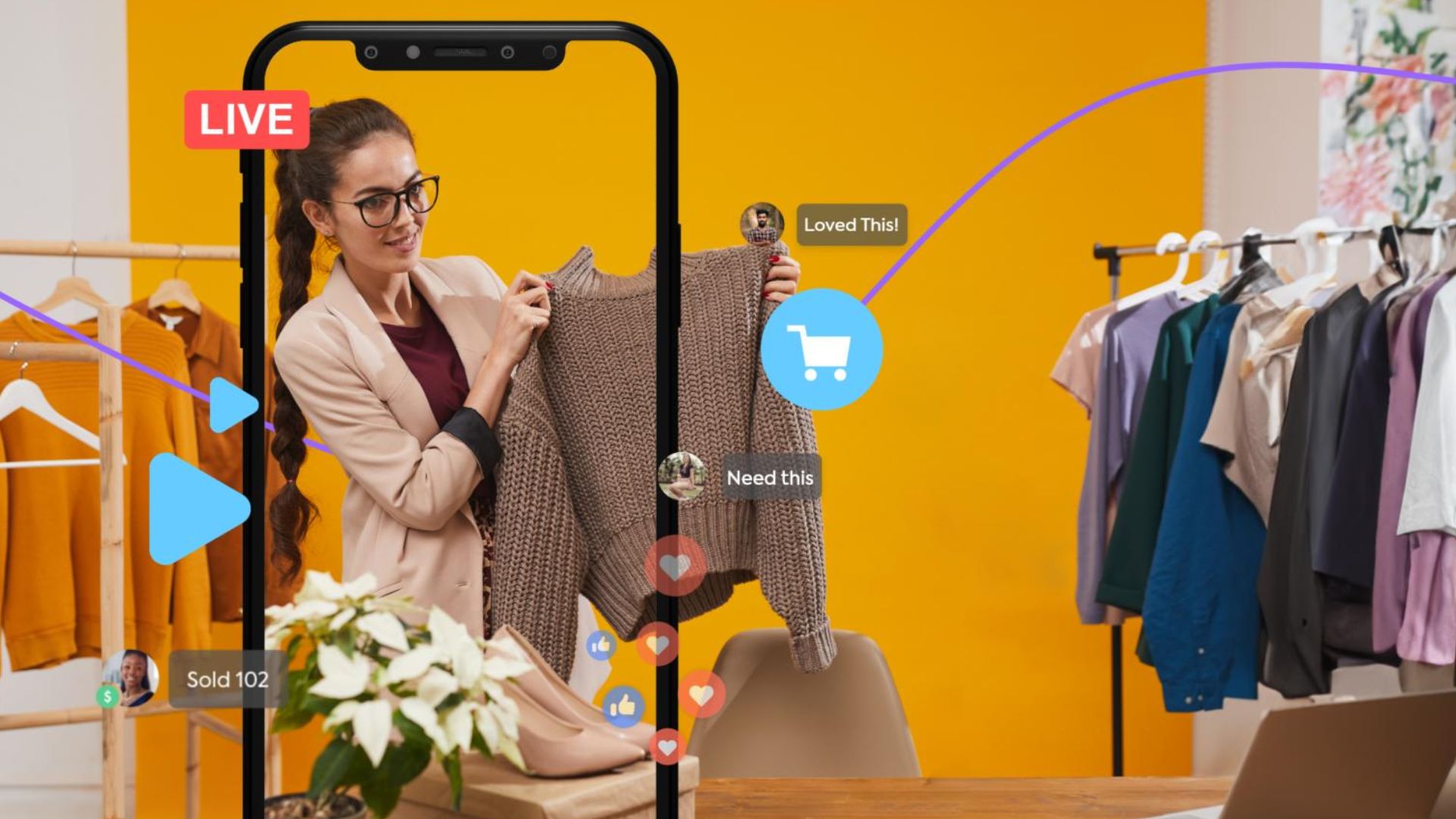
Live Shopping allows sellers to tag products during a live broadcast, creating a real-time commerce experience where the product can be demonstrated and explained in the live context and purchased without the viewer leaving the broadcast.
This format has been particularly successful in Asian markets — China’s live shopping commerce market is enormous — and is growing rapidly in India as creators and businesses discover that the live format’s trust-building power combines with the purchasing convenience of native checkout to produce conversion rates significantly higher than standard content.
Why Social Commerce Works — The Psychological Foundations
Social commerce is not just a technical innovation. It is an application of specific psychological principles that make it dramatically more effective at converting discovery into purchase than traditional e-commerce.
Contextual purchasing
Traditional retail psychology has long understood that the context in which a purchase decision is made significantly influences whether the decision to purchase is made at all. Physical retail environments are designed with contextual triggers in mind — music, lighting, product placement, scent — all intended to create conditions in which purchase feels natural and appropriate.
Online retail stripped most of this contextual architecture. A product page on an e-commerce website exists in a context-free environment — optimised for information clarity but not for the emotional context that makes purchasing feel natural.
Social commerce returns contextual purchasing to online retail. A face oil encountered while watching a creator’s authentic morning routine is embedded in a context of genuine trust and personal recommendation. The purchase decision, when it happens in that context, feels natural rather than calculated — it is an extension of the content experience rather than a shift into a separate commercial mode.
This contextual naturalness dramatically reduces the conscious deliberation that accompanies e-commerce purchases made in isolation. The customer who purchases within six minutes of discovering a product through a trusted creator’s content is not completing a rational purchase journey — they are responding to a contextual endorsement in a context that made the response feel immediate and appropriate.
Social proof at the point of discovery
In traditional e-commerce, social proof — reviews, testimonials, ratings — exists on the product page that the customer navigates to after discovering the product through an advertisement or search. There is a separation between the discovery context and the social proof context.
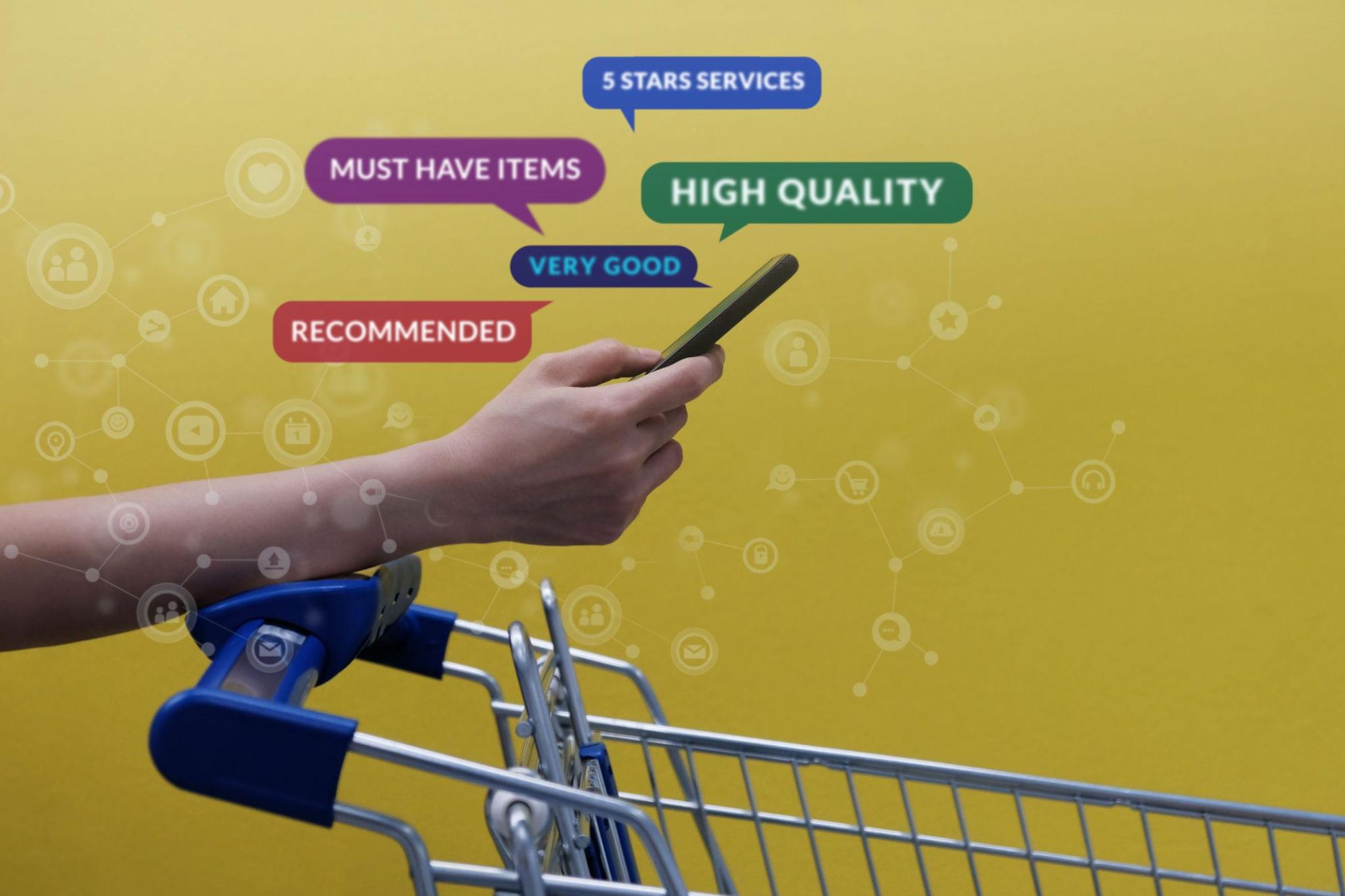
In social commerce, social proof is inseparable from discovery. The creator’s authentic endorsement in the Reel is social proof. The product tag that reveals four-point-seven stars and two hundred reviews adds quantitative social proof to the creator’s personal endorsement. By the time the customer sees the purchase option, they have been exposed to multiple layers of social validation simultaneously.
This simultaneous layering of social proof — personal recommendation from a trusted source combined with aggregate review data — creates a trust environment at the point of purchase that traditional e-commerce rarely achieves even after a longer consideration journey.
Impulse purchase enablement at a premium price threshold
Traditional impulse purchasing — the items at the checkout counter, the limited-time offer, the one-click upsell — typically operates at low price points. The friction of deliberate e-commerce purchase journeys effectively prevented impulse purchasing at higher price thresholds.
Social commerce’s friction reduction has raised the price threshold at which impulse purchases occur. The face oil at eight hundred and forty rupees purchased within six minutes of first discovery is a higher-value impulse purchase than traditional retail infrastructure typically enables. The ease of the purchase — the elimination of the navigation, the context-switching, the form-filling — reduces the psychological activation threshold for purchase at price points that would previously have required more deliberate consideration.

This expanded impulse purchase range is commercially significant. Products in the one thousand to five thousand rupee range — which previously required the customer to navigate to a website, commit enough to create an account or go through a guest checkout process, and enter payment details — can now be purchased at impulse purchase speed and friction levels.
The Creator-Commerce Integration — Why Influencers Are Becoming Sales Channels

The most commercially significant development within social commerce is not the technical infrastructure — it is the integration of creator communities into the commerce infrastructure, transforming content creators into genuine distribution and sales channels for brands.
This integration has been formalised through affiliate and commission structures built directly into the social commerce platforms. Creators can tag products with affiliate links, earning a commission on sales that originate from their content. Brands can set up affiliate programmes within Commerce Manager, inviting creators to tag their products and earn on sales.
This creates a commercial alignment between creator and brand that traditional influencer marketing did not have. In traditional influencer marketing, the creator was paid a flat fee for content creation and distribution — regardless of whether the content generated sales. The incentive structure was oriented toward reach and engagement, not toward conversion.
In affiliate-based social commerce, the creator earns when the audience buys. The incentive structure aligns the creator’s commercial interests with the brand’s commercial interests at the conversion moment rather than the awareness moment. Creators who genuinely love and use a product now have a direct commercial incentive to recommend it authentically — and their audience can tell the difference between a genuinely enthusiastic recommendation and a paid placement.
This alignment is producing conversion rates from creator content that significantly exceed traditional influencer marketing conversion benchmarks. The creator who genuinely uses a product, demonstrates it authentically in their content, and makes it immediately purchasable through in-app checkout is creating a commercial experience that combines the trust of genuine recommendation with the friction-reduction of seamless purchase.
What This Means for Different Types of Businesses


The commercial implications of social commerce vary significantly by business type and product category. Understanding where social commerce is most transformative helps businesses make appropriate strategic investments.
Direct-to-consumer product brands
Social commerce is most immediately and most dramatically transformative for brands that sell physical products directly to consumers — particularly products with visual appeal, products in the lifestyle and beauty categories, and products in the discovery-driven categories where finding something new that you were not specifically looking for is a common and valued experience.
For these brands, social commerce collapses the entire customer acquisition cost structure. The traditional DTC model required significant investment in digital advertising to drive traffic to a standalone e-commerce website — bearing both the advertising cost and the high customer acquisition cost that comes from the friction of the traditional funnel.
Social commerce allows these brands to distribute through creator content on a cost-of-sales model rather than a cost-per-click model. The brand pays only when a sale occurs, not for every impression or click that leads to a website visit that does not convert. The efficiency improvement is dramatic.
Handmade and artisan businesses
For the pottery studios, textile artists, handmade jewellery makers, and other artisan businesses that have built social media audiences based on the beauty and craft of their work, social commerce removes the most significant remaining friction in their customer relationship.
The customer who discovers handmade pottery on Instagram and genuinely wants to buy it previously had to find the purchase path — navigate to the profile, find the link in bio, navigate to the external website, find the specific piece in the shop, complete the checkout. Each step was an opportunity to abandon.
With in-app purchasing, the customer who wants the piece they just saw in a Reel can have it in their cart before their emotional response to seeing it has diminished. The impulse to support an artisan whose work genuinely moves them can be acted on immediately, in the same moment of appreciation, rather than requiring the sustained motivation to complete a multi-step external purchase journey.
Fashion and apparel
Fashion was among the first categories to fully embrace social commerce because the product category is inherently visual, inherently discovery-driven, and inherently suited to the contextual endorsement model. Seeing how a piece looks on a real person in a genuine context — rather than on a model in a professional shoot — is one of the primary factors in fashion purchase decisions.
Creator content that shows products in genuine use, on real bodies in real contexts, provides the try-before-you-buy reassurance that fashion e-commerce has always struggled with. Combined with seamless in-app purchasing, the creator fashion content format has become one of the most efficient commerce channels in apparel.

Food and beverage
The food and beverage category has specific social commerce applications through both product commerce and restaurant discovery. Packaged food products with genuine origin stories and distinctive quality propositions find genuine audiences through social media — and the ability to purchase them immediately upon discovery captures the specific motivation of wanting to try something that genuinely looks good.
Restaurant discovery through social commerce is different — the transaction is typically a reservation or delivery order rather than a direct product purchase. But the discovery-to-booking journey through Instagram’s restaurant and food content ecosystem is a form of social commerce that the hospitality industry is actively integrating with.
The Trust Infrastructure — Why Social Commerce Requires Genuine Community

Social commerce depends on trust in ways that traditional e-commerce does not — and this dependency on trust creates both the opportunity and the requirement for businesses that want to succeed in the social commerce environment.
Traditional e-commerce could operate at a distance from genuine community trust. A well-optimised Google shopping ad could drive traffic to a product page that converted at reasonable rates regardless of whether the brand had any genuine community relationship with the customer. The transactional infrastructure of e-commerce — reviews, returns policies, payment security, brand recognition — was sufficient to generate reasonable conversion.
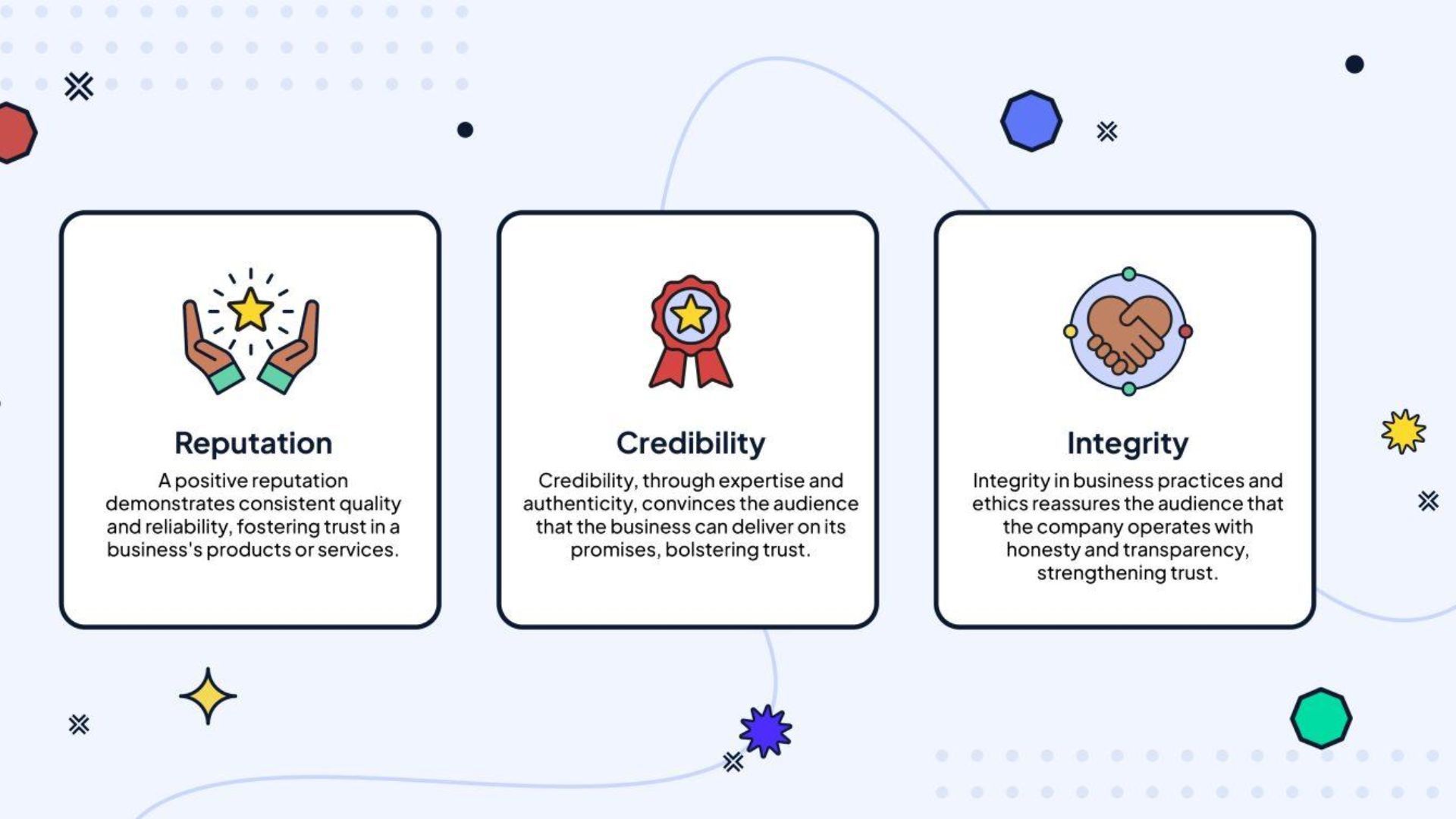
Social commerce happens in a trust-dependent context. The Reel that generates a purchase does so because the viewer trusts the creator who is recommending the product, trusts the platform they are purchasing within, and trusts the brand based on the social proof visible at the point of purchase.
Remove any of these trust elements and the social commerce transaction does not happen. A creator recommendation that the audience does not trust generates no sales. A platform that the audience does not trust with payment information does not generate checkout completions. A brand with poor reviews visible at the product panel does not convert.
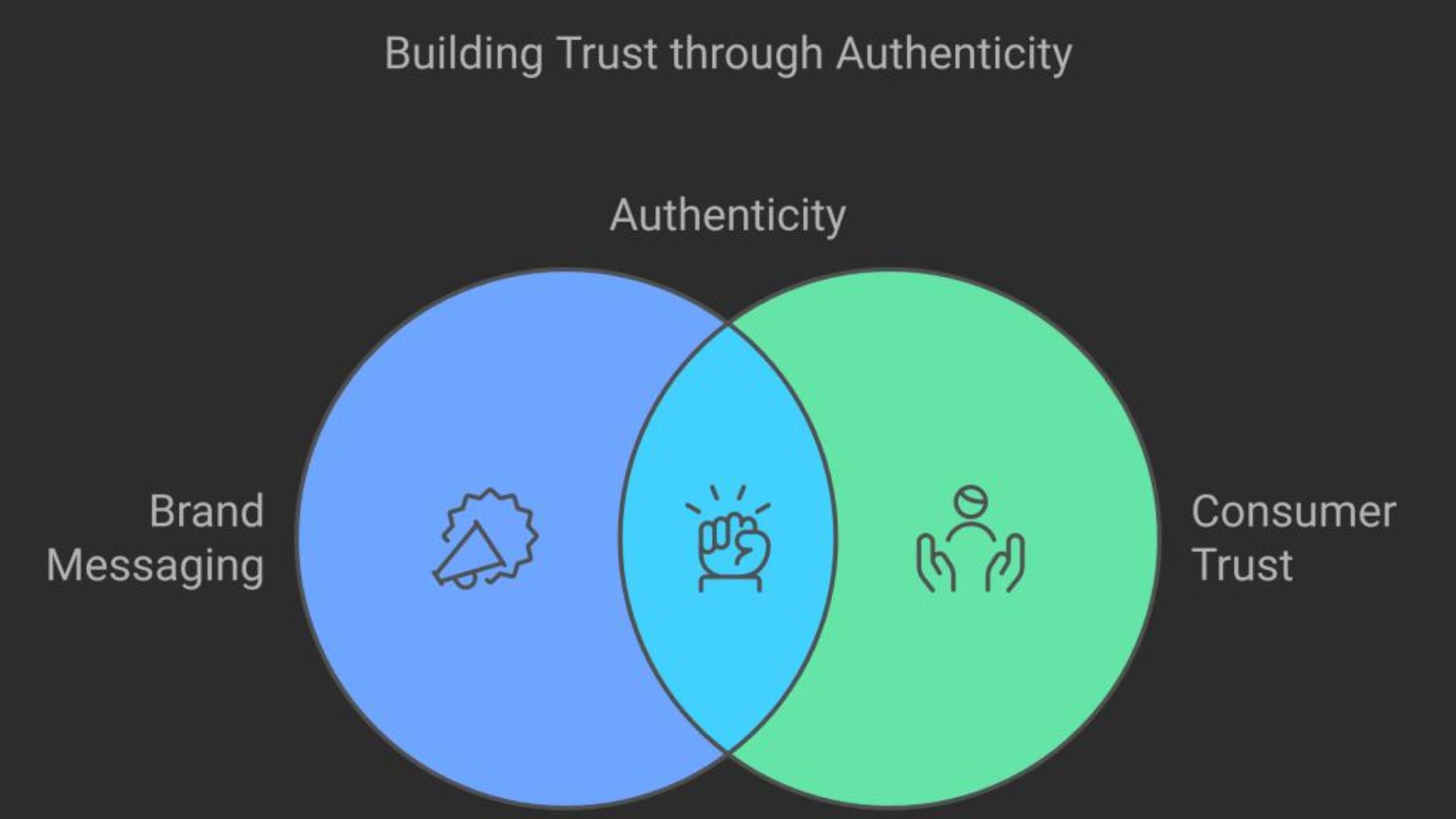
This trust dependency means that investment in genuine community building — the authentic content, the honest engagement, the genuine quality and service that generate genuine positive reviews — is not just good brand building. It is the commercial infrastructure that makes social commerce work.
The brand that has four hundred genuine five-star reviews, a creator community that authentically recommends its products, and a social media presence that has built genuine trust through genuine human content has built the trust infrastructure that makes every social commerce touchpoint dramatically more effective.
The brand that has manufactured its social proof, paid for inauthentic reviews, or used creator partnerships that its audience perceives as commercial rather than genuine is building on a trust foundation that will not support the social commerce model.
The Live Shopping Opportunity — The Format That Converts Best
Among all social commerce formats, Live Shopping consistently generates the highest conversion rates and deserves specific attention for businesses considering how to invest in social commerce.
The reasons for live shopping’s conversion superiority are grounded in the same trust psychology we explored in our post about going live on social media. The live format’s inability to be edited, its real-time interactivity, and its genuine human presence create a trust environment that pre-recorded content cannot replicate.
When these trust qualities are combined with the in-app purchase capability of social commerce, the result is a commercial experience that is qualitatively different from any other online retail format.
The customer watching a live product demonstration can ask genuine questions that receive genuine answers in real time. They can see how the product actually behaves rather than how it has been staged to behave in promotional photography. They can watch the seller’s genuine enthusiasm — or lack of it — in real time. And they can purchase immediately, while watching, without leaving the live.
The trust and immediacy combination produces conversion rates that are three to five times higher than equivalent standard content in many categories. The live shopping format rewards genuine product expertise and genuine enthusiasm — which means the sellers who perform best in live shopping are those with the deepest knowledge of their products and the most authentic relationship with their customers.
This creates a specific competitive advantage for small businesses and individual creators over large brands. The founder of a small artisan ceramics brand who goes live to demonstrate new pieces has a depth of genuine knowledge, personal investment, and authentic enthusiasm that a brand manager for a large corporation cannot replicate. In the live shopping context, that authentic expertise is a direct commercial advantage.
The Measurement Advantage — Why Social Commerce Creates Better Data
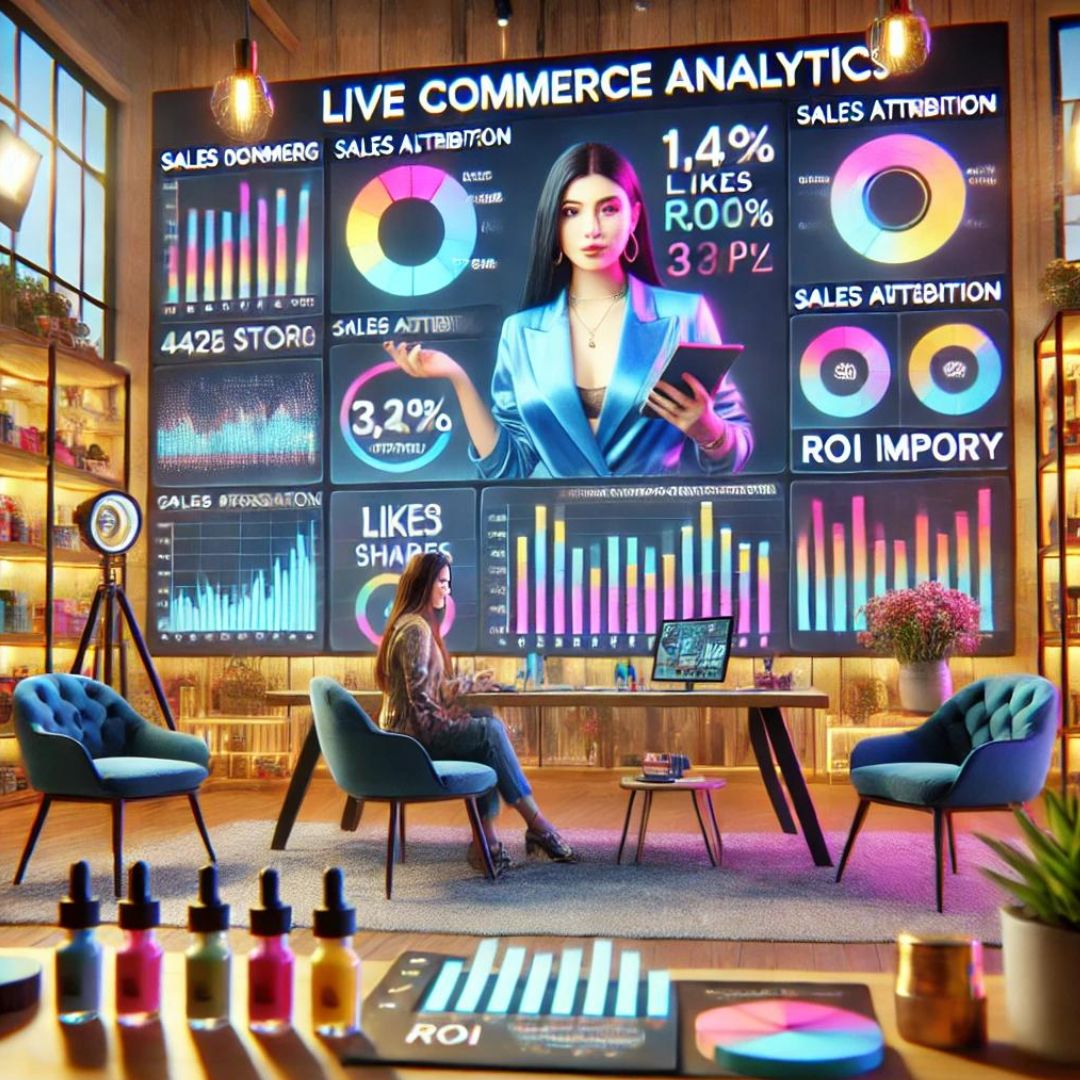
One of the significant practical advantages of social commerce over traditional retail and traditional social-media-to-website-to-purchase journeys is measurement — specifically, the ability to attribute purchases to specific pieces of content with high confidence.
In the traditional journey — social media post leads to website visit leads to purchase — attribution is complicated. The customer who saw a product on Instagram on Monday, searched for it on Google on Wednesday, and purchased through the brand’s website on Friday after receiving an email is the same purchase seen from multiple attribution windows.
Social commerce purchases that happen within Instagram are attributed within Instagram — the platform knows which content the customer was viewing when they tapped the product tag and initiated purchase. This means the performance of specific pieces of content as commercial drivers can be measured with clarity that the multi-step traditional journey does not allow.
This measurement clarity has immediate implications for content investment. Brands can now see directly which types of content, which creators, which product presentations, and which formats generate actual sales rather than engagement metrics that only imperfectly correlate with commercial outcomes.
The brand that runs social commerce seriously will develop an increasingly sophisticated understanding of what drives purchase from social content — and will be able to allocate content and creator investment based on actual commercial performance rather than impression or engagement proxies.
Setting Up for Social Commerce — What Businesses Need to Do
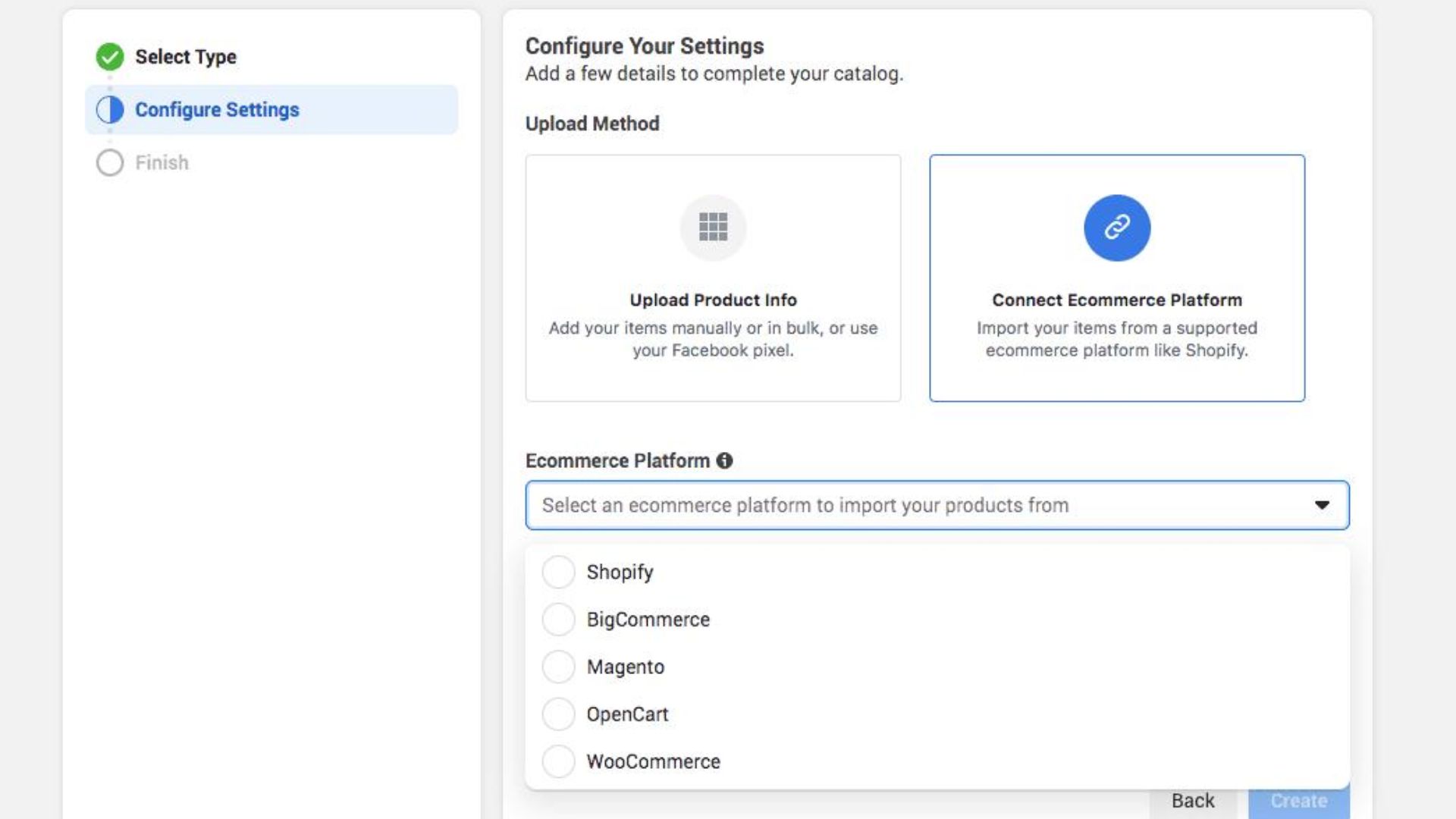
For businesses that want to participate in social commerce but have not yet fully set it up, the technical and strategic requirements are more accessible than many assume.
The technical foundation: a Facebook Business Manager account, a connected Instagram business account, a product catalogue set up in Commerce Manager with accurate information for all products, and the enabling of shopping features on both platforms.
The strategic foundation: genuine community and genuine trust. Social commerce is dramatically more effective for businesses that have built genuine relationships with their audiences through authentic content. Setting up the technical infrastructure without the trust infrastructure produces shopping features that generate little traffic because there is no genuine content discovery driving viewers to the product tags.
The creator relationship: identifying and developing genuine partnerships with creators whose audiences overlap with the brand’s ideal customer profile. Not creators who will mention products in exchange for payment — creators who genuinely use and appreciate the products and whose recommendation their audience will trust.
The review infrastructure: actively generating genuine positive reviews on the product pages within the platform, because these reviews are visible at the point of purchase and significantly influence conversion. The social proof at the checkout moment is not managed separately from the purchasing experience — it is embedded within it.
The Future Direction — Where Social Commerce Is Heading

The social commerce infrastructure of 2026 is not the destination — it is the early stage of a more fundamental integration of social content and commerce that is continuing to develop.
Augmented reality try-on — already available for glasses, makeup, and some clothing categories — will expand to more product types, allowing customers to see how products look on themselves before purchasing, within the social platform environment.
AI-powered personalisation will make product discovery within social commerce more precisely matched to individual customer preferences — creating discovery experiences that feel genuinely curated rather than algorithmically generic.
The creator economy integration will deepen, with more sophisticated commission structures, more transparent affiliate relationships, and more tools for creators to build genuine commerce businesses around their content and community.
The integration between social commerce and the broader digital commerce ecosystem — inventory management, fulfilment, customer service — will continue to improve, reducing the operational complexity for brands that want to sell across social and traditional e-commerce simultaneously.
What is already clear is the direction: the social media platform and the shopping platform are converging. The destination of that convergence is a digital environment where the distinction between content and commerce is effectively eliminated — where discovery, community, trust-building, and transaction all happen in the same continuous experience.
The businesses that are building their social commerce capabilities now are not just participating in a current trend. They are building the commercial infrastructure for the environment that their customers are increasingly living in.

Closing Thought — The Shop That Never Closes and Never Interrupts

The woman in Bengaluru who bought a face oil in six minutes on a Wednesday evening was not looking for it. She was not in shopping mode. She was in content mode — passive, relaxed, receptive to the things she encountered.
Social commerce found her in that mode and met her there — with a product embedded in a context of genuine trust, with the ability to purchase at the moment of peak interest, with no friction between desire and transaction.
This is the fundamental commercial promise of social commerce: not just a new distribution channel, but a new commercial experience — one that meets customers where they actually are rather than requiring them to navigate to where commerce has traditionally happened.
The shop that never closes and never interrupts. The discovery that happens at the moment of maximum receptivity. The purchase that is complete before the impulse has had time to cool.
This is what Instagram and Facebook are becoming. And the businesses that understand this shift — that build the trust infrastructure, the genuine content, the authentic creator relationships, and the seamless technical foundation that makes this experience work — are building something more durable than a social media presence.
They are building the commercial future that their customers are already living in.
Written by Digital Drolia — helping businesses understand the convergence of content and commerce that is transforming how products are discovered, trusted, and purchased. Found this valuable? Share it with a business owner who is still treating social media and e-commerce as separate activities and missing the opportunity that their integration creates.