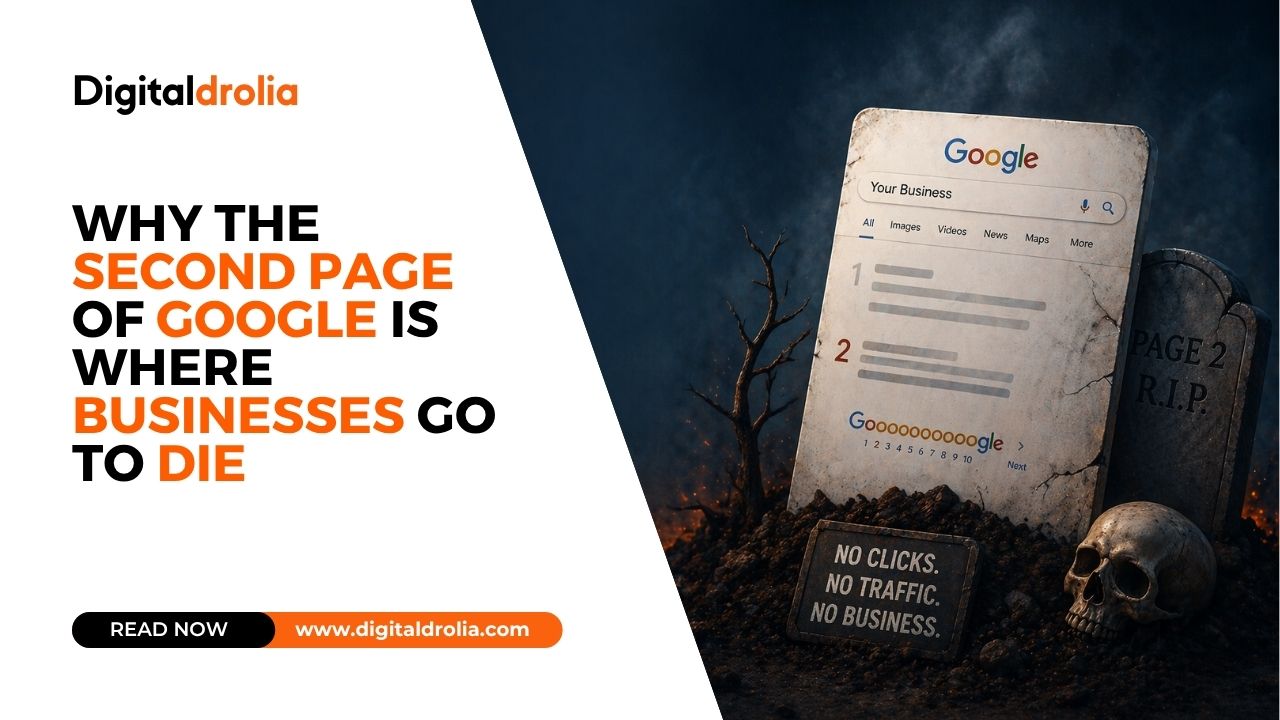
Why the Second Page of Google is Where Businesses Go to Die

Let’s be honest. When was the last time you clicked to the second page of Google search results? If you’re like 99% of internet users, the answer is probably “never” or “I honestly can’t remember.” That’s not just a quirky user behavior—it’s a death sentence for businesses that can’t crack the first page.
There’s a dark joke in the digital marketing world: “The best place to hide a dead body is on the second page of Google.” It’s morbid, sure, but it’s also terrifyingly accurate. If your business isn’t showing up on page one, you might as well not exist online at all.
In this post, we’re going to dig deep into why the second page of Google is a business graveyard, what the data actually tells us, and most importantly, what you can do to claw your way onto that coveted first page before your competitors bury you alive.
The Brutal Statistics That Should Keep You Up at Night
Before we dive into the psychology and strategy, let’s look at the numbers. And trust me, they’re not pretty if you’re currently languishing on page two.
According to multiple studies conducted over the past few years, here’s what we know:
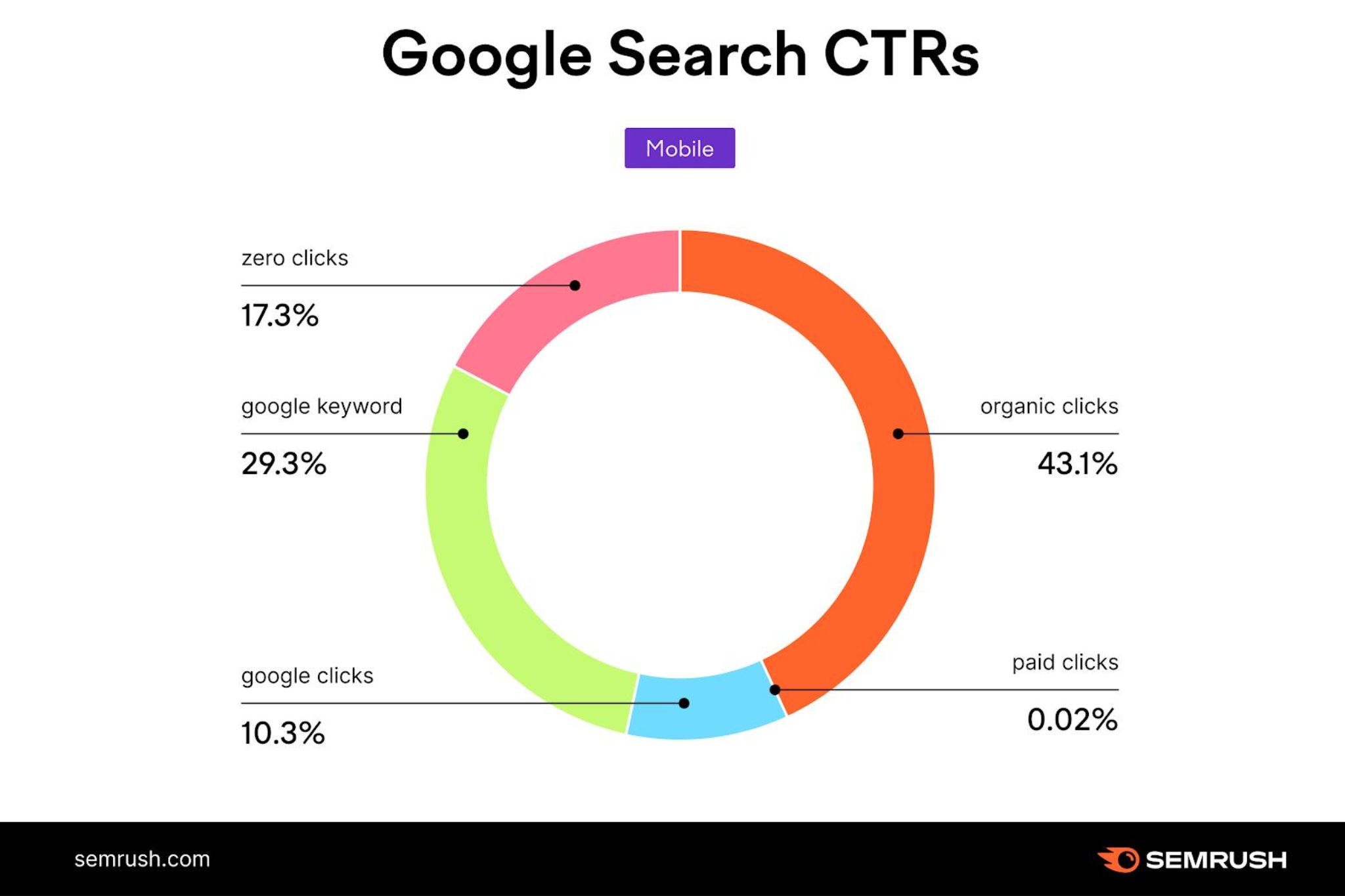
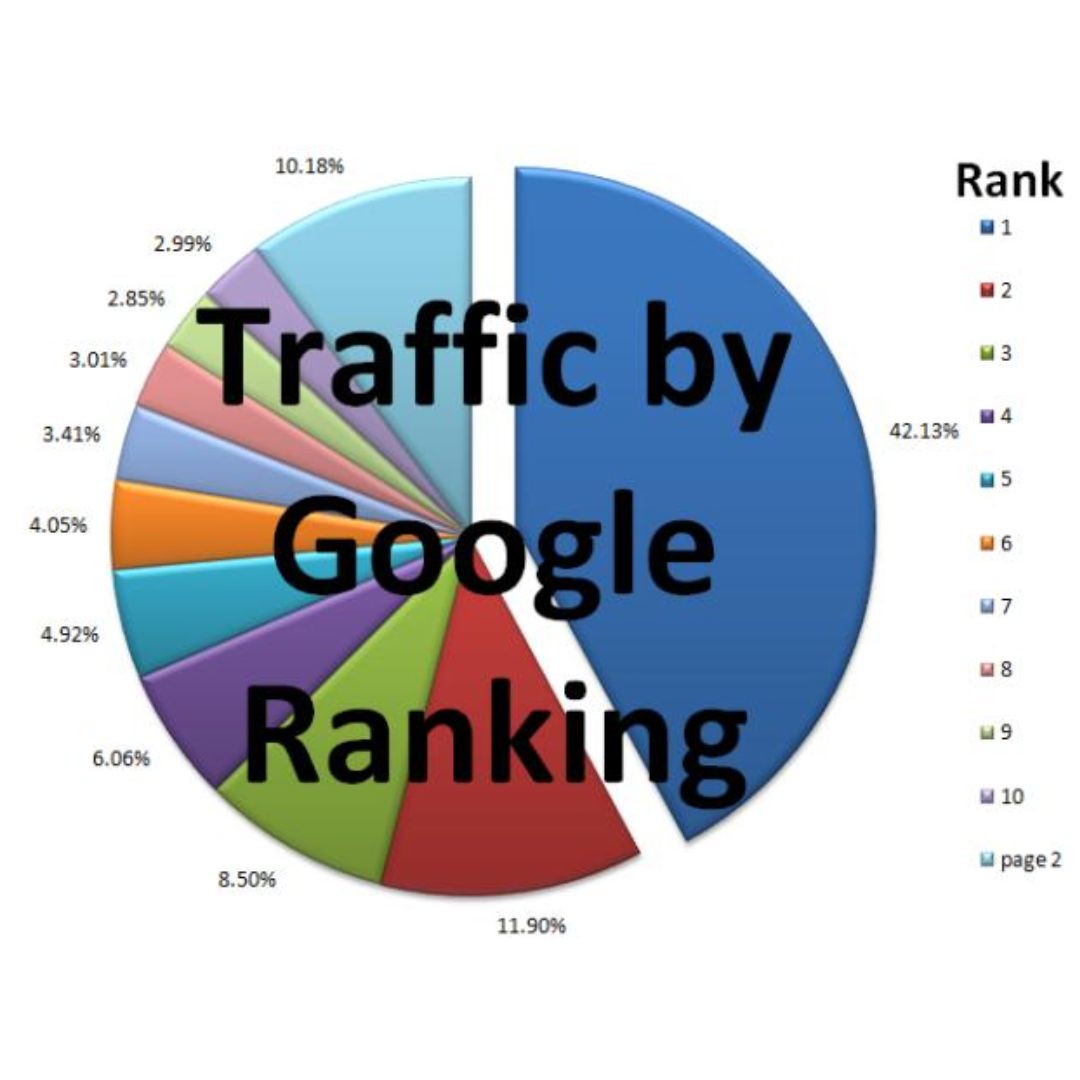
The first page of Google captures approximately 71-92% of all search traffic clicks. That’s right—the first ten results get almost everything. Some studies put it even higher, with the first page snagging up to 95% of all clicks.
But it gets worse. Or better, depending on where you rank.
The top three results alone get about 75% of all clicks. That means the #1 position gets roughly 28-32% of all clicks, #2 gets around 15-17%, and #3 captures about 10-11%. By the time you hit position #10 (the last spot on page one), you’re looking at less than 2.5% of clicks.
Now here’s the kicker: Pages 2-10 of Google search results collectively receive less than 1% of total clicks. Let that sink in. If you’re on page two, you’re fighting with hundreds of other results for scraps that amount to less than one percent of the available traffic.
It’s not just about clicks either. Think about what this means for your business:
- No visibility equals no brand awareness. If potential customers never see your name, you don’t exist in their consideration set.
- Your competitors are eating your lunch. Every customer who finds your competitor on page one is a customer you’ve lost, possibly forever.
- Your investment is being wasted. All that money you spent on your website, your products, your services? It’s sitting there collecting digital dust.
Why Nobody Clicks to Page Two (And Why They Never Will)
Human psychology and search engine design have created a perfect storm that makes second-page results virtually invisible. Let’s break down why:
1. Google Has Trained Us to Trust Page One
Over two decades, Google has conditioned us to believe that the best, most relevant results appear first. And honestly? They’re usually right. Google’s algorithm is incredibly sophisticated, processing hundreds of ranking factors to serve up results that actually answer our questions.
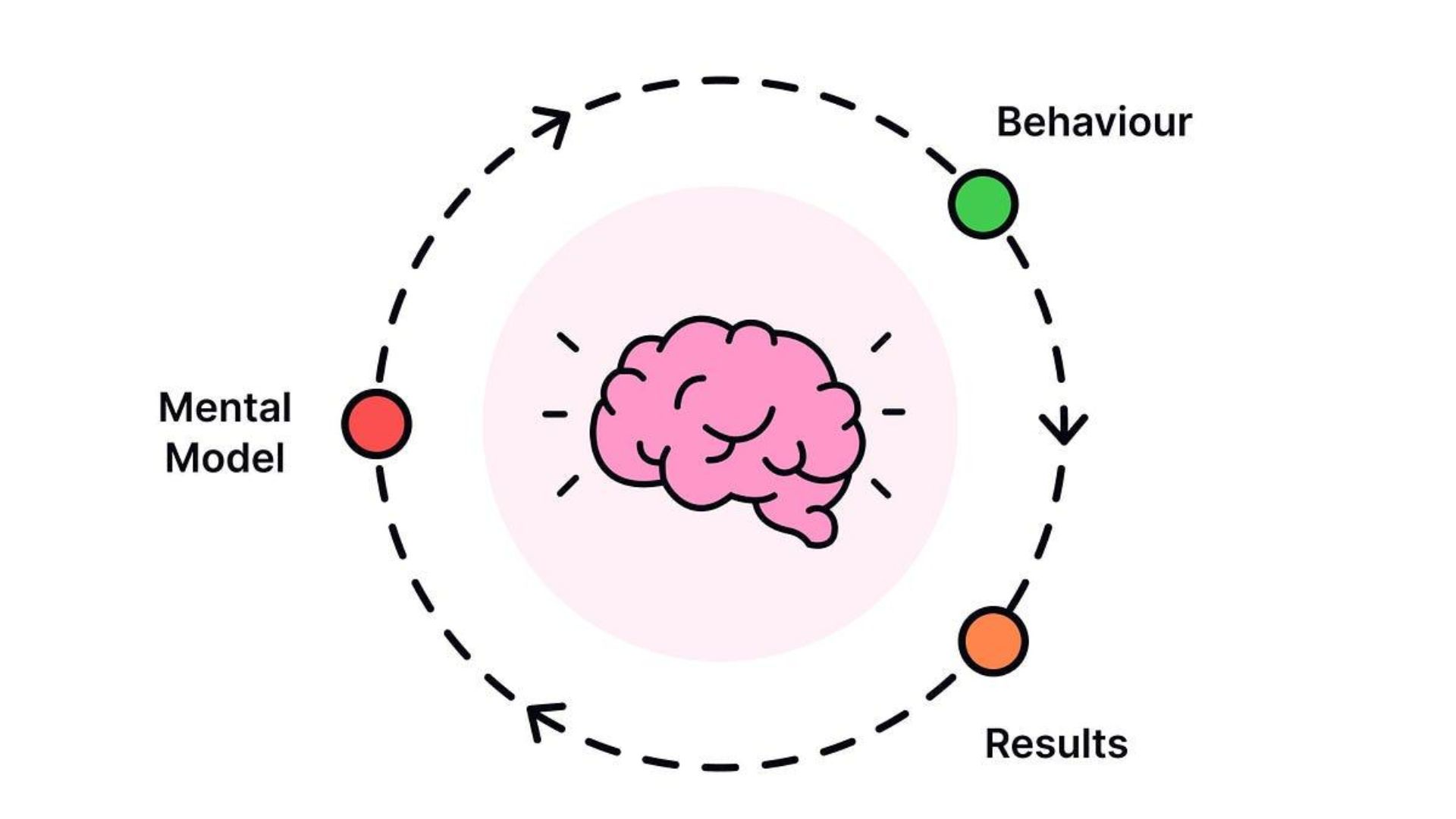
This creates a trust loop: Google shows good results first → we click them and find what we need → we trust Google more → we assume the first results are always best → we never look beyond them.
It’s classical conditioning, and we’re all Pavlov’s dogs, salivating over those top ten blue links.
2. The “Good Enough” Principle Rules Search Behavior
Most people aren’t looking for the absolute best result—they’re looking for a good enough result. And here’s the thing: in the age of information overload, “good enough” is found quickly or not at all.
When someone searches “best running shoes for flat feet,” they don’t want to review 100 options. They want 3-5 solid choices so they can make a decision and move on with their lives. If they don’t find what they need in the first few results, they don’t click to page two—they refine their search query instead.
This is why you’ve probably never said, “Let me check page two” but have said, “Let me try googling it differently” hundreds of times.
3. Mobile Has Made Page Two Even More Invisible
Here’s a stat that should terrify you: over 60% of all Google searches now happen on mobile devices. On a small screen, scrolling through ten results feels like work. The friction of clicking “next page” on mobile is even higher than on desktop.
Mobile users are even more impatient, even more likely to refine their search rather than dig deeper, and even less likely to ever see your page two listing. If you’re not on page one, you’re essentially invisible to the majority of searchers.
4. Featured Snippets and Rich Results Have Made Page One Even More Valuable
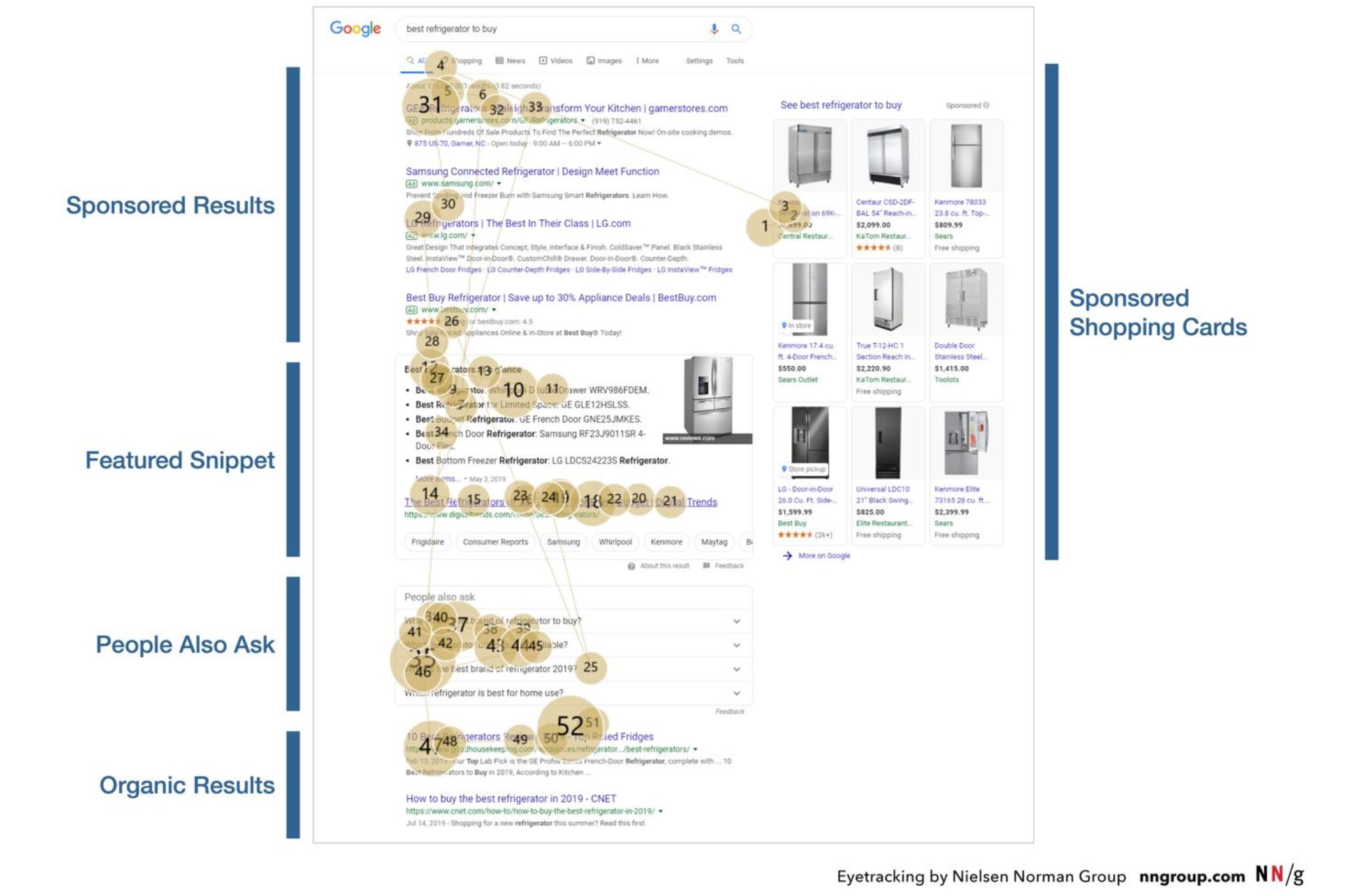
Google doesn’t just show ten blue links anymore. The modern search results page includes:
- Featured snippets (position zero)
- People Also Ask boxes
- Local pack results
- Knowledge panels
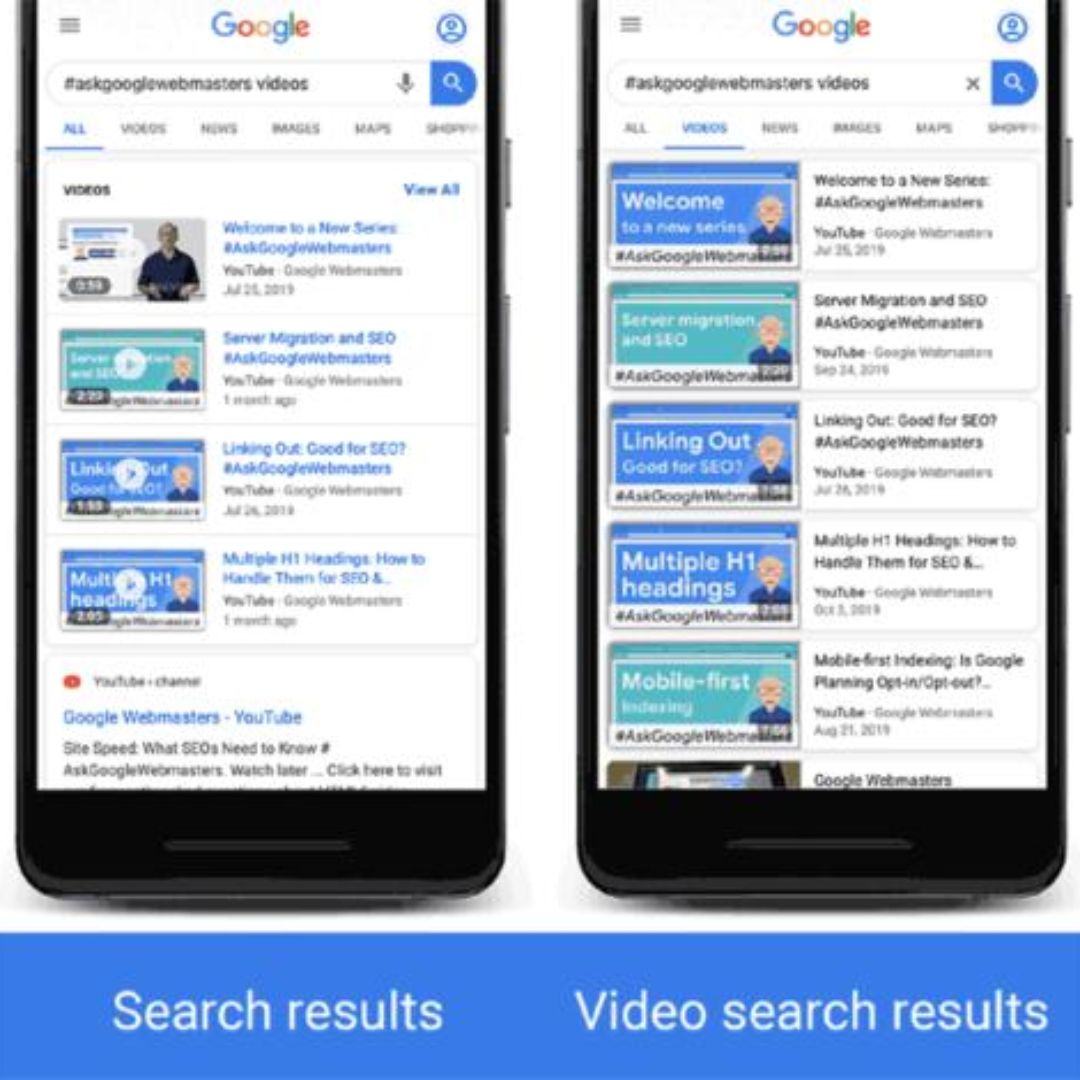
- Image and video carousels
- Shopping results
- Reviews and ratings
This means that even if you’re ranked #1 organically, you might be pushed down the page by these rich results. And if you’re on page two? You’re not just competing with ten other websites—you’re competing with a multimedia experience that gives users what they need without ever clicking.
What Being on Page Two Actually Costs Your Business
Let’s get specific. What does second-page obscurity actually mean in dollars and cents?
Lost Revenue
Imagine your target keyword gets 10,000 searches per month. If you’re ranking on page two, you’re capturing less than 100 clicks per month (remember that <1% click-through rate). Even with a conservative 2% conversion rate and a $50 average transaction value, that’s only $100 in monthly revenue.
Now imagine you’re ranking #3 on page one for that same keyword. You’d capture approximately 1,000 clicks (10% CTR). With the same conversion rate and transaction value, that’s $1,000 per month—a 10x increase.
Over a year, that’s the difference between $1,200 and $12,000 from just one keyword. Multiply that across all your target keywords, and you can see how being on page two is literally leaving hundreds of thousands of dollars on the table.
Lost Credibility and Authority
There’s an implicit trust signal that comes with first-page rankings. Users assume that if Google ranks you highly, you must be legitimate, authoritative, and worth their time. Page two? Not so much.
This perception gap affects more than just clicks. It influences:
- Whether someone will recommend your business to a friend
- Whether they’ll trust your expertise
- Whether they’ll pay premium prices for your products or services
- Whether other websites will link to you (which affects your future rankings)

Lost Momentum and Market Position
In business, momentum matters. Companies that dominate the first page get more clicks, which leads to more customers, which leads to more reviews and social proof, which leads to better rankings, which leads to even more clicks.
It’s a virtuous cycle—if you’re on the winning side.
If you’re on page two, you’re stuck in the opposite spiral: fewer clicks → fewer customers → less social proof → worse rankings → even fewer clicks. Every day you spend on page two, your competitors get stronger while you get weaker.
Wasted Marketing Investment
Consider all the money you’ve invested in your business:
- Website design and development: $5,000-$50,000+
- Content creation: $500-$5,000+ per month
- Product photography and videos: $2,000-$20,000
- Email marketing software: $50-$500+ per month
- Social media management: $1,000-$10,000+ per month
If nobody can find you on Google, all of that investment is generating a fraction of its potential return. It’s like building a beautiful store in the middle of the desert and wondering why nobody’s shopping there.
Why Your Business Ended Up on Page Two (And How Your Competitors Beat You)
Understanding the problem is step one. Now let’s diagnose why you’re stuck in Google’s second page purgatory while your competitors are thriving on page one.

1. Your Content Isn’t Good Enough (Yet)
I know, I know—you worked hard on that content. You spent hours writing it, paid a freelancer good money, or invested in a content team. But here’s the hard truth: Google doesn’t care about your effort. It cares about quality, relevance, and user satisfaction.
Your competitors on page one likely have content that:
- Answers the search query more completely. If someone searches “how to train a puppy,” the #1 result probably covers everything from crate training to socialization to dealing with specific behavioral issues. Page two results might only cover basic commands.
- Demonstrates genuine expertise. Google’s E-E-A-T guidelines (Experience, Expertise, Authoritativeness, Trustworthiness) mean that content written by someone with real credentials and experience outranks generic content.
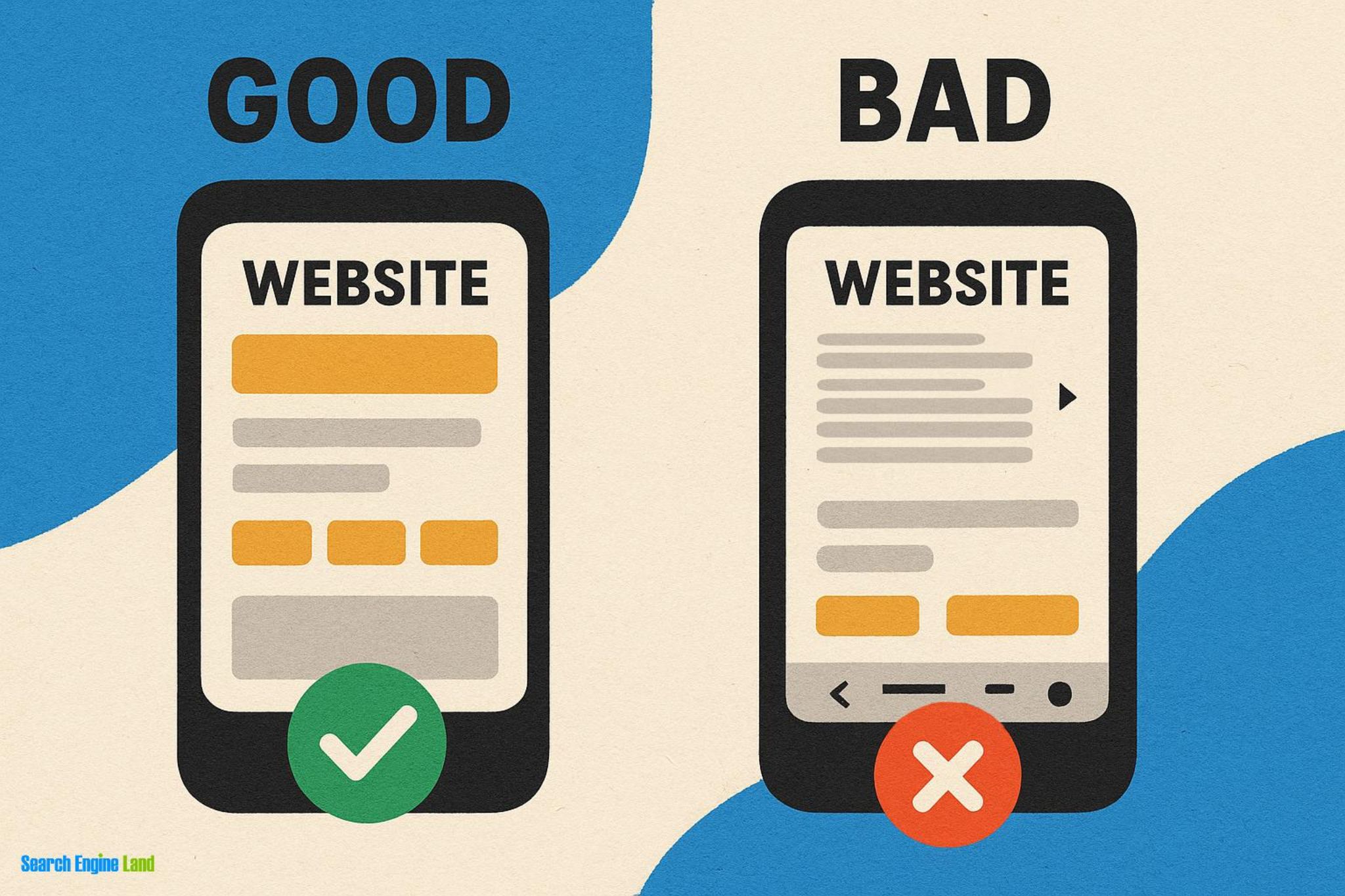
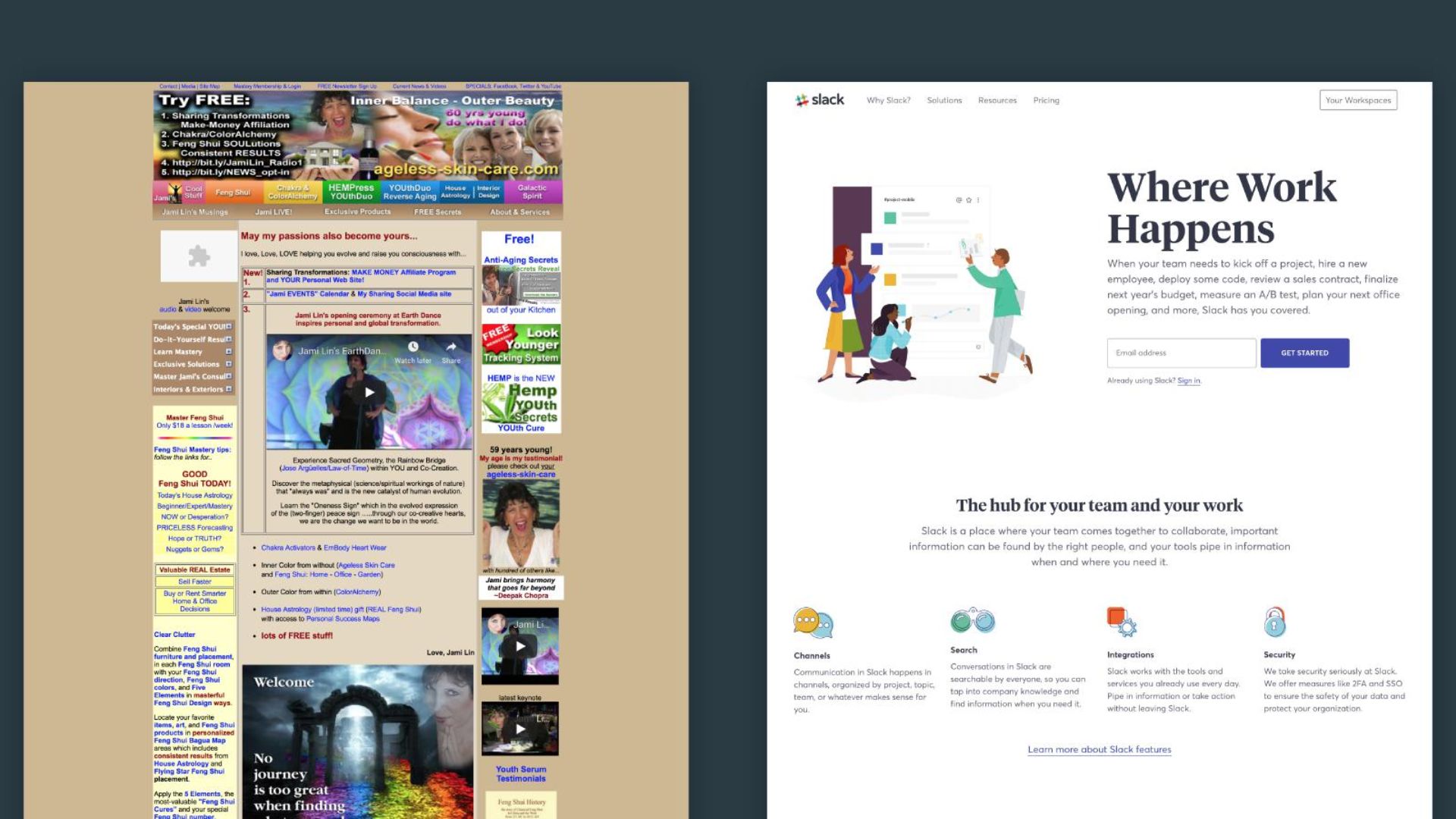
- Provides better user experience. Fast loading times, mobile optimization, clear formatting, helpful images and videos—all of this matters.
- Gets updated regularly. Fresh, current content often outranks outdated content, even if the older content was once superior.
2. Your Technical SEO Is Broken
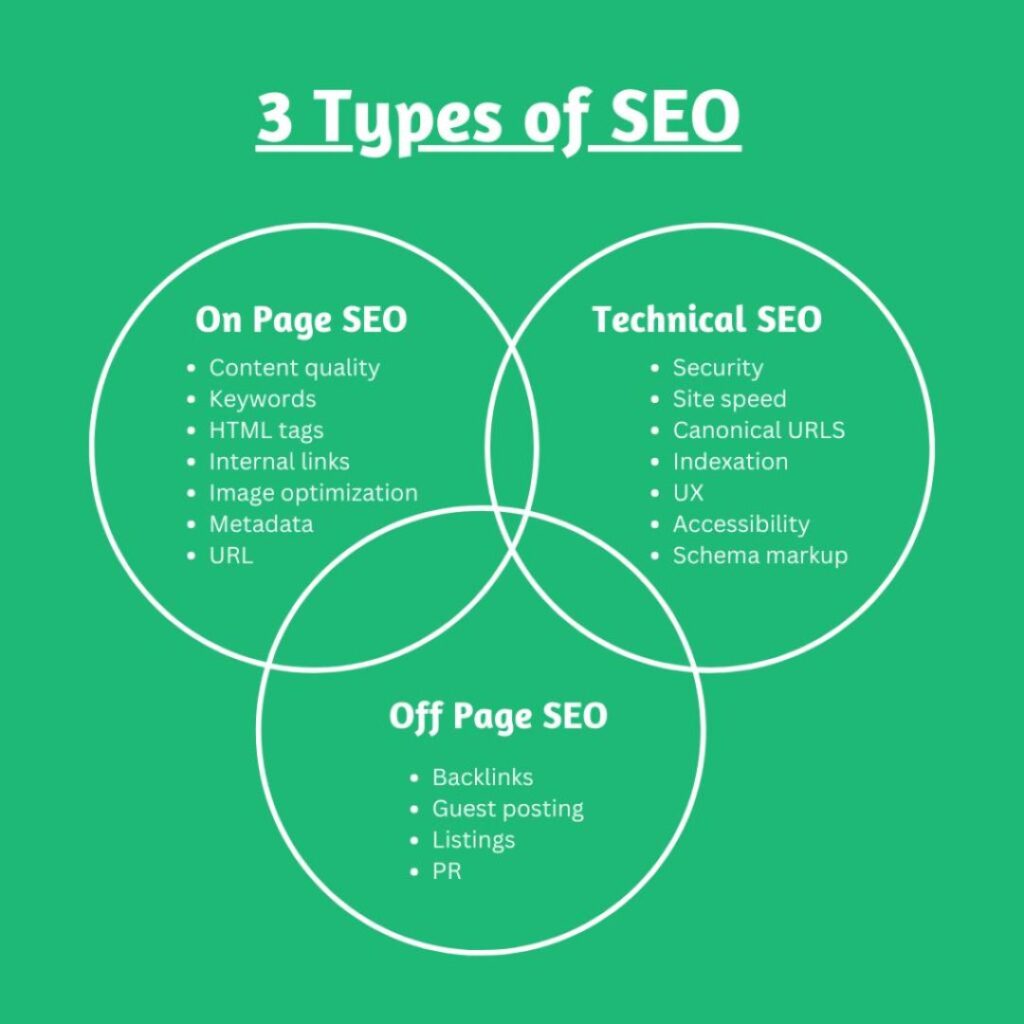
You could have the best content in the world, but if Google’s crawlers can’t properly access, understand, and index your site, you’re dead in the water.
Common technical SEO issues that kill rankings:
- Slow page speed (especially on mobile)
- Poor mobile responsiveness
- Broken internal links
- Duplicate content issues
- Missing or poorly optimized meta tags
- Lack of structured data markup
- XML sitemap errors
- Robots.txt blocking important pages
- Insecure connection (no HTTPS)
Your page-one competitors have clean, fast, technically sound websites. If you’re on page two, there’s a good chance your technical foundation is cracked.
3. Nobody Links to You
Backlinks remain one of the most important ranking factors. When authoritative websites link to your content, it’s like a vote of confidence in Google’s eyes. More high-quality links = higher rankings.
If you’re on page two, you likely have:
- Fewer total backlinks than page-one competitors
- Lower-quality backlinks (spam sites, link farms, irrelevant sources)
- Fewer referring domains (multiple links from one site is less valuable than links from multiple sites)
- No links from industry authorities or major publications
Building a strong backlink profile takes time and effort, but it’s non-negotiable if you want to compete for competitive keywords.
4. Your Content Doesn’t Match Search Intent
Here’s something many businesses get wrong: they optimize for the keyword they want to rank for, not the keyword that matches what their content actually delivers.
Google is sophisticated enough to understand search intent. If someone searches “best CRM software,” they want comparisons and recommendations, not a blog post about why CRM is important. If your content doesn’t match intent, you won’t rank, period.
Search intent generally falls into four categories:
- Informational: User wants to learn something (“what is SEO”)
- Navigational: User wants to find a specific site (“Facebook login”)
- Transactional: User wants to buy something (“buy running shoes online”)
- Commercial investigation: User is researching before buying (“best CRM software 2024”)
If your content is informational but the search intent is transactional, you’re fighting an unwinnable battle.
5. You’re Targeting Keywords That Are Too Competitive
Sometimes being on page two isn’t about what you’re doing wrong—it’s about choosing the wrong battlefield.
If you’re a small local bakery trying to rank for “best bakery” nationally, you’re competing against giants with massive budgets, huge content teams, and thousands of backlinks. You’ll never win that fight.
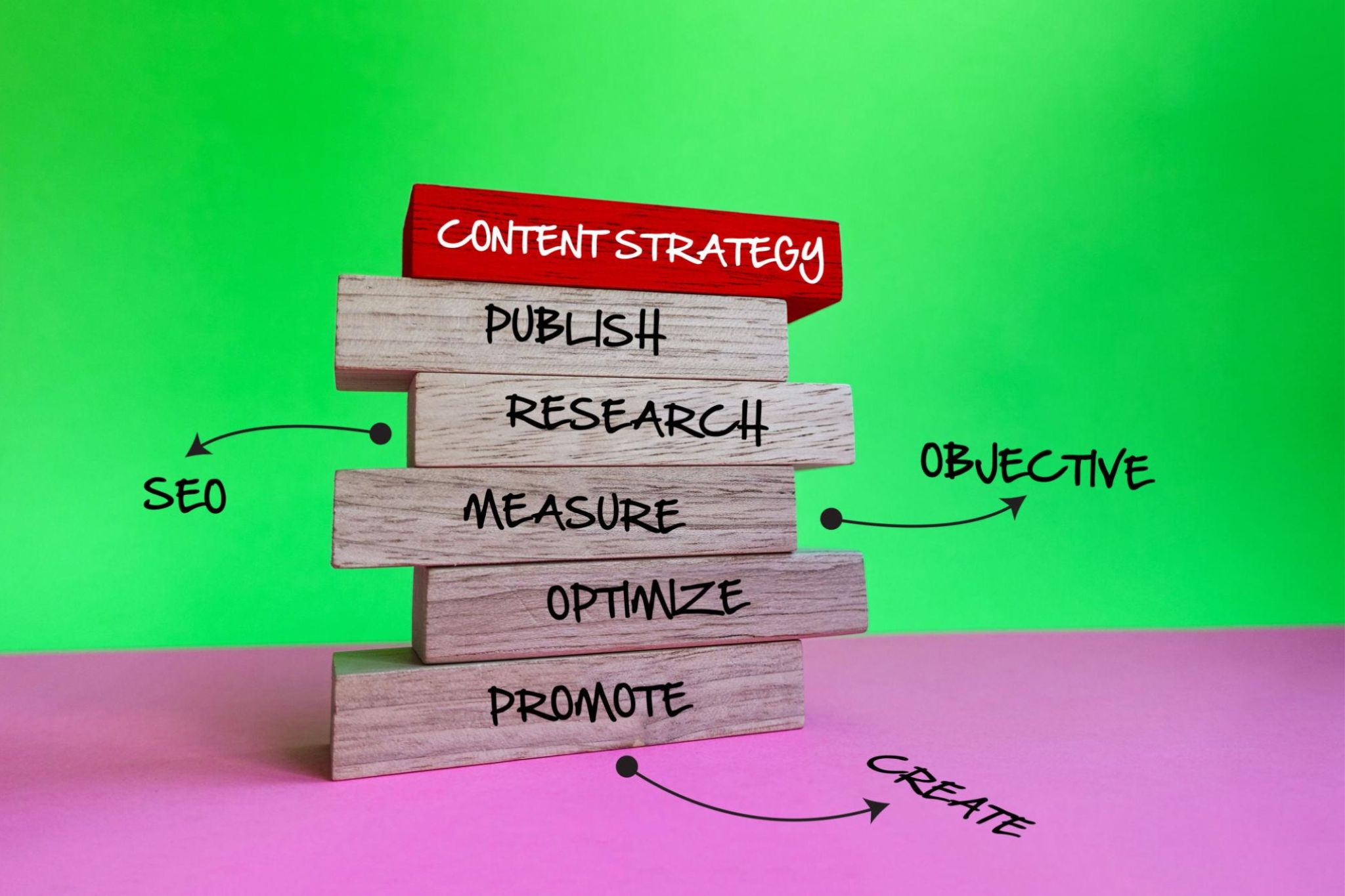
The businesses thriving on page one for competitive terms either:
- Have been investing in SEO for years
- Have massive marketing budgets
- Have significant brand recognition and authority
- Are leveraging extremely high-quality, unique content
If you’re just starting out or have limited resources, you need to target less competitive, more specific keywords (long-tail keywords) where you actually have a chance to rank.
The Step-by-Step Escape Plan: Getting from Page Two to Page One
Enough doom and gloom. Let’s talk solutions. Here’s your roadmap to escaping the second-page graveyard and joining the living on page one.
Step 1: Audit Your Current Rankings
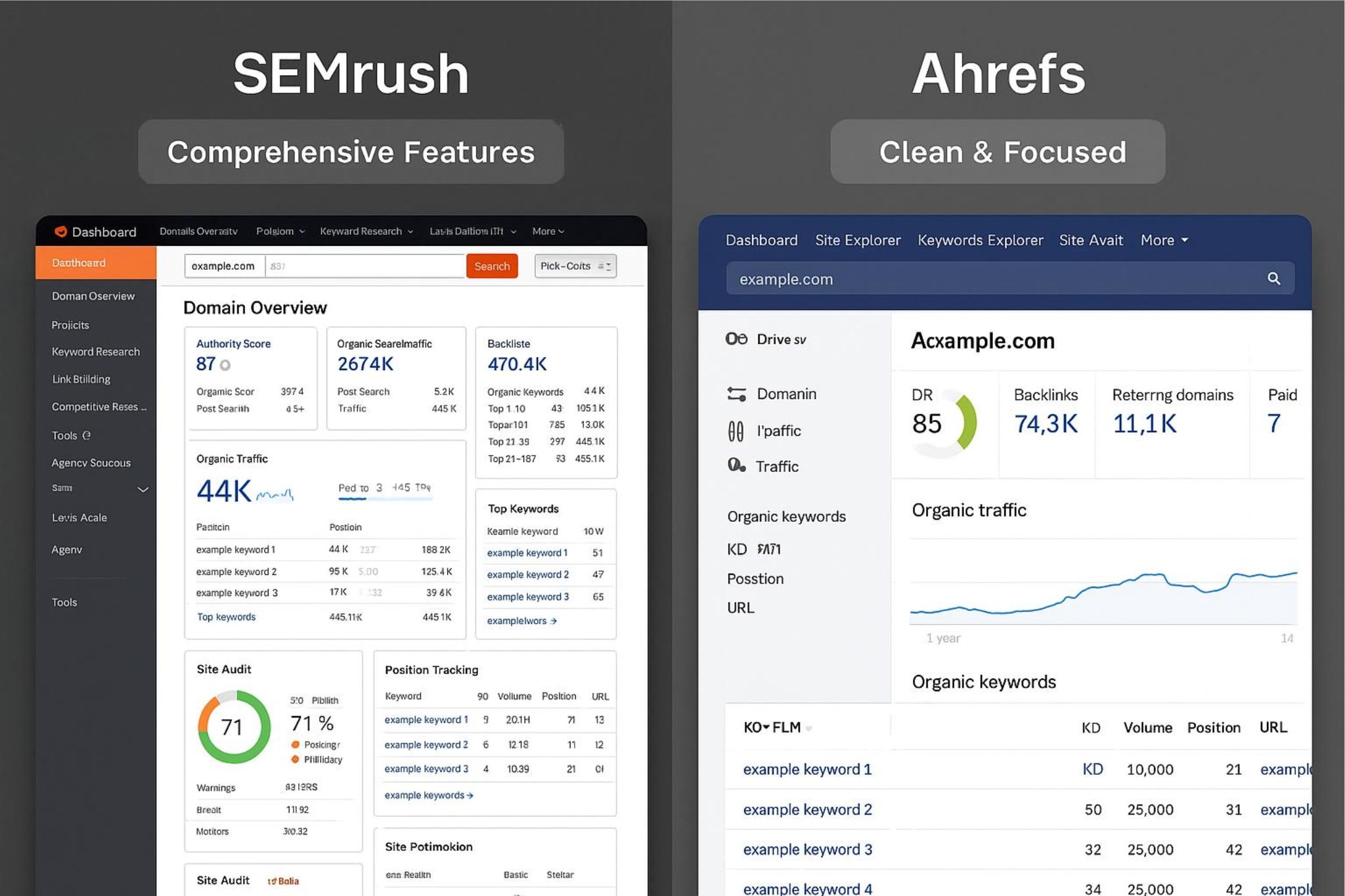
You can’t fix what you don’t measure. Use tools like:
- Google Search Console (free)
- Ahrefs
- SEMrush
- Moz
Identify which keywords you’re ranking for on page two (positions 11-20). These are your low-hanging fruit—you’re close, you just need a push.
Step 2: Analyze What’s Beating You

For each keyword where you’re on page two, manually Google it and analyze the top 10 results. Ask yourself:
- What type of content is ranking? (Blog posts? Product pages? Videos?)
- How long and comprehensive is the content?
- What specific subtopics do they cover that you don’t?
- What makes their content more useful or engaging?
- What’s their domain authority and backlink profile?
- How’s their user experience (page speed, mobile design, readability)?
Create a spreadsheet documenting what the page-one results are doing that you’re not.
Step 3: Create (or Upgrade) Content That Deserves Page One
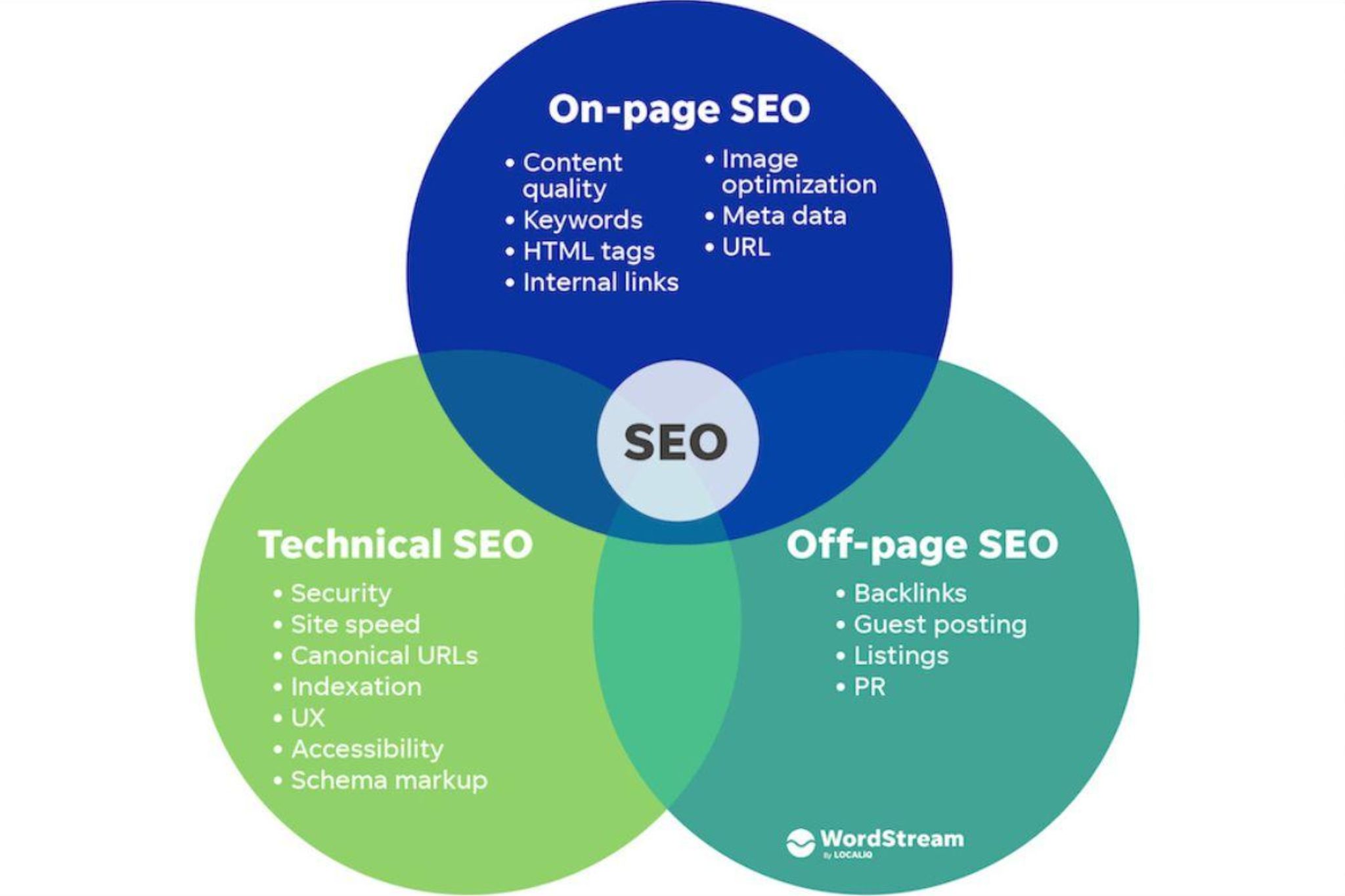
Based on your competitive analysis, you need to create content that’s objectively better than what’s currently ranking. This means:
Make it more comprehensive. If the top result is 1,500 words, aim for 2,500-3,000 words of genuinely useful information (not fluff).
Make it more current. Update statistics, add recent examples, reference the current year. Freshness matters.
Make it more useful. Add helpful elements like:
- Step-by-step instructions
- Screenshots or diagrams
- Video tutorials
- Downloadable templates or checklists
- Expert quotes or case studies
- FAQs addressing common questions
Make it more credible. Cite sources, link to authoritative references, showcase your credentials and experience.
Make it more engaging. Use short paragraphs, subheadings, bullet points, and a conversational tone. Make it easy to scan and digest.
Step 4: Fix Your Technical SEO Issues
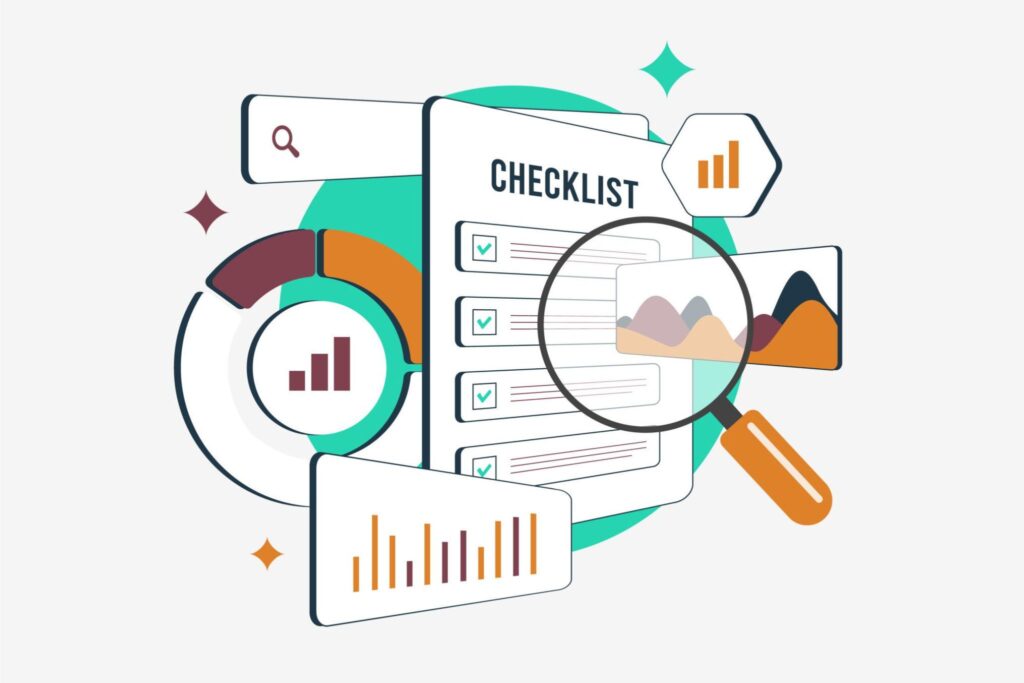
While you’re upgrading content, clean up your technical foundation:
- Improve page speed: Compress images, enable caching, minimize code, use a CDN.
- Optimize for mobile: Ensure responsive design, readable text, and easy navigation on small screens.
- Fix broken links: Use a crawler to find and fix all broken internal and external links.
- Implement structured data: Add schema markup to help Google understand your content.
- Optimize meta tags: Write compelling, keyword-optimized title tags and meta descriptions.
- Secure your site: Ensure you’re using HTTPS.
Step 5: Build High-Quality Backlinks
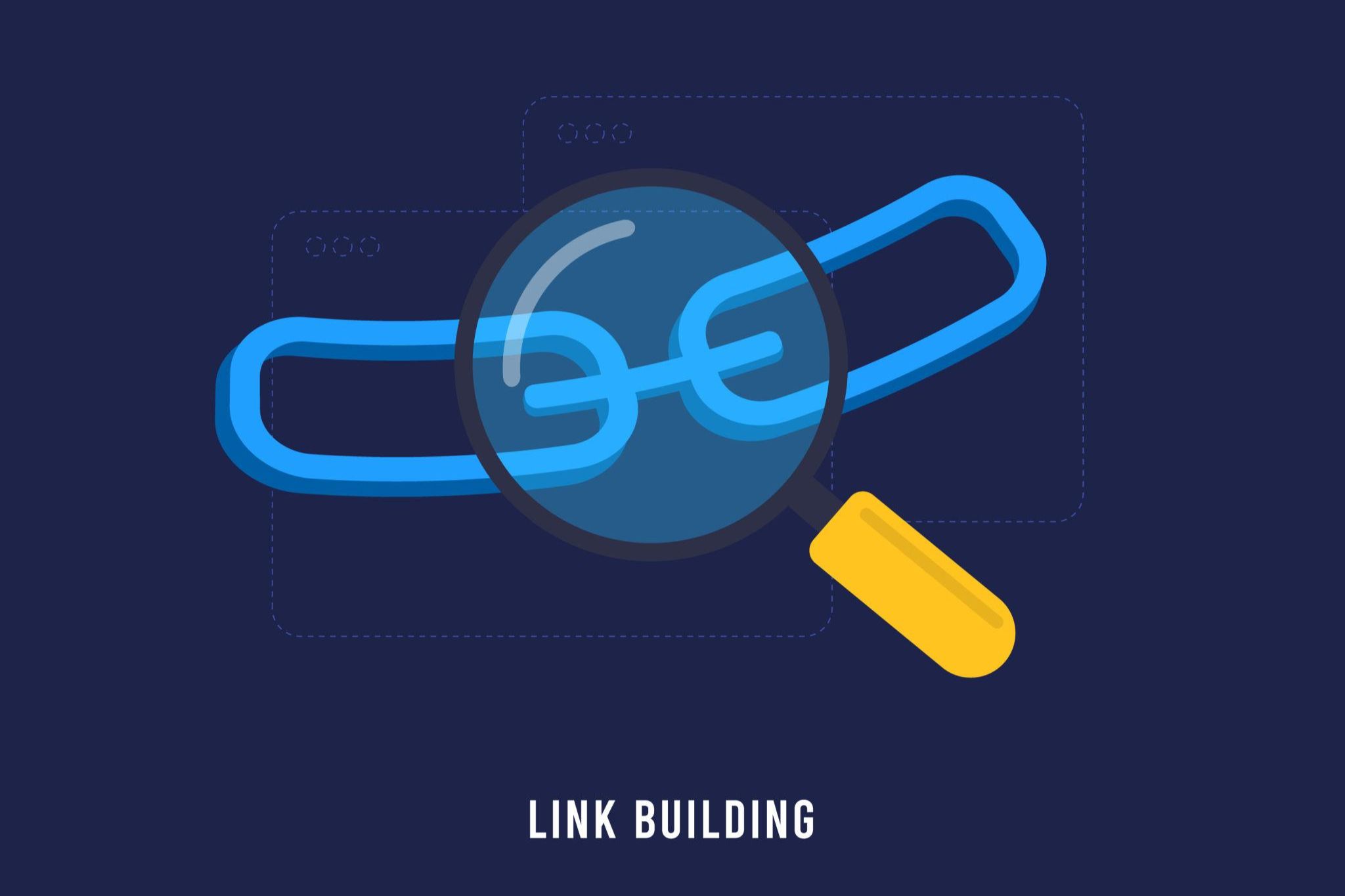
This is often the hardest part, but it’s crucial. Focus on:
Guest posting: Write valuable content for reputable sites in your industry and include a link back to your site.
Digital PR: Create newsworthy content (original research, surveys, expert commentary) that journalists and bloggers want to link to.
Broken link building: Find broken links on other websites and suggest your content as a replacement.
Resource pages: Reach out to sites that curate resources in your industry and ask to be included.
Strategic partnerships: Collaborate with complementary businesses and exchange links naturally.
Avoid spammy link-building tactics like buying links, participating in link schemes, or mass directory submissions. These can get you penalized.
Step 6: Improve User Engagement Metrics
Google pays attention to how users interact with your content. If people click your result and immediately bounce back to search, that’s a bad signal. Focus on:
- Lower bounce rate: Make your content immediately relevant and engaging.
- Increase time on page: Create content that’s compelling enough to read thoroughly.
- Improve click-through rate: Write title tags and meta descriptions that make people want to click.
- Encourage internal navigation: Link to related content to keep users on your site longer.
Step 7: Be Patient and Consistent
Here’s the reality check: SEO is a marathon, not a sprint. Depending on how competitive your keywords are and how much work your site needs, it could take:
- 3-6 months to see significant movement for moderately competitive keywords
- 6-12 months for highly competitive keywords
- 12+ months to establish real authority in a competitive industry
The businesses dominating page one didn’t get there overnight, and they’re not sitting still. They’re continuously creating content, earning links, and optimizing their sites.
You need to commit to the same long-term approach. Set a schedule for:
- Publishing new content (at least 2-4 times per month)
- Updating and improving existing content (quarterly reviews)
- Building links (ongoing outreach)
- Monitoring rankings and adjusting strategy (monthly reviews)
The Alternative: Paid Advertising (And Why It’s Not Enough)
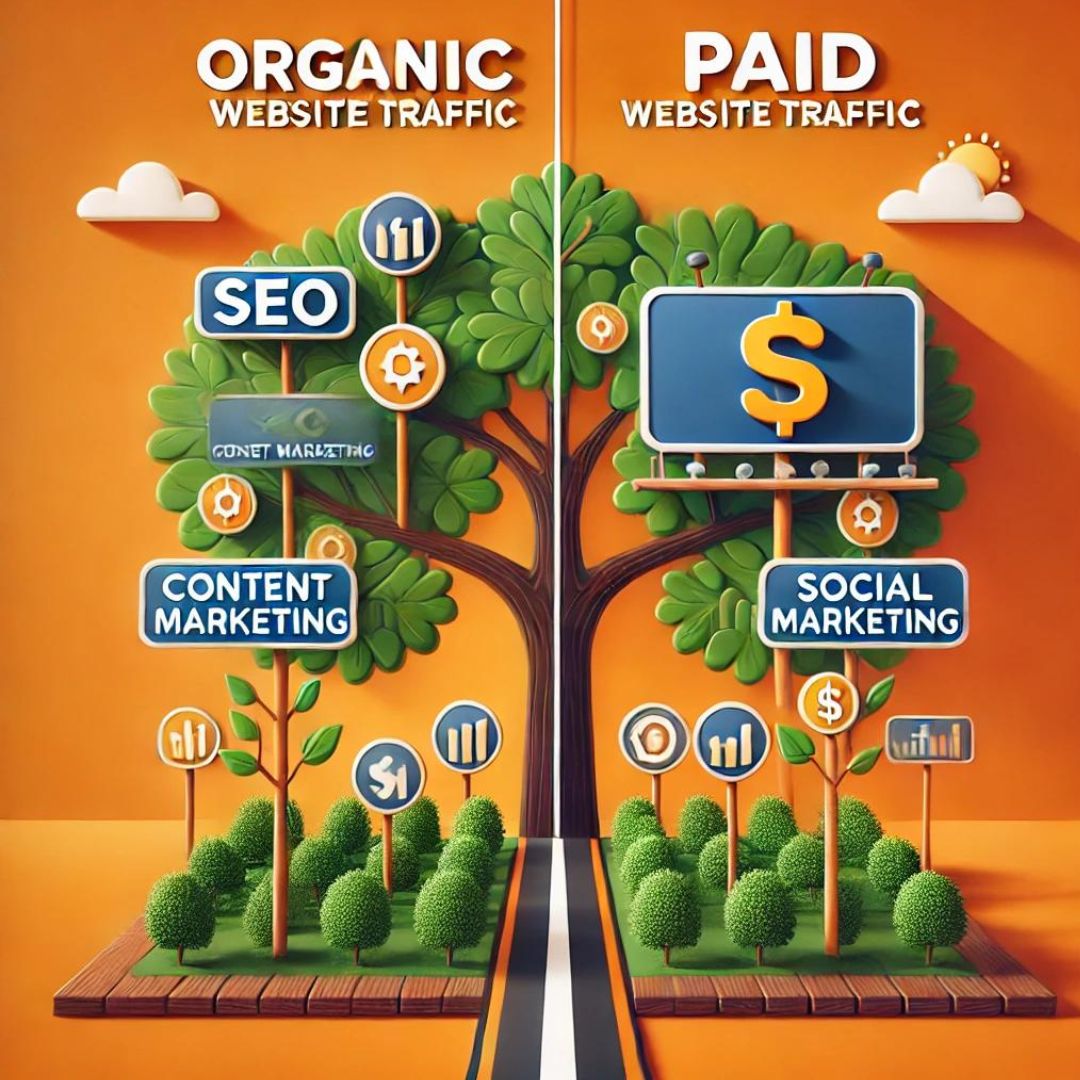
“Can’t I just run Google Ads and skip all this SEO stuff?”
You absolutely can. Paid search advertising will get you to the top of page one instantly, as long as you keep paying.
But here’s why paid ads alone aren’t the answer:
1. They’re expensive. Depending on your industry, clicks can cost anywhere from $1 to $50+ each. That adds up fast.
2. They stop the moment you stop paying. Organic rankings, once earned, continue generating traffic even if you pause your SEO efforts.
3. Many users skip ads entirely. Studies show that 70-80% of users ignore paid ads and click organic results instead. They trust organic more.
4. You can’t ad your way to authority. Paid ads don’t build your brand’s credibility and authority the way organic content does.
The smartest strategy? Use paid ads for immediate traffic while you build your organic presence for long-term sustainability. Think of ads as renting traffic and SEO as buying property.
Real Talk: When Page Two Is Actually Okay (Rare, But Possible)
Look, I’ve spent 3,000+ words explaining why page two is a disaster. But let’s be honest—there are a tiny handful of situations where page two ranking isn’t the end of the world:
1. When you’re ranking for ultra-low-commercial-intent keywords that don’t matter for your business anyway.
2. When you’re ranking page two for a brand-new piece of content and you’re trending upward. Give it time.
3. When the keyword is so niche that even page two gets you meaningful traffic because search volume is low and intent is high.
4. When you’re intentionally targeting long-tail variations as stepping stones to more competitive terms.
But be honest with yourself. If the keywords you’re tracking actually matter to your business, page two means you’re losing.
The Bottom Line: Escape or Perish
The second page of Google isn’t just obscure—it’s irrelevant. In the harsh reality of digital competition, being on page two means you’re effectively invisible, losing customers to competitors every single day, and watching your investment generate minimal returns.
But here’s the good news: unlike actual death, digital death is reversible. With the right strategy, consistent effort, and commitment to quality, you can claw your way onto page one.
The businesses that dominate those top spots aren’t necessarily smarter than you. They’re just more committed to doing what it takes: creating exceptional content, building real authority, optimizing relentlessly, and never stopping.
So what’s it going to be? Are you going to accept your spot on page two and watch your competitors thrive? Or are you going to roll up your sleeves and fight for the visibility your business deserves?
The choice is yours. But choose quickly—because every day you spend on page two is another day your competitors are leaving you further behind.
Now stop reading and start climbing. Your business’s survival depends on it.