



Why the Businesses That Show the Human Side of Their Brand Win on Social Media


Let me tell you about two bakeries that exist on opposite ends of the same Instagram spectrum.
Both are in Mumbai. Both make genuinely good cakes. Both have been operating for approximately the same length of time. Both have reasonably similar price points and serve broadly similar customer bases.
The first bakery’s Instagram account is immaculate. Every photograph is professionally shot — perfect lighting, perfect styling, perfect colour consistency. The cakes are displayed against carefully chosen backdrops. The captions are polished and brand-consistent. Every post looks like it belongs in a food magazine. The account has twelve thousand followers and consistently receives between two hundred and four hundred likes per post.
The second bakery’s Instagram account is different. There are beautiful cake photographs, yes — but between them there are other things. A photograph of the baker’s flour-dusted hands holding a fresh croissant before the shop opened. A video of a birthday cake that went slightly wrong and had to be fixed at 11 PM the night before delivery, narrated in an exhausted but amused voice by the owner. A Story showing the long queue of people outside the bakery on a Saturday morning and the owner’s genuine, slightly overwhelmed delight at it. A caption about how the recipe for the signature chocolate cake came from a grandmother who never measured anything and why recreating it took three years of trying. An honest post about a difficult month where revenue dropped and what the owner learned from it.
This bakery has nine thousand followers — slightly fewer than the first. But its average likes per post are six hundred to nine hundred. Its comments section is full of specific, personal responses — people sharing their own baking memories, asking genuine questions, tagging friends with personal context. Several posts have been saved thousands of times. The waiting list for birthday cakes is three weeks.
The first bakery has more followers and less engagement. The second has fewer followers and dramatically more connection. And connection — genuine human connection between a business and its audience — is what converts followers into customers, customers into advocates, and advocates into the kind of community that sustains a business through the difficult moments as well as the good ones.
This difference — between a brand that projects polished perfection and a brand that shows its genuine human reality — is one of the most significant and most consistently underestimated variables in social media success.
What “Human Side of the Brand” Actually Means


The phrase “showing the human side of your brand” is used often enough in marketing discourse that it has started to feel like a vague platitude — something that sounds good without meaning anything specific.
It is worth being precise about what it actually means and what it does not mean.
It does not mean being unprofessional. It does not mean sharing personal crises that have no relevance to the business or its customers. It does not mean performing vulnerability for its own sake or manufacturing authenticity through scripted “behind-the-scenes” content that is as carefully curated as the promotional content it is supposed to contrast with.
It means allowing the genuine humanity of the people behind the business — their actual struggles, their actual satisfactions, their actual personalities and values and stories — to be visible through the brand’s communication.

It means acknowledging that the business is made by real people making real choices and encountering real challenges. That behind the polished product photographs there is a person who sometimes gets it wrong, sometimes stays up too late trying to get it right, sometimes experiences the specific joy of creating something excellent and wants to share that joy.
It means treating the audience not as a demographic to be marketed to but as a community of people who might genuinely care about what happens to this business and to the people building it — if they are given the chance to know that there are real people there worth caring about.
The businesses that win on social media are not the ones with the most polished content or the largest advertising budgets. They are the ones that make their audience feel a genuine human connection — a sense that they know these people, understand what they care about, and want them to succeed.
That feeling is built through the accumulated evidence of genuine humanity that the human-showing brand provides over time. Not through a single heartfelt post or a single behind-the-scenes moment, but through the consistent, patient practice of letting real people be real people in public.
The Trust Architecture — Why Human Content Builds What Polished Content Cannot

The relationship between human content and trust is not coincidental. It is the expression of specific psychological mechanisms that have been consistent features of human social life far longer than social media or marketing have existed.
Trust between human beings — in any context — is built through the accumulation of information about character. We trust people whose character we understand. We understand character through observation — watching how someone behaves across a range of situations, especially situations that are not performance contexts where they have specifically prepared to be seen.
The polished brand presents itself in performance contexts almost exclusively. Every piece of content has been prepared and approved before it is shared. The audience is seeing the best version, the approved version, the version that has been evaluated for risk and calibrated for impact.
This performance context is not deceptive — the content is typically honest within its frame. But it is limited in what it can reveal about character, because character is most visible in unperformed situations. The baker who shows her flour-dusted hands at 6 AM is not performing. The business owner who talks about a difficult month with genuine reflection is not performing. These moments reveal character because they are not designed to reveal character — they are simply genuine moments that have been chosen to be shared.
The audience recognises this distinction intuitively. The polished post and the genuine human moment feel different to receive — and the feeling of receiving something genuine generates a different and more powerful trust response than the feeling of receiving something carefully prepared.
This is the trust architecture that human-showing brands build over time. Not the trust that says “this is a competent business” — which polished content can establish. The trust that says “I know these people, I understand what they care about, and I believe they will do right by me” — which only genuine human presence can create.
The Specific Content Types That Reveal Humanity — And Why Each Works

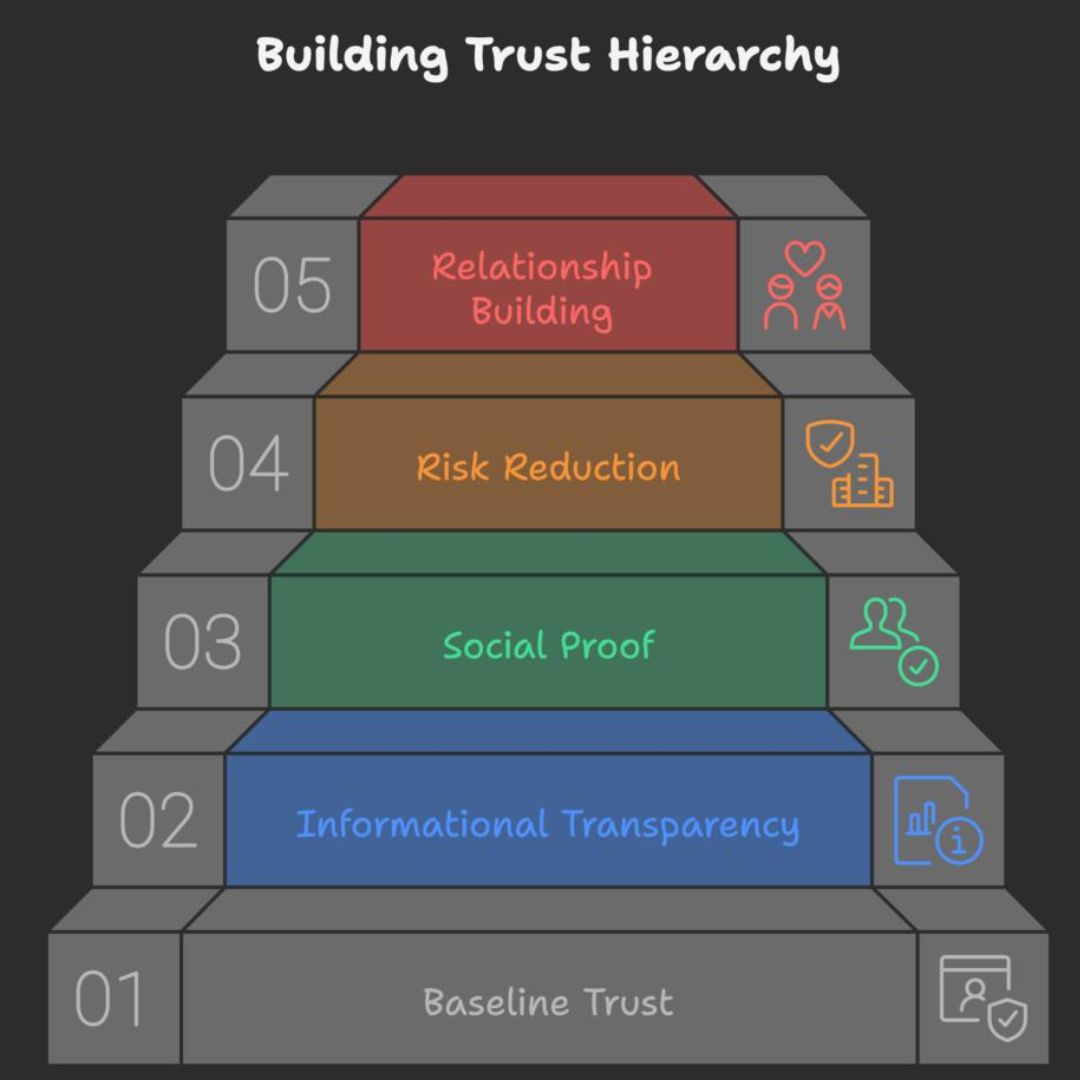
Different types of human-showing content serve different trust-building functions. Understanding what each type achieves helps businesses make deliberate choices about what to share and why.
The Origin Story
Every business has a story of how it began. Most businesses never tell it — or tell a sanitised version that focuses on the outcome without the struggle, the vision without the uncertainty, the success without the failure that preceded it.
The origin story told honestly — with the real obstacles, the real moments of doubt, the real reasons the person kept going anyway — is one of the most powerful pieces of content any business can create. It establishes the values and motivations of the people behind the business. It creates a narrative context in which the audience can understand why the business exists and what it is trying to be.
The grandmother’s chocolate cake recipe that took three years to recreate is an origin story. It tells the audience that this bakery is not just a business — it is an act of preservation, of love, of genuine creative commitment. That story shapes how the audience experiences every subsequent piece of cake. They are not just eating a chocolate cake. They are eating three years of determination.

The Process Revelation
Content that shows how something is made — genuinely, in its real conditions rather than a staged demonstration — builds trust through transparency and competence demonstration simultaneously.
The flour-dusted hands photograph builds trust because it says: this is real. The person who makes the things you buy is actually doing physical work to make them. The baker is genuinely baking. This connection between the product and the genuine human effort behind it creates a quality and authenticity signal that no amount of polished food photography can replicate.
Process content is particularly powerful for businesses whose value proposition is craft, skill, or genuine expertise. When the audience can see the work — really see it, in its actual conditions rather than a curated version — the value of the expertise becomes tangible rather than asserted.
The Honest Difficulty
This is the content type that most businesses avoid and that is disproportionately valuable when done well.
Sharing genuine challenges — with honesty about what went wrong, what was learned, what changed as a result — builds a specific kind of trust that positive content cannot create. The audience watching a business handle difficulty with grace and honesty is watching evidence of character that is only visible under pressure.
The business owner who posts about a difficult month of declining revenue and reflects genuinely on what it revealed about their assumptions and their planning is showing the audience something more valuable than any success story. They are showing resilience, self-awareness, and honesty — the qualities that allow the audience to believe the business will behave with integrity when the audience’s experience of it is difficult.
The key to sharing difficulties effectively is honesty about both the difficulty and what was learned — not performing vulnerability for emotional effect, but genuinely reflecting in public in a way that invites the audience into real understanding of what the business is and who the people running it are.
The Personal Value System
Businesses that share the values that drive their decisions — why they chose specific suppliers, why they made a specific product choice, why they said no to a specific partnership or opportunity — build a value-based relationship with their audience that transcends the transactional.
The audience that understands why a business makes the choices it makes has a fundamentally different relationship with that business than an audience that only sees the outcomes of those choices. Understanding the values is the difference between a customer who buys because the product is good and a community member who supports because the business represents something they care about.
The Genuine Celebration
Joy shared authentically is one of the most connecting forms of content available. When a business celebrates a genuine milestone — the first hundred customers, the five-star review from someone who really understood what they were trying to do, the moment when a difficult challenge was finally resolved — the audience can feel the genuine emotion and respond to it.
The difference between authentic celebration and performative celebration is visible to the audience even when they cannot articulate the difference. Genuine joy creates the desire to share in it. The owner’s video of genuine, slightly overwhelmed delight at the Saturday morning queue is more connecting than any professionally produced “thank you for your support” post — because the delight is real and the realness is visible.
The Founder’s Face — Why Presence Changes Everything

One of the most reliably powerful human-showing content choices a business can make is simply to put the founder or key people on camera — not in polished branded video but in genuine, present moments of sharing genuine thinking.
There is something specific that happens when a business stops being an abstract entity and becomes a person with a face, a voice, a way of thinking, a sense of humour, a set of things they care about deeply. The audience’s relationship with the business changes fundamentally — from a transactional relationship with an organisation to a human relationship with a person.
This humanisation of the business through founder presence has effects that cannot be replicated through any other content strategy. People support people in ways they do not support organisations. People forgive people who make mistakes in ways they do not forgive organisations. People recommend people to others with a personal enthusiasm that they do not extend to organisations.
The founder who appears regularly in their own content — speaking their own mind in their own voice about the things they genuinely care about — is building the specific kind of audience relationship that generates advocates rather than just customers.
This does not require a perfect on-camera presence. In fact, the slightly imperfect on-camera presence — the genuine search for the right word, the real laugh at something that goes unexpectedly, the moment of genuine uncertainty — is often more connecting than polished on-camera performance. As we established in our post about going live on social media, imperfection in the right context signals authenticity rather than incompetence.
The key requirement is genuine presence — actually being there, actually thinking out loud, actually sharing what is real rather than what has been approved. The audience for whom this is intended will respond to the genuine presence and will distinguish it, without being able to fully articulate why, from the polished performance of someone trying to seem human.
The Paradox of Vulnerability — Why Sharing What Is Hard Creates Strength
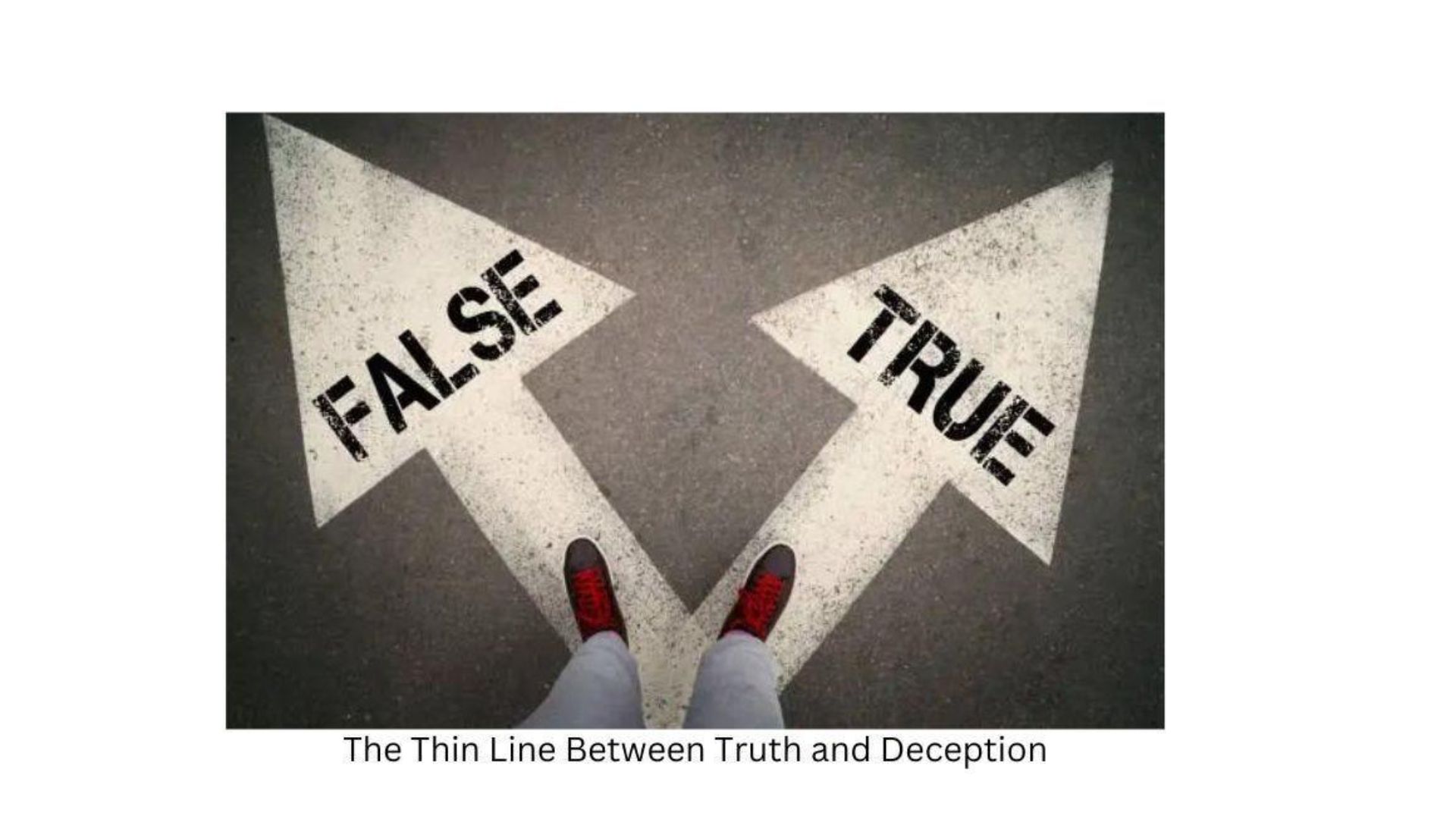

There is a specific paradox in the relationship between vulnerability and brand strength on social media that deserves explicit treatment.
The conventional wisdom of commercial communication is that businesses should project strength, confidence, and consistent excellence. Any admission of weakness, difficulty, or uncertainty is seen as a liability — something that undermines confidence and gives competitors an advantage.
On social media, this conventional wisdom is inverted in a specific and important way.
The business that projects consistent strength and confident excellence reads to the social media audience as polished, guarded, and not fully trustworthy — because the audience knows from their own experience that no business encounters only strength and excellence. The consistency of the positive projection implies either selection or pretense.
The business that shares genuine difficulty alongside genuine achievement reads as honest — and honesty is the foundation of trust. The vulnerability in the sharing is evidence of the courage that honesty requires, which is itself a character signal that builds trust.
This is not an invitation to perform distress or to manufacture vulnerability for its own sake. Performed vulnerability is as detectable as performed joy — the audience who watches someone manufacture emotional content for engagement becomes deeply distrustful.
The vulnerability that builds trust is genuine vulnerability — real difficulties shared with real reflection, real uncertainties acknowledged with real consideration, real failures described with real honesty about what was learned. The audience for this content is not looking for entertainment. They are looking for the evidence of genuine character that tells them this business is worth trusting.

The bakery owner who talks about the 11 PM cake rescue with exhaustion and amusement is not projecting weakness. She is demonstrating dedication, resourcefulness, and the honesty to show her audience the reality of what the job involves. These are strength signals — just not the curated, polished strength signals that conventional marketing advice recommends.
The paradox: genuine vulnerability is a genuine strength signal. Performed confidence is often a credibility limitation.
The Employee Dimension — How Showing Your Team Amplifies Humanity

Many businesses think about the human side of their brand exclusively in terms of the founder. The businesses that execute this most effectively extend it throughout their teams.
When customers can see the actual people who make the products, answer the phones, pack the orders, or deliver the service — when those people have names and personalities and genuine on-camera presence — the humanity of the business multiplies.
This team visibility serves several specific functions.
It demonstrates that the culture the founder talks about actually extends through the organisation. The team that appears genuinely happy, genuinely engaged, and genuinely proud of their work is evidence that the values the founder espouses are not just founder-level positioning.
It creates emotional connection with specific people who become the human face of specific parts of the business. The audience that knows the name and personality of the person who packs their orders has a relationship with the fulfilment aspect of the business that mere order confirmation emails cannot create.
It builds the kind of social proof that operates at the employee level — people who work for genuinely good businesses generally demonstrate that they do. The team that is visibly engaged and happy is a powerful statement about the quality of the organisation that advertising claims cannot replicate.
Employee stories — their backgrounds, their skills, why they chose to work at this specific business, what they care about in their work — are among the most underused and most powerful pieces of human content any business can create.
What to Share and What Not to Share — The Judgment That Matters
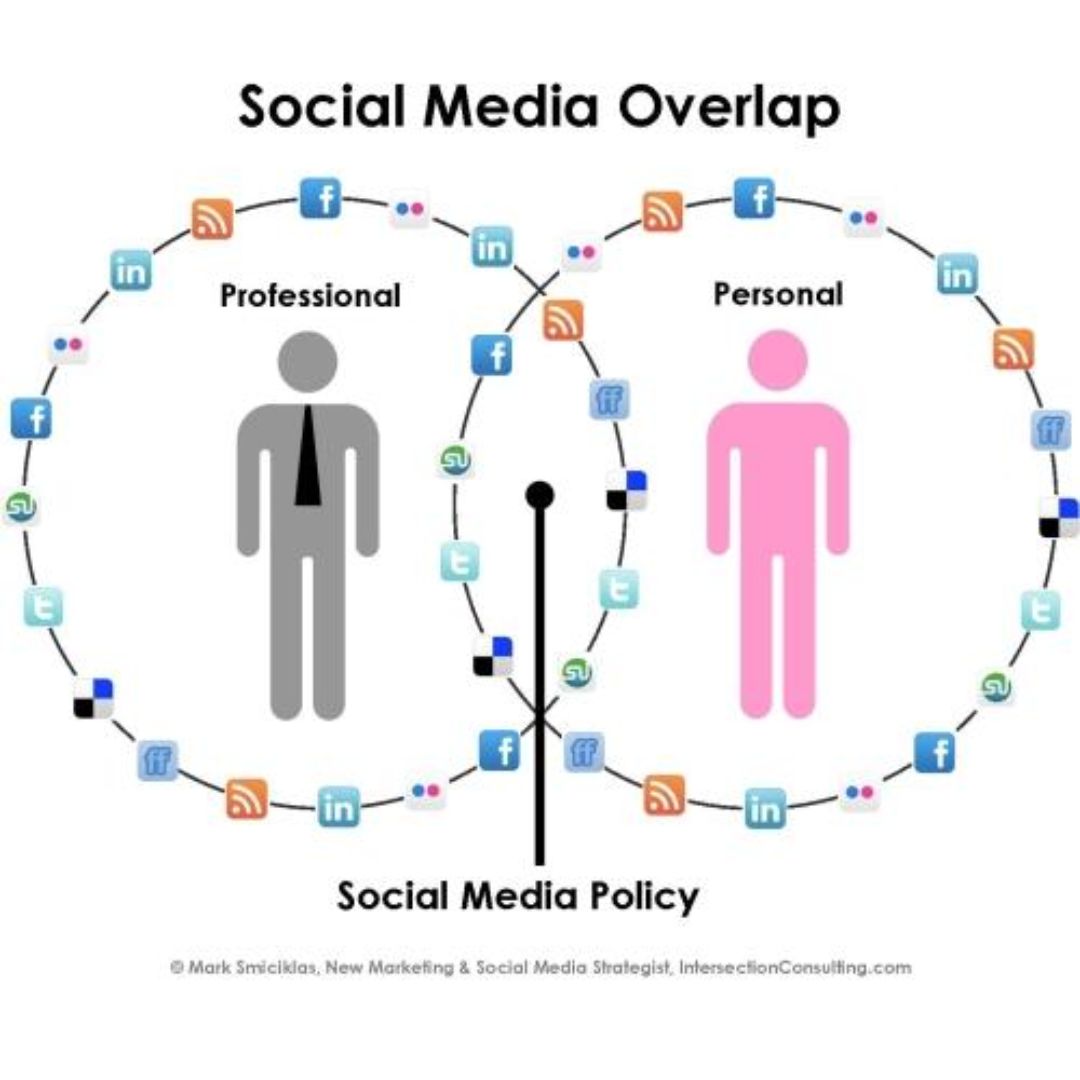

The invitation to show the human side of a business does not mean sharing everything. The judgment about what to share and what to keep private is one of the most important editorial decisions in human-showing content strategy.
The principle that guides this judgment is straightforward: share what serves the audience by building genuine understanding of who you are, what you care about, and why that matters to them. Do not share what serves primarily the business’s needs for catharsis, processing, or external validation.
Content that belongs in the human-showing category:
The genuine story of why the business exists and what motivates the people running it. The real process behind the product or service — its complexity, its craft, its genuine effort. The honest reflection on a difficulty that was overcome and what it revealed. The genuine celebration of genuine milestones. The introduction of the real people whose work creates the business’s value. The values that drive specific decisions.
Content that does not belong:
Personal family matters that have no genuine relevance to the business. Processing of emotional difficulties through the business platform in ways that put the audience in an uncomfortable position. Private information about team members or customers without their knowledge and consent. Difficulties that are still actively damaging and that sharing could make worse.

The audience wants to know the human beings behind the business. They do not want to become the therapist for those human beings. The boundary between sharing what humanises and over-sharing what burdens is a judgment call, but the principle is clear: share what creates understanding, not what seeks unearned intimacy.
Building the Practice — How to Make Human Content Consistent
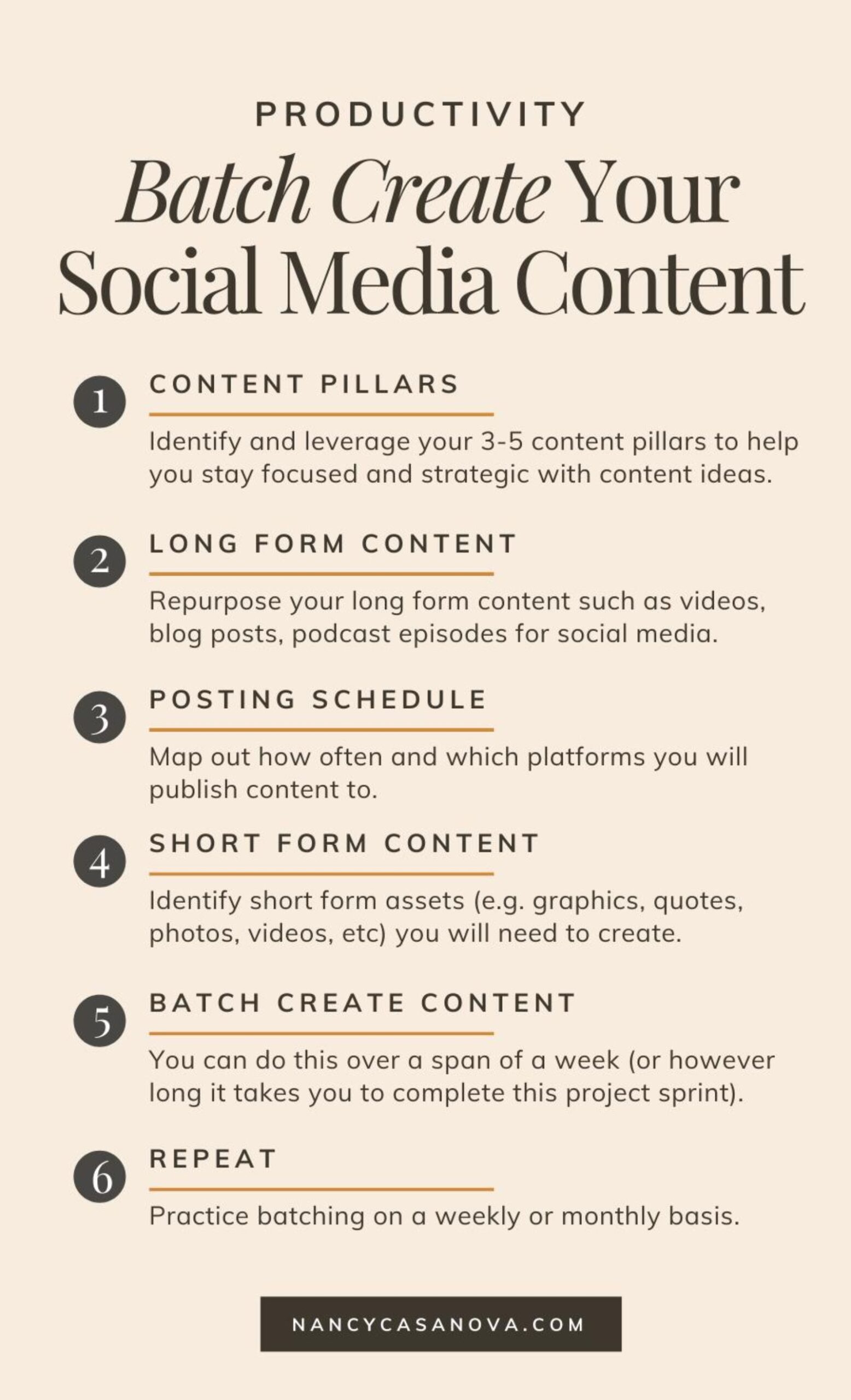
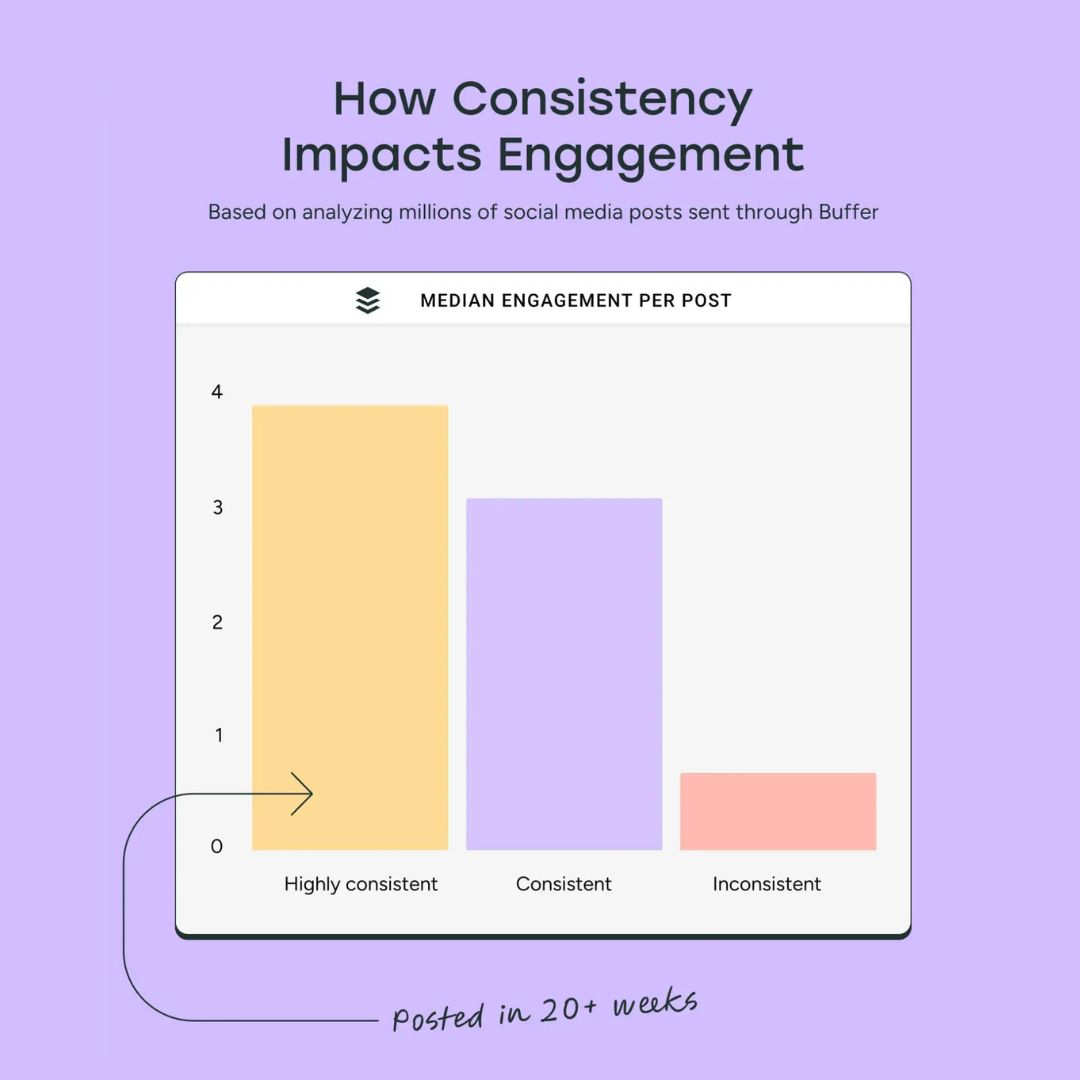
The challenge with human content is not understanding its value — most business owners, when they hear this argument, agree with it immediately. The challenge is making it a consistent practice rather than an occasional burst of authenticity between long periods of polished promotional content.
Several habits make human content more consistently achievable.
Notice the moments
The flour-dusted hands photograph required someone to notice that this was worth documenting. Training the eye to see the moments that reveal genuine humanity — the early morning preparation, the problem-solving in real time, the genuine satisfaction at something that came out right — is a practice that develops over time. Carrying the phone as a documentation device rather than just a communication device starts to produce the raw material for human content automatically.
Lower the production threshold for genuine moments
Human content does not require good lighting, careful composition, or professional production. A blurry phone photograph of a genuine moment has more human value than a perfectly produced photograph of the same moment would have. The permission to post imperfect content when the moment is genuine needs to be consciously granted to yourself or to the person managing the business’s social media.
Build reflection into the rhythm
The honest reflection on a difficult month, the consideration of what a year of building the business has taught — these require stepping back from the operational intensity of running a business long enough to actually reflect. Building reflection time into the routine — weekly, monthly, quarterly — produces the thoughtful human content that polished promotional content cannot substitute for.
Trust the audience more
The most common reason businesses hold back from genuine human content is fear — fear that sharing difficulty will undermine confidence, fear that showing imperfection will reduce perceived quality, fear that being genuinely personal will seem unprofessional.
This fear is based on a misunderstanding of what the audience is actually looking for. The audience does not want a business to be perfect. They want a business to be real. The trust that realness builds is more commercially valuable than the perfection that polish implies.
Trust the audience enough to be real with them. The audience that is allowed to know the real business will know more and value more than the audience that only ever sees the polished version.
The Compounding Effect — What Years of Human Presence Build
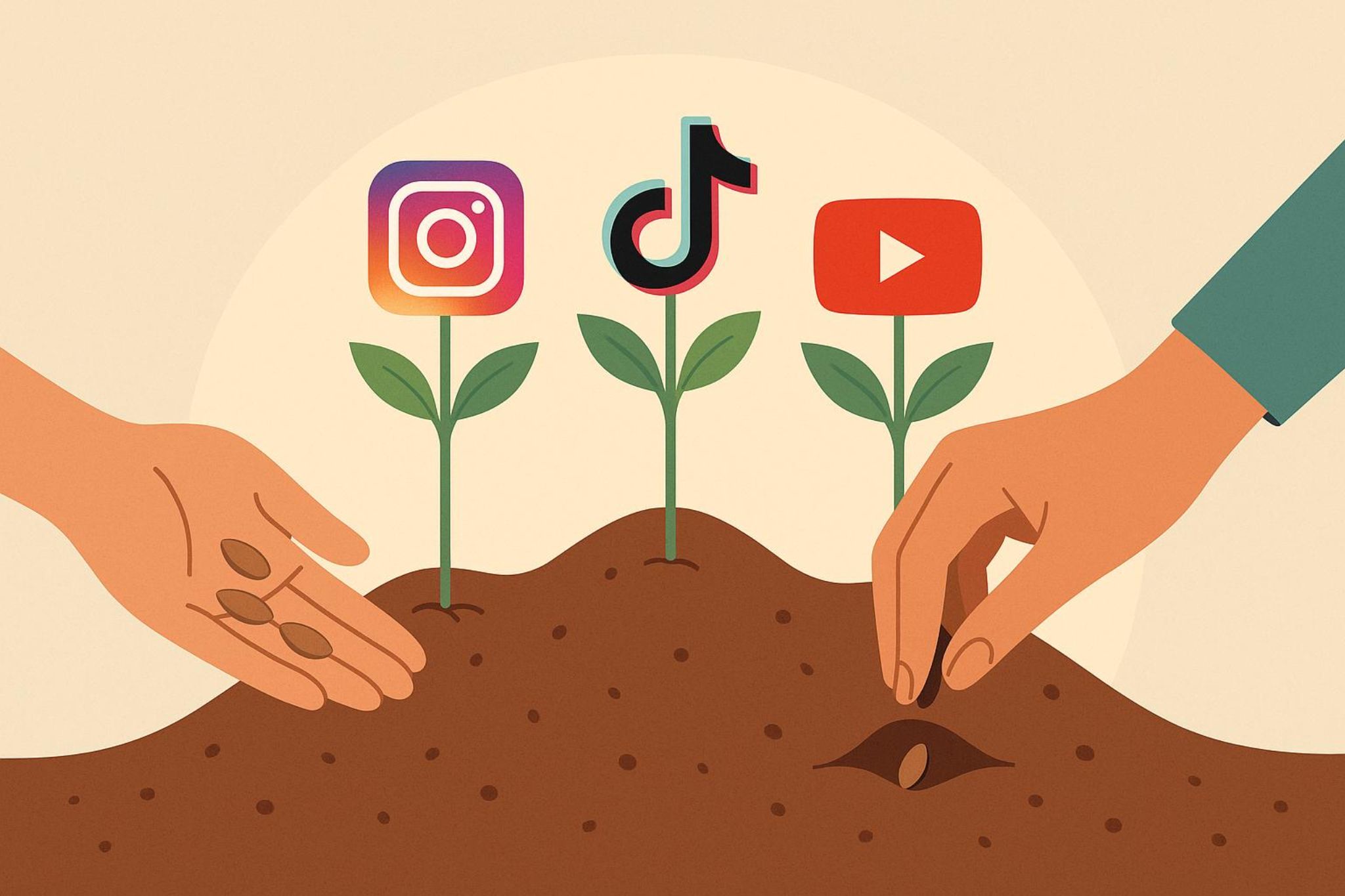
In the short term, the difference between polished content and human content is visible but modest. Human content generates better engagement rates. It produces more meaningful comments. It creates slightly higher conversion from follower to customer.
In the long term, the difference becomes dramatic.
The business that has consistently shared genuine humanity over two or three years has built something that the polished-content-only business has not: a community of people who genuinely know the business, understand its values, feel a personal connection to the people behind it, and are invested in its success.
This community is the most valuable marketing asset any business can have. It is more valuable than a large following of passive observers. It is more resilient than a customer base acquired through advertising. It generates advocacy — genuine, enthusiastic, unprompted recommendation — that no paid promotion can purchase.
When the business that has built this community encounters difficulty — a bad review, a difficult period, a crisis — the community responds in ways that the polished-content business’s audience does not. They provide context, they share their genuine positive experiences, they defend the business against unfair characterisation, they give it the benefit of the doubt in ambiguous situations.
When the business has a product to launch, a milestone to celebrate, or a story to share, the community amplifies it with genuine enthusiasm that feels to the broader audience like the authentic endorsement that it is.
This community is built over time through the consistent, patient practice of being genuinely human in public. Not through a single viral moment. Not through a strategically timed emotional post. Through the accumulation of genuine moments shared honestly over months and years.
The second bakery with nine thousand followers and a three-week waiting list is not more successful than the first bakery because it has cracked some algorithmic secret. It is more successful because the people who follow it feel like they know the person behind it — and that feeling has converted followers into a community that actively supports the business in ways that followers without that feeling simply do not.
Closing Thought — The Business That Lets Itself Be Known

There is a specific fear that runs through most businesses’ relationship with social media — the fear of being known. The fear that if the audience sees the real version of the business rather than the curated version, they will find something disappointing. That the flour-dusted hands and the 11 PM cake rescue and the difficult month will make the business seem less rather than more.
This fear is based on a misunderstanding of what people are actually looking for when they follow a business on social media.
They are not looking for perfection. Perfection is everywhere. Every business projects perfection in its advertising and its promotional content. Perfection is the baseline of commercial communication and it has long since stopped generating trust.
What people are looking for — what they follow accounts to find, what generates the saves and shares and comments that the algorithm rewards, what creates the communities that sustain businesses through difficulty — is something real. Something that feels like it was made by a person who actually cares about what they are doing. Something that acknowledges, through its honesty and its genuine human presence, that there are real people here who you are in a real relationship with.
The businesses that let themselves be known win on social media not because knowing them makes them seem better. Because knowing them makes the audience care.
And in the attention economy, where every business is competing for a finite supply of human caring — the business that earns genuine care has the most durable competitive advantage available.
Be known.
Let the flour-dusted hands be seen.
The audience that knows you is the audience that will stay.
Written by Digital Drolia — celebrating the businesses that have the courage to be genuinely human on social media and helping others understand why that courage is the most commercially valuable thing they can offer their audience. Found this valuable? Share it with a business owner who is hiding behind a polished brand identity when the genuine human story behind it is far more compelling.