


Why Google Updated Its Algorithm and Killed Thousands of Websites Overnight

It happened without warning.
One day, your website was getting 50,000 visitors a month. You were making a decent living from ads, affiliate commissions, or product sales. Life was good.
Then you woke up, checked your analytics, and felt your stomach drop. Traffic down 70%. Then 80%. Then 90%.

Within 48 hours, your entire online business—the one you’d spent years building—was essentially dead. And you weren’t alone. Thousands of websites experienced the same fate, all at once, all because of a Google algorithm update.
If you’ve been through this nightmare, you know the feeling of helplessness. If you haven’t, you’re probably wondering if your site could be next.
Here’s the truth: Google’s algorithm updates aren’t random acts of cruelty. There’s a method to the madness, and understanding why Google makes these changes is the key to surviving them—or better yet, benefiting from them.
Let me pull back the curtain and show you what’s really happening.
The Uncomfortable Truth: You Don’t Own Your Traffic

Let’s start with something most website owners don’t want to admit: if most of your traffic comes from Google, you don’t really have a business. You have a tenant agreement that can be terminated at any time.
Think about it this way. Imagine you run a physical store in a massive shopping mall. The mall owns the parking lot, controls the foot traffic, decides which stores get the best locations, and can change the rules whenever they want. That’s your relationship with Google.
Google owns the “parking lot” (search traffic). They decide who gets visibility. They change the rules. And you? You’re just renting space in their ecosystem.
This isn’t meant to scare you—it’s meant to wake you up to reality.
Google serves one master: its users. Not you. Not advertisers. Not website owners. When Google makes an algorithm update, they’re optimizing for searcher experience, period. If your website gets caught in the crossfire, that’s collateral damage they’re willing to accept.
Understanding this fundamental dynamic is crucial because it explains everything else that follows.
The Search Quality Problem Google Had to Solve
To understand why Google keeps updating its algorithm, you need to understand the problem they’re trying to solve.
Imagine you search for “best hiking boots” on Google. What do you want? Probably genuine, expert advice from someone who actually hikes and has tested multiple boots.
But here’s what you often got instead, especially in 2020-2023:
A website created by someone who’s never hiked a day in their life. They hired cheap writers to compile information from other websites. They stuffed the article with affiliate links. The content wasn’t wrong, exactly, but it wasn’t particularly helpful either. It was mediocre, generic, and existed solely to capture search traffic and earn commissions.
Multiply this by millions of websites doing the same thing, and you can see the problem.
Google’s search results were getting clogged with content that technically answered questions but didn’t genuinely help people. It was the fast food of information—cheap, mass-produced, and ultimately unsatisfying.
For years, this model worked beautifully for website owners. Find a profitable keyword, create decent-enough content, build some backlinks, and watch the money roll in. Many people built six and seven-figure businesses this way.
But it created a terrible experience for searchers. And when searchers get frustrated, they might start using other search engines. That’s an existential threat to Google.
So Google had a choice: let search quality degrade and risk losing users, or raise the bar dramatically and accept that thousands of websites would get crushed in the process.
They chose the latter.
The Helpful Content Update: When “Good Enough” Stopped Being Enough
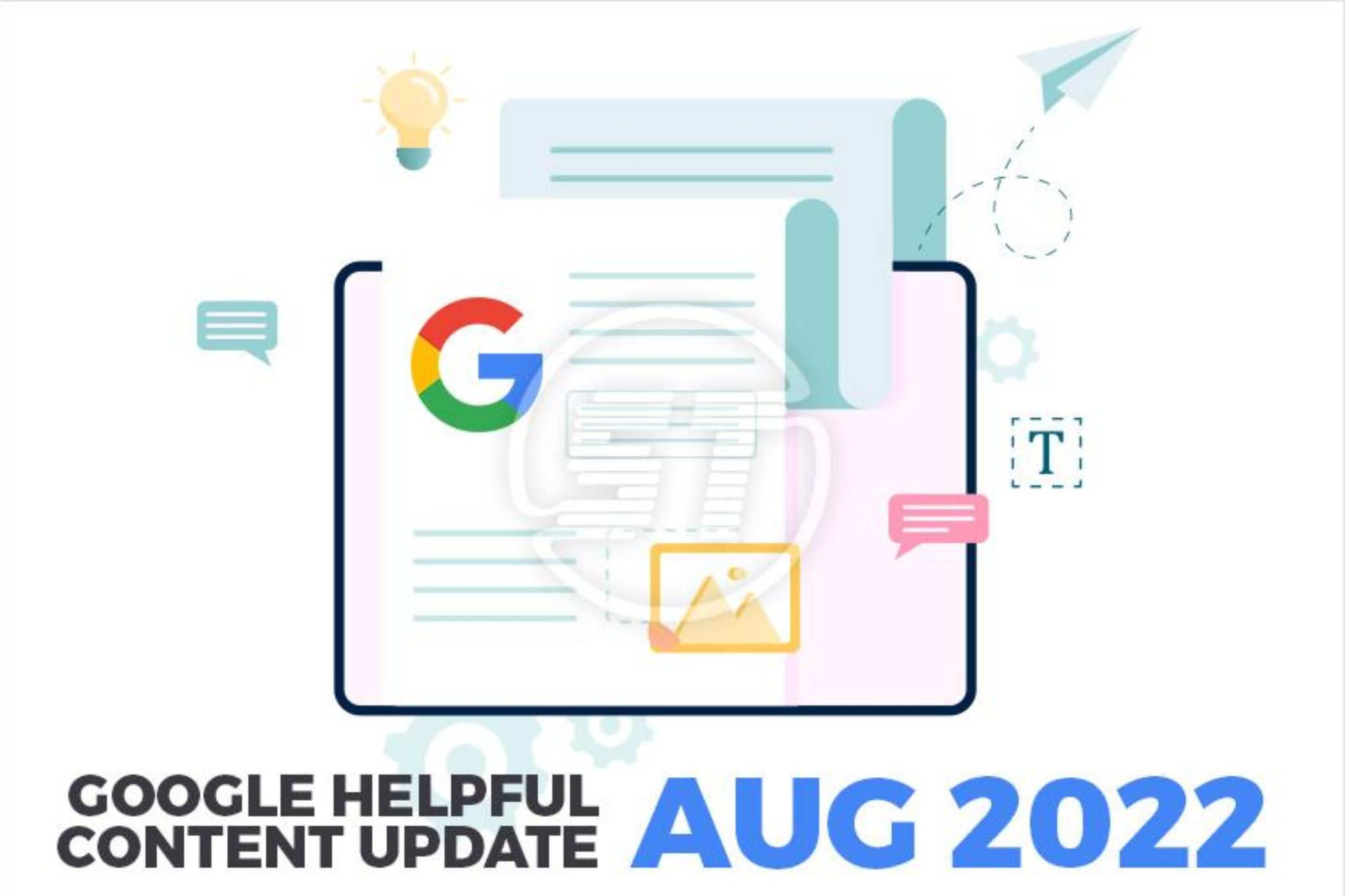
In August 2022, Google rolled out the “Helpful Content Update.” The name sounds innocent, almost friendly. The impact was devastating.
This wasn’t just another algorithm tweak. This was Google fundamentally changing what they valued in content.
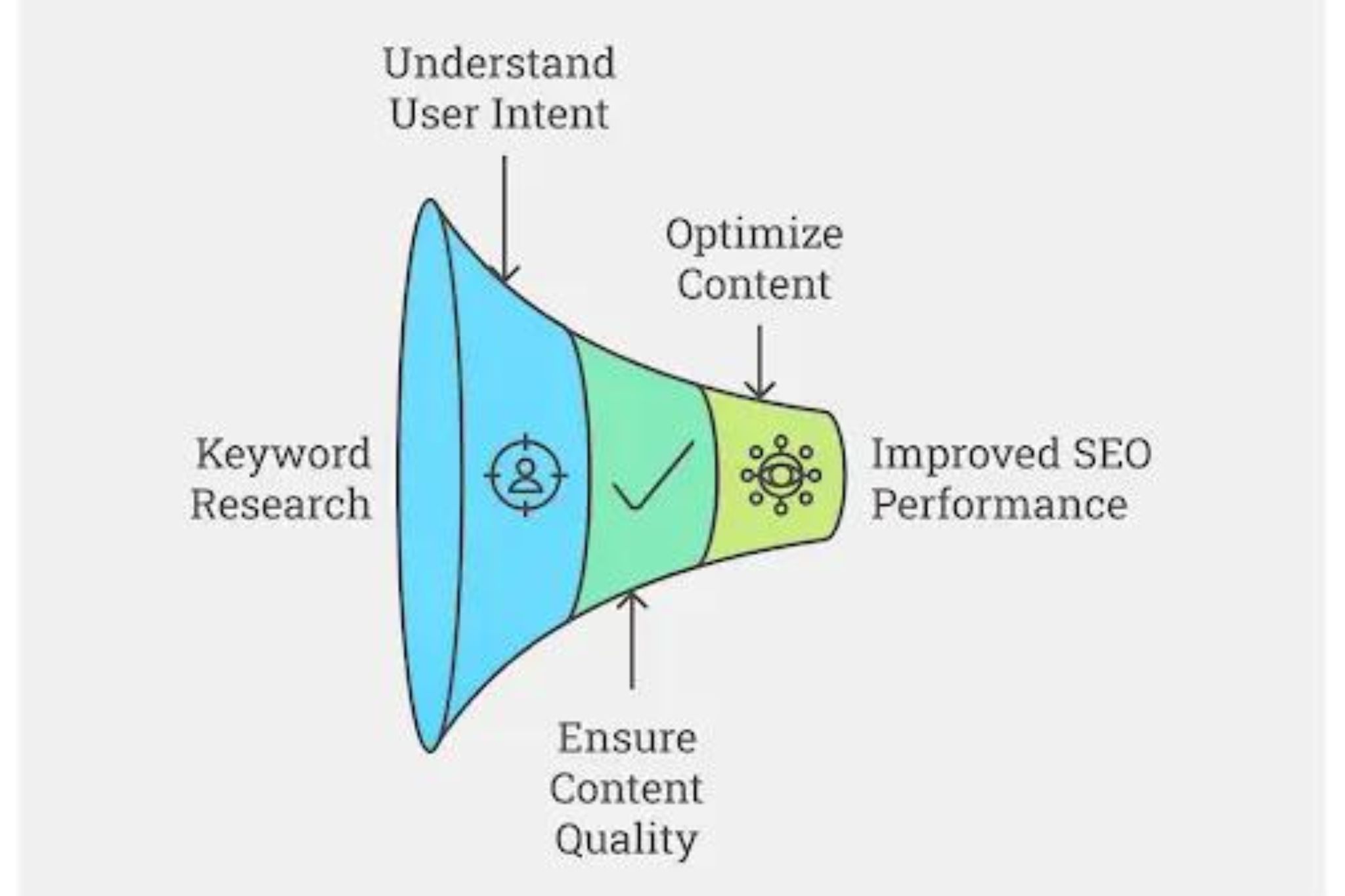
Before this update, you could rank well by following a formula:
- Research a profitable keyword
- Hit a certain word count
- Include the keyword in specific places
- Build some backlinks
- Wait for rankings
Content created this way wasn’t necessarily bad. It just wasn’t particularly good either. It was optimized for algorithms, not for humans.
The Helpful Content Update changed the game. Google started asking different questions:
Was this content created by someone with genuine expertise? Not just someone who could compile information from other sources, but someone with real, firsthand knowledge?
Did the content demonstrate experience? Could you tell that the author had actually used the products, tried the techniques, or lived through the situations they were writing about?
Was the content created primarily to help people, or primarily to capture search traffic? This is subtle but crucial. There’s a huge difference between “I’m going to help people solve this problem” and “I’m going to rank for this keyword.”
Would someone find this content satisfying? After reading it, would they feel like they got what they needed, or would they hit the back button and try another result?
Websites that had been gaming the system suddenly found themselves in trouble. And it happened fast.

I watched websites in the product review space lose 90% of their traffic overnight. These were sites pumping out hundreds of “reviews” for products the authors had never touched. They compiled specifications from manufacturer websites, grabbed some images, added affiliate links, and called it a review.
For years, it worked. Then suddenly, it didn’t.
Google had gotten smart enough to detect the difference between “I bought these five hiking boots, tested them on 50 miles of trails, and here’s what I learned” and “I copied specs from Amazon and other review sites.”
The websites that survived? They were the ones created by real hikers, real photographers, real chefs—people with genuine expertise who happened to share it online.
The AI Content Explosion: Why Google Had to Act Fast


Just when website owners were adapting to the Helpful Content Update, another wave hit: the AI content explosion.
In late 2022, ChatGPT launched. Suddenly, anyone could generate hundreds of articles per day with minimal effort. Content farms that previously hired cheap writers could now produce 10x the volume at 1/10th the cost.
The internet started flooding with AI-generated content. Much of it was grammatically correct, reasonably well-structured, and technically covered the topic. But it lacked something essential: genuine insight, original thought, and human experience.
Google faced a new existential threat. If they didn’t address this quickly, search results would become an ocean of generic, AI-generated content that all said basically the same thing.
So they acted.
The March 2024 Core Update was one of the most aggressive algorithm changes in Google’s history. Websites lost 60%, 70%, even 95% of their traffic. Some were completely deindexed.
The pattern was clear: Google was targeting websites that relied heavily on mass-produced content, whether human-written or AI-generated, that didn’t demonstrate real expertise, experience, or original value.
But here’s what confused a lot of people: some websites using AI got crushed, while others using AI thrived. Why?
Because Google wasn’t against AI content per se. They were against low-value content that existed solely to manipulate search rankings. If you used AI to help you create genuinely valuable content based on your real expertise, you could be fine. If you used AI to mass-produce mediocre content at scale, you were toast.
The websites that got hit hardest shared common characteristics:
- High volume of content published quickly
- Thin, generic information that could be found on dozens of other sites
- Little to no demonstrated firsthand experience
- Content organized around keywords rather than topics that genuinely help people
- Extensive monetization (ads, affiliate links) relative to content value
The Parasite SEO Crackdown: When Trusted Domains Got Exploited
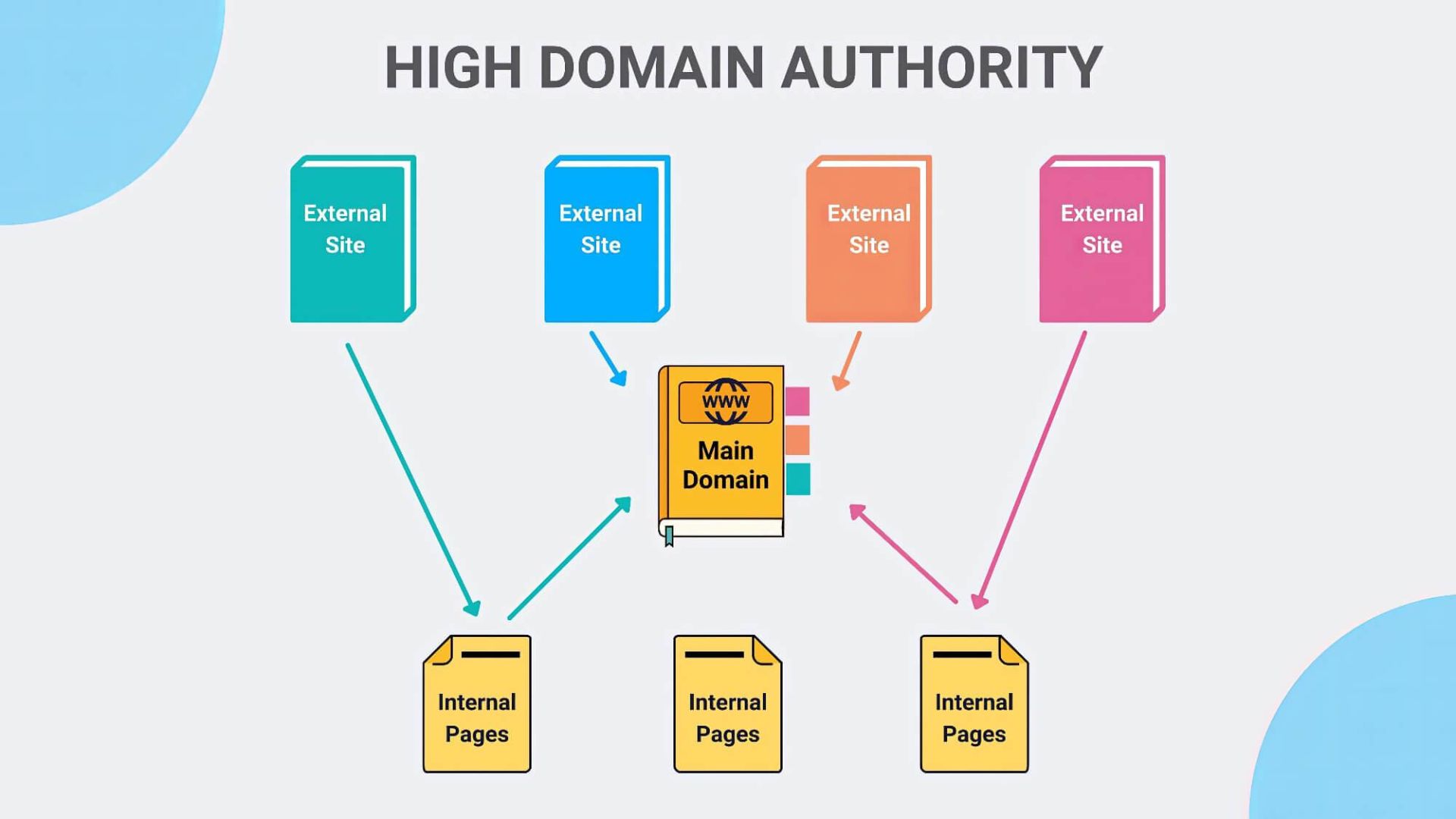
Here’s a tactic that worked beautifully until it didn’t: parasite SEO.
The strategy was simple. Get your content published on a high-authority domain that Google already trusts—like Forbes, Business Insider, or major news outlets—and leverage their domain authority to rank for competitive keywords.
Some publishers created entire sections of their websites essentially renting out their domain authority. You could pay a fee, publish your content on their domain, stuff it with affiliate links, and rank almost immediately for competitive terms.
For example, you might see an article on a major financial news site about “best credit cards” that was really just an affiliate link farm dressed up in a legitimate domain’s clothing.
Google finally said enough.
In May 2024, they rolled out updates specifically targeting this practice. Overnight, thousands of affiliate articles hosted on major publications disappeared from search results.
Why did Google care? Because it was a loophole that undermined the entire trust system their algorithm was built on.
Google had spent years building signals to identify trustworthy domains. Then those domains were selling access to people who wanted to bypass the trust-building process. It made a mockery of the system.
The message was clear: domain authority isn’t a shortcut. Trust has to be earned, not rented.
The Manual Actions: When Algorithms Aren’t Enough

Sometimes, Google’s algorithms aren’t enough. Sometimes, they need human reviewers to step in.
Manual actions are when a Google employee (or contractor) manually reviews your website and applies a penalty. These are different from algorithmic demotions—they’re more targeted, more severe, and they come with a specific notification in Google Search Console.
Common reasons for manual actions include:
- Unnatural links (buying or selling links)
- Thin content with little value
- Hidden text or keyword stuffing
- Cloaking (showing different content to Google than to users)
- Hacked sites or malware
What’s scary about manual actions is that they can happen even if you think you’re following the rules. Sometimes, the rules are interpreted differently than you expected. Sometimes, things you did years ago come back to haunt you.
I’ve seen website owners receive manual actions for link building campaigns they ran in 2015 that were acceptable then but violated guidelines in 2024. Google doesn’t grandfather in old practices—if it violates current guidelines, it can be penalized.
The only way to recover from a manual action is to fix the issue and file a reconsideration request. Sometimes it works. Sometimes it doesn’t. And the process can take weeks or months.

The Collateral Damage: When Good Sites Get Caught in the Crossfire
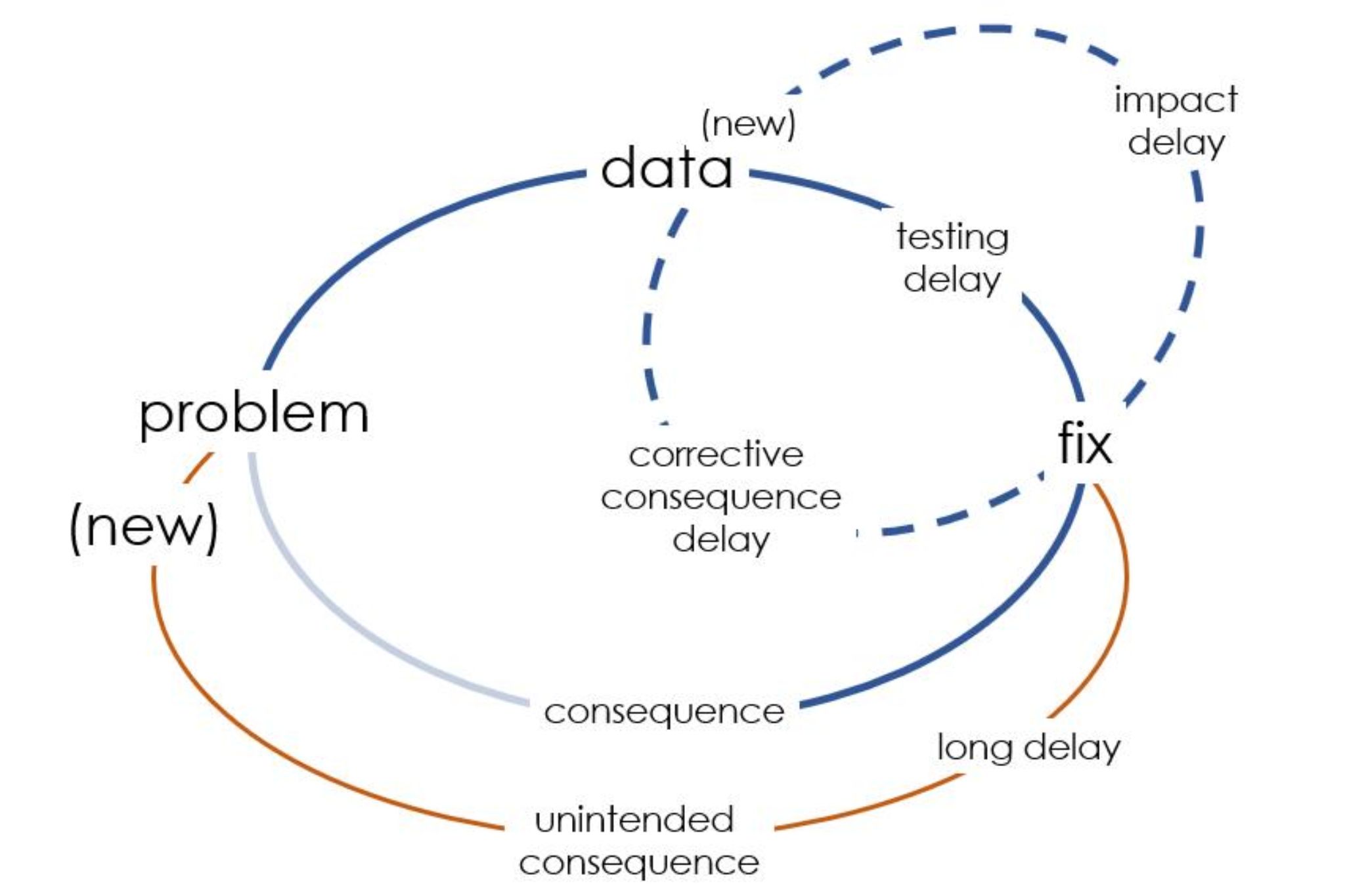
Here’s the part that makes these updates particularly painful: sometimes, legitimate websites get caught in the algorithmic crossfire.
I’ve personally consulted with website owners who did everything right. They created original, helpful content. They had genuine expertise. They weren’t trying to game the system. And they still got obliterated by an algorithm update.
Why does this happen?
Because algorithms, however sophisticated, aren’t perfect. They work on patterns and signals. If your site happens to share certain characteristics with sites that are low-quality, you might get swept up in the same filter.
For example, if you publish frequently (which is often good), but Google’s algorithm associates high publishing frequency with content farms (which is often bad), you might get penalized despite doing nothing wrong.
Or maybe you cover a topic that’s been heavily abused by low-quality sites. Your excellent content about weight loss gets buried because Google has learned that 95% of weight loss content is garbage.
This is the harsh reality of algorithmic enforcement at scale. Google is optimizing for the overall quality of search results, even if it means some good sites get unfairly caught.
Can you recover? Sometimes. It often requires significant changes to demonstrate to Google that you’re different from the pattern they’re filtering against. More on that later.
The Economic Incentive: Follow the Money
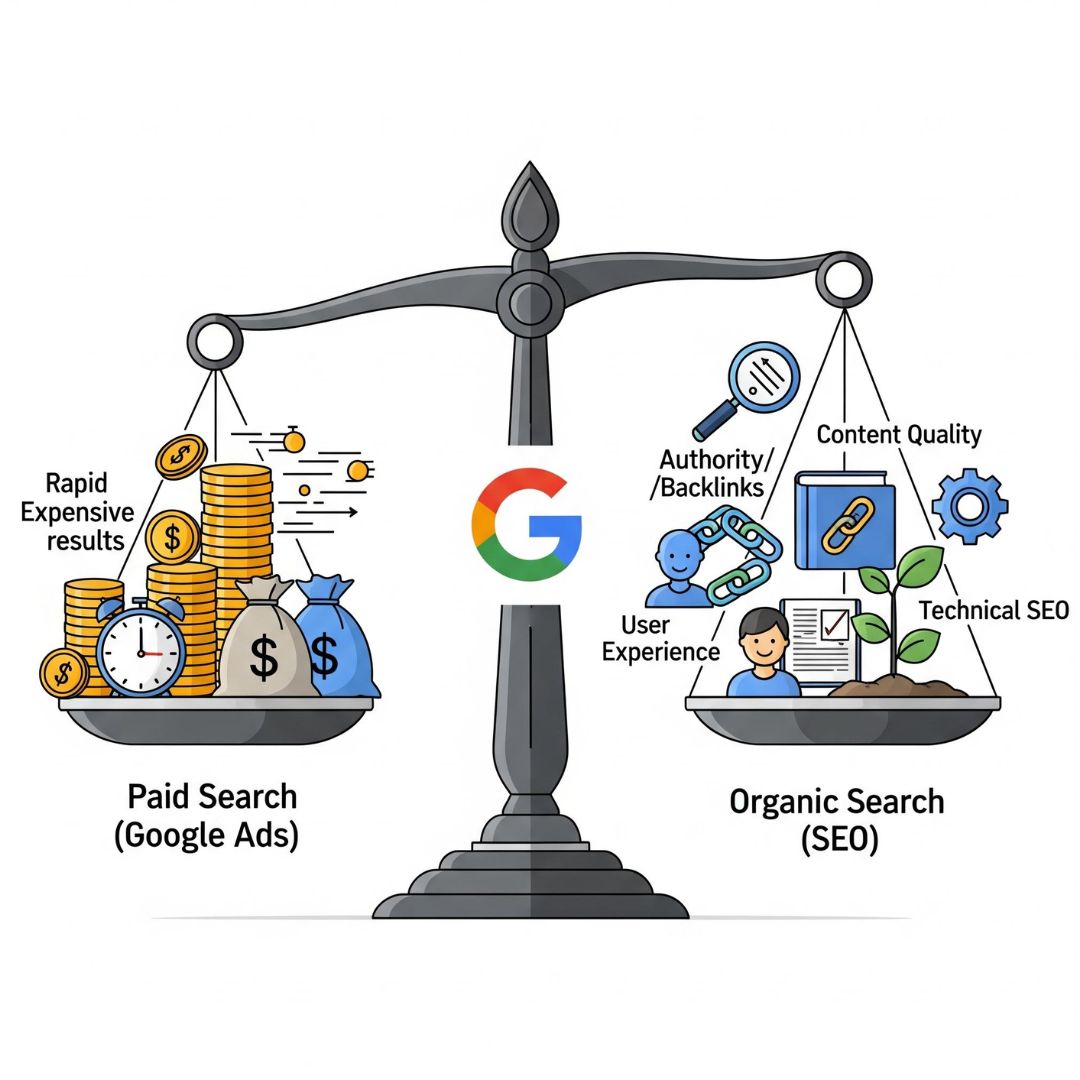
Let’s talk about something Google doesn’t advertise: the economic incentives behind algorithm updates.
Google makes money from ads. Specifically, they make money when people click on ads in search results and on partner websites. The more engaged and satisfied searchers are, the more they search, and the more opportunities Google has to show ads.
Now, here’s where it gets interesting. When organic search results are full of high-quality, satisfying content, users are happy and keep using Google. But there’s a tension: if organic results are too good, users might not click on ads.
I’m not suggesting Google intentionally degrades organic results to boost ad revenue—that would be too obvious and too damaging to their brand. But there is an inherent tension between maximizing user satisfaction and maximizing revenue.
Some algorithm updates have coincidentally pushed more commercial queries toward paid results. Searches for “best laptops” or “top restaurants near me” increasingly show ads first, then Google’s own features (shopping results, local pack), and only then organic results.
Is this intentional manipulation or natural evolution? Probably a bit of both. Google is a business. They’re incentivized to increase revenue. As long as users don’t abandon Google for alternatives, they’ll keep optimizing the balance between user satisfaction and monetization.
The practical takeaway? Don’t assume Google’s interests are perfectly aligned with yours. They’re not. Understanding this helps you make strategic decisions about where to invest your effort.
Why These Updates Will Keep Happening
If you’re hoping Google will eventually “finish” updating their algorithm and things will stabilize, I have bad news: these updates will never stop.
Here’s why:
The web keeps evolving. New tactics emerge. New technologies develop. New ways to game the system are constantly being invented. Google has to keep updating just to stay ahead.
User expectations keep rising. What was considered good search results in 2010 would be unacceptable today. As technology improves and users become more sophisticated, Google has to keep raising the bar.
Competition is increasing. Bing with ChatGPT integration, new AI search engines, social media as search platforms—Google faces more competition than ever. They have to continually improve to maintain dominance.
The incentive to manipulate remains strong. As long as Google traffic is valuable (and it is), people will try to game the system. Google has to constantly patch exploits.

AI is changing everything. The rise of AI-generated content isn’t slowing down—it’s accelerating. Google will need to keep updating to maintain quality as the content landscape shifts.
Think of Google’s algorithm like your phone’s operating system. It needs regular updates to fix bugs, patch security holes, add features, and keep up with changing technology. Those updates will sometimes break apps that worked before. It’s not ideal, but it’s necessary.
The question isn’t whether Google will keep updating. It’s whether you’ll build a business model that can survive the updates.
How to Survive (and Thrive) in This New Reality

Okay, enough doom and gloom. Let’s talk about what actually works in this new landscape.
The good news? The websites that are thriving post-updates share common characteristics. And they’re all things you can do, starting today.
Build genuine expertise and authority. This isn’t something you can fake with a few credentials on your about page. It means becoming a real expert in your niche, demonstrating that expertise through your content, and building a reputation in your industry.
If you’re writing about hiking boots, you better be someone who actually hikes. Show the worn-out boots you’ve tested. Share photos from the trails. Tell stories about the blister you got on mile 23. Make it undeniable that you know what you’re talking about.
Create content that demonstrates experience. First-hand experience is the new gold standard. Instead of “here are the 10 best cameras,” write “I’ve been a professional photographer for 12 years, and here are the 3 cameras I actually use and why.”
Include specific details that only someone with real experience would know. The obscure menu setting that solves a common problem. The trick you learned after months of use. The limitation that isn’t mentioned in the specs but becomes obvious in real-world use.
Focus on helping people, not ranking for keywords. This is a mindset shift. Instead of “what keywords can I rank for?” ask “what problems can I help my audience solve?”
When you genuinely solve problems, the keywords take care of themselves. People find your content, they engage with it, they share it, they link to it—all the signals Google cares about happen naturally.
Diversify your traffic sources. This is non-negotiable. If Google is 90% of your traffic, you’re one algorithm update away from disaster.
Build an email list. Grow a social media following. Create a YouTube channel. Build a community. Develop direct traffic through brand recognition. Make sure that if Google traffic disappeared tomorrow, you’d still have a business.
Prioritize quality over quantity. The days of publishing three mediocre posts per day are over. Better to publish one exceptional post per month than thirty forgettable ones.
What makes content exceptional? Original research. Unique insights. Comprehensive coverage. Better visuals. Clearer explanations. More actionable advice. Whatever it takes to be genuinely better than what’s already out there.
Build real relationships and earn real links. Forget link building schemes. Focus on creating content so valuable that people naturally want to reference it.
This means thinking beyond your own website. Contribute to conversations in your industry. Help other creators. Collaborate on projects. Be genuinely useful to your community. Real relationships lead to real links.
Use AI as a tool, not a replacement for thinking. AI can help you research, outline, draft, and edit. But it can’t replace your unique expertise, experience, and perspective.
The winning formula seems to be: human expertise + AI efficiency. Use AI to handle the grunt work, but inject your own knowledge, experience, and voice into every piece of content.
Monitor your analytics, but don’t obsess. Check your traffic regularly enough to catch problems early, but not so frequently that every fluctuation sends you into panic.
Algorithm updates usually take a few weeks to fully roll out. If you see a sudden drop, wait a week or two before making drastic changes. Sometimes what looks like a drop is just normal fluctuation.
Document everything. Keep detailed records of changes you make to your site, content you publish, and traffic patterns. If you do get hit by an update, this documentation will help you identify what might have triggered it.

The Recovery Playbook: What to Do If You Get Hit

Alright, let’s say it happened. Your traffic tanked. What now?
Step 1: Don’t panic. I know it’s hard, but making rash decisions while emotional usually makes things worse. Take a deep breath. This isn’t permanent—many sites recover.
Step 2: Identify what changed. Was there a specific algorithm update? Did you make changes to your site recently? Did Google issue a manual action? Understanding the cause is crucial to finding the solution.
Step 3: Audit your content ruthlessly. Go through your content with fresh, critical eyes. Be honest:
- Is this genuinely helpful?
- Does it demonstrate real expertise?
- Would I find this valuable if I searched for this topic?
- Is it better than what’s already ranking?
Delete or massively improve content that doesn’t meet the bar. Yes, delete. Removing low-quality content can actually help your overall site quality in Google’s eyes.
Step 4: Strengthen your E-E-A-T signals. E-E-A-T stands for Experience, Expertise, Authoritativeness, and Trustworthiness. Google uses these factors to evaluate content quality.
Strengthen these signals by:
- Adding detailed author bios with credentials
- Linking to authoritative sources
- Getting your content cited by other reputable sites
- Displaying trust signals (contact information, privacy policy, etc.)
- Showcasing your experience in more detail
Step 5: Get feedback from real users. Show your content to people in your target audience who don’t know you. Ask them:
- Is this helpful?
- What’s missing?
- Would you trust this information?
- How does it compare to other resources on this topic?
Sometimes we’re too close to our own content to see its flaws. Fresh eyes help.
Step 6: Make significant improvements, not minor tweaks. Don’t just change a few words and update the date. Google can tell. If you’re going to update content, make it substantially better.
Step 7: Be patient. Recovery from algorithmic penalties isn’t instant. It can take weeks or even months for Google to recrawl your site, reassess your content, and adjust your rankings.
Some sites recover fully. Some recover partially. Some never recover. That’s the harsh reality. But your odds are much better if you actually fix the underlying issues rather than just waiting and hoping.
The Future: Where Is All This Heading?

Looking ahead, what can we expect from Google and the broader search landscape?
AI integration will deepen. Google is already experimenting with AI-generated answers appearing directly in search results. This could dramatically reduce click-through rates to websites as users get answers without clicking.
Original expertise will become even more valuable. As AI makes it easier to create mediocre content, the gap in value between mediocre and exceptional will widen. Truly expert content will become increasingly rare and valuable.
Video and multimedia will matter more. Text-only content is becoming table stakes. Incorporating video, audio, interactive elements, and rich media will likely become more important for ranking and engagement.
Brand building will become essential. As algorithm updates continue to wreak havoc, having a strong brand with direct traffic and loyal audience becomes your best insurance policy.
Niche authority will trump generalist coverage. Instead of trying to cover everything broadly, deep expertise in a focused niche will likely perform better. Google wants to show content from recognized authorities in specific fields.
User experience signals will carry more weight. Page speed, mobile optimization, Core Web Vitals, and other UX factors will likely become even more important ranking factors.
The websites that will thrive in this future are those built on sustainable foundations: real expertise, genuine helpfulness, strong brands, and diversified traffic sources.
The Wake-Up Call We All Needed

Here’s my honest take: while these algorithm updates have been painful for many, they’re ultimately pushing the web in a better direction.
For too long, mediocre content dominated search results because it was optimized for algorithms rather than humans. People who knew how to work the system could outrank genuine experts. The web was getting cluttered with junk.
These updates are forcing a reckoning. They’re asking all of us to answer a simple question: are we genuinely helping people, or are we just trying to extract value from Google’s traffic?
If you’re in the first category, you might need to adjust your tactics, but you’ll ultimately be fine. If you’re in the second category, it’s time to change your entire approach—or find a different business model.
The thousands of websites that got “killed” by algorithm updates? Many of them were built on shaky foundations from the start. They were dependent on a loophole, a tactic, or an optimization trick that was always going to be temporary.
The real tragedy isn’t that these sites lost traffic. It’s that their owners spent years building businesses on rented land without a backup plan.
Don’t let that be you.
Your Move: What Will You Build?
You have a choice to make.
You can build a website designed to game Google’s algorithm, knowing that it might work brilliantly until the next update wipes you out. Or you can build something more durable: a brand, a reputation, a body of work that would have value even if Google disappeared tomorrow.
The first path might make you money faster. The second path might help you sleep better at night.
I know which one I’d choose.
Google will keep updating its algorithm. Websites will keep getting hit. The landscape will keep changing. That’s just the reality of building an online business in the age of algorithmic distribution.

But here’s what won’t change: genuine value always finds an audience. Real expertise always stands out. Truly helpful content always gets recognized, even if it takes longer than we’d like.
So yes, Google killed thousands of websites overnight. And yes, it could happen to yours too.
But if you’re focused on creating genuine value, demonstrating real expertise, and building direct relationships with your audience, you’re playing a different game—one where algorithm updates are bumps in the road, not existential threats.
The question is: what kind of website are you building?
Choose wisely. Your future depends on it.